


The dji neo vs mini 2 question comes up constantly, and it makes sense. These are two of the cheapest ways into the DJI ecosystem, yet they were built for completely different pilots. One is a 135-gram palm-sized selfie drone that takes off from your hand and follows you around with no piloting skill required. The other is a classic folding camera drone with a three-axis gimbal, a real controller, and a 10-kilometer transmission range. Both shoot 4K. Both weigh less than 250 grams. Both fit in a jacket pocket. But they disagree on almost everything else. We dug into the official DJI specifications, independent reviews, and current Amazon listings for both models to find out where each one wins, where each one falls short, and which buyer each one actually suits. If you want the short version: pick the Neo for effortless selfies and social clips, pick the Mini 2 for serious aerial photography. If you want the full story, including the five differences that matter most in real use, keep reading. Prices move around, especially during sale events, so treat this as a feature comparison first and check the live Amazon price before you decide.
Affiliate disclosure: As an Amazon Associate I earn from qualifying purchases. This page contains affiliate links. If you buy through them, we may earn a commission.
Neo for ease, Mini 2 for reach.
DJI Neo wins for anyone who wants a flying camera without learning to fly. It takes off from your palm, tracks you automatically, and shoots stabilized 4K plus native vertical video with no controller in sight. DJI Mini 2 wins for anyone who wants a proper camera drone: its three-axis gimbal, 31-minute flight time, and 10 km OcuSync range make it the better tool for landscapes, travel footage, and creative control. Category winners: camera versatility goes to the Mini 2, portability goes to the Neo, flight time goes to the Mini 2, ease of use goes to the Neo, and value goes to the Neo, which has dropped as low as $139 on Amazon during major sale events.
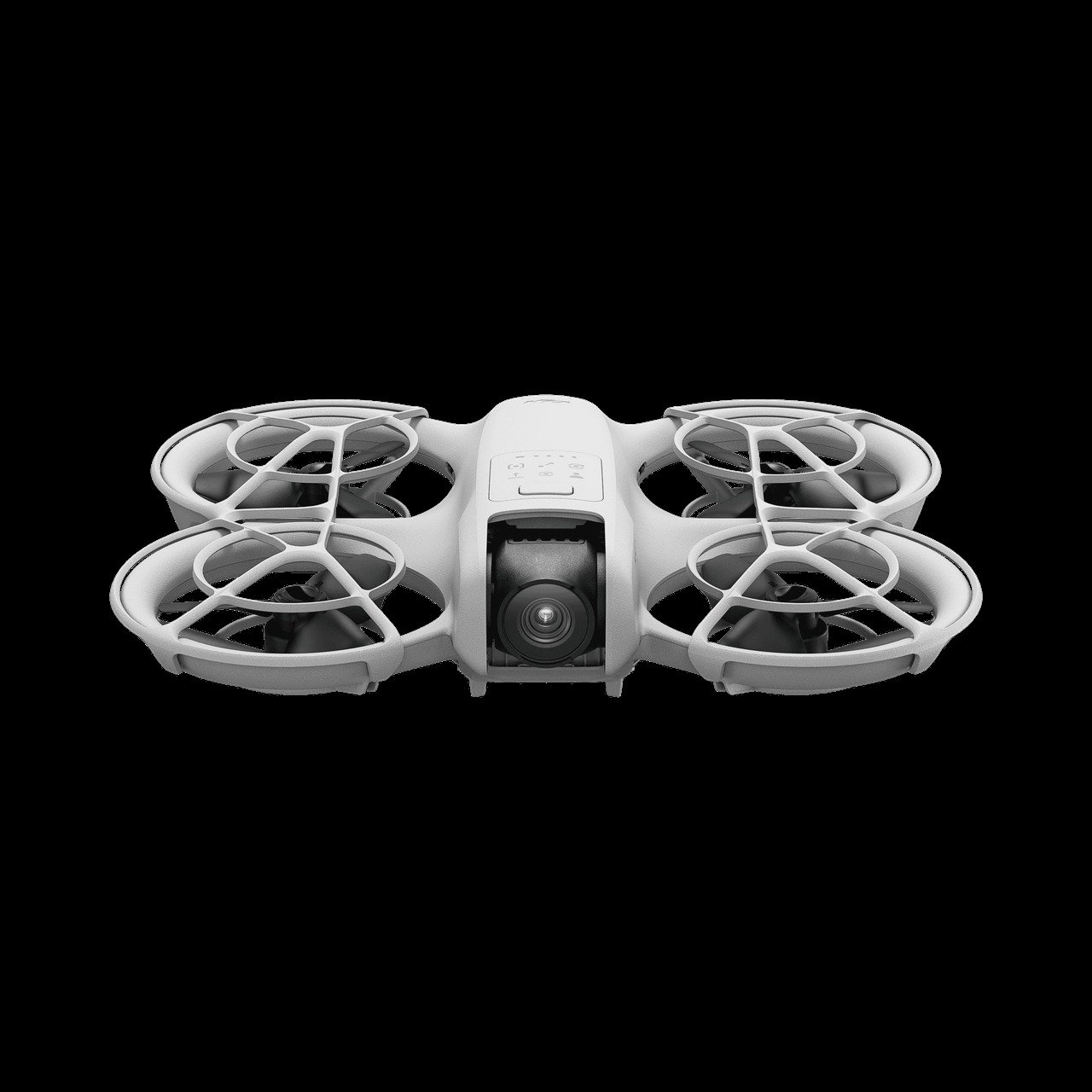
DJI Neo
For vloggers and casual creators who want a flying camera with zero learning curve.
- Palm takeoff and AI tracking deliver great selfies with no piloting skill
- Weighs just 135 g and needs no controller; your phone is optional
- Compromise: about 50 m range on phone control, single-axis gimbal
Check current price and available bundles on Amazon

DJI Mini 2
For beginners who want a proper camera drone with long range and long flight times.
- OcuSync 2.0 delivers up to 10 km of stable HD video transmission
- RAW photos, panoramas, and 4x digital zoom for real creative control
- Compromise: no obstacle sensing, no subject tracking; needs the controller and a microSD card
Check current price and available bundles on Amazon
Which drone fits your flying?
Start with your main use case, not the spec sheet. The best choice is the drone that solves your actual problem without charging you for features you will rarely use. The Neo and the Mini 2 barely overlap in practice: one is a self-flying camera that happens to be a drone, the other is a drone that happens to carry a good camera. Match your answer below to the box that sounds like you.
Choose the DJI Neo if…
- Selfies and social clips are your main output, especially vertical video.
- You want to fly within seconds, straight from your palm, with no controller to charge, pair, or carry.
- You like the idea of the drone filming you while you hike, skate, cycle, or hang out with friends.
- You can accept a shorter flight time and a modest 50-meter control range on phone control.
Choose the DJI Mini 2 if…
- Aerial photography and landscapes are your main output, with editing afterward.
- You want up to 31 minutes per battery and up to 10 km of transmission range for real exploration.
- You value RAW photos, panoramas, manual camera settings, and digital zoom.
- You can accept carrying a dedicated controller, using your phone as the display, and buying a microSD card.
DJI Neo vs Mini 2: the specs that actually matter
Every figure below comes from DJI’s official specification pages, with launch pricing from the original announcements and deal pricing from recent coverage. Keep manufacturer maximums separate from real-world results: lab numbers always look better than windy-afternoon numbers.
| Feature | DJI Neo | DJI Mini 2 |
|---|---|---|
| Best suited to | Selfies, vlogging, social clips | Aerial photos and video, travel |
| Takeoff weight | 135 g | Under 249 g (242 g with battery, propellers, and microSD) |
| Size | 130 x 157 x 48.5 mm (does not fold) | Folds to 138 x 81 x 58 mm |
| Camera sensor | 1/2-inch CMOS, 12 MP | 1/2.3-inch CMOS, 12 MP |
| Lens | 14 mm equivalent, f/2.8, 117.6° FOV | 24 mm equivalent, f/2.8, 83° FOV |
| Video modes | 4K/30, 1080p/60, 75 Mbps max | 4K/30, 2.7K/30, 1080p/60 |
| Photo modes | 12 MP JPEG, single and timed shot | 12 MP JPEG + RAW, single, interval, AEB, panoramas |
| Gimbal | Single-axis mechanical (tilt) plus RockSteady EIS | 3-axis mechanical |
| Vertical video | Native 1080p vertical shooting | Cropped from 4K (no native vertical mode) |
| Obstacle sensing | None; downward visual positioning only | None; downward vision and infrared sensing |
| Subject tracking | AI subject tracking plus QuickShots | QuickShots only; no subject tracking |
| Rated flight time | 18 min (17 min with propeller guards) | 31 min |
| Transmission range | 50 m on phone/Wi-Fi; up to 10 km with RC-N3 controller | Up to 10 km (OcuSync 2.0) |
| Max speed | 8 m/s (Sport); 16 m/s (Manual mode) | 16 m/s (Sport mode) |
| Wind resistance | 8 m/s (Level 4) | 8.5-10.5 m/s (Level 5) |
| Positioning | Downward visual positioning | GPS + GLONASS + Galileo |
| Storage | 22 GB internal; no card slot | microSD required; no internal storage |
| Controller | None needed; phone app, RC-N3, RC Motion 3, or Goggles | Dedicated RC with phone as display |
| Launch price | $199 (standard) | $449 (standard); $599 (Fly More Combo) |
Manufacturer maximums are measured in ideal conditions; real flight times and ranges run shorter. Prices change frequently, so check the live Amazon listing before buying.
Five differences that decide this DJI Neo vs Mini 2 matchup
Spec tables tell you what each drone has. They do not tell you what it feels like to use one. These are the five differences that actually change your footage, your workflow, and your willingness to bring the drone along.
1. Camera quality and creative flexibility
Edge: DJI Mini 2Both drones shoot 4K at 30 frames per second and 12-megapixel stills, so the headline numbers look like a tie. The experience behind those numbers is not. The Mini 2 carries its camera on a true three-axis mechanical gimbal, which physically stabilizes pitch, roll, and yaw. The Neo uses a single-axis mechanical gimbal for tilt only and leans on electronic stabilization (RockSteady) for the rest. In calm conditions both produce smooth footage, but the moment you bank hard, fight a gust, or fly aggressively, the Mini 2’s footage stays noticeably calmer. Mechanical stabilization also beats electronic stabilization for image quality, because EIS crops into the frame and can introduce subtle warping.
The lenses tell two different stories as well. The Neo’s 14 mm equivalent lens with its 117.6-degree field of view is an ultra-wide selfie lens: it keeps you and your surroundings in frame at arm’s length, which is exactly what a follow-me vlogging drone should do. The trade-off is distortion at the edges and a look that screams action camera. The Mini 2’s 24 mm equivalent lens with an 83-degree field of view is the classic aerial photography focal length: natural perspective, minimal distortion, and far more flattering for landscapes and architecture. If you have ever wondered why drone footage looks cinematic, this lens is a big part of the answer.
Then there is everything around the shutter button. The Mini 2 shoots RAW (DNG) stills, offers full manual control of shutter, ISO, and white balance, captures panoramas in sphere, 180-degree, and wide-angle modes, and gives you digital zoom up to 4x in 1080p. The Neo shoots JPEG only, keeps you mostly in auto, and skips panoramas entirely. One area where the Neo genuinely leads is vertical video: it shoots native 1080p vertical, purpose-built for TikTok, Reels, and Shorts, while the Mini 2 has no vertical mode and forces you to crop from 4K. In low light, neither small sensor impresses, though both are usable if you keep expectations modest and avoid pushing the ISO.
2. Portability and travel
Edge: DJI NeoThe Neo weighs 135 grams. The Mini 2 weighs just under 249 grams. On paper that is a 114-gram gap, roughly the weight of a deck of cards. In practice the gap feels much bigger, because the Neo’s portability story is about what you leave at home, not what you carry. The Neo needs no controller. It needs no phone mount, no cables, no microSD card juggling (it has 22 GB of internal storage). You pick it up, toss it in a jacket pocket or a small bag, and you are ready to shoot. The full propeller guards stay on all the time, so it survives being tossed around in a backpack in a way the Mini 2’s exposed props do not.
The Mini 2 is still a marvel of miniaturization: it folds down to 138 x 81 x 58 mm, smaller than many phones are long. But a folding drone is only as portable as its kit. To fly the Mini 2 you need the drone, the dedicated controller, your phone (which serves as the display), and a microSD card. That is a small shoulder bag or a very full jacket, plus a few minutes of setup at every location: unfold the arms, link the controller, mount the phone, wait for GPS lock. None of that is hard, and regular drone pilots do it without thinking, but it is friction, and friction is what kills spontaneous shots.
One regulatory note applies to both: staying under 250 grams keeps things simpler in many countries, since heavier drones often trigger registration requirements. Rules still vary by country and by how you fly, and in the US the FAA’s free TRUST test is required for recreational flyers regardless. Check your local aviation authority’s current requirements before your first flight, because the rules change and the fine print matters.
3. Flight confidence and tracking
Edge: DJI NeoThis is the Neo’s home turf, and it is not close. The Neo was designed around a single idea: the drone films you while you do things. Its AI subject tracking locks onto you and follows, while QuickShots (Dronie, Circle, Rocket, Spotlight, Helix, and Boomerang) execute cinematic camera moves with one tap. Palm takeoff and landing mean you launch it from your hand and it returns to your hand, no landing pad theatrics. You can even control it with voice commands, and when you do want manual control, it pairs with the DJI Fly app on your phone, the RC-N3 controller, the RC Motion 3, or DJI Goggles for FPV flying. Full-coverage propeller guards come in the box, so bouncing it off a branch or a wall is a shrug rather than a repair bill.
The Mini 2 takes the opposite approach: it is a pilot’s drone. It has QuickShots too (Dronie, Helix, Rocket, Circle, and Boomerang), and its Smart Return to Home, precise GPS hovering, and stable flight characteristics make it confidence-inspiring to fly manually. But DJI is explicit that the Mini 2 cannot track subjects automatically, and it has no obstacle avoidance sensors at all, just downward vision and infrared sensing for stable hovering. You are the tracking system. That is great if you enjoy flying, and it is a limitation if you bought the drone hoping it would film you while your hands are busy.
Neither drone is crash-proof, and neither should be described that way. The Neo’s prop guards protect people and props from light contact, but they do not make it invincible, and its downward-only positioning means it can still drift into things sideways. The Mini 2’s 360-degree propeller guard is sold separately, not included. Fly both with the same respect you would give any aircraft, keep line of sight, and learn the return-to-home behavior before you need it.
4. Battery life and time in the air
Edge: DJI Mini 2DJI rates the Neo at about 18 minutes of flight time, dropping to around 17 minutes with the propeller guards on. DJI rates the Mini 2 at 31 minutes. Both numbers come from controlled test conditions (the Neo’s figure is measured flying forward at a constant 2 m/s in still air), so expect less in the real world, especially in wind or when you fly aggressively. Still, the gap is enormous: a single Mini 2 battery stays airborne nearly twice as long as a Neo battery. On a landscape shoot where you are waiting for light, repositioning, and trying compositions, those extra minutes are the difference between getting the shot and watching the drone come home early.
The Neo fights back with a different rhythm. DJI says each battery supports at least 20 palm takeoffs and landings in succession using the automated shooting modes, which matches how the drone is actually used: short, punchy clips rather than long exploratory flights. Charging is quick and modern: about 50 minutes to charge the drone directly, or about 60 minutes to charge three batteries at once in the two-way charging hub. The Mini 2 supports fast charging up to 29 W and its hub charges batteries in sequence, doubling as a power bank for your phone or controller in a pinch. For a full day out, both drones realistically want the Fly More style bundle with spare batteries; the difference is that the Mini 2 can cover a serious session on one battery while the Neo will be swapping packs.
Storage plays into this too. The Neo’s 22 GB of internal storage holds roughly 40 minutes of 4K/30 footage according to independent reviews, which comfortably exceeds what three batteries can shoot, and transfers go straight to your phone over Wi-Fi with no cables. The catch is that 22 GB is all you get: there is no microSD slot, so a long trip means offloading footage regularly. The Mini 2 has no internal storage at all and requires a microSD card, but that also means effectively unlimited storage if you pack spare cards, which most photographers already own.
5. Value of the complete kit
Edge: DJI NeoThe Neo launched at $199 for the standard package, and it has proven to be one of the most aggressively discounted DJI products ever. During Amazon’s Prime Big Deal Days in October 2026, the base Neo dropped to $139, which independent drone press called the cheapest DJI camera drone that works as advertised. At that price it costs less than many premium smartphone accessories, and it needs nothing else: no controller, no memory card, no extras. The Fly More style bundles add batteries, a charging hub, and optionally the RC-N3 controller, but the base package is genuinely complete.
The Mini 2 launched at $449 for the standard package (drone, controller, one battery) and $599 for the Fly More Combo (three batteries, charging hub, carrying case, and more). Years after launch it is frequently discounted, but it still typically sells for roughly double the Neo’s price, and the total cost of ownership runs higher: you will want a microSD card, and most buyers eventually add spare batteries or the Fly More bundle. What that money buys is a fundamentally more capable aircraft: longer flight time, far greater range, a real gimbal, and creative controls the Neo simply does not have.
Think of it as two different value equations. The Neo asks: how little can a flying camera cost while still being a DJI? The answer is remarkably little, especially on sale. The Mini 2 asks: how much drone can you get before the price stops making sense for a beginner? The answer is a lot, which is why it remained a default recommendation for years. Neither is overpriced for what it does; they are priced for different jobs. Check the live Amazon listings before deciding, because sale events regularly reshuffle the math.
What you gain. What you give up.
DJI Neo
Reasons to choose it
- The cheapest way into a real DJI flying camera, especially on sale
- Zero learning curve: palm takeoff, AI tracking, and voice control
- Truly pocketable at 135 g with no controller or accessories required
- Native vertical video and full prop guards in the box
Reasons to reconsider
- Only about 50 m of range on phone control; 10 km needs the optional controller
- Single-axis gimbal plus EIS cannot match a 3-axis gimbal in tough conditions
- 22 GB of internal storage with no card slot means regular offloading on trips
DJI Mini 2
Reasons to choose it
- Three-axis gimbal with 4K/30 for genuinely smooth, cinematic footage
- 31-minute flight time and up to 10 km OcuSync range for real exploration
- RAW photos, panoramas, manual controls, and up to 4x digital zoom
- A proven platform with years of accessories and community knowledge
Reasons to reconsider
- No subject tracking and no obstacle avoidance; you do the flying
- Needs the controller, your phone as a display, and a microSD card
- Costs roughly twice the Neo, and the kit keeps growing once you start accessorizing
Check the bundle, not just the drone
- Controller: The Neo needs none; your phone is optional. The Mini 2 requires its dedicated controller, and your phone serves as the display, so confirm your phone fits the mount and holds a charge.
- Batteries: Count what is in the box. The Neo’s multi-battery bundle adds flight time and a hub that charges three packs in about an hour. The Mini 2’s Fly More Combo adds two batteries, a charging hub, and a carrying case, which most owners consider essential.
- Storage: The Neo records to 22 GB of internal memory with no card slot, so plan to offload footage. The Mini 2 needs a microSD card; DJI recommends UHS-I Speed Grade 3 cards from reputable brands, and a 128 GB card is the sweet spot for most buyers.
- Listing: Confirm the exact model before you buy. DJI’s lineup includes the Neo 2, the Mini 2 SE, and the Mini 4K, which are different drones at different prices. Check the model name, condition, seller, warranty, and return terms on the Amazon listing.
- Local requirements: Both drones stay under 250 g, which simplifies things in many regions, but registration, training, and airspace rules vary by country and change over time. In the US, recreational flyers need to pass the free TRUST test. Check your aviation authority’s current rules before your first flight.
DJI Neo vs Mini 2: our final verdict
The right choice comes down to who does the flying. The Neo is a self-flying camera: you press a button, it takes off from your palm, follows you, and lands back in your hand, all for the lowest price DJI has ever charged. The Mini 2 is a pilot’s drone: you fly it, and in return it gives you a real three-axis gimbal, 31-minute flights, 10 kilometers of range, and the creative controls to grow into. Neither is a bad drone; they are answers to different questions. If your question is “how do I get cool footage of myself with minimum hassle,” the answer is the Neo. If your question is “how do I get into aerial photography,” the answer is the Mini 2.
Still deciding?
Is the Mini 2 worth the upgrade over the Neo?
It depends entirely on what you shoot. If you want better-looking footage, longer flights, and far greater range, the Mini 2 is worth every extra dollar: the three-axis gimbal and 31-minute flight time change what is possible. If you mainly want fun follow-me clips for social media and you value the Neo’s palm takeoff and zero setup, the Mini 2’s advantages will sit unused, and you should keep the Neo and spend the difference on extra batteries.
Which drone is better for beginners?
Both are beginner-friendly in different ways. The Neo is easier from the first minute: no controller pairing, no manual flying required, and prop guards that forgive mistakes. The Mini 2 is the better beginner camera drone: it teaches you real piloting skills, its GPS hold and return-to-home keep things safe, and its ceiling is far higher as your skills grow. Pick the Neo if you want results today; pick the Mini 2 if you want to learn the craft.
Which is better for travel and vertical video?
For travel convenience, the Neo wins: 135 grams, no controller, no setup, and internal storage mean it is always with you. For vertical video specifically, the Neo also wins with native 1080p vertical shooting built for TikTok, Reels, and Shorts. The Mini 2 can produce vertical video by cropping its 4K footage, which works fine but wastes resolution. If your trip is about landscapes rather than selfies, though, the Mini 2’s camera and flight time make it the better travel companion.
Which bundle should I buy?
For the Neo, the standard package is genuinely complete, but heavy users should consider the multi-battery bundle: 18-minute flights go fast, and the hub charges three batteries in about an hour. Add the RC-N3 controller only if you want the full 10 km range and manual FPV-style flying. For the Mini 2, the Fly More Combo is the smart buy for most people: two extra batteries, the charging hub, and the carrying case address the three things every owner ends up wanting. Either way, Mini 2 buyers need a microSD card; a 128 GB UHS-I U3 card covers most needs.
Can the Neo really fly without a controller?
Yes. The Neo’s signature trick is controller-free flight: select a shooting mode with the button on the drone (or your voice), and it takes off from your palm, executes the shot, and lands back in your hand. Phone control via the DJI Fly app extends the range to about 50 meters. For full manual control and the maximum 10 km transmission range, you pair it with the RC-N3 controller, the RC Motion 3, or DJI Goggles. Think of it as three drones in one: autonomous selfie cam, phone-controlled quad, and full FPV rig.
How were these drones compared?
This is a research-based comparison, not a hands-on test. We compared DJI’s official specification pages for both models, cross-checked details against independent reviews from outlets like Trusted Reviews, DroneXL, and DroneDJ, and verified current Amazon listings and pricing. Where manufacturers’ lab figures differ from real-world results, we say so. See the methodology section below for the full source list.
How this comparison was prepared
This comparison is research-based: we did not fly these drones ourselves. We started with the manufacturers’ official specification pages for both models, then cross-checked the practical details, pricing, and limitations against independent reviews and reporting. Manufacturer maximums (flight time, range, wind resistance) are lab figures measured in ideal conditions; we treat them as ceilings, not promises. Pricing references come from launch announcements and recent deal coverage, and we note where prices were observed rather than presenting them as current. Where a specification could not be confirmed from a reliable source, we left it out rather than guessing.
Sources & verification
- DJI Neo official specifications, dji.com/neo/specs (https://www.dji.com/neo/specs), accessed October 19, 2026
- DJI Mini 2 official specifications and support FAQ, dji.com/mini-2/specs (https://www.dji.com/mini-2/specs), accessed October 19, 2026
- DJI Store, DJI Neo product page (https://store.dji.com/product/dji-neo), accessed October 19, 2026
- DroneXL, “DJI Neo Hits $139 on Amazon” (https://dronexl.co/2026/10/06/dji-neo-139-prime-big-deal-days-dji-store-sold-out/), published October 6, 2026
- DroneDJ, “Want a DJI drone? This $139 Neo deal is tempting” (https://dronedj.com/2026/10/07/dji-drone-prime-day-deal/), published October 7, 2026
- Trusted Reviews, DJI Neo review (https://www.trustedreviews.com/reviews/dji-neo)
- Amazon.com listing references for ASIN verification via rrtechpulse.com, thenewcamera.com, and desertcart.in product data, checked October 2026
- Product photography: official DJI Store imagery and Wikimedia Commons (File:DJI Mini 2.jpg), free-licensed
Last verified: October 19, 2026. Bundle availability, pricing, and specifications may vary by region and version.
Lectric XPeak 2 vs Aventon Aventure 3: Which Fat-Tire E-Bike Wins?
Aventon Aventure 3 vs Velotric Nomad 2X: Which Fat-Tire E-Bike Is Worth It?
Aventon Abound vs Lectric XPedition 2.0: Which Cargo E-Bike Is Right for You?
Ride1Up TrailRush vs Aventon Ramblas: Which Budget eMTB Should You Buy?
Lectric XP 3.0 vs XP4: Is the Upgrade Worth It?
Lectric XP Lite 2.0 vs XP4: Budget vs Flagship Folding E-Bikes
Aventon Level 3 vs Velotric Discover 3: Which Commuter E-Bike Should You Buy?
Velotric Breeze 1 vs Aventon Pace 4: Which Comfort Cruiser E-Bike Should You Buy?
Aventon Pace 500.3 vs Level.3: Which Aventon E-Bike Should You Buy?
Lectric XP 2.0 vs XP 3.0: Should You Upgrade or Buy Used?
Aventon Aventure 3 vs Aventon Level 3: Which Aventon Is Right for You?
Velotric Breeze 1 vs Velotric Discover 2: Cruiser Comfort or Commuter Muscle?
Aventon Soltera 2 vs Soltera 2.5: Is the Upgrade Worth It?
Aventon Aventure 3 vs Aventon Aventure M: Which Fat-Tire Aventon Wins?
Aventon Level 3 vs Level 2: Should You Pay More for the Newest?
Velotric Tempo vs Velotric Breeze 1: City Speed or Cruiser Comfort?
Heybike Ranger 2.0 vs 3.0 Pro: Is the Flagship Worth Double the Money?
Lectric XPress vs XP4: Same Brand, Opposite Missions
Velotric Tempo vs Aventon Pace 4: The 20-Pound Question
Aventon Soltera 2.5 vs Ride1Up Roadster V3: Two Philosophies of Light
Aventon Ramblas vs Velotric Summit 1: Mid-Drive Purist or Hub-Drive Muscle?
Lectric XP4 vs Velotric Fold 1: The Folding E-Bike Fight at $1,299
Velotric Discover 2 vs Lectric XPress 750: Comfort or Speed?
Aventon Level 3 vs Ride1Up Vorsa: Smart Tech or Raw Utility?
Super73 ZX vs Ride1Up Revv 1: Moped Style Showdown
Mokwheel Basalt vs Basalt 2.0: Is the Upgrade Worth It?
Heybike Mars 2.0 vs Mars 3.0: Generational Leap or Sideways Step?
Velotric Breeze 1 vs Discover 3: Cruiser Comfort vs Cargo Muscle
Lectric XP Lite 1.0 vs 2.0: Should You Upgrade the Budget King?
Velotric Tempo vs Aventon Soltera 2: Lightweight Commuter Showdown
Velotric Tempo vs T1 ST Plus: Is the Upgrade Worth It?
Lectric XPeak 1.0 vs 2.0: What Changed in the Refresh?
Aventon Aventure 2 vs Aventure: Worth the Generational Jump?
Velotric T1 vs T1 ST Plus: Original vs Step-Through Plus
Lectric XP 3.0 vs Ride1Up Portola: Folding Bike Face-Off
Aventon Aventure 3 vs Aventure 2: New vs Last-Gen Fat Tire
Velotric Discover 1 vs Discover 1 Plus: What Did Plus Add?
Velotric Fold 1 Plus vs Ride1Up Portola: Folding Face-Off
Velotric T1 ST Plus vs Aventon Soltera 2.5: Lightweight Duel
Aventon Aventure 2 vs Lectric XPeak 2.0: Fat Tire Rivals
Lectric XP Lite 2.0 vs Ride1Up Portola: Lightweight Folders
Velotric Fold 1 Plus vs Aventon Sinch 2.5: Folding Rivals
Aventon Aventure M vs Ramblas: Mid-Drive Face-Off
Mokwheel Obsidian vs Basalt: Fat Tire Stablemates
Aventon Sinch 2 vs Sinch 2.5: Folding Generations
Lectric XPress vs XPeak: Commuter or Fat Tire?
Lectric XP4 vs Aventon Level 3: Folder or Commuter?
Himiway Zebra vs Aventon Aventure 2: Fat Tire Heavyweights
Velotric Discover 1 vs Aventon Level 2: Commuter Clash
Fiido T1 vs T1 Pro: Utility Cargo Face-Off
ENGWE L20 vs L20 SE: Folding Siblings
Lectric XPress 750 vs Aventon Level 2: Value Commuters
Heybike Mars 2.0 vs Lectric XP 3.0: Folding Fat Tires
Lectric XP4 vs Heybike Ranger S: Folding Face-Off
Tenways CGO600 Pro vs CGO800S: Belt Drive City Bikes
ENGWE L20 vs L20 Boost: Which Folding Utility?
Lectric XP Lite 2.0 vs Heybike Mars 2.0: Light Folder or Fat Folder?
Aventon Pace 4 vs Lectric XPress 750: Cruiser Comfort or Torque?
ENGWE L20 vs EP-2 Pro: Utility Step-Through or Folder?
Velotric Discover 2 vs Aventon Level 3: Premium Commuters
Tenways CGO600 Pro vs Aventon Soltera 2.5: Lightweight City Bikes
ENGWE EP-2 Pro vs Lectric XP 3.0: Folding Fat Tire Rivals
Ride1Up Portola vs Heybike Ranger S: Folding Value Fight
Lectric XPeak 2.0 vs Mokwheel Basalt: Trail Fat Tire Fight
Velotric Nomad 2X vs Himiway Zebra: Big Fat Tire Power
Tenways CGO800S vs Aventon Soltera 2.5: Light City Bikes
Heybike Ranger S vs Aventon Sinch 2.5: Folding Fat Tires
Lectric XPress 750 vs Himiway Zebra: Commuter or Fat Tire?
Aventon Level 3 vs Mokwheel Basalt: Commuter or Trail?
Velotric Fold 1 Plus vs Lectric XP Lite 2.0: Light Folders
Aventon Sinch 2.5 vs Lectric XP 3.0: Folding Fat Tires
Mokwheel Obsidian vs Aventon Aventure 3: Power or Polish?
Velotric Discover 2 vs Lectric XP4: Commuter Face-Off
Heybike Mars 2.0 vs Aventon Sinch 2.5: Folding Fat Tires
Ride1Up Roadster V3 vs Tenways CGO600 Pro: City Belt Bikes
Mokwheel Basalt vs Himiway Zebra: Fat Tire Range Fight
Heybike Ranger S vs Lectric XP 3.0: Folding Face-Off
ENGWE EP-2 Pro vs Heybike Mars 2.0: Budget Fat Folders
Tenways CGO800S vs Velotric Breeze 1: Light City Cruisers
Velotric Discover 2 vs Heybike Ranger S: Comfort or Fold?
Aventon Pace 4 vs Lectric XP4: City Cruiser or Folder?
Mokwheel Obsidian vs Himiway Zebra: Trail Powerhouses
ENGWE L20 vs Velotric Fold 1 Plus: Step-Through Face-Off
Aventon Level 3 vs Lectric XP4: Smart Commuter or Folder?
Mokwheel Basalt vs Aventon Aventure 3: Fat Tire Titans
Heybike Mars 2.0 vs Velotric Fold 1 Plus: Fat Folders
Tenways CGO600 Pro vs Velotric Breeze 1: Light City Picks
Aventon Pace 4 vs Heybike Ranger S: Cruiser or Folder?
Mokwheel Basalt vs Lectric XP4: Trail Bike or Folder?
Tenways CGO800S vs Aventon Pace 4: Lightweight Cruisers
ENGWE EP-2 Pro vs Velotric Fold 1 Plus: Fat Folder Fight
Aventon Aventure 3 vs Heybike Mars 2.0: Smart or Budget?
Velotric Discover 2 vs Mokwheel Basalt: Commuter or Hauler?
Lectric XPress 750 vs Velotric Fold 1 Plus: Commuter Clash
Aventon Sinch 2.5 vs Heybike Ranger S: Folding Face-Off
Aventon Level 3 vs Tenways CGO800S: Connected or Calm?
Velotric Nomad 2X vs Mokwheel Basalt: Fat Tire Haulers
Lectric XPress 750 vs Aventon Aventure 3: Commuter or Fat Tire?
ENGWE EP-2 Pro vs Heybike Ranger S: Folding Fat Tire Fight
Aventon Ramblas vs Mokwheel Obsidian: Trail Bike or Power Station?
Tenways CGO800S vs Velotric Discover 2: Smooth or Smart?
Heybike Mars 2.0 vs Lectric XP4: Folding Fat Tire Fight
Himiway Zebra vs Aventon Level 3: Hauler or Commuter?
Aventon Aventure 3 vs Lectric XP4: Fat Tire or Folder?
Velotric Nomad 2X vs Mokwheel Obsidian: Suspension or Power Station?
Tenways CGO600 Pro vs Velotric Discover 2: Calm or Capable?
ENGWE L20 vs Heybike Ranger S: Cargo Hauler or Folder?
Velotric Nomad 2X vs Aventon Level 3: Hauler or Commuter?
Mokwheel Basalt vs Tenways CGO800S: Power Station or Belt Calm?
Aventon Pace 4 vs Velotric Discover 2: Cruiser or Commuter?
ENGWE EP-2 Pro vs Lectric XP4: Old Folder or New Folder?
Aventon Aventure 3 vs Himiway Zebra: Smart Fat Tire or Simple Muscle?
Velotric Nomad 2X vs Lectric XP4: Hauler or Folder?
Tenways CGO600 Pro vs Aventon Pace 4: Belt Calm or Connected Cruiser?
Heybike Mars 2.0 vs Mokwheel Basalt: Value Fat Tire or Power Station?


