


The dji mini 3 vs mini 3 pro question confuses more buyers than any other in the Mini line, because the name suggests a trim level when the reality is a different machine wearing the same camera. Both drones share the 1/1.3-inch sensor, the f/1.7 lens, true vertical video, and sub-249 g weight. The price difference buys everything around that camera: the Mini 3 Pro adds tri-directional obstacle sensing, FocusTrack subject tracking, a faster O3 transmission link with a 1080p feed, 4K/60fps video, a 10-bit D-Cinelike color profile, and intelligent modes like MasterShots and Hyperlapse. The Mini 3 counters with the same image sensor, a lower bill, and something the Pro cannot match: up to 38 minutes of rated flight time, four more than its sibling. We compared the cameras, the sensing, the software, and the value gap to show exactly what the Pro premium purchases, and who should pocket the difference instead.
As an Amazon Associate, we earn from qualifying purchases.
Same camera. The Pro is the smarter, safer drone.
DJI Mini 3 Pro wins this comparison for most creators: obstacle sensing in three directions, subject tracking, 4K/60fps, 10-bit color, and a sharper O3 link make it the more capable and more forgiving aircraft. DJI Mini 3 wins for pilots who shoot manually and value endurance and savings: it keeps the identical sensor and vertical gimbal, flies four minutes longer per battery, and leaves money for batteries and filters. Camera sensor: Tie. Safety and tracking: Mini 3 Pro. Flight time: Mini 3. Value: Mini 3.
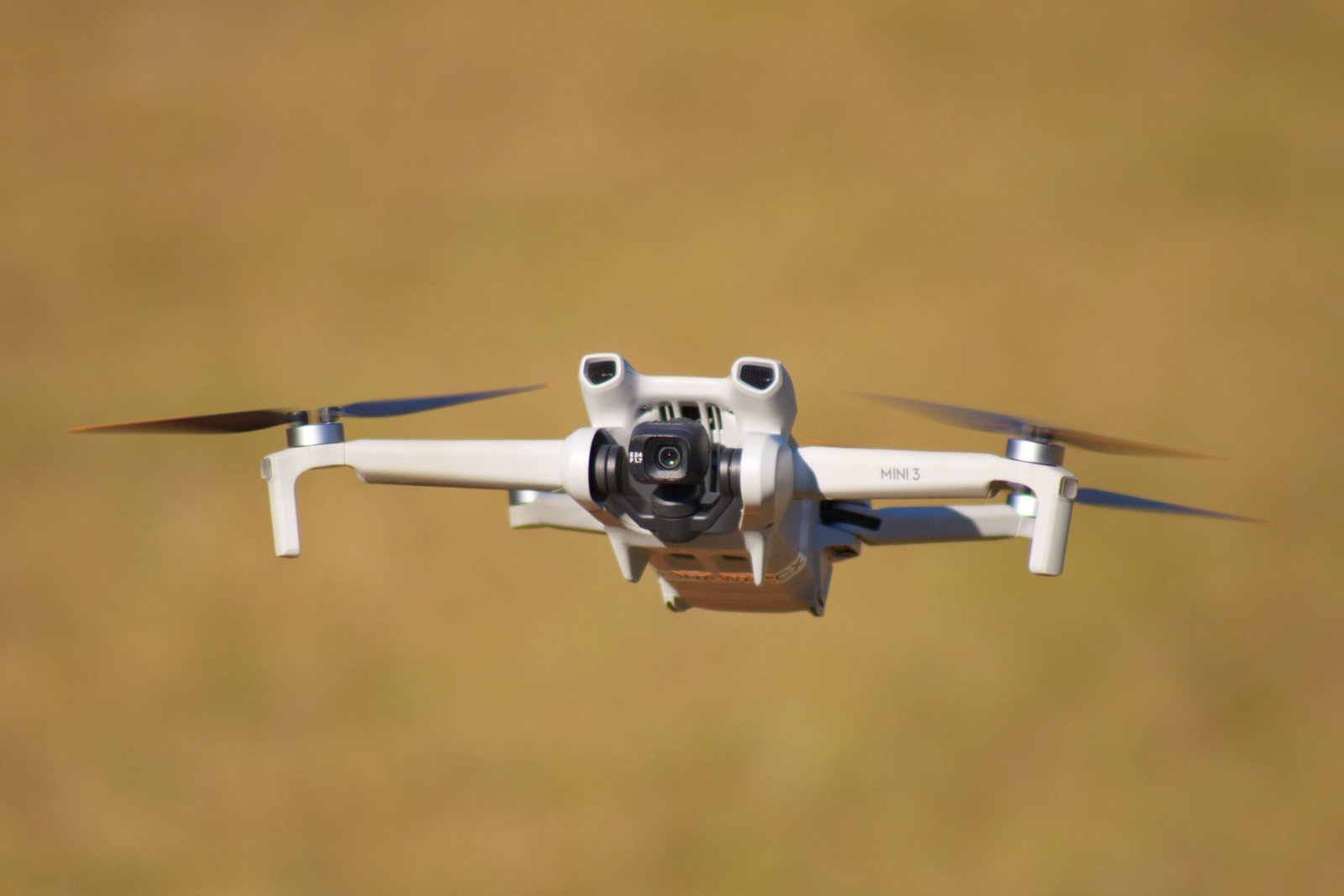
DJI Mini 3
For manual shooters who want the same sensor and longer flights for less
- Identical 1/1.3-inch sensor, HDR video, and rotating vertical gimbal
- 38 minutes rated and 51 minutes with the Plus battery
- The price gap stays in your pocket for batteries and ND filters
Check the listing and available bundles on Amazon

DJI Mini 3 Pro
For creators who want sensing, tracking, and 4K/60 in a sub-250 g drone
- Forward, backward, and downward sensing with APAS 4.0
- FocusTrack tracking, MasterShots, and Hyperlapse built in
- 4K/60fps, D-Cinelike 10-bit color, and a 1080p O3 live feed
Check the listing and available bundles on Amazon
Which drone fits your flying?
Because the cameras match, this choice is purely about how you fly and what can go wrong while you do it.
Choose the DJI Mini 3 if…
- You compose every shot yourself and rarely wish the drone would follow anything.
- You fly open landscapes, coastlines, and rooftops where obstacles are scarce.
- You want maximum minutes per battery and the lowest cost per flight hour.
- You can accept zero obstacle sensing and no subject tracking, permanently.
Choose the DJI Mini 3 Pro if…
- You film moving subjects or yourself, and tracking would transform your output.
- You fly near trees, buildings, and people, where sensing prevents expensive lessons.
- You edit seriously and want 4K/60 slow motion and 10-bit color to grade.
- You can accept shorter flights and a higher price for the capability jump.
Think of the price difference as buying insurance plus an assistant. The Pro’s sensors do not make it crash-proof, but they catch the classic beginner mistakes (reversing into a tree, drifting sideways on a tracking shot) that end Mini 3 flights early. If your flying is careful and your locations are open, that insurance may never pay out, and the Mini 3 is the rational buy.
A final angle: upgrade paths. The Mini 3 is often where pilots start and the Pro is where they land six months later, hat in hand, after discovering they want tracking. Buying the Pro first is the cheaper route for creators who already know they will use its modes; buying the Mini 3 first is cheaper for everyone else.
DJI Mini 3: The Same Camera, Stripped to Essentials
Launched in December 2022 as the affordable sibling, the Mini 3 keeps the Pro’s imaging hardware and deletes almost everything else.
Overview and camera
The Mini 3 folds to 148 by 90 by 62 mm and weighs 248 g with the standard battery. The camera is the full Pro recipe: a 1/1.3-inch CMOS sensor with 48MP effective pixels behind a 24mm equivalent f/1.7 lens, shooting 12MP stills by default with a 48MP mode, in JPEG and DNG RAW. Video runs to 4K at 30fps with HDR, 2.7K and Full HD at up to 60fps, recorded in H.264 at up to 100 Mbps in a Normal color profile. The gimbal rotates 90 degrees for true vertical capture, identical to the Pro, so social shooters lose nothing here.
Where the camera steps back is headroom. There is no 4K/60, so buttery slow motion at full resolution is out; there is no D-Cinelike, so color grading starts from a baked-in look; and the ISO ceiling of 3200 (against the Pro’s 6400) trims a stop of flexibility in the dark. For footage that goes straight from card to feed, none of this matters. For footage that goes through an editor, the Pro’s files are simply more cooperative.
Flight performance and the missing systems
Endurance is where the Mini 3 strikes back, hard. DJI rates it at 38 minutes with the standard battery and 51 minutes with the Plus battery, beating the Pro by four and four minutes respectively, because the lighter feature load sips power. Transmission is DJI O2: up to 10 km under FCC rules with a 720p/30fps live feed that is functional rather than pretty. Top speed is 16 m/s in Sport mode, wind resistance is Level 5 at 10.7 m/s, and positioning uses GPS, GLONASS, and Galileo with downward vision only.
The omissions define the drone: no obstacle sensing in any travel direction, no subject tracking, no MasterShots, no Hyperlapse, no internal storage. What remains is still substantial: automated QuickShots that orbit and reveal with a tap, panoramas that stitch in the app, and return to home logic that has saved countless aircraft. The Mini 3 is not a toy with features deleted; it is the Pro’s airframe and camera with the assistance layer switched off. QuickShots and panoramas remain, along with automatic return to home. Owners describe the Mini 3 fondly as the honest drone: it does exactly what your thumbs tell it, nothing more. For disciplined pilots in open country, that honesty is a feature; for everyone else, the Pro’s missing systems are the whole argument.
Who it suits, honestly
The Mini 3 suits the pilot who treats a drone like a tripod that flies: position it, frame carefully, shoot, move on. Landscape photographers, real estate shooters working exteriors in open lots, and travelers who prize minutes aloft will feel no lack. The moment your shot list includes following a cyclist, orbiting yourself on a summit, or threading a woodland path, the Mini 3’s silence on tracking and sensing becomes the loudest thing about it.
DJI Mini 3 Pro: The Full Feature Set
Launched in May 2022, the Mini 3 Pro was the first mini drone that asked: what if under 249 g did not mean compromised?
Overview and camera
The Pro folds slightly tighter, 145 by 90 by 62 mm, and stays under 249 g on its standard battery. The sensor and lens match the Mini 3 exactly, but the processing around them goes further: video climbs to 4K at 60fps for smooth slow motion, Full HD reaches 120fps, and HDR is available at frame rates up to 30fps. Color options add D-Cinelike, a 10-bit profile recorded in H.264 or H.265 at up to 150 Mbps, and the ISO range stretches to 6400. Stills are 48MP or 12MP in JPEG and DNG RAW, and the rotating gimbal delivers the same true vertical shooting as its sibling.
Side by side in daylight, Pro and Mini 3 footage is hard to tell apart, which is precisely the point of this comparison. The Pro pulls ahead when the brief hardens: slow motion at 4K, a sunset that needs grading, a dim interior where the extra ISO stop saves the shot. It is not a better camera so much as a more flexible one, and flexibility is what working creators actually buy.
Sensing, tracking, and transmission
Three systems justify the Pro badge. First, sensing: forward, backward, and downward vision sensors feed APAS 4.0, which brakes or reroutes around obstacles and transforms how confidently a small drone can be flown near structure. Second, FocusTrack: ActiveTrack 4.0 follows subjects, Spotlight 2.0 keeps the camera locked while you fly, and Point of Interest 3.0 orbits a target, joined by MasterShots automated edit sequences and Hyperlapse. Third, the O3 transmission link: up to 12 km under FCC rules with a 1080p/30fps live feed that makes framing at distance a pleasure instead of a guess.
Ownership over years
Both drones benefit from the same mature platform: shared batteries, shared controllers, a deep sea of third-party cases and filters, and firmware that DJI maintained for years after launch. The Pro’s extra sensors add one maintenance note: keep the vision lenses clean and recalibrate when the app asks, since the sensing system is only as good as its eyesight. Resale values for the Pro run stronger, reflecting demand for the tracking model, which quietly rebates part of the price difference when you eventually upgrade.
The costs are minutes and money. The Pro is rated at 34 minutes standard and 47 with the Plus battery, four minutes behind the Mini 3 in both configurations, because sensors and processors draw power even at a standstill. It carries 1.2 GB of internal storage as a small emergency reserve. Everything else (top speed of 16 m/s, Level 5 wind resistance, the same controllers, RC-N1 or DJI RC) matches its sibling. The Pro is the Mini 3 after a capability transplant, and the transplant is what the price difference buys.
DJI Mini 3 vs Mini 3 Pro: The Specs That Actually Matter
Same sensor, same lens, same vertical gimbal. The differences live in the sensing, tracking, transmission, and video rows, plus one surprise in the flight time row.
| Feature | DJI Mini 3 | DJI Mini 3 Pro |
|---|---|---|
| Best suited to | Manual shooters who want the same sensor, longer flights, and lower cost | Creators who want sensing, tracking, 4K/60, and 10-bit color |
| Takeoff weight | 248 g (standard battery); over 249 g with Plus battery | Under 249 g (standard battery); over 249 g with Plus battery |
| Dimensions (folded) | 148 x 90 x 62 mm | 145 x 90 x 62 mm |
| Camera sensor | 1/1.3-inch CMOS, 48MP effective, 24mm equivalent, f/1.7 | 1/1.3-inch CMOS, 48MP effective, 24mm equivalent, f/1.7 |
| Video modes | 4K up to 30fps HDR, 2.7K up to 60fps, FHD up to 60fps | 4K up to 60fps, 4K HDR up to 30fps, FHD up to 120fps |
| Color and codecs | Normal profile only; H.264 up to 100 Mbps | Normal and D-Cinelike 10-bit; H.264/H.265 up to 150 Mbps |
| Photo resolution | 12MP default, 48MP mode; JPEG and DNG RAW | 48MP and 12MP; JPEG and DNG RAW |
| Vertical capture | Native true vertical: gimbal rotates 90 degrees | Native true vertical: gimbal rotates 90 degrees |
| Gimbal | 3-axis mechanical (tilt, roll, pan), rotates for vertical | 3-axis mechanical (tilt, roll, pan), rotates for vertical |
| Obstacle sensing | Downward vision only; no obstacle avoidance | Tri-directional: forward, backward, downward; APAS 4.0 |
| Subject tracking | None; QuickShots only | FocusTrack: ActiveTrack 4.0, Spotlight 2.0, POI 3.0; MasterShots |
| Rated flight time | 38 minutes standard; 51 minutes with Plus battery | 34 minutes standard; 47 minutes with Plus battery |
| Real-world flight time | Not tested by us; reviewers report low 30s of minutes | Not tested by us; reviewers report high 20s of minutes |
| Max speed | 16 m/s (Sport mode) | 16 m/s (Sport mode) |
| Video transmission | DJI O2, up to 10 km FCC, 720p/30fps live view | DJI O3, up to 12 km FCC, 1080p/30fps live view |
| Wind resistance | 10.7 m/s (Level 5) | 10.7 m/s (Level 5) |
| GNSS | GPS plus GLONASS plus Galileo | GPS plus Galileo plus BeiDou |
| Internal storage | None; microSD required | 1.2 GB built in, plus microSD |
| Controller options | DJI RC-N1 or DJI RC with built-in screen | DJI RC-N1 or DJI RC with built-in screen |
| Main trade-off | No sensing, no tracking, no 4K/60: you fly it all yourself | Higher price and four fewer minutes per battery for the extra systems |
All figures are manufacturer specifications unless a row says otherwise; real-world flight times come from independent reviewers, not from us. See the methodology section for sources.
DJI Mini 3 vs Mini 3 Pro: Five Differences That Matter
Strip away the shared camera and five genuine differences remain. Together they are the price difference, itemized.
1. Obstacle sensing and flight confidence
Edge: Mini 3 ProThe Pro sees forward, backward, and down, and APAS 4.0 turns that vision into braking and rerouting. In real flying this shows up as a dozen small mercies a week: the drone hesitates before the branch you misjudged, sidesteps the chimney on a return path, and refuses the descent onto a sloped roof. None of these moments makes a highlight reel, but they are the difference between a drone that ages in your bag and one that ages in a repair queue. The Mini 3 sees only the ground beneath it. This is the difference between a drone that forgives a moment’s distraction near trees and one that invoices you for it. Sensing is not autonomy and it has blind spots (nothing watches the sides), but as insurance for the most common mini-drone crashes, it is the single most valuable upgrade in this comparison.
2. Subject tracking and intelligent modes
Edge: Mini 3 ProFocusTrack changes who can be in the video. ActiveTrack follows a walker, rider, or boat; Spotlight keeps the lens pinned while you reposition; MasterShots flies and edits a sequence automatically; Hyperlapse turns commutes into cinema. The Mini 3 has QuickShots and your skill. Solo creators feel this gap immediately, because tracking is the feature that puts the pilot in the frame instead of behind the controller for every second of the day.
3. Video headroom: 4K/60 and 10-bit color
Edge: Mini 3 ProThe sensors match, but the Pro records like a class above: 4K at 60fps for slow motion that stays sharp, Full HD at 120fps, D-Cinelike in 10-bit for grading, H.265 efficiency, and a stop more ISO range in the dark. The Mini 3’s 4K/30 Normal files look great unedited and resist editing. Creators who post straight to social will never miss the headroom; creators who color grade will miss it in the first week.
4. Flight time: the upset
Edge: Mini 3Here the cheaper drone wins a headline spec. Thirty-eight rated minutes against 34, and 51 against 47 with Plus batteries, because the Mini 3 carries no sensor array or tracking processor to feed. Four minutes is roughly one more location per battery, one more orbit per subject, one more margin when the wind picks up for the flight home. On a three-battery day, the Mini 3 quietly delivers an extra short flight the Pro cannot.
5. The price difference, honestly assessed
Edge: Mini 3The Pro costs meaningfully more, and this comparison exists because the gap is neither trivial nor a rip-off. Itemize what it buys: three-direction sensing, FocusTrack with MasterShots and Hyperlapse, 4K/60 with 10-bit color, the O3 link with its 1080p feed and extra range, and a token of internal storage. That is a lot of hardware and software. If you would use even half of it monthly, the Pro is the value pick; if your flying is manual landscapes in open country, the same money buys the Mini 3 plus the batteries and filters that improve every flight.
DJI Mini 3 vs Mini 3 Pro: What You Gain and Give Up
DJI Mini 3
Reasons to choose it
- Identical sensor, HDR, and true vertical gimbal as the Pro
- Longer flights: 38 minutes standard, 51 with Plus
- Lower cost leaves budget for batteries and filters
Reasons to reconsider
- No obstacle sensing and no tracking of any kind
- 4K capped at 30fps, Normal color only, 720p feed
DJI Mini 3 Pro
Reasons to choose it
- Tri-directional sensing with APAS 4.0 rerouting
- FocusTrack, MasterShots, and Hyperlapse automation
- 4K/60, D-Cinelike 10-bit, O3 link with 1080p feed
Reasons to reconsider
- Four fewer minutes per battery than the Mini 3
- The premium is wasted if you only fly manually
Check the bundle, not just the drone
- Controller: Both drones pair the RC-N1 or the DJI RC with its built-in screen. The screen controller is the single nicest quality-of-life upgrade for either model.
- Batteries: Standard batteries keep both drones under 249 g. Plus batteries extend flight (51 minutes Mini 3, 47 Pro) but cross the weight line, with registration implications to check locally.
- Shared ecosystem: The two drones use the same battery family and controllers, so households and clubs can share charging gear between them.
- Storage: The Pro’s 1.2 GB internal memory is an emergency net only. Both drones need a fast microSD card as the real recording medium.
- Local requirements: Check your aviation authority’s rules for sub-249 g drones, and for the heavier Plus-battery configuration, before your first flight.
The right choice comes down to assistance.
The camera is a tie, so decide by the flying, by the locations you love, and by how much forgiveness you want built into the aircraft. The Mini 3 Pro assists you with sensing, tracking, automation, and a better link, and most creators will produce more, safer footage with that help. The Mini 3 trusts you completely, flies longer, and costs less, which disciplined manual shooters will experience as purity rather than poverty. Buy the assistance if you will use it; pocket the difference if you will not.
Still deciding?
What is the actual difference between the Mini 3 and Mini 3 Pro?
The camera hardware is identical. The Pro adds tri-directional obstacle sensing, FocusTrack subject tracking, MasterShots and Hyperlapse, 4K/60fps video, 10-bit D-Cinelike color, the O3 transmission system with a 1080p feed and 12 km range, and 1.2 GB of internal storage. The standard Mini 3 counters with longer flight time and a lower price.
Is the Mini 3 Pro worth the price difference?
If you use tracking, fly near obstacles, shoot slow motion, or grade your footage, yes: those are daily-use advantages, not spec-sheet decorations. Spread over years of flying, the premium also tends to shrink in hindsight, because capability you use weekly is cheaper than capability you repurchase later as a second drone. If you fly open landscapes manually and post footage unedited, the Mini 3 delivers the same sensor for less and flies longer, which makes the Pro premium hard to justify.
Which drone is better for beginners?
The Mini 3 Pro, because its obstacle sensing forgives the classic beginner errors and its tracking modes produce good footage while skills develop. The Mini 3 is cheaper to buy and gives longer flights, but a new pilot is the pilot most likely to reverse into the one tree in the field, and only the Pro sees it coming.
Which is better for travel and vertical video?
Vertical video is a tie: both gimbals rotate for true vertical capture at full sensor quality, a feature many newer rivals still handle with a crop. Travel slightly favors the Mini 3 for its longer battery life per charge, while the Pro’s smaller folded size and sensing help in unfamiliar locations. Both stay under 249 g on standard batteries.
Can the Mini 3 and Mini 3 Pro share batteries and controllers?
Yes. The two models use the same Intelligent Flight Battery family (standard and Plus sizes) and the same controllers, the RC-N1 and the DJI RC. That makes the Mini 3 a sensible second aircraft for Pro owners, and an easy upgrade path in the other direction.
Which bundle should I buy?
Pro buyers get the most from a Fly More style kit, since its 34-minute batteries reward spares. Mini 3 buyers should put the saving toward a second battery and ND filters before anything else. On both, choose the DJI RC controller if your budget stretches: the built-in screen removes the phone from the loop entirely.
How were these drones compared?
This is a research-based comparison built from DJI’s official specifications and documentation for both models, cross-checked against independent reviewer reporting for real-world flight times. See the methodology section below for the full source list.
How this comparison was prepared
This is a research-based comparison. We did not fly either drone for this article, and we do not imply otherwise. Every specification in the table above comes from DJI’s official documentation for the Mini 3 and the Mini 3 Pro, cross-checked against DJI’s official store listings for bundle contents. Where this article mentions real-world flight times, those figures are attributed to independent reviewers who measured them, not to us. Amazon ASINs were verified by matching each ASIN against the exact product title across Amazon-indexed listing data and third-party import records before any affiliate link was written.
Sources and verification
- DJI Mini 3 official specifications (dji.com): weight, dimensions, camera, video modes, flight time, transmission, and sensing figures
- DJI Mini 3 Pro official specifications (dji.com): weight, dimensions, camera, video modes, sensing, tracking, transmission, and flight time figures
- DJI Mini 3 Pro user manual and product documentation (dji.com): FocusTrack modes, APAS 4.0 behavior, and battery compatibility
- DJI Mini 3 user manual and product documentation (dji.com): Plus battery behavior and controller compatibility
- Independent reviewer flight-time reporting for both models: real-world endurance figures attributed in the text
- ASIN verification: DJI Mini 3 listing (B0BL3T49JF, DJI RC-N1 edition) and DJI Mini 3 Pro listing (B09WDBDGBZ) confirmed against Amazon-indexed title data and third-party Amazon import records
Last verified: October 20, 2026. Bundle availability and specifications may vary by region and version.


