

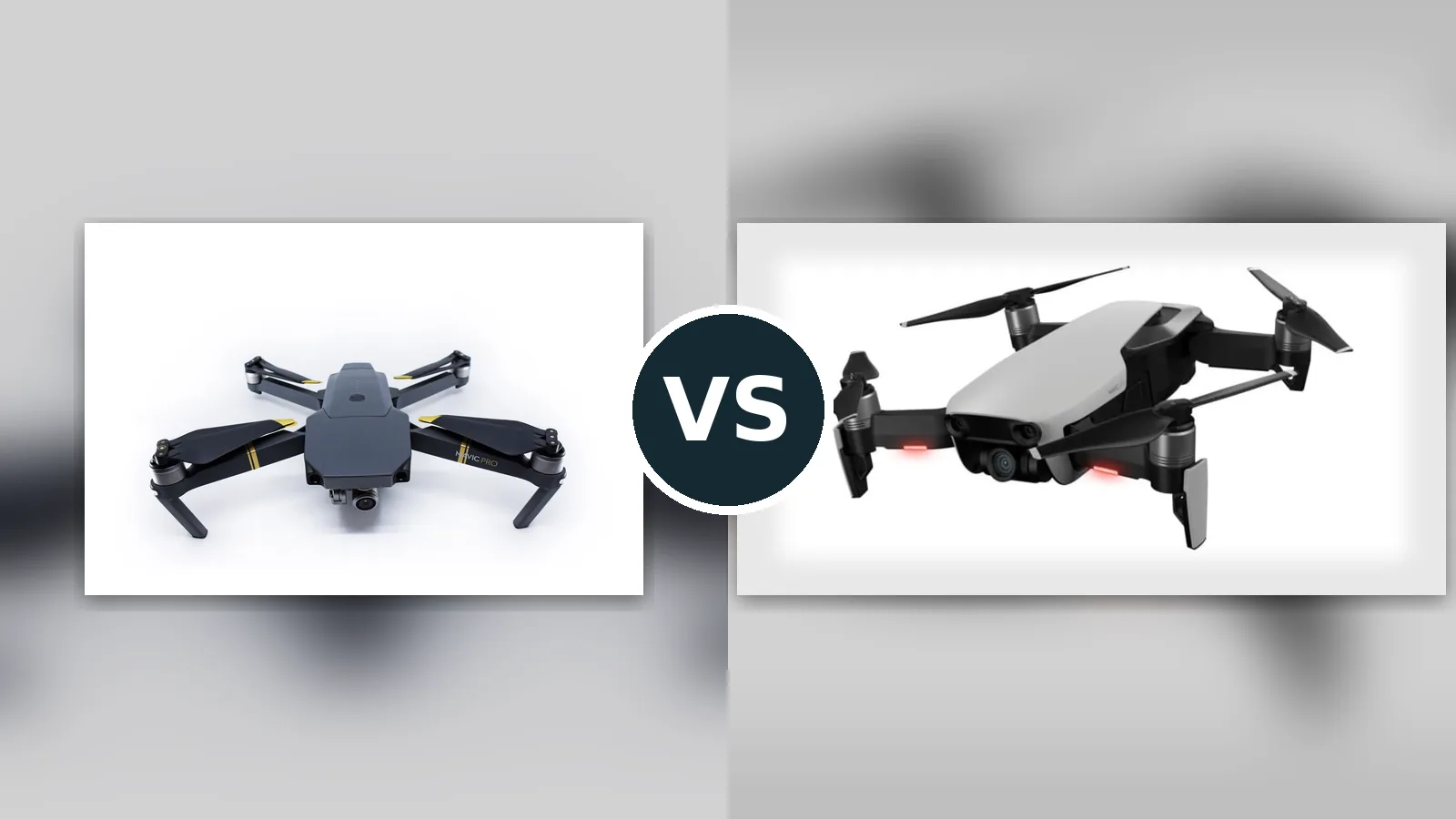
If you are researching the dji mavic pro vs mavic air comparison today, you are looking at the two drones that taught the whole industry how to fold. The Mavic Pro landed in September 2016 and rewrote the travel drone rulebook: a proper 4K camera, a 7 km radio link and a rated 27 minutes in the air, all in a body that folded down to roughly the size of a water bottle. Sixteen months later the Mavic Air took the same basic idea and shrank it again, cutting takeoff weight from 734 g to 430 g while adding a higher bitrate camera, backward obstacle sensing and APAS routing that steers around obstacles on its own. Neither drone is sold new anymore, so this is a used market decision, and it is a genuinely interesting one. The Pro is the range and endurance pick. The Air is the smaller, smarter, easier to carry pick. We lined up the cameras, the sensors, the radios, the batteries and the secondhand buying traps so you can choose the right folding pioneer for your money.
Affiliate disclosure: As an Amazon Associate I earn from qualifying purchases. This page contains affiliate links. If you buy through them, we may earn a commission.
Pro for range. Air for travel.
DJI Mavic Air is the better travel drone: it weighs 304 g less, folds noticeably smaller, records 4K at 100 Mbps, senses obstacles in three directions and routes around them with APAS. DJI Mavic Pro is the better long distance flyer: its OcuSync link is rated to 7 km against the Air’s 4 km Wi-Fi connection, it stays up a rated 27 minutes against 21, and its controller carries a built-in info screen. Camera: Air, on bitrate and slow motion. Flight time and link: Pro. Smarts: Air. Value on the used market: close, with the Air usually the cheaper way in.
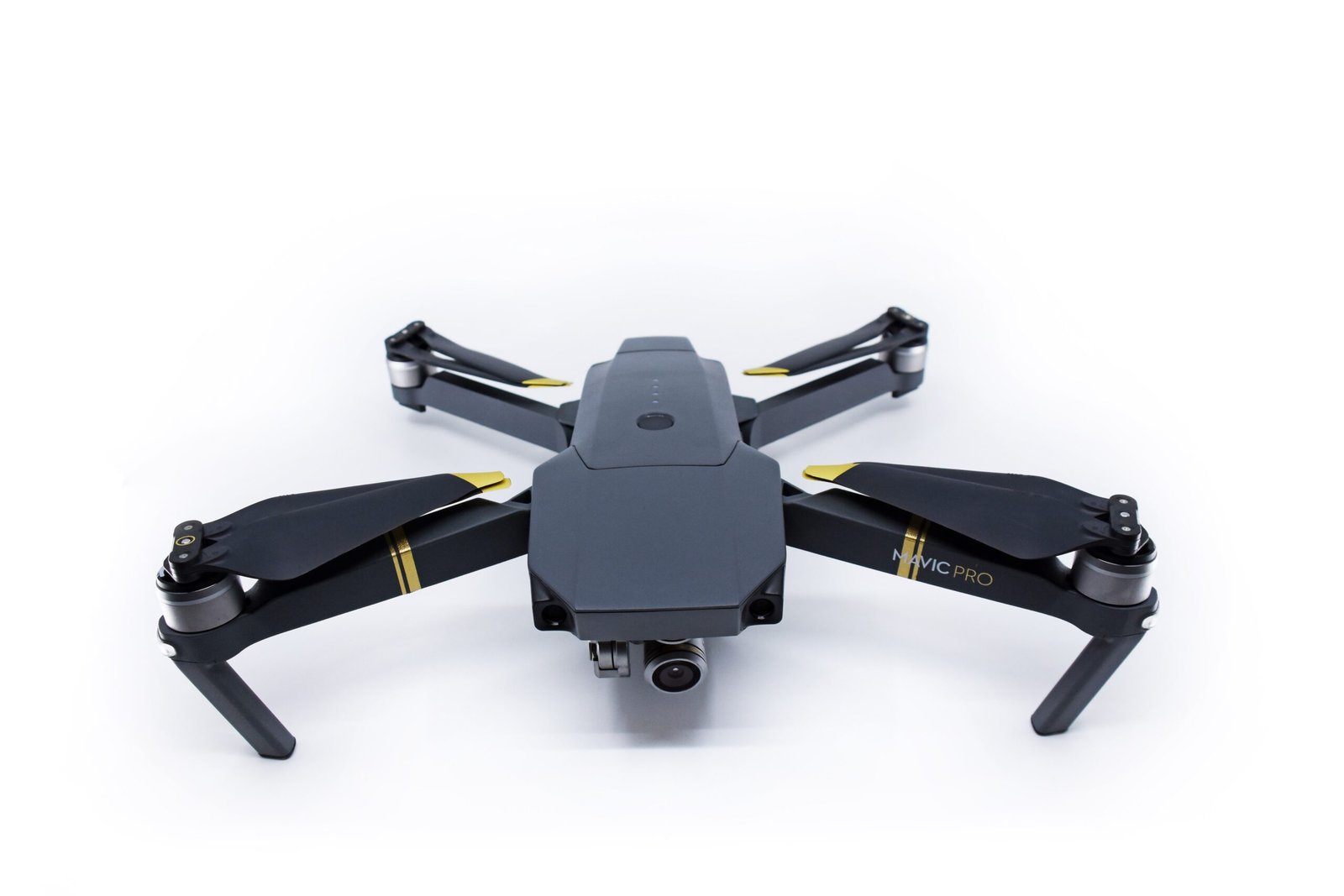
DJI Mavic Pro
For pilots who fly far, stay up longer, and want a controller with its own info screen
- OcuSync link rated to 7 km FCC with a 1080p live feed and far better manners around interference than Wi-Fi
- Rated 27 minutes from a 3830 mAh battery, the longest legs in this comparison
- Controller has a built-in LCD info screen, so flight data stays visible even on a dim phone display
Check current price and available bundles on Amazon
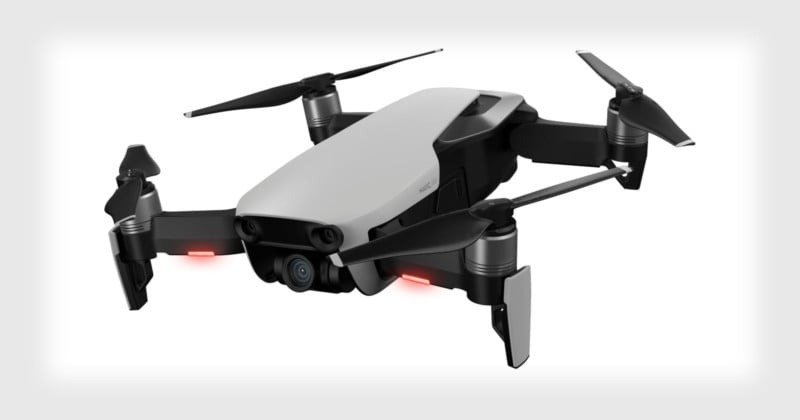
DJI Mavic Air
For travelers and creators who want the smallest, smartest folding drone of its era
- 4K/30 video at 100 Mbps, 1080p/120 slow motion, HDR photos and 32MP Sphere panoramas
- Forward, backward and downward sensing with APAS routing that steers around obstacles
- Folds to 168 x 83 x 49 mm and weighs 430 g, the true jacket pocket option in this pair
Check current price and available bundles on Amazon
Which drone fits your flying?
Start with your main use case. The best choice should solve your needs, without charging you for features you will rarely use.
It helps to understand what DJI was doing between these two launches. The Mavic Pro was a proof of concept that became a phenomenon: proof that a folding drone could match the Phantom line for image quality while disappearing into a jacket pocket or a camera bag side pouch. The Mavic Air, arriving in January 2018, was not a cut down Pro. It was a rethink. DJI’s engineers looked at the Pro and asked what would happen if they optimized everything for size and automation instead of range and endurance. The answer was a drone that kept the 4K camera and the folding arms, lost 304 g, gained a rear sensor and obstacle routing, and gave up radio range and six minutes of flight time to get there.
So the Pro still makes sense for a specific kind of flying. If you work over open country, coastline, farmland or water, where the drone spends its life hundreds of meters away and a solid video link matters more than clever tricks, the Pro’s OcuSync connection and longer battery are worth real money. Its controller deserves a mention too. That little LCD info screen shows distance, height, speed and battery state at a glance, which sounds trivial until you have flown with a phone screen washing out in bright sun. The Pro also sits inside the largest accessory ecosystem DJI had built to that point, so spare propellers, batteries, cases and ND filters are easy to find secondhand.
The Air makes sense for almost everyone else. It is the drone you actually take with you. At 430 g with a folded footprint smaller than many smartphones are long, it disappears into a daypack, and the 8 GB of internal storage has saved more than one shoot when a memory card was forgotten. Its automated toolkit, QuickShots like Asteroid and Boomerang, APAS routing, SmartCapture palm gestures, is aimed at people who want a polished clip with minimal piloting. One caution applies to both drones equally: they are old enough that condition matters more than model. A healthy Air beats a tired Pro, and a tired anything is a bad buy. The buying guide below covers the checks that matter.
There is a third factor that rarely appears in spec comparisons: what these drones are like to own now. Both fly with the DJI GO 4 app rather than the current DJI Fly app, both have deep wells of community knowledge, spare parts and secondhand accessories, and both are simple enough that a careful owner can swap propellers and batteries in seconds. Neither offers the modern conveniences of the current Mini and Air lines, such as automatic subject framing refinements or direct phone transfers at today’s speeds. What you get instead is honesty: two mature, well understood machines with no surprises left in them, at prices that make a first crash a lesson instead of a financial event.
Choose DJI Mavic Pro if…
- Range and link quality are your main concern, with OcuSync rated to 7 km FCC.
- You fly open landscapes, coastlines and rural work where the drone lives far from the controller.
- You want the longest rated flight time here, 27 minutes, and a controller with its own info screen.
- You can accept 734 g, forward and downward sensing only, and a 60 Mbps video ceiling.
Choose DJI Mavic Air if…
- Size and weight are your main concern: 430 g and a fold smaller than the Pro in every dimension.
- You want the better video spec: 4K at 100 Mbps, 1080p/120 slow motion and HDR photos.
- You value three direction sensing, APAS obstacle routing and one tap QuickShots.
- You can accept a 4 km Wi-Fi link, a 21 minute rated battery and a phone dependent controller.
DJI Mavic Pro vs Mavic Air: The Specs That Actually Matter
Same sensor size, same folding idea, very different priorities. The Air wins the camera and sensing rows; the Pro wins the radio and battery rows.
| Feature | DJI Mavic Pro | DJI Mavic Air |
|---|---|---|
| Best suited to | Longer, farther flights with a strong radio link and a self contained controller | Ultralight travel, spontaneous flying and smarter automated shots |
| Takeoff weight | 734 g | 430 g |
| Folded dimensions | 83 x 83 x 198 mm | 168 x 83 x 49 mm |
| Camera sensor | 1/2.3-inch CMOS, 12.35MP effective pixels | 1/2.3-inch CMOS, 12MP effective pixels |
| Lens | 26mm equivalent, f/2.2, 78.8-degree field of view | 24mm equivalent, f/2.8, 85-degree field of view |
| Photo features | JPEG and DNG RAW stills, burst and interval modes | JPEG and DNG RAW stills, HDR photos, 32MP Sphere panoramas |
| Video modes | 4K/30fps, 2.7K/30fps, 1080p at up to 96fps for slow motion | 4K/30fps, 2.7K/60fps, 1080p at up to 120fps for slow motion |
| Max video bitrate | 60 Mbps | 100 Mbps |
| Storage | microSD card required; no internal storage | 8 GB internal storage plus microSD card |
| Vertical capture | Not available; fixed landscape orientation | Not available; fixed landscape orientation |
| Obstacle sensing | Forward and downward vision sensors; obstacle sensing range 0.7 to 15 m | Forward, backward and downward vision sensors with APAS obstacle routing |
| Intelligent modes | ActiveTrack, TapFly, Tripod Mode, Gesture Mode | ActiveTrack, QuickShots including Asteroid and Boomerang, SmartCapture palm control |
| Video transmission | OcuSync, up to 7 km FCC, up to 1080p live feed | Enhanced Wi-Fi, up to 4 km FCC |
| Rated flight time | 27 minutes | 21 minutes |
| Max speed | 65 km/h (18 m/s) in Sport mode | 68.4 km/h (19 m/s) in Sport mode |
| GNSS | GPS and GLONASS | GPS and GLONASS |
| Battery | 3830 mAh, 43.6 Wh Intelligent Flight Battery | 2375 mAh, 27.43 Wh Intelligent Flight Battery |
| Controller | Foldable controller with built-in LCD flight data screen | Compact foldable controller with detachable sticks; phone required for live view |
| Main trade-off | Larger and heavier, older video processing, no rear sensing, no internal storage | Shorter Wi-Fi link and flight time; controller has no screen of its own |
Manufacturer ratings are launch era lab figures; real world flight time is lower for both drones, and battery age matters on the used market. Last verified: October 20, 2026.
DJI Mavic Pro vs Mavic Air: Five Differences That Matter
Two of these five go to the Pro, three go to the Air. Your flying style decides which set counts for more.
1. Camera: same sensor size, smarter processing on the Air
Edge: Mavic AirOn paper the cameras look like a tie. Both drones shoot through a 1/2.3-inch CMOS sensor at roughly 12 megapixels, both record JPEG and DNG RAW stills, and both top out at 4K/30fps video. Look one layer deeper and the Air pulls ahead in the ways that show up on screen. Its video bitrate is 100 Mbps against the Pro’s 60 Mbps, so detailed scenes like foliage, water and gravel hold together with fewer compression artifacts. Its slow motion runs to 1080p/120, where the Pro stops at 1080p/96, and it adds HDR photos plus the playful 32MP Sphere panorama mode that wraps a full globe view into one file.
The Pro has one real counterpunch: its f/2.2 lens gathers noticeably more light than the Air’s f/2.8 optic. At dawn, at dusk and indoors that brighter aperture buys cleaner shadows and lower noise on the same small sensor. The Pro’s slightly narrower 26mm equivalent view also flatters subjects a touch more than the Air’s wider 24mm. But for most daytime shooting, which is where these drones earn their keep, the Air’s processing advantages are visible in every clip, while the Pro’s aperture advantage appears only at the edges of the day. Stills are close to a tie, with the Air’s HDR mode rescuing high contrast scenes the Pro would clip.
2. Portability: the Air is half the travel burden
Edge: Mavic AirThis is the most one sided category in the comparison. The Mavic Air weighs 430 g, which is 304 g less than the Pro, and it folds to 168 x 83 x 49 mm, a flat little slab that genuinely fits a jacket pocket or the corner of a daypack. The Pro folds to 83 x 83 x 198 mm, more like a water bottle: compact for 2016, bulky next to the Air. Add a controller and two spare batteries to each kit and the gap grows, because everything about the Air’s kit, batteries included, is physically smaller.
Why does this matter so much? Because small drones get flown and big drones get left at home. The Air is the drone you toss in the bag on the chance of a shot; the Pro is the drone you pack when you have already decided to fly. Hikers feel the 304 g difference by hour three. Travelers feel it at the carry-on scale and in the space left for everything else. The Pro fights back with build feel: its arms and gimbal assembly feel a fraction more substantial, and its larger frame shrugs off gusts a little more calmly than the featherweight Air. But as a travel tool, this round is not close.
3. Sensing and smarts: three directions and a way around
Edge: Mavic AirThe Mavic Pro’s FlightAutonomy system watches two directions: forward, through its twin front vision sensors with an obstacle range of 0.7 to 15 m, and downward, for stable hovering and landing protection. It was impressive in 2016, but it flies blind backward and sideways. The Mavic Air added a rear vision sensor to the set, making it the first DJI drone of its size with three directional sensing, and then went a step further with APAS, the Advanced Pilot Assistance Systems that plot a path around an obstacle instead of simply stopping in front of it. Fly the Air toward a tree line and it will try to curve over or around; fly the Pro the same way and it brakes and waits for you.
The automated shooting suites tell the same story. The Pro offers ActiveTrack subject following, TapFly point to point flying, a gentle Tripod Mode for slow cinematic moves and the original Gesture Mode for hand signal selfies. The Air keeps ActiveTrack, adds SmartCapture palm gestures that are quicker to trigger, and brings the QuickShots family that became DJI’s signature: Dronie, Circle, Helix, Rocket and the Air exclusives Asteroid and Boomerang, which turn one tap into a finished, edited looking clip. Neither system makes a drone crash proof, and both need light and contrast to see well. But the Air gives a newer pilot more help, more often, in more directions.
4. Transmission and controller: OcuSync is the Pro’s crown jewel
Edge: Mavic ProHere is where the older drone lands its heaviest punch. The Mavic Pro uses DJI’s OcuSync transmission, rated to 7 km under FCC rules with a live feed up to 1080p, and it earned a loyal following because it holds a clean, low lag picture in places where Wi-Fi links fall apart: near buildings, over water, in areas crowded with home networks. The Mavic Air uses an enhanced Wi-Fi system rated to 4 km FCC. In open countryside it performs well, but Wi-Fi is Wi-Fi: range shrinks faster around interference, and the feed is the first thing to suffer. Legal line of sight flying keeps both drones well inside their rated range, yet link quality at 500 m is exactly what you feel in the sticks, and the Pro simply feels more trustworthy.
The controllers widen the gap. The Pro’s remote has that built-in LCD data screen showing height, distance, speed and battery without touching your phone, and its sticks and switches have a slightly more serious, workmanlike feel. The Air’s controller is a clever piece of industrial design, with detachable sticks that store inside the body and a phone clamp that keeps the whole package tiny, but it shows you nothing on its own: no phone, no picture, no telemetry. For a travel drone that trade was deliberate. For a working tool, the Pro’s setup is the one most pilots prefer after a month of use.
5. Battery life and used market value
Edge: Mavic ProThe Pro’s 3830 mAh, 43.6 Wh battery is rated for 27 minutes; the Air’s 2375 mAh, 27.43 Wh pack is rated for 21. In real air, with wind, hovering and a sensible landing reserve, expect roughly 21 to 23 minutes from a healthy Pro pack and 16 to 18 from a healthy Air pack. That gap shapes a flying session. The Pro shooter can scout, frame and still have battery for the shot. The Air shooter plans around shorter hops and leans on spare batteries, which is why Air kits so often come with three packs. Both drones top out at similar Sport mode speeds, 65 km/h for the Pro and 68.4 km/h for the Air, so getting home against a headwind is not the Air’s problem. Staying up is.
One more ownership note belongs here: both drones predate built-in Remote ID, and both sit above the lightest registration class, so a used purchase is also a small paperwork exercise. Registration is cheap and quick in most countries, and it applies equally to both models, so it should not sway the choice between them. It is simply part of the real cost of flying a 2016 or 2018 drone in 2026, and it is worth handling before the first flight rather than after the first warning.On price, the used market usually puts the Air a little below the Pro for comparable condition, and both are firmly in impulse buy territory next to any current model. The smarter way to shop is cost per healthy kit, not headline price: count the batteries, check their cycle history where the seller can show it, and price in a replacement pack if the numbers look tired. Pro batteries are bigger and typically cost more to replace; Air batteries are smaller, cheaper and easier to find bundled. Either way, a three battery kit of the other drone beats a one battery kit of your favorite, every single time.
DJI Mavic Pro vs Mavic Air: What You Gain and Give Up
DJI Mavic Pro
Reasons to choose it
- OcuSync transmission rated to 7 km FCC with a stable, low lag 1080p live feed
- Longest rated flight time here: 27 minutes from a 3830 mAh battery
- Controller carries a built-in LCD screen for flight data without relying on your phone
- Brighter f/2.2 lens helps at dawn, dusk and indoors
- Huge used ecosystem: batteries, propellers, cases and filters are everywhere
Reasons to reconsider
- Forward and downward sensing only; no rear sensors and no APAS obstacle routing
- Video tops out at 60 Mbps and 1080p/96 slow motion, behind the Air on both
- 734 g and a water bottle fold: fine in a backpack, not a pocket drone
- No internal storage, so a forgotten microSD card means no recording
- Every unit is years old now; battery wear varies wildly between listings
DJI Mavic Air
Reasons to choose it
- Just 430 g and a 168 x 83 x 49 mm fold: the most portable drone of its generation
- 4K video at 100 Mbps, 1080p/120 slow motion, HDR photos and Sphere panoramas
- Three directional sensing with APAS routing that steers around obstacles
- 8 GB internal storage saves the shoot when a memory card is forgotten
- Usually the cheaper of the two on the used market, often bundled with extra batteries
Reasons to reconsider
- Enhanced Wi-Fi link rated to 4 km and more prone to interference than OcuSync
- 21 minute rated battery, and real flights are shorter still
- Controller has no screen; your phone does all the work
- f/2.8 lens gathers less light than the Pro’s f/2.2 at the edges of the day
- Light frame and small motors work harder in gusty weather
Check the bundle, not just the drone
- Battery health first: Both drones are old enough that battery condition decides real flight time. Ask how many batteries are included, whether any are swollen, and how the drone behaves on a full charge. Budget for a fresh pack if the answers are vague.
- Gimbal and camera test: Ask for a short unedited video and a full resolution still, ideally a DNG file. The gimbal should pan smoothly with no jitter or horizon tilt, and the lens should be free of scratches and internal dust.
- Controller and cables: Confirm the controller is the correct model for the drone; the Pro and Air controllers are not interchangeable. Check that the phone connection cables are included, and on the Air, that the detachable control sticks are present in their storage slots.
- App and account: Both drones fly with the DJI GO 4 app. Confirm your phone can still run it, and make sure the seller has unbound the drone from their DJI account so you can activate it under yours.
- Propellers and extras: Inspect propellers for nicks and cracks, and check whether ND filters, a case and spare batteries are included. A complete Fly More style kit is worth more than a bare drone at a lower headline price.
- Local requirements: At 734 g and 430 g, both drones sit above the sub-250g class, so registration and Remote ID rules apply in the US and equivalent category rules apply elsewhere. Check your aviation authority’s current requirements before your first flight.
The right choice comes down to where you fly.
Buy the Mavic Air if your drone lives in a travel bag and your flying is about quick, polished clips in interesting places. It is smaller, smarter and better specified as a camera, and on today’s used market it usually costs less. Buy the Mavic Pro if your flying is about distance, link confidence and time in the air. OcuSync, a 27 minute battery and that self contained controller still add up to the more serious flying tool, and no firmware update will ever give the Air its radio. Both drones started something the whole industry now copies. Pick the one whose strengths match your map.
Still deciding?
Which is better for travel, the Mavic Pro or the Mavic Air?
The Mavic Air, and it is not particularly close. It weighs 430 g against the Pro’s 734 g, folds flatter at 168 x 83 x 49 mm, and its controller shrinks down with detachable sticks. The Pro is only pocketable if your pockets are very large. For hiking, carry-on travel and everyday carry, the Air is the drone you will actually bring.
Which drone has the better camera?
For video, the Mavic Air: it records 4K/30 at 100 Mbps against the Pro’s 60 Mbps, and its slow motion reaches 1080p/120 against 1080p/96. For stills it is closer. Both use a 1/2.3-inch sensor at about 12MP with DNG RAW, the Air adds HDR photos and Sphere panoramas, and the Pro counters with a brighter f/2.2 lens that helps in low light. Daylight video: Air. Dim light stills: roughly even.
How far can each drone actually fly?
DJI rated the Pro’s OcuSync link to 7 km and the Air’s enhanced Wi-Fi to 4 km under FCC conditions. Real range depends on interference, terrain and weather, and regulations require you to keep the drone in sight, which is far less than either figure. The practical difference is not the headline number, it is link quality: the Pro’s feed stays cleaner at moderate distances and around obstacles, while the Air’s Wi-Fi feed degrades sooner in busy radio environments.
Which is better for a beginner today?
The Mavic Air is the friendlier first drone: three directional sensing, APAS obstacle routing and one tap QuickShots all reduce the workload while you learn. The Pro is the better teacher of manual flying habits and rewards you with a stronger link. Either way, buy the healthier used example, fit propeller guards for your first flights, and practice in open space away from trees and water.
Do the Mavic Pro and Mavic Air share batteries or controllers?
No. The batteries are different sizes and capacities, 3830 mAh for the Pro and 2375 mAh for the Air, and they are not interchangeable. The controllers are also model specific: the Pro’s remote speaks OcuSync and has the built-in data screen, while the Air’s remote is a Wi-Fi controller with detachable sticks. Chargers, propellers and ND filters are likewise sized per model, so price a complete kit for one drone rather than planning to mix parts.
How were these drones compared?
This is a research based comparison built from DJI’s official specifications and manuals for both drones, DJI’s launch materials, and cross checks against independent launch coverage. We did not fly either drone for this article, so flight times and ranges are DJI’s rated figures, and the methodology section below lists every source used.
How this comparison was prepared
This comparison was prepared from manufacturer documentation rather than hands-on testing, and it does not claim otherwise. Every specification in the table comes from DJI’s official specification pages for the Mavic Pro and the Mavic Air, with feature details such as APAS, SmartCapture and the intelligent flight modes cross checked against the official user manuals. Launch dates, positioning and bundle details were verified against DJI’s launch announcement for the Mavic Air and reference documentation for the Mavic series. Where this article discusses real world flight time, it says so and gives a range, because both drones are old enough that battery condition moves the number more than the model badge does. Amazon listings were matched to the exact models by name and specification before any link was added.
Sources & verification
- DJI Mavic Pro official specifications
- DJI Mavic Air official specifications
- DJI Mavic Pro user manual
- DJI Mavic Air user manual
- DJI Mavic Air launch announcement
- DJI Mavic series reference documentation
Last verified: October 20, 2026.


