As an Amazon Associate I earn from qualifying purchases. If you buy through links in this article, we may earn a commission at no extra cost to you.
These are the 10 best agricultural drones, and they split into two honest classes: aircraft that apply product, and aircraft that watch the crop. The first group is DJI’s Agras line, sold through dealers with service behind them. The second maps and scouts, feeding the sprayers their instructions. Mixing the two in one ranking would lie to you; this list keeps them labeled.
Short on time?
Start with these three picks
The flagship sprayer, the crop scientist and the proven workhorse: both classes, three ways in.
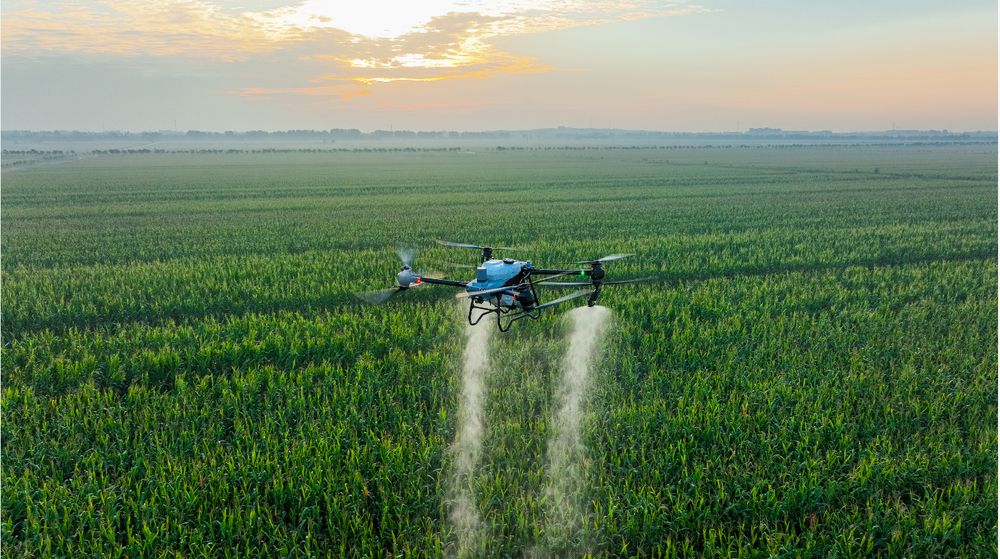
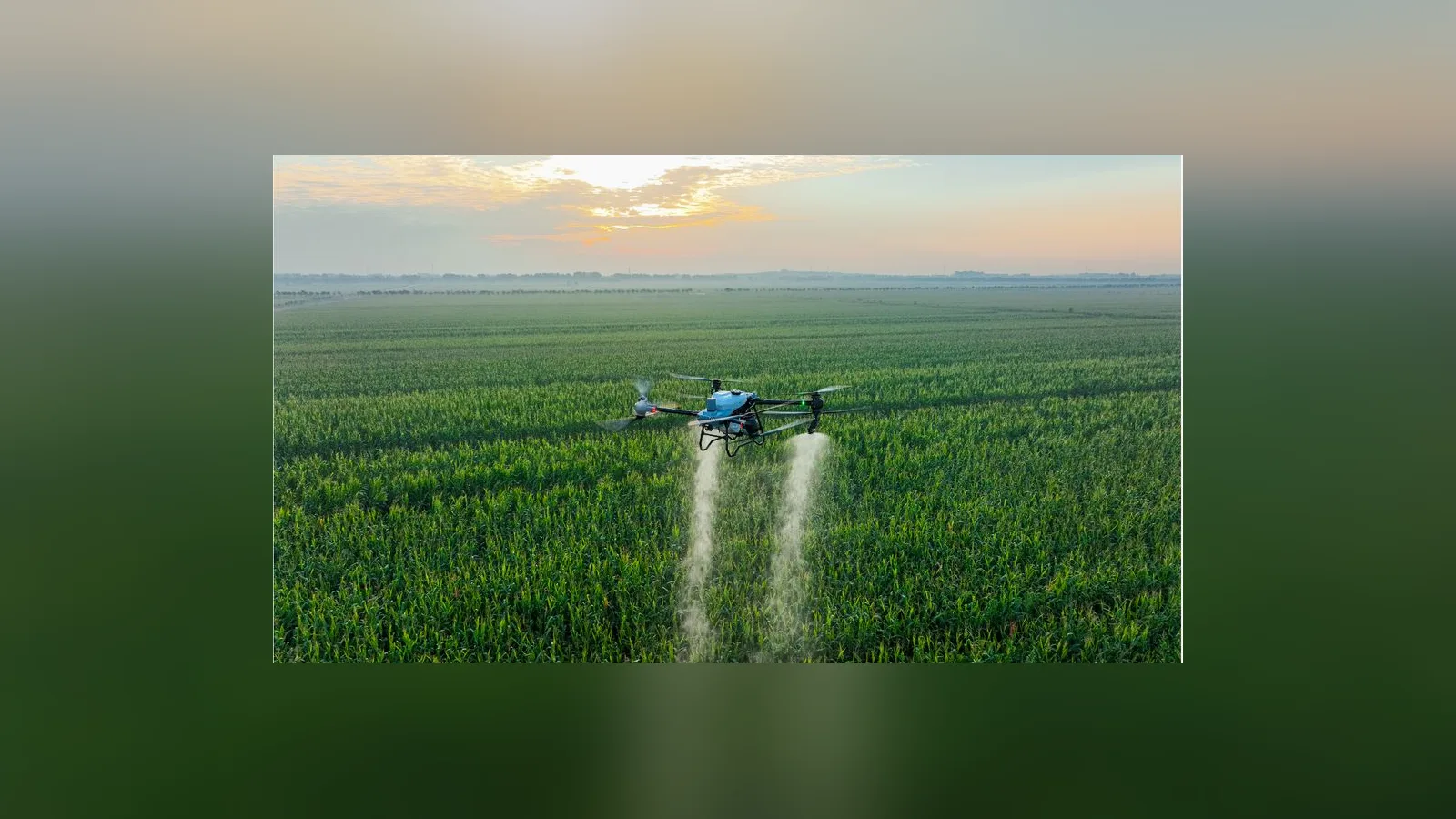
DJI Agras T50
The flagship applicator: a 40 L spray tank, flow up to 24 L/min with four nozzles, and a 50 kg spreader that throws seed and fertilizer across swaths no ground rig reaches. Dealer-sold, crew-operated, and priced like farm equipment.
View on Amazon Read the full review ↓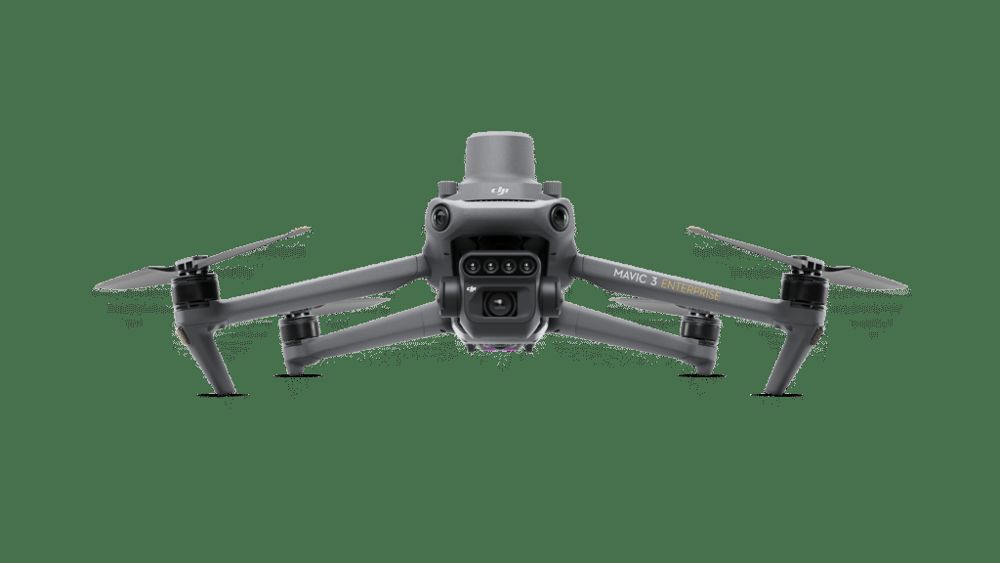
DJI Mavic 3 Multispectral
The scout that directs the sprayers: 20MP RGB mapping plus four multispectral bands and a sunlight sensor, turning flights into NDVI prescription maps. It never touches chemical; it decides where the chemical goes.
View on Amazon Read the full review ↓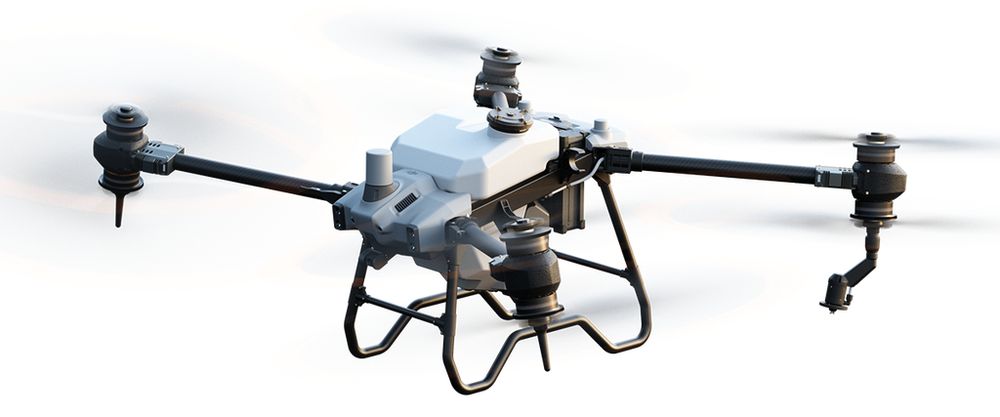
DJI Agras T40
The previous flagship, still earning: the same 40 L class with coaxial twin rotors, 12 L/min dual atomized spraying and a 50 kg spreader. Fleets know it, dealers support it, and parts pipelines are established.
View on Amazon Read the full review ↓The shortlist
Compare all 10 at a glance
Two classes share this table. For sprayers, read tank capacity and application rate; for scouts, read sensors and flight time.
| Product / award | Best fit | Key decision point | Check current offer |
|---|---|---|---|
| 01. DJI Agras T50Best overall sprayer | Commercial spraying services and large farms | 40 L class leader; dealer machine | View on Amazon |
| 02. DJI Mavic 3 MultispectralBest for crop monitoring | Agronomists and precision ag services | The eyes of the fleet; no tank | View on Amazon |
| 03. DJI Agras T40Best proven workhorse | Spraying contractors and fleet operators | Proven 40 L workhorse; short loaded hovers | View on Amazon |
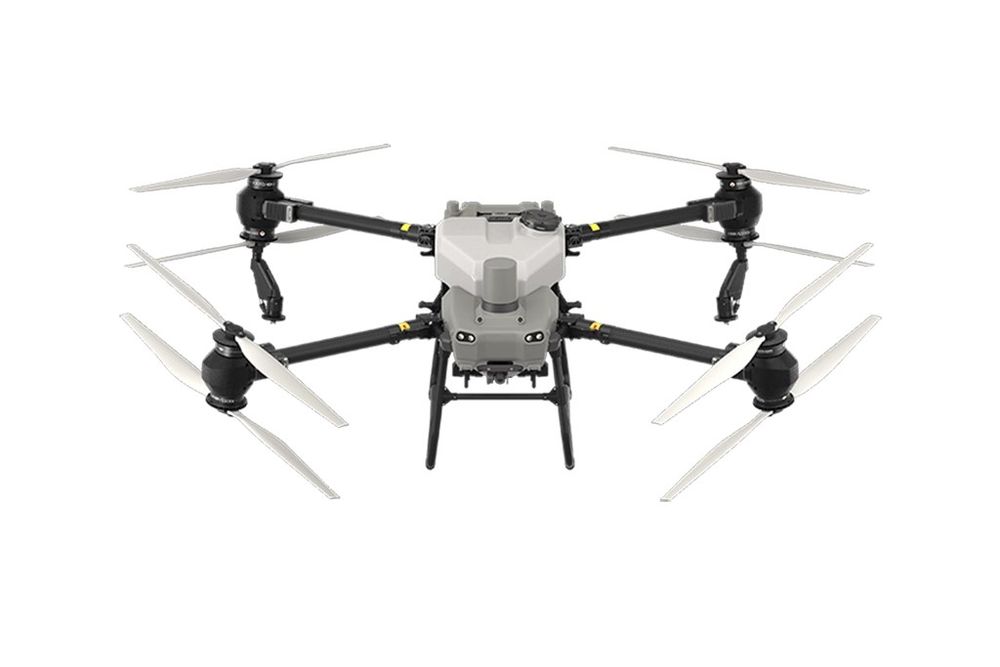 04. DJI Agras T25Best for small and mid-size farms | Owner-operator farms | Owner-operator scale; refill-heavy on big fields | View on Amazon |
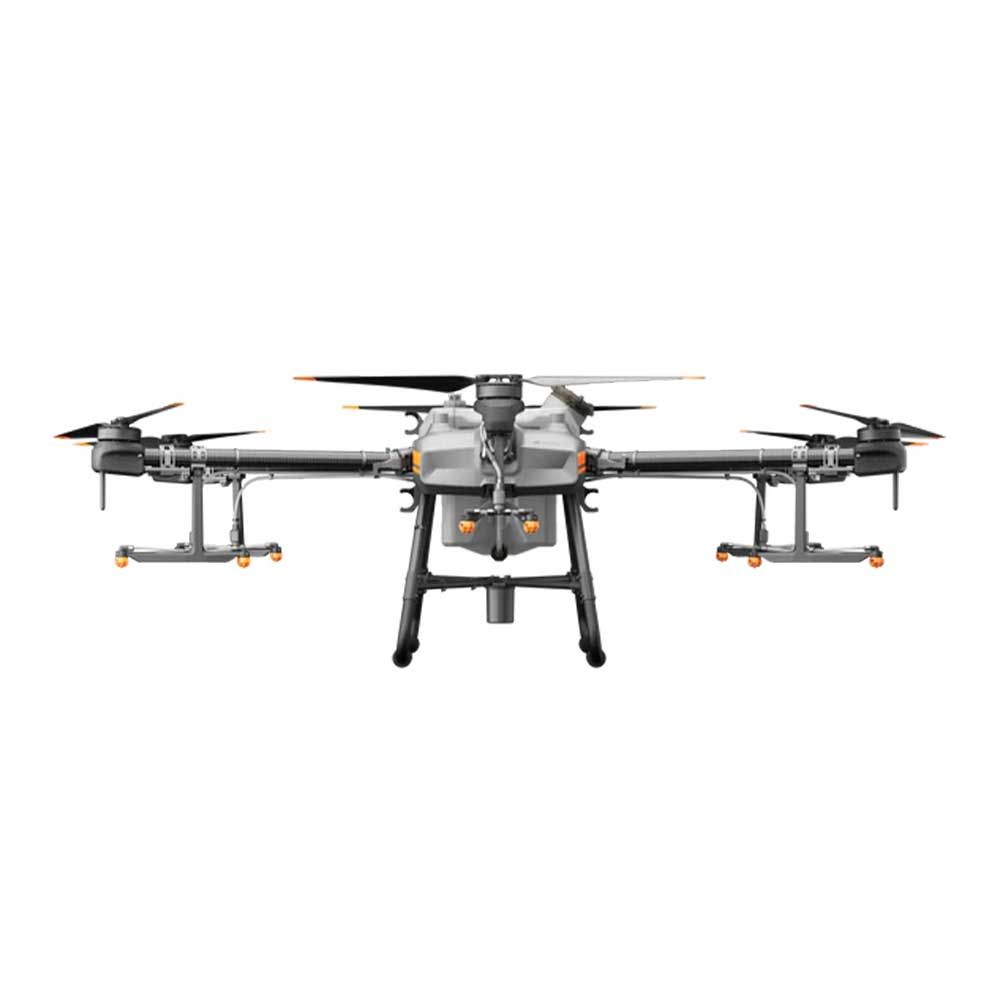 05. DJI Agras T30Best value in the 30 L class | Value-focused spraying operations | 30 L value pick; check local support first | View on Amazon |
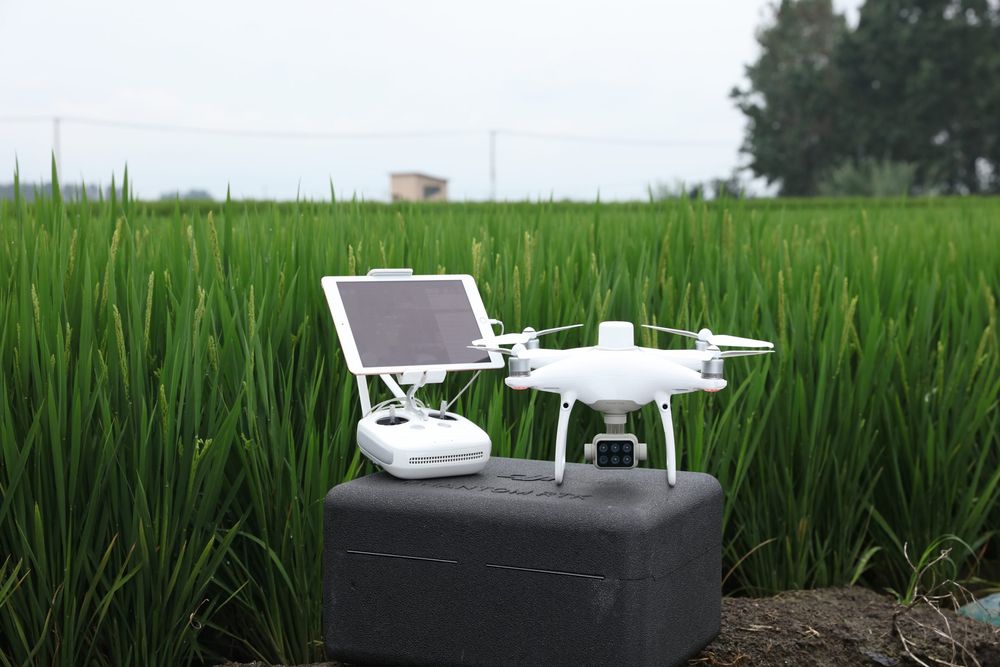 06. DJI Phantom 4 MultispectralBest used multispectral buy | Co-ops, researchers and budget scouts | Real bands, used market; discontinued | View on Amazon |
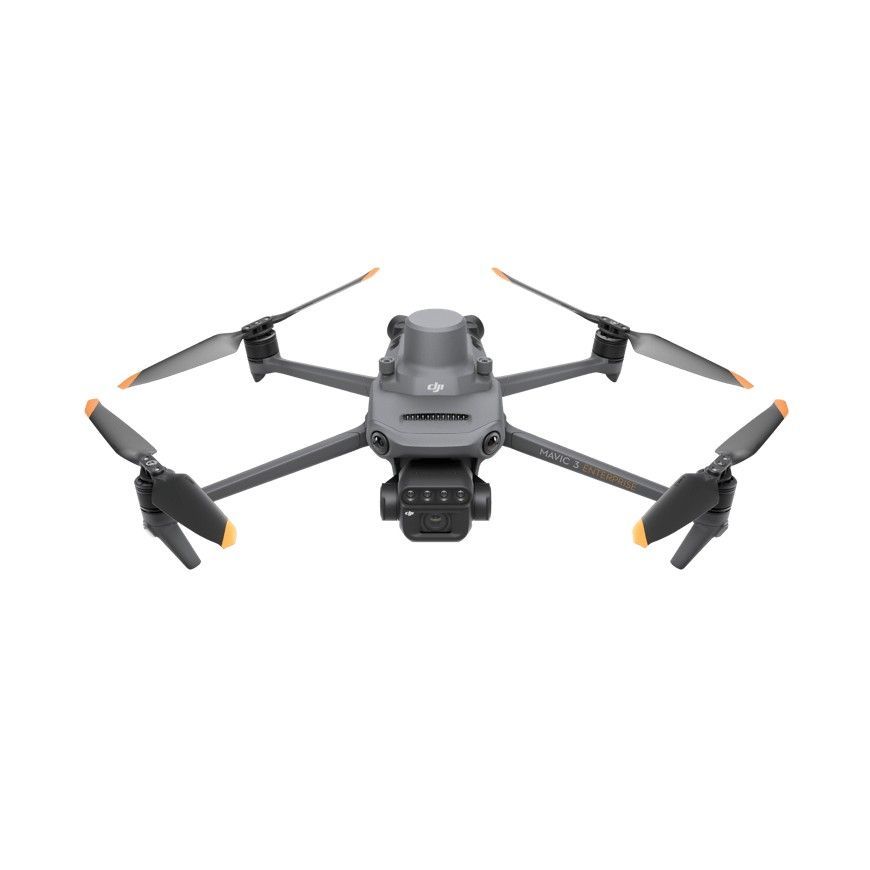 07. DJI Mavic 3 EnterpriseBest for field mapping | Precision ag programs and farm services | The base-map maker; no application role | View on Amazon |
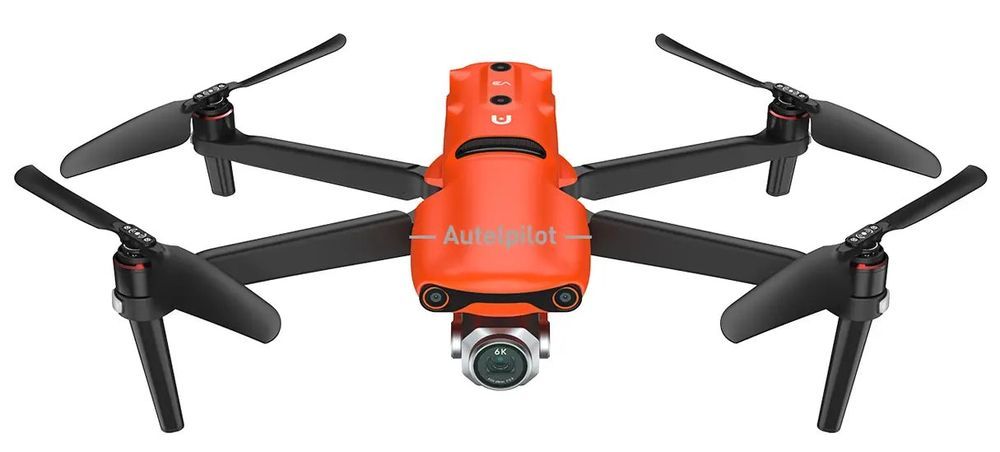 08. Autel EVO II ProBest non-DJI scout | DJI-free farms and visual scouting | Sharp visual scout; no crop indices | View on Amazon |
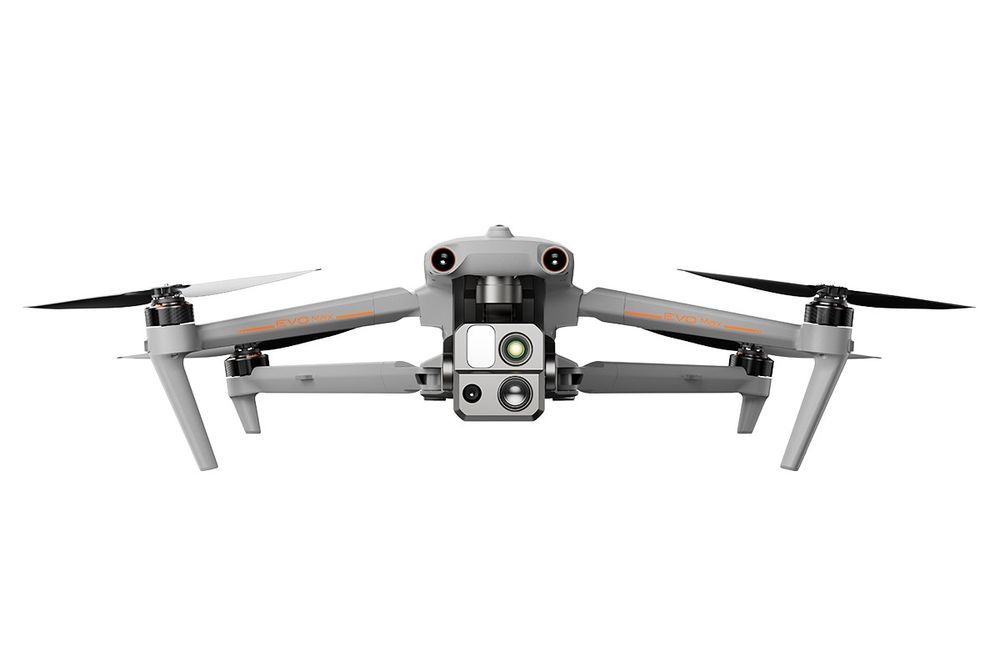 09. Autel EVO Max 4TBest for livestock and perimeter checks | Ranches and mixed livestock operations | Ranch and livestock specialist; not a crop tool | View on Amazon |
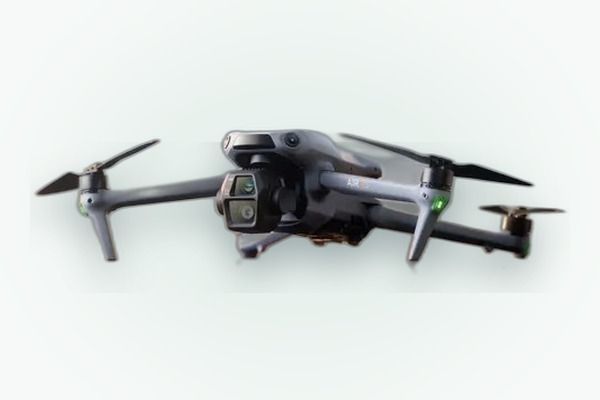 10. DJI Air 3SBest budget scout | Owner farms starting aerial scouting | Best value scout; visual data only | View on Amazon |
Look closer
Our 10 picks, explained
These picks come from desk research, not hands-on testing: we compared manufacturer spec sheets and spray system data line by line, then cross-checked agronomist and operator feedback to see which machines hold up across a season.
DJI Agras T50
A spray drone earns its keep in hectares per hour and refills per tank, and the T50’s numbers lead the class: a 40 L spray tank feeding centrifugal sprinklers at up to 16 L/min, or 24 L/min with the optional four-nozzle setup, and DJI rates coverage up to 21.3 hectares per hour in orchard work. Swap the tank for the 50 kg (75 L) spreader and it seeds or fertilizes with a wide, even throw. Dual phased-array radars and binocular vision let it follow terrain over orchards and hillsides, and RTK positioning holds passes to plus or minus 10 cm. It weighs 39.9 kg before the battery and launches at 92 kg in spray trim, so this is a trailer, a crew and a dealer relationship.
- Spray tank
- 40 L, up to 24 L/min flow
- Spreading
- 50 kg / 75 L payload
- Positioning
- RTK, plus or minus 10 cm
Reasons to choose it
- Class-leading application rates
- Spreads seed and fertilizer as well as spraying
- Terrain-following radar for orchards and slopes
Trade-offs to know
- Dealer purchase with crew and trailer logistics
- Heaviest regulatory and training burden here
Choose this if: application work is your business and hectares per day is the metric.
Consider another option if: you need eyes before iron, the Mavic 3 Multispectral maps the crop that tells sprayers where to fly.
DJI Mavic 3 Multispectral
Chemical is the expensive input, and the Multispectral exists to spend less of it better. Its 4/3-inch 20MP mechanical-shutter camera builds the base map while four 5MP multispectral cameras (green, red, red edge, near-infrared) read crop stress invisible to the eye, and a sunlight sensor keeps those readings comparable across flights and weeks. The outputs, NDVI and NDRE index maps, become variable-rate prescriptions in DJI SmartFarm and third-party platforms, so the Agras fleet sprays hard where the crop is failing and skips where it is thriving. Flight time is 43 minutes and RTK support keeps repeat maps registered to the same rows, season after season.
- Sensors
- 20MP RGB plus 4 multispectral bands
- Flight time
- 43 min
- Output
- NDVI and NDRE prescription maps
Reasons to choose it
- Sees stress before the human eye does
- Prescriptions feed Agras application directly
- Sunlight sensor for season-long comparability
Trade-offs to know
- Sees and plans, but cannot apply anything
- Specialist pricing
Choose this if: you want data-driven spraying decisions and field health records.
Consider another option if: you want to act on the data yourself, the Agras T50 is the applicator it feeds.
DJI Agras T40
Fleet buyers value a model with a service history, and the T40 has the deepest one in the Agras line. Its coaxial twin-rotor design drives the spray cloud down into the crop rather than letting it drift, dual atomized sprinklers deliver up to 12 L/min, and the spreading system handles 50 kg (70 L) of seed or granules. Hover time tells the operating story honestly: about 18 minutes unloaded, about 7 minutes at full spray weight, so batteries and tanks cycle fast and a charging setup matters as much as the aircraft. Weight is 38 kg before batteries, 50 kg with them, and core modules carry IPX6K sealing against washdown. For a second aircraft or a first serious one, the T40’s maturity is the argument.
- Spray tank
- 40 L, 12 L/min flow
- Spreading
- 50 kg / 70 L payload
- Hover
- About 7 min at full spray weight
Reasons to choose it
- Deepest service and parts history in the line
- Coaxial rotors drive spray into the canopy
- 40 L class capacity below flagship tier
Trade-offs to know
- Short loaded hover times demand battery logistics
- Superseded by the T50 at the top of the range
Choose this if: you want a proven 40 L applicator with established fleet support.
Consider another option if: you need maximum flow and the latest sensing, the Agras T50 is the flagship step.
DJI Agras T25
Most of the world’s fields are not thousand-hectare operations, and the T25 is designed for the farms in between. The 20 L spray tank feeds atomizing sprinklers at up to 16 L/min, matching the flagship’s standard rate, and the 35 L spreader handles 25 kg of seed or fertilizer. Spray width runs 4 to 7 m, positioning comes from the same dual radar and vision suite as the bigger aircraft, and RTK holds the lines. At 25.4 kg without the battery it is the only Agras here that feels like equipment one person owns rather than a crew asset, with a 52 kg max takeoff weight in spray trim. The compromise is refill rhythm: half the flagship’s tank means twice the landing cycles on big fields.
- Spray tank
- 20 L, up to 16 L/min flow
- Spreading
- 25 kg / 35 L payload
- Airframe
- 25.4 kg excluding battery
Reasons to choose it
- Flagship-grade flow rate in a smaller package
- Manageable by a single operator
- Full radar and vision sensing suite
Trade-offs to know
- 20 L tank means frequent refills on large fields
- Still a dealer-purchase machine
Choose this if: you spray your own mid-size fields and run the operation yourself.
Consider another option if: your acreage outgrows 20 L days, the Agras T40 doubles the tank.
DJI Agras T30
Generational turnover in the Agras line is fast, which makes the T30 the value play. Its 30 L tank feeds a system rated up to 8 L/min across a 4 to 9 m spray width, and DJI quotes up to 16 hectares per hour. The spherical radar system senses obstacles and terrain in all directions and weather, and a branch-targeting mode angles application into orchard canopies rather than over them. The spreader takes 50 kg (70 L). Six arms fold for transport, weight is 26.4 kg without batteries, and max takeoff weight is 66.5 kg in spray trim. Support status varies by market now, so the honest buying advice is dealer-first: confirm parts and service locally, then enjoy the discount the newer models created.
- Spray tank
- 30 L, up to 8 L/min flow
- Coverage
- Up to 16 hectares per hour
- Airframe
- Folding hexacopter, 26.4 kg dry
Reasons to choose it
- Spherical all-direction radar sensing
- Orchard branch-targeting mode
- Strong output per dollar where supported
Trade-offs to know
- Older generation, support varies by market
- Flow rate trails the newer models
Choose this if: you want 30 L class output and your local dealer still backs the model.
Consider another option if: you want current-generation support certainty, the Agras T40 is the safer fleet buy.
DJI Phantom 4 Multispectral
Before the Mavic 3 Multispectral existed, this was DJI’s agriculture sensor platform, and its design brief shows. Six cameras share the gimbal: one RGB and five monochrome multispectral sensors covering blue, green, red, red edge and near-infrared, each 2.08MP with a global shutter, so band images align cleanly. A spectral sunlight sensor on top calibrates readings against the light at capture, and the integrated RTK module with TimeSync positions images to centimeter level for repeatable season maps. Flight time is 27 minutes and the link reaches 7 km. It is discontinued, so batteries, props and service are used-market archaeology, and processing runs through DJI Terra or third-party tools. As a learning platform for a co-op or a budget scout, the data per dollar is excellent.
- Sensors
- RGB plus 5 multispectral bands
- Positioning
- Integrated RTK with TimeSync
- Flight time
- 27 min
Reasons to choose it
- True narrow-band sensors with global shutters
- Sunlight sensor and RTK built in
- Used prices make real index data affordable
Trade-offs to know
- Discontinued, used-market purchase only
- 27 minute flights and legacy batteries
Choose this if: you want genuine multispectral data on a used-equipment budget.
Consider another option if: you need warranty and current support, the Mavic 3 Multispectral is the living model.
DJI Mavic 3 Enterprise
Prescription maps need a trustworthy base layer, and that is this drone’s farm job. The 4/3-inch 20MP camera with a mechanical shutter maps field boundaries, headlands and drainage honestly, the RTK module positions the data to centimeters, and 45 minute flights cover serious acreage per battery. Outputs feed the whole program: boundary files for the sprayers’ route planning, elevation models for irrigation design, stand counts and emergence checks after planting, and damage documentation after storms for insurance and replant decisions. The same aircraft moonlights on infrastructure, checking barns, silos and fences with its 12MP telephoto. In an operation that already owns Agras aircraft, the Enterprise is the missing staff member: the surveyor.
- Wide camera
- 4/3-inch CMOS, 20MP, mechanical shutter
- Flight time
- 45 min
- Positioning
- RTK module for centimeter accuracy
Reasons to choose it
- Accurate base maps for the whole program
- Telephoto doubles for infrastructure checks
- Backpack portable at 915 g
Trade-offs to know
- Maps and documents, but applies nothing
- RTK module is a separate purchase
Choose this if: you need precise field boundaries, elevation and documentation.
Consider another option if: you need plant health indices as well, the Mavic 3 Multispectral adds the crop sensors.
Autel EVO II Pro
A large share of farm drone work is simply looking: Which quarter lost stand? Where is the pivot leaking? What did the hail actually hit? The EVO II Pro answers those questions with a 1-inch 20MP sensor, an adjustable f/2.8 to f/11 aperture and 6K video that stays detailed when you zoom into frames later. Flight time is 40 minutes at 1,191 g, and Autel’s lack of a geofencing database matters on farms near controlled airspace where DJI unlock delays cost weather windows. What it cannot do is vegetation indices: RGB imagery shows stress after it becomes visible, not before. As the visual arm of an operation, or the DJI-independent option, it earns its place honestly.
- Camera
- 1-inch CMOS, 20MP, 6K video
- Flight time
- 40 min
- Airframe
- 1,191 g folding quadcopter
Reasons to choose it
- Big sensor and 6K detail for visual diagnosis
- 40 minute flights cover ground quickly
- No geofencing database delays
Trade-offs to know
- RGB only, no vegetation indices
- Aging platform generation
Choose this if: you scout visually and want a non-DJI aircraft with real image quality.
Consider another option if: you need index data for prescriptions, the Mavic 3 Multispectral is the tool.
Autel EVO Max 4T
Ranch work runs on different questions: How many head are in the north pasture? Which trough is dry? Where did the fence line fail? The Max 4T answers from altitude: a 640×512 thermal camera finds animals by body heat at dawn and dusk, the 48MP zoom camera reads detail at working distance, and a laser rangefinder pins locations to meters for the ground crew. Its SLAM-based navigation holds position in barns, canyons and under canopy where satellite signals fade, and millimeter-wave radar joins the sensing suite. Flight time is 42 minutes at about 1,640 g. For pure crop scouting it is the wrong spend; for properties where livestock and infrastructure dominate the day, it is the farm drone that is not about crops.
- Zoom camera
- 48MP, 8K, 10x optical zoom
- Thermal camera
- 640×512 radiometric
- Flight time
- 42 min
Reasons to choose it
- Thermal finds livestock and hot spots fast
- Zoom reads detail without disturbing animals
- GPS-denied navigation for barns and broken terrain
Trade-offs to know
- Premium price for non-crop duties
- Heavier airframe at about 1,640 g
Choose this if: your property work centers on livestock, water and perimeter checks.
Consider another option if: your questions are about the crop itself, the Mavic 3 Multispectral reads plants, not animals.
DJI Air 3S
Not every farm needs a precision ag program; many need a reliable weekly look at their own ground. The Air 3S provides it: the 1-inch 50MP main camera documents emergence, lodging and storm damage in detail, the 70mm telephoto reads field edges, fences and water points from a respectful distance, and 45 minute flights cover home fields in one battery. Omnidirectional sensing with low-light capability makes it forgiving for owner-pilots learning the ropes. The limits are the honest ones at this price: RGB imagery only, so stress shows when it becomes visible, and no RTK, so repeat photos will not align to the centimeter without care. As a first farm drone, it is the value benchmark.
- Main camera
- 1-inch CMOS, 50MP
- Tele camera
- 70mm, 48MP, 3x zoom
- Flight time
- 45 min
Reasons to choose it
- Sharp 50MP documentation imagery
- Telephoto scouts without disturbing stock or crop
- 45 minute flights, easy ownership
Trade-offs to know
- RGB only, no crop health indices
- No RTK for aligned repeat mapping
Choose this if: you want dependable eyes over your own fields at consumer money.
Consider another option if: you outgrow visual scouting, the Mavic 3 Multispectral is the data upgrade.
Buy with confidence
How to choose an agricultural drone
Two classes, two budgets, one workflow. Buy for the job that pays.
01. Separate application from information
Sprayers and spreaders apply product and are regulated like the farm machinery they are; scouts and mappers gather information and are regulated like cameras. Decide which shortage you have, labor and coverage or knowledge, and buy that class first. Most operations that try to skip the scout end up spraying blind.
02. Match the machine to the acreage
Tank size and flow rate decide how many refill cycles a field costs. A 20 L aircraft serves a mid-size farm spraying its own ground; contractors living on hectares per hour need 40 L class machines and the battery and charging logistics to feed them. Count the support crew and power setup in the purchase, not after it.
03. Buy the dealer, not just the drone
Agras aircraft are working machines that wear pumps, nozzles and motors. Your real purchase is the local dealer’s parts shelf, service bench and loaner policy during the two weeks when spraying cannot wait. A slightly older model with a strong dealer beats a flagship with support three states away.
04. Plan the data loop before the season
Scout imagery only pays when it changes a decision: a prescription map, a replant call, an irrigation fix. Set up the software chain (mapping, index analysis, prescription export to your applicator) in the off season, with field boundaries drawn once and reused. The loop, scout, decide, apply, verify, is where the return on all of this equipment actually lives.
Behind the recommendations
How we selected these products
This guide is built on desk research, not hands-on testing. We compared official manufacturer specifications for spraying, spreading and sensing systems, including tank volumes, flow rates and sensor bands, then cross-checked operator and agronomist feedback on seasonal reliability. Specs were rechecked against the sources below in October 2026. Application rates and coverage figures are manufacturer ratings under stated conditions; real fields vary with terrain, wind and product.
- Application: Tank capacity, flow rate, spray width and spreading payload compared across the Agras generations from DJI’s official data.
- Sensing: Sensor bands, sunlight calibration and positioning compared for each scouting and mapping pick.
- Limitations: We did not spray fields or run application trials for this guide; chemical application also requires local licensing and label compliance that this guide does not cover.
Common questions
Before you buy
Do I need a license to spray with a drone?
In the US, commercial drone spraying generally requires an FAA Part 107 certificate, aircraft registration, and state pesticide applicator licensing, plus Part 137 agricultural aircraft rules for dispensing work, with the chemical label as the final authority. Rules differ by state and country and change often. Treat this as a regulated business decision and confirm current requirements with your state agriculture department before buying.
Sprayer or scout: which should a farm buy first?
The scout, in most cases. A mapping and scouting drone costs a fraction of an applicator, works under simpler rules, and its data tells you whether targeted spraying will even pay on your fields. Farms that already hire application work can keep hiring it and spend their own money on information. Buy the sprayer when your application volume or contractor costs clearly justify a working machine and the crew to run it.
How accurate are drone vegetation maps?
Multispectral drones like the Mavic 3 Multispectral and P4 Multispectral produce reliable relative maps: this zone is stressed compared to that zone, consistent across flights thanks to sunlight sensors and repeatable positioning. They do not directly measure yield or nitrogen in absolute units without ground sampling to calibrate. Used as early warning and targeting tools, they are excellent; used as lab instruments, they disappoint.
Can one drone both spray and scout?
Not well. Application aircraft are heavy, chemical-exposed and built around tanks; scouting aircraft are light sensor carriers. Some operations scout with the sprayer’s own cameras between loads for a quick look, and Agras models do carry FPV and mapping cameras for route planning, but serious crop science comes from a dedicated sensing drone. Budget for the pair if application data is the goal.
Eyes first, then iron
Start with the Mavic 3 Multispectral if you are building the program: its maps make every later purchase smarter. Step up to the Agras T50 when application is the business, and keep the Agras T40 in view as the proven fleet alternative.
Sources and verification
Product specifications and claims in this guide were checked against the following sources, listed by name as a record of what was consulted.
- DJI Agras T50, T40, T30 and T25 official specifications and product manuals (dji.com; dealer mirrors used where regional pages are gated)
- DJI Mavic 3 Multispectral, Mavic 3 Enterprise and Phantom 4 Multispectral official specifications (dji.com)
- Autel EVO II Pro and EVO Max 4T official specifications (autelrobotics.com)
- DJI Air 3S official specifications (dji.com)
- FAA Part 107 and Part 137 agricultural aircraft guidance (faa.gov)