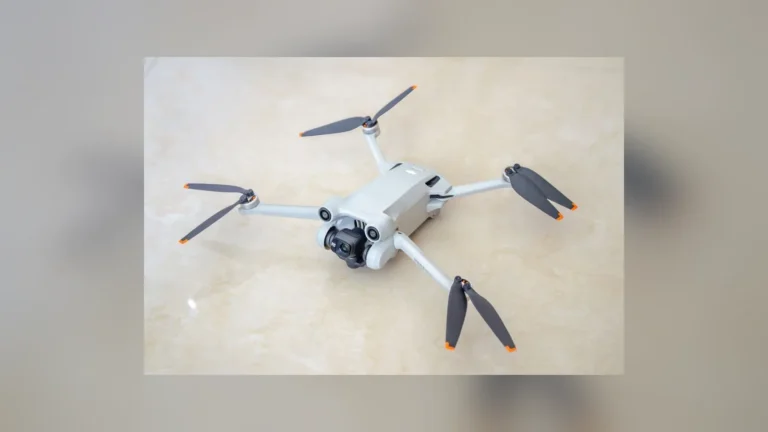
As an Amazon Associate I earn from qualifying purchases. If you buy through links in this article, we may earn a commission at no extra cost to you.
These are the 10 best drones with night vision camera capability that is real, and it comes in three honest forms: starlight sensors that amplify faint light, thermal cameras that see heat in total darkness, and big-sensor cameras with dedicated night modes. Toy drones bolt on marketing; these ten earn the label with sensors, optics and night flight systems that work when the sun is gone.
Short on time?
Start with these three picks
The big-sensor flagship, the starlight specialist and the night-video all-rounder: three different answers to flying after dark.
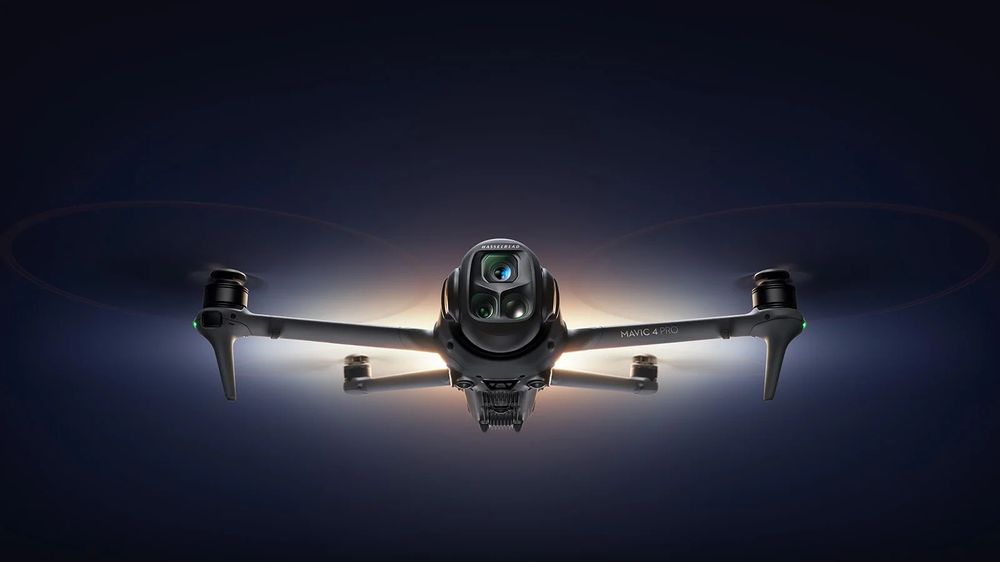
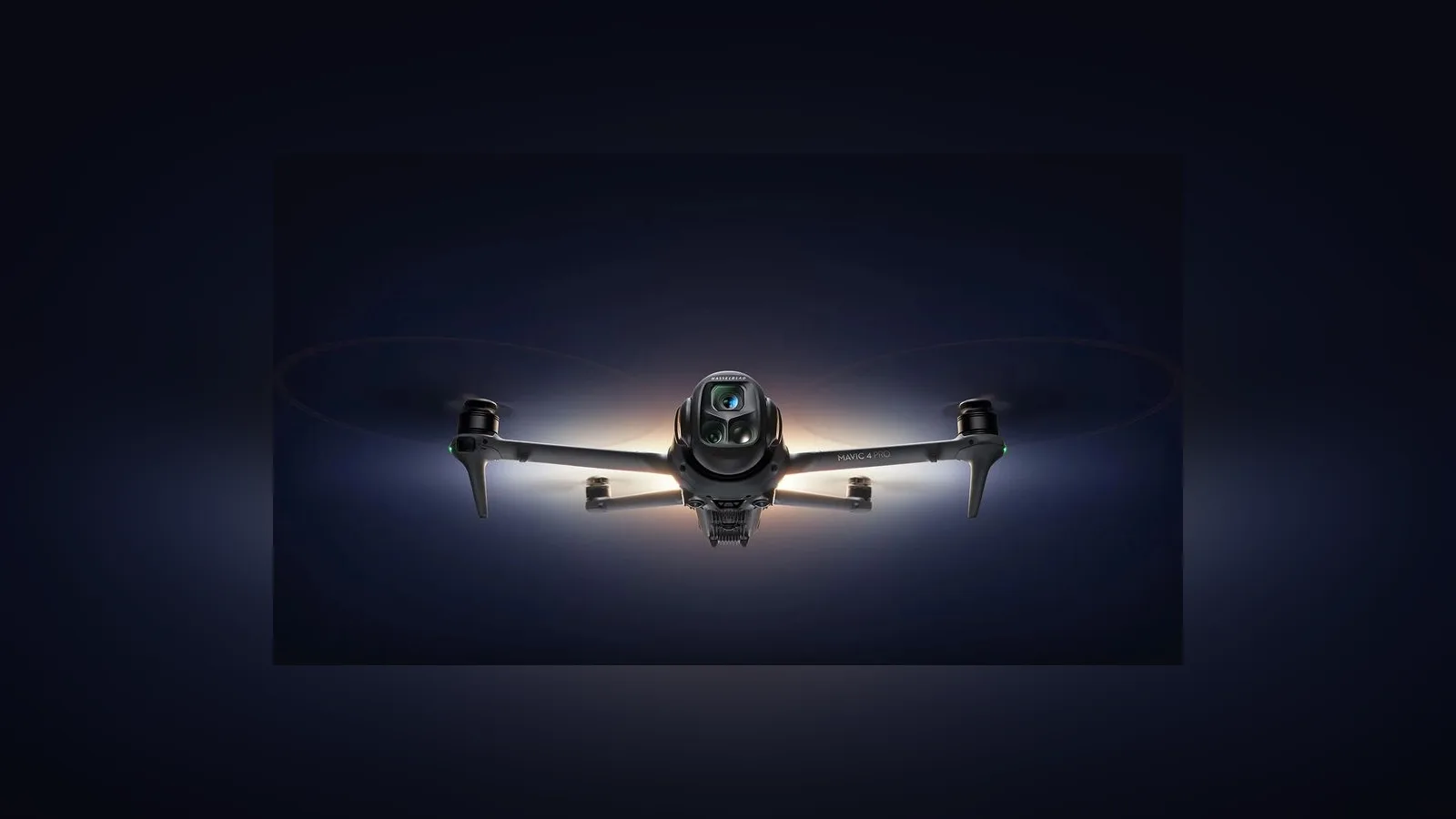
DJI Mavic 4 Pro
The best all-round night camera drone: a 4/3 100MP main camera with huge dynamic range, vision sensing that works down to 0.1 lux, forward LiDAR and a non-GPS night return-to-home. If one drone has to shoot the whole evening, it is this one.
View on Amazon Read the full review ↓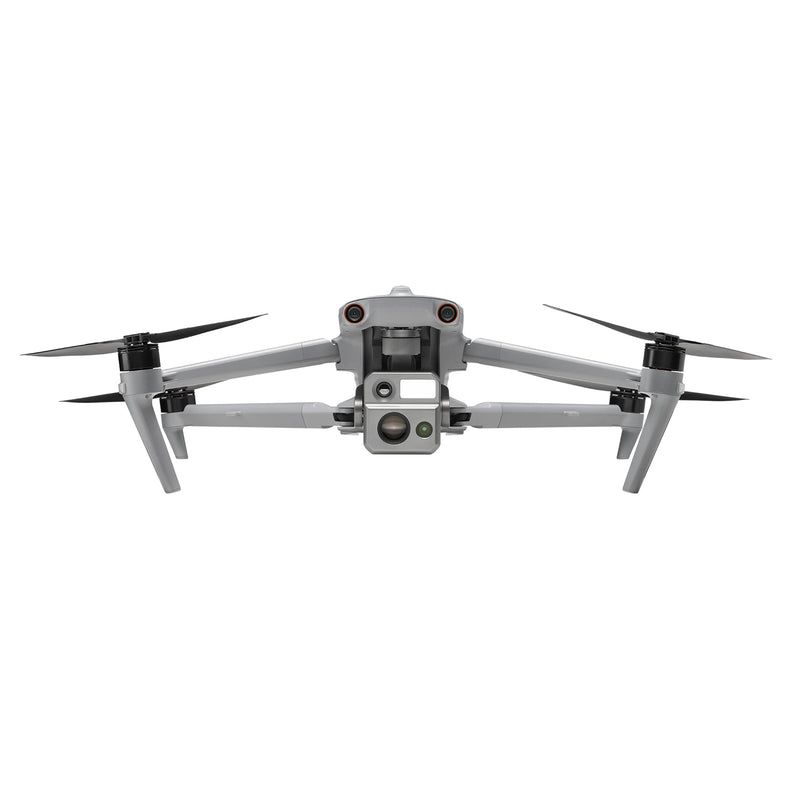
Autel EVO Max 4N
The closest thing to military night vision on this list: a starlight camera sensitive to 0.0001 lux with ISO to 450,000, backed by a 640×512 thermal sensor for the darkness even starlight cannot use, plus a laser rangefinder and radar sensing.
View on Amazon Read the full review ↓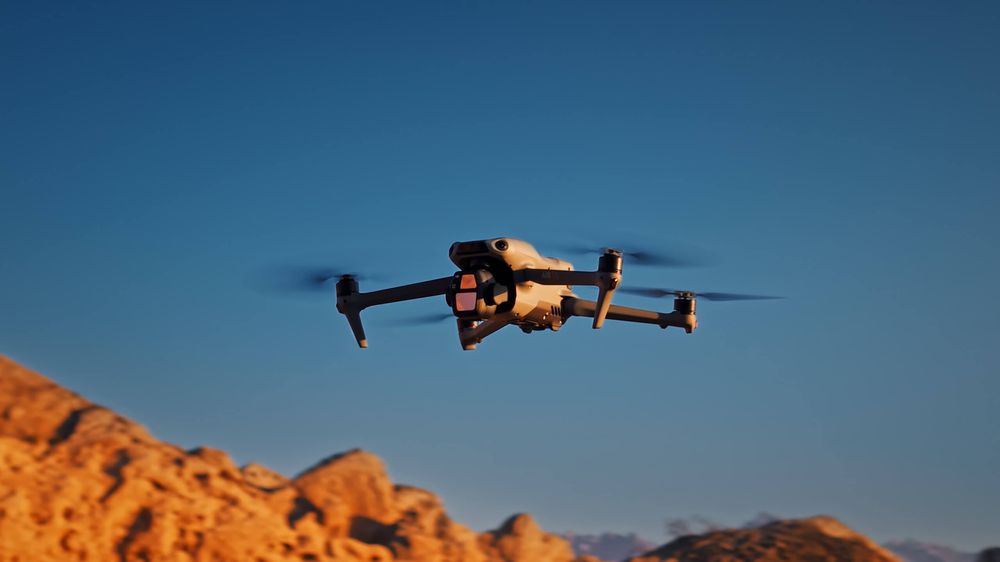
DJI Air 3S
The night-video sweet spot: a 1-inch 50MP main camera with a fast f/1.8 lens, Nightscape omnidirectional sensing backed by forward LiDAR that works down to 1 lux, a 70mm second camera and 45 minute flights in a 724 g folder.
View on Amazon Read the full review ↓The shortlist
Compare all 10 at a glance
At night, the spec sheet changes: sensor size, lux ratings, night modes and sensing that still works in the dark matter more than daylight resolution.
| Product / award | Best fit | Key decision point | Check current offer |
|---|---|---|---|
| 01. DJI Mavic 4 ProBest overall | Creators flying golden hour into full dark | 4/3 100MP main camera, 0.1 lux sensing and LiDAR night return | View on Amazon |
| 02. Autel EVO Max 4NBest true night vision | Search, patrol and security work after dark | Starlight camera rated 0.0001 lux; thermal aboard for zero light | View on Amazon |
| 03. DJI Air 3SBest night video | Travel and city shooters who film after dark | 1-inch main sensor, Nightscape sensing with forward LiDAR | View on Amazon |
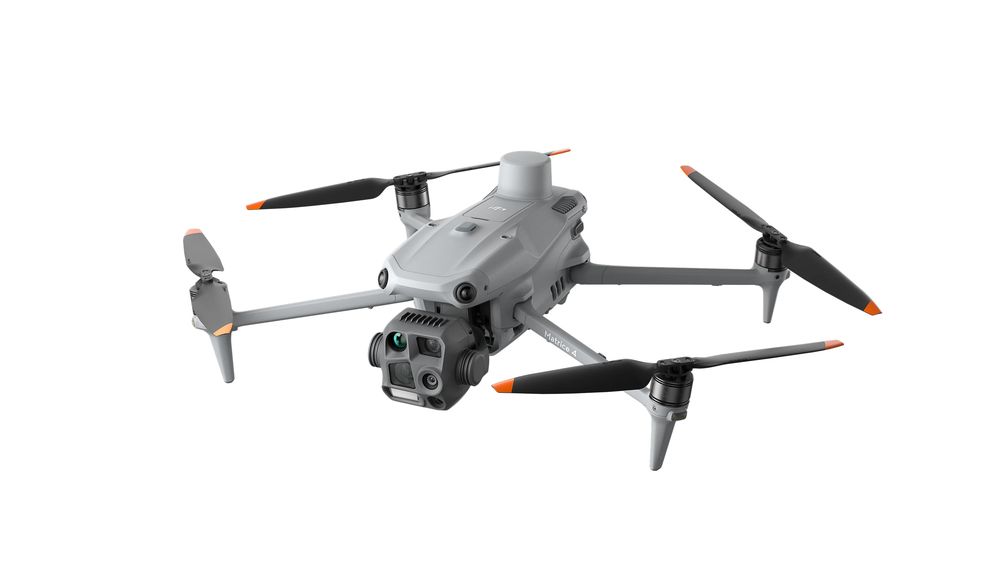 04. DJI Matrice 4TBest night operations | Public safety and inspection teams on night call | NIR spotlight to 100 m, Night Scene ISO 409,600, thermal aboard | View on Amazon |
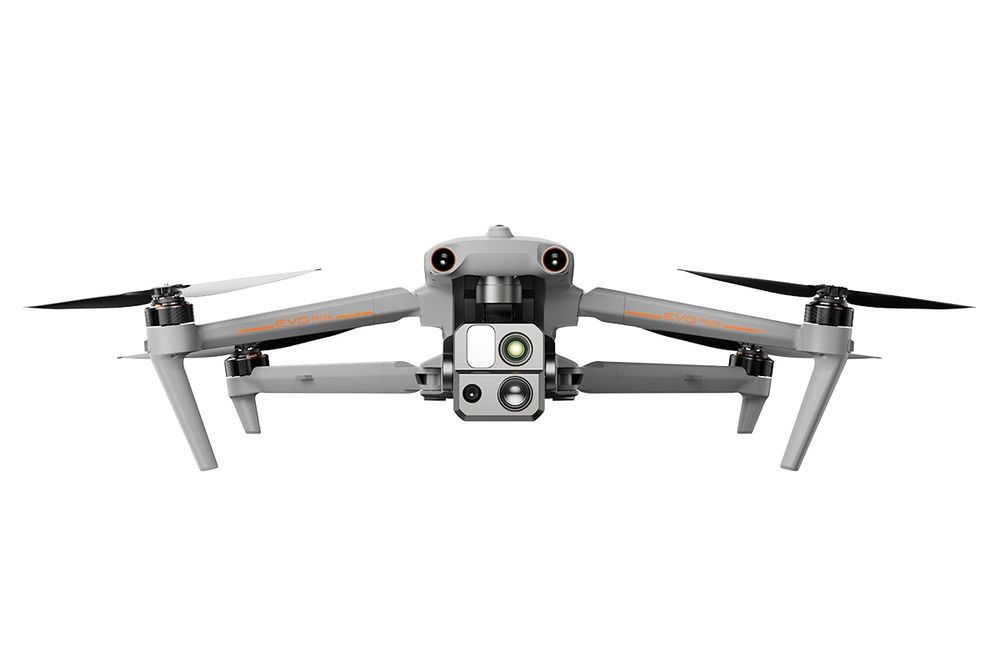 05. Autel EVO Max 4TBest thermal at night | Night search and inspection where light cannot help | 640×512 radiometric thermal sees heat in absolute darkness | View on Amazon |
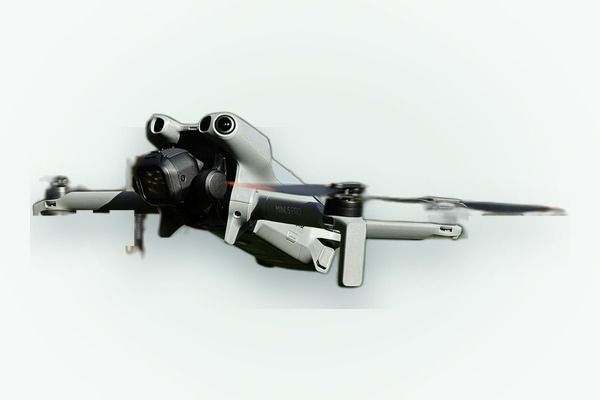 06. DJI Mini 5 ProBest small night shooter | Night city shooting inside the sub-250 g class | 1-inch sensor at 249.9 g; sensing works to 1 lux | View on Amazon |
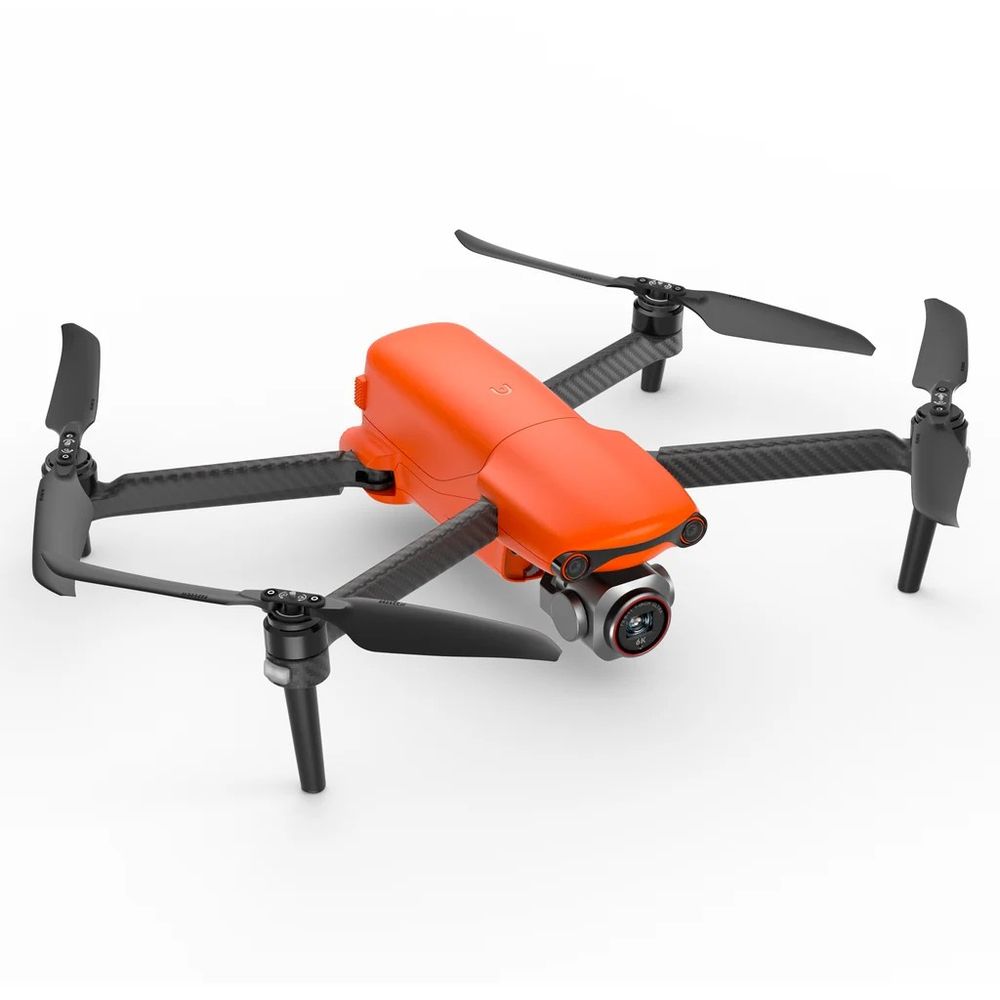 07. Autel EVO Lite+Best moonlight mode | Night stills and quiet neighborhoods, DJI-free | 1-inch 20MP with Moonlight algorithm, night ISO to 48,000 | View on Amazon |
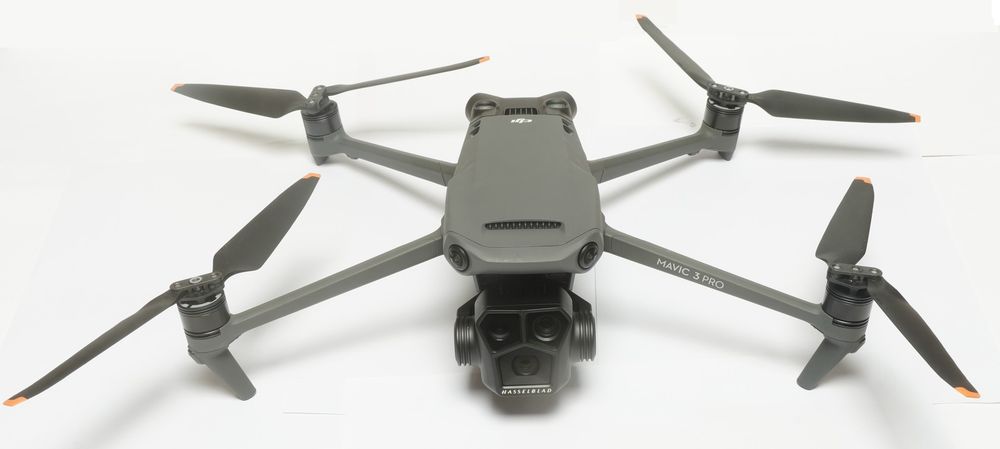 08. DJI Mavic 3 ProBest proven low light | Photographers wanting Hasselblad color at night | 4/3 20MP Hasselblad with Night Shots video mode | View on Amazon |
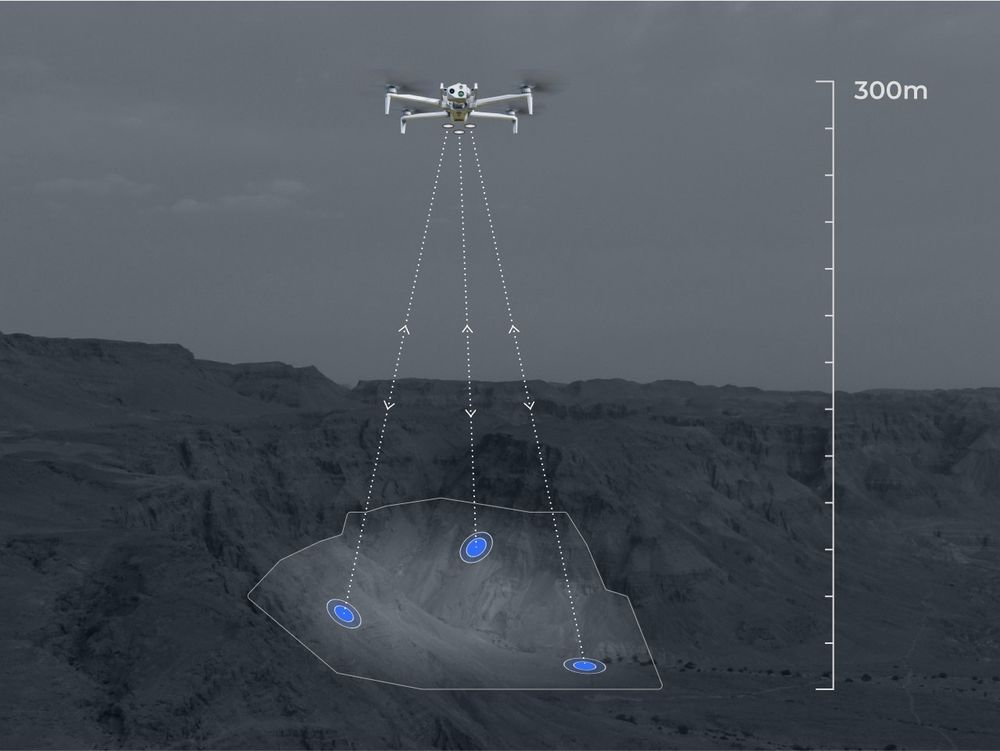 09. Skydio X10Best night autonomy | Automated night patrol and first-responder programs | NightSense attachments enable zero-light autonomous flight | View on Amazon |
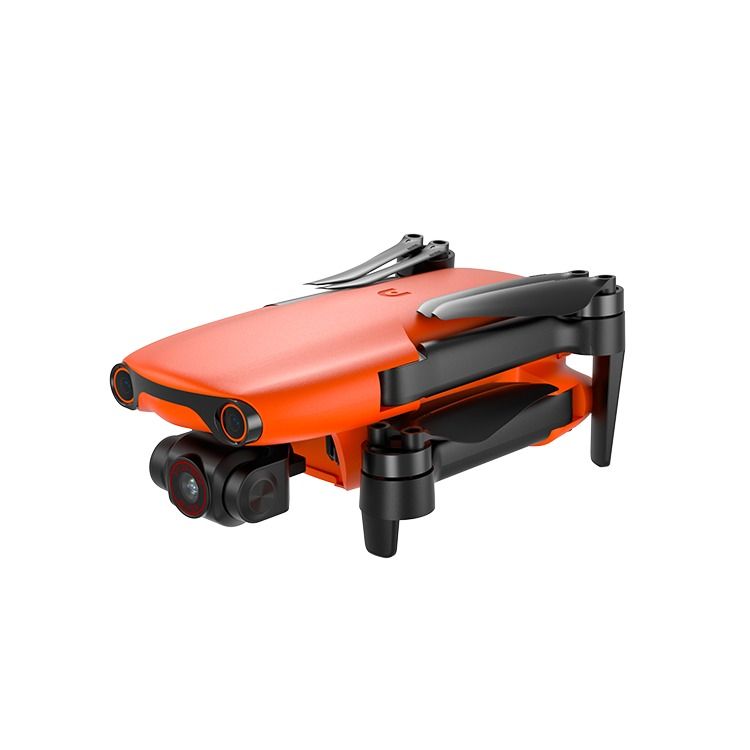 10. Autel EVO Nano+Best sub-250 g at night | Discreet night shooting under registration thresholds | RYYB 1/1.28-inch sensor gathers light beyond its size | View on Amazon |
Look closer
Our 10 picks, explained
These picks come from desk research, not hands-on testing: manufacturer spec sheets and night-mode documentation, cross-checked against published low-light tests and owner reports of real night flying.
DJI Mavic 4 Pro
Most drones get nervous after sunset; the Mavic 4 Pro was designed for it. Its 4/3 CMOS main camera captures 100MP stills and 6K/60 HDR video with the dynamic range to hold city lights and shadow in one frame, flanked by 70mm and 168mm telephotos for compressed night cityscapes. More importantly, the safety systems keep working: omnidirectional vision sensing functions down to 0.1 lux, a forward LiDAR handles what vision cannot, and the night return-to-home navigates home without GPS. Add 51 minute flights and a 1,063 g airframe with real wind manners, and it is the complete night package. Few drones at any price can say the same.
- Main camera
- 4/3 CMOS, 100MP, 6K/60 HDR video
- Night sensing
- Vision to 0.1 lux, forward LiDAR, night RTH
- Flight time
- 51 min
Reasons to choose it
- Biggest main sensor in class
- Night sensing to 0.1 lux plus LiDAR
- 51 minute endurance, three lenses
Trade-offs to know
- 1,063 g airframe, full-size case
- Premium pricing across bundles
Choose this if: night footage is core work, not an occasional extra.
Consider another option if: you fly enterprise night missions, the Matrice 4T adds thermal and an NIR light.
Autel EVO Max 4N
Starlight is the real night vision technology on this list, and the 4N’s camera defines it: a 2.3MP sensor sensitive to 0.0001 lux, amplifying moonlight and starlight into a usable picture with ISO reaching 450,000. When even that light is absent, the 640×512 radiometric thermal sensor takes over, and a 50MP wide camera covers the day shift. The Max airframe adds a 1,200 m laser rangefinder, 720-degree radar-assisted sensing, GPS-denied navigation, A-Mesh networking and IP43 sealing across 42 minute flights. Sold through enterprise dealers to the teams whose work starts at midnight. It was built for exactly that shift. Nothing consumer-grade comes close.
- Night camera
- Starlight 2.3MP, 0.0001 lux, ISO to 450,000
- Thermal camera
- 640×512 VOx radiometric
- Flight time
- 42 min
Reasons to choose it
- True starlight sensitivity, thermal backup
- Rangefinder, radar sensing, mesh networking
- GPS-denied night navigation
Trade-offs to know
- Enterprise pricing, dealer only
- Starlight detail is functional, not cinematic
Choose this if: the mission is seeing at night, not shooting cinema.
Consider another option if: you want footage first, the Mavic 4 Pro is the filmmaker’s night flagship.
DJI Air 3S
Night video lives or dies on sensor size and clean high-ISO processing, and the Air 3S is specified like it knows it. The 1-inch, 50MP main camera with an f/1.8 aperture gathers the light; 10-bit D-Log M holds the grade; and the 70mm telephoto compresses skyline layers without moving the drone. Just as important, DJI’s Nightscape system pairs omnidirectional vision with a forward LiDAR, giving obstacle sensing and night return functions that keep working around 1 lux where the previous generation went blind. At 724 g with 45 minute rated flights, it is the night drone most creators can actually travel with.
- Main camera
- 1-inch CMOS, 50MP, f/1.8, 10-bit D-Log M
- Night sensing
- Nightscape omni vision plus forward LiDAR, to 1 lux
- Flight time
- 45 min
Reasons to choose it
- Clean 1-inch night video plus 70mm tele
- Night sensing and return that work in dark
- Travel-size 724 g folder
Trade-offs to know
- No aperture control on either camera
- Sub-flagship dynamic range at extremes
Choose this if: you film cities and travel scenes after dark.
Consider another option if: you need the biggest sensor and lenses, the Mavic 4 Pro steps up.
DJI Matrice 4T
Enterprise night work needs more than a sensitive camera; it needs light, heat and position. The Matrice 4T carries all three. Its NIR auxiliary light projects illumination visible only to the camera out to about 100 m, the visible system’s Night Scene mode reaches ISO 409,600, and the 640×512 radiometric thermal sensor handles the searches where no light exists at all. A laser rangefinder plots coordinates to 1,800 m, RTK is built in, and the 1,219 g airframe flies 49 minutes per charge. Through DJI Pilot 2 and FlightHub 2, it slots into the fleet workflows agencies already run. That is a deliberate enterprise tool, through and through.
- Night systems
- NIR auxiliary light to 100 m, Night Scene ISO 409,600
- Thermal camera
- 640×512 radiometric plus super-resolution mode
- Flight time
- 49 min
Reasons to choose it
- NIR light, thermal and rangefinder together
- Built-in RTK, fleet software ready
- 49 minute flights at 1,219 g
Trade-offs to know
- Dealer pricing, enterprise channel
- No ingress protection rating listed
Choose this if: your night flying is operational: search, patrol, inspection.
Consider another option if: radar sensing matters more than DJI software, the EVO Max 4T is the rival.
Autel EVO Max 4T
Every other night technology on this list still needs photons. Thermal needs none, which is why search teams start here. The Max 4T’s 640×512 radiometric sensor renders people, vehicles and hot machinery clearly at 2 a.m. as at noon, measuring temperatures from minus 20 to 550 C, while the 720-degree sensing array with millimeter-wave radar and the platform’s GPS-denied navigation keep the aircraft safe in the same darkness. The 48MP zoom camera, 50MP wide camera and 1,200 m laser rangefinder complete a sensor stack no other single drone here matches. IP43 sealing and 42 minute hot-swap flights finish the professional brief.
- Thermal camera
- 640×512 VOx radiometric, 13mm lens
- Visible cameras
- 50MP wide, 48MP zoom, 10x optical
- Flight time
- 42 min
Reasons to choose it
- True zero-light vision via thermal
- Radar sensing and GPS-denied flight
- Rangefinder plus 10x optical zoom
Trade-offs to know
- Thermal shows heat, not recognizable faces
- 1,640 g enterprise airframe
Choose this if: night search and inspection are the actual job.
Consider another option if: you also need starlight identification, the EVO Max 4N adds the starlight camera.
DJI Mini 5 Pro
Small sensors used to surrender at sunset. The Mini 5 Pro’s 1-inch CMOS is the same class of sensor as full-size camera drones, gathering enough light for clean 4K night video and 50MP stills from an airframe that still weighs 249.9 g and folds into a jacket pocket. Its low-light flight systems are as notable: omnidirectional vision sensing assisted by a front LiDAR functions down to about 1 lux, and the non-GNSS night return brings it home when signals fade. Flight time runs 36 minutes standard and 52 with the Plus battery where regulations allow. For night city work under registration thresholds, nothing else is close.
- Takeoff weight
- 249.9 g
- Main camera
- 1-inch CMOS, 50MP, 4K/120fps
- Flight time
- 36 min (52 min Plus)
Reasons to choose it
- 1-inch sensor in a sub-250 g body
- Night sensing and non-GNSS return
- 36 to 52 minute flight options
Trade-offs to know
- Plus battery breaks the 250 g class
- Single camera, no telephoto
Choose this if: you shoot nights where a mini is the only legal or practical option.
Consider another option if: you can fly heavier, the Air 3S adds a telephoto and stronger sensing.
Autel EVO Lite+
Autel leaned into low light early, and the Lite+ still shows it. The 1-inch, 20MP RYYB sensor sits behind an adjustable f/2.8 to f/11 aperture, and the Moonlight algorithm processes night scenes at ISOs up to 48,000, lifting shadows while keeping noise civilized in its 6K video. Defog and night still modes round out a genuinely thoughtful night toolkit. The airframe helps the mission in other ways: 835 g, a quiet propeller tune that draws less attention after dark, 40 minute flights and no geofencing layer interrupting legal night work. Newer sensors out-resolve it now; few match its night manners at its current street position.
- Main camera
- 1-inch CMOS, 20MP, f/2.8 to f/11, 6K/30
- Night features
- Moonlight algorithm, ISO to 48,000, defog
- Flight time
- 40 min
Reasons to choose it
- Purpose-built Moonlight night processing
- Adjustable aperture on a 1-inch sensor
- Quiet props, no geofence layer
Trade-offs to know
- 2021 platform, HDR video tops at 30 fps
- Discontinued line; finite support runway
Choose this if: night stills and video matter and you prefer Autel’s ecosystem.
Consider another option if: you want the newest night sensing, the Air 3S is the current benchmark.
DJI Mavic 3 Pro
Before sensing learned to see in the dark, the Mavic 3 Pro won nights on sensor physics: a 4/3, 20MP Hasselblad camera with natural color science, an adjustable f/2.8 to f/11 aperture and a dedicated Night Shots video mode that cleans high-ISO footage intelligently. The 70mm and 166mm telephotos compress skylines and isolate lit subjects from safe distances. Its limits are generational: the obstacle sensing needs more light than the newest systems, endurance is 43 minutes, and the airframe is 958 g. None of that stops it producing night footage most drones cannot, especially at the prices it now changes hands for.
- Main camera
- 4/3 CMOS, 20MP Hasselblad, 5.1K video
- Night features
- Night Shots mode, adjustable aperture
- Flight time
- 43 min
Reasons to choose it
- Hasselblad color and 4/3 sensor
- Three lenses to 166mm
- Falling prices on a proven flagship
Trade-offs to know
- Sensing needs more light than the 4 Pro
- 958 g and an older platform
Choose this if: you value proven image quality over the newest sensing.
Consider another option if: sensing in darkness is the priority, the Mavic 4 Pro sees to 0.1 lux.
Skydio X10
Pilots can adapt to darkness; autonomy has to be engineered for it. Skydio’s NightSense system bolts visible-light or infrared illuminators onto the X10 so its six navigation cameras and AI flight engine keep working with no ambient light at all, enabling autonomous launches, patrols and returns in complete darkness. The VT300 packages add a radiometric FLIR Boson+ thermal sensor at 640×512 for the search itself, inside an IP55 airframe rated for 40 minutes. It is US-built and NDAA compliant for agency programs. The trade is weight and price, about 2.11 kg at enterprise cost, paid gladly by the first-responder programs it was designed for.
- Night autonomy
- NightSense visible and IR illuminator attachments
- Thermal camera
- FLIR Boson+ 640×512 radiometric (VT300)
- Flight time
- 40 min
Reasons to choose it
- Autonomous flight in total darkness
- Radiometric thermal option aboard
- NDAA compliant, IP55 sealed
Trade-offs to know
- About 2.11 kg, program pricing
- Autonomy-first design over camera craft
Choose this if: drones must launch and patrol at night without a pilot’s eyes.
Consider another option if: a pilot flies every sortie, the Matrice 4T covers night ops for less complexity.
Autel EVO Nano+
The Nano+ takes a different route to night capability: sensor chemistry. Its 1/1.28-inch, 50MP RYYB sensor swaps the standard green filter for yellow, passing substantially more light to each pixel, which is why its 4K HDR footage holds up after dark better than rival minis with conventional sensors. Dynamic Track 2.1 follows subjects, tri-directional sensing guards the basics, and the whole aircraft weighs 249 g and folds to pocket size, drawing little attention on a quiet street. The caveats are real: the EVO Nano line is discontinued with support pledged to 2030, video tops out at 4K/30, and there is no night-specific sensing. As a light-gathering mini, it remains distinctive.
- Takeoff weight
- 249 g
- Main camera
- 1/1.28-inch RYYB CMOS, 50MP, 4K HDR
- Flight time
- 28 min
Reasons to choose it
- RYYB sensor gathers extra light
- 249 g, pocketable and discreet
- Tri-directional sensing, subject tracking
Trade-offs to know
- Discontinued line; support ends 2030
- 4K video capped at 30 fps
Choose this if: you want the most night-capable mini outside the DJI line.
Consider another option if: a 1-inch sensor fits the budget, the Mini 5 Pro is the modern mini benchmark.
Buy with confidence
How to choose a drone that sees at night
Four checks that separate real night capability from marketing: technology, ratings, sensing and rules.
01. Know the three technologies
Starlight amplifies faint visible light and needs some of it. Thermal reads heat and needs none, but shows shapes, not faces. Large sensors with night modes film real scenes beautifully while light remains. Any listing claiming toy-grade night vision without naming one of these is selling words, not capability.
02. Read lux and ISO honestly
Lux ratings describe the light a sensor or sensing system still works in: 0.1 lux is deep twilight, 0.0001 lux is starlight. ISO ceilings show processing headroom, not image quality; a night mode at extreme ISO is a tool for identification, not cinema. Match the number to the job.
03. Sensing is half the night
A camera that sees in the dark is wasted if the drone cannot. Vision sensing fades as light drops unless LiDAR or rated low-light sensors back it up, and night return-to-home is the feature that decides whether a dark flight ends well. Check the sensing lux rating, not just the camera’s.
04. Legality gets stricter at night
Night flying rules differ by country and most require anti-collision lighting visible for miles, plus the usual altitude and airspace limits. Enterprise work may add waivers or agency authorizations. Confirm your local night rules before planning shoots, and log night flights as carefully as the aircraft deserves.
Behind the recommendations
How we selected these products
This guide is built on desk research, not hands-on testing. We compared official manufacturer specifications for night-relevant systems: sensor size and type, lux sensitivity, night modes, NIR lighting, thermal options and low-light obstacle sensing, then cross-checked the shortlist against published low-light tests and owner reports. Specs were rechecked against the sources below in October 2026. Manufacturer lux and ISO figures come from controlled conditions; real night performance varies with scene light and settings.
- Night imaging: sensor size, sensitivity in lux, night modes and ISO range, from manufacturer data.
- Night flying: sensing that works in darkness, LiDAR or infrared support, and night return functions, compared across the list.
- Limitations: we did not fly these drones at night for this guide. Enterprise models are dealer-sold with varying bundles, and two picks are discontinued lines with stated support horizons. Confirm status and rules for your region before buying.
Common questions
Before you buy
Do any drones have real night vision like goggles?
Two technologies come close. Starlight cameras, like the EVO Max 4N’s, amplify moonlight and starlight into a usable picture, though they still need a trace of light. Thermal cameras need no light at all because they image heat, but they show silhouettes and temperatures rather than recognizable faces. Image-intensifier goggles themselves are not a drone camera technology.
Why does sensor size matter so much at night?
A larger sensor gathers more light per pixel, so images stay cleaner at the high ISOs night work demands. That is why the 1-inch and 4/3 cameras on this list outperform smaller sensors after dark even at similar megapixel counts, and why night modes lean so heavily on processing to compensate on small-sensor drones.
Is it legal to fly a drone at night?
In many places, yes, with conditions. Recreational and commercial rules typically require an anti-collision light visible from distance, standard altitude and airspace limits, and sometimes registration or authorization depending on weight and purpose. Rules differ by country and change; check your aviation authority’s current night provisions before flying.
Which is better for finding a lost person at night, thermal or starlight?
Thermal, and it is not close. A person glows against cool ground in total darkness, smoke or light brush, which is why search teams standardize on thermal sensors. Starlight helps identify what a thermal contact is once found, which is why the best night aircraft, like the Max 4N, carry both.
Pick your kind of night
Decide what night means for you first. Filmmakers should start with the Mavic 4 Pro or Air 3S, working teams with the Max 4N or Matrice 4T, and mini flyers with the Mini 5 Pro. The right sensor beats the longest feature list every time.
Sources and verification
Product specifications and claims in this guide were checked against the following sources, listed by name as a record of what was consulted.
- DJI Mavic 4 Pro, Air 3S, Mini 5 Pro, Mavic 3 Pro and Matrice 4T official specifications (dji.com)
- Autel Robotics EVO Max 4N, EVO Max 4T, EVO Lite+ and EVO Nano+ official specifications (autelrobotics.com)
- Skydio X10 and NightSense official documentation (skydio.com)
- Authorized dealer documentation for the enterprise models (Advexure, DroneNerds, DSLRPros)
- Published low-light tests and night-mode reviews for the shortlisted models, October 2026
- Aviation authority night-flying provisions consulted for the legality guidance (FAA and EASA summaries)