As an Amazon Associate I earn from qualifying purchases. If you buy through links in this article, we may earn a commission at no extra cost to you.
These are the 10 best affordable GPS drones, chosen with one hard filter: every pick carries a real satellite positioning system on its manufacturer spec sheet, with automatic return to home when the battery or the signal gives out. We ranked all 10 on positioning strength, flight time, camera quality and link range, keeping the list to drones that undercut flagship money.
Short on time?
Start with these three picks
One leads on all-round polish, one is the DJI value anchor, and one shoots the best stills of the affordable set.
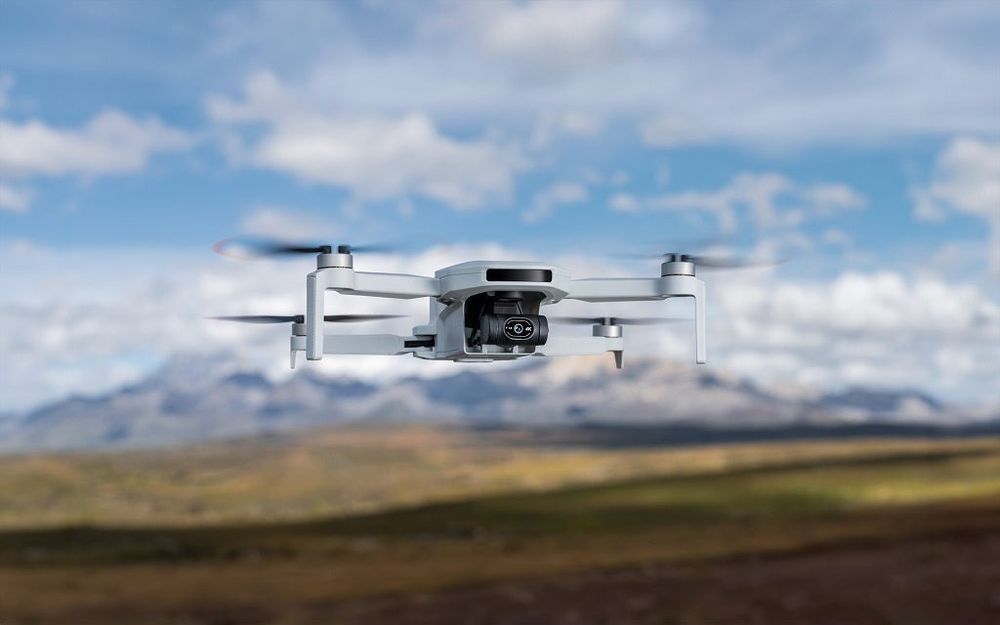
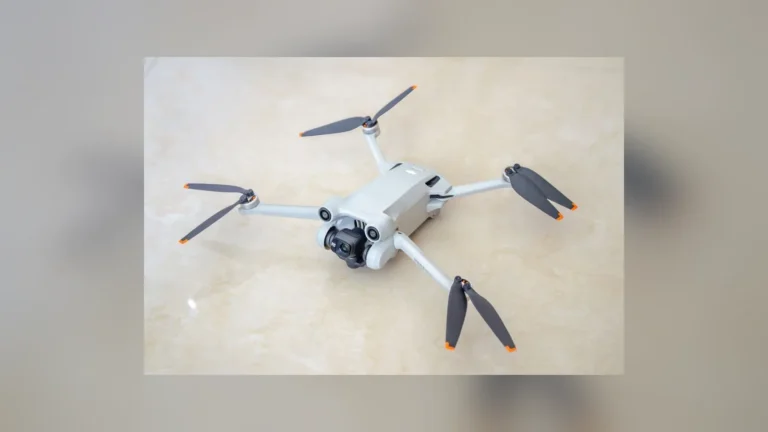
Potensic Atom 2
The most complete affordable GPS package here: four-constellation positioning, a 3-axis gimbal under a 4K HDR camera, 32 minutes per battery and a 10 km link, all at 249 g. The catch is stills: photos are JPEG only, with no RAW option for editors.
View on Amazon Read the full review ↓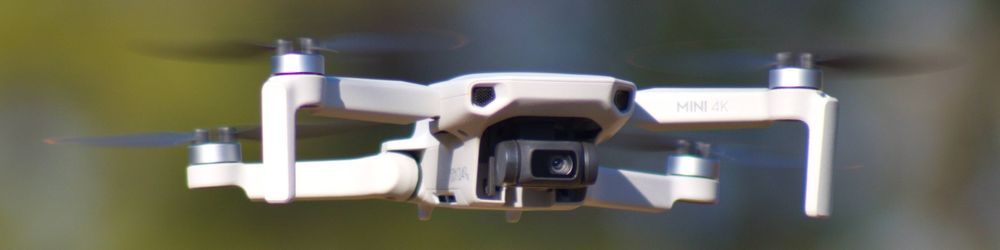
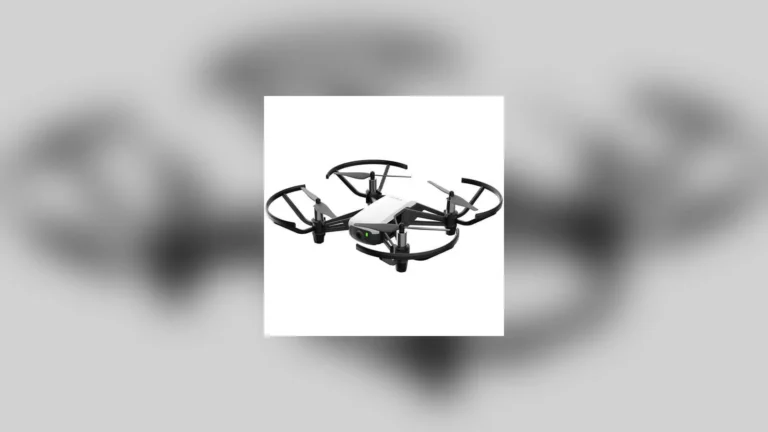
DJI Mini 4K
DJI’s value anchor: real GPS with return to home, a 3-axis gimbal, 4K/30 video, 31 minutes per battery and the 10 km O2 link, at 249 g. You give up obstacle sensing and subject tracking, the assists reserved for pricier Minis.
View on Amazon Read the full review ↓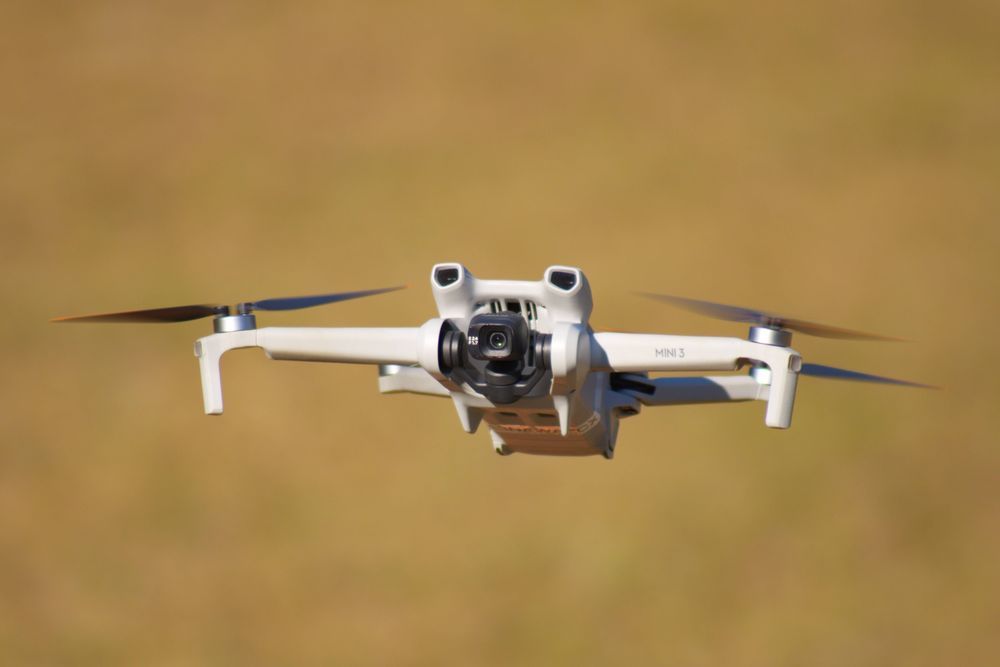
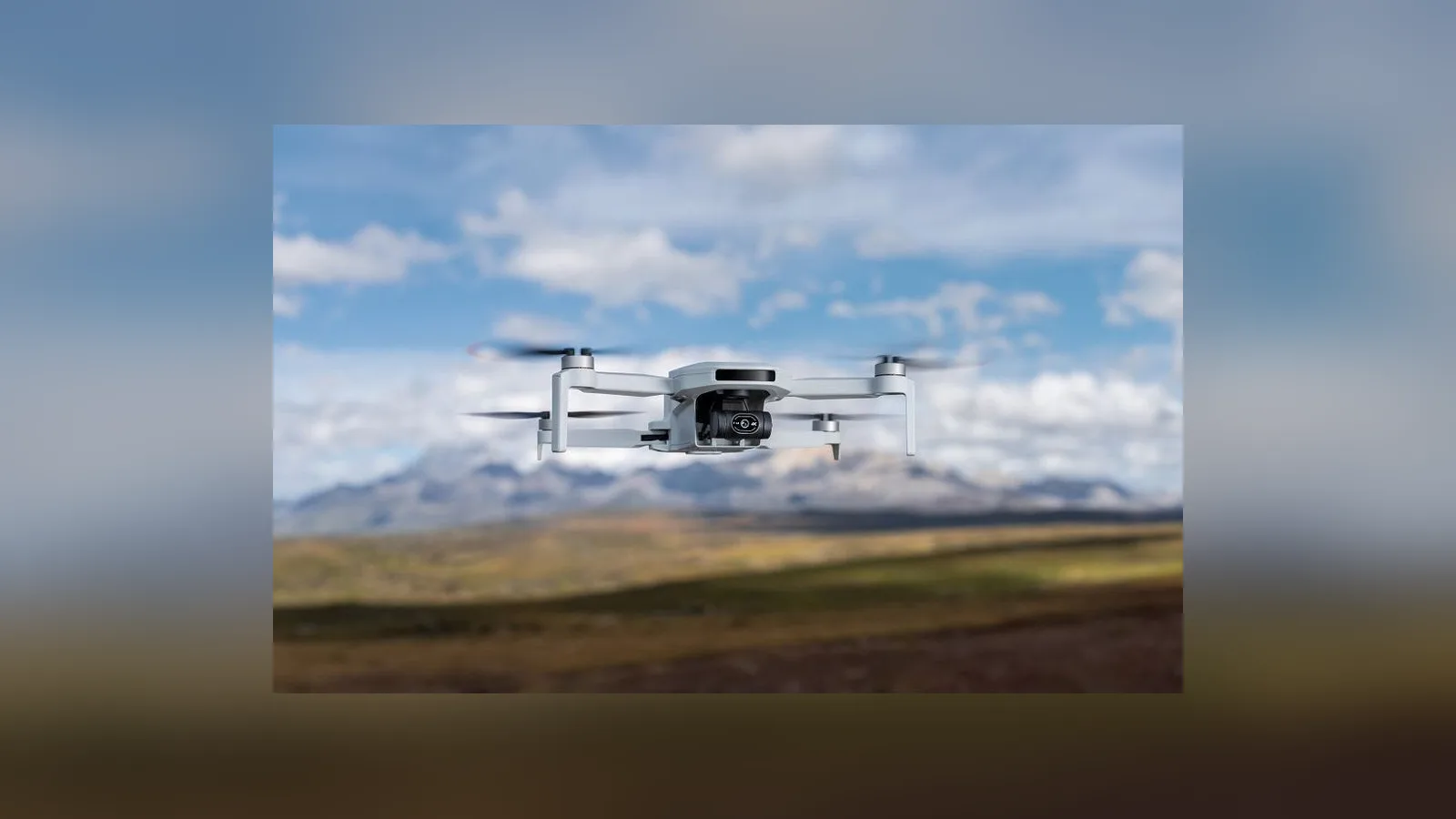
DJI Mini 3
The stills camera of the affordable class: a 48MP 1/1.3-inch sensor shooting 4K HDR video and true vertical frames, with GPS positioning, 38 minute rated flights and the 10 km O2 link. No obstacle sensing, so you fly it yourself.
View on Amazon Read the full review ↓The shortlist
Compare all 10 at a glance
Every drone here holds position on satellite lock rather than hope, but they differ in how many constellations they hear, how long they stay up, and how steady the camera rides.
| Product / award | Best fit | Key decision point | Check current offer |
|---|---|---|---|
| 01. Potensic Atom 2Best overall | Buyers who want flagship manners for less | Four constellations; 4K HDR and a 3-axis gimbal | View on Amazon |
| 02. DJI Mini 4KBest value | First GPS drone with DJI polish | 10 km O2 link; no obstacle sensing | View on Amazon |
| 03. DJI Mini 3Best camera on a budget | Photographers on a budget | 48MP sensor; no obstacle sensing | View on Amazon |
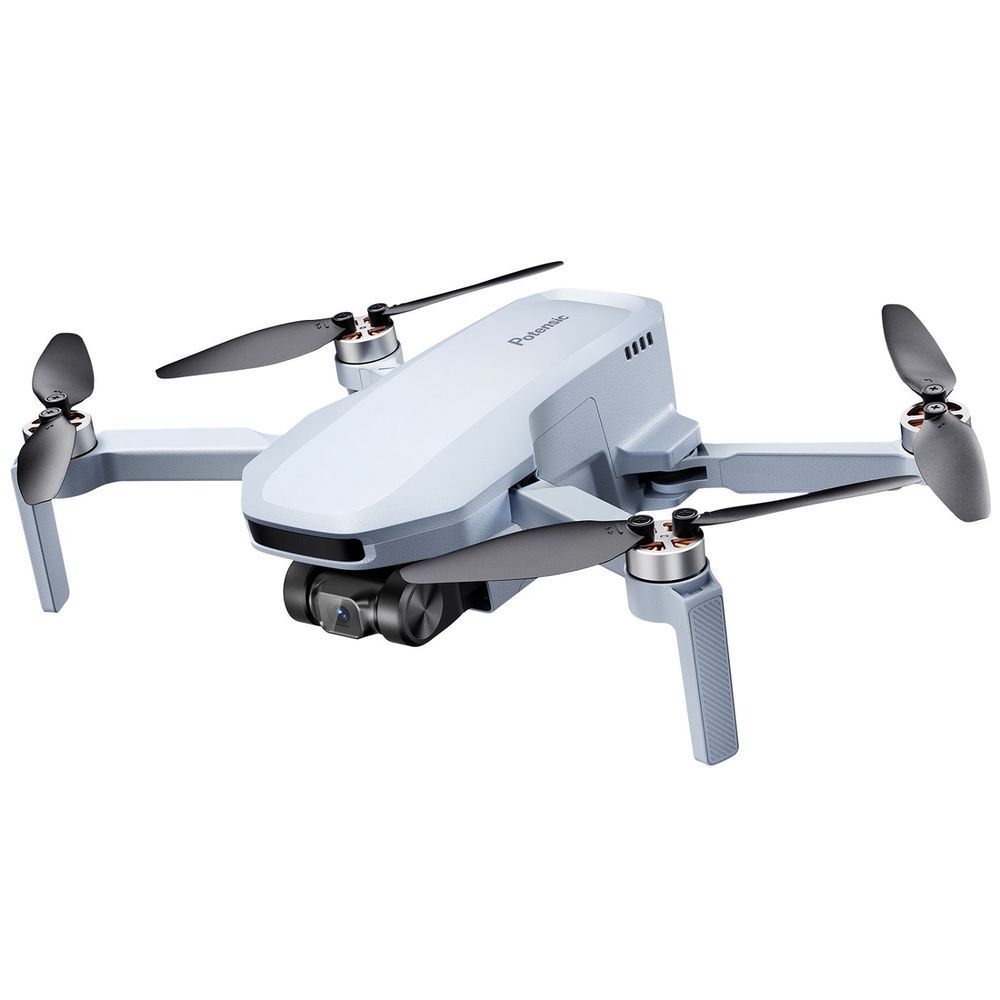 04. Potensic Atom SEBest on a tight budget | Least spend, still real GPS | 31 minutes and RAW stills; 4 km link | View on Amazon |
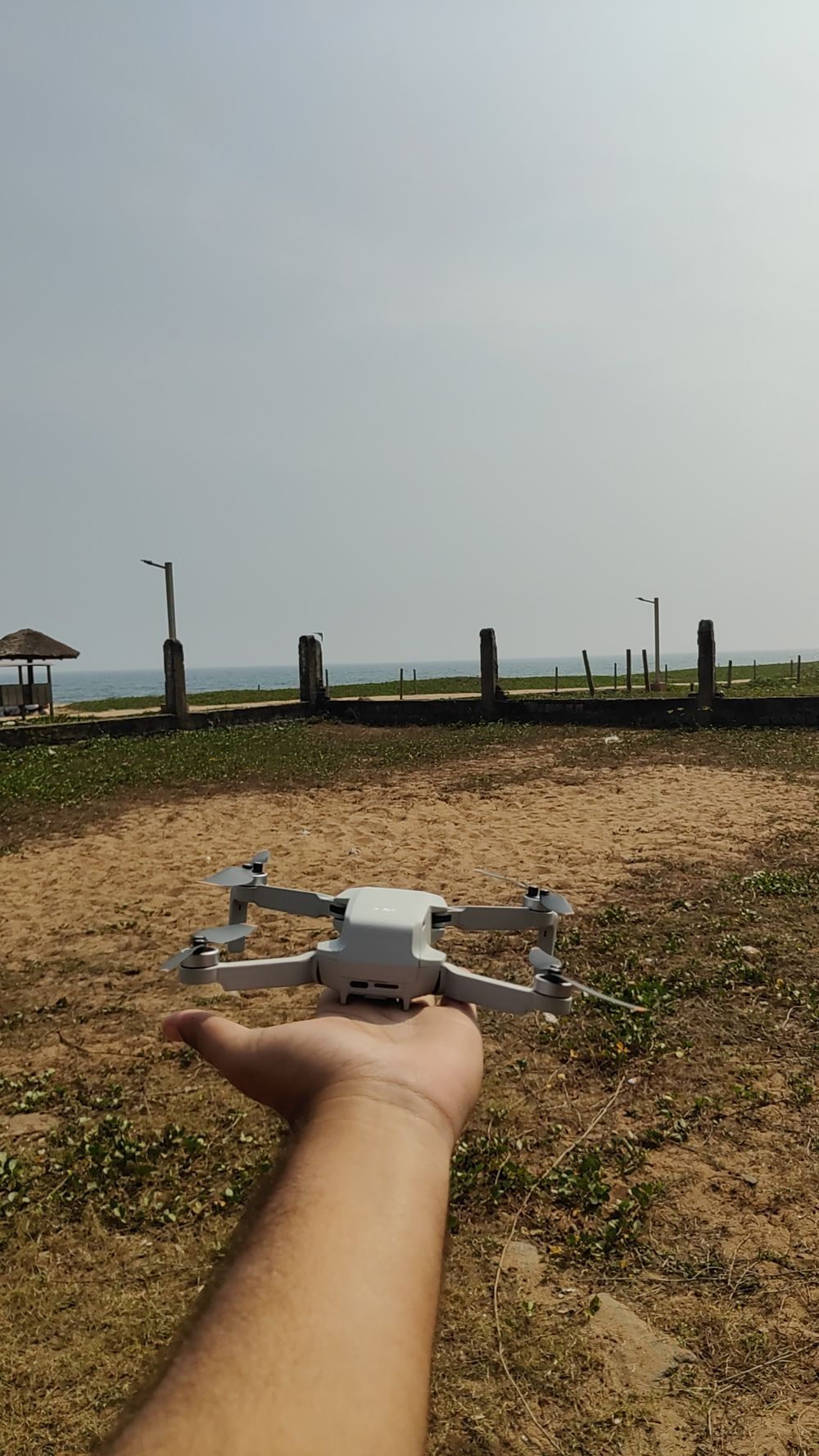 05. DJI Mini 2 SEBest simple DJI | Simple, dependable DJI flying | Full 10 km link; video caps at 2.7K | View on Amazon |
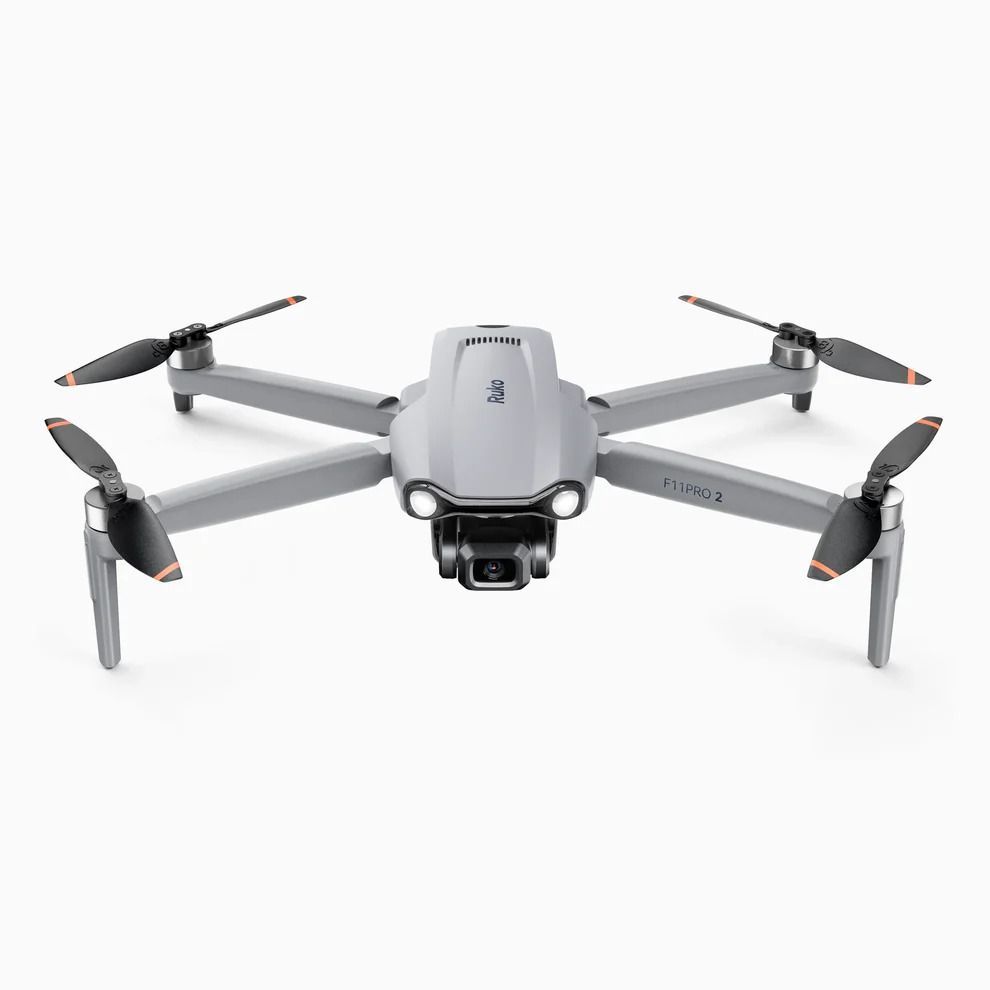 06. Ruko F11 Pro 2Best for long flights | Long, unhurried GPS sessions | 35 minute batteries, two included; 357 g | View on Amazon |
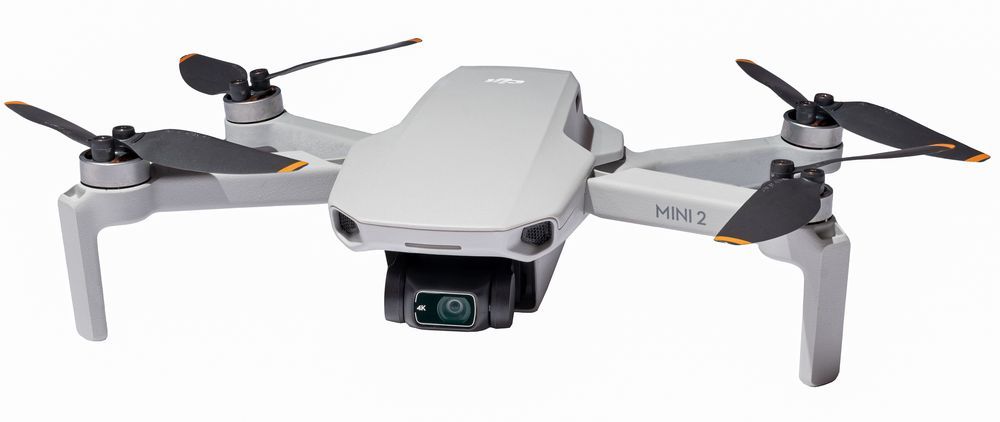 07. DJI Mini 2Best proven all-rounder | Proven DJI value, new or used | 4K and 10 km link; older model, check batteries | View on Amazon |
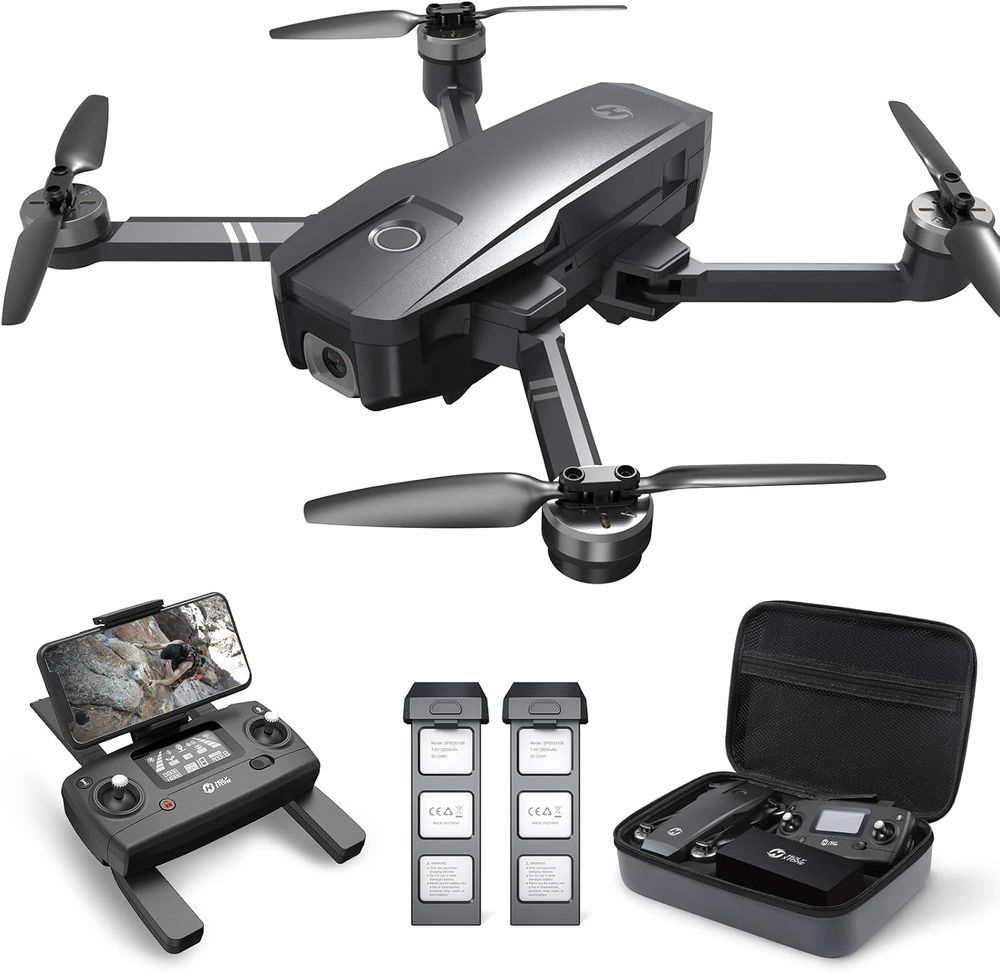 08. Holy Stone HS720Best for smart flight modes | Beginners who want automated GPS modes | Full GPS mode set; EIS camera, short link | View on Amazon |
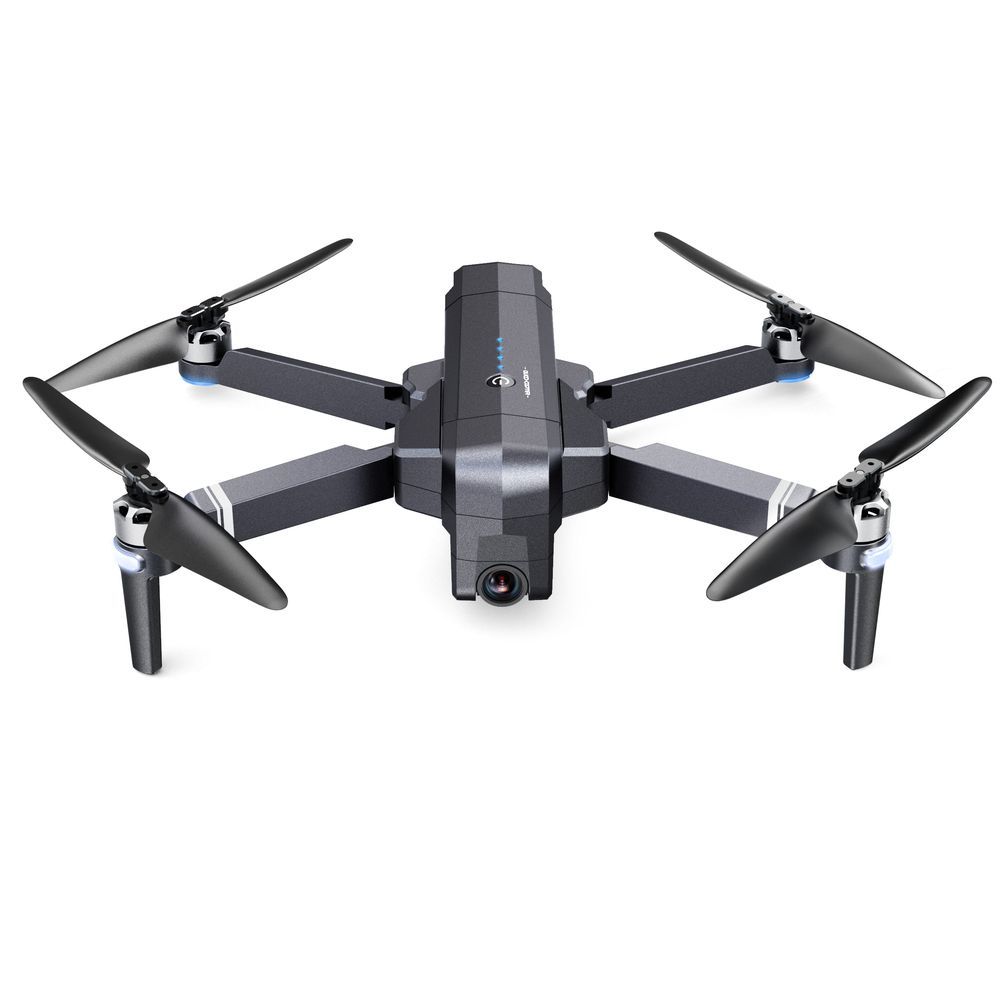 09. Ruko F11 ProBest battery bundle | Hour-long sessions on a budget | Two 30 minute batteries; 2.9K video ceiling | View on Amazon |
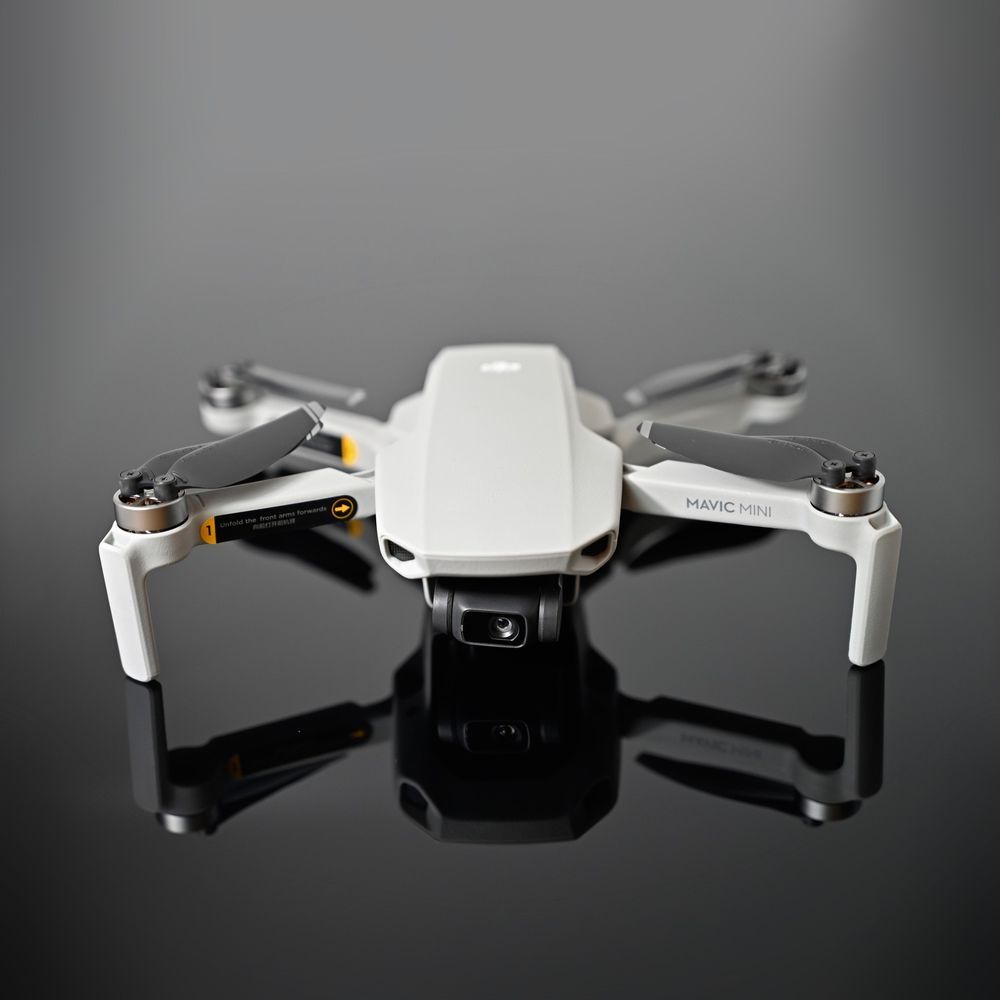 10. DJI Mavic MiniBest legacy bargain | Classic sub-250 g GPS on the used market | Original 249 g GPS formula; 4 km Wi-Fi link | View on Amazon |
Look closer
Our 10 picks, explained
These picks come from desk research, not hands-on testing: we compared manufacturer spec sheets line by line, then cross-checked owner feedback and published reviews to see which claims hold up in everyday flying.
Potensic Atom 2
Most affordable GPS drones ask you to forgive one big thing. The Atom 2 asks you to forgive very little. Its positioning hears GPS, GLONASS, Galileo and BeiDou, the widest constellation set here, so locks come fast and hold firmly near buildings and trees. The 3-axis gimbal does the stabilising mechanically, which keeps horizons level in a way electronic systems only imitate, and the camera records 4K HDR video with AI tracking modes borrowed from far pricier drones. PixSync 4.0 is rated to 10 km with a 1080p live view, flight time is rated at 32 minutes, and the whole package stays at 249 g, keeping recreational registration simple in many places. The honest gap is stills: photos are JPEG only, where DJI rivals offer more for editors.
- Positioning
- GPS, GLONASS, Galileo and BeiDou with auto return
- Flight time
- 32 min rated per battery
- Camera
- 4K HDR video, 3-axis gimbal
Reasons to choose it
- Four satellite constellations for fast, firm locks
- 3-axis gimbal and 4K HDR camera
- 10 km link and 32 minute flights at 249 g
Trade-offs to know
- JPEG stills only, no RAW for editing
- Smaller accessory ecosystem than DJI
Choose this if: you want one affordable GPS drone that does everything well and stays under 250 g.
Consider another option if: still photography matters as much as video, the DJI Mini 3 below shoots far stronger stills.
DJI Mini 4K
The Mini 4K exists because DJI knows exactly what a first GPS drone needs. Satellite positioning pairs with downward vision sensors, so it holds a hover with the calm certainty that defines the brand, and automatic return to home watches over every flight. The camera shoots 4K/30 through a 3-axis gimbal, flight time is rated at 31 minutes, and the O2 transmission system reaches a rated 10 km, figures that embarrass most drones sold as affordable. What you do not get is equally clear: no obstacle sensing, no subject tracking, and a fixed shooting experience compared with the Mini 3 above it in DJI’s own line. As a dependable first GPS camera drone, it remains the benchmark others are measured against.
- Positioning
- GPS with auto return and downward vision sensing
- Flight time
- 31 min rated per battery
- Camera
- 4K/30 video, 3-axis gimbal
Reasons to choose it
- DJI app, support and resale strength
- 10 km O2 link, rare at this level
- Proper 3-axis gimbal stabilisation
Trade-offs to know
- No obstacle sensing or tracking
- Camera fixed compared with the Mini 3
Choose this if: you want the safest first GPS drone, with an app and support network that just work.
Consider another option if: you plan to shoot serious stills, the Mini 3’s larger sensor is the step up.
DJI Mini 3
Everything about the Mini 3 serves the photograph. Its 1/1.3-inch sensor is the largest in this guide, gathering the light that keeps dawn and dusk shots clean, and it shoots 48MP stills plus 4K HDR video through a 3-axis gimbal. The gimbal rotates for true vertical shooting. Underneath, GPS, GLONASS and Galileo positioning delivers the standard DJI return to home safety net, flight time is rated at a generous 38 minutes with the standard battery, and the O2 link is rated to 10 km. The trade is assistance: there is no obstacle sensing and no tracking, so the Mini 3 rewards pilots who frame carefully and fly deliberately rather than leaning on automation.
- Positioning
- GPS, GLONASS and Galileo with auto return
- Flight time
- 38 min rated per battery
- Camera
- 48MP 1/1.3-inch sensor, 4K HDR video
Reasons to choose it
- Largest sensor and best stills here
- True vertical shooting from the rotating gimbal
- 38 minute rated flights
Trade-offs to know
- No obstacle sensing or subject tracking
- Standard battery keeps it simple, Plus battery adds paperwork
Choose this if: photography leads your flying and you want the best affordable sensor on a GPS drone.
Consider another option if: you want tracking and sensing assists, the Atom 2 adds them for similar money.
Potensic Atom SE
The Atom SE makes one promise and keeps it: real GPS, honestly delivered, at the friendly end of the budget. GPS and GLONASS positioning provide position hold and automatic return, the features that separate a GPS drone from a toy, and it shoots 4K video with RAW stills available for anyone who edits. Flight time is rated at 31 minutes per battery, matching DJI’s affordable pair, and the frame folds to pocket size at 249 g. The savings show in the camera hardware: stabilisation comes from a single-axis gimbal helped by electronic correction, so aggressive flying shows more wobble than the 3-axis picks, and the PixSync 2.0 link is rated to 4 km rather than 10. For calm flying, the formula works.
- Positioning
- GPS and GLONASS with auto return
- Flight time
- 31 min rated per battery
- Camera
- 4K video, single-axis gimbal with EIS
Reasons to choose it
- Real GPS and return to home at the lowest cost here
- RAW stills, unusual at this level
- 31 minute flights at 249 g
Trade-offs to know
- Single-axis gimbal plus EIS, not a full gimbal
- 4 km link is the shortest of the DJI rivals
Choose this if: your budget is firm and you refuse to give up true GPS and return to home.
Consider another option if: you will fly in wind or shoot moving subjects, the Atom 2’s gimbal and link earn their premium.
DJI Mini 2 SE
Not every buyer needs 4K, and the Mini 2 SE is built for the ones who would rather have DJI’s flying manners than resolution bragging rights. GPS and GLONASS positioning with return to home, a proper 3-axis gimbal and the O2 link rated to 10 km are all present, which means it flies, holds and comes home exactly like its pricier siblings. Flight time is rated at 31 minutes and the frame is the lightest here at 246 g. The camera records 2.7K video, which looks clean on phones and televisions and only shows its ceiling when you crop or grade hard. For learners, that is a well judged trade.
- Positioning
- GPS and GLONASS with auto return
- Flight time
- 31 min rated per battery
- Camera
- 2.7K video, 3-axis gimbal
Reasons to choose it
- Full DJI positioning and 10 km link
- Lightest pick here at 246 g
- Enormous owner community and parts supply
Trade-offs to know
- 2.7K video ceiling dates it beside 4K rivals
- No tracking or obstacle sensing
Choose this if: you want DJI dependability and will mostly watch footage on phones and TVs.
Consider another option if: you edit on a big screen, the Mini 4K’s 4K camera is worth the step up.
Ruko F11 Pro 2
Ruko pitches the F11 Pro 2 at buyers who measure value in minutes flown. Each battery is rated at 35 minutes, among the longest single-battery figures in this guide, and the standard package carries two, so a session runs past an hour with one swap. GPS and GLONASS positioning drive return to home, follow and orbit modes, and the 3-axis gimbal keeps the 4K camera steady in a way EIS-only rivals cannot match. At 357 g it crosses the sub-250 g line, which means registration in many jurisdictions and a bigger bag footprint. Camera details vary by production batch, so check the listing closely before ordering. For long, simple GPS flights over open country, it stays up with you.
- Positioning
- GPS and GLONASS with auto return
- Flight time
- 35 min rated per battery, two included
- Camera
- 4K video, 3-axis gimbal
Reasons to choose it
- Longest rated batteries in this guide
- Two batteries in the box
- 3-axis gimbal, rare at this level
Trade-offs to know
- 357 g means registration in many places
- Camera spec varies by production batch
Choose this if: long sessions matter more than pack size, and you fly open spaces.
Consider another option if: registration-free flying is the priority, every sub-250 g pick above skips that paperwork.
DJI Mini 2
Few affordable drones have been flown, reviewed and resold as thoroughly as the Mini 2, and that history is itself a feature. Its positioning listens to GPS, GLONASS and Galileo, return to home is standard DJI behaviour, and the camera shoots 4K/30 video through a 3-axis gimbal that still embarrasses newer EIS rivals. OcuSync 2.0 is rated to 10 km, flight time to 31 minutes, and the 249 g weight keeps registration simple in many places. The cautions are about age rather than design: it is a discontinued model in many markets, so listings vary and used batteries need checking. Buy a healthy example and you get the class-defining GPS drone for used-market money.
- Positioning
- GPS, GLONASS and Galileo with auto return
- Flight time
- 31 min rated per battery
- Camera
- 4K/30 video, 3-axis gimbal
Reasons to choose it
- Triple-constellation GPS lock
- 4K camera with a proper gimbal
- Huge used market and cheap accessories
Trade-offs to know
- Discontinued in many markets, listings vary
- Used batteries need health checks
Choose this if: you are comfortable buying used or renewed and want maximum GPS drone per unit of money.
Consider another option if: you want a current model with a warranty, the Mini 4K is the modern equivalent.
Holy Stone HS720
Holy Stone built the HS720 for beginners who want a drone that feels like equipment. GPS positioning drives the classic automated repertoire: Follow Me, Point of Interest orbits, waypoint routes and an automatic return to home, all run from the app,. The 4K camera uses electronic image stabilisation, stills come at 12MP class resolution, and the 460 g heft shrugs off breezes that push 249 g minis around. Flight time is rated at 26 minutes per battery, with kits usually carrying two. The limits are the short link, rated under a kilometre, and EIS footage that wobbles more than gimbal work in manoeuvres. For GPS features and presence at a budget level, it holds its own.
- Positioning
- GPS with auto return and flight modes
- Flight time
- 26 min rated per battery
- Camera
- 4K video with electronic stabilisation
Reasons to choose it
- Full GPS flight mode set for beginners
- Heftier frame feels steady in wind
- Follow Me and waypoint modes included
Trade-offs to know
- Electronic stabilisation instead of a true gimbal
- Link rated under a kilometre
Choose this if: you want to learn GPS flight modes on a drone with real presence.
Consider another option if: you shoot video seriously, the gimbal picks above hold horizons far better.
Ruko F11 Pro
The F11 Pro has been a budget GPS staple for years because it understands sessions: the box carries two batteries rated at 30 minutes each, so you fly for the better part of an hour while rivals are charging. GPS and GLONASS provide position hold, return to home and the usual follow and orbit modes, and a 2-axis gimbal with electronic help steadies the camera better than EIS alone. Video peaks at 2.9K rather than full 4K, the one spec that dates it beside the Pro 2 above, and at roughly 520 g it is the heaviest drone here, firmly in register-first territory in many jurisdictions. Flown for what it is, it remains a lot of GPS airtime for the money.
- Positioning
- GPS and GLONASS with auto return
- Flight time
- 30 min rated per battery, two included
- Camera
- Up to 2.9K video, 2-axis gimbal
Reasons to choose it
- Two batteries, about an hour of session time
- Established GPS feature set
- Beginner-friendly flight modes
Trade-offs to know
- Video caps at 2.9K, not 4K
- Heaviest pick here at about 520 g
Choose this if: you fly long sessions in open country and value airtime over resolution.
Consider another option if: you want 4K and a lighter frame, its own Pro 2 sibling above is the upgrade.
DJI Mavic Mini
In 2019 the Mavic Mini proved a 249 g drone could carry real GPS, and every budget pick in this guide descends from that idea. It pairs GPS and GLONASS positioning with downward vision sensors, returns home automatically, and shoots 2.7K/30 video and 12MP stills through a proper 3-axis gimbal, still a stabilisation standard some newer budget drones skip. Flight time is rated at 30 minutes, remarkable for its era. The dated part is the link: Enhanced Wi-Fi rated to 4 km, more fragile around interference than any OcuSync or PixSync system here. On the used market, verify the exact model and battery condition before paying. As a piece of flying history that still works, it charms.
- Positioning
- GPS and GLONASS with return to home
- Flight time
- 30 min rated
- Camera
- 1/2.3-inch CMOS, 12MP, 2.7K/30
Reasons to choose it
- The original sub-250 g GPS formula
- Proper 3-axis gimbal
- 30 minute rated batteries
Trade-offs to know
- 4 km Wi-Fi link is fragile by modern standards
- Oldest model here, used-market homework needed
Choose this if: you enjoy a classic and will hunt a healthy used example patiently.
Consider another option if: you want current support and a digital link, the Mini 2 SE is the modern heir.
Buy with confidence
How to choose an affordable GPS drone
Four checks that separate a genuine GPS drone from a cheap drone with a GPS sticker on the box.
01. Confirm the GPS is real
A real GPS drone locks onto satellites before takeoff, holds position against a breeze, and flies itself home on low battery or signal loss. Check the manufacturer spec sheet for named constellations and an automatic return mode. If the sheet only promises altitude hold, that is a barometer, not GPS, and wind will push it around.
02. Pick your side of 250 g
Sub-250 g drones like the Minis and both Potensic Atoms keep recreational registration simple in many jurisdictions, which is why six of our ten picks live there. Heavier drones like the Ruko pair and the HS720 answer with bigger batteries and calmer manners in wind. Decide whether registration paperwork or session length matters more before you buy.
03. Count constellations and check the link
More constellations means a faster, firmer lock: the Atom 2 hears four systems, most rivals hear two or three. Pair that with the transmission rating, because a drone that holds position beautifully but loses its video feed at short range still limits where you can confidently fly.
04. Weigh the camera honestly
Affordable GPS cameras divide into gimbal-stabilised and electronically stabilised. A 3-axis gimbal, as on the Atom 2, Mini line and F11 Pro 2, holds the horizon level through manoeuvres in a way EIS cannot fully copy. EIS drones still shoot perfectly shareable clips in calm air, so match the camera to the videos you actually plan to post.
Behind the recommendations
How we selected these products
This guide is built on desk research, not hands-on testing. We compared official manufacturer spec sheets for every current GPS drone in the affordable band, verified that each pick lists true satellite positioning with automatic return, then cross-checked the shortlist against owner feedback and published reviews. Specs were rechecked against the sources below in October 2026. Where a figure is a lab rating, such as flight time, we treat it as a ceiling, not a promise.
- Positioning first: named satellite constellations, return to home behaviour and position hold, taken from manufacturer data for every pick.
- Camera and flight performance: sensor size, video modes, gimbal type, flight time and transmission range, compared like for like across brands.
- Limitations: we did not fly these drones for this guide, and bundles change, so confirm the exact model, battery count and your local registration rules before buying.
Common questions
Before you buy
What does GPS actually add to a cheap drone?
Three things you feel on the first flight: the drone holds its position against wind instead of drifting, it can run automated modes like follow and orbit, and it returns to its takeoff point on its own when the battery runs low or the signal drops.
Do I need to register an affordable GPS drone?
It depends on weight and where you fly. Sub-250 g drones, six of the ten here, are exempt from recreational registration in many jurisdictions, though rules vary and some places register camera drones of any weight. The Ruko pair and the HS720 cross that line and generally need registration. Check your national aviation authority before the first flight.
Is GPS or GLONASS better?
Neither replaces the other; they are different satellite networks, and drones that listen to more networks lock faster and hold position more firmly under trees and near buildings. The Atom 2 leads this list by hearing four constellations. For open-field flying, a solid two-constellation lock is already a large step up from no GPS at all.
Why do some picks use electronic stabilisation instead of a gimbal?
Cost. A mechanical 3-axis gimbal adds motors, weight and money, so some affordable models steady the picture electronically instead. EIS works well for gentle flying in calm air and keeps prices down, but it crops the frame slightly and cannot hold the horizon through aggressive turns the way the gimbal picks here can.
Choose the GPS drone that fits your flying
Start with the Potensic Atom 2 if you want the most complete affordable GPS package in one sub-250 g drone. Choose the DJI Mini 4K when DJI polish and the 10 km link matter most, or the Mini 3 for the strongest stills camera in this band. Whichever you pick, wait for a full satellite lock before takeoff.
Sources and verification
Product specifications and claims in this guide were checked against the following sources, listed by name as a record of what was consulted.
- Potensic Atom 2 and Atom SE official specifications (potensic.com)
- DJI Mini 4K, Mini 3, Mini 2 SE, Mini 2 and Mavic Mini official specifications (dji.com)
- Ruko F11 Pro 2 and F11 Pro official specifications (rukotoy.com)
- Holy Stone HS720 official specifications (holystone.com)
- Manufacturer user manuals for each shortlisted drone (Potensic, DJI, Ruko, Holy Stone)
- Published reviews and owner feedback for the shortlisted models, cross-checked in October 2026