As an Amazon Associate I earn from qualifying purchases. If you buy through links in this article, we may earn a commission at no extra cost to you.
These are the 10 best air selfie drones, the small cameras that launch from your palm, find your face and film you while your hands stay free. The top six are true selfie drones that need no controller at all. Below them sit a gesture-control classic, one step-up camera drone with automated selfie shots, and two budget minis that answer hand signals. We ranked them on launch speed, tracking reliability, camera quality and flight time per battery.
Short on time?
Start with these three picks
One is the safest all-rounder, one shoots the best footage, and one needs nothing but your palm and a button press.
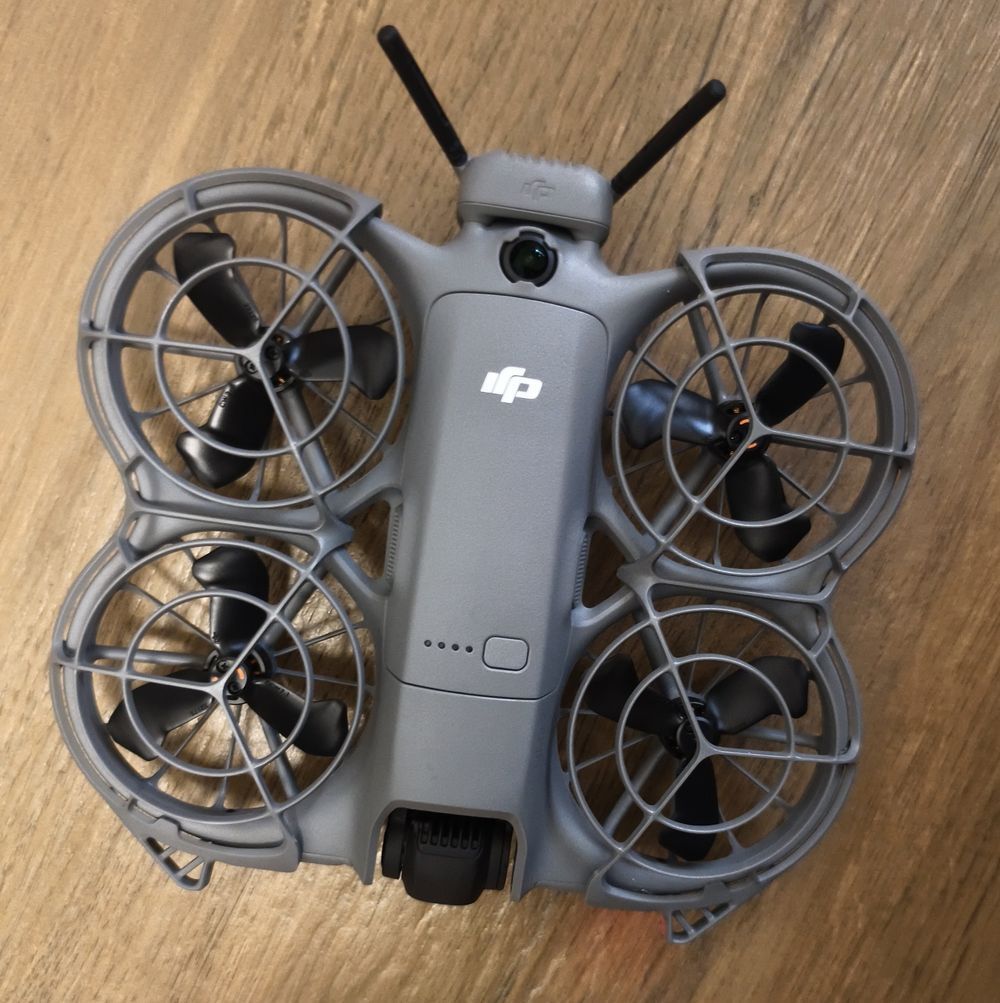
DJI Neo 2
The most complete palm selfie drone here: it launches from your hand, tracks you through DJI’s subject modes and adds omnidirectional obstacle sensing the first Neo lacked. The trade-off is a modest 19 minutes per battery, so most owners carry spares.
View on Amazon Read the full review ↓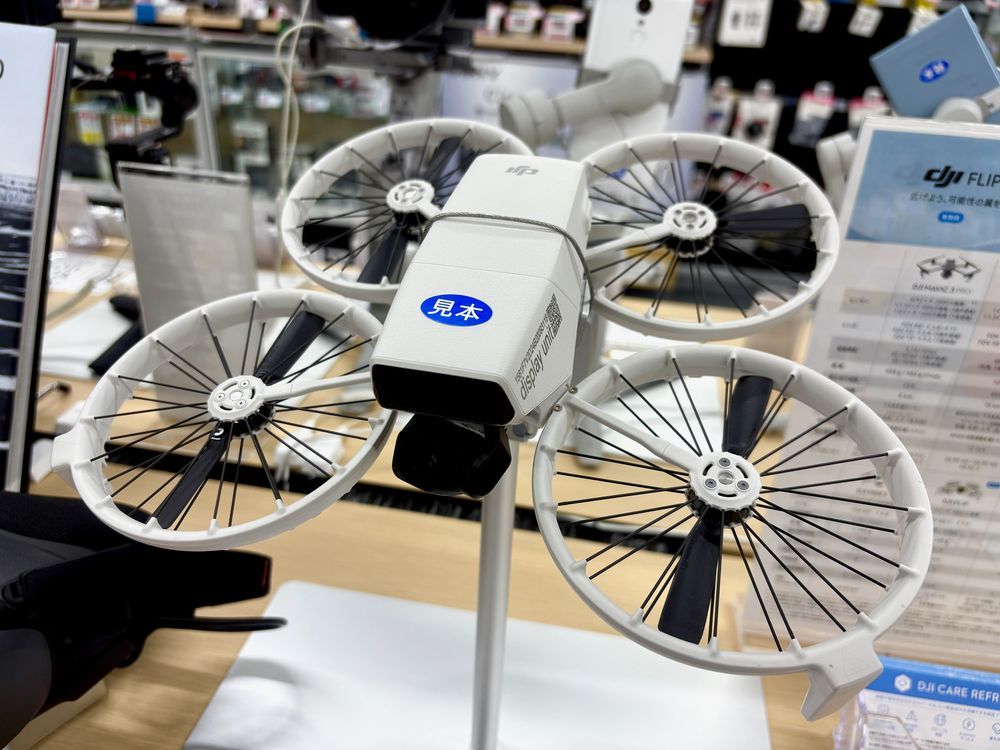
DJI Flip
The best image quality in the palm class: a 1/1.3-inch sensor shooting 4K/60 HDR, full propeller guards and palm launch with subject tracking. The compromise is a bulkier fold than the Neo 2 and forward-only braking.
View on Amazon Read the full review ↓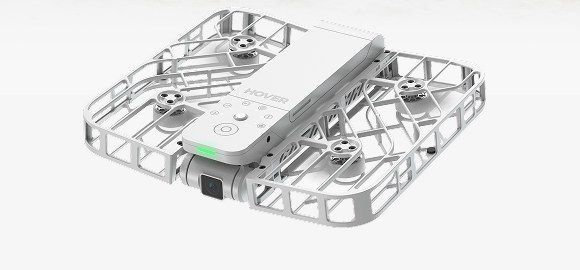
HOVERAir X1
The purest selfie drone on this list: unfold it, press one button and it flies a preset shot with no controller, no phone and no pairing ritual. You trade camera resolution and flight time for that simplicity.
View on Amazon Read the full review ↓The shortlist
Compare all 10 at a glance
For a selfie drone, three things decide the shot: how fast it gets airborne, how reliably it keeps you framed, and how good the footage looks when you post it.
| Product / award | Best fit | Key decision point | Check current offer |
|---|---|---|---|
| 01. DJI Neo 2Best overall | Solo creators who want sensing and 4K in one palm drone | Palm launch plus full sensing; 19 minute batteries | View on Amazon |
| 02. DJI FlipBest camera | Vloggers who film themselves daily | Largest sensor in the palm class; forward-only braking | View on Amazon |
| 03. HOVERAir X1Best truly hands-free | Anyone who finds drone setup a chore | One-button preset flights; 2.7K camera, 11.5 minutes | View on Amazon |
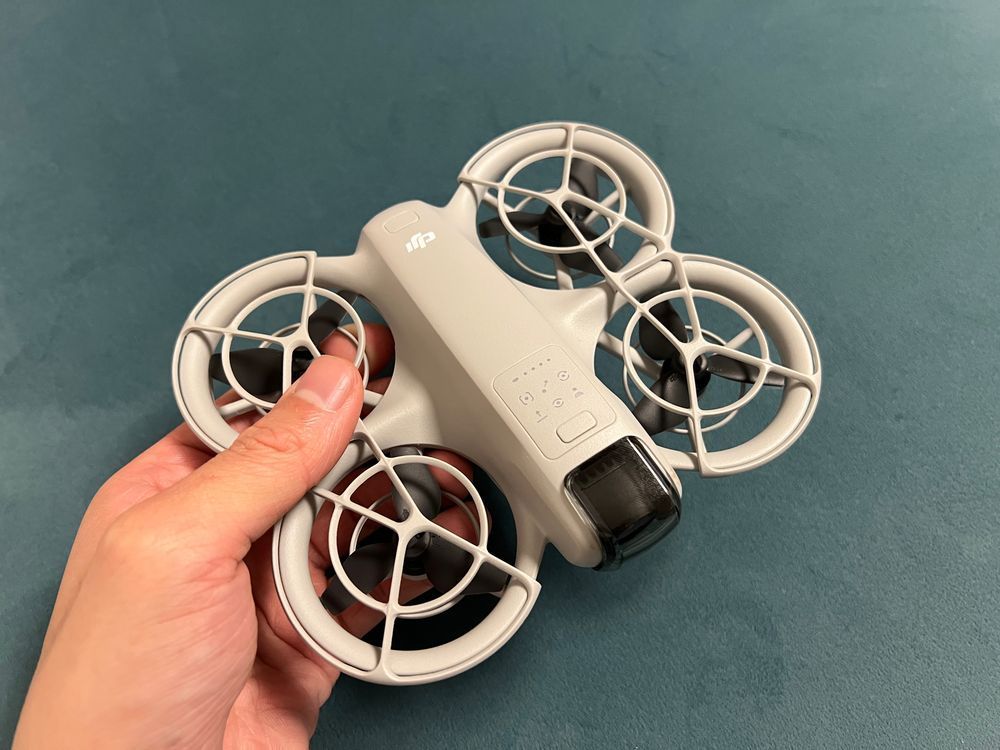 04. DJI NeoBest value | First-time buyers testing the selfie drone idea | 135 g with real 4K; no obstacle sensing | View on Amazon |
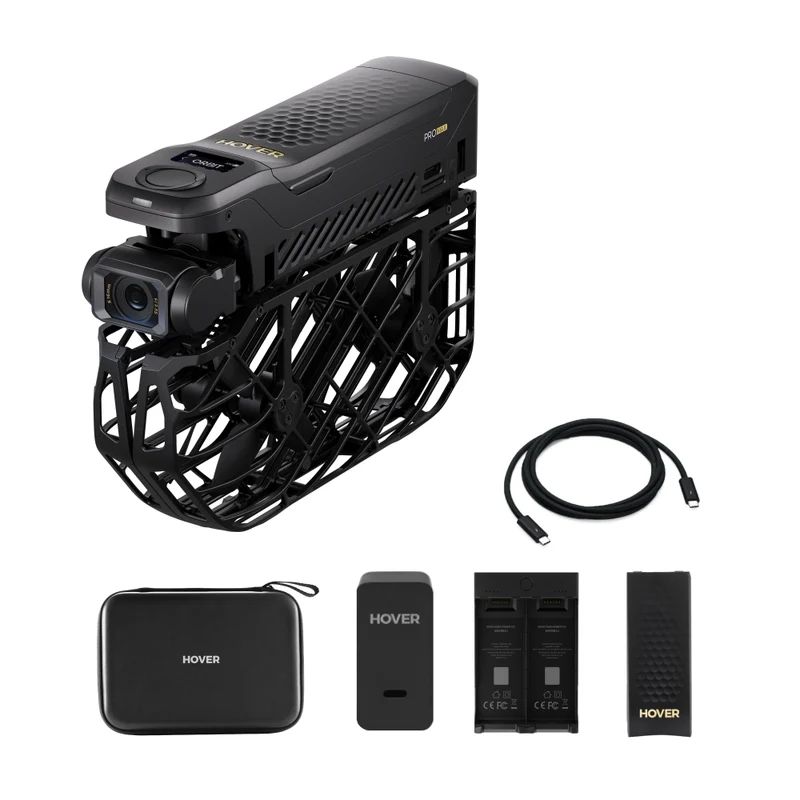 05. HOVERAir X1 ProMaxBest premium selfie drone | Action shooters who want 8K from a palm drone | 8K/30 and 42 km/h follow; premium tier commitment | View on Amazon |
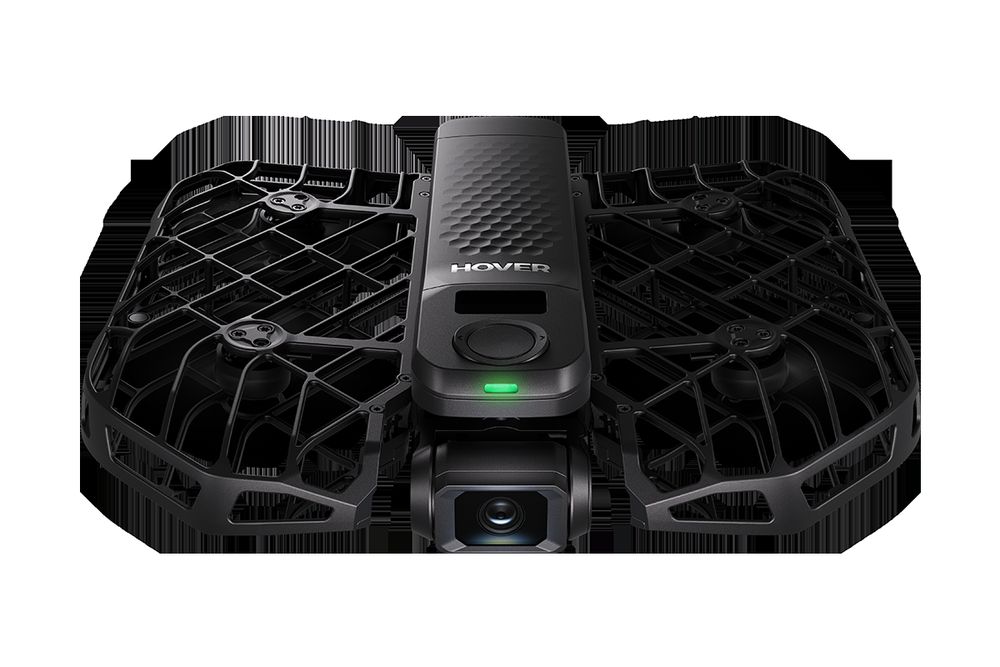 06. HOVERAir X1 ProBest for fast follow shots | Cyclists and runners who film alone | 42 km/h follow with 4K/60; 12MP stills only | View on Amazon |
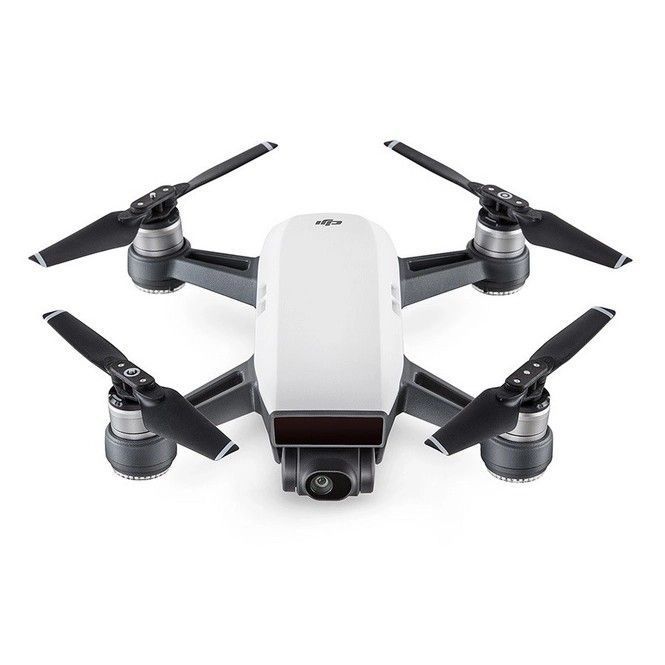 07. DJI SparkBest gesture-control classic | Gesture-control fans and secondhand bargain hunters | The original wave-to-fly drone; 1080p, discontinued | View on Amazon |
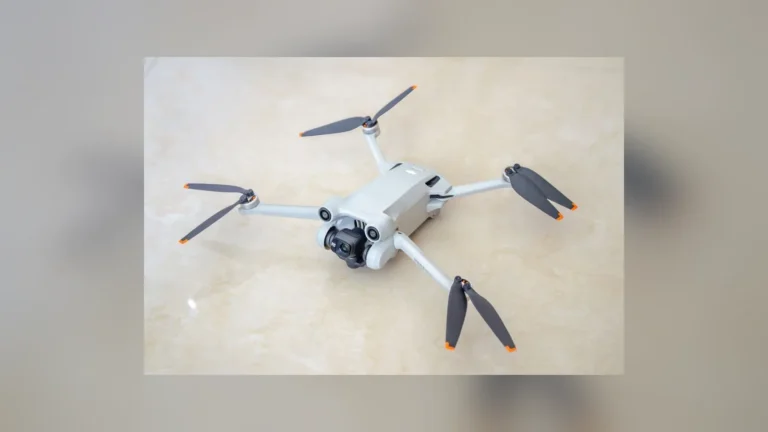
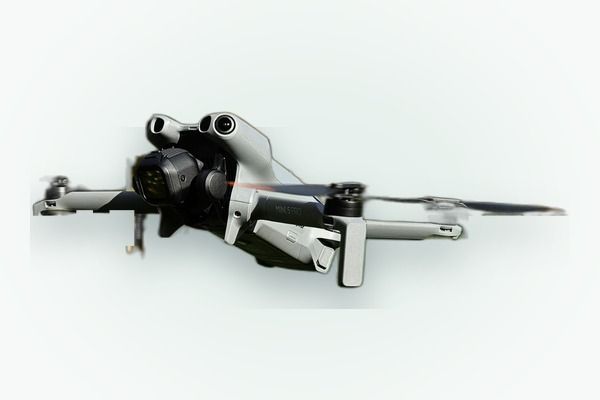 08. DJI Mini 5 ProBest step-up camera | Creators outgrowing palm drones | 1-inch camera and automated selfie moves; needs a controller | View on Amazon |
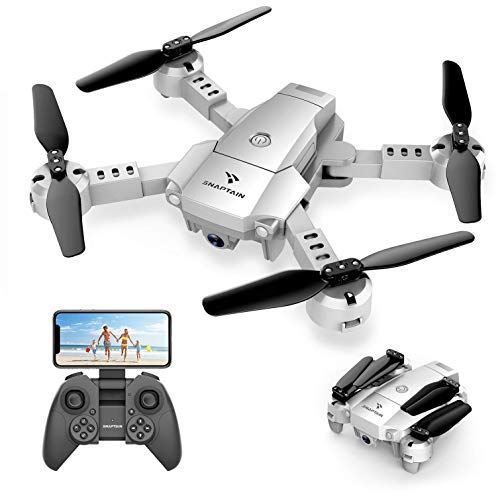 09. SNAPTAIN A10Best budget gesture pick | Party tricks and first-time flyers on a toy budget | Gesture selfies at 61 g; 720p video only | View on Amazon |
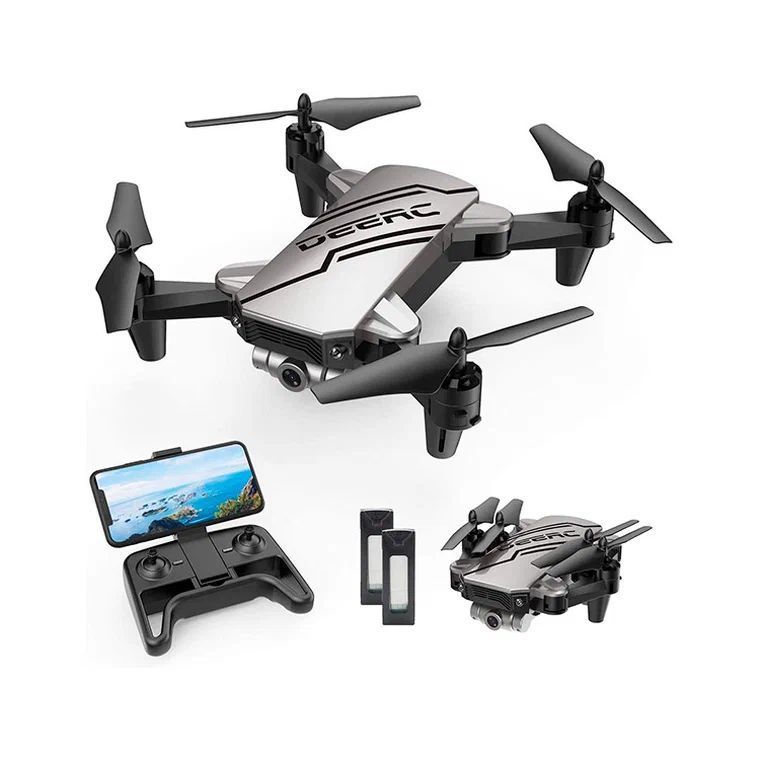 10. DEERC D20Best first selfie drone | Kids and families learning together | Gesture selfies with longer flights; 720p, no tracking | View on Amazon |
Look closer
Our 10 picks, explained
These picks come from desk research, not hands-on testing: we compared manufacturer spec sheets line by line, then cross-checked owner feedback and published reviews to see which tracking claims hold up in everyday use.
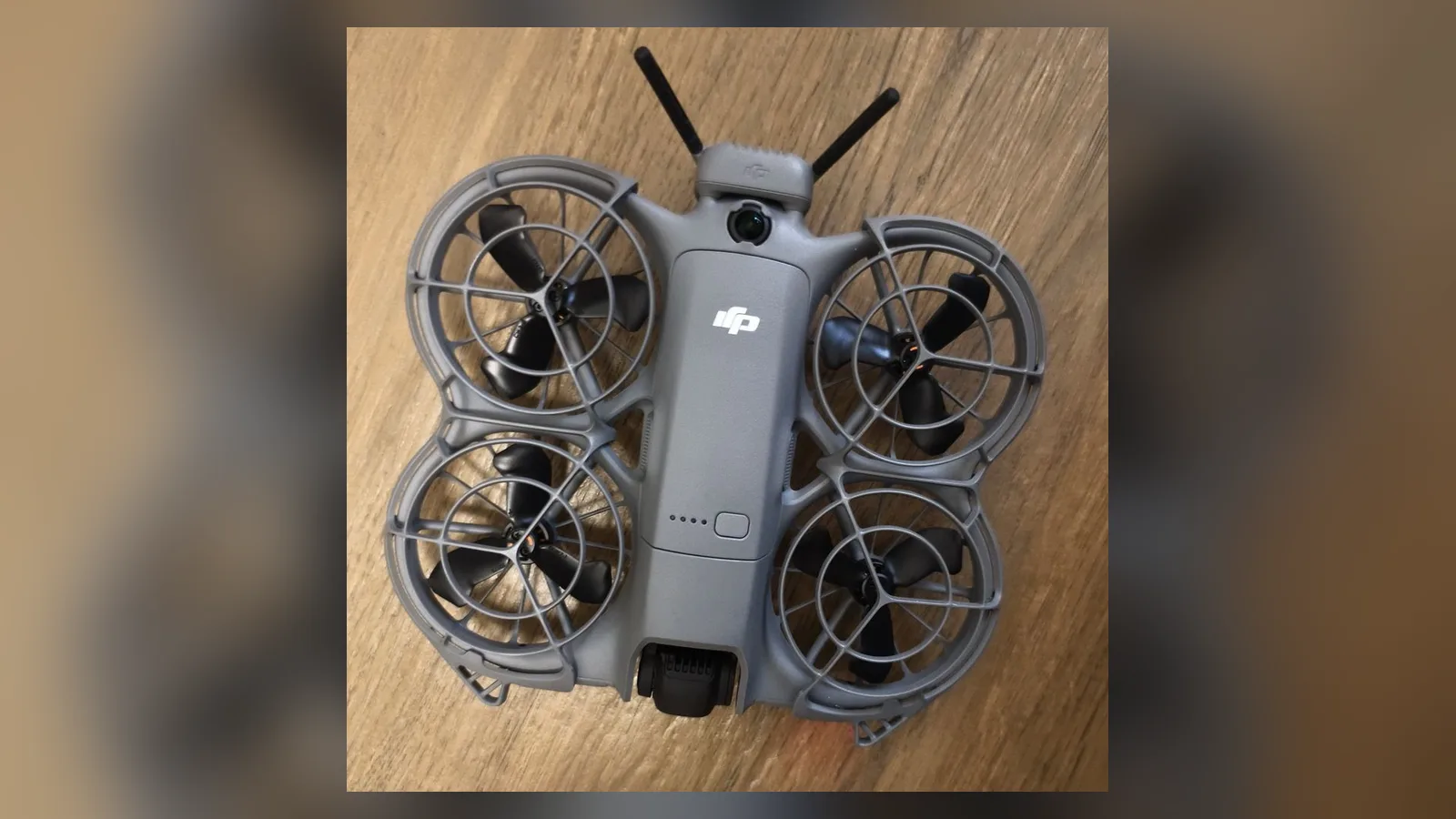
DJI Neo 2
The original Neo proved a drone could live in a jacket pocket; the Neo 2 makes that idea grown-up. It still takes off from your palm and flies DJI’s selfie repertoire, including follow, dronie, circle and spotlight style shots, but omnidirectional obstacle sensing now watches the directions the first model flew blind. Footage steps up to 4K/60 from the 1/2-inch sensor, which holds noticeably more detail in hair, fabric and faces than the 4K/30 original. Gesture control lets you adjust framing without a phone in your hand. The honest limits are stamina and wind: 19 minutes per battery is the shortest here outside the toys, and a 151 g frame still prefers calm air.
- Takeoff weight
- 151 g
- Flight time
- About 19 min per battery
- Camera
- 1/2-inch CMOS, 12MP, 4K/60
Reasons to choose it
- Omnidirectional sensing in a palm drone
- 4K/60 video, a clear step over the Neo
- Gesture control and palm launch
Trade-offs to know
- 19 minutes per battery is modest
- Still a calm-weather flyer at 151 g
Choose this if: you want the most capable selfie drone that still launches from your hand.
Consider another option if: your budget matters more than sensing, the original DJI Neo covers the basics for less commitment.
DJI Flip
Most selfie drones treat the camera as an afterthought; the Flip reverses that. The 1/1.3-inch sensor is the same size DJI puts in its Mini flagships, so faces keep texture, skies keep gradient and vertical 9:16 framing is a mode rather than a crop. It launches from your palm, locks onto you with its Smart Snaps tracking and flies preset paths while you walk, talk or ride slowly. Full-coverage propeller guards fold with the airframe, a first for DJI, so the drone you catch is the drone that cannot nick your fingers. Flight time is a strong 31 minutes. The compromises are real: the folded shape is lumpier than a Mini, and braking protection looks forward only.
- Takeoff weight
- Under 249 g
- Flight time
- 31 min
- Camera
- 1/1.3-inch CMOS, 48MP, 4K/60 HDR
Reasons to choose it
- 1/1.3-inch sensor, 4K/60 HDR video
- Full prop guards that fold with the frame
- 31 minute flights, longest of the palm picks
Trade-offs to know
- Bulkier fold than the Mini line
- Obstacle braking works forward only
Choose this if: your selfies are your content, and image quality outranks pocket size.
Consider another option if: you want the smallest possible carry, the Neo 2 packs smaller and adds full sensing.
HOVERAir X1
The X1 was designed around a single insight: most people want the shot, not the piloting. Its enclosed cage folds flat to 125 g, light enough to forget in a bag, and its flight modes are chosen with a physical button on the body. Hover, follow, zoom out, orbit and bird’s-eye shots all run without a phone, a controller or an account login, and the drone returns to your palm when the shot ends. Video tops out at 2.7K/30 with 1080p HDR, fine for phones and social feeds but visibly softer than the Flip or Neo 2. Batteries give about 11.5 minutes each, so a three-battery routine is the realistic way to own one.
- Takeoff weight
- 125 g
- Flight time
- 11.5 min per battery
- Camera
- 2.7K/30, 1080p HDR, 12MP stills
Reasons to choose it
- No controller or phone needed at all
- 125 g enclosed frame, safest to hand launch
- Preset shots picked on the drone itself
Trade-offs to know
- 2.7K video ceiling, no 4K
- 11.5 minute batteries, spares are essential
Choose this if: you want a flying camera that behaves like a selfie stick, not a hobby.
Consider another option if: you will outgrow preset shots, the Neo 2 adds manual control, sensing and real 4K.
DJI Neo
Everything the Neo 2 does, the original Neo started. It launches from your palm, follows you, and flies dronie, circle, rocket and spotlight shots from a button press or the app, all while weighing 135 g with its propellers fully guarded. The 1/2-inch camera records proper 4K/30, which still separates it from the 2.7K HOVERAir X1 and the 720p toys below. Where it shows its age is awareness: there is no obstacle sensing in any direction, so follow flights through trees or clutter are on you. It also tops out as a calm-day flyer. As a first selfie drone or a cheap second camera for family trips, it is still the value benchmark.
- Takeoff weight
- 135 g
- Flight time
- About 18 min per battery
- Camera
- 1/2-inch CMOS, 12MP, 4K/30
Reasons to choose it
- Real 4K at 135 g
- Full DJI selfie mode set, palm launch
- Works with controllers and goggles later
Trade-offs to know
- No obstacle sensing anywhere
- Light wind tolerance only
Choose this if: you want proven selfie modes and 4K without flagship commitment.
Consider another option if: you fly around trees and buildings, the Neo 2 adds the sensing this one lacks.
HOVERAir X1 ProMax
HOVERAir built the ProMax for the shots that break lesser selfie drones. The 1/1.3-inch sensor records 8K/30 horizontally and 4K at up to 120fps for slow-motion, with 48MP stills, numbers no other palm-launch drone here approaches. Follow speed doubles the original X1’s to 42 km/h, so cycling and ski descents stay in frame, and the OmniTerrain tuning flies over snow, water and cliff edges that confuse downward sensors. A rear proximity sensor adds braking the first X1 never had. It stays controller-free by default, with an optional beacon extending range. The honest costs are money and minutes: this is a premium purchase that flies about 16 minutes per battery.
- Takeoff weight
- 192.5 g
- Flight time
- About 16 min per battery
- Camera
- 1/1.3-inch CMOS, 48MP, 8K/30 and 4K/120
Reasons to choose it
- 8K/30 and 4K/120, unmatched in this class
- 42 km/h follow speed for sport
- OmniTerrain flying over water and snow
Trade-offs to know
- Premium price tier
- About 16 minutes per battery
Choose this if: you film fast sports and want a palm drone that keeps up and shoots 8K.
Consider another option if: your sports are slower and your budget saner, the X1 Pro keeps the follow speed with a 4K camera.
HOVERAir X1 Pro
Strip the 8K headline from the ProMax and you get the X1 Pro, which for most riders is the smarter buy. The aerodynamic cage, follow algorithm and 42 km/h top follow speed carry over, as does OmniTerrain flight over water, snow and rock. The camera records 4K/60 with a 2-axis gimbal plus electronic stabilization, and 1080p/120 for slow motion, which is the ceiling of what most platforms display anyway. Flight modes run past ten, chosen on the body with no controller required, and a rear sensor brakes before backing into obstacles. Flight time is 16 minutes per battery. The gaps versus the ProMax are resolution headroom and stills, which drop to 12MP.
- Takeoff weight
- 191.5 g
- Flight time
- 16 min per battery
- Camera
- 4K/60, 12MP stills, 2-axis gimbal
Reasons to choose it
- 42 km/h follow at a saner price than ProMax
- 4K/60 plus 1080p/120 slow motion
- Rear proximity braking while following
Trade-offs to know
- 12MP stills trail the class
- 16 minute batteries, plan on spares
Choose this if: you film riding or running and 4K is your delivery ceiling.
Consider another option if: you want maximum resolution for cropping later, step up to the X1 ProMax and its 8K sensor.
DJI Spark
Every drone above owes the Spark a debt. Its PalmControl let you launch, steer, wave it away and call it back with hand gestures alone, and its QuickShots automated the dronie and circle moves the whole class now copies. The 2-axis gimbal and 1/2.3-inch sensor produce decent 1080p, and at 300 g it shrugs off breezes the palm drones cannot. Time has moved on, though. DJI discontinued the Spark, batteries and parts are a used-market hunt, and 1080p looks soft beside the 4K picks here. We include it because gesture-control purists still seek it out, and a clean used example remains a charming way into hands-free filming.
- Takeoff weight
- 300 g
- Flight time
- 16 min
- Camera
- 1/2.3-inch CMOS, 12MP, 1080p/30
Reasons to choose it
- The original gesture-control selfie drone
- 2-axis gimbal, steadier than toys
- 300 g handles light wind better
Trade-offs to know
- Discontinued; batteries are used-market only
- 1080p ceiling, no 4K
Choose this if: you collect the classics or found a clean used kit and love gesture control.
Consider another option if: you want a supported current model, the DJI Neo is the Spark’s modern heir.
DJI Mini 5 Pro
Honesty about tiers matters in this category, so here is the trade plainly. The Mini 5 Pro cannot launch from your palm or fly controller-free, which is why it sits eighth. What it offers instead is the endgame camera: a 1-inch, 50MP sensor with 4K/120 video, a rotating gimbal for true vertical shots, and MasterShots and QuickShots routines that fly cinematic selfie sequences around you at a tap. ActiveTrack keeps you framed on walks and rides with omnidirectional sensing guarding the path. Flights run 36 minutes, double the palm picks. If your selfie clips have become real productions, this is the upgrade that respects that.
- Takeoff weight
- 249.9 g with standard battery
- Flight time
- 36 min
- Camera
- 1-inch CMOS, 50MP, 4K/120
Reasons to choose it
- 1-inch sensor, best footage on this page
- MasterShots automates cinematic selfie moves
- 36 minute flights, full obstacle sensing
Trade-offs to know
- No palm launch, controller required
- Bigger kit than every pick above
Choose this if: selfie filming is becoming your main camera work, not a side trick.
Consider another option if: palm launch is non-negotiable, stay with the DJI Flip and its 1/1.3-inch camera.
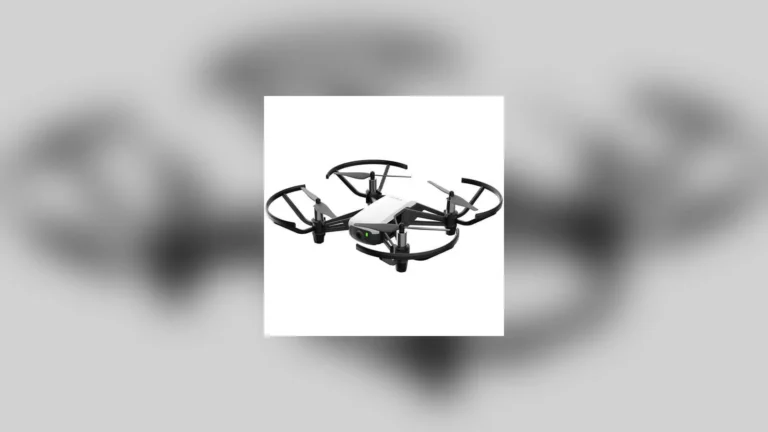
SNAPTAIN A10
Scale and price change what fair means. The A10 weighs 61 g, folds into a pocket and answers hand gestures to snap photos and start video, which makes it a genuine if tiny member of the selfie drone family. The 720p camera and live phone view are good enough to learn framing and to amuse a room, and two batteries at about seven minutes each keep sessions rolling. Propeller guards wrap the whole frame, so indoor flights and clumsy catches are low stakes. What it cannot do is track you, hold position in wind or produce publishable video. Treat it as a trainer and a gift, and it earns its place at the foot of this list.
- Takeoff weight
- 61 g
- Flight time
- 7 min per battery, two included
- Camera
- 720p video, live view to phone
Reasons to choose it
- Gesture photo and video at toy scale
- 61 g folder with full guards
- Two batteries in the box
Trade-offs to know
- 720p video, no real tracking
- Indoor and calm-day flying only
Choose this if: you want gesture selfies for fun money, or a trainer before a real purchase.
Consider another option if: you want footage worth keeping, save toward the DJI Neo and its true 4K.
DEERC D20
If the A10 is a toy that gestures, the D20 is a starter drone that also gestures. It folds small, weighs 69 g and carries a 720p camera on an 80 degree lens, with gesture control for hands-free photos and video at close range. Altitude hold keeps it honest while new pilots learn, and the included controller teaches real stick skills the palm drones skip. Two batteries at about ten minutes each give the longest sessions of the toy tier. There is no subject tracking and no wind tolerance worth the name, so it lives indoors and in calm gardens. For a child or a cautious adult learning the ropes, that is exactly the right scope.
- Takeoff weight
- 69 g
- Flight time
- 10 min per battery, two included
- Camera
- 720p video, 80 degree lens
Reasons to choose it
- Gesture selfies plus a real controller
- 10 minutes per battery, two included
- Full guards, forgiving to learn on
Trade-offs to know
- 720p video only
- No tracking, no wind tolerance
Choose this if: a first drone for a younger pilot who still wants the gesture trick.
Consider another option if: the pilot is ready for real footage, the SNAPTAIN A10 is smaller, but the DJI Neo is the real step up.
Buy with confidence
How to choose the right air selfie drone
Four checks that separate a true selfie drone from a small drone with a marketing label.
01. Separate palm launch from marketing
A true air selfie drone launches from your open palm, hovers without a controller in your hand and lands back in your palm. The Neo pair, the Flip and all three HOVERAir models do this natively. Drones that merely include a selfie flight mode, like the Mini 5 Pro, still need a controller and a ground launch, which changes how spontaneous the shot can be.
02. Judge tracking at your speed
Tracking that holds a walking subject can lose a cyclist in seconds. Check the follow speed in the spec sheet: the HOVERAir Pro models follow at up to 42 km/h, DJI’s palm drones are tuned for walking and gentle riding, and the toy tier does not track at all, it only poses. Match the number to your sport.
03. Read the camera tier honestly
Selfie footage is watched on phones, which forgives a lot, but sensor size still shows in skin tones and dusk light. The Flip and the HOVERAir flagships use 1/1.3-inch sensors, the Neo pair a 1/2-inch, the original X1 records 2.7K, and the budget minis record 720p. Decide where your publishing standards sit before you buy.
04. Count batteries, not minutes
Selfie drones fly short by design: 11.5 to 19 minutes covers most of this list. The real session length is batteries owned times minutes each, so a three-battery kit for a palm drone outshoots a single-battery flagship. Check what the box includes and what spares cost before comparing headline flight times.
Behind the recommendations
How we selected these products
This guide is built on desk research, not hands-on testing. We compared official manufacturer spec sheets for every current palm-launch and gesture-control drone we could verify, then cross-checked the shortlist against owner feedback and published reviews. Specs were rechecked against the sources below in October 2026. Where a figure is a lab rating, such as flight time or follow speed, we treat it as a ceiling, not a promise.
- Palm launch and tracking: whether each drone launches and lands in the hand, flies without a controller, and which follow modes and speeds the manufacturer publishes.
- Camera and flight performance: sensor size, maximum video resolution, flight time per battery and takeoff weight, compared like for like across brands.
- Limitations: we did not fly these drones for this guide, discontinued models like the Spark depend on the used market, and bundles change, so confirm the exact model before buying.
Common questions
Before you buy
What makes a drone an air selfie drone?
Three things: it launches from your palm, it can film you without a controller in your hands, and it frames you automatically with subject tracking or preset selfie flight paths. The top six picks here do all three. Models lower on the list trade one of those away, for camera quality in the Mini 5 Pro’s case, or for a toy price in the two budget minis.
Can a selfie drone follow me on a bike?
Yes, within its follow speed. The HOVERAir X1 Pro and ProMax follow at up to 42 km/h, which covers most recreational cycling and skiing. DJI’s Neo models and the Flip track reliably at walking and gentle riding speeds. Riding in traffic or at road-bike pace outruns every palm drone here, and a full-size tracking drone from our auto tracking roundup is the safer tool.
Do I need to register a selfie drone?
Most picks here are under 250 g, which skips registration for recreational flying in many countries, including the HOVERAir pair at about 192 g and the Neo at 135 g. The Spark is the exception at 300 g. Rules vary by country and camera drones face extra duties in some places, so check your local aviation authority before you fly.
Selfie drone or a small camera drone with selfie modes?
Choose the selfie drone if spontaneity is the point: palm launch and preset shots get you filmed in seconds with nothing to set up. Choose a camera drone like the Mini 5 Pro if footage quality, range and flight time matter more than the launch trick. Many creators end up owning one of each, the palm drone for daily clips and the camera drone for planned shoots.
Choose the selfie drone that matches your pace
Start with the DJI Neo 2 if you want the complete palm package with sensing and 4K. Choose the Flip when the footage itself is the product. Pick the HOVERAir X1 when even a phone app feels like too much setup. Every pick here films you hands-free; they differ in how fast, how sharp and how far they follow.
Sources and verification
Product specifications and claims in this guide were checked against the following sources, listed by name as a record of what was consulted.
- DJI Neo 2, Neo, Flip, Spark and Mini 5 Pro official specifications (dji.com)
- HOVERAir X1, X1 Pro and X1 ProMax official specifications (hoverair.com)
- SNAPTAIN A10 and DEERC D20 official product specifications
- Manufacturer user manuals for each shortlisted drone (DJI, HOVERAir, SNAPTAIN, DEERC)
- Published reviews and owner feedback for the shortlisted models, cross-checked in October 2026