
If you have spent any time on social media lately, you have likely encountered the term “zaddy” floating around in comment sections and viral captions. While it might sound like a playful riff on a more traditional term, the evolution of modern slang has given it a very specific cultural weight.
Understanding the zaddy meaning requires looking beyond the dictionary and examining how language shifts to describe attraction, style, and confidence in the digital age. By breaking down the origins, usage, and social implications of this word, you can better navigate the landscape of contemporary internet vernacular.
The Linguistic Roots of the Term
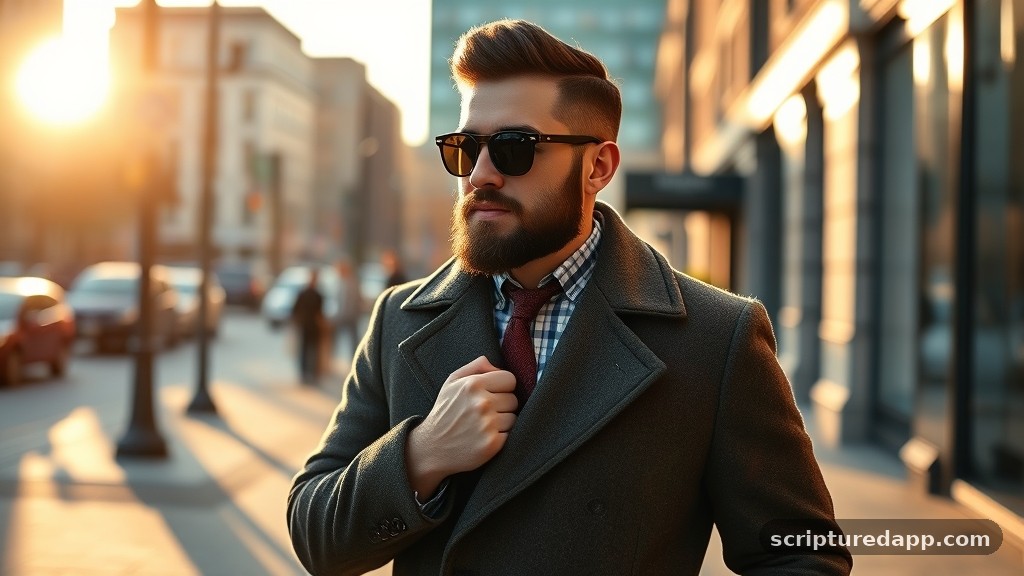
At its core, the term is a stylistic variation of the word “daddy,” which has long served as an informal, often affectionate or suggestive label for a man. The addition of the “z” is not merely a random spelling choice; it acts as a phonetic modifier that implies a higher level of swagger, style, or distinct personality. When people use this term, they are usually referencing an attractive man who possesses a certain level of refinement or “cool” factor that sets him apart from the average person.
The “z” carries a sense of flair. It transforms a standard term of endearment into a descriptor that highlights a man’s grooming, fashion sense, or overall demeanor.
Unlike its predecessor, which can sometimes lean into a power dynamic, the “z” version feels more focused on the aesthetic appeal of the individual. It is about the total package—the way someone carries themselves, their confidence, and the specific way they present themselves to the world.
Distinguishing Zaddy from Daddy
While the two words are related, they are not interchangeable. A “daddy” in modern slang often implies a specific type of authority or a protective, perhaps older, role in a relationship. It is a term deeply rooted in subcultural vernacular that eventually permeated the mainstream.
A “zaddy,” however, shifts the focus toward the visual and the stylish. You might call someone a daddy because of their personality or their role in your life, but you call someone a zaddy because of the way they look when they walk into a room.
Think of it as a promotion based on presentation. A man can be a daddy by nature of his character, but he becomes a zaddy through his deliberate efforts to look sharp and act with charisma. It is a term that celebrates effort.
It acknowledges that a man has put thought into his appearance, his haircut, his clothes, and his general vibe. This distinction is crucial because it helps explain why the term caught on so quickly in fashion-conscious circles and on platforms like Instagram and TikTok.
The Cultural Significance of the Z
The choice of the letter “z” serves a specific purpose in AAVE (African American Vernacular English) and broader internet culture. It adds a layer of emphasis that makes the word pop.
In many cases, slang evolves to include these types of phonetic flourishes to signal that the speaker is part of an “in-group” that understands the nuance of the term. Using the word correctly shows that you are going with the flow of current cultural trends rather than just parroting outdated language.
Because the term is so heavily tied to visual media, it is almost always used in a post that shows someone looking their absolute best. You will rarely see it applied to someone who is just lounging around in sweatpants, unless those sweatpants are part of a very deliberate, high-fashion ensemble. The “z” implies a level of intentionality.
It says, “I see what you are doing, and I approve of the effort.” It is a compliment that validates a man’s sense of self-expression.
Age Range and the Concept of Maturity
One of the most common questions surrounding this label involves the age of the subject. While there is no strict rule, the term is almost exclusively reserved for men who have reached a level of maturity.
It is rarely used to describe a teenager or a young man in his early twenties. A zaddy is typically someone who has grown into his own skin, someone who has moved past the awkward phases of youth and has settled into a refined, adult version of himself.
This maturity often translates to a sense of stability. Whether it is professional success, emotional intelligence, or simply a well-curated wardrobe, the term implies that the man has his life in order.
It is a testament to the idea that aging can be an asset rather than a liability. When you see the term used online, it is frequently applied to celebrities or public figures who have transitioned into a “silver fox” phase or who have simply mastered the art of looking sophisticated as they get older.
Why the Term Became a Viral Sensation
Social media played a massive role in the explosion of this word. Platforms like Twitter and TikTok thrive on short, punchy descriptors that can define a mood or a vibe in a single word.
The zaddy meaning fits perfectly into this ecosystem because it is easy to type, fun to say, and instantly recognizable to anyone who spends time online. It became a shorthand for “this person is incredibly attractive and I want everyone to know it.”
The virality of the term was also fueled by the way it was used in celebrity culture. Whenever a well-known actor or musician would step out in a tailored suit or a particularly stylish outfit, the internet would collectively label him a zaddy.
This public validation created a feedback loop where the term became more than just a word—it became a status symbol. Being called a zaddy by the internet is essentially the modern equivalent of being named “Sexiest Man Alive,” but with a more grassroots, community-driven feel.
Addressing Topical Gaps in Current Coverage
Many online resources fail to explain the nuance of why the term feels different when used by different groups. One major gap is the lack of discussion regarding the intersection of fashion and the term.
Most articles focus on the dating aspect, but they ignore the fact that the term is heavily used in streetwear and luxury fashion communities. It is a label that recognizes the influence of grooming and style on human attraction.
Another gap is the lack of context regarding the “z” as a stylistic marker in modern linguistics. Many people assume it is just a typo or a misspelling, but it is actually a deliberate linguistic choice that reflects how language is evolving in the age of text-based communication. By understanding these gaps, we can see that the word is actually a sophisticated piece of cultural commentary that rewards those who pay attention to the details of a person’s presentation.
The Role of Confidence in the Definition
You cannot be a zaddy without confidence. In fact, confidence is arguably more important than physical features. The term describes a man who is comfortable in his own skin, who moves with purpose, and who does not shy away from attention.
If a man is physically attractive but lacks the swagger or the internal security to match, the label usually does not stick. It is a holistic evaluation of a person’s presence.
This makes the term somewhat subjective. What one person considers confident, another might consider arrogant. However, in the context of this slang, the “zaddy” is someone who exudes a quiet, assured power.
They don’t need to shout to get noticed; their presence, style, and general energy do the work for them. It is an aspirational label because it suggests that the person has achieved a balance between physical appearance and internal strength.
Common Scenarios for Using the Term
To better understand how the term functions, it is helpful to look at the specific contexts in which it is used. It is rarely used in formal or professional settings, as it is inherently casual and suggestive.
Instead, it thrives in the digital space where social commentary is the primary currency. Below is a breakdown of how the term is commonly deployed across different media formats.
- Social Media Captions: Used under photos of men in suits, well-tailored casual wear, or fitness-related content.
- Direct Messaging: A playful way to flirt or express interest in someone you find physically and stylistically appealing.
- Group Chats: Used to discuss celebrities or public figures who are trending for their looks or recent public appearances.
- Meme Culture: Often used ironically or exaggeratedly to highlight someone who is trying very hard to look good.
The Evolution of Male Beauty Standards
The popularity of this term also signals a shift in how we talk about men’s beauty standards. For a long time, the conversation around men’s appearance was limited or discouraged.
Today, there is more space to appreciate the effort that men put into their grooming and style. The term acts as a positive reinforcement, acknowledging that style is a legitimate form of self-expression for men as well as women.
It reflects a broader societal trend where men are encouraged to engage with fashion, skincare, and personal branding. When a man is labeled a zaddy, it is a nod to the fact that he has mastered these elements.
It moves the conversation away from the “unkept” aesthetic of the past and toward a more polished, intentional way of being. This shift is a positive development for cultural discourse, as it normalizes the idea that men can—and should—care about how they present themselves.
Comparative Analysis of Attraction Slang
To see where this term sits in the pantheon of internet slang, it is helpful to compare it to other labels that describe attraction. While some terms are fleeting, others have staying power because they capture a very specific nuance of the human experience. The table below outlines how this term compares to other popular descriptors used in contemporary social media spaces.
| Term | Primary Focus | Connotation |
|---|---|---|
| Zaddy | Style, confidence, and swagger | Playful, appreciative, and trendy |
| Daddy | Authority, protection, or age | Suggestive, traditional, and informal |
| Heartthrob | Physical beauty and popularity | Classic, romantic, and nostalgic |
| Stud | Masculinity and virility | Traditional, physical, and dated |
Navigating the Use of the Term
If you are wondering if you should use the term, the answer depends heavily on your relationship with the person and the context of the conversation. Because it is a form of slang, it carries a level of informality that can be misread in professional or high-stakes environments. It is best reserved for casual interactions, social media, and private conversations where the tone is already established as relaxed and playful.
Always consider the comfort level of the person you are describing. While many men might take it as a compliment, others may not be familiar with the term or may find it objectifying. As with any slang, the key is knowing your audience.
When used appropriately, it is a fun, lighthearted way to express admiration for someone’s style and charisma. It captures a specific moment in time where we are more expressive about what we find attractive and why.
For those interested in the deeper linguistic history of how terms like this originate and spread, you can look at the Merriam-Webster definition of slang to understand how words transition from niche subcultures to the mainstream dictionary.
FAQ
What does zaddy mean in slang?
In modern slang, the term refers to an attractive, stylish man who possesses a significant amount of confidence and charisma. It is a playful, appreciative label often applied to someone who is well-groomed and carries himself with an air of sophisticated swagger that demands attention.
Why do people use the letter Z in the name?
The addition of the “z” is a linguistic flourish that adds emphasis and flair to the word. It signals that the speaker is using the term in a contemporary, internet-savvy way, distinguishing it from the more traditional or suggestive connotations of the word it is derived from.
What is the typical age range for a zaddy?
There is no official age cutoff, but the term is almost exclusively used for mature men. It is rarely applied to young men or teenagers. The label suggests a level of life experience, stability, and refined personal style that usually comes with being in one’s thirties or older.
Is the term considered offensive?
Generally, it is not considered offensive, as it is intended as a compliment regarding a man’s appearance and personality. However, because it is a suggestive term, it should be used in appropriate contexts. It is best to avoid using it in professional settings or with people who may be uncomfortable.
Final Thoughts on Modern Vernacular
The zaddy meaning is a fascinating example of how language adapts to describe the intersection of style, confidence, and digital culture. It is more than just a passing trend; it is a way for people to categorize and celebrate the specific type of magnetism that comes from a man who is comfortable in his own skin. By understanding the nuances—the importance of the “z,” the focus on maturity, and the role of intentional presentation—you gain a clearer picture of how we communicate attraction in the modern era.
Whether you choose to use the term yourself or simply observe it in the wild, recognizing its cultural significance helps you stay connected to the evolving landscape of internet slang. It is a reminder that language is always in motion, reflecting the values and aesthetics of the people who use it. If you found this breakdown helpful, consider sharing it with others who might be trying to decode the latest trends in digital communication.