
If you have ever reached into the back of a bathroom cabinet and wondered whether an old tube still offers any protection, you are asking a question that troubles millions of beachgoers every summer. Evaluating whether does expired sunscreen work is critical because degraded formulas leave your skin vulnerable to dangerous UV radiation, sunburns, and long-term cellular damage. Understanding how these chemical and mineral formulations change over time helps you protect your skin effectively.
The Science Behind Sunscreen Expiration Dates
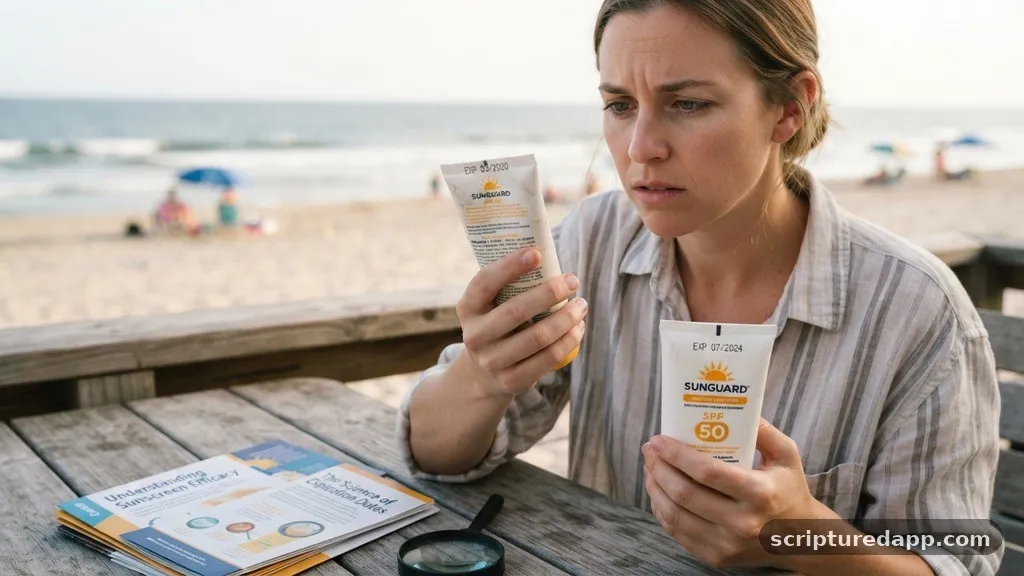
Active ingredients in sunscreens degrade over time, meaning that expired sunscreen loses its ability to block harmful ultraviolet rays effectively. Manufacturers conduct rigorous stability testing to determine the exact shelf life of their formulations, which typically remain potent for three years from the manufacture date. When you check the expiration date stamped on the bottle, you are looking at the window during which the chemical compounds and physical blockers maintain their structural integrity.
Over the years, exposure to fluctuating temperatures, humidity, and direct sunlight accelerates the breakdown of these active filters. Chemical UV filters like avobenzone, oxybenzone, and octisalate begin to break down into smaller, ineffective molecules.
Meanwhile, mineral blockers such as zinc oxide and titanium dioxide can clump together, preventing an even distribution across the skin. This chemical degradation means the stated SPF rating on the bottle no longer reflects the actual protection you receive on your skin.
What Happens When You Use Expired Formulas
Applying a degraded product often creates a false sense of security that can lead to unexpected sunburns and skin damage. When the active ingredients break down, they fail to absorb or deflect ultraviolet radiation properly, allowing sun rays to penetrate the dermal layers. Many people wonder if applying old product is better than wearing nothing at all, but dermatologists generally advise against relying on expired formulations because they cannot guarantee adequate sun protection.
Beyond losing efficacy, old bottles can harbor harmful bacteria and fungi, especially if they have been opened and stored in warm environments like beach bags or hot cars. Using contaminated lotions on delicate facial tissue can trigger skin irritation, contact dermatitis, and clogged pores that cause breakouts. If you notice any changes in texture, strange odors, or separation of the liquid, discard the bottle immediately regardless of what the printed date says.
Chemical Versus Mineral Stability
Chemical and mineral filters age differently, influencing how long they remain viable in your medicine cabinet. Chemical sunscreens rely on complex carbon-based molecules that react with UV light, making them particularly sensitive to heat and age. Mineral formulas rely on inert rock minerals that are inherently more stable, but their carrier lotions and emulsifiers can still spoil or separate over time.
Sun protection factor ratings depend heavily on the emulsion remaining stable. When a lotion separates into watery liquid and thick paste, the active ingredients are no longer evenly suspended. Applying separated lotion means you miss patches of coverage, leaving your skin exposed to burns even if you applied a generous layer.
| Sunscreen Type | Typical Shelf Life | Vulnerability to Heat | Common Sign of Aging |
|---|---|---|---|
| Chemical Lotions | 2 to 3 Years | High | Yellowing or foul odor |
| Mineral Lotions | 3 Years | Moderate | Separation and clumping |
| Spray Sunscreens | 2 Years | High | Propellant failure or clogging |
How to Read and Find Expiration Dates
Finding the expiration date on your bottle is usually straightforward, but some manufacturers print the information in unconventional locations. Regulators mandate that over-the-counter sunscreens display an expiration date unless stability testing proves the product lasts for more than three years. If no specific date is printed, look for a batch code or a small PAO symbol representing the period after opening, which looks like an open jar with a number and the letter M.
- Check the crimp of plastic tubes where manufacturers stamp numbers.
- Inspect the bottom of pump bottles and aerosol containers.
- Look for a printed code near the product description label.
- Note the purchase date if the packaging lacks formal expiration stamps.
If you cannot find a clear expiration date and you know you purchased the bottle more than a few seasons ago, it is always safer to replace it. Relying on guesswork regarding product age puts you at risk of unexpected sun damage during prolonged outdoor exposure.
Proper Storage Practices to Extend Shelf Life
How you store your bottles plays a massive role in whether they survive until their printed expiration date. Excessive heat and direct sunlight are the primary enemies of active UV filters, causing them to degrade much faster than they would in a cool environment. Leaving a tube on a scorching dashboard or sitting directly under pool rays can render the product useless in a matter of weeks.
To preserve your investment, keep your bottles in a cool, dry place away from direct sunlight, such as a bathroom cabinet or a dedicated beach bag pouch. Wrapping bottles in a towel or placing them in a cooler while at the beach helps maintain their chemical stability. Taking these simple preventive measures ensures that your lotions remain potent throughout their intended lifespan.
Alternative Uses for Expired Sunscreen
Throwing away a full bottle of expired lotion feels wasteful, leading many people to seek alternative ways to utilize old products. While you should never apply degraded formulas to your face or body for UV defense, some people repurpose old bottles for non-medical tasks around the home. However, you must exercise caution to ensure these alternative uses do not cause unexpected issues.
Some individuals use old lotions to remove sticky adhesive residue, clean stainless steel appliances, or polish leather items. The oils and emulsifiers in the lotion can help lift stubborn stickers or condition dry leather surfaces. Never use old sunscreen on pets, as certain chemical filters can be toxic if ingested during grooming, and animals have sensitive skin just like humans.
Common Questions About Sunscreen Expiration
How long does sunscreen last after its expiration date?
Most manufacturers design their formulas to remain effective for up to three years from production. Once that date passes, chemical filters break down rapidly, meaning the product cannot reliably shield your skin from harmful ultraviolet rays.
Can I use a two-year-old sunscreen if it looks normal?
Even if the texture and smell seem fine, active ingredients degrade over time and lose their potency. Using a two-year-old bottle leaves you vulnerable to sunburns because the actual SPF protection drops significantly below the labeled rating.
Does expired sunscreen cause acne or breakouts?
Yes, expired formulations often undergo chemical breakdown and bacterial contamination that can irritate sensitive facial skin. This degradation makes the product more likely to clog pores, trigger allergic reactions, and cause painful breakouts.
Is it better to wear expired sunscreen or no sunscreen at all?
While wearing expired product offers a tiny fraction of protection compared to a fresh bottle, it provides a dangerous false sense of security. Dermatologists strongly recommend purchasing a fresh bottle rather than risking severe sunburn from degraded ingredients.
Conclusion
Protecting your skin requires reliable products that perform exactly as intended when you head outdoors. While tossing out an unfinished bottle feels frustrating, compromising your skin safety is never worth the small savings. Check your bathroom cabinet today, replace any outdated bottles with fresh formulas, and enjoy your time under the sun with complete peace of mind.
sunscreen reviews and ratings mineral vs chemical sunscreen guide Sunscreens Expert buying guide Sunscreens Expert buying guide how to choose the right sunscreen SPF buying tips Sunscreens Expert guide Sunscreens Expert Sunscreens Expert guide top sunscreen brands sunscreen reviews and ratings Sunscreens Expert guide choosing the right SPF sunscreen for sensitive skin guide best sunscreen guide Sunscreens Expert buying guide sunscreensexpert.com Sunscreens Expert Sunscreens Expert mineral vs chemical sunscreen guide check out this buying guide sunscreensexpert.com how to choose the right sunscreen Sunscreens Expert SPF reviews best mineral sunscreen 2026 choosing the right SPF Sunscreens Expert guide SunscreensExpert.com SunscreensExpert.com Sunscreens Expert guide