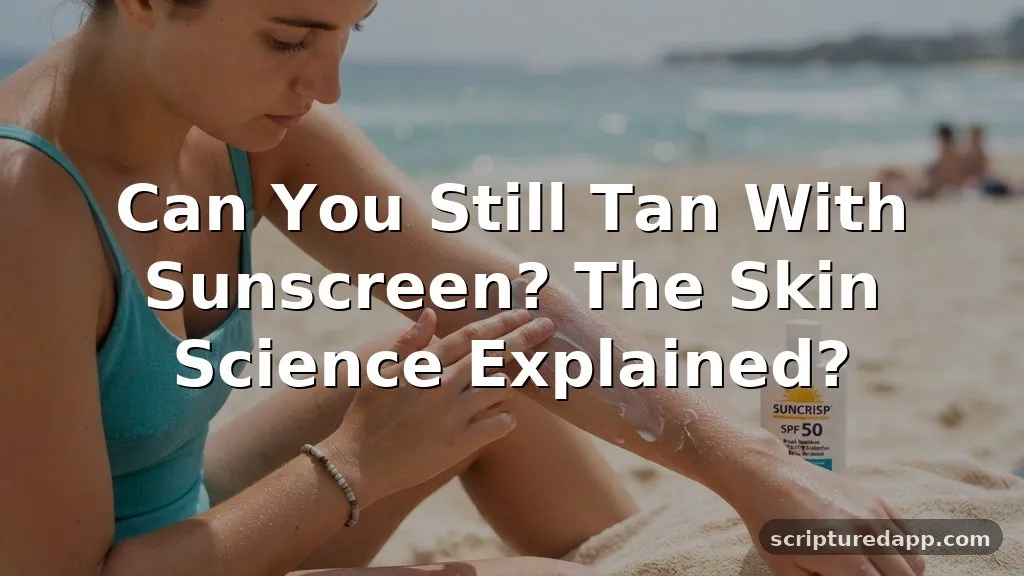

Wondering if you can still tan with sunscreen on your body is a common dilemma when beach season arrives. The short answer is yes, you can develop a bronze glow while wearing sun protection, but the process works very differently than baking unprotected in the direct sunlight. Understanding how ultraviolet light interacts with melanin production helps clarify why high SPF formulas do not block 100 percent of rays.
By exploring the mechanics of sun protection, you will discover how to achieve a golden tint without sacrificing your long-term skin health. Let us break down the science behind UV filtration and safe outdoor exposure.
The Science of UV Rays and Melanin Production
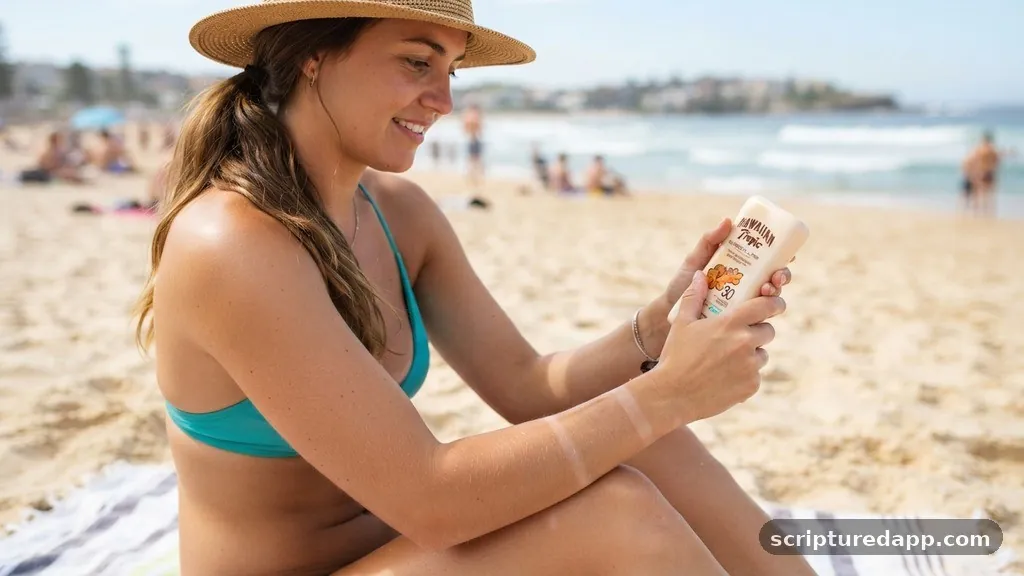
To understand whether you can still tan with sunscreen, you must first examine how the human body reacts to solar radiation. The sun emits two primary types of ultraviolet radiation that reach the Earth’s surface: UVA and UVB rays. UVB rays are primarily responsible for triggering the epidermis to produce melanin, the pigment that creates a visible tan while also causing painful sunburns. UVA rays penetrate deeper into the dermis, oxidizing existing melanin and accelerating premature aging.
When you apply a protective lotion, the active ingredients act as a physical shield or chemical filter against these incoming photon wavelengths. Because no commercial formula blocks one hundred percent of UV radiation, a small percentage of rays still manages to reach your skin cells.
This residual exposure is usually enough to stimulate melanocytes to produce pigment, albeit at a much slower rate than if you were entirely bare. Consequently, the melanin production process continues, but your body is shielded from the acute skin damage that leads to severe redness and peeling.
How Different SPF Ratings Impact Your Tan
Sun Protection Factor, commonly known as SPF, measures a product’s ability to filter out UVB rays, not the intensity of the sun itself. Many assume that a higher number completely halts the tanning process, but that misconception ignores how mathematical filtration works.
An SPF 30 product filters out approximately 97 percent of incoming UVB radiation, leaving three percent to penetrate your skin. Meanwhile, an SPF 50 formulation blocks about 98 percent, allowing roughly two percent through to interact with your epidermis.
This marginal difference means that higher protection ratings simply extend the time it takes to develop color while drastically reducing the risk of a burn. Choosing the right rating depends entirely on your natural baseline coloration and your personal tolerance for outdoor exposure:
- Low Protection (SPF 15): Blocks roughly 93 percent of UVB rays, allowing faster color development alongside a significantly higher risk of a painful sunburn.
- Moderate Protection (SPF 30): Blocks approximately 97 percent of rays, providing an optimal balance for gradual, safe tanning over multiple outdoor sessions.
- High Protection (SPF 50 to 100): Filters out 98 to 99 percent of UVB radiation, making a golden tint take much longer to appear while offering maximum safety against cellular mutations.
Broad-Spectrum Protection Versus Direct Pigmentation
Achieving a healthy glow while safeguarding your body requires understanding the critical distinction provided by broad-spectrum formulations. Traditional sunscreens historically focused almost exclusively on blocking UVB rays to prevent surface redness, leaving users vulnerable to deep-tissue damage from UVA light. Modern dermatological standards require quality products to defend against both types of radiation simultaneously, ensuring that your skin health remains intact while you enjoy the outdoors.
Even with broad-spectrum protection in place, your body still undergoes minor tanning because complete filtration is functionally impossible. The residual energy that bypasses the active ingredients stimulates your melanocytes without overwhelming your natural defense mechanisms.
This controlled exposure results in a gradual, even color transformation that tends to peel much less than an aggressive, unprotected burn. Protecting your largest organ against malignant transformations should always take priority over achieving a temporary cosmetic appearance.
Comparing Tanning Speeds Across Different SPF Levels
The rate at which you develop color varies dramatically depending on the exact product formulation you choose to apply. The following comparison outlines how different protection levels influence both your tanning timeline and your overall safety profile during prolonged outdoor activities.
| SPF Level | UVB Blockage Rate | Tanning Speed | Sunburn Risk |
|---|---|---|---|
| SPF 15 | 93% | Fast | Moderate to High |
| SPF 30 | 97% | Moderate | Low |
| SPF 50+ | 98% – 99% | Slow | Minimal |
Reviewing this data demonstrates that opting for higher protection does not permanently stop your body from producing melanin. Instead, it alters the velocity of your color development, ensuring that you minimize dangerous ultraviolet overexposure while still enjoying the aesthetic benefits of a sunny afternoon.
Debunking Common Myths About Sunscreens and Tanning
Countless persistent urban legends surround outdoor skincare routines, often misleading people into abandoning protective measures in pursuit of a darker complexion. One of the most widespread myths is that applying high-SPF lotions completely stops melanin production, rendering a tan entirely impossible. In reality, no commercial product on earth creates an impenetrable wall against solar radiation; small fractions of light always filter through to stimulate pigment cells.
Another dangerous misconception is that once a lotion is applied in the morning, it remains effective throughout an entire day at the beach or park. Active filters break down when exposed to direct sunlight, water, and body perspiration, losing their efficacy within two hours regardless of the initial rating. Failing to reapply regularly leaves your body vulnerable to acute inflammation, proving that safe outdoor habits require consistent maintenance rather than relying on a single morning application.
Minimizing Skin Cancer Risk While Maintaining a Summer Glow
Balancing aesthetic desires with preventive healthcare is essential for preventing long-term dermatological complications, including malignant melanoma and basal cell carcinoma. Overzealous ultraviolet exposure without adequate shielding breaks down collagen fibers and mutates cellular DNA, creating irreversible damage that accumulates over a lifetime. Incorporating reliable sunscreens into your daily routine is the single most effective way to enjoy the outdoors without compromising your physical well-being.
Dermatologists universally recommend adopting a comprehensive approach that combines protective garments, shaded rest periods, and meticulous lotion application. By prioritizing cellular safety over rapid color acquisition, you can maintain a youthful appearance and a radiant, natural-looking tint for decades to come. Healthy habits ensure that your summer lifestyle remains enjoyable, sustainable, and entirely free from preventable medical emergencies.
Frequently Asked Questions
Will you still tan if you wear sunscreen?
Yes, you can still develop a tan while wearing sunscreen because no product blocks one hundred percent of UV radiation. The small amount of light that penetrates the protective barrier is enough to stimulate melanin production gradually.
What SPF is best for tanning?
An SPF 30 broad-spectrum formulation is widely considered the best choice for tanning. It blocks roughly 97 percent of harmful UVB rays while still allowing enough filtered light through for a slow, even, and safe golden color.
How can I tan without getting a sunburn?
You can prevent burns while tanning by applying a broad-spectrum lotion generously, reapplying every two hours, and limiting your direct exposure time during peak ultraviolet hours between 10 a.m. and 4 p.m.
How long does it take to get a tan with sunscreen?
Getting a tan while wearing sun protection typically takes significantly longer than unprotected exposure, often requiring several consecutive days of short, controlled outdoor sessions to build a noticeable, healthy-looking glow.
Conclusion
Achieving a sun-kissed appearance while wearing sun protection is entirely achievable because no formulation blocks every single ray of ultraviolet light. By choosing broad-spectrum options and practicing consistent reapplication, you allow your body to produce melanin safely without enduring the hazards of painful inflammation. Prioritizing your long-term wellness ensures that your outdoor adventures remain both enjoyable and responsible.
Embrace smart outdoor habits during your next sunny getaway, and enjoy your gradual, protected glow with complete peace of mind.
Sunscreens Expert Sunscreens Expert SunscreensExpert.com SunscreensExpert.com best sunscreen guide mineral vs chemical sunscreen guide Sunscreens Expert SPF reviews how to choose the right sunscreen sunscreen for sensitive skin guide mineral vs chemical sunscreen guide Sunscreens Expert buying guide Sunscreens Expert guide Sunscreens Expert guide Sunscreens Expert guide Sunscreens Expert guide check out this buying guide top sunscreen brands choosing the right SPF sunscreensexpert.com best sunscreen guide sunscreen reviews and ratings Sunscreens Expert best sunscreen guide top sunscreen brands sunscreen reviews and ratings SPF buying tips sunscreensexpert.com Sunscreens Expert guide sunscreen reviews and ratings SunscreensExpert.com