As an Amazon Associate I earn from qualifying purchases. If you buy through links in this article, we may earn a commission at no extra cost to you.
These are the 10 best drones for sports, chosen for one job: keeping a moving game in frame. Filming soccer, football, baseball or athletics from the sideline demands three things most drones balance badly: tracking that holds a sprinting player, a telephoto lens for the far side of the field, and enough battery for a full half. We ranked all 10 on exactly those, plus the wind handling outdoor fixtures demand.
Short on time?
Start with these three picks
A dual-camera all-rounder, a three-lens field specialist, and the flagship tracker: the three that cover most games best.
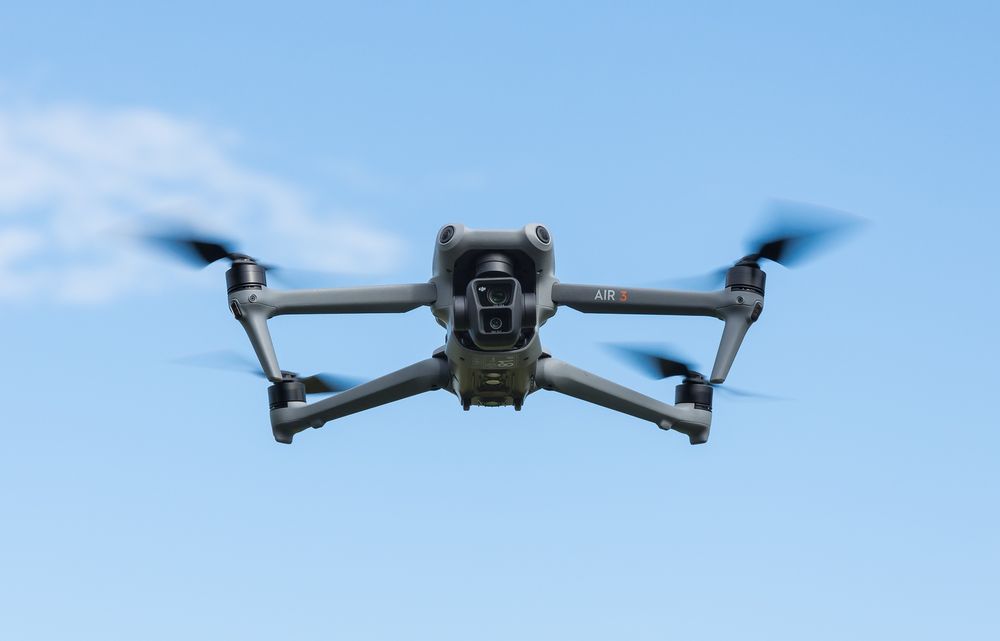
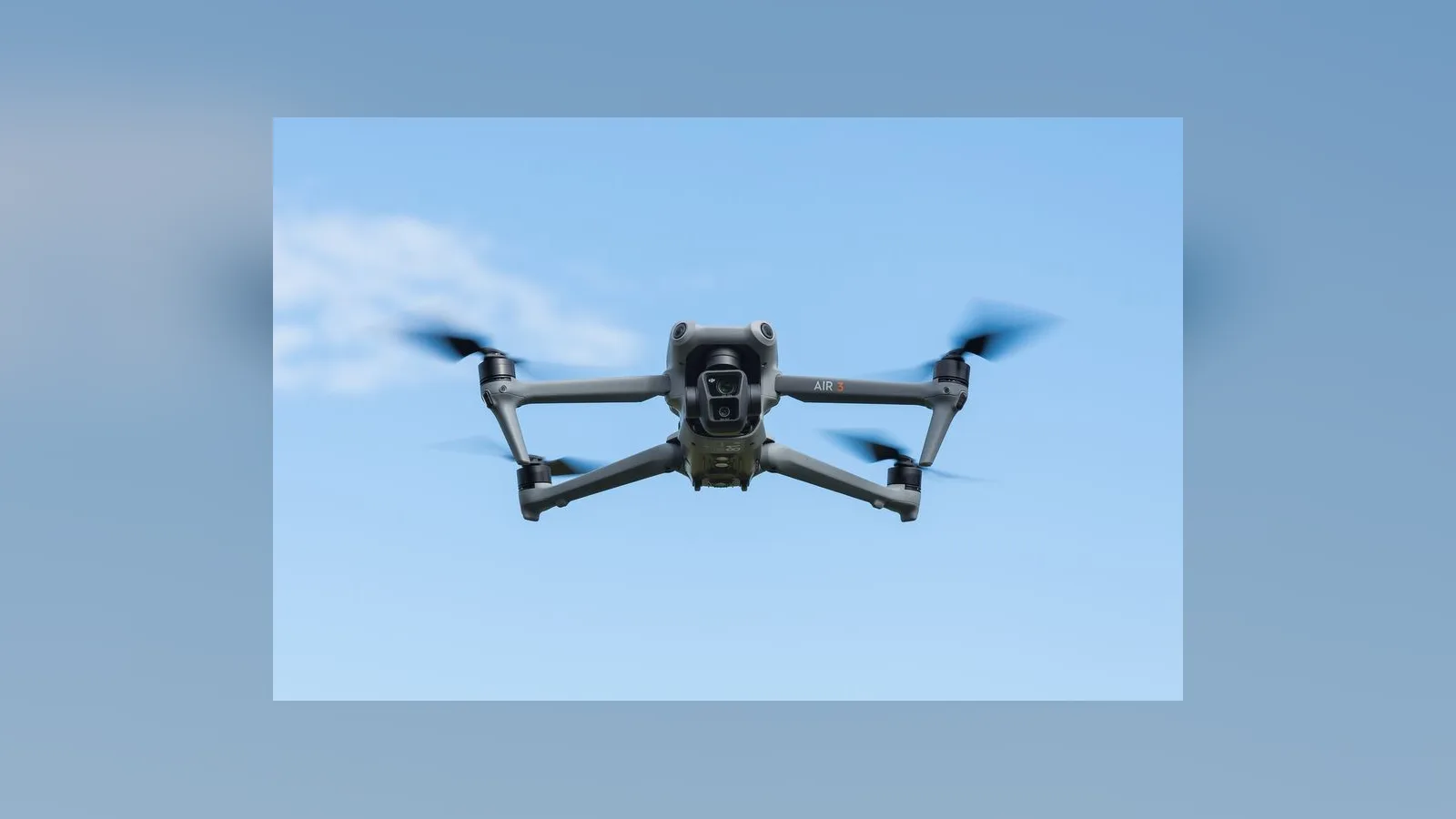
DJI Air 3
The sports all-rounder: a 24mm wide camera for establishing shots and a 70mm telephoto for the far touchline, 4K/60 HDR on both, ActiveTrack that keeps a runner centered, and 46 minute batteries that outlast a half. It is the easiest single drone to recommend for weekend fixtures.
View on Amazon Read the full review ↓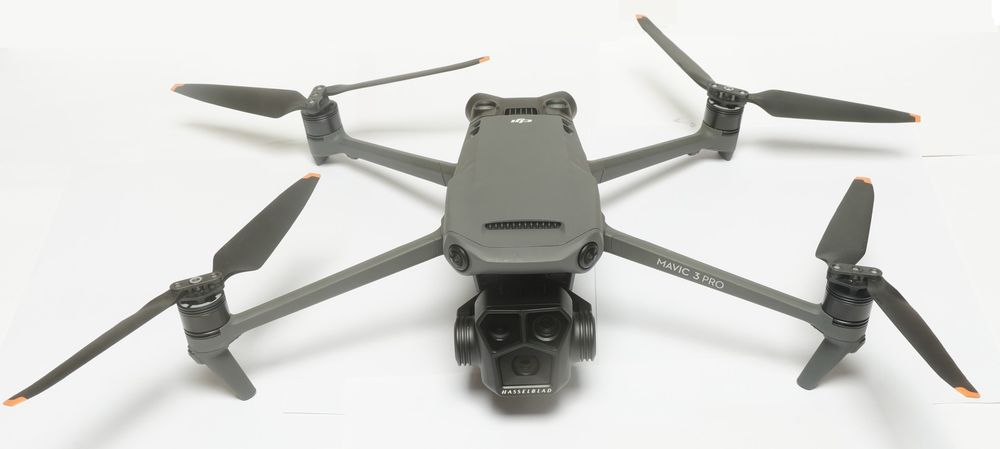
DJI Mavic 3 Pro
Three lenses built for distance: a 4/3 main camera, a 70mm medium tele and a 166mm telephoto that makes the far side of a full-size pitch feel close. Add 43 minute flights and proven ActiveTrack, and it is the sideline specialist of this list.
View on Amazon Read the full review ↓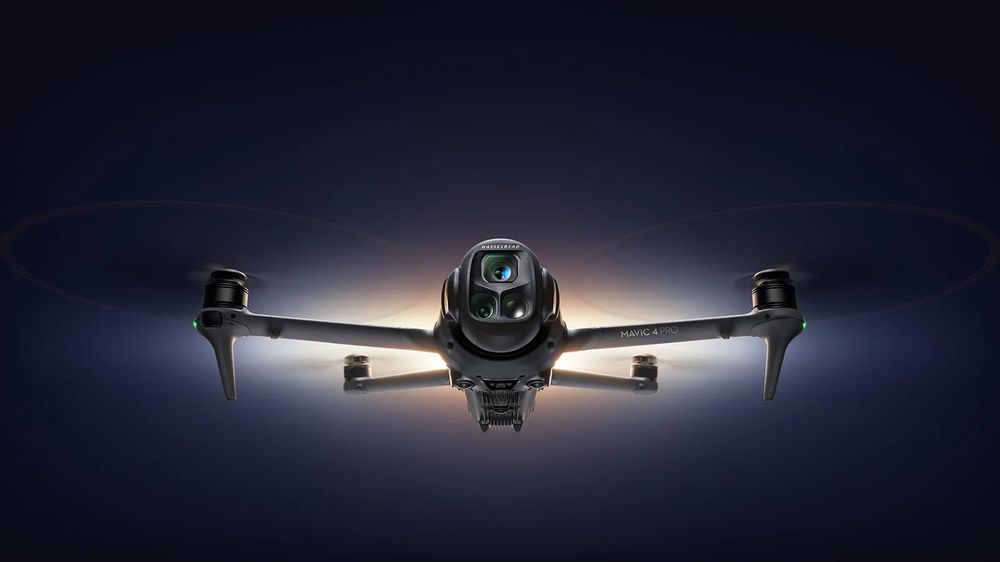
DJI Mavic 4 Pro
The no-compromise pick: a 100MP 4/3 Hasselblad camera, 70mm and 168mm telephotos, ActiveTrack 360 that follows through clutter, sensing that works down to near darkness, and the longest flights here at 51 minutes. For creators whose sports work pays, this is the ceiling.
View on Amazon Read the full review ↓The shortlist
Compare all 10 at a glance
For sports, the checks are tracking quality, telephoto reach from the sideline, and minutes per battery across a full match.
| Product / award | Best fit | Key decision point | Check current offer |
|---|---|---|---|
| 01. DJI Air 3Best overall | Most field sports from the sideline | Two focal lengths and 46 minute flights; 1/1.3-inch sensors | View on Amazon |
| 02. DJI Mavic 3 ProBest for field sports | Big fields: soccer, football, rugby, golf | 166mm telephoto reads the far touchline; heaviest pick here | View on Amazon |
| 03. DJI Mavic 4 ProBest flagship tracker | Serious sports creators and semi-pro coverage | 100MP 4/3 camera and 51 minute flights; flagship in every sense | View on Amazon |
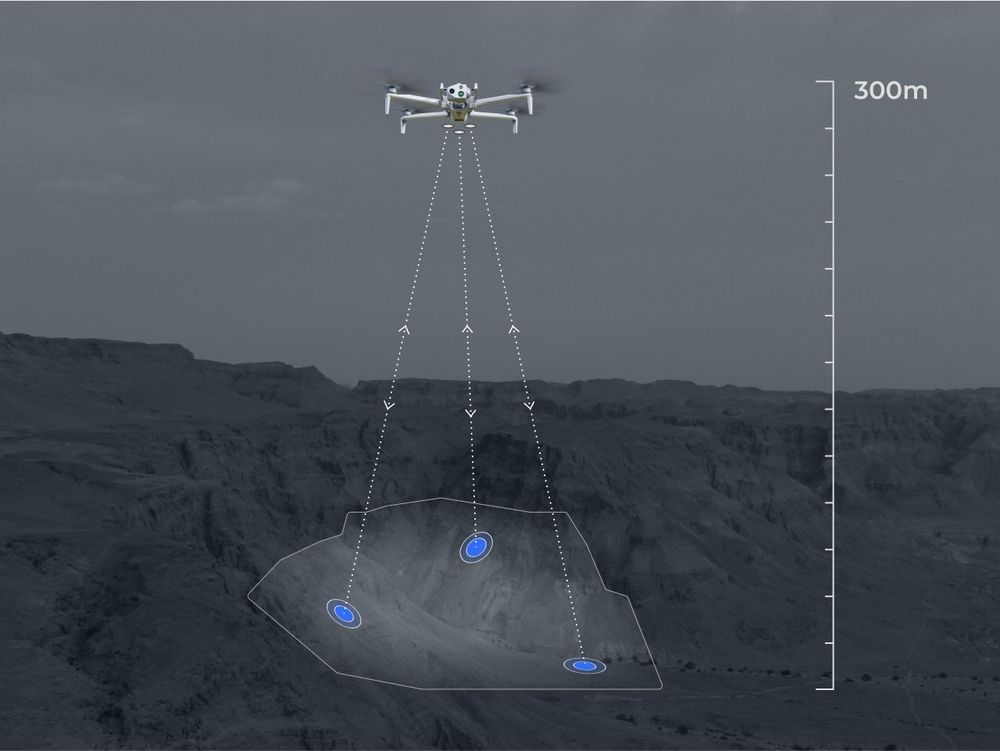 04. Skydio X10Best hands-off filming | Coaches and analysts who cannot spare a pilot | True autonomy follows play by itself; enterprise pricing and weight | View on Amazon |
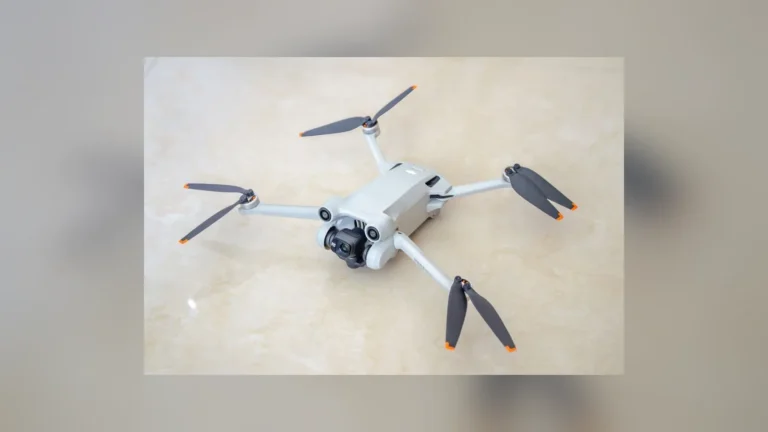
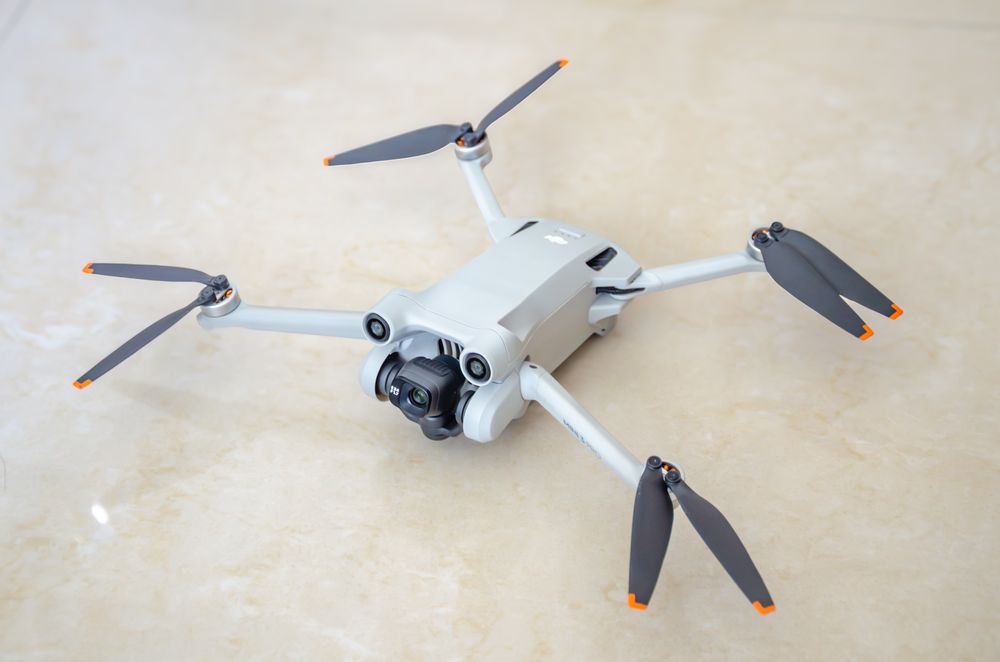 05. DJI Mini 3 ProBest value tracker | Youth sports, training clips and travel tournaments | Real tracking under 249 g; 34 minute standard battery | View on Amazon |
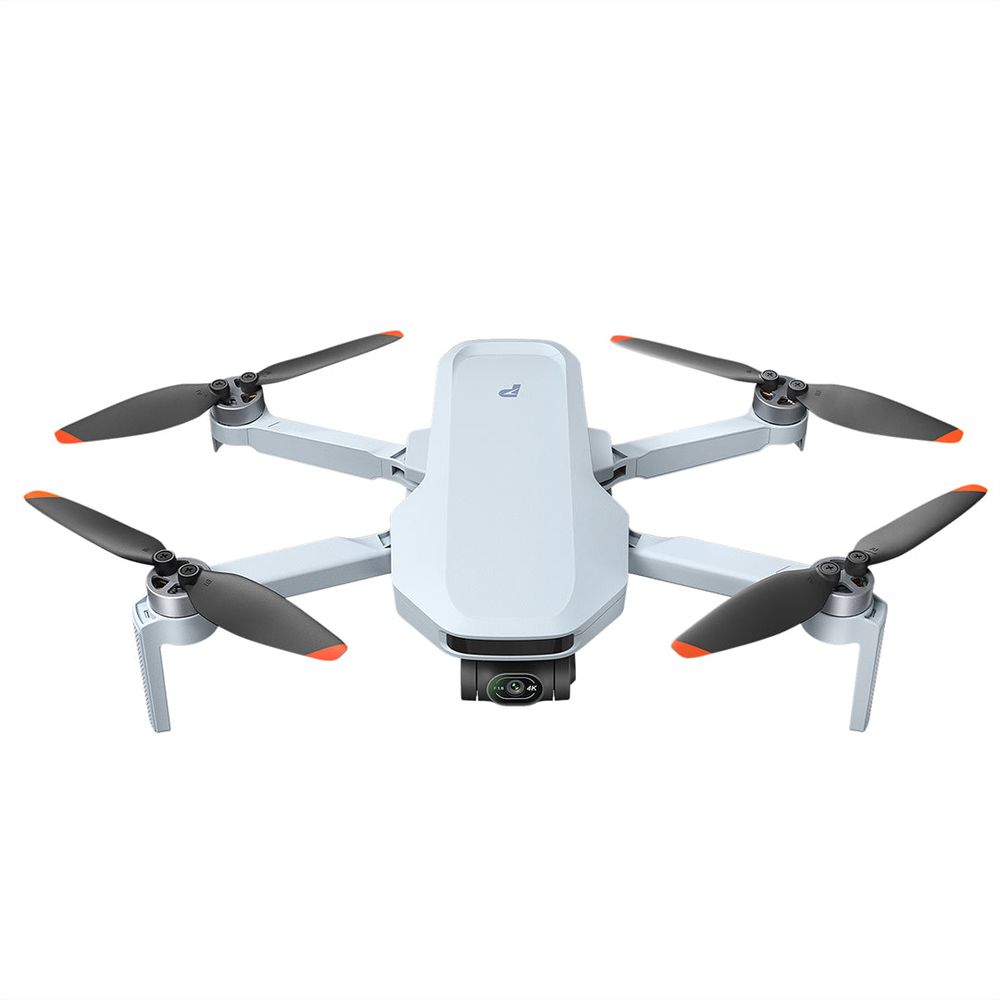 06. Potensic Atom 2Best budget tracker | Club volunteers and parents on a budget | AI follow modes under 249 g; no obstacle sensing | View on Amazon |
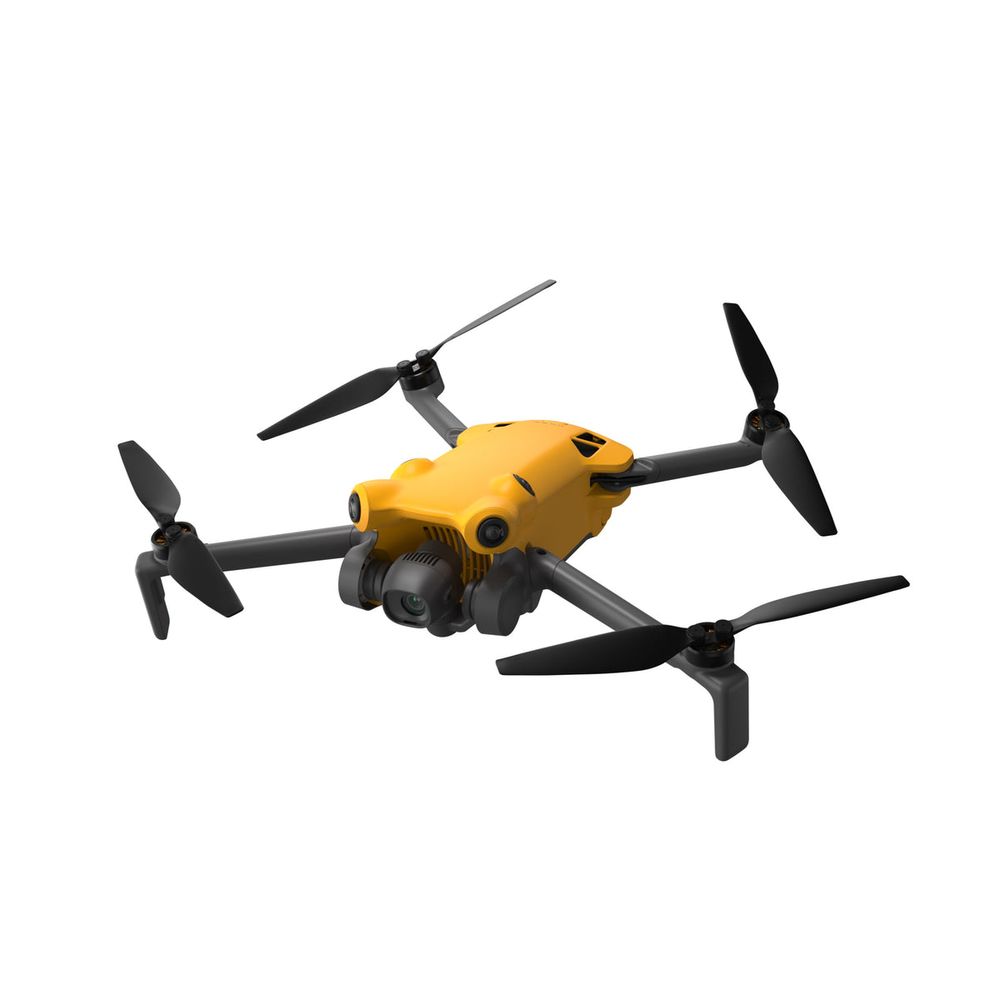 07. Skyrover X1Best newcomer | Training-ground filming and solo athletes | Strong tracking spec under 249 g; young brand and app | View on Amazon |
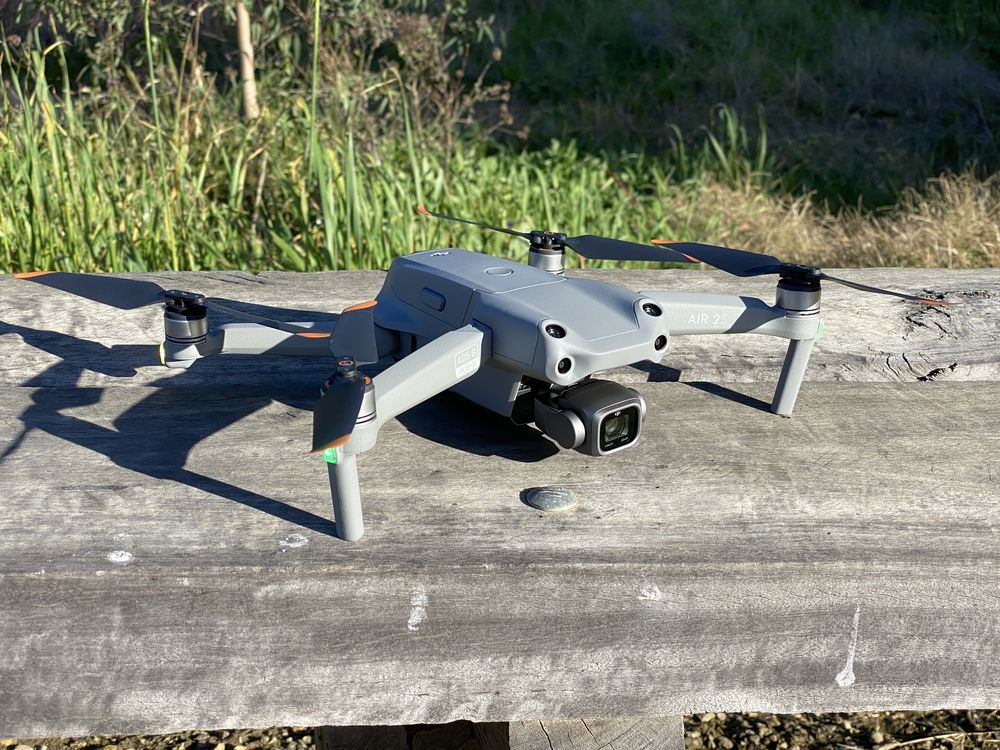 08. DJI Air 2SBest legacy pick | Owners and used buyers filming local sport | 1-inch sensor and 5.4K video; four-direction sensing only | View on Amazon |
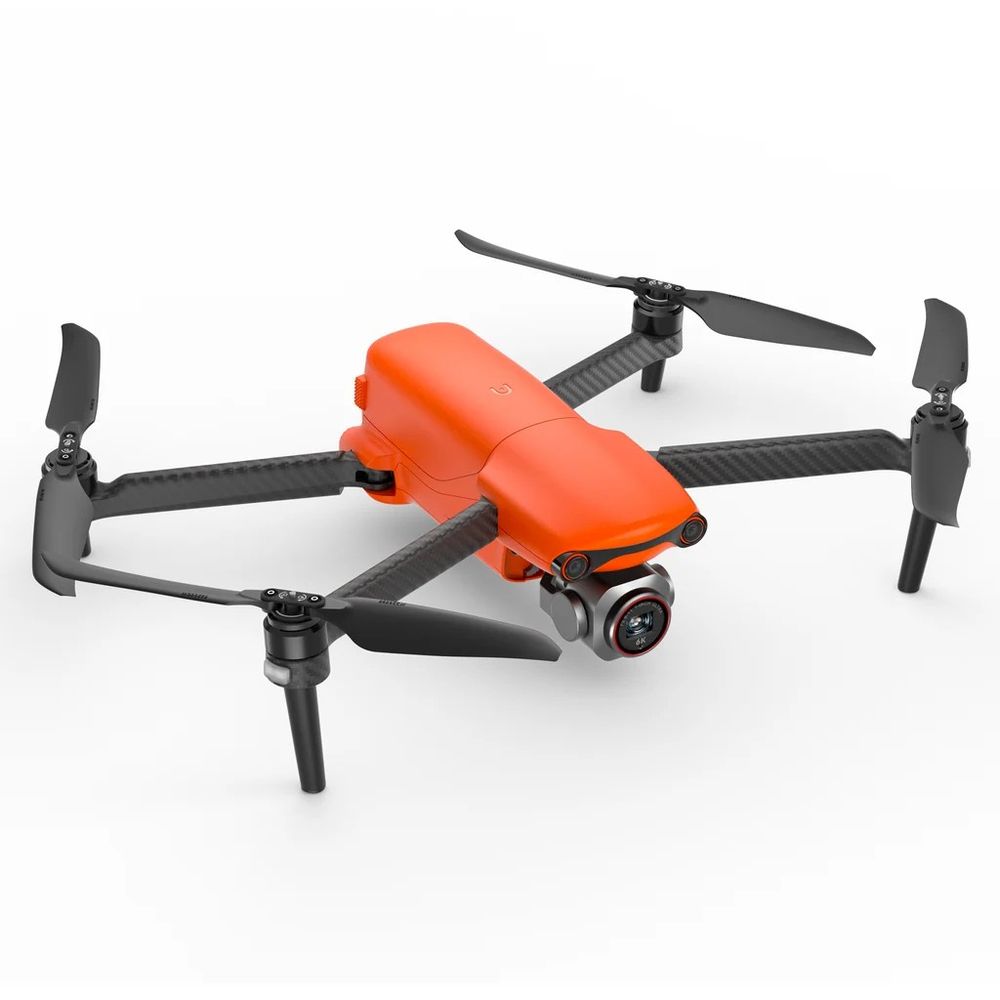 09. Autel EVO Lite+Best where DJI zones block | Venues near controlled airspace, with authorization in hand | No geofence locks; pilot carries full airspace responsibility | View on Amazon |
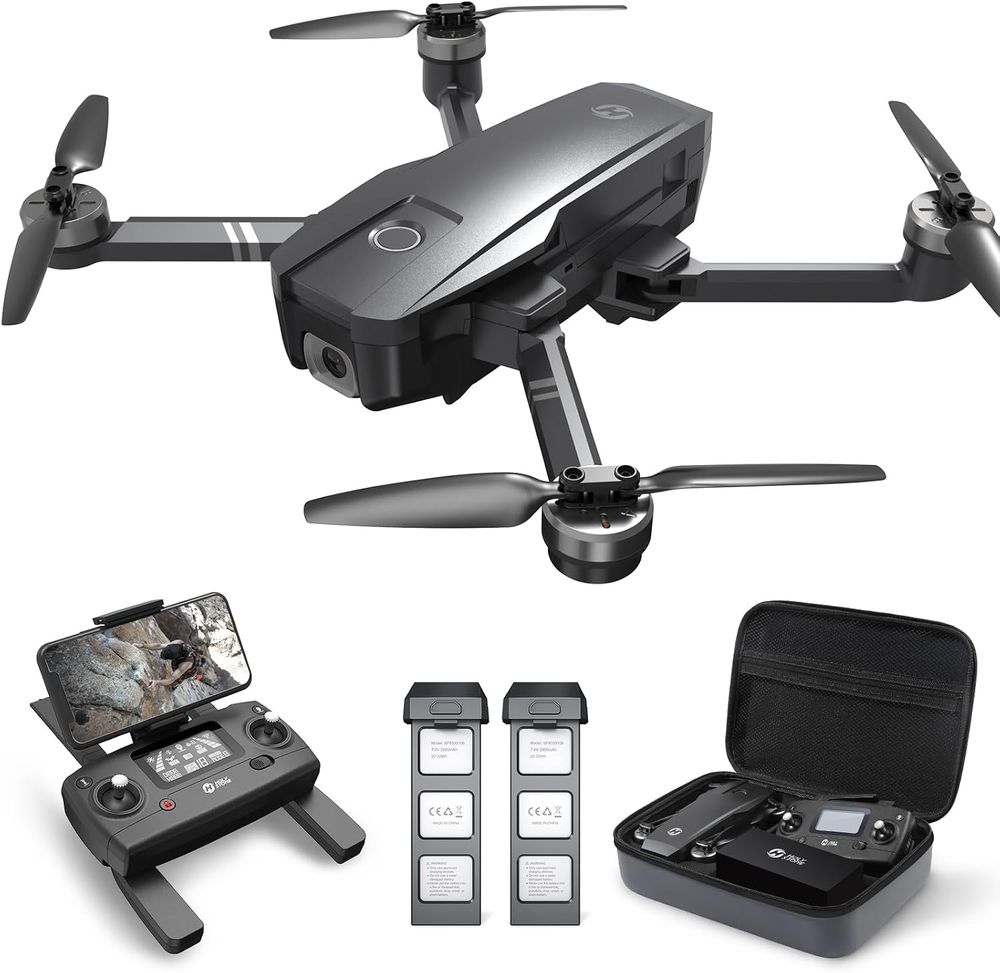 10. Holy Stone HS720Best simple follow-me | Casual training clips and first GPS drone owners | Follow Me and waypoints at entry level; no gimbal or sensing | View on Amazon |
Look closer
Our 10 picks, explained
These picks come from desk research, not hands-on testing: we compared manufacturer spec sheets line by line, then cross-checked owner feedback and published reviews to see which tracking claims hold up at real games.
DJI Air 3
Sports filming lives at two distances: the whole-field view and the far-side action you cannot walk to. The Air 3 covers both in one airframe, cutting between a 24mm wide camera and a 70mm medium telephoto, each shooting 4K/60 HDR with 10-bit color. ActiveTrack 360 locks onto a player and holds composition while you think about position, and omnidirectional sensing watches the trees and floodlights behind you. The 46 minute rated endurance is the quiet headline: a full half of football or two athletics sessions per battery, with a 20 km O4 link that never feels stretched across a pitch.
- Takeoff weight
- 720 g
- Flight time
- 46 min
- Cameras
- 48MP 24mm wide plus 48MP 70mm tele, 4K/60 HDR
Reasons to choose it
- Two focal lengths in one airframe
- 46 minute flights cover a full half
- ActiveTrack 360 plus full sensing
Trade-offs to know
- 1/1.3-inch sensors, not flagship glass
- 720 g needs registration in most places
Choose this if: you film varied field sports and want one drone that covers all of it.
Consider another option if: your sport lives on the far side of a big field, the Mavic 3 Pro adds a 166mm lens.
DJI Mavic 3 Pro
Field sports are a focal-length problem. Play crosses a 105-metre pitch faster than any pilot can reposition, so the Mavic 3 Pro’s three cameras act like a broadcast truck in miniature: the 4/3 Hasselblad wide for context, the 70mm for midfield, and the 166mm telephoto for the far corner flag, all without moving your feet or breaking venue rules about staying off the field. ActiveTrack 5.0 and omnidirectional sensing keep the aircraft honest while your attention is on the play, and 43 minute batteries cover long halves. The 958 g airframe and flagship pricing are the trade, and the telephoto’s smaller sensor prefers daylight.
- Takeoff weight
- 958 g
- Flight time
- 43 min
- Cameras
- 4/3 20MP wide, 70mm and 166mm telephotos
Reasons to choose it
- 166mm telephoto for far-side action
- 4/3 main sensor for clean daylight footage
- 43 minute endurance, full sensing
Trade-offs to know
- 958 g flagship, registration everywhere
- Telephoto sensor is small; a daylight lens
Choose this if: you film full-size fields and cannot leave the sideline.
Consider another option if: your fields are smaller or the budget is, the Air 3 covers most of it for less.
DJI Mavic 4 Pro
Everything sports filming asks for, the Mavic 4 Pro answers with the flagship version. The 4/3, 100MP Hasselblad main camera shoots 6K/60 HDR with an adjustable aperture, and the 70mm and 168mm telephotos keep far-side play inside a quality envelope the Air class cannot match. ActiveTrack 360 follows runners and riders with improved subject retention, and the sensing suite, vision down to 0.1 lux backed by forward LiDAR, keeps working at evening fixtures under floodlights. Endurance stretches to 51 rated minutes, the best here. It is also a 1,063 g, top-shelf purchase that needs registration and a proper case, which is exactly what flagship means.
- Takeoff weight
- 1,063 g
- Flight time
- 51 min
- Camera
- 4/3 CMOS, 100MP, 6K/60 HDR, three lenses
Reasons to choose it
- Best image quality and tracking here
- 51 minute flights, longest in the list
- Low-light sensing for evening fixtures
Trade-offs to know
- Flagship price and 1,063 g weight
- Overkill for casual weekend filming
Choose this if: sports filming is your work and the footage has to sell.
Consider another option if: you want most of the result for far less, the Air 3 is the value flagship.
Skydio X10
Every other pick here assists a pilot. The X10 replaces one. Skydio built its name on autonomy, and the X10’s six navigation cameras feed an AI flight engine that tracks a subject, plans around floodlights, trees and posts, and keeps filming while the operator coaches instead of flying. The camera packages pair high-resolution visual sensors with a radiometric thermal option, and the airframe is IP55 sealed with a 40 minute rated endurance. The compromises are real: around 2.1 kg, enterprise pricing, and a dealer sales model rather than a retail box. For a program filming every training session, the labor it saves is the whole argument.
- Takeoff weight
- About 2.11 kg
- Flight time
- 40 min
- Autonomy
- Six navigation cameras, AI subject tracking, 360-degree avoidance
Reasons to choose it
- Films and follows without a dedicated pilot
- IP55 sealing for all-weather fixtures
- US-made, NDAA-compliant platform
Trade-offs to know
- Enterprise pricing and dealer sales
- 2.1 kg is no sideline lightweight
Choose this if: you need footage of every session but have no one to fly.
Consider another option if: you enjoy flying and want flagship cameras, the Mavic 4 Pro is the pilot’s pick.
DJI Mini 3 Pro
Youth and amateur sports need a drone that is easy to bring, legal to fly in more places, and smart enough to follow a breakaway. The Mini 3 Pro is that package. FocusTrack brings ActiveTrack 4.0, Spotlight and Point of Interest for circling a set piece, the 1/1.3-inch sensor shoots 4K/60 with 10-bit color, and three-direction sensing minds the goalposts. At under 249 g it travels in a kit bag pocket and draws little attention at the field edge. The limits are a 34 minute standard battery, so spares matter across a tournament day, and tracking tops out below the speeds the newest flagships hold.
- Takeoff weight
- Under 249 g
- Flight time
- 34 min (47 with Plus battery)
- Camera
- 1/1.3-inch CMOS, 48MP, 4K/60
Reasons to choose it
- Tracking and sensing under 250 g
- 4K/60 with 10-bit color
- Folds into any kit bag
Trade-offs to know
- Standard battery is 34 minutes
- Tracking generation behind the flagships
Choose this if: you film kids’ or amateur sport and want smart help in a tiny package.
Consider another option if: you need a telephoto for big fields, step up to the Air 3.
Potensic Atom 2
Club sport runs on volunteers and small budgets, and the Atom 2 fits that world. Its AI Track modes follow a runner, hold a spotlight lock or fly parallel to the action, the 1/2-inch Sony sensor shoots 4K HDR through a proper 3-axis gimbal, and PixSync 4.0 holds a 1080p feed to 10 km. At 249 g it folds into a jacket and needs no registration in many regions. The honest gaps matter at a sports ground: there is no obstacle sensing at all, so trees, posts and floodlight poles are the pilot’s problem, and stills are JPEG only. Fly it in open space and it punches far above its class.
- Takeoff weight
- 249 g
- Flight time
- 32 min per battery
- Tracking
- AI Track: follow, spotlight and parallel modes
Reasons to choose it
- Real AI tracking at a budget level
- 3-axis gimbal, 4K HDR video
- Sub-250 g and pocketable
Trade-offs to know
- No obstacle sensing whatsoever
- JPEG stills only, no RAW
Choose this if: the club needs tracked footage and the budget is firm.
Consider another option if: you want sensing with your tracking, the Mini 3 Pro adds three-direction cover.
Skyrover X1
New brands earn a place on a list like this by out-speccing the incumbents, and the X1 does. Its 1/1.32-inch sensor shoots 4K/60 HDR and 4K/100 slow motion, the gimbal rotates for true vertical video of training drills, and Dual Track plus Spotlight modes keep athletes framed hands-free. Omnidirectional vision sensing with infrared enhancement is rare at this weight, and 32 minute flights with a claimed 15 km tri-band link round out a serious sheet. The caveats are the usual newcomer ones: a younger app, a thinner accessory shelf and a support network still proving itself. Early adopters get flagship-adjacent hardware for the risk.
- Takeoff weight
- Under 249 g
- Flight time
- 32 min
- Camera
- 1/1.32-inch CMOS, 48MP, 4K/60 HDR
Reasons to choose it
- Omnidirectional sensing under 250 g
- True vertical 4K for social clips
- Dual Track and Spotlight follow modes
Trade-offs to know
- Young brand, app still maturing
- Support network thinner than DJI’s
Choose this if: you want maximum tracking hardware per gram and accept a newer brand.
Consider another option if: proven support matters more, the Mini 3 Pro is the safe pair of hands.
DJI Air 2S
Plenty of sports footage is shot on yesterday’s flagship, and the Air 2S is the strongest of that generation for this job. Its 1-inch, 20MP sensor records 5.4K/30 and 4K/60 with 10-bit color, which still out-resolves the mid-size drones that replaced it, and FocusTrack’s ActiveTrack, Spotlight and Point of Interest modes automate the following shots coaches actually use. The 31 minute battery and four-direction sensing date it: a full match means battery swaps, and side obstacles are on you. At 595 g it stays reasonably portable. Bought used or already owned, it remains a very capable sideline camera. For training grounds and club fixtures, it remains plenty.
- Takeoff weight
- 595 g
- Flight time
- 31 min
- Camera
- 1-inch CMOS, 20MP, 5.4K/30, 4K/60
Reasons to choose it
- 1-inch sensor with 5.4K video
- FocusTrack modes for hands-off following
- Compact for its camera class
Trade-offs to know
- Four-direction sensing only
- 31 minute flights mean mid-match swaps
Choose this if: you already own one, or found a clean used example.
Consider another option if: buying new, the Air 3 adds the telephoto and 46 minute flights.
Autel EVO Lite+
Stadiums and training grounds often sit near airports, exactly where DJI’s geofence system can lock a drone or demand unlock steps before a fixture. Autel builds no such lock into the Lite+: the pilot checks the airspace, gets authorization where required, and flies. That freedom comes with the full legal responsibility attached, which professional operators accept. As a sports camera it is credible: a 1-inch, 20MP sensor with 6K video and an adjustable aperture for floodlit evenings, Dynamic Track 2.1 subject following, 40 minute flights and a 12 km link. Sensing covers front, back and down only, so position it thoughtfully around posts and rigs.
- Takeoff weight
- 835 g
- Flight time
- 40 min
- Camera
- 1-inch CMOS, 20MP, 6K/30, adjustable aperture
Reasons to choose it
- No geofence locks to interrupt authorized work
- 1-inch camera with real aperture control
- 40 minute flights, 12 km link
Trade-offs to know
- No side sensing
- Airspace compliance is entirely on the pilot
Choose this if: geofence friction keeps costing you fixtures you are cleared to film.
Consider another option if: you fly open countryside only, the Air 3 tracks better and senses everywhere.
Holy Stone HS720
Not every sports clip needs broadcast polish. For a parent filming a training run or a player reviewing their own movement, the HS720’s kit is honestly matched to the job: GPS positioning with Follow Me, Point of Interest and waypoint modes, brushless motors, and up to 26 minutes per battery with two batteries commonly bundled for long sessions. The compromises are the camera hardware: 4K recording through a shock-absorption mount rather than a 3-axis gimbal, so running footage wobbles, a control range under 1 km that keeps you close, and no obstacle sensing or subject-tracking intelligence. Treat it as a tripod that follows, and it earns its place.
- Takeoff weight
- About 460 g
- Flight time
- 26 min per battery
- Flight modes
- GPS Follow Me, Point of Interest, waypoint flight
Reasons to choose it
- Follow Me and orbit modes at entry level
- Two-battery kits stretch practice sessions
- Simple, forgiving GPS flying
Trade-offs to know
- No gimbal; video wobbles under way
- Under 1 km control range
Choose this if: you want follow-along clips of training, not match coverage.
Consider another option if: you need smooth tracked footage, the Atom 2 adds a gimbal and AI tracking.
Buy with confidence
How to choose the right sports drone
Four checks from the sideline: position, tracking, endurance and light.
01. Film from outside the field
The workable position for almost every sport is outside the boundary: the telephoto exists so you never need to cross it. Check league and venue rules first, keep clear of spectators, and remember that many competitions ban drones over the field entirely. A 70mm or longer lens from the sideline beats a wide shot from overhead every time.
02. Tracking is a tool, not a pilot
ActiveTrack and its rivals hold a subject in frame, but they cannot judge play, anticipate a pass or respect a referee’s space. The reliable workflow is simple: the pilot owns position, altitude and safety, and the tracking owns the framing. Test any new tracking mode at training before trusting it on match day.
03. Budget batteries by the half
Plan endurance around the structure of the game. A 45 minute half wants a drone rated well past it, because wind, tracking and repositioning all eat the lab figure. Two batteries per half is the working rule for mid-tier drones, with the swap timed for a natural break rather than mid-play.
04. Evening fixtures change the pick
Floodlit and winter-evening sport punishes small sensors. Raw light gathering stops mattering less than almost anything else on the sheet. If your season is mostly after dark, weight this ranking toward the 1-inch models here, the Air 2S, the EVO Lite+ and the Mavic flagships, and expose for the floodlights, not the sky.
Behind the recommendations
How we selected these products
This guide is built on desk research, not hands-on testing. We compared official manufacturer spec sheets for every current drone with a credible sports-filming claim, then cross-checked the shortlist against owner feedback and published reviews, with attention to how tracking systems behave at real fixtures. Specs were rechecked against the sources below in October 2026. Where a figure is a lab rating, such as flight time or tracking speed, we treat it as a ceiling, not a promise.
- Tracking and framing: the tracking system fitted, telephoto reach and video modes, from manufacturer documentation.
- Match endurance: rated flight time, wind resistance and transmission range, compared like for like across the list.
- Limitations: we did not fly these drones for this guide. Venue, league and airspace rules vary and change, so confirm you may film before match day.
Common questions
Before you buy
Can I fly a drone over a soccer or football field during a game?
Usually not over the field or the crowd. Rules on flying over people, plus league and venue policies, push filming to the sideline in most places, and many competitions prohibit it outright. The practical setup is a telephoto drone outside the boundary with the organizer’s permission, checked before the fixture.
How fast can tracking drones actually follow?
Faster than youth and amateur play, comfortably. Current tracking systems are built around runners and cyclists, and the flagships hold subjects through clutter at full sprint. Motorsport and downhill speeds defeat them. For field and court sports the limit is rarely speed; it is keeping the right player framed, which is the pilot’s selection to make.
What flight time do I need for a full match?
Work backwards from the format. Two 45 minute halves with swaps at natural breaks suits drones rated 40 minutes or more, two batteries per half. Shorter formats and training sessions are kinder. Whatever the rating, wind and constant tracking cut real endurance, so carry one more battery than the math says.
Is a sub-250 g drone good enough for sports?
For training and youth fixtures, yes, with the right one. The Mini 3 Pro, Atom 2 and Skyrover X1 here all track subjects and shoot 4K under 249 g, which simplifies registration in many places. What they cannot do is reach across a full-size pitch: with no telephoto, the far side stays far. Match the drone to the field size.
Pick your match-day drone
Start with the DJI Air 3 for most field sports, the Mavic 3 Pro when the far touchline is your living, and the Mini 3 Pro when portability rules. Whatever you choose, clear it with the venue first, because the best sports drone is the one you are allowed to fly.
Sources and verification
Product specifications and claims in this guide were checked against the following sources, listed by name as a record of what was consulted.
- DJI Air 3, Mavic 3 Pro, Mavic 4 Pro, Mini 3 Pro and Air 2S official specifications (dji.com)
- Skydio X10 official specifications and autonomy documentation (skydio.com)
- Potensic Atom 2 and Skyrover X1 official specifications (potensic.com, skyroverdrone.com)
- Autel EVO Lite+ and Holy Stone HS720 official specifications (autelrobotics.com, holystone.com)
- Manufacturer user manuals for each shortlisted drone
- Published reviews and owner feedback for the shortlisted models, cross-checked in October 2026