As an Amazon Associate I earn from qualifying purchases. If you buy through links in this article, we may earn a commission at no extra cost to you.
These are the 10 best entry drones for people buying their very first aircraft. Entry level means forgiving: stable hover, honest controls, cheap mistakes and a camera good enough to reward practice. We ranked all 10 on how calmly they fly, how much they cost to crash, battery life and video quality, from a palm sized classroom classic to GPS folders that stay useful long after the beginner phase ends.
Short on time?
Start with these three picks
One is the safest all-round start, one is the gentlest way to learn the sticks, and one adds GPS without leaving the sub-250 g class.
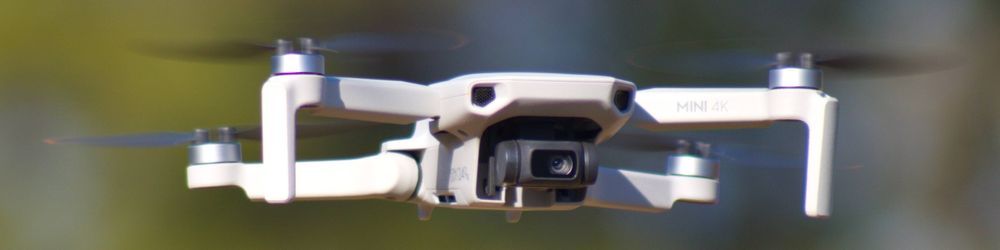
DJI Mini 4K
The entry drone most beginners should start with: a proper 3-axis gimbal, 4K video and 31 minute flights in a 246 g folder. No obstacle sensing, but the calmest, most predictable first DJI.
View on Amazon Read the full review ↓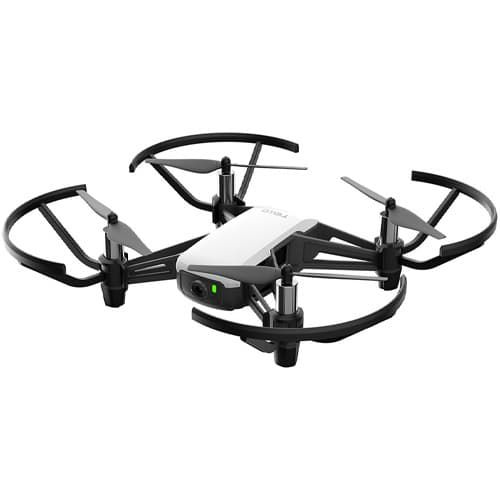
Ryze Tello
The gentlest first step in drones: 87 g with guards, a hover that practically teaches itself, and 720p video. It costs little to crash and even teaches coding between flights.
View on Amazon Read the full review ↓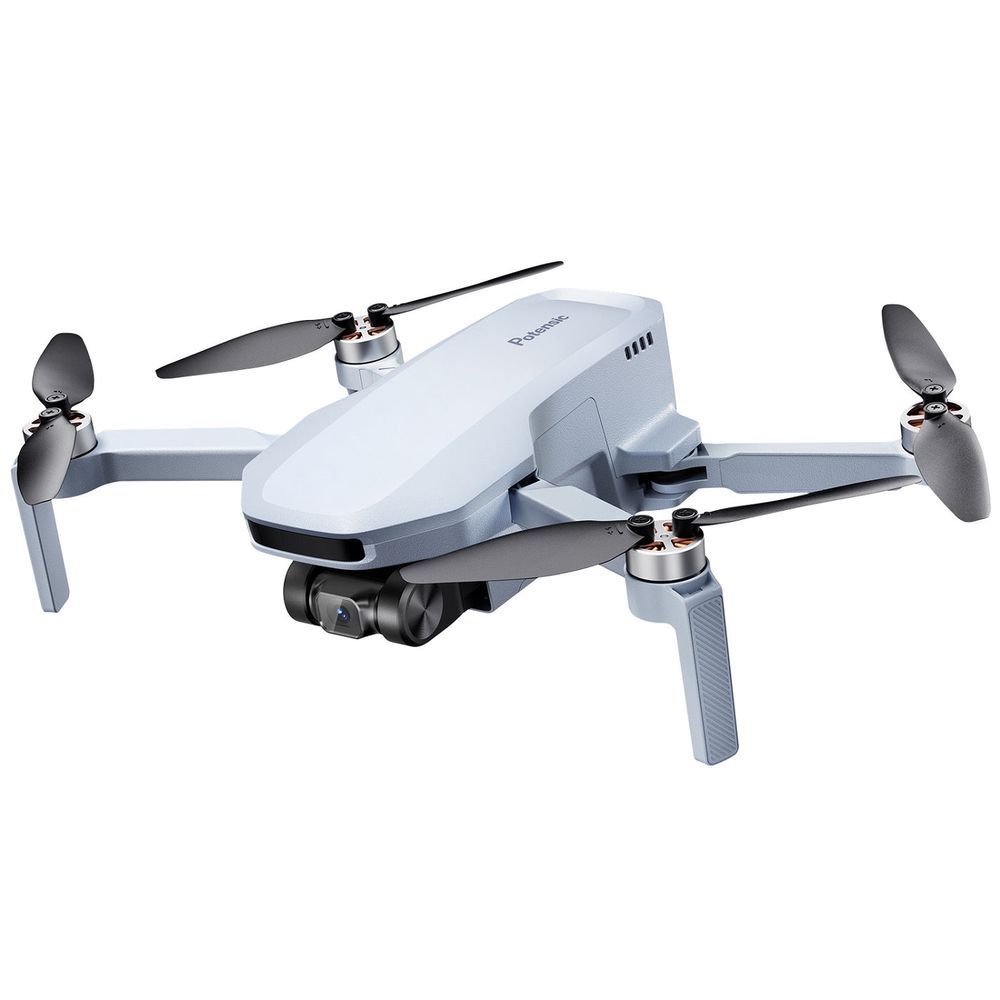
Potensic Atom SE
GPS, 4K video and 31 minute flights at an entry price, under 249 g. The Atom SE teaches real position hold flying without the flagship bill, using one-axis plus electronic stabilization.
View on Amazon Read the full review ↓The shortlist
Compare all 10 at a glance
For a first drone, stability and crash tolerance matter more than top speed or spec sheet bragging. These are the points where each pick earns or loses its place.
| Product / award | Best fit | Key decision point | Check current offer |
|---|---|---|---|
| 01. DJI Mini 4KBest overall | Most first-time buyers | 3-axis gimbal and 4K; no sensing or tracking | View on Amazon |
| 02. Ryze TelloBest first-ever drone | Absolute beginners of any age | Calmest hover, lowest stakes; 720p only | View on Amazon |
| 03. Potensic Atom SEBest value with GPS | GPS skills on a starter budget | GPS and 4K under 249 g; stabilization a step down | View on Amazon |
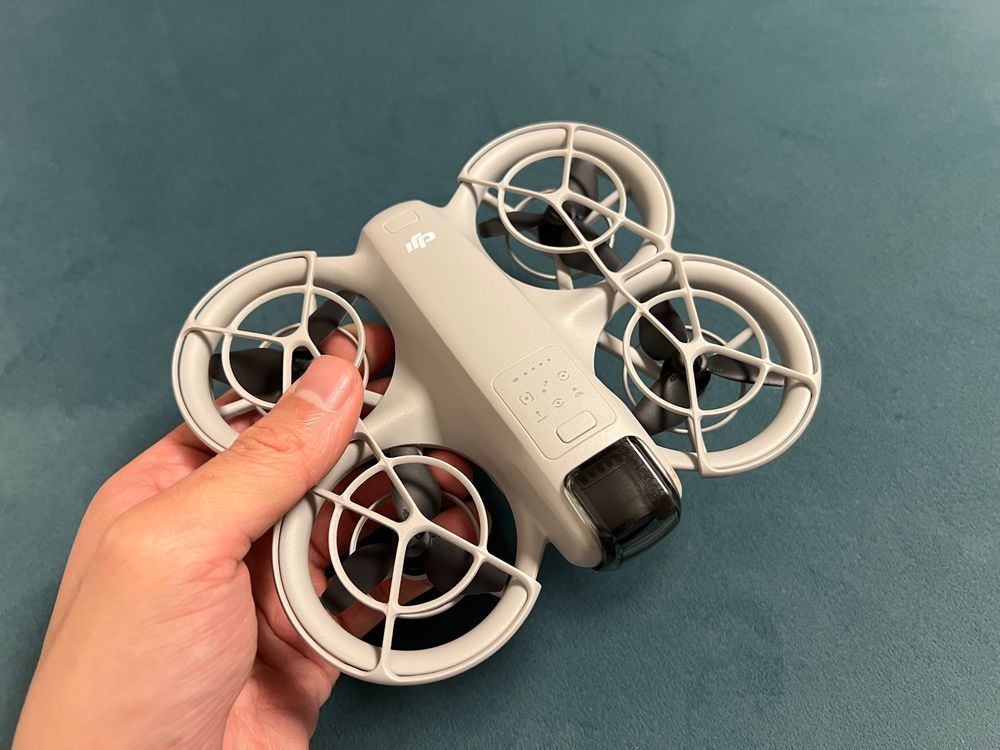 04. DJI NeoBest no-controller entry | Filming yourself, zero setup | Palm launch, 4K; calm days only | View on Amazon |
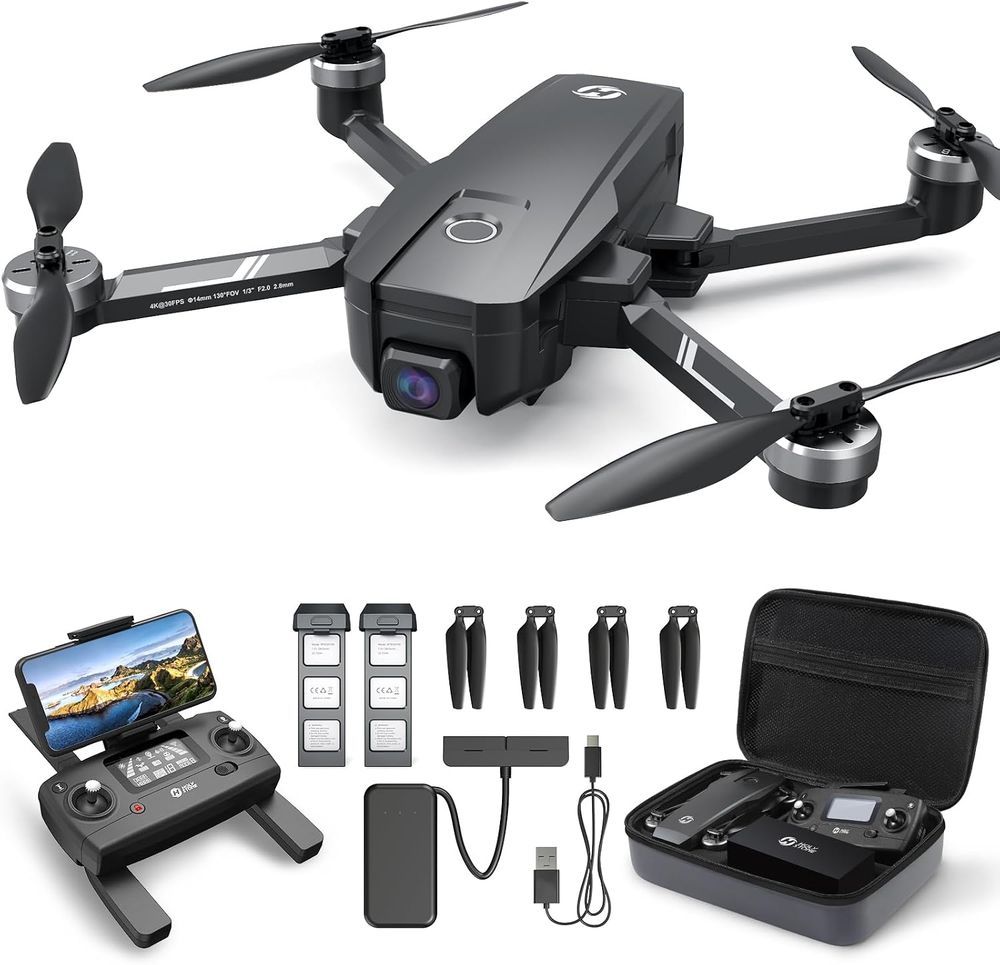 05. Holy Stone HS720EBest GPS alternative | Patient learners who want GPS | GPS and 4K EIS; 495 g needs registration | View on Amazon |
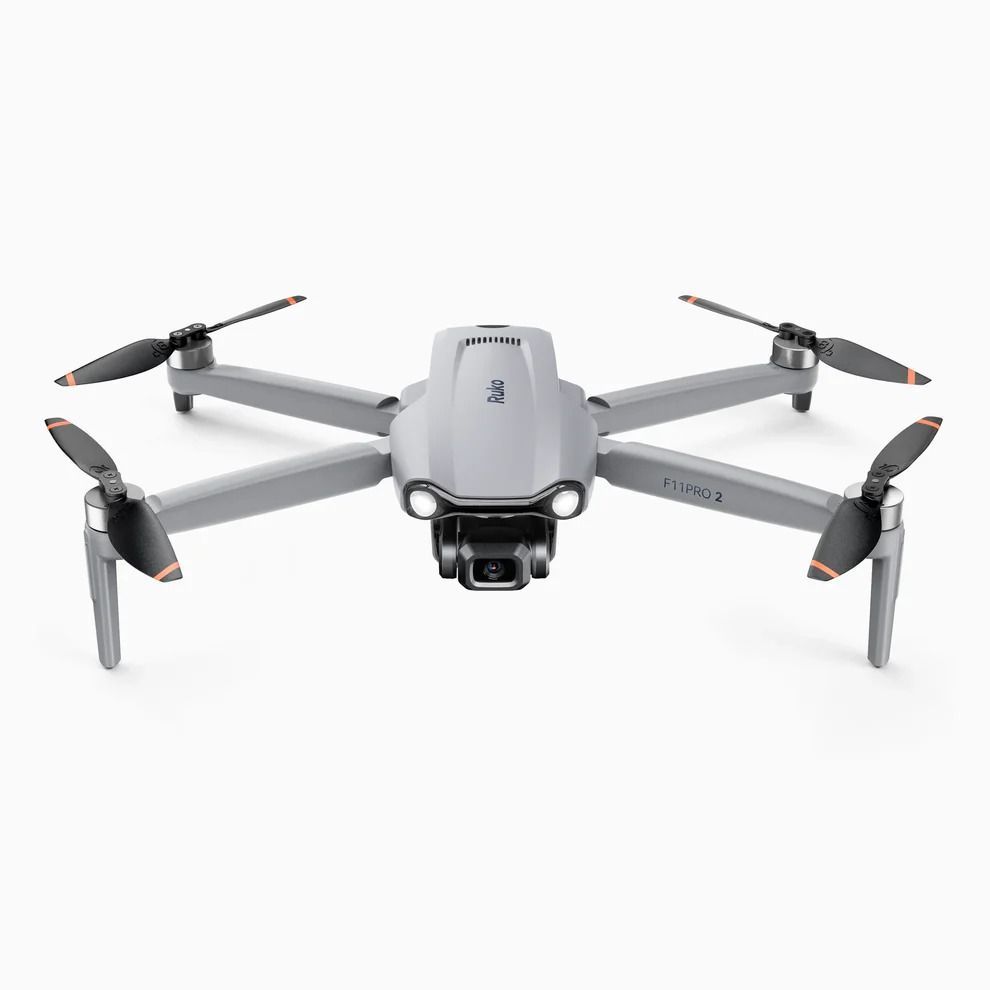 06. Ruko F11 Pro 2Best long flights | Long practice on open land | 35 min flights, 3-axis gimbal; over 250 g | View on Amazon |
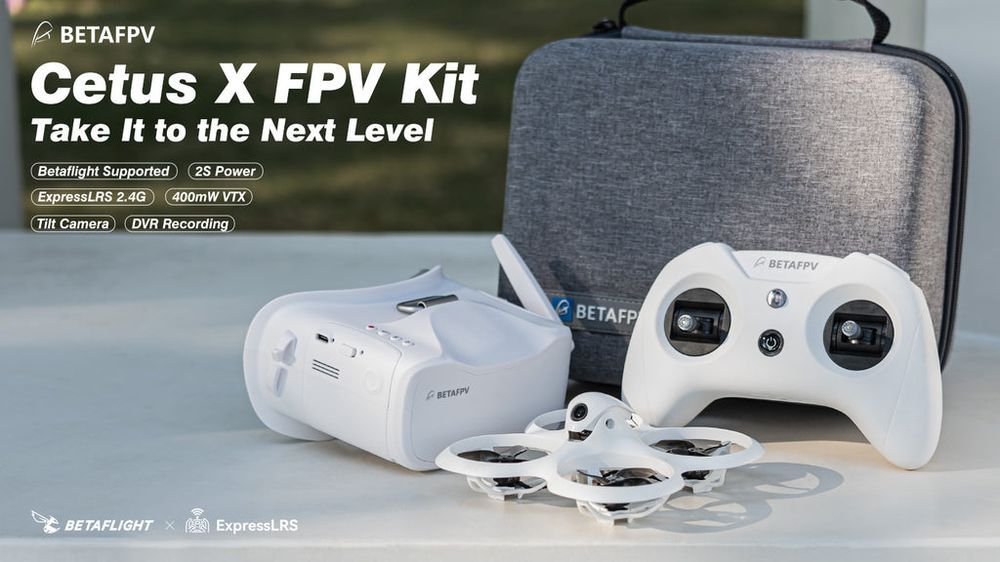 07. BETAFPV Cetus X FPV KitBest FPV entry | Learning FPV from zero | Full kit, ducted whoop; not for filming | View on Amazon |
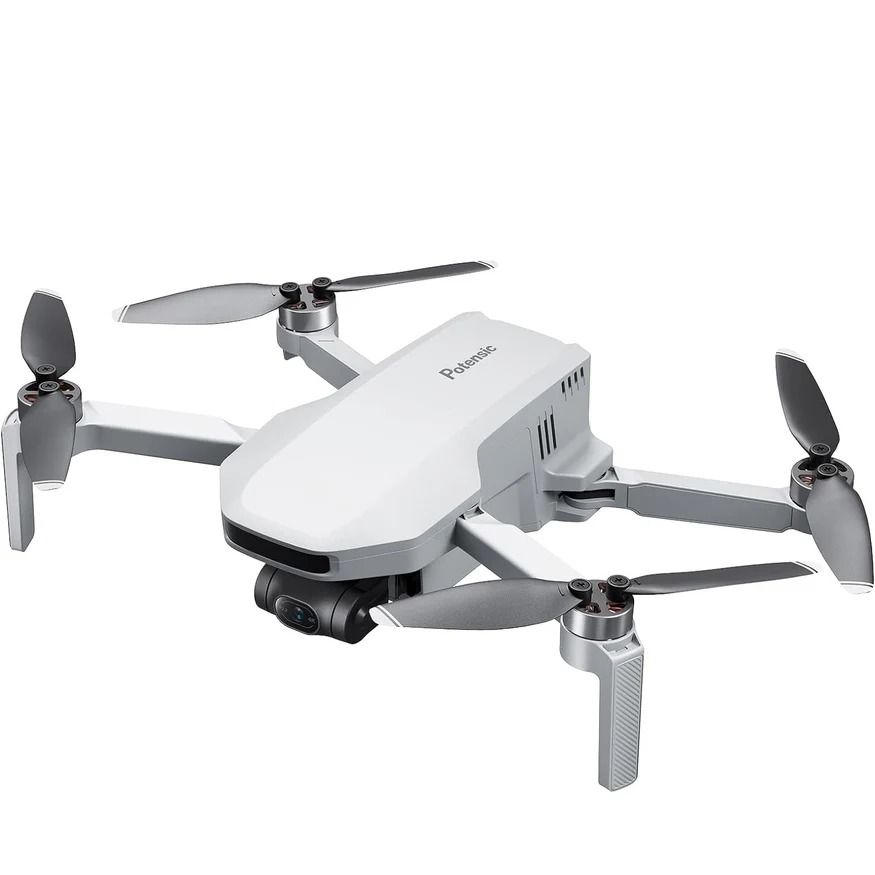 08. Potensic AtomBest step-up with tracking | Beginners who will want tracking | 3-axis gimbal plus tracking at 249 g | View on Amazon |
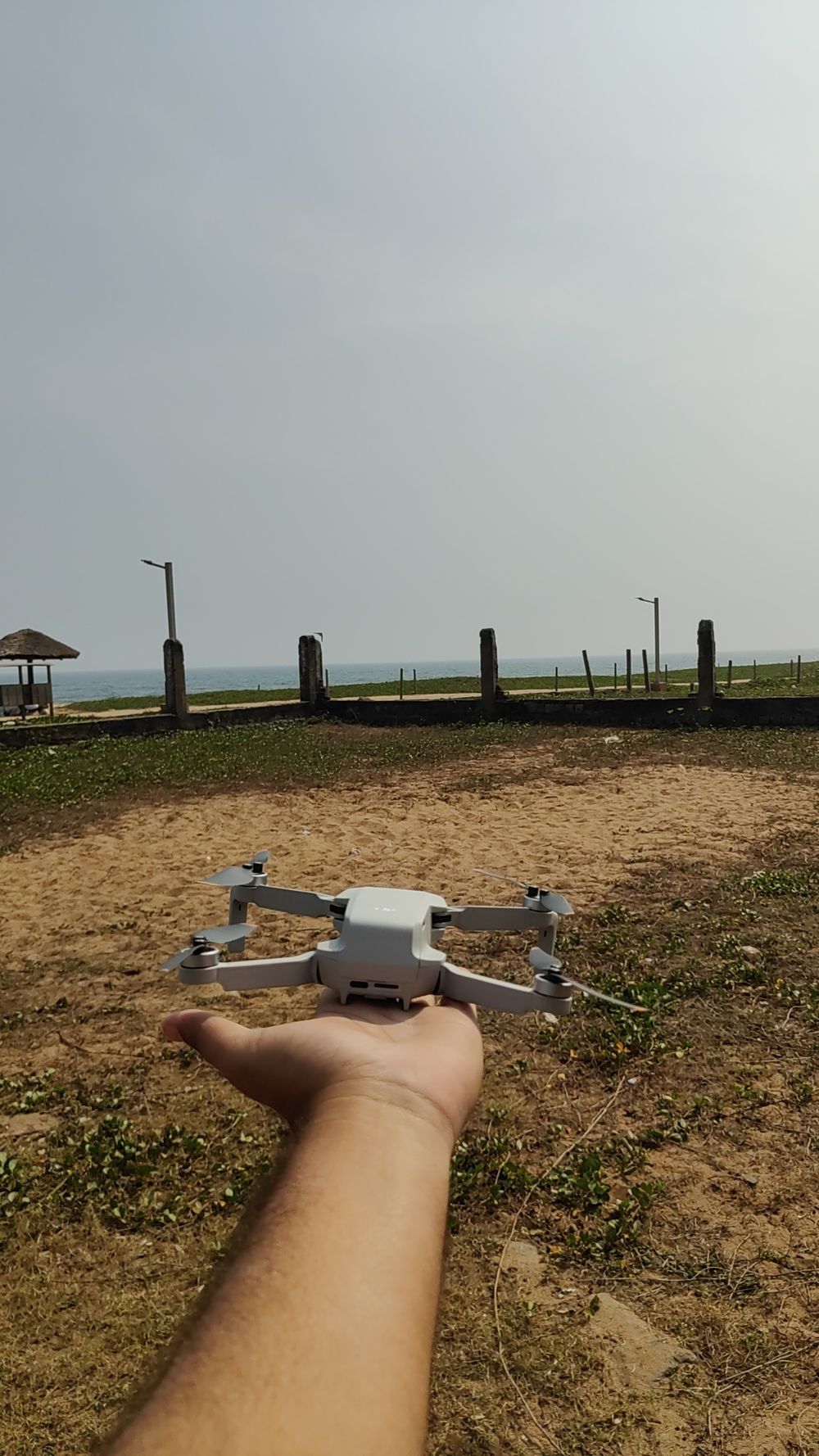 09. DJI Mini 2 SEBest light DJI alternative | DJI manners without 4K money | Same shape and gimbal; 2.7K ceiling | View on Amazon |
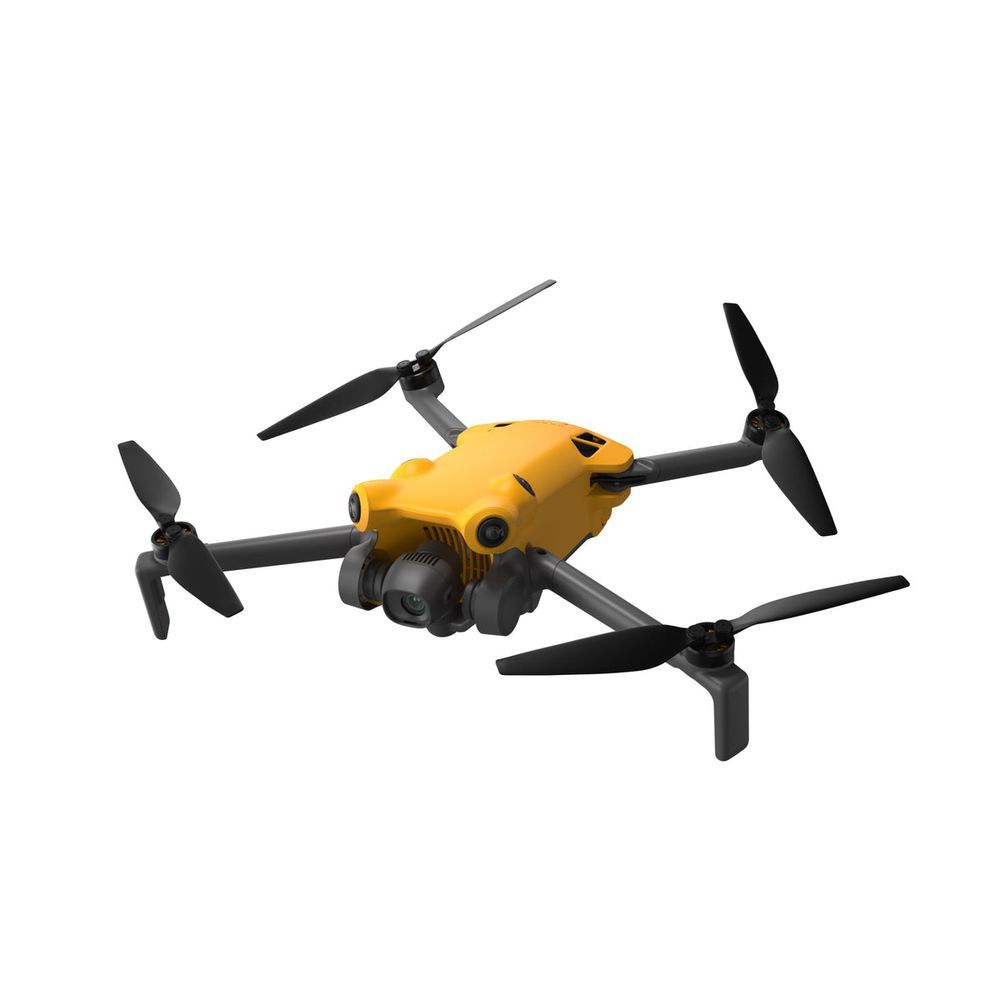 10. Skyrover X1Best premium entry | Buy once, grow into it | Biggest sensor here; premium price | View on Amazon |
Look closer
Our 10 picks, explained
These picks come from desk research, not hands-on testing: we compared manufacturer spec sheets line by line, then cross-checked owner feedback and published reviews to see which claims hold up for real beginners.
DJI Mini 4K
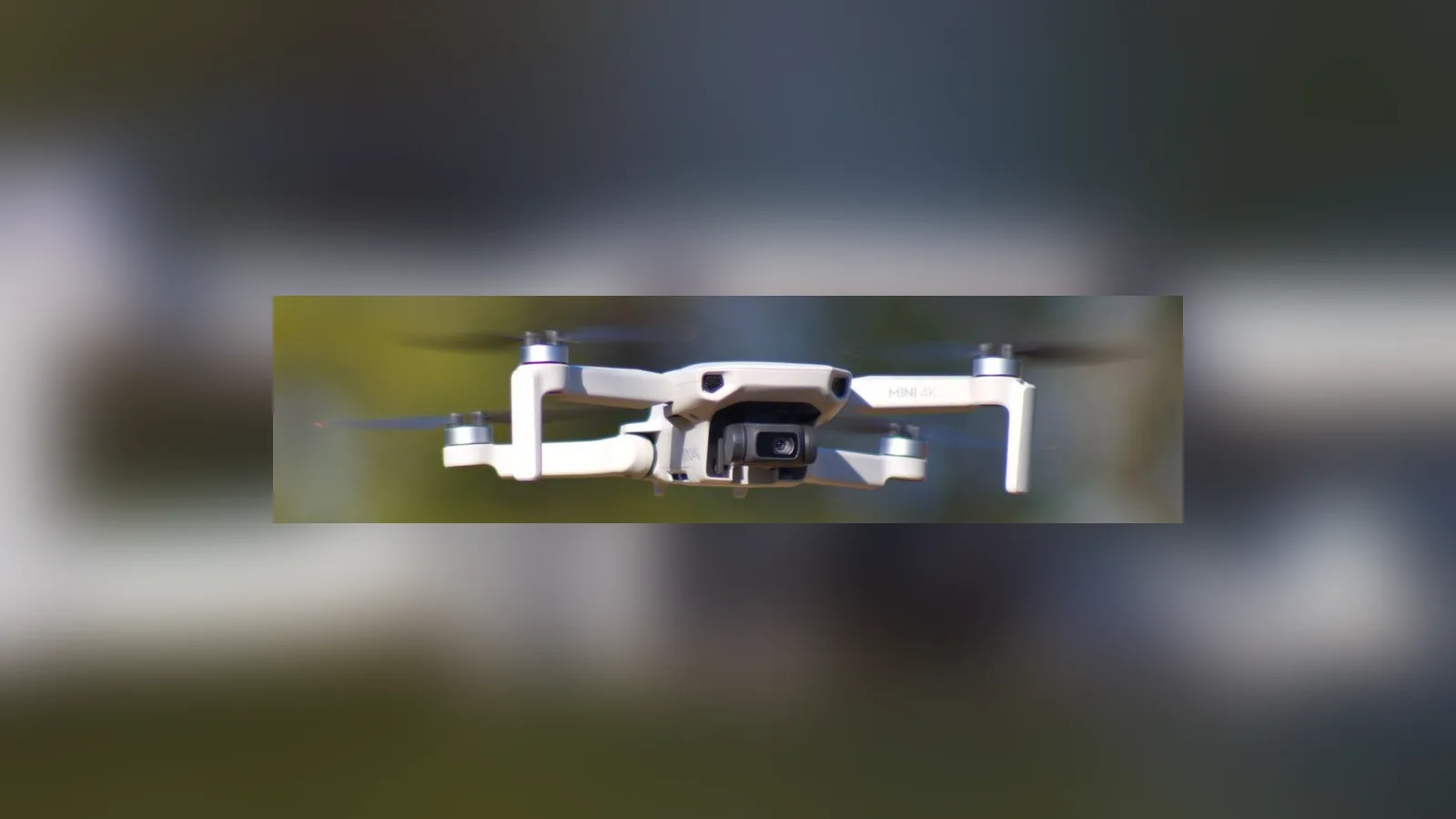
Most first drones teach you to fly and then get replaced. The Mini 4K skips the replacement step. Its 1/2.3-inch sensor records 4K/30 video on a true 3-axis gimbal, the combination that makes beginner footage look steady instead of seasick, and 31 minute rated flights mean one battery covers a whole practice session. At 246 g it stays under the 250 g line in many regions, folds into a pocket of a daypack, and the video link is rated to 10 km with a 720p live view. What it lacks is assistance: no obstacle sensing and no subject tracking, so the pilot learns positioning honestly. Level 5 wind resistance keeps it composed on breezy fields where toy drones scatter. For a first drone that doubles as your second and third, this is the benchmark.
- Takeoff weight
- 246 g
- Flight time
- 31 min per battery
- Camera
- 1/2.3-inch CMOS, 12MP, 4K/30
Reasons to choose it
- 3-axis gimbal and real 4K at entry level
- 31 minute flights, 10 km link
- Under 250 g, folds small
Trade-offs to know
- No obstacle sensing
- No subject tracking
Choose this if: one drone to learn on and keep.
Consider another option if: palm launch appeals more, the DJI Neo flies with no controller at all.
Ryze Tello
The Tello’s job is the first ten flights, and it does them better than anything else at its size. A downward vision system and barometer give it a hover more like a DJI than a toy, so beginners learn stick control instead of drift correction. At 87 g with prop guards fitted it bounces off the mistakes every new pilot makes, and throw-and-go launching removes the trickiest first seconds entirely. The 5MP camera shoots 720p30 video, good enough to judge your flying and share a first clip. Range is 100 m and flight time 13 minutes, firmly training wheels numbers. Scratch coding support turns it into a STEM tool after the novelty fades. DJI ended the education line in the US in 2024, so buy it as a finished, proven product.
- Weight
- 87 g with prop guards fitted
- Flight time
- 13 min per battery
- Camera
- 5MP photos, 720p30 video
Reasons to choose it
- Steadiest hover in its class
- Prop guards and throw-and-go launch
- Scratch coding extends its life
Trade-offs to know
- 720p video, no card slot
- 100 m range ceiling
Choose this if: absolute beginners and nervous first flyers.
Consider another option if: you outgrow it, the Mini 4K is the natural graduation.
Potensic Atom SE
The Atom SE is where entry drones stop feeling like toys. GPS positioning means it hovers where you leave it, returns home on command, and resists the drift that makes cheap drones exhausting. The Sony 1/3-inch sensor records 4K/30 video and RAW stills, unusual at this price, and the rated 31 minutes per battery matches drones costing far more. Stabilization pairs a single axis gimbal with electronic correction: good, not DJI smooth. The 4 km link and Level 5 wind rating support real outings, and SurgeFly keeps control response consistent as skills grow. At under 249 g it keeps registration light in many regions. There is no obstacle sensing or tracking, so situational awareness stays the pilot’s job, which is arguably the right way to learn.
- Weight
- Under 249 g
- Flight time
- 31 min per battery
- Camera
- Sony 1/3-inch CMOS, 12MP, 4K/30
Reasons to choose it
- GPS hold and return home
- RAW stills, rare at this level
- 31 minute flights under 250 g
Trade-offs to know
- Single axis plus electronic stabilization
- No obstacle sensing
Choose this if: GPS skills on a starter budget.
Consider another option if: a full 3-axis gimbal, the Potensic Atom is its own bigger brother.
DJI Neo
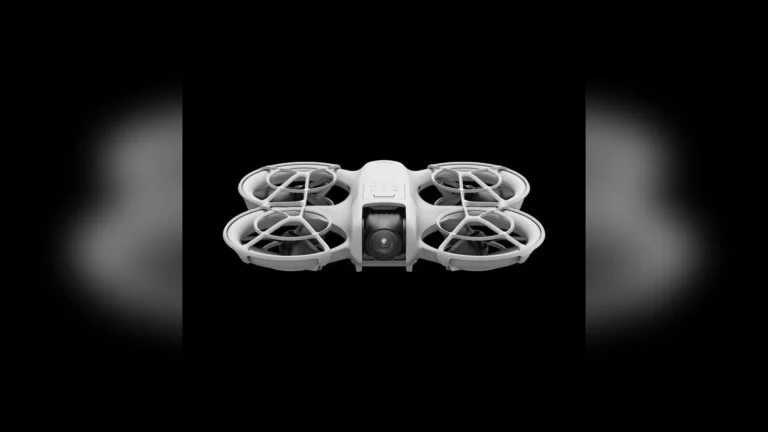
The Neo rethinks what a first drone needs: not a controller course, but a button. Place it on an open palm, choose a shot mode, and it lifts off, frames you, and returns to your hand, recording 4K/30 video from a 1/2-inch sensor with stabilization that keeps clips smooth. At 135 g it is the lightest full camera drone here, and optional prop guards plus phone or controller pairing let it grow with its pilot. Its follow modes handle cycling and walking shots automatically. About 18 minutes per battery is the practical limit, Level 4 wind resistance means calm days only, and there is no obstacle avoidance. As an entry into filming yourself, though, nothing else here is this simple or this light.
- Takeoff weight
- 135 g
- Flight time
- About 18 min per battery
- Camera
- 1/2-inch CMOS, 12MP, 4K/30
Reasons to choose it
- Palm launch, no controller required
- Automatic follow and quick shots
- Lightest real camera drone here
Trade-offs to know
- Calm days only, Level 4 wind
- No obstacle avoidance
Choose this if: zero-fuss filming of yourself.
Consider another option if: windier fields and longer flights, the Mini 4K is the steadier tool.
Holy Stone HS720E
The HS720E is the established alternative route into GPS flying. Its satellite positioning holds a steady hover outdoors and triggers return home on low battery or signal loss, the two safety nets beginners lean on most. The camera pairs a Sony sensor with electronic stabilization for 4K video behind a wide 130 degree lens, recording to a card at full quality. Flight time runs about 23 minutes per battery. The compromises are real: at 495 g it needs registration in many regions, there is no mechanical gimbal so stabilization is electronic only, and the airframe feels a generation behind the folding DJI and Potensic picks. For a patient learner who values GPS calm over polish, and who buys it in a two battery bundle, it remains a workable first serious drone.
- Weight
- 495 g
- Flight time
- 23 min per battery
- Camera
- 4K with EIS, Sony sensor, 130-degree FOV
Reasons to choose it
- GPS hold with auto return home
- 4K video with stabilization
- Wide 130 degree lens
Trade-offs to know
- 495 g, registration territory
- No mechanical gimbal
Choose this if: a GPS safety net from a non-DJI brand.
Consider another option if: staying under 250 g with GPS, the Atom SE does it lighter.
Ruko F11 Pro 2
Ruko built the F11 Pro 2 around two beginner friendly numbers: 35 minutes per battery, the longest rated endurance on this list, and a 3-axis gimbal that smooths 4K/30 video mechanically instead of cropping it electronically. Long flights matter when you are learning: fewer landings, fewer battery swaps, more continuous practice per outing. GPS positioning with return home covers the safety side, and the 357 g airframe feels planted in light wind. The trade-offs are size and refinement: it does not fold as small as the sub-250 g picks, crosses the 250 g registration line in many regions, and its app and finish trail DJI’s polish. For a beginner with open land to fly over who values time in the air above all, it is a sensible, durable teacher.
- Weight
- 357 g
- Flight time
- 35 min per battery
- Camera
- 4K/30, 3-axis gimbal
Reasons to choose it
- 35 minute flights, longest here
- True 3-axis gimbal
- GPS return home
Trade-offs to know
- Over 250 g, registration may apply
- App polish trails DJI
Choose this if: long practice sessions on open land.
Consider another option if: sub-250 g convenience, the Atom SE is the lighter GPS route.
BETAFPV Cetus X FPV Kit
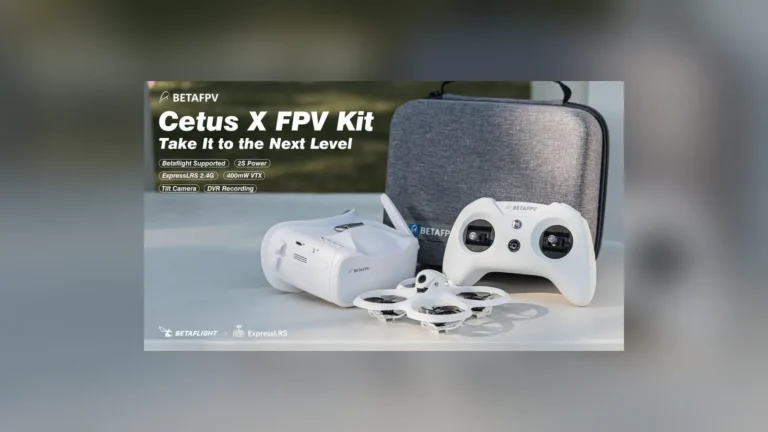
Entry level splits two ways: camera drones that fly themselves, and FPV, where you are the pilot in the goggles. The Cetus X kit is the kindest FPV start available. The 95mm whoop wraps its props in ducts, weighs 55 g, and bounces off furniture while you build the muscle memory FPV demands. The box adds a LiteRadio transmitter and VR03 goggles that record your flights, so there is no compatibility research to do before the first session. Stabilized flight modes soften the learning curve, and about 5 minutes per 450mAh pack is normal whoop economics: buy flying time in small, frequent sips. It will not shoot smooth travel footage and was never meant to. It teaches the most demanding and most rewarding way to fly.
- Frame
- 95mm whoop, ducted props
- Weight
- 55 g
- Flight time
- About 5 min per pack
Reasons to choose it
- Everything in one box
- Ducted props, indoor safe
- Stabilized modes for learning
Trade-offs to know
- Short flights per pack
- Not a camera drone
Choose this if: learning to truly fly, FPV style.
Consider another option if: filming instead, the Tello is the gentle camera start.
Potensic Atom
The first generation Atom remains the value sweet spot in Potensic’s line. Its 3-axis gimbal steadies 4K/30 video from the Sony 1/3-inch sensor properly, the way only mechanical stabilization can, and Visual Tracking adds the follow modes the SE omits. PixSync 3.0 is rated to 6 km with a 720p live view, flight time is 32 minutes per battery, and the airframe with battery, props and card fitted weighs 249 g, keeping it at the friendly side of the common weight line. Level 5 wind resistance and GPS plus GLONASS, Galileo and BeiDou positioning round out a spec sheet that reads like a drone from a higher shelf. The camera is a 12MP unit without the newest HDR tricks, and Potensic’s own Atom 2 now sits above it, but as an entry graduate it is hard to beat.
- Weight
- 249 g with battery and card
- Flight time
- 32 min per battery
- Camera
- 4K/30, 3-axis gimbal, PixSync 3.0 to 6 km
Reasons to choose it
- Full 3-axis gimbal and tracking
- 32 minute flights at 249 g
- 6 km link, multi GNSS
Trade-offs to know
- Older 12MP camera
- Atom 2 now sits above it
Choose this if: a gimbal and tracking without DJI money.
Consider another option if: pure GPS value, the Atom SE wins on price.
DJI Mini 2 SE
Not every beginner needs 4K. The Mini 2 SE keeps what makes a Mini a Mini: the stable 3-axis gimbal, 31 minute rated flights, 246 g takeoff weight and DJI’s polished app and safety prompts, and trims the camera to a 1/2.3-inch sensor recording 2.7K/30 video and 12MP stills. For learning framing, exposure and smooth stick work, 2.7K on a phone or laptop screen looks better than shaky 4K from lesser drones. Level 5 wind resistance helps it on exposed fields. The limits arrive later: no obstacle sensing, no tracking, and a camera ceiling you will eventually feel if video becomes the hobby’s center. As a first DJI bought to learn on for a season or two, it is timed about right.
- Takeoff weight
- 246 g
- Flight time
- 31 min per battery
- Camera
- 1/2.3-inch CMOS, 12MP, 2.7K/30
Reasons to choose it
- DJI flight feel and app polish
- 3-axis gimbal, 31 minute flights
- Under 250 g
Trade-offs to know
- 2.7K video ceiling
- No sensing or tracking
Choose this if: the DJI badge and manners on a budget.
Consider another option if: 4K matters, the Mini 4K adds it in the same shape.
Skyrover X1
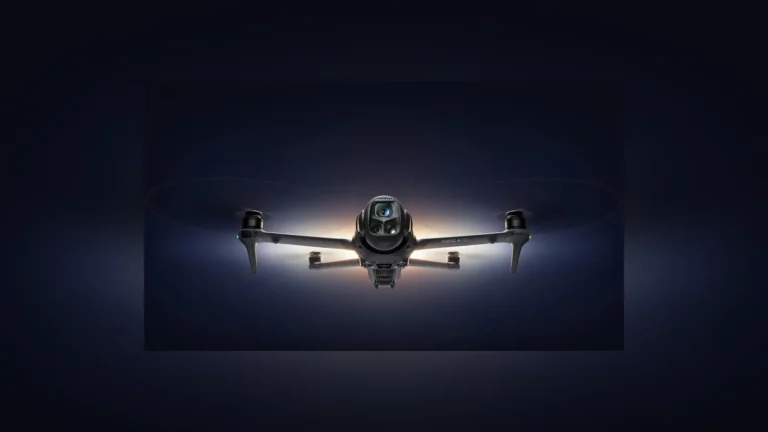
Skyrover aimed the X1 at the gap between beginner friendly and genuinely capable. The 1/1.32-inch sensor is the largest on this list, gathering 48MP stills and 4K/60 HDR video with a clarity the entry class rarely offers, and rated flight time runs 32 minutes (29 minutes hovering) under 249 g. For a new pilot, that camera headroom means early footage keeps up as skills grow, instead of forcing an upgrade within the year. The compromises are brand depth rather than hardware: a smaller support and accessory ecosystem than DJI or Potensic, and a price that asks commitment from a first time buyer. If the budget allows one purchase that covers the beginner phase and well beyond it, the X1 makes the strongest case here.
- Weight
- Under 249 g
- Flight time
- 32 min rated
- Camera
- 1/1.32-inch CMOS, 48MP, 4K/60 HDR
Reasons to choose it
- Biggest sensor in the entry class
- 4K/60 HDR and 48MP stills
- 32 minute rated flights
Trade-offs to know
- Smaller brand ecosystem
- Premium price for a first drone
Choose this if: buy once, grow into it.
Consider another option if: tight budgets, the Mini 4K starts happier.
Buy with confidence
How to choose your first drone
Four checks that decide whether a first drone becomes a hobby or a drawer ornament.
01. Start with stability, not specs
A first drone earns its keep by hovering calmly while your thumbs learn. GPS hold outdoors, optical flow or vision positioning indoors, and altitude hold everywhere turn panic into practice. Try to fly a friendly drone badly and you still improve; try to fly a twitchy one well and you mostly repair it. Stability features are tuition, not cheating.
02. Plan for the crash budget
Every beginner crashes. The real price of a first drone is the drone plus two spare propeller sets, an extra battery and, for folders, a carry case. Toy class parts are cheap; flagship props and arms are not. If the total with spares shocks you, step one model down: the best entry drone is the one you can afford to keep flying after week two.
03. Understand the 250 g line early
Weight decides paperwork. Drones under 250 g skip registration for recreational flying in many regions, which is why most of this list lives under it. The HS720E and F11 Pro 2 cross it and add duties, but also add calm in wind. Neither answer is wrong; just choose knowing which side of the line you are buying, and check your own country’s current rules.
04. Buy batteries before features
Beginner sessions end at the battery, not at your curiosity. A second or third pack triples your learning per trip because skills build in continuous minutes. Prefer bundles with the extra batteries and a charging hub included; they nearly always beat buying spares later, and they teach the rotation habit (fly, rest, charge) that keeps packs healthy for seasons.
Behind the recommendations
How we selected these products
This guide is built on desk research, not hands-on testing. We compared official manufacturer specifications for every current beginner suitable drone we could verify, then cross-checked the shortlist against owner feedback and published reviews, weighting crash survival and real world flight times heavily. Specs were rechecked against the sources below in October 2026. Rated flight times assume ideal conditions, so treat them as ceilings when planning practice sessions.
- Learning curve first: hover stability, positioning aids and control forgiveness were scored ahead of camera numbers.
- Total cost of entry: spare props, extra batteries and case pricing were checked for every model listed.
- Limitations: we did not fly these drones for this guide; bundles and stock change, so confirm what is in the box before buying.
Common questions
Before you buy
What is the easiest drone for a total beginner?
For pure ease, the Ryze Tello and DJI Neo remove the most friction: one hovers almost by itself indoors, the other launches from your palm and films you automatically. If you want to learn traditional stick flying with a camera worth keeping, the Mini 4K is the easiest full drone to start on. All three forgive beginner mistakes gracefully, which matters more than any feature list.
Do beginners need GPS in a first drone?
GPS is the single biggest confidence feature outdoors: it holds position in a breeze, resists drift and returns the drone home on low battery. Indoors or in a garden, altitude hold and vision positioning do the same job. If your flying will be open field practice, put GPS high on the list; the Atom SE and F11 Pro 2 show it no longer costs flagship money.
How much flight time should a beginner expect?
Real world figures run below the box numbers. Expect about 13 minutes from the Tello, around 18 from the Neo, the high 20s from the sub-250 g GPS folders, and the low 30s from the F11 Pro 2 on a calm day. Wind and cold shorten everything. Two batteries per outing is the practical minimum for learning, whatever model you choose.
Should a beginner buy 4K or save with 2.7K?
Buy the gimbal first, then the resolution. A 3-axis gimbal at 2.7K, like the Mini 2 SE, produces calmer and more watchable video than a shaky 4K toy. If the budget reaches a 3-axis gimbal and 4K together, as on the Mini 4K or Atom, take both. Resolution only pays once the footage is steady enough to watch.
Choose the best fit for your first flights
Start with the DJI Mini 4K for the calmest all round introduction, or the Ryze Tello if you want the gentlest first ten flights in the hobby. When GPS enters the plan, the Potensic Atom SE keeps it under 250 g. Learn the local rules, buy the spare props, and give yourself an empty field.
Sources and verification
Product specifications and claims in this guide were checked against the following sources, listed by name as a record of what was consulted.
- DJI Mini 4K, Neo and Mini 2 SE official specifications (dji.com)
- Ryze Tello official specifications (ryzerobotics.com)
- Potensic Atom SE and Atom official specifications (potensic.com)
- Holy Stone HS720E official product page and specifications (holystone.com)
- Ruko F11 Pro 2 official product page and specifications (rukotoy.com)
- BETAFPV Cetus X FPV Kit official product page (betafpv.com)
- Skyrover X1 official specifications, and published reviews of the shortlist cross-checked in October 2026