As an Amazon Associate I earn from qualifying purchases. If you buy through links in this article, we may earn a commission at no extra cost to you.
These are the 10 best Autel drones you can buy, covering every current EVO family: the pocket Nano pair, the mid-size Lite series, the EVO II workhorses and the enterprise Max platform. Autel built its name on strong cameras, long flight times and life without DJI-style geofencing, and this ranking weighs all three. We ordered the 10 on camera quality, endurance, sensing and value, so the right EVO for your flying sits near the top.
Short on time?
Start with these three picks
The flagship thermal platform, the photographer’s Lite+, and the proven EVO II Pro: the three Autel drones most buyers should see first.
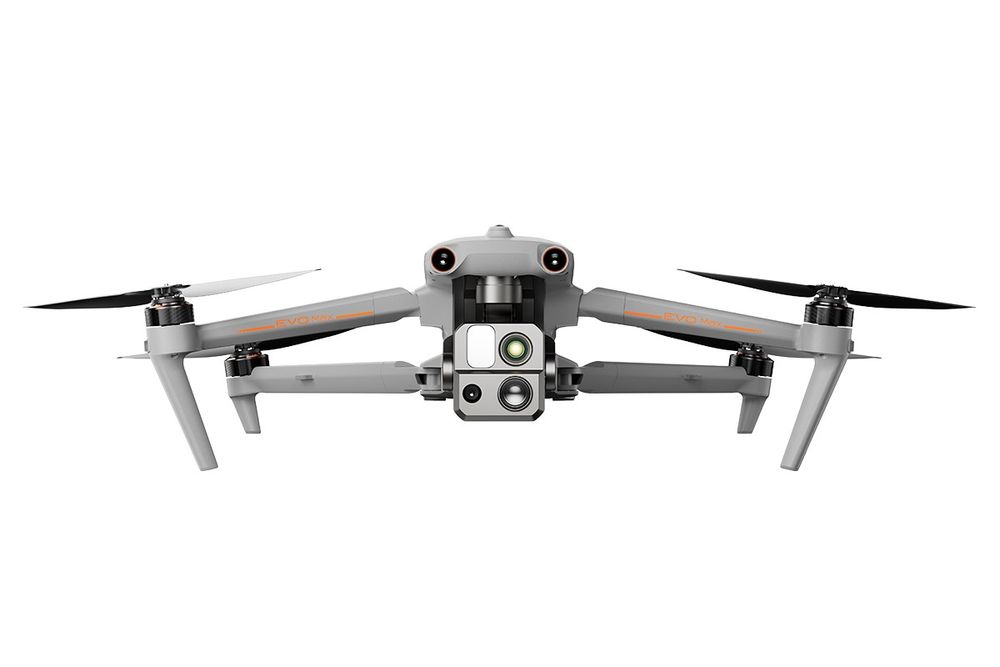
Autel EVO Max 4T
Autel’s flagship packs a 50MP wide camera, a 10x optical zoom, a 640×512 thermal sensor and a laser rangefinder into one folding airframe, with radar-assisted sensing and GPS-denied navigation. It is heavy and unapologetically professional, and nothing else in the EVO range comes close.
View on Amazon Read the full review ↓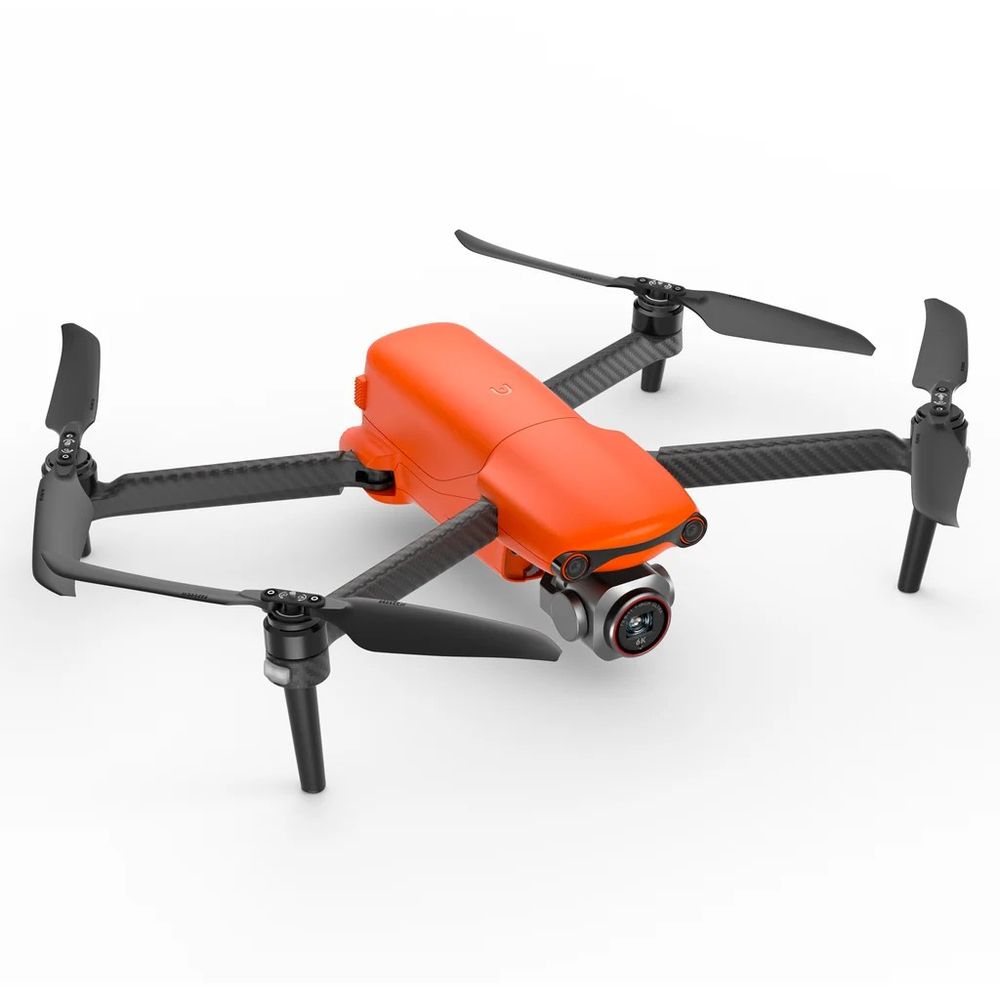
Autel EVO Lite+
The photographer’s Autel: a 1-inch sensor behind an adjustable f/2.8 to f/11 aperture, 6K video, Autel’s moonlight low-light processing and 40 minute flights. It skips side sensing and a second lens, betting everything on the quality of the one camera it carries.
View on Amazon Read the full review ↓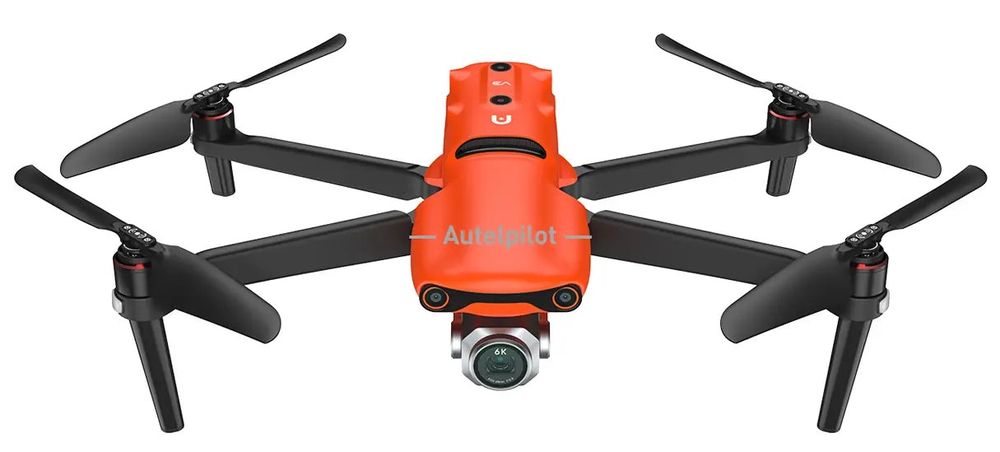
Autel EVO II Pro
The drone that built Autel’s reputation: a 1-inch sensor shooting 6K, an adjustable aperture, omnidirectional sensing and 40 minute flights, with no geofencing layer in the way. The V3 refresh keeps it current with a tri-band 15 km link and smart controller bundle options.
View on Amazon Read the full review ↓The shortlist
Compare all 10 at a glance
One brand, four families. The checks that separate them: sensor size, thermal or not, and whether the airframe still fits a jacket pocket.
| Product / award | Best fit | Key decision point | Check current offer |
|---|---|---|---|
| 01. Autel EVO Max 4TBest overall | Inspection, public safety and serious mapping | Four sensors and a rangefinder; IP43 sealing, enterprise class | View on Amazon |
| 02. Autel EVO Lite+Best for photographers | Stills-led creators and landscape shooters | 1-inch sensor with real aperture control; three-direction sensing | View on Amazon |
| 03. Autel EVO II ProBest proven flagship | Commercial camera work on a mature platform | 1-inch 6K camera and 15 km link; the heaviest folder here | View on Amazon |
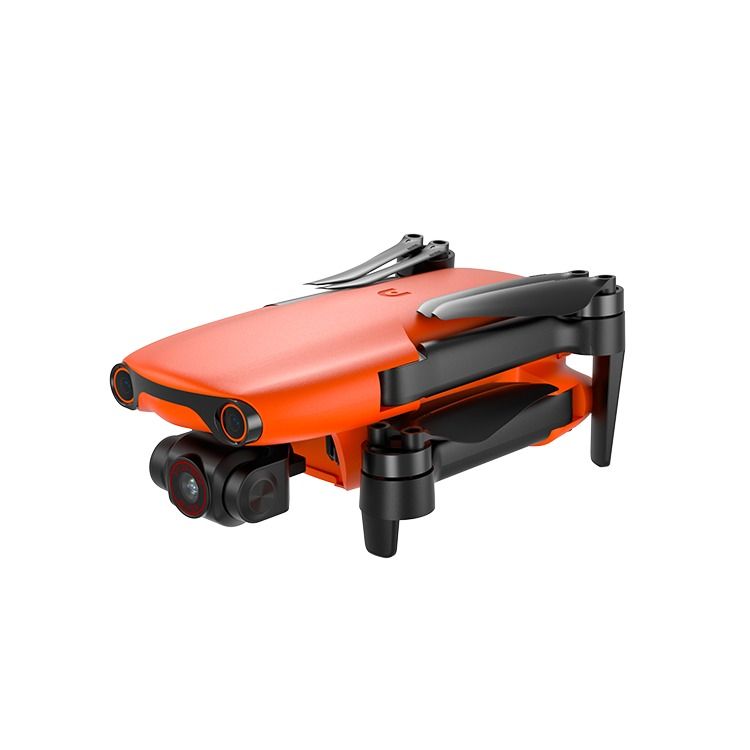 04. Autel EVO Nano+Best sub-250 g | Low-light stills in a jacket-pocket folder | RYYB sensor beats rivals after dark; video caps at 4K/30 | View on Amazon |
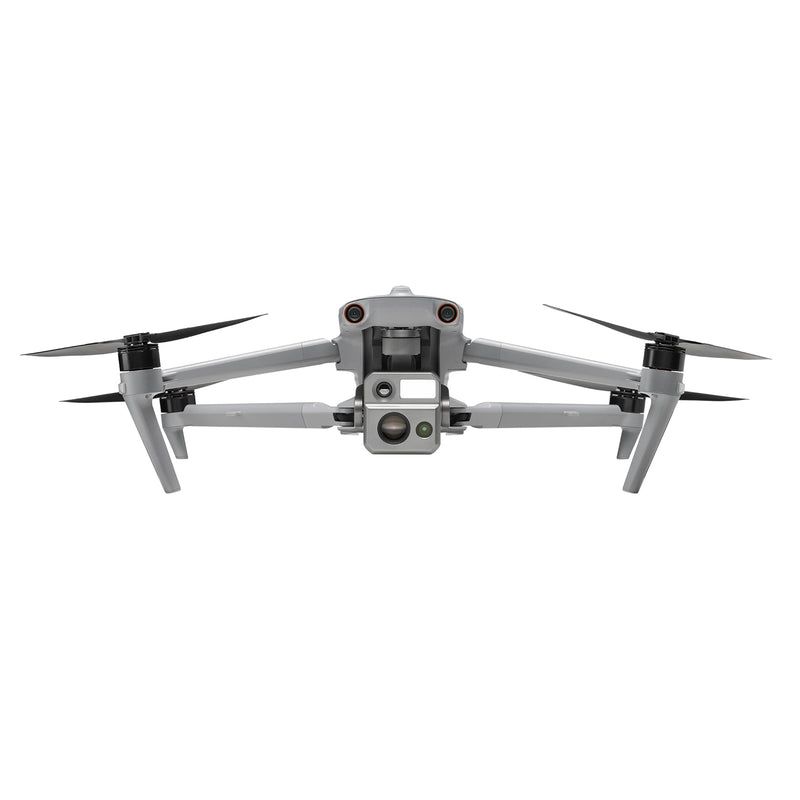 05. Autel EVO Max 4NBest for night operations | Night patrol, search and rescue, covert observation | Starlight camera sees at 0.0001 lux; dealer-channel flagship | View on Amazon |
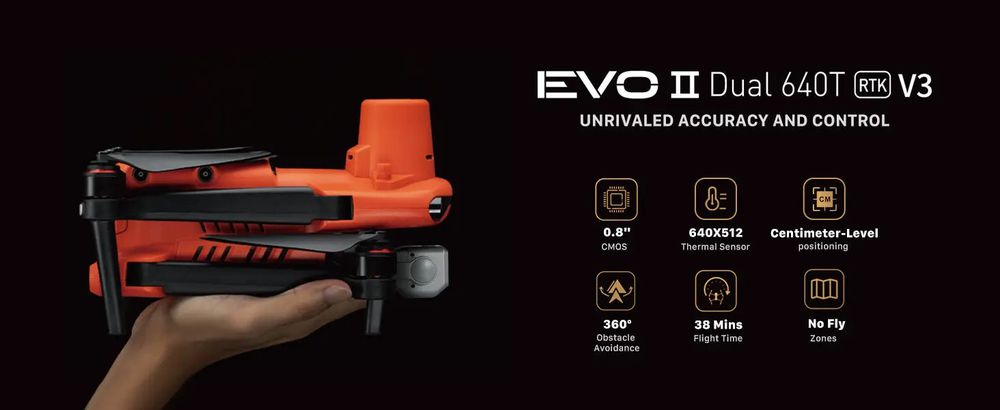 06. Autel EVO II Dual 640TBest thermal | First responders and roof or solar inspection | 640-class thermal plus a 50MP visible camera on one gimbal | View on Amazon |
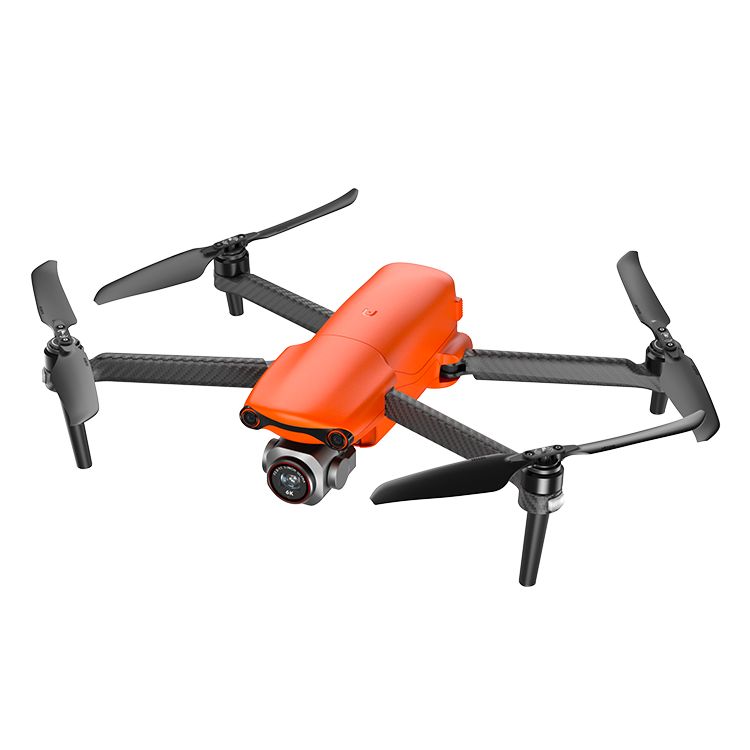 07. Autel EVO LiteBest 50MP value | Landscape and travel shooters wanting 50MP stills | Same airframe as the Lite+ with a fixed f/1.9 lens; remaining stock | View on Amazon |
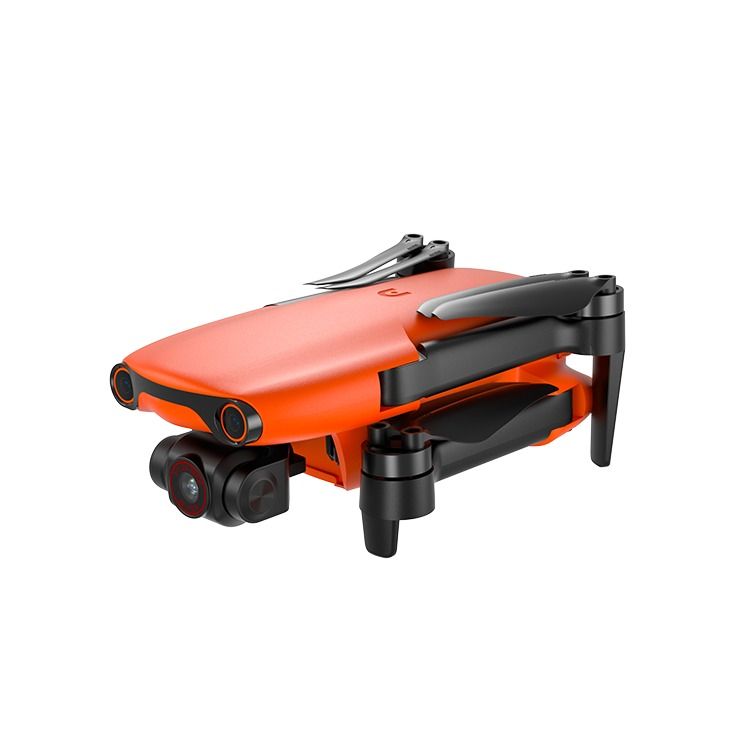 08. Autel EVO NanoBest budget sub-250 g | First-drone buyers who still want sensing and tracking | Smaller 1/2-inch sensor than the Nano+; same clever airframe | View on Amazon |
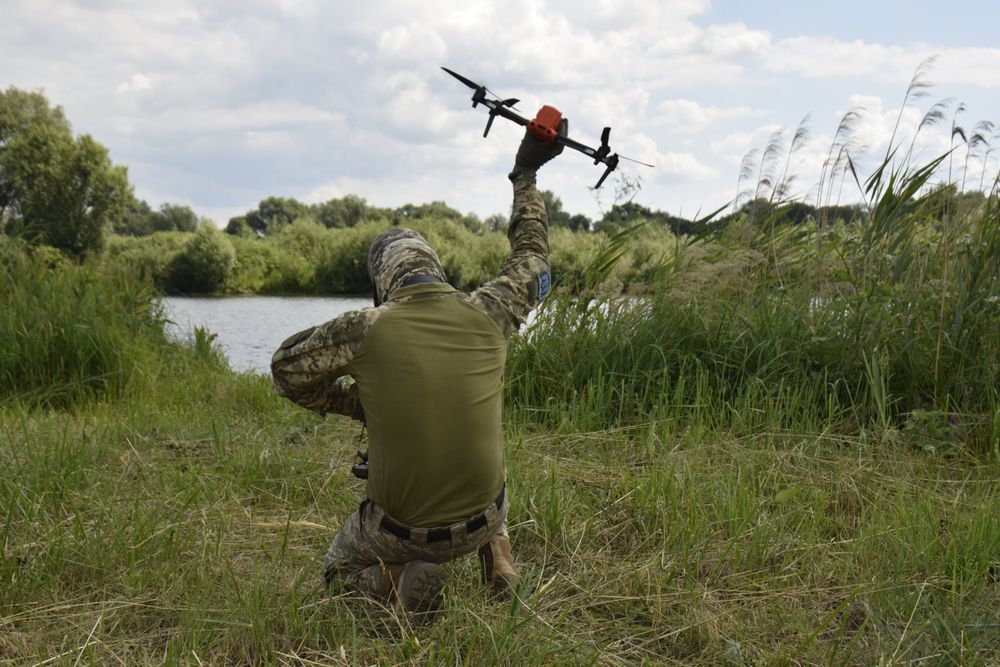 09. Autel EVO IIBest 8K pioneer | Video shooters who want 8K headroom to crop | First 8K folding drone; 1/2-inch sensor shows its age in low light | View on Amazon |
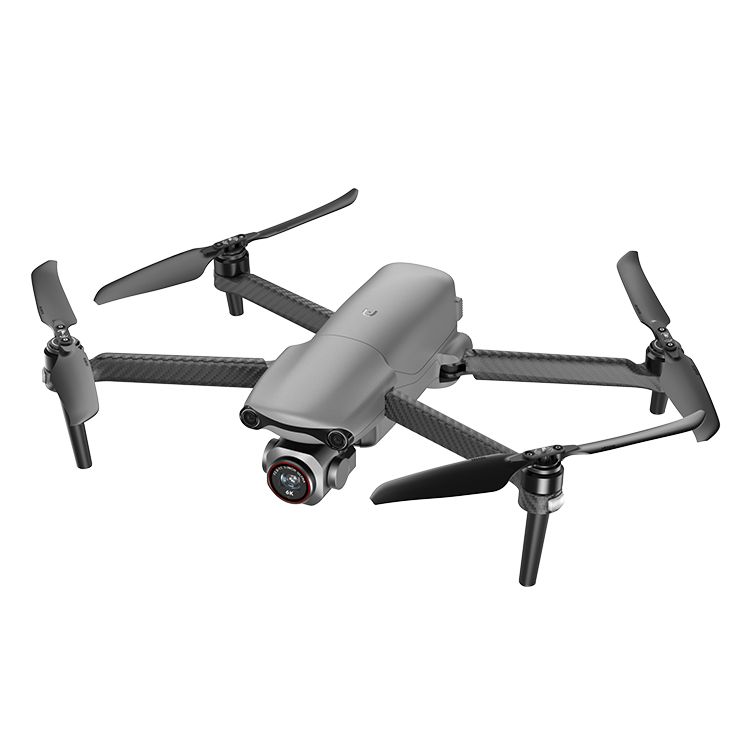 10. Autel EVO Lite 640T EnterpriseBest compact thermal | Solo inspectors who need thermal in a backpack | Full 640-class thermal under 900 g; enterprise app and bundles | View on Amazon |
Look closer
Our 10 picks, explained
These picks come from desk research, not hands-on testing: we compared Autel’s official spec sheets across the EVO families, then cross-checked owner feedback and published reviews to see which claims hold up in daily use.
Autel EVO Max 4T
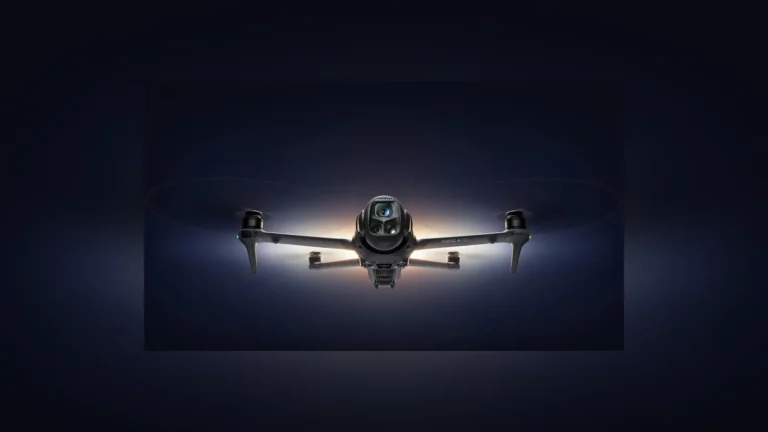
The Max 4T treats the camera cluster as the mission. A 50MP wide camera handles documentation, the 48MP zoom reaches 10x optically and 160x hybrid for reading details from a standoff, and the radiometric 640×512 thermal sensor measures temperatures from minus 20 to 550 C. A laser rangefinder pins coordinates from up to 1,200 m. Around that payload, Autel built its toughest airframe: 720-degree sensing that fuses binocular vision with millimeter-wave radar, visual-inertial navigation for GPS-denied spaces, hot-swappable batteries and an IP43 shell. The 42 minute flight time and 20 km SkyLink 3.0 feed round out a platform aimed at inspection and response teams, and priced like one.
- Takeoff weight
- About 1,640 g
- Flight time
- 42 min max
- Cameras
- 50MP wide, 48MP 10x zoom, 640×512 thermal, laser rangefinder
Reasons to choose it
- Every sensor most missions need in one gimbal
- Radar plus vision sensing, GPS-denied navigation
- Radiometric thermal with a 1,200 m rangefinder
Trade-offs to know
- Enterprise pricing through dealer channels
- 1,640 g is no travel lightweight
Choose this if: your work is inspection, response or survey and one airframe must do it all.
Consider another option if: you fly for fun or photos, the EVO Lite+ is a fraction of the weight and cost.
Autel EVO Lite+
Most camera drones fix the aperture and let software cope. The Lite+ hands the decision back: its 1-inch, 20MP sensor sits behind a lens you can stop down from f/2.8 to f/11, which means real depth-of-field control and clean long exposures without ND filters in bright light. Video runs to 6K/30 with HDR, and Autel’s moonlight algorithm, helped by large 2.4-micron pixels, holds color and detail in night scenes that defeat smaller sensors. The airframe flies 40 minutes, links over SkyLink to 12 km, and senses forward, backward and down. What it lacks is a second focal length and side sensing, so disciplined flying is part of the deal.
- Takeoff weight
- 835 g
- Flight time
- 40 min
- Camera
- 1-inch CMOS, 20MP, 6K/30, f/2.8 to f/11
Reasons to choose it
- Adjustable aperture, rare in this class
- 1-inch sensor with strong night processing
- 40 minute flights, 12 km SkyLink link
Trade-offs to know
- No side obstacle sensing
- Single fixed focal length
Choose this if: stills quality and exposure control matter more than zoom range.
Consider another option if: you need a telephoto or thermal, look at the EVO Max 4T.
Autel EVO II Pro
Before the Max series existed, the EVO II Pro was Autel’s flagship argument, and the spec sheet still reads well. The 1-inch, 20MP sensor shoots 6K video and 12-bit DNG stills through an adjustable f/2.8 to f/11 aperture, with 10-bit A-Log for grading. Twelve vision sensors give it omnidirectional awareness, Dynamic Track 2.1 follows subjects, and the SkyLink 2.0 link reaches 15 km on the V3. Endurance is a rated 40 minutes. The costs are size and age: at 1,191 g in V3 form it is the heaviest consumer folder here, and the design dates to 2020, even if the V3 electronics do not.
- Takeoff weight
- 1,191 g (V3)
- Flight time
- 40 min
- Camera
- 1-inch CMOS, 20MP, 6K/30, f/2.8 to f/11
Reasons to choose it
- Proven 1-inch camera with 10-bit A-Log
- Omnidirectional sensing, 12 vision sensors
- No geofencing layer between you and the flight
Trade-offs to know
- 1,191 g, the bulkiest consumer pick here
- Platform design dates to 2020
Choose this if: you want a mature, full-sensing camera drone and value track record over novelty.
Consider another option if: weight matters, the EVO Lite+ keeps the 1-inch class at 835 g.
Autel EVO Nano+
Autel built the Nano+ around one clever sensor. The 1/1.28-inch RYYB chip swaps some color filters for ones that pass far more light to each pixel, and the result is the cleanest night stills any 249 g drone has produced, at 50MP with phase-detection autofocus. Daylight work is strong too, with HDR video to 4K/30. Around the camera sits a proper mini airframe: three-direction binocular sensing, Dynamic Track 2.1 subject following, a 10 km SkyLink link and a Level 5 wind rating. Flights run 28 rated minutes. The honest limits are the 4K/30 video cap, no log profile, and the line’s discontinued status, with support pledged into 2030.
- Takeoff weight
- 249 g
- Flight time
- 28 min
- Camera
- 1/1.28-inch RYYB CMOS, 50MP, 4K/30 HDR
Reasons to choose it
- Best low-light stills in the 249 g class
- Three-direction sensing at this weight
- No geofencing, 10 km link
Trade-offs to know
- Video stops at 4K/30, no log profile
- Series discontinued; remaining stock only
Choose this if: your mini drone shoots at dawn, dusk and night more than midday.
Consider another option if: video comes first, the EVO Lite shoots 4K/60 with a bigger battery.
Autel EVO Max 4N
Where the 4T is a daylight inspection tool that also flies at night, the 4N starts from darkness. Its Fusion 4N gimbal leads with a 2.3MP starlight camera that works down to 0.0001 lux with ISO up to 450,000, detecting light sources like phone screens and headlights from kilometres away without any illuminator giving the drone away. Behind it sit the same supporting cast as the 4T: a 50MP wide camera, a 640×512 radiometric thermal sensor and a laser rangefinder good to 1,200 m. The airframe keeps the Max virtues: 42 minute flights, 720-degree sensing, GPS-denied navigation, A-Mesh networking and IP43 sealing.
- Night camera
- Starlight 2.3MP, 0.0001 lux, ISO to 450,000
- Other cameras
- 50MP wide, 640×512 thermal, laser rangefinder
- Flight time
- 42 min
Reasons to choose it
- True starlight vision, no illuminator needed
- Full Max platform: thermal, rangefinder, radar sensing
- A-Mesh networking for multi-drone night work
Trade-offs to know
- Enterprise pricing, dealer channels only
- Starlight camera is 2.3MP, built for detection not beauty
Choose this if: your missions start after dark: patrol, search, perimeter watch.
Consider another option if: daylight zoom work dominates, the EVO Max 4T swaps the starlight camera for a 10x optical zoom.
Autel EVO II Dual 640T
Thermal drones earn their keep when the two images agree, and the Dual 640T is built for that check. Its uncooled VOx sensor records 640×512 radiometric frames with spot, center and regional measurement, temperature alarms and ten palettes, while the 50MP visible camera alongside shoots the detail a heat blob cannot explain. Picture-in-picture mode fuses the two feeds live. The V3 airframe brings omnidirectional sensing from 12 visual sensors, centimeter RTK positioning options, a 15 km tri-band SkyLink 2.0 link and 38 minute flights. It lacks the Max series’ radar and GPS-denied tricks, and at 1,209 g it travels in a case, not a pocket.
- Takeoff weight
- 1,209 g (V3)
- Thermal camera
- 640×512 VOx radiometric, 13mm lens
- Flight time
- 38 min
Reasons to choose it
- Radiometric thermal with alarms and 10 palettes
- 50MP visible camera for evidence-grade detail
- RTK versions for centimeter positioning
Trade-offs to know
- No radar sensing or GPS-denied navigation
- Older platform than the Max series
Choose this if: thermal measurement is the job and the budget stops below the Max.
Consider another option if: you also need a rangefinder and radar sensing, step up to the EVO Max 4T.
Autel EVO Lite
Choosing between the Lite and Lite+ is really choosing a camera philosophy. The Lite’s 1/1.28-inch, 50MP RYYB sensor trades the Plus model’s 1-inch chip and adjustable aperture for higher resolution and a faster fixed f/1.9 lens, and it adds a party trick the Plus cannot match: the four-axis gimbal rotates the camera itself for true vertical stills and video. Video reaches 4K/60, night scene mode pushes ISO to 64,000, and the airframe matches the Plus everywhere else: 40 minute flights, 12 km SkyLink, three-direction sensing with a wide 150-degree forward view. Like the Nano line, it is discontinued, so remaining bundles are the opportunity and the risk.
- Takeoff weight
- 835 g
- Flight time
- 40 min
- Camera
- 1/1.28-inch RYYB CMOS, 50MP, 4K/60, f/1.9
Reasons to choose it
- 50MP stills and true vertical shooting
- 4K/60 video, strong night mode
- Same 40 minute airframe as the Lite+
Trade-offs to know
- Fixed aperture, no aperture control
- Discontinued; check stock and support terms
Choose this if: resolution and vertical content matter more than aperture control.
Consider another option if: you expose manually, the EVO Lite+ adds the adjustable aperture and 1-inch sensor.
Autel EVO Nano
Most budget minis save money by deleting the safety net. The Nano keeps it: three-way binocular vision for obstacle braking, Dynamic Track 2.1 subject following, GPS return to home and a Level 5 wind rating, all in the same 249 g folding shell as its sibling. The camera is the compromise, a 1/2-inch 48MP sensor shooting 4K/30 HDR video and DNG stills that are fine in daylight and merely decent at dusk, where the Nano+ pulls clearly ahead. Endurance matches the Plus at 28 rated minutes, and the SkyLink link reaches 10 km. Buy it for the airframe and the assistance; upgrade later for the sensor.
- Takeoff weight
- 249 g
- Flight time
- 28 min
- Camera
- 1/2-inch CMOS, 48MP, 4K/30 HDR
Reasons to choose it
- Full sensing and tracking at the lowest EVO weight
- DNG stills and 4K HDR video
- Level 5 wind rating, 10 km link
Trade-offs to know
- Low-light stills trail the Nano+ clearly
- Series discontinued; remaining stock only
Choose this if: you want a forgiving first drone that stays under 250 g.
Consider another option if: night stills matter, the EVO Nano+ and its RYYB sensor are the upgrade.
Autel EVO II
In 2020 the EVO II was a genuine first: a folding drone shooting 8K. The pitch still works for a certain editor. That 8K frame from the 48MP, 1/2-inch sensor lets you punch in, reframe and stabilize in post while delivering 4K, and the gimbal swaps across the EVO II family if your work grows into the Pro or Dual models. The rest of the platform holds up: omnidirectional sensing, Dynamic Track subject following, a long tri-band link on later versions, and 40 minute rated flights at 20 m/s in Ludicrous mode. Age shows in low light and in the app’s polish next to newer rivals, but the hardware remains capable.
- Takeoff weight
- 1,127 g
- Flight time
- 40 min
- Camera
- 1/2-inch CMOS, 48MP, 8K/25, 4K/60
Reasons to choose it
- 8K video for crop-and-reframe editing
- Interchangeable gimbal family
- Omnidirectional sensing, long link range
Trade-offs to know
- Low light trails the 1-inch models
- Heavier than every Lite and Nano here
Choose this if: you edit hard and want maximum pixels to work with.
Consider another option if: low light matters more than resolution, the EVO II Pro is the same frame with a 1-inch sensor.
Autel EVO Lite 640T Enterprise
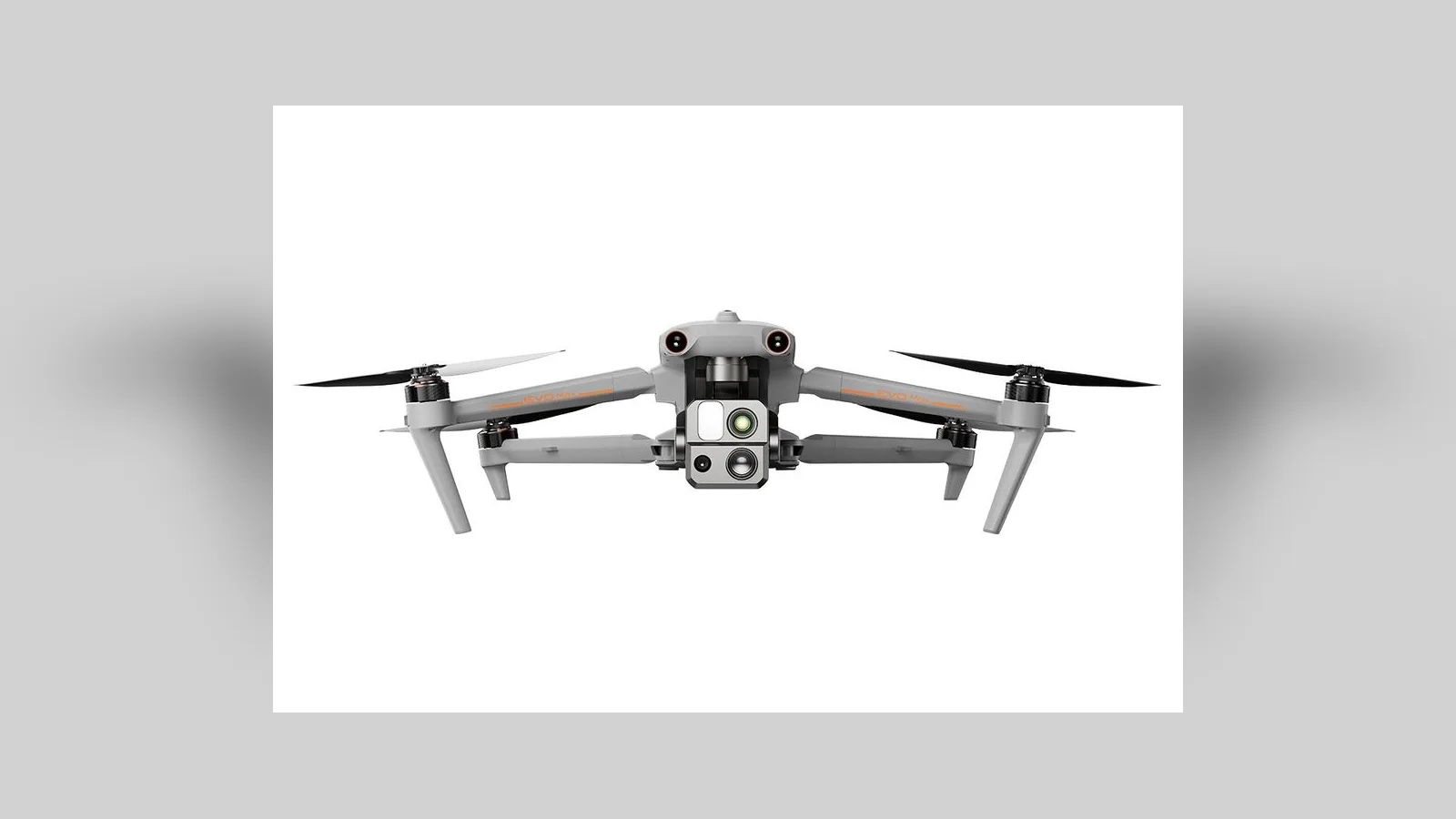
Enterprise thermal usually means a hard case and a heavy airframe. The Lite 640T Enterprise is the exception: at 866 g it carries a dual gimbal pairing a 640×512 VOx thermal sensor, radiometric with accuracy to plus or minus 3 C, with a 48MP visible camera for split-screen comparison on the spot. Autel’s enterprise software adds AI target recognition that can classify people, vehicles and boats, and the three-direction binocular sensing, 12 km SkyLink link and 40 minute endurance come straight from the Lite platform. It gives up the Max series’ rangefinder, radar and weather sealing, and it sells through enterprise bundles rather than consumer listings, but as a solo thermal tool it is uniquely carryable.
- Takeoff weight
- 866 g
- Thermal camera
- 640×512 VOx radiometric, plus 48MP visible
- Flight time
- 40 min
Reasons to choose it
- Real radiometric thermal under 900 g
- AI target recognition in the enterprise app
- 40 minute flights, backpack-sized kit
Trade-offs to know
- No laser rangefinder or radar sensing
- Sold in enterprise bundles, not consumer listings
Choose this if: you inspect alone and carry everything on your back.
Consider another option if: you need a rangefinder and all-weather sealing, the EVO Max 4T is the step up.
Buy with confidence
How to choose the right Autel drone
Four checks that matter more than any single spec when every drone on the list wears the same badge.
01. Sort the families first
Autel’s range reads in four bands. Nano is the sub-250 g class for travel and beginners. Lite is the mid-size camera platform. EVO II is the older heavy-duty folder with swappable gimbals. Max is the enterprise flagship line. Pick the band that matches your weight limit and work type, and the model choice usually makes itself.
02. Know what no geofencing means
Autel does not build DJI-style geofence locks into its drones, which professionals value near controlled airspace they are authorized to use. It changes nothing about the law: airspace rules, altitude limits and authorization duties are identical. Treat the freedom as fewer software surprises, never as permission.
03. Check the support horizon
Autel ended Nano and Lite consumer sales in July 2025 and pledged firmware, support and repairs into 2030. That is a long runway, but batteries, propellers and accessories will slowly thin out. If you buy into those lines, stock the consumables early and register the product while channels are active.
04. Match the sensor to the mission
Camera first, always. Photographers want the 1-inch Lite+ or EVO II Pro. Night stills point to the RYYB Nano+ or Lite. Thermal work splits by weight: the Lite 640T Enterprise for solo carry, the Dual 640T for the EVO II frame, the Max 4T when a rangefinder and radar join the checklist.
Behind the recommendations
How we selected these products
This guide is built on desk research, not hands-on testing. We compared Autel Robotics’ official spec sheets for every current and recent EVO model, then cross-checked the shortlist against owner feedback, dealer documentation and published reviews. Specs were rechecked against the sources below in October 2026. Where a figure is a lab rating, such as flight time, we treat it as a ceiling, not a promise.
- Camera systems: sensor size and type, resolution, aperture control and thermal specification, taken from Autel’s official product data.
- Airframe and endurance: takeoff weight, rated flight time, transmission range and sensing coverage, compared like for like across the four families.
- Limitations: we did not fly these drones for this guide. The Nano and Lite lines are discontinued with support pledged into 2030, and enterprise models sell through dealers, so confirm the exact bundle and current availability before buying.
Common questions
Before you buy
Are Autel drones really free of geofencing?
Yes, in the sense that Autel does not lock flights near airports or sensitive zones the way DJI’s geofence system can. The legal position is unchanged: you still need authorization where the law requires it, and the app still shows airspace advisories. Many professionals prefer deciding themselves; the responsibility that comes with that is also theirs.
Is it safe to buy a discontinued Nano or Lite model?
Reasonably, with eyes open. Autel has pledged firmware updates, support and repairs for the Nano and Lite series until July 18, 2030, which covers a long ownership window. The real risks are thinning accessory stock and resale value. Buy the batteries and spares you expect to need up front.
Which Autel drone is best under 250 g?
The EVO Nano+ for most people, because its RYYB sensor shoots low-light stills no rival mini matches, and it keeps three-direction sensing and tracking. The standard Nano is the alternative when the budget rules: same airframe and assistance, a smaller sensor, stronger daylight value.
Why do the enterprise models sell through dealers instead of stores?
The Max series and the Lite 640T Enterprise sell through authorized dealers, usually as mission bundles with smart controllers, batteries and cases. That route brings training, fleet support and repair contracts that a retail box does not. Expect to request a bundle quote rather than compare bare airframe listings.
Choose your EVO
Start with the EVO Lite+ if photography pays your bills, the EVO Nano+ if every gram counts, and the EVO Max 4T when the mission needs thermal, zoom and a rangefinder in one case. Autel rewards buyers who know their mission; match the family first and the model follows.
Sources and verification
Product specifications and claims in this guide were checked against the following sources, listed by name as a record of what was consulted.
- Autel Robotics EVO Max 4T, EVO Max 4N, EVO Lite, EVO Lite+, EVO Nano and EVO Nano+ official specifications (autelrobotics.com)
- Autel Robotics EVO II, EVO II Pro and EVO II Dual 640T official specifications and V3 documentation (Autel Robotics)
- Autel Robotics EVO Lite 640T Enterprise specification sheet (Autel Robotics enterprise documentation)
- Autel Robotics end-of-sales and support notice for the EVO Nano and Lite series (Autel Robotics, July 2025)
- Authorized dealer specification listings for the EVO Max and EVO Lite Enterprise lines (Advexure, DroneNerds, B&H Photo)
- Published reviews and owner feedback for the shortlisted models, cross-checked in October 2026