
Figuring out how long does sunscreen last can be confusing, especially when you are juggling multiple bottles from summers past or trying to decode faint expiration stamps. Protecting your skin from harmful ultraviolet light requires knowing both the chemical shelf life of the product in the bottle and how long the protective barrier holds up once applied to your face and body. Understanding these distinct timeframes prevents sunburns and ensures your skin care routine actually shields you from long-term damage.
By learning how UV filters degrade over time and how environmental factors break down active ingredients, you can make informed decisions about when to toss an old tube and when to grab for that crucial reapplication.
Understanding Sunscreen Shelf Life and Expiration Dates
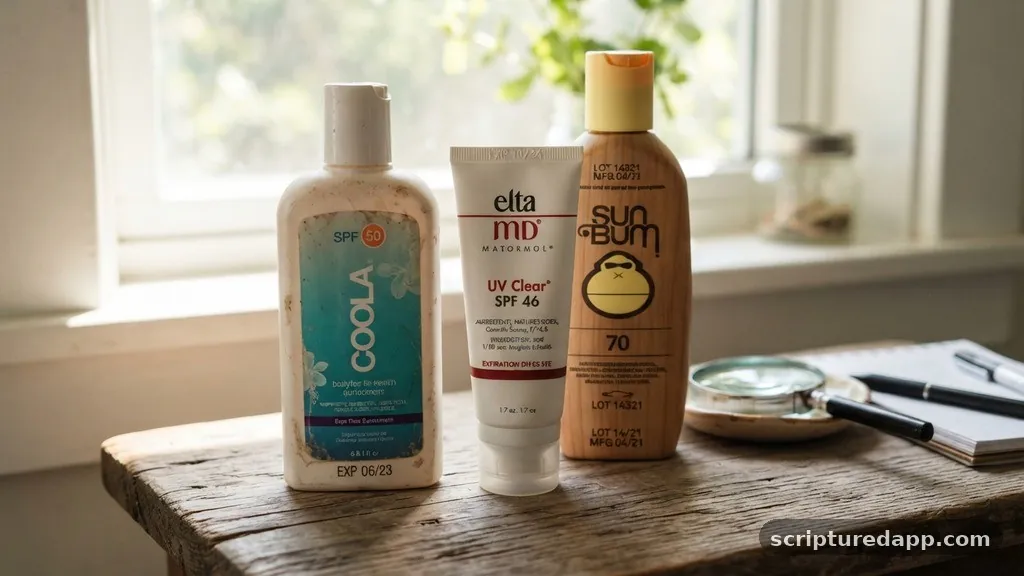
Unopened and opened lotions do not last forever, which is why checking the expiration date is a vital step in maintaining effective sun protection. Most manufacturers design their formulations to remain stable and potent for up to three years from the manufacturing date. When you purchase a bottle, the active ingredients—whether chemical or mineral—are engineered to hold their molecular structure until that printed date passes.
However, once a bottle is unsealed, exposure to air, bacteria, and fluctuating temperatures accelerates the degradation process. Many products feature a small jar symbol on the back known as the Period After Opening indicator, which might show a code like 12M, meaning the formula is best used within twelve months of opening. Using expired sunscreen is a risky gamble because the active chemical compounds break down, separate, or lose their ability to absorb and scatter ultraviolet radiation effectively.
To ensure your skin stays safe, consider how storage conditions impact product longevity. Leaving a bottle baking in a hot car or exposed to direct beach sunlight will cause the emulsion to separate and the active ingredients to degrade long before the printed expiration date arrives.
How Long Sunscreen Lasts After Application on Skin
Once smoothed over the skin, the protective barrier does not provide indefinite defense, no matter how high the sun protection factor rating is. A common misconception is that a higher number means you are protected all day long, but dermatological guidelines recommend a strict schedule of reapplication every two hours under normal conditions. This timing accounts for the natural shedding of skin cells, facial oils, and general daily wear.
When you are swimming, sweating heavily, or wiping your face with a towel, that two-hour window shrinks significantly. Even products marketed as water-resistant have strict limitations regarding how long they maintain their integrity in the water. Most water-resistant formulas are tested to withstand either 40 or 80 minutes of swimming or sweating before the protective film begins to dissolve and lose its efficacy.
Failing to reapply leaves your skin vulnerable to both uva and uvb rays, which cause premature aging, sunburns, and an increased risk of cellular mutations. Adhering to a consistent schedule is the only reliable way to maintain a continuous shield.
Comparing Sunscreen Types and Their Protective Durability
The chemical composition of your chosen formula plays a major role in how it behaves on the skin and how long it remains stable in storage. Broadly speaking, topical blockers fall into two primary categories: chemical filters and physical or mineral barriers. Each type interacts with ultraviolet light differently and has unique performance characteristics.
Chemical formulas work by sinking into the skin and converting ultraviolet energy into heat, which is then released from the body. Mineral options sit on top of the skin like a physical shield, reflecting and scattering incoming light away from the surface. While both types must adhere to strict regulatory testing, their real-world durability can vary based on individual skin chemistry and environmental exposure.
The following table compares the key differences in shelf life, application behavior, and reapplication needs between mineral and chemical formulations.
| Feature | Mineral Sunscreens | Chemical Sunscreens |
|---|---|---|
| Active Ingredients | Zinc oxide, titanium dioxide | Avobenzone, oxybenzone, octisalate |
| Action on Skin | Reflects and scatters radiation | Absorbs rays and converts them to heat |
| Shelf Life Stability | Generally very stable, long-lasting | Prone to faster degradation in heat |
| Reapplication Rule | Every two hours or after swimming | Every two hours or after swimming |
| Skin Compatibility | Ideal for reactive and sensitive skin | Can sometimes cause irritation |
Environmental Factors That Accelerate Product Breakdown
External elements can severely compromise both bottled formulas and the protective layer resting on your face. Heat is the primary enemy of chemical stability; leaving your beach bag in a sweltering trunk can alter the chemical bonds within the lotion, rendering it completely useless. Humidity, moisture intrusion inside open caps, and direct sunlight all contribute to the breakdown of preservatives, which can also lead to bacterial contamination.
On the face and body, friction from clothing, natural sebum production, and wind can physically wear away the protective film long before the two-hour mark arrives. If you are wearing makeup or touching your face throughout the day, you are inadvertently rubbing away patches of the barrier. This uneven wear creates gaps where solar radiation can penetrate, leading to localized sunburns or uneven tanning.
Recognizing these environmental stressors helps you adjust your habits. If you have been sweating profusely or wiping your skin, do not wait for the standard time limit to pass before putting on a fresh layer.
Signs That Your Sunscreen Has Gone Bad
If you cannot find the expiration date on your bottle, sensory indicators will often tell you whether the product is still safe and effective to use. Over time, the emulsion destabilizes, causing physical changes that are easy to spot if you know what to look for. Using a compromised product not only leaves you unprotected but can also trigger skin irritation or breakouts.
Look out for the following warning signs before applying any bottle you found tucked away in a drawer:
- Separation of ingredients: A watery liquid has separated from a thick, pasty cream and will not mix back together even after vigorous shaking.
- Strange odor: The product smells sour, rancid, or chemically altered compared to its original scent.
- Texture changes: The lotion has become grainy, lumpy, or unusually watery and thin.
- Discoloration: The white or tinted cream has yellowed, darkened, or developed strange spots.
If your bottle exhibits any of these characteristics, discard it immediately. Trying to squeeze a few more weeks out of a degraded formula is never worth the risk of a severe sunburn.
Best Practices for Storage and Application
Maximizing the lifespan of your sun protection products comes down to proper storage habits and correct application techniques. Always store your bottles in a cool, dark place away from direct sunlight and extreme temperature swings. Keeping a tube in your bathroom cabinet or a dedicated drawer is much safer than leaving it on the patio table or in a hot vehicle.
When applying the product to your face and body, be generous with the amount you use. Most people apply far less than the recommended amount, which drastically reduces the actual protection level compared to the stated rating on the label. Ensure you cover all exposed areas evenly, paying special attention to easily missed spots like the ears, back of the neck, and tops of the feet.
By treating sun protection as an active, daily maintenance step rather than an afterthought, you ensure your skin remains guarded against cumulative ultraviolet damage throughout all seasons of the year.
Frequently Asked Questions
Does SPF 50 mean it lasts for 50 minutes?
No, the number indicates the level of protection against ultraviolet B rays, not a time limit. A higher number means the product filters out a greater percentage of rays, but the two-hour reapplication rule still applies regardless of the rating.
Is it safe to use two-year-old sunscreen?
If the bottle has been unopened and stored properly in a cool environment, it may still be effective if the expiration date has not passed. However, an opened bottle older than one year has likely lost its potency and should be replaced.
How can I protect my face indoors?
Ultraviolet A rays can penetrate window glass, meaning you are still exposed while sitting near windows or driving. If you spend your day indoors near natural light, applying a morning layer is usually sufficient unless you are sitting directly in bright sunlight for extended hours.
Does sunscreen expire if it has no date printed on it?
Yes, FDA regulations require most topical sun protection items to remain stable for at least three years. If there is no specific date stamped on the crimp of the tube, write the purchase date on the bottle with a marker so you can track its age.
Conclusion
Knowing how long does sunscreen last helps you protect your skin from invisible ultraviolet damage all year round. By respecting expiration dates, storing your bottles away from heat, and committing to regular reapplication every two hours, you maintain a reliable defense against premature aging and sunburns. Audit your collection today, toss out any separated or old bottles, and make fresh application a seamless part of your daily routine.
this sunscreen guide best mineral sunscreen 2026 SunscreensExpert.com best sunscreen guide this sunscreen guide this sunscreen guide Sunscreens Expert SPF reviews choosing the right SPF how to choose the right sunscreen sunscreensexpert.com best sunscreen guide Sunscreens Expert best sunscreen guide check out this buying guide sunscreen for sensitive skin guide choosing the right SPF SunscreensExpert.com Sunscreens Expert buying guide best sunscreen guide Sunscreens Expert Sunscreens Expert SPF reviews Sunscreens Expert guide Sunscreens Expert Sunscreens Expert sunscreen reviews and ratings Sunscreens Expert Sunscreens Expert guide Sunscreens Expert buying guide best mineral sunscreen 2026 Sunscreens Expert