

Understanding the true siring meaning requires looking beyond a simple dictionary entry to see how the word functions in biological, historical, and even pop-culture contexts. While many people encounter the term in literature or genealogy, it carries a very specific weight that distinguishes it from more common verbs like “fathering” or “procreating.”
By examining the etymology and the way it is used across various linguistic traditions, you can better grasp why this specific word remains in our vocabulary. This article explores the nuances of the term, its grammatical structure, and how it differs from its many synonyms.
Defining the Core Concept of Siring
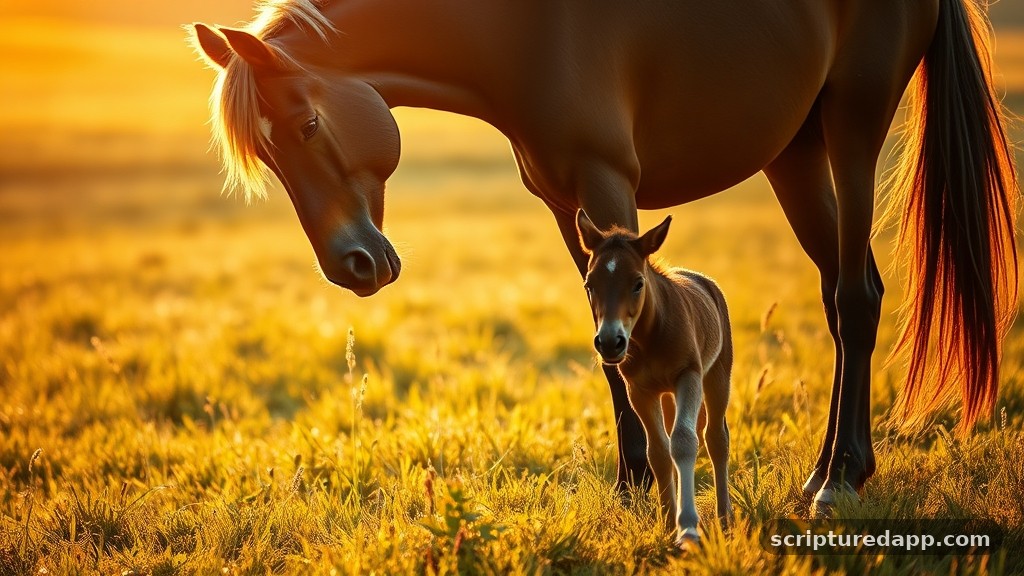
At its most basic level, the term refers to the act of a male animal, particularly a mammal, begetting offspring. When you look up the word in a standard dictionary like Merriam-Webster, you will find that it is primarily linked to the male parent of an animal.
This is a technical term often used in animal husbandry, such as horse breeding or cattle farming. In these industries, the sire is the male progenitor, and the dam is the female.
The term has evolved to apply to humans, though its usage here is often formal, archaic, or literary. When someone uses the word in relation to a human, it carries a sense of lineage, nobility, or cold detachment. You wouldn’t typically hear someone say they “sired” their son in casual, modern conversation; instead, they might say they “fathered” him.
The nuance here is crucial. “Fathering” implies a nurturing, relational role, whereas “siring” focuses almost exclusively on the biological transmission of genetic material.
Grammatical Structure and Word Forms
If you are trying to understand the grammar behind the word, you are looking at the present participle form of the verb “to sire.” A participle sire describes an ongoing action or an adjective that characterizes a subject.
Because it is a verb, it changes form based on the tense you are using. You have the base form, the past tense “sired,” and the present participle “siring.”
Understanding these variations is helpful when you are reading older texts or formal breeding logs. In these contexts, you might see phrases like “the stallion is currently siring high-quality foals.”
This construction highlights that the act is happening in real-time or represents a general capability of the male. Being able to correctly identify and use these forms is a skill you’ll need if you are writing about biology, history, or creative fiction where formal language is required.
Siring in Biological and Breeding Contexts
In the world of agriculture and genetics, the term is far from archaic. It is a vital descriptor for tracking lineages and ensuring the health of a population.
Breeders often maintain a log of which male is responsible for which offspring to track traits like speed, temperament, or disease resistance. This is where the term finds its most frequent and accurate use today.
When a breeder discusses a sire, they are talking about the genetic legacy of that animal. This is not just about reproduction; it is about the quality of the offspring. In this sense, the word carries a weight of responsibility and selection.
The person managing the breeding program is intentionally choosing a sire to pass on specific characteristics. This deliberate act of selection is what differentiates animal husbandry from natural mating in the wild, where the term might still apply but the human intent is absent.
Etymology and Linguistic Connections
The word has deep roots in the English language, tracing back to the Middle Ages. It is related to “senior” and “sewer” in terms of its origin, essentially meaning a lord or an elder.
Over time, the meaning narrowed to focus on the male parent. Because of its history, it is closely related to many European languages.
If you compare the term to other languages, you will find similar words that capture the same biological concept. In French, the term “père” is standard, but the concept of a progenitor can be expressed through more technical vocabulary.
In Spanish, Portuguese, and Italian, the Latin roots remain visible, often focusing on the idea of the father as a source or origin. Interestingly, when you look at languages like German or Dutch, you see a focus on the biological act of begetting, similar to the way English speakers use the term.
The Role of Siring in Pop Culture and Fiction
Beyond biology, the word has taken on a life of its own in fantasy and science fiction. You will often see it used in vampire lore, where a primary vampire “sires” a new member of their coven.
In this context, the meaning shifts from biological reproduction to the act of transformation. The creator becomes the “sire,” and the created becomes the “childe.”
This usage has cemented the word in the public consciousness, even if it is not used in everyday speech. It implies a permanent, hierarchical bond. When a vampire sires someone, there is an inherent power dynamic involved.
This fictional application has made the word feel more intense and dramatic than it might otherwise seem. It is a reminder of how language can be repurposed to create new, specialized meanings within the constraints of a story’s world-building.
Comparison of Related Terms
It is helpful to see how this word stacks up against its synonyms. While they might share a dictionary definition, their connotations are vastly different. Understanding these differences allows you to choose the right word for the right situation.
| Term | Primary Context | Connotation |
|---|---|---|
| Fathering | Human, familial | Nurturing, relational, active |
| Siring | Animal, formal, literary | Biological, detached, authoritative |
| Procreating | Biological, scientific | Technical, neutral |
| Begetting | Archaic, biblical | Solemn, historical |
As shown in the table, the choice of word changes the entire tone of a sentence. If you are writing a technical report on cattle breeding, you would use “siring.” If you are writing a memoir about your relationship with your father, you would definitely avoid that word in favor of something more personal.
Cultural Variations and Global Perspectives
While we focus on the English usage, the concept exists across the globe. Whether you look at Japanese or Chinese contexts, the idea of patrilineal descent is central to their societal structures. However, the specific vocabulary used to describe the “siring” act in those languages often carries different cultural baggage.
In some cultures, the focus is on the honor of the family name, while in others, it is on the preservation of a bloodline. When you are looking for an entry citation in a global dictionary, you will notice that the translation often depends on whether the word is being used in a formal, religious, or casual setting. This global perspective is a great way to deepen your understanding of how basic human functions are categorized and labeled across different societies.
Topical Gaps: Addressing Common Misconceptions
Many people search for this term because they encounter it in legal documents or historical texts and find it confusing. One common gap is the confusion between “siring” and “breeding.” While they are related, breeding is the entire process of managing mating, whereas siring is the specific act of the male providing the genetic input.
Another common point of confusion is whether the word can be used for females. In strictly biological terms, it is reserved for males. If a female produces offspring, she is the “dam” or the “mother.”
Using the term for a female is technically incorrect in almost every context, whether you are talking about humans, horses, or domestic pets. Clarifying these distinctions is essential for anyone trying to use the word with precision.
Practical Application in Modern Writing
If you are a writer, you might be tempted to use the word to add a sense of gravitas or formality to your prose. This can be an effective technique, but it must be handled with care. Using it where it doesn’t belong can make your writing sound forced or unintentionally cold.
* Use it when discussing lineages and history.
* Use it in fantasy settings involving transformation or supernatural bonds.
* Use it in technical or agricultural writing about animal husbandry.
* Avoid it in casual, emotional, or family-oriented writing.
By following these simple guidelines, you can ensure that your use of the word feels natural and appropriate to the reader. It is a powerful tool, but like any specialized word, it requires a clear understanding of its boundaries.
FAQs
What is the most accurate synonym for siring?
The most accurate synonym depends on your context. In a biological sense, “procreating” is the closest. In a familial sense, “fathering” is the standard. If you are aiming for a more archaic or literary tone, “begetting” is the most appropriate alternative to use.
Is it ever correct to use siring for a human female?
No, it is not correct. The term is specifically reserved for the male parent in both biological and linguistic traditions. Using it to describe a mother or a female animal is technically inaccurate and would be considered a misuse of the word in almost any formal or scientific setting.
Why does the word siring sound so cold?
The word feels cold because it strips away the emotional and relational aspects of parenting. It focuses entirely on the biological transmission of DNA. Because it is so frequently used in animal breeding and historical records of lineage, it has lost the warmth associated with modern human family dynamics.
How do I use this word in a sentence correctly?
You should use it when describing the male role in reproduction, particularly when lineage or genetic traits are the focus. For example: “The champion stallion was responsible for siring many of the farm’s prize-winning colts.” This highlights both the biological act and the significance of the offspring.
Conclusion
Understanding the siring meaning provides a window into how we categorize the fundamental act of reproduction. While it is a term that has shifted from common usage to more specialized roles in biology, literature, and history, its precision remains useful. Whether you are navigating a document on livestock genetics or analyzing the power dynamics in a fantasy novel, recognizing the nuance behind this word helps you communicate more effectively.
By choosing your words carefully, you can convey the exact level of formality and biological intent you need. Feel free to explore these linguistic connections further, and don’t hesitate to consult a dictionary if you encounter a context that challenges your current understanding of the term.