

The term palazzo serves as a linguistic bridge between the grandeur of Renaissance history and the relaxed silhouettes of modern fashion. At its core, the palazzo meaning is deeply rooted in the Italian language, where it serves as a descriptor for a specific type of urban dwelling. However, as the term traveled across borders and centuries, its definition expanded significantly.
Today, a casual observer might encounter the word while browsing a high-fashion boutique, while a history enthusiast might use it to describe a sprawling, ornate building in the heart of Rome or Florence. Understanding this evolution requires looking at both the structural significance of the term in architecture and its metaphorical shift into the world of textiles and garment design.
The Etymology and Historical Roots of Palazzo
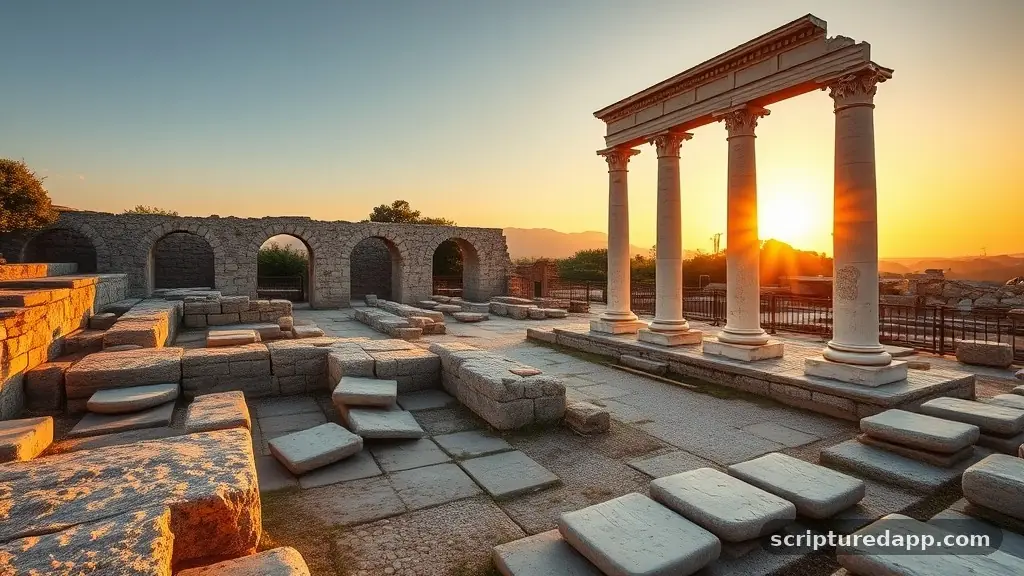
To truly grasp the palazzo meaning, one must first look at its linguistic ancestors. The word derives from the Latin palatium, which refers to the Palatine Hill in Rome—the site where the emperors of the Roman Empire built their residences.
Over time, the Latin root evolved into the Italian palazzo. In the context of Italian history, this term was never applied to just any home; it was reserved for the grand, imposing residences of the aristocracy, the wealthy merchant class, and the high-ranking clergy.
During the Renaissance, the building became a symbol of status and civic power. Unlike a castle or a fortress, which prioritized defense through high walls and moats, a palazzo was designed to reflect the prestige of its owner through aesthetic beauty and scale. It was a statement of wealth that sat directly within the urban fabric.
These structures often featured a ground floor used for commerce or service, with the main floor—the piano nobile—reserved for the family’s formal living quarters. This specific architectural typology is what defined the term for centuries, cementing its place in the European lexicon as a synonym for a grand urban palace.
Architectural Significance in the Italian Landscape
The architectural legacy of the palazzo is perhaps most visible in cities like Florence, Venice, and Rome. When you walk through the streets of these historic centers, the buildings you see are not merely houses; they are historical texts written in stone. The classic design typically involves a rectangular floor plan, a central courtyard known as a cortile, and a facade that emphasizes horizontal lines and symmetry.
The Italian influence on urban planning meant that these buildings were designed to interact with the city. The ground floor usually featured large, heavy stonework, while the upper levels became progressively lighter and more refined, utilizing arched windows and decorative cornices. This progression guided the eye upward, emphasizing the height and presence of the structure.
Many of these sites, such as the Palazzo Medici Riccardi in Florence, helped establish the aesthetic standards for Western architecture for centuries. Even today, when architects discuss the “palazzo style,” they are referring to this specific balance of monumental scale, internal courtyards, and rhythmic facade design that was perfected during the 15th and 16th centuries.
The Shift from Architecture to Fashion
While the term originated in the realm of building design, the mid-20th century saw a dramatic shift in how the word was used. In the world of textiles, the palazzo label was applied to a style of trousers that appeared to defy the restrictive conventions of the era.
These garments, known as palazzo pants, were characterized by their wide legs and loose, flowing fabric. The connection between the architectural style and the clothing is subtle but logical: just as a grand building provides a sense of open, expansive space, these pants were designed to provide the wearer with freedom of movement and a voluminous, dramatic silhouette.
This fashion innovation took off in the 1960s and 1970s, becoming a staple of bohemian and high-fashion wardrobes alike. Designers were looking for ways to combine the comfort of loungewear with the sophistication of evening wear.
By using light, fluid fabrics that moved gracefully with the body, they created a look that felt both regal and incredibly relaxed. The pants were often high-waisted and flared out from the hip, creating a long, elegant line that mimicked the grandeur of the structures from which they took their name.
Defining Palazzo Pants in Modern Context
When someone asks about the palazzo meaning in a clothing store today, they are almost certainly referring to these wide-legged trousers. Unlike standard slacks or jeans, these garments are designed to be loose-fitting through the entire leg, often billowing out at the hem. This design choice serves a dual purpose: it offers unparalleled comfort during the heat of summer, and it creates a striking visual impact that can be dressed up or down depending on the fabric choice.
To help distinguish between different types of wide-legged trousers, the following table compares common styles often confused with the classic palazzo cut:
| Style Name | Leg Silhouette | Primary Material | Best Occasion |
|---|---|---|---|
| Palazzo Pants | Extremely wide, flowing | Silk, Rayon, Chiffon | Formal or Resort wear |
| Culottes | Wide, cropped at mid-calf | Cotton, Linen, Wool | Casual or Office |
| Wide-Leg Jeans | Structured, flared | Denim | Everyday casual |
| Bell Bottoms | Fitted thigh, flared ankle | Denim or Corduroy | Retro-themed events |
Cultural Variations and Global Usage
The term has transcended its Italian roots to become a recognized word in the American and global dictionary. However, it is important to note that the usage varies depending on the region and the context.
In Italy, the word remains firmly attached to buildings, whereas in the English-speaking world, the fashion connotation is arguably more frequent in everyday conversation. This is a common phenomenon in language, where the secondary, metaphorical meaning of a word eventually overshadows its original, literal definition due to the frequency of use in popular culture.
Interestingly, in some parts of the world, specifically in regions with historical ties to Mediterranean trade and colonization, the word has been adopted into local dialects. In some areas, the term might be used loosely to describe any large, impressive building, even if it doesn’t strictly adhere to the Renaissance architectural rules.
This fluidity is a hallmark of how languages evolve; they take a rigid concept—like a specific type of building—and soften it over time to suit the needs of a broader, more diverse population. You can explore more about the history of such architectural terms through the Encyclopaedia Britannica, which provides authoritative documentation on the evolution of structural design.
Common Misconceptions and Linguistic Nuances
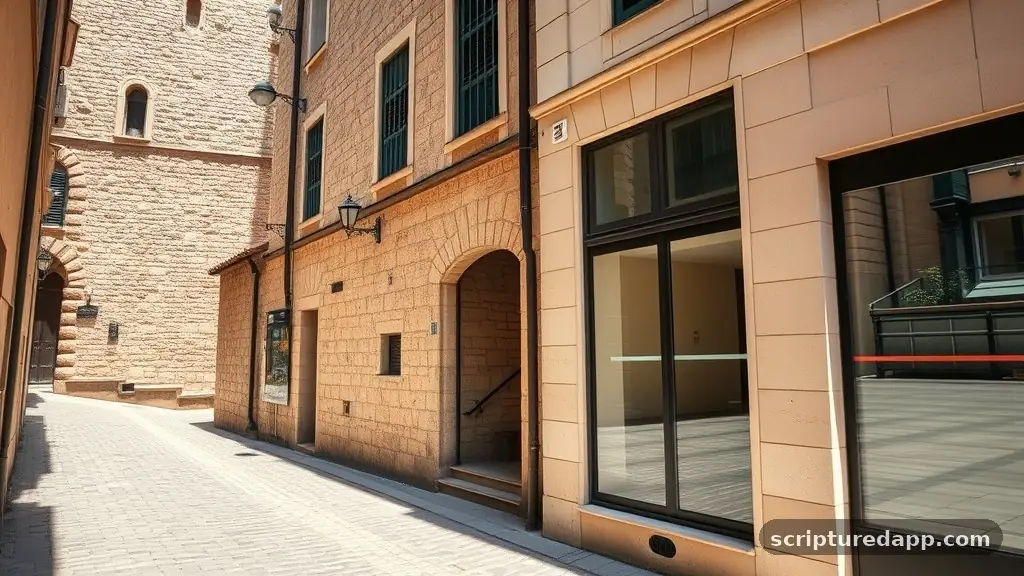
One common point of confusion arises when people try to apply the palazzo meaning to other languages, such as Spanish or French. While the word palais in French or palacio in Spanish share the same Latin etymology and refer to palaces, they do not carry the exact same architectural connotations as the Italian palazzo.
In Italian, there is a distinct difference between a palazzo (an urban residence) and a villa (a country estate). A villa is typically surrounded by gardens and is associated with leisure and agricultural management, whereas a palazzo is inherently a city-dwelling construct.
Another point of confusion is the pronunciation. In English, speakers often struggle with the double ‘z’ sound. In standard Italian, the ‘zz’ is pronounced as a sharp ‘ts’ sound, similar to the word “pizza.”
Mispronouncing it as a soft ‘z’ is a common linguistic error for non-native speakers. Understanding these nuances is part of the natural process of learning a foreign term, as it involves recognizing that words are not just abstract labels but are deeply connected to the sounds and cultural expectations of their origin country.
Why the Term Remains Popular
The enduring popularity of the word rests on its versatility. Whether it is being used to describe the long history of an old, stone-carved building in Sicily or a pair of lightweight trousers chosen for a beach vacation, the word conveys a sense of elegance and scale. It implies something that is not small or ordinary.
When a building is called a palazzo, it commands respect. When a piece of clothing is described as palazzo-style, it suggests a level of refinement and intentional design that sets it apart from more utilitarian garments.
The word has also found a home in the hospitality industry. Many luxury hotels and resorts incorporate the word into their names to evoke images of grandeur, history, and exclusive service.
By using this term, these businesses are tapping into the psychological association between the word and the experience of living like royalty. It is a powerful marketing tool that relies on our collective understanding of what a palace represents: a sanctuary of beauty, comfort, and status.
Addressing Topical Gaps: Palazzo vs. Other Urban Dwellings
A frequent question that arises is how a palazzo differs from other urban structures like a townhouse or a mansion. While these terms are sometimes used interchangeably, there are distinct differences. A townhouse is typically a narrow, multi-story structure that shares walls with neighboring buildings.
A mansion is a vague term that simply refers to a large, opulent house. The palazzo, however, is defined by its specific historical and architectural requirements: the piano nobile, the central courtyard, and the urban integration.
Furthermore, some users wonder if the term can apply to modern apartment buildings. Technically, the term is reserved for historical, single-family dwellings of the aristocracy. However, in modern Italian, the word palazzo is often used in a more generic sense to refer to any large, multi-story apartment block in a city.
This is a fascinating example of language drift where the term has been “democratized” to describe the everyday reality of urban living. If you are looking to build a list of architectural terms, it is helpful to keep this distinction in mind: the historical, elite meaning versus the colloquial, modern meaning.
The Role of Fabric and Design in Clothing
For those interested in the fashion side of the palazzo meaning, it is essential to understand the importance of fabric choice. Because these trousers are designed to be voluminous, they require materials that drape well. Stiff, heavy fabrics like thick cotton or denim can sometimes make the pants look too bulky or structured, losing the fluid, elegant movement that is the hallmark of the style.
Designers often opt for:
- Silk or satin for formal evening events.
- Rayon or viscose for a lightweight, breathable feel.
- Chiffon for a layered, ethereal look.
- Lightweight linen for a sophisticated, summery aesthetic.
This choice of material is what separates a truly “palazzo” garment from a simple pair of wide-leg trousers. The drape is everything.
If the fabric does not move with the wind or the body, the garment fails to capture the essence of the style. This attention to detail is what makes the fashion industry’s adoption of the term so successful—it is a commitment to a specific, graceful silhouette that references the elegance of the original architecture.
Future Trends and Linguistic Evolution
As we look toward the future, the word palazzo will likely continue to evolve. In architecture, we are seeing a trend toward “neo-palazzo” designs, where modern architects incorporate the traditional elements of symmetry and courtyards into contemporary residential buildings. This shows a desire to reclaim the human-scale, community-oriented design of the past while utilizing modern materials like steel and glass.
In fashion, the palazzo pant remains a cyclical trend. Every few years, designers return to the wide-leg silhouette as a reaction against the restrictive, tight-fitting styles that periodically dominate the market. This oscillation ensures that the term remains relevant and fresh.
Whether you are studying the history of the Italian Renaissance or simply looking for the most comfortable pants to wear on a hot day, the term provides a rich, multi-layered experience. It is a word that reminds us that beauty, whether in stone or silk, is a timeless pursuit.
FAQ Section
What is the original meaning of palazzo?
The original meaning refers to a grand, urban residence of the Italian aristocracy during the Renaissance. It is derived from the Latin palatium, associated with the Palatine Hill in Rome, and denotes a building with a central courtyard and a formal main living floor.
What is meant by palazzo pants?
Palazzo pants are a style of women’s trousers characterized by extremely wide, flowing legs that flare out from the waist. They are typically made from light, breathable fabrics like silk or rayon, designed to offer comfort and a sophisticated, dramatic silhouette during warm weather.
What does palazzo translate to in English?
In English, the word is usually translated as “palace” or “mansion,” especially when referring to the grand historical buildings of Italy. However, in the context of fashion, it is used as a specific adjective to describe the wide-leg, loose-fitting style of trousers described above.
Is palazzo used as slang?
Generally, no. While the word has evolved to describe modern apartment blocks in Italy, it is not typically used as slang in English. It maintains a connotation of elegance, history, or specific fashion design, rather than being a colloquial term for something else entirely.
Meta Description: Discover the palazzo meaning, from its historical roots as a grand Renaissance residence to its modern evolution as a popular wide-leg fashion staple.