
The term elope has evolved significantly over the centuries, shifting from a clandestine act of running away to a deliberate, intimate choice for couples starting their lives together. Understanding the true elope meaning requires looking beyond the dictionary definition to appreciate how modern society has reclaimed the concept as a symbol of autonomy and intention.
Whether you are considering a private ceremony or simply curious about the cultural history of the practice, grasping the nuance behind this word helps clarify why so many people are choosing smaller, more meaningful celebrations. This exploration covers the historical roots, legal implications, and current trends defining the practice today.
Historical Roots and the Traditional Definition
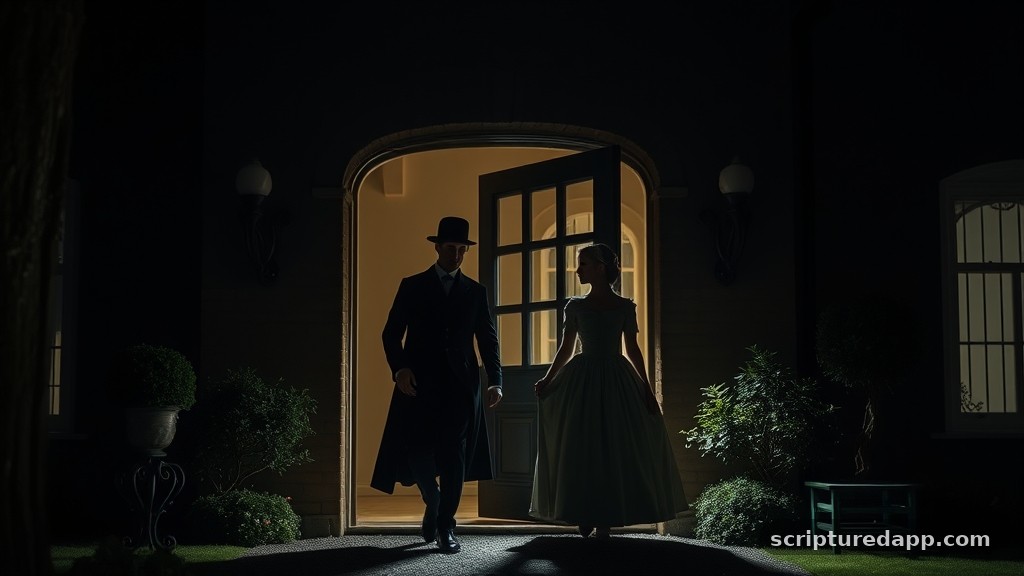
Historically, the act of eloping was shrouded in secrecy and social rebellion. According to the Merriam-Webster dictionary, the primary definition involves running away secretly with the intention of getting married, often to avoid the disapproval of parents or guardians. In centuries past, this was not merely a romantic gesture but a desperate flight from restrictive social norms or class-based barriers that prevented two people from being together.
The word itself originates from the Middle English and Anglo-French terms that implied a departure or an escape. For generations, the stigma associated with the term was strong; it implied a lack of legitimacy or a slight against one’s family.
Couples would leave their homes in the middle of the night, seeking a distant town where their identities were unknown and their marriage license could be signed without familial interference. This historical context provides the foundation for why the word still carries a hint of “running away” in common parlance.
The Evolution of Modern Elopement
Today, the modern elopement has undergone a complete transformation. It is no longer synonymous with shame or social exile.
Instead, it represents a conscious decision to prioritize the core of the relationship—the commitment between two people—over the spectacle and logistical burden of a traditional, large-scale wedding. Modern couples often view this choice as a way to reclaim their agency.
The contemporary interpretation focuses on intimacy rather than secrecy. Many people now define this as an intentionally small, private event that centers on the couple’s unique preferences.
By removing the pressure of performing for a large crowd, partners can focus entirely on their vows. This shift signifies a move toward authenticity, where the primary goal is to be married in a setting that reflects personal values rather than societal expectations.
Legal Realities and Marriage Requirements
One of the most common misconceptions is that an elopement is somehow less “legal” than a traditional wedding. In reality, the legal requirements for marriage remain identical regardless of the size of the guest list. Whether you are hosting three hundred people in a ballroom or standing on a mountain peak with only an officiant, the marriage license process follows the same statutory guidelines.
To ensure your union is recognized, you must navigate the specific legal landscape of the jurisdiction where the ceremony takes place. This involves obtaining a marriage license, having a qualified officiant sign the document, and ensuring there are witnesses if the local law requires them. Eloping does not mean bypassing the law; it simply means choosing a path that streamlines the bureaucratic process into a more personal experience.
Comparing Traditional Weddings and Modern Elopements
When deciding between a traditional celebration and an intentional, smaller ceremony, it is helpful to look at how these two paths differ in practice. The following table highlights the structural differences often encountered by couples during the planning phase.
| Feature | Traditional Wedding | Modern Elopement |
|---|---|---|
| Guest Count | High (50-300+) | Low (0-20) |
| Planning Time | 12 to 18 months | 1 to 6 months |
| Primary Focus | Hosting and tradition | Intimacy and experience |
| Cost Profile | Variable/High | Budget-friendly to luxury |
Why Couples Choose to Elope
The motivations behind choosing a smaller, private ceremony are as varied as the couples themselves. For many, the financial burden of a large wedding is the primary deterrent. The average cost of a standard wedding has risen steadily, leading many to seek alternatives that allow them to invest their resources into experiences like travel, a home, or a meaningful honeymoon instead of a single day of catering and decor.
Another significant factor is the desire to avoid family drama or the stress of navigating conflicting expectations. A traditional wedding often becomes a balancing act of pleasing parents, extended family, and friends. By choosing to step away from these pressures, partners can ensure that their wedding day remains a reflection of their own desires rather than a compromise for others.
Addressing Topical Gaps in Cultural Perception
A common gap in the discussion surrounding this topic is the confusion between “eloping” and “destination weddings.” While they share some similarities, they are distinct entities. A destination wedding usually involves a large guest list traveling to a specific location, whereas an elopement is defined by its small size and the lack of traditional reception requirements.
Another overlooked aspect is the psychological benefit of a quiet, private union. Many couples report feeling a deeper sense of connection when they are not distracted by the logistical demands of a large event.
This focus on the “verb” of getting married—the act of joining lives—allows for a more profound emotional experience. Understanding this distinction helps clarify why the trend is not just a fad, but a sustainable shift in how people view the commitment of marriage.
Logistics and Planning Considerations
Even though you are skipping the grand banquet, planning an intimate ceremony still requires attention to detail. You will need to scout locations, secure an officiant, and ensure your paperwork is in order. Many couples find that hiring a professional planner who specializes in small, adventure-based, or boutique weddings is a smart way to manage the logistics without the stress of a traditional wedding coordinator.
You should also consider the “announcement” phase. Just because you chose to keep the event private does not mean you cannot share the news with your community later. Many people choose to send out cards, host a casual dinner party after the fact, or post photos on social media to celebrate their union with friends and family once the pressure of the ceremony has passed.
The Role of Location in Modern Elopements
The location is often the centerpiece of a modern elopement. Because the guest count is low, couples have the freedom to choose venues that would be impossible for a large group to access. This includes secluded beaches, mountain overlooks, national parks, or even historic landmarks.
Choosing a location that holds personal significance can add a layer of depth to the ceremony. It is about creating a memory that belongs solely to the couple. When you remove the need for a dance floor and a stage, the world becomes your venue, allowing for a level of creativity and personalization that is rarely possible in a traditional banquet hall setting.
Synonyms and Nuanced Language
Language matters when discussing this topic. While the dictionary definition of eloping is straightforward, the synonyms and related phrases people use often frame the experience differently. Terms like “micro-wedding,” “private ceremony,” or “intimate union” are often used to soften the historical stigma associated with the word “elope.”
It is useful to be aware of these synonyms because they can help you communicate your plans to others without triggering the outdated connotations of “running away.” If you find that using the word “elope” causes confusion or concern among family members, explaining that you are planning an “intimate, private ceremony” is often a more effective way to convey your intent.
Behavioral and Medical Contexts
It is worth noting that the word has applications outside of marriage. In medical and behavioral contexts, “elopement” refers to a situation where a patient, typically one with cognitive impairment or a child, wanders away from a supervised environment. This is a critical distinction to keep in mind, as the word is not exclusively used for romantic unions.
When reading articles or searching for information, context is key. If you are researching the term in a psychological or caregiving context, you will find information regarding safety protocols, supervision, and preventing individuals from leaving secure facilities. This starkly contrasts with the romantic, elective nature of a couple choosing to marry in private.
FAQ Section
Is eloping legally the same as a traditional wedding?
Yes, the legal process is identical. You must obtain a marriage license, meet residency requirements, and have your marriage certificate signed by an authorized officiant and witnesses if required by law. The legal status of your union is exactly the same as any other marriage.
What is the difference between an elopement and a micro-wedding?
The main difference is the guest list size. An elopement typically involves only the couple and an officiant, or perhaps a handful of witnesses. A micro-wedding usually involves a small group of guests, often under 50, and may include traditional elements like a reception or meal.
Why do people still use the word elope?
Despite the historical baggage of the word, many couples use it to reclaim its meaning as a symbol of autonomy. It serves as a concise way to explain that they are choosing a private, intentional path to marriage that focuses on their relationship rather than a large event.
Can I have a ceremony if I elope?
Absolutely. Choosing to elope does not prevent you from having a ceremony. In fact, most couples who elope prioritize the ceremony above all else. You can write your own vows, include personal readings, or perform rituals that are meaningful to you, just as you would in a larger wedding.
Conclusion
The modern understanding of what it means to elope has moved far beyond the outdated notion of a secret, shameful escape. Today, it stands as a bold, intentional choice to prioritize intimacy, authenticity, and personal connection over the demands of a traditional wedding. Whether you are driven by a desire for financial freedom, a need for privacy, or simply a wish to celebrate your union in a way that feels true to your relationship, this path offers a valid and beautiful alternative.
By focusing on the core commitment of marriage rather than the peripheral expectations of others, you can create a day that truly reflects who you are as a couple. If you are considering this journey, take the time to define your own meaning and embrace the freedom that comes with it.