
Exploring the true cameroon meaning requires a journey back to the age of discovery, when explorers first encountered the lush landscapes of Central Africa. While many people recognize the name as a modern nation-state, its linguistic roots are tied to the natural environment that greeted early Portuguese navigators.
Understanding how this name evolved provides a unique perspective on the colonial history and geographical identity of this vibrant African region. You’ll find that the name is not just a political label but a reflection of a specific biological observation, marking the intersection of language, exploration, and the raw beauty of the west coast.
The Portuguese Origins of the Name
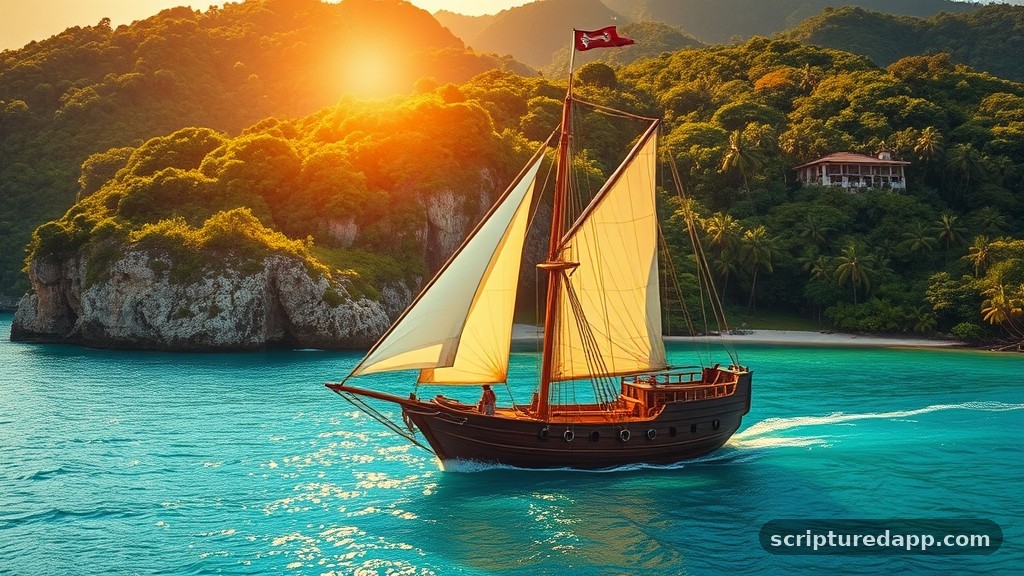
The story of the name begins in the 15th century when Portuguese explorers sailed along the shores of what is now the Republic Cameroon. Led by the navigator Fernando Pó, these sailors reached the estuary of the Wouri River.
They were struck by the sheer abundance of crustaceans inhabiting the waters, specifically a type of shrimp or prawn. In their native language, they called these creatures “camarões.”
This term, meaning shrimp, was used to christen the river itself, which they dubbed the “Rio dos Camarões” or “River of Prawns.” Over the centuries, this designation transitioned from a specific river name to represent the entire coastal territory. It serves as a classic example of how European explorers often imposed their own descriptive labels on the landscapes they encountered, regardless of the existing local nomenclature.
Linguistic Evolution and Colonial Influence
As European powers began to formalize their control over Africa, the Portuguese term underwent various transliterations. The transition from “Camarões” to “Cameroon” reflects the influence of different colonial administrations.
When the Germans arrived in the late 19th century, they adapted the name to “Kamerun.” This period of German administration solidified the borders of the territory, turning the coastal designation into a broader regional identity.
Following the First World War, the territory was divided between British and French mandates. The British utilized the anglicized “Cameroon,” while the French adopted “Cameroun.”
This dual naming convention persists in the country’s modern status as a bilingual nation. Today, both versions are used officially, highlighting the unique historical path that shaped the nation’s political structure and linguistic landscape.
Geographic Significance of the Coast
The west coast of the continent is defined by its dramatic topography, which played a crucial role in the naming process. The estuary where the Portuguese first landed is a complex ecosystem. It is a region where the river meets the Atlantic Ocean, creating the perfect habitat for the shrimp that inspired the name.
Understanding the cameroon meaning is incomplete without appreciating the biodiversity of this coastal region. The interaction between the freshwater systems and the ocean currents created a maritime environment that was incredibly productive.
For the early explorers, this productivity was a sign of a land rich in resources. This observation helped cement the identity of the region in international maps for centuries to come.
The Highest Peak and Volcanic Legacy
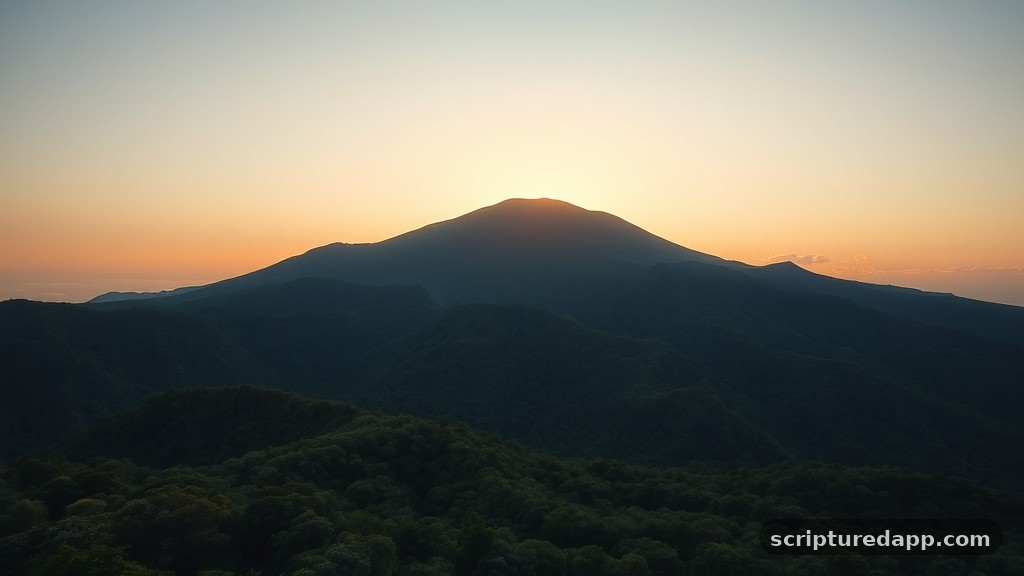
While the name comes from the river, the nation is equally defined by its impressive vertical landscape. Mount Cameroon, often referred to as the highest peak in the region, is an active volcano that dominates the skyline. This geological marvel is a defining feature of the country’s geography and has been a site of human settlement and ritual for generations.
The presence of this massive mountain provides a stark contrast to the coastal lowlands. It serves as a reminder of the tectonic forces that shaped the region, influencing everything from soil fertility to local climate patterns.
When you see the mountain rising above the clouds, you understand why it holds such deep cultural significance for the Cameroonian people. It is a symbol of endurance and natural power that stands in tandem with the coastal identity defined by the river.
Deciphering Topical Gaps in Cultural Context
What is the cultural significance of the name beyond the river?
Beyond the etymological roots of the shrimp, the name represents a synthesis of cultures. The country is often called “Africa in miniature” because it contains almost every major climate and vegetation zone found on the continent. The name has grown to encapsulate this diversity, representing a mosaic of over 250 ethnic groups.
Are there local names for the region that predate the colonial label?
Yes, before the arrival of Europeans, the various ethnic groups living in the region had their own names for their territories and rivers. The Wouri River, which the Portuguese named, had local designations used by the Duala people. These indigenous names are still preserved in oral traditions and are vital for maintaining a sense of pre-colonial history.
How does the bilingual nature of the name affect daily life?
The duality of the name—Cameroun and Cameroon—reflects the country’s official bilingual status. In schools, government offices, and national media, both English and French are used. This creates a unique national identity where citizens often navigate both linguistic worlds, which is a direct consequence of the colonial mandates that followed the First World War.
The Role of the Cameroons in Historical Records
The term “the Cameroons” was frequently used in historical documents to refer to the British and French mandates. This pluralization highlights the fragmented nature of the territory during the 20th century. Historical records and dictionary entries from that era often distinguish between the different administrative zones, showing how the name became a political instrument.
When you look at a log of colonial administrative papers, you’ll notice how the name was applied to define borders and trade rights. These documents are essential for researchers trying to understand how the modern state was formed.
They reveal the tension between local populations and the external powers that sought to define the land through their own bureaucratic lenses. You can find more information about the historical boundaries of this region through the Britannica entry on Cameroon, which provides a detailed timeline of its political evolution.
Comparing Regional Designations
It is helpful to compare how the name has been used in various contexts to understand its linguistic flexibility. The following table illustrates how the term has shifted across different colonial and modern frameworks.
| Era/Context | Name Used | Primary Influence |
|---|---|---|
| 15th Century | Rio dos Camarões | Portuguese |
| 1884–1916 | Kamerun | German |
| 1919–1960 | British/French Cameroons | Mandate System |
| Modern Day | Republic Cameroon | International Standard |
Common Misconceptions and Modern Usage
A common mistake is assuming that the name has a singular, static meaning. In reality, the word has been subject to constant reinterpretation. Some modern interpretations attempt to move away from the colonial “shrimp” origin, focusing instead on the nation’s contemporary identity as a hub of cultural diversity.
However, the historical origin remains a popular subject of study. Many people are surprised to learn that a simple crustacean gave rise to the name of a nation. This realization often changes how people perceive the country, moving it from a generic political entity to a place with a tangible, if slightly whimsical, history.
The Longest Rivers and Geographical Connections
The geography of the country is characterized by a network of waterways, with the longest rivers acting as the lifeblood of the interior. These rivers were the original highways for trade and communication long before modern roads were constructed. The connection between the name and the water is not just a historical anecdote; it is a fundamental truth about how the country operates.
Waterways facilitate agriculture, transportation, and energy production. The Wouri, which gave the country its name, remains a critical artery for economic activity.
By studying these geographical features, you gain a better understanding of why the early explorers were so captivated by the coastal regions. The environment dictated the naming, and in many ways, it continues to dictate the country’s development.
Cultural Identity and Modern Cameroonian Life
Being Cameroonian today is a complex identity that balances local heritage with the globalized world. The name serves as a bridge between the past and the future. Whether it is through the arts, sports, or literature, the people of this nation are constantly redefining what their country stands for on the world stage.
* Diverse ethnic traditions and languages.
* A vibrant culinary scene influenced by the coast and interior.
* A strong emphasis on education and bilingualism.
* The integration of traditional governance with modern political systems.
These elements combine to create a dynamic society that is much larger than its colonial-era name. The meaning of the name is now defined by the people who live there, rather than the explorers who first mapped the coast. It is a living, breathing identity that evolves with every generation.
Frequently Asked Questions
What is the most common translation of the name?
The name is widely accepted as having been derived from the Portuguese “camarões,” which translates to “shrimp” or “prawns.” This name was originally applied by Portuguese explorers to the Wouri River estuary due to the abundance of crustaceans they observed in those waters during the 15th century.
Is the name used differently in French and English?
Yes, the spelling reflects the colonial history of the nation. In French-speaking regions and official documents, it is spelled “Cameroun,” while in English-speaking contexts, it is “Cameroon.” Both spellings are correct and are used interchangeably depending on the language of communication and the specific regional context.
Why is it sometimes called Africa in miniature?
It is called this because of its incredible geographical and cultural diversity. Within its borders, you can find coastal beaches, rainforests, savannas, and mountainous regions like the highest peak, Mount Cameroon. This variety of landscapes and ethnic groups makes it a microcosm of the entire African continent.
Does the name have any slang meanings?
While the name itself is a formal geographical designation, you may occasionally encounter local slang or colloquialisms that reference the country’s identity. However, these are typically context-dependent and evolve within specific social groups, rather than being a standard or universal redefinition of the country’s official name.
Conclusion
Understanding the cameroon meaning provides a fascinating window into how geography, language, and colonial history intersect to create a national identity. From the Portuguese sailors who named the river after shrimp to the modern, bilingual nation that stands today, the name has traveled a long path. It reflects a history of exploration, division, and eventual unification into a diverse and resilient society.
As you look deeper into the history of this region, you’ll find that the name is merely the starting point for a much larger, more complex story. Whether you are interested in the colonial archives or the vibrant modern culture, there is always more to discover about this unique corner of the world. We encourage you to explore the rich history and contemporary culture of the region further to appreciate the depth behind the name.