
The term Bluto meaning often triggers an immediate association with the iconic antagonist of the Popeye the Sailor universe. For millions of viewers, this character represents the quintessential archetype of the aggressive, hulking rival who serves as the primary obstacle for the protagonist.
While the name itself has evolved over decades of animation history, its cultural footprint remains fixed on the image of a barrel-chested, bearded villain. Understanding the deeper significance of this character requires looking beyond the screen and into the history of American comic strip culture and the creative shifts within legendary animation studios.
The Historical Roots of the Bluto Character
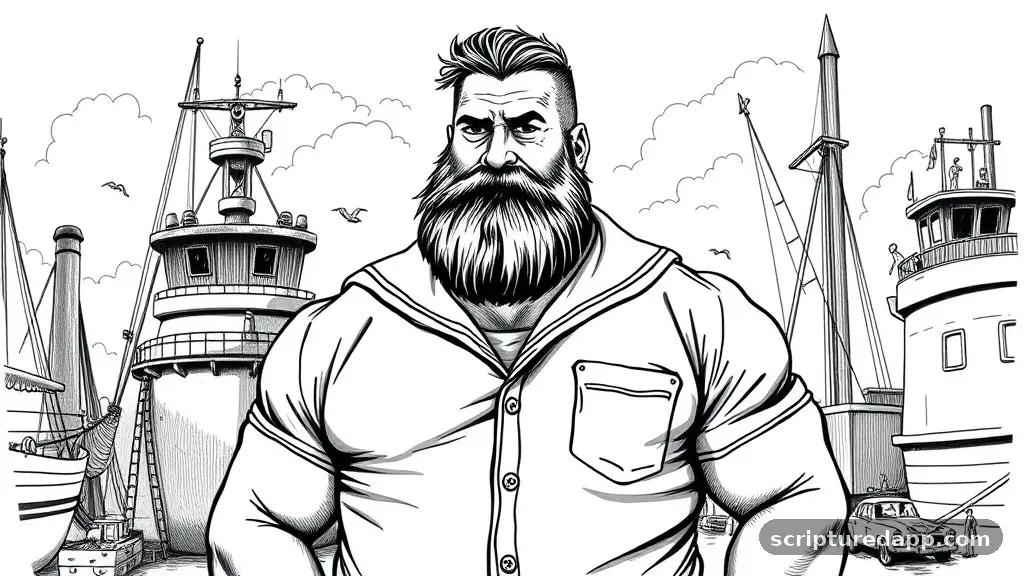
When we discuss the bluto meaning in a historical context, we are essentially tracing the evolution of the “heavy” in early twentieth-century storytelling. Created by E.C. Segar, this character first appeared in the Thimble Theatre comic strip on September 12, 1932.
He was introduced as a rough-and-tumble sailor, a man whose physical presence was designed to contrast sharply with the spindly, underdog physique of Popeye. In the early days, he was not just a villain; he was a force of nature. His role was to represent the brutal, unrefined side of human nature, providing a necessary foil to the sailor’s quirky, spinach-fueled moral compass.
The character’s physical design was deliberate. With his massive frame, dark black hair, and bushy beard, he embodied the “tough guy” trope that was popular in pulp fiction and early cinema. He was a man of action, though his actions were almost exclusively motivated by greed, vanity, or a desire to torment the weaker characters of the strip.
This foundation cemented the bluto meaning as a synonym for an unthinking, bullying antagonist. Over the years, the character transitioned from the printed page to cartoons produced by Fleischer Studios, where his personality became even more exaggerated through the medium of motion and sound.
The Confusion Between Bluto and Brutus
A common point of confusion for casual fans is the transition between the names Bluto and Brutus. For a significant time, many audiences were unsure if they were looking at the same character or two distinct entities. This name change occurred because of a misunderstanding regarding the ownership of the character.
When the Popeye cartoon series was being revived in the 1960s, the producers at King Features Syndicate mistakenly believed that the name “Bluto” was owned by the studio that originally animated the shorts, rather than by the estate of E.C. Segar.
To avoid potential legal hurdles, the studio decided to rename the antagonist “Brutus.” This new iteration kept the same physical appearance, the same aggressive demeanor, and the same obsession with Olive Oyl. For a generation of viewers, the bluto meaning became synonymous with the name Brutus, creating a semantic overlap that persisted for decades.
It was not until later research into the archives confirmed that the name Bluto was indeed free to use that the original moniker was restored. This administrative pivot serves as a fascinating case study in how intellectual property rights can influence the legacy of a fictional character.
The Role of the Antagonist in Popeye Cartoons
In the context of the Popeye sailor narrative, the antagonist serves a structural purpose. Without a strong, imposing adversary, the central theme of overcoming adversity through resilience—and, of course, spinach—would lack its necessary friction. The bluto meaning within the show is essentially “the insurmountable obstacle.”
He is the one who pushes the hero to his absolute limit. By consistently outmatching Popeye in raw power, he forces the audience to root for the smaller, more resourceful protagonist.
The dynamic between these characters is a classic example of the “hero vs. villain” binary found in mid-century television. Their conflicts are cyclical: the villain attempts to claim something that isn’t his, usually the attention or affection of Olive Oyl, and the hero must intervene.
This structure is simple, yet it has proven to be incredibly durable. The character’s persistence, even after being defeated repeatedly, is a testament to the idea that the “villain” must always return to provide the tension required for the next installment of the series.
Analyzing the Personality Traits of the Character
What defines the bluto meaning from a psychological standpoint? If we examine the behavior of this character, we see a consistent set of traits: impulsivity, lack of empathy, and a reliance on intimidation tactics. He is rarely portrayed as a mastermind or a subtle manipulator; instead, he is a blunt instrument.
His approach to conflict is always front-and-center, relying on his physical stature to get what he wants. This makes him a very relatable “baddie” for younger viewers, as his motivations are transparent and his failures are usually a direct result of his own arrogance.
Furthermore, he represents a specific type of male aggression that was common in the era of cartoons. He is the personification of the “bully” who has never learned to manage his emotions or respect the boundaries of others. While he is often depicted as a sailor, his occupation is secondary to his function as a disruptor of peace.
Whether he is working as a circus performer, a construction worker, or a criminal, the core of his identity remains the same. He is the guy who disrupts the good order of things, forcing the protagonist to re-establish justice through his signature brand of spinach-powered heroism.
The Cultural Significance of the Name
The name itself has taken on a life of its own. In modern parlance, calling someone a “Bluto” is a shorthand way of describing a boorish, physically imposing, and perhaps slightly dim-witted individual.
It has migrated from the specific Popeye cartoon context into the broader lexicon of slang. This is a common phenomenon for characters who have reached such a high level of cultural saturation; their names cease to be just labels for a person and become descriptors for a personality type.
This transition is bolstered by the tremendous impact that the original shorts had on American media. By appearing in theaters for decades, the character became a fixture of the cultural landscape.
Even people who have never sat down to watch a full series of the cartoons recognize the archetype he represents. The bluto meaning is now embedded in our collective memory, representing the quintessential “heavyset villain” who is destined to lose, yet who keeps showing up for another round of fisticuffs.
Evolution of Animation and Visual Style
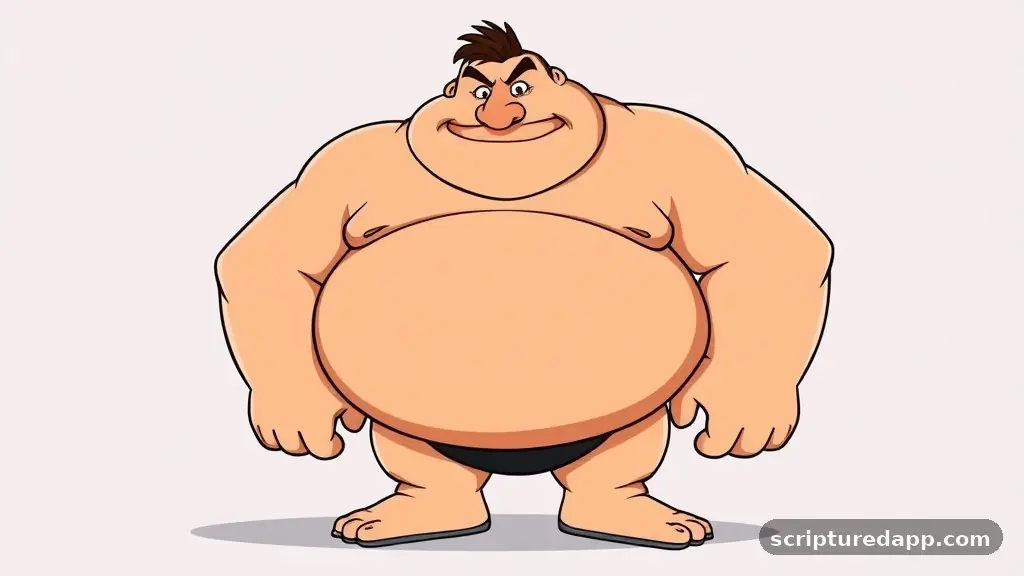
The visual evolution of the character provides insight into the history of animation studios. In the early black and white shorts, the character was drawn with a sharper, more jagged aesthetic, reflecting the gritty nature of the Depression-era comics.
As the series moved into color, the character’s design softened slightly, but his presence remained heavy and imposing. The use of color often highlighted his signature green shirt or black trousers, creating a visual language that audiences could instantly recognize.
This evolution wasn’t just about aesthetics; it was about the technical capabilities of the animators. As the studios grew more sophisticated, they were able to give the character more fluid movement, which only served to make his physical threats seem more dangerous.
The contrast between his heavy, clumsy movements and Popeye’s erratic, energetic fighting style is a hallmark of the animation of that time. You can learn more about the history of this animation style at the Library of Congress, which preserves the cultural heritage of American media.
The Impact of the Character on Later Media
The influence of this character extends well beyond his own series. He set the template for the “muscle-bound rival” that would go on to populate countless other animated works.
From Saturday morning cartoons to modern action-comedies, the archetype of the hulking villain who is easily outsmarted by a smaller, cleverer hero owes a debt to the legacy of the original sailor-rival. The bluto meaning essentially provided a blueprint for writers looking to create a quick, efficient antagonist who requires no long-winded explanation for his villainy.
Many other characters in television history share his DNA. They are the ones who occupy space, use their size to dominate scenes, and ultimately serve as the punchline to the hero’s victory.
The fact that the character could be reimagined as Brutus and then back to Bluto shows just how resilient this archetype is. It is not tied to a specific name, but to a specific set of behaviors and visual cues that audiences have learned to interpret as “the villain.”
Comparison of Key Character Attributes
When analyzing the bluto meaning, it is helpful to contrast him with other archetypal figures of the same era. The following table highlights the common attributes that defined this character in comparison to his primary rival.
| Attribute | Bluto (The Villain) | Popeye (The Hero) |
|---|---|---|
| Physical Stature | Massive, broad-shouldered | Short, lean, muscular forearms |
| Primary Motivation | Greed, ego, desire for control | Protection of others, justice |
| Method of Conflict | Brute force, intimidation | Resourcefulness, spinach-boost |
| Social Status | Often a rogue or opportunist | Working-class sailor |
This comparison illustrates how the two characters were designed to be polar opposites in every category, ensuring that their conflicts were always clear-cut and satisfying for the viewer.
Common Themes in the Narrative
The stories featuring this character often revolve around a few recurring themes: the acquisition of wealth, the pursuit of romance, and the struggle for dominance. In almost every episode, the bluto meaning is tied to the idea of “might makes right.”
He believes that because he is the strongest man in the room, he should be the one to dictate the outcome of any situation. This is a classic exploration of power dynamics, simplified for a general audience.
The recurring defeat of the character is also thematic. It reinforces the moral lesson that physical strength without character is ultimately hollow. No matter how many times he tries to win through force, he is consistently humbled by the protagonist.
This cycle is what makes the Popeye cartoon so enduring; it is a morality play disguised as a slapstick comedy. The villain is a necessary part of this cycle, providing the “hard” edge that makes the eventual victory of the “good” side feel earned.
The Lasting Legacy of the Character
Why do we still talk about the bluto meaning today? It is because he represents a fundamental human fear: the fear of the bully who has no regard for the rules.
By turning this fear into a cartoonish figure, we are able to process it, laugh at it, and ultimately see it defeated. The character is a reminder that while the world may be full of people who try to use their size and status to push others around, there is always a way to stand up to them.
His legacy is also tied to the history of the comic strip and the evolution of American popular culture. He was there at the beginning of the golden age of animation, and he has remained a part of the cultural zeitgeist ever since.
Whether he is being referenced in a modern meme or appearing in a classic rerun, his identity as the ultimate, unrepentant villain is secure. He is a piece of history that continues to inform how we tell stories about power, conflict, and the underdog.
Addressing Topical Gaps: The Deeper Meaning
One area often overlooked in discussions regarding the bluto meaning is the character’s role as a reflection of the economic anxieties of his time. Emerging during the Great Depression, he represented the threat of the “big guy” taking what belonged to the “little guy.”
His obsession with money, status, and control was a mirror held up to the very real struggles that the audience of the 1930s was facing. He wasn’t just a villain in a cartoon; he was a representation of the systemic forces that made life difficult for the average person.
Another gap in current discourse is the way the character’s voice and sound design contributed to his identity. The deep, booming voice, often punctuated by a guttural laugh, was essential to his characterization.
It signaled to the audience, even before they saw him on screen, that trouble was on the way. This auditory branding is a crucial part of the bluto meaning, creating an immersive experience that defined the character as much as his physical appearance did.
FAQ Section
Who created the character originally?
The character was created by E.C. Segar in 1932 for his famous Thimble Theatre comic strip. He was designed to be the primary antagonist for Popeye the Sailor, providing a necessary physical and personality foil to the protagonist’s heroic, underdog nature.
Why was his name changed to Brutus?
The name was changed to Brutus in the 1960s because the production team mistakenly believed that the name “Bluto” was under copyright by the studio that produced the original theatrical shorts. They chose Brutus as a replacement to avoid potential legal issues during the show’s revival.
What does the character represent in pop culture?
He represents the classic archetype of the “bully” or the “heavy.” He is the embodiment of brute force, ego, and unchecked aggression, serving as the necessary obstacle that the hero must overcome. His role is to provide the tension that drives the narrative forward.
Is Bluto considered a villain or just a rival?
He is definitely a villain, though his villainy is often cartoonish and motivated by petty desires rather than genuine malice. He is a recurring rival whose actions are consistently obstructive, making him the central antagonist in the vast majority of the classic Popeye storylines.
Meta Description: Discover the true Bluto meaning. Explore the history, evolution, and cultural impact of the iconic Popeye antagonist in this in-depth analysis.