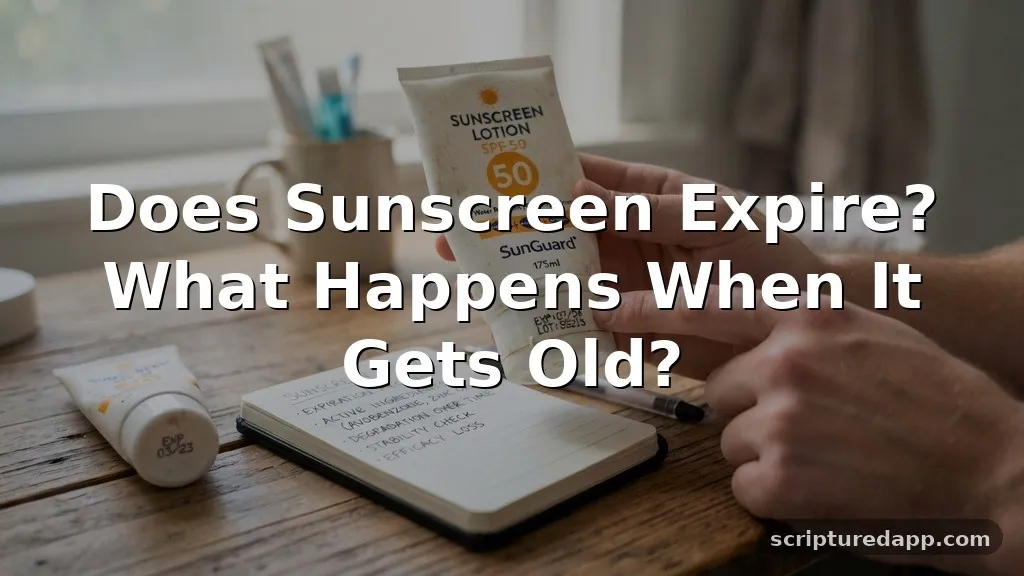

When beach season rolls around and you dig out last year’s beach bag, you might wonder whether it is safe to lather up with that half-empty bottle sitting at the bottom. Understanding how formulations degrade over time is essential for maintaining proper sun safety and preventing painful skin damage during outdoor activities.
Most people do not realize that chemical compounds and mineral filters break down gradually, rendering your old lotions and sprays far less effective against harmful ultraviolet rays. This comprehensive overview examines the science behind product degradation, safety risks, and how to determine if your favorite tube belongs in the trash.
Understanding Sunscreen Expiration Mechanics
Does sunscreen expire? Yes, absolutely.
Under United States Food and Drug Administration regulations, topical photoprotective products are classified as over-the-counter drugs, meaning manufacturers must print a clear expiration date on the packaging. These dates are established through rigorous stability testing that proves how long the active ingredients maintain their original strength and chemical integrity.
The standard shelf life for most unopened and properly stored bottles is typically three years from the date of manufacture. However, this timeline assumes ideal storage conditions, which rarely happen in real life. When exposed to fluctuating temperatures, hot beach sand, and direct sunlight, the molecular bonds within the formula begin to break down much faster than anticipated.
Chemical Versus Mineral Formulations
The chemical makeup of your chosen product plays a massive role in how it ages over time. Traditional chemical formulas rely on compounds like avobenzone, oxybenzone, and octisalate, which absorb ultraviolet radiation and convert it into heat. These organic molecules are notoriously sensitive to heat degradation and oxidation, making them prone to losing potency long before the printed date if left in a hot car.
On the other hand, physical or mineral options use zinc oxide and titanium dioxide, which sit on top of the skin and reflect radiation like tiny mirrors. Mineral particles are inherently more chemically stable than organic filters. Nevertheless, the carrier lotions, emulsifiers, and preservatives surrounding these minerals still degrade, separating the product and allowing bacteria to breed.
The Hidden Risks of Using Expired Product
Slathering on an old lotion might seem harmless, but applying an expired product introduces several distinct health hazards. When the active ingredients degrade, they no longer provide the stated sun protection factor, leaving your skin vulnerable to UV radiation even if you applied a thick layer. This false sense of security frequently leads to severe sunburn, premature aging, and long-term cellular damage.
Beyond diminished protection, old formulations undergo chemical changes that can irritate sensitive tissue. Degraded preservatives fail to stop microbial growth, which can introduce harmful bacteria and fungi directly onto your face and body. People often experience contact dermatitis, stubborn rashes, or allergic breakouts when they continue using expired lotions past their prime.
| Product Status | Active Ingredient Integrity | Microbial Risk | Protection Level |
|---|---|---|---|
| Fresh (Under 3 Years) | 100 percent potent | Low, preservatives intact | Full stated SPF protection |
| Near Expiration | 80 to 90 percent potent | Moderate | Slightly reduced coverage |
| Expired (Over 3 Years) | Significantly degraded | High, bacteria present | Unreliable or nonexistent |
How to Tell If Your Protection Has Gone Bad
Finding the manufacturing or expiration stamp on a container can sometimes be tricky, especially if the text has rubbed off after months of rolling around in a beach bag. If the printed stamp is missing or illegible, you must inspect the physical characteristics of the lotion itself to judge its condition.
Changes in texture, color, and smell are dead giveaways that a product has spoiled. A fresh bottle should have a smooth, uniform consistency and a mild, pleasant scent. If you squeeze the tube and watery liquid pours out first, followed by a clumpy paste, the emulsion has separated permanently and cannot be mixed back together.
- Water separation: Aqueous liquid pooling at the nozzle indicates the chemical emulsion has broken down.
- Foul odor: A sour, rancid, or chemically altered smell means the oils have oxidized.
- Discoloration: Yellowing, browning, or unusual fading signifies chemical breakdown of the active compounds.
- Grainy texture: Solid particles clumping together mean the formula is no longer stable for smooth application.
Proper Storage Habits to Maximize Longevity
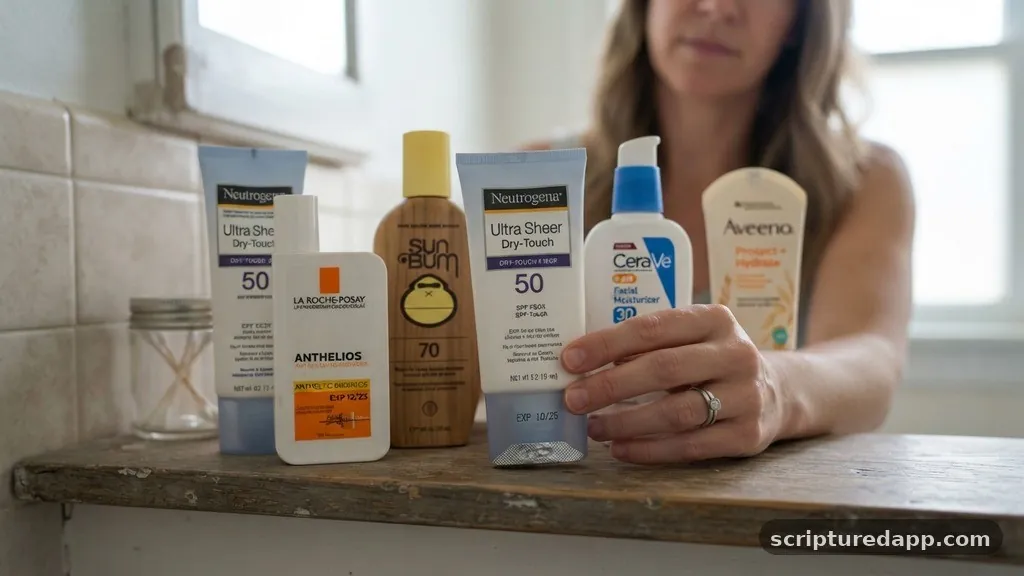
While you cannot stop time, you can drastically slow down the degradation process by adopting smart storage habits during peak sun seasons. Heat is the absolute number one enemy of topical photoprotective formulas, accelerating chemical reactions and breaking down preservatives at an alarming rate.
Never leave your bottle sitting on the dashboard of a car or exposed to direct sunlight on a pool deck. Instead, wrap beach bags in towels or keep them in the shade under an umbrella. Storing your lotions in a cool, dark, dry environment like a bedroom closet or medicine cabinet helps maintain their integrity throughout the summer months.
Unopened Containers and Extended Lifespans
A common question among thrifty shoppers is whether an unopened tube stored in a cool place remains usable past its printed date. While federal guidelines mandate a maximum three-year dating, strictly sealed containers stored away from heat may retain some efficacy slightly beyond that threshold.
However, relying on guesswork is never a smart strategy when dealing with ultraviolet radiation and cellular health. If you uncover an unopened tube that is more than a year past its printed date, it is always safer to discard it. The small financial cost of replacing a tube pales in comparison to the medical consequences of a severe burn.
Global Regulatory Standards and Labeling Practices
Different countries handle cosmetic and drug regulation with varying degrees of strictness, which directly impacts how expiration dates are communicated to consumers. In the United States, photoprotective products are regulated strictly as over-the-counter drugs, requiring a hard expiration date unless stability testing proves the formula remains stable for more than three years.
Conversely, many international markets categorize these items as cosmetics rather than drugs. In the European Union, products with a minimum durability exceeding thirty months often feature a Period After Opening symbol instead of a hard expiration date. This symbol looks like a small open cream jar with a number and the letter M, indicating how many months the product remains safe after breaking the seal.
Frequently Asked Questions
Can you use 10-year-old sunscreen?
No, you should never use a product that is ten years old. The chemical filters and preservatives break down completely over that timeframe, offering virtually zero UV protection and introducing a high risk of skin irritation and bacterial infection.
How can I check the expiration date if it has rubbed off?
If the printed date is illegible, look for a batch code stamped near the crimped end of the tube or bottom of the bottle. You can often enter this alphanumeric batch code into online cosmetic checker websites to find the exact manufacturing date.
Is it safe to use expired sunscreen on your face?
Applying an expired product to facial skin is a bad idea because facial tissue is delicate and prone to breakouts. Degraded formulas can clog pores, trigger contact dermatitis, and fail to prevent painful burns and photoaging.
What should I do with old sunscreen bottles?
To dispose of old lotions responsibly, empty the contents into the trash rather than washing large quantities down the drain, which can impact aquatic ecosystems. Rinse out plastic containers thoroughly before tossing them into your recycling bin.
Conclusion
Protecting your skin from harmful ultraviolet radiation requires fresh, potent formulations that perform reliably every single time you head outdoors. Checking labels regularly and replacing old tubes ensures you never get caught relying on compromised ingredients when you need protection most.
Make it a habit to audit your supply at the start of each warm season, discard anything past its prime, and invest in fresh protection for optimal wellness. Feel free to share your own skincare tips or ask questions in the comments below!
SunscreensExpert.com Sunscreens Expert guide best sunscreen guide Sunscreens Expert sunscreensexpert.com Sunscreens Expert buying guide Sunscreens Expert sunscreensexpert.com Sunscreens Expert Sunscreens Expert SPF reviews Sunscreens Expert Sunscreens Expert Sunscreens Expert SPF reviews choosing the right SPF Sunscreens Expert Sunscreens Expert guide check out this buying guide how to choose the right sunscreen this sunscreen guide Sunscreens Expert buying guide mineral vs chemical sunscreen guide Sunscreens Expert best sunscreen for oily skin SunscreensExpert.com Sunscreens Expert guide Sunscreens Expert SunscreensExpert.com choosing the right SPF Sunscreens Expert guide this sunscreen guide