
In the fast-paced world of digital communication, brevity is often prioritized over formal grammar. If you have ever received a message consisting of only three letters—wby—you might have found yourself pausing to decipher the intent. At its core, the wby meaning is quite simple: it is an abbreviation for “what about you?”
This digital shorthand is a staple in social media interactions, text messaging, and various online forums, serving as an efficient way to keep a conversation flowing without the need for lengthy typing. Understanding how and when to use this acronym can help you navigate modern digital interactions with greater ease and confidence.
The Origins and Rise of Digital Shorthand
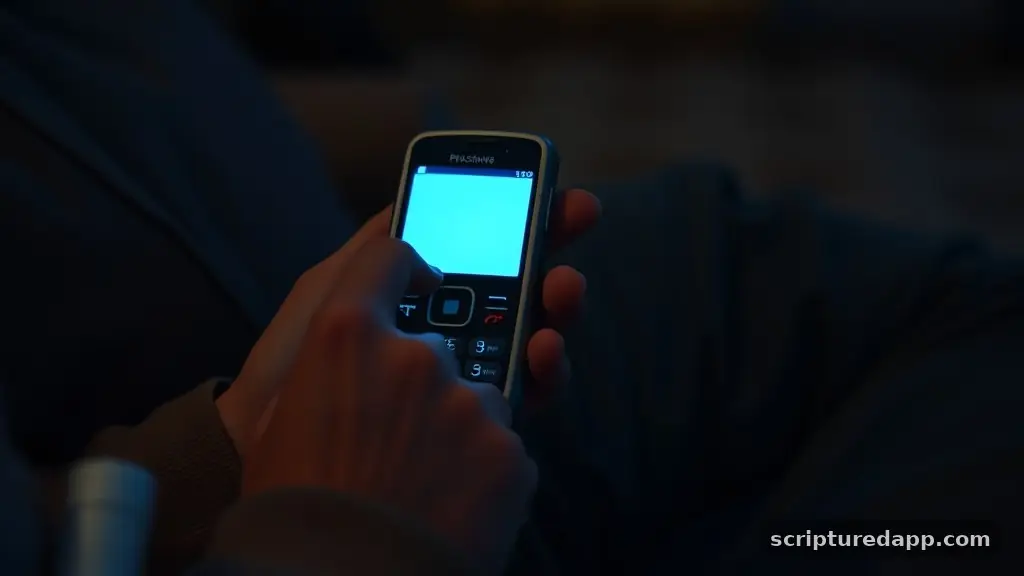
The evolution of language in the digital age has been driven largely by the constraints of early technology. In the era of SMS messaging, where character limits and T9 keyboards made long-form writing cumbersome, users naturally gravitated toward shortening phrases. Wby emerged as a natural evolution of this trend, similar to other common text-speak terms like “lol” or “brb.” While linguists might argue that such contractions degrade the quality of written communication, they undeniably serve a functional purpose in informal settings.
The acronym means exactly what the expanded form suggests: a reciprocal inquiry. When someone asks how your day is going or what your plans are, they are essentially handing the conversational baton back to you.
By using wby, you are acknowledging their question and asking for their status in return. This shift from “what about you” to “wby” represents the broader trend of linguistic efficiency, where the speed of information exchange is prioritized to match the real-time nature of Twitter, WhatsApp, and other messaging platforms.
WBY vs. WBU and HBU: Navigating the Variations
One common point of confusion for those new to text slang is the difference between wby, wbu, and hbu. While they are often used interchangeably, there are subtle nuances in their application.
“Wbu” stands for “what about you,” and “hbu” stands for “how about you.” These terms are functionally identical in most contexts, yet they carry slightly different connotations depending on the relationship between the speakers.
When you are deciding between these variants, consider the flow of the conversation. If a person has just asked you a question about your personal preference or an opinion, “wbu” or “wby” feels like the most natural response.
Conversely, if someone asks how you are feeling or how your day is progressing, “hbu” (how about you) feels slightly more tailored to the inquiry. Regardless of the specific choice, the recipient will almost certainly understand the intent, as all three serve to mirror the question back to the sender.
| Abbreviation | Full Phrase | Common Usage Context |
|---|---|---|
| WBY | What about you? | General follow-up to a question |
| WBU | What about you? | Direct inquiry regarding opinions |
| HBU | How about you? | Checking in on well-being or status |
| WDYT | What do you think? | Seeking feedback or a specific opinion |
Contextualizing WBY in Modern Messaging
To truly master the wby meaning, you must understand the social context in which it is deployed. It is rarely used in professional or academic environments.
If you were emailing a supervisor or a client, using wby would likely be seen as unprofessional or overly casual. However, in the context of today wby is a common tool for friends, peers, and family members to maintain a casual connection throughout the day.
Using wby effectively often involves timing. It is best used in a fast-paced chat where the goal is to keep the momentum going. If you are discussing something more serious or complex, it is often better to use full sentences to avoid any ambiguity.
Using wby in a serious conversation might be interpreted as a lack of interest or an attempt to end the interaction abruptly. Always gauge the tone of the person you are communicating with before defaulting to shorthand.
Linguistic Efficiency and the Evolution of Communication
The way we communicate is constantly changing. What was once considered “improper” language by traditional standards is now the standard for millions of users on social media. The word “wby” is a prime example of how language adapts to the medium.
Because we communicate through screens, we lose the non-verbal cues that usually define human interaction—the tone of voice, the eye contact, and the facial expressions. Consequently, we use these abbreviations as a way to maintain a sense of intimacy and speed.
Interestingly, some people confuse the term with the name of the poet William Butler Yeats, often abbreviated as WBY in literary circles. While this is a complete coincidence, it highlights how context is everything.
In a literature class, Butler Yeats is a specific entity, but in a text message, the wby text is almost exclusively the conversational filler we have discussed. Recognizing that entities can have different meanings based on the environment is a key aspect of modern digital literacy.
How to Respond to WBY
When someone sends you wby, they are essentially waiting for you to complete your thought or to share your own experience. It is a prompt that requires a response. If you have already answered the initial question, you might feel stuck on what to say next.
The best approach is to provide a brief update or a follow-up question to keep the dialogue moving. You do not need to overthink it; the person on the other side is likely just looking for a simple, conversational acknowledgment.
- Acknowledge their question directly.
- Share a short, concise update about your status.
- Ask a follow-up question to keep the conversation engaging.
- Use emojis to convey tone if you feel the text is too dry.
- Avoid using further abbreviations if the conversation is becoming important.
Addressing Topical Gaps: WBY vs. Other Slang

Many users ask if wby is the same as “what about you” in every sense. The answer is yes, but the way it is used varies. Some people find the term slightly more dismissive than others.
For example, if you ask someone a thoughtful question and they respond with a simple “wby,” it might feel as if they are not interested in answering you. This is why it is important to balance your use of wby with genuine, full-sentence responses.
Another common gap is the confusion between wby and hwu hey or wdyt think. While these are all related to conversational flow, they serve different purposes. Wdyt (what do you think) is a solicitation for an opinion, whereas wby is a redirection of the initial topic. By understanding these distinctions, you can become a more articulate communicator in digital spaces, avoiding the pitfalls of miscommunication that often plague text-based interactions.
The Role of Social Media in Popularizing Abbreviations
Platforms like Twitter (now X) and TikTok have played a massive role in the mainstreaming of terms like wby. On these platforms, character limits and the “scrolling” culture dictate how we write.
When you see a post and want to engage with the creator, a quick wby in the comments can signal your interest without requiring a long-form response. This has led to a culture where wby is not just a question, but a social tool used to maintain engagement metrics and build community.
It is fascinating to observe how these terms spread. A word or phrase often starts in a niche community before gaining widespread adoption.
Once it reaches the mainstream, it becomes part of the shared digital lexicon. Understanding the meaning behind these terms allows you to participate in these digital communities more effectively, ensuring that your contributions are relevant and well-received by your peers.
Is WBY Appropriate in All Situations?
While wby is highly useful, its usage should be moderated. There are times when it is definitely not the right choice.
For instance, in a professional email regarding a project update, using “wby” would likely be perceived as lazy or disrespectful. Even if the workplace environment is relatively relaxed, it is usually safer to use full sentences until a rapport has been established that allows for more casual language.
If you are unsure whether to use wby, ask yourself what the relationship is with the recipient. If you are speaking with a close friend, a partner, or a sibling, it is perfectly fine.
If you are speaking with a manager, a teacher, or someone you have just met, it is better to err on the side of caution. Professionalism in written communication is still highly valued, even if the medium is digital.
Common Pitfalls and Misunderstandings
One of the biggest issues with text-based abbreviations is the potential for misinterpretation. Because wby is so short, it can sometimes be read with a tone that wasn’t intended.
If you are having a disagreement with someone, responding with “wby” could be interpreted as being passive-aggressive or dismissive. In emotional or sensitive conversations, it is always best to avoid abbreviations entirely.
Furthermore, be aware that not everyone is familiar with all text slang. If you are communicating with someone from an older generation or someone who is not tech-savvy, they might not know what wby stands for.
In these cases, it is much better to take the extra second to type out “what about you?” This simple act of clarity can prevent unnecessary confusion and ensure that your message is received as intended.
The Future of Digital Communication
As we look to the future, it is likely that we will continue to see the development of new abbreviations and shorthand. The way we communicate is becoming increasingly integrated with AI-driven tools and predictive text, which may eventually render some of these abbreviations obsolete or, conversely, make them even more common. For those interested in the evolution of language, keeping an eye on how these terms change over time is a rewarding endeavor.
To learn more about the broader history of language evolution in digital spaces, you can visit the Linguistic Society of America for research on how internet communication is shaping modern English. Understanding these shifts helps us appreciate that language is not a static entity, but a living, breathing system that adapts to our needs. Whether you are using wby to save time or to fit in with your peers, you are participating in a long tradition of linguistic adaptation that spans centuries.
FAQ Section
What does WBY stand for in a text message?
WBY is an acronym that stands for “what about you?” It is commonly used in casual text messaging and social media to mirror a question back to the person who asked it, helping to keep the conversation flowing efficiently without needing to type out the full phrase.
Is WBY the same as WBU?
Yes, WBY and WBU are functionally identical. Both are abbreviations for “what about you?” While they are used interchangeably, some users may prefer one over the other based on personal habit or the specific rhythm of the conversation they are currently having.
Should I use WBY in professional emails?
No, it is generally recommended to avoid using WBY or other text abbreviations in professional emails. Using formal language demonstrates respect for the recipient and ensures that your communication remains clear, professional, and free from potential misunderstandings in a workplace setting.
How do I respond if someone sends me WBY?
When someone sends you WBY, they are asking for your input or status. You should respond by providing a brief update or answering the question they originally asked you. It is a standard conversational prompt, so a simple, direct answer is usually the best way to move forward.
Meta Description: Discover the WBY meaning and how to use this popular text abbreviation correctly. Learn the origins, usage tips, and when to avoid it in digital chats.