

The term leghorn meaning often triggers confusion because it simultaneously refers to a highly productive class of poultry and a specific style of fashion accessory. While modern audiences may recognize the word primarily through the iconic cartoon character Foghorn Leghorn, the linguistic roots and historical significance of the term are deeply embedded in European geography and agricultural development.
To understand what this word truly signifies, one must look toward the Italian port city of Livorno, where both the bird breed and the historical trade of straw hats originated. This exploration dissects the etymology, the biological characteristics of the fowl, and the cultural impact of the term across various media and historical contexts.
Etymological Roots and the Connection to Livorno

The word leghorn functions as an anglicized corruption of the Italian city name Livorno. During the centuries of maritime trade between the Mediterranean and the British Isles, English merchants often struggled with the pronunciation of foreign locales, leading to the phonetic shift from Livorno to Leghorn.
This linguistic evolution is a classic example of how trade routes influenced the English language. In a dictionary, the entry for this noun typically highlights two distinct definitions: the first relates to the breed of domestic chicken, and the second identifies a specific type of pliant, high-quality straw used for hat-making.
The transition from the Italian city name to a global descriptor is not unique, but the dual usage of the word makes it a fascinating case study in semantic expansion. When individuals search for the word in a lexicon or on a site like Merriam-Webster, they are likely to encounter these parallel definitions. The geographic origin provides the context for why the term became associated with specific commodities.
Because Livorno served as a major hub for the export of both livestock and artisanal straw products, the city’s name became synonymous with the goods that passed through its docks. Over time, the link to the city itself faded, and the word became a standalone noun in the English lexicon.
The Leghorn Chicken Breed: History and Characteristics
When people discuss leghorns in an agricultural context, they are referring to a specific breed of chicken that has dominated the global egg industry for decades. Originating in Tuscany, these birds were exported to North America in the mid-19th century, where they were selectively bred to maximize egg production.
The white leghorn is perhaps the most famous variety, known for its pristine plumage and remarkable efficiency in converting feed into eggs. These birds are smaller than many other heritage breeds, which contributes to their high metabolic rate and prolific laying capabilities.
These birds are highly active and alert, a trait that makes them excellent foragers. They are not typically kept as ornamental pets because they can be skittish and flighty compared to heavier, more docile breeds. However, for commercial poultry farmers, the leghorn breed remains the gold standard.
Their ability to lay large, white eggs consistently throughout the year has made them a staple in industrial agriculture. In terms of their physical appearance, they possess a large, single comb that often flops to one side in females, and they are characterized by their clean yellow legs and alert posture.
Understanding the Leghorn Hat and Straw Material
Beyond the farmyard, the leghorn meaning extends to the world of fashion, specifically headwear. A hat made from leghorn straw is crafted from the stalks of wheat that have been grown in the region surrounding the Italian coast.
This straw is unique because it is harvested while still green and then bleached in the sun to achieve a signature pale, golden-white color. The resulting material is incredibly lightweight, flexible, and durable, making it ideal for summer headwear that provides shade without causing the wearer to overheat.
Historically, these hats were a significant export for Italy. During the 18th and 19th centuries, the demand for fine straw hats in England and America skyrocketed. The plaiting of this straw was a cottage industry that supported many families in the Tuscan countryside.
Unlike coarser straw hats, those made from this specific material were considered a luxury item. The fine weave allowed for intricate patterns and a smooth finish, distinguishing them from the more rustic, heavy hats worn by laborers. Today, while mass production has changed the industry, the term persists as a descriptor for this specific style of high-quality, sun-protective headwear.
Comparing Poultry Breeds: Leghorns vs. Bantams
It is common for those researching poultry to confuse the leghorn with a bantam. It is essential to clarify that these are not mutually exclusive categories. A bantam is a size classification—essentially a miniature version of a chicken—whereas a leghorn is a specific breed.
You can have a bantam leghorn, which is simply a miniature version of the standard breed. Understanding this distinction is vital for anyone looking to raise birds, as the care requirements for a full-sized layer differ significantly from those of a small ornamental bantam.
| Feature | Standard Leghorn | Bantam Leghorn |
|---|---|---|
| Primary Purpose | Commercial Egg Production | Exhibition and Hobby |
| Size | Medium/Large | Miniature |
| Egg Output | High | Low |
| Temperament | Active/Flighty | Active/Flighty |
The table above illustrates that while the underlying breed traits—such as the active temperament and the physical shape of the comb—remain consistent, the utility of the bird changes based on its size. A standard white leghorn is a utility bird, while the bantam variant is bred primarily for its aesthetic appeal in poultry shows. This differentiation highlights how terminology in agriculture often relies on a combination of breed standards and physical scale.
The Cultural Impact of Foghorn Leghorn
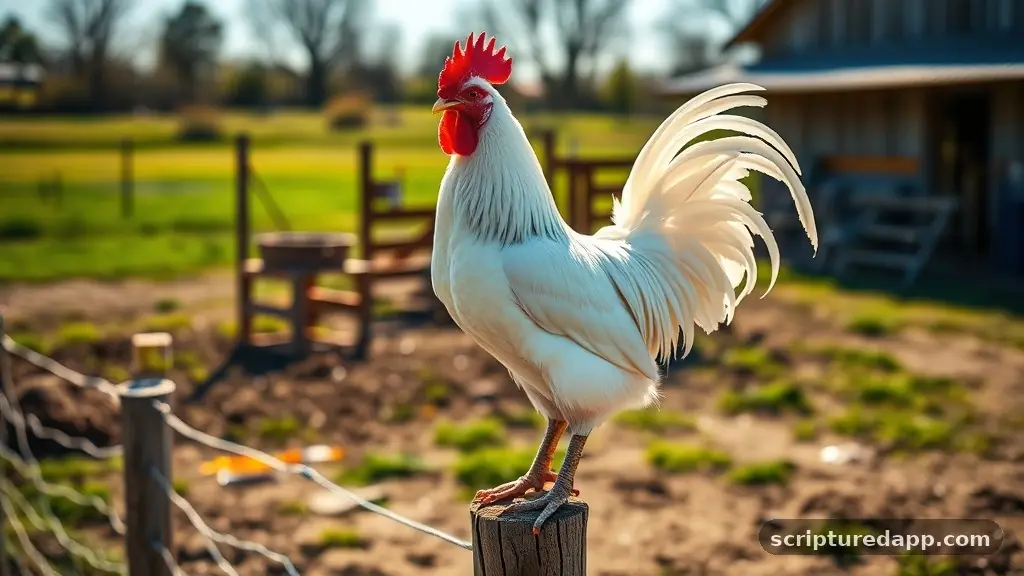
No discussion of this term is complete without addressing its presence in popular culture. The character Foghorn Leghorn, a boisterous rooster from the Looney Tunes cartoons, is arguably the most recognizable association with the word for the general public.
While the character is a fictional bird, his name was chosen as a play on words, combining the poultry breed with the idea of a foghorn—a loud, maritime warning device. This choice of name perfectly captured the character’s personality: he was loud, repetitive, and constantly making noise.
The cultural resonance of the character has, in many ways, eclipsed the agricultural and historical origins of the word. For many younger generations, the first thing that comes to mind when they hear the term is the Southern-accented rooster rather than the Italian city or the straw hat. This is a common phenomenon in language where a fictional entity becomes the primary mental anchor for a specific word.
However, it is important to distinguish the cartoon character from the actual biological breed. The character is a caricature, designed for comedic effect, whereas the real-world birds are serious agricultural assets.
The Role of Geography in Defining Terminology
The history of the word is deeply tied to the Italian region of Tuscany and the port of Livorno. The linguistic shift from the Italian name to the English version is a testament to the power of global trade.
When goods are exported, the names of the locations from which they originate often travel with them, eventually becoming detached from the original geography and becoming genericized nouns. This process has happened with many products, such as “denim” (from Nîmes, France) or “china” (referring to porcelain).
In the case of leghorns, the geographic link is still recognized by historians and agriculturalists, even if it is not common knowledge for the average person. The climate of the Italian coast played a significant role in the development of both the straw industry and the poultry breed.
The mild weather allowed for year-round agriculture, and the proximity to the sea facilitated the trade that brought these products to the rest of the world. Understanding this geographic context helps explain why the term exists at all and why it carries the specific meanings it does today.
Environmental Adaptation and Breeding
The success of the leghorn breed can be attributed to its ability to adapt to varying environments. While they originated in the Mediterranean, their hardiness allowed them to thrive in the more temperate climates of North America and Northern Europe.
Their physical structure—lightweight, with a large comb—is designed for heat dissipation. This makes them particularly well-suited for warmer climates, though they can struggle in extreme, frigid conditions if not properly housed.
Breeders have spent generations refining the genetics of these birds to ensure they remain productive in diverse settings. The focus on egg production has made them the most common breed in commercial facilities worldwide.
However, this focus on productivity has also meant that their natural instincts, such as broodiness (the desire to sit on eggs), have been largely bred out of the modern commercial lines. This is a common occurrence in livestock management, where human intervention reshapes the behavior of animals to suit specific economic needs.
Linguistic Synonyms and Usage
When looking for synonyms for leghorn, one must define the context first. If you are referring to the bird, synonyms might include “white layer” or “commercial chicken.” If you are referring to the hat, synonyms might include “straw fedora” or “panama-style hat.”
Because the term is quite specific, it does not have many direct synonyms that capture the full breadth of its meaning. This indicates that the word has a unique place in the English language, serving as a specific identifier rather than a broad category.
The word is used in various forms across different dialects. In American English, it is almost exclusively associated with the chicken or the cartoon character. In British English, historical texts might refer to the “Leghorn hat” as a common fashion item.
The word has even found its way into nautical contexts, though this is less common today. By exploring these various forms, we can see how the word has retained its relevance while shifting its primary focus over the centuries.
Addressing Topical Gaps: Common Misconceptions
A common misconception is that all white chickens are leghorns. This is a frequent error made by backyard chicken keepers. While many white breeds exist, such as the White Rock or the White Sussex, none possess the exact physiological traits of the true leghorn.
Another gap in public knowledge is the distinction between the breed and the color. While white is the most common variety, other colors exist, including brown, black, and silver, though these are far less common in commercial settings.
Furthermore, many people assume that the leghorn is a “natural” breed, but it is heavily refined through human selection. In the 1800s, the birds imported to America were crossed with other breeds to improve their size and egg-laying consistency.
This means that the leghorn we see today is a product of modern agricultural science, not an ancient, untouched species. Recognizing this helps clarify why the breed is so distinct from its ancestors in Tuscany.
Practical Tips for Poultry Enthusiasts
For those considering keeping these birds, it is important to be prepared for their high energy levels. They are not the quiet, docile birds that some beginners expect.
They require ample space to roam and forage, and they are known for their ability to fly over low fences if they are not properly contained. Because they are so productive, they also have specific nutritional requirements, needing high-protein feed to maintain their egg-laying cycle.
If you are interested in the fashion side of the term, finding a genuine straw hat of this type can be a rewarding experience. Authentic, high-quality straw hats are much more breathable and comfortable than synthetic alternatives. When shopping, look for the tightness of the weave; a finer, tighter weave generally indicates a higher quality product that will offer better durability and protection from the sun.
Frequently Asked Questions
Is there a difference between a Leghorn chicken and other white breeds?
Yes, the Leghorn is a distinct breed characterized by its high metabolism, large single comb, and prolific egg-laying capability. While other white chickens exist, they often differ in body shape, temperament, and purpose, with many being dual-purpose birds rather than specialized layers.
Why is the Leghorn hat named after a chicken breed?
Actually, they are not named after each other. Both the chicken breed and the straw hat style were named after the Italian city of Livorno, which was historically known as Leghorn in English. Both products were major exports from that specific port city during the 18th and 19th centuries.
Are Leghorn chickens good for backyard hobbyists?
They can be, but they are generally better suited for those interested in high egg production rather than those looking for a pet-like, docile bird. They are flighty and skittish, so they require secure fencing and are less likely to be handled comfortably compared to calmer breeds like Orpingtons.
Does the term have any nautical meaning?
Historically, the name Leghorn was used by English sailors to refer to the port of Livorno, Italy. While this usage has largely faded, it explains why the name persists in maritime records and historical maps, serving as a primary identifier for the Italian port in the English language.
Meta Description: Discover the true leghorn meaning. Explore its origins in Livorno, its status as a prolific poultry breed, and its history in luxury straw hat fashion.