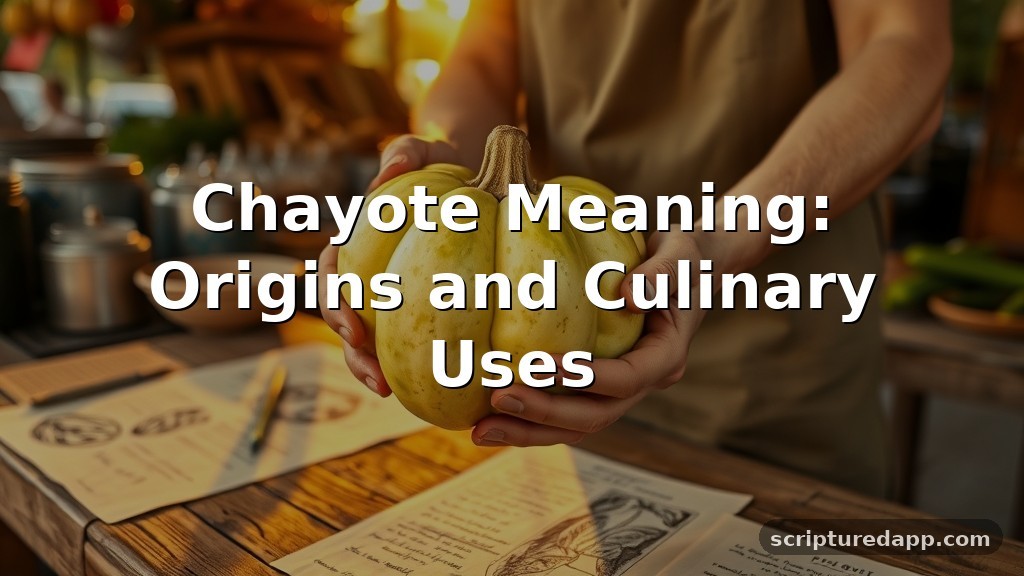

When you encounter the word chayote in a recipe or at a local market, you are looking at a versatile vegetable that carries a deep cultural history. While many people think of it as a standard squash, the actual chayote meaning is rooted in a fascinating botanical and linguistic journey that spans continents.
This plant, known scientifically as Sechium edule, serves as a staple in various cuisines, particularly throughout Latin America and parts of Asia. Exploring its background helps you understand why this subtle, crisp ingredient has become such a prized component in kitchens worldwide, moving far beyond its simple appearance to offer a unique culinary profile.
Etymological Roots and Linguistic Origins

The word chayote originates from the Nahuatl language, spoken by the Aztecs of central Mexico. Specifically, it derives from the word chayotli, which translates roughly to “gourd covered with spines.”
This linguistic connection highlights the plant’s deep connection to Mesoamerican heritage, long before it reached global markets. When you look at the term in a dictionary, you will find that it identifies a perennial vine in the gourd family.
Tracing the evolution of the word shows how it has traveled across borders. In many regions, the name remains remarkably consistent because it was adopted alongside the plant itself as it spread during the colonial era.
Whether you are searching for the term in a Spanish, French, or Italian context, the root remains recognizable, though the specific pronunciation may shift to accommodate local phonetics. Understanding these linguistic layers provides a better grasp of the chayote meaning as it exists in modern global food culture.
Botanical Classification and Characteristics
Botanically, the plant is classified as Sechium edule, a member of the Cucurbitaceae family. This places it in the same broader category as cucumbers, melons, and pumpkins.
Unlike many of its trailing relatives, this plant produces a single-seeded fruit that is typically light green or pale yellow. The texture of the raw fruit is firm, almost like a cross between a potato and a cucumber, which defines its utility in cooking.
The vine itself is highly productive, often growing in tropical and subtropical climates where it can climb over fences or trellises. Because it thrives in these environments, it has become a significant crop in regions like Central America and Southeast Asia.
The fruit often features deep ridges or wrinkles, and while some varieties are smooth, others are covered in small, soft prickles. These physical traits are essential for identifying the quality of the produce when you are selecting it at a grocery store or market.
Global Culinary Significance
The culinary importance of this vegetable cannot be overstated, as it acts as a flavor sponge in many traditional dishes. Because its own flavor is remarkably mild, it absorbs the spices, aromatics, and sauces it is cooked with, making it a perfect addition to stews and stir-fries. In many cultures, the entire plant is considered edible, including the leaves, the shoots, and even the large, starchy tuberous root that develops underground.
In various parts of the world, you will find it prepared in distinctly different ways:
- In the Caribbean, it is often boiled and served as a side dish with butter or salt.
- In Chinese cooking, the shoots are frequently sautéed with garlic and soy sauce.
- In Mexico, it is a common ingredient in soups and is often stuffed with cheese or meat.
- In the southern United States, it is sometimes referred to as a “vegetable pear” due to its shape.
Nutritional Profile and Health Benefits
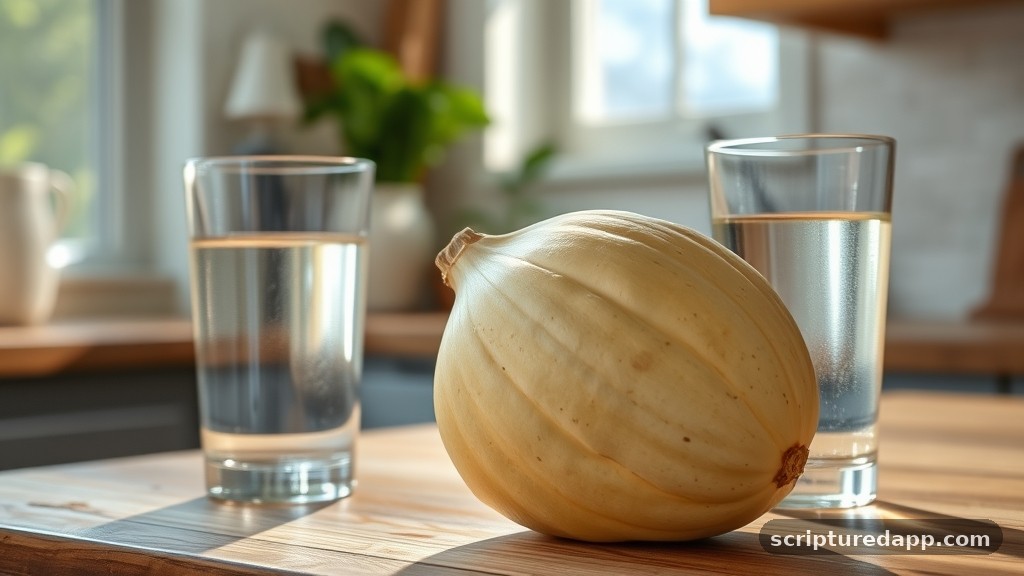
Beyond its culinary versatility, this fruit offers a impressive array of vitamins and minerals that contribute to a balanced diet. It is naturally low in calories and fat, yet it provides a good amount of dietary fiber, which helps maintain digestive health. You will also find that it is a rich source of folate, vitamin C, and various antioxidants, such as myricetin, which have been linked to anti-inflammatory properties.
For those managing their blood sugar, this vegetable is often recommended because of its low glycemic index. Because it is composed of mostly water and fiber, it helps keep you hydrated while providing essential nutrients without a massive spike in caloric intake. Integrating it into your weekly meal plan is a simple way to increase your intake of potassium and magnesium, which are vital for heart health and nerve function.
Distinguishing Chayote from Other Squashes
One of the most common points of confusion for home cooks is distinguishing this fruit from other types of summer squash like zucchini or yellow squash. While they share some similarities in how they are prepared, the chayote meaning is distinct because of its firmer structure. Even after prolonged cooking, it tends to retain a bit of its “bite,” whereas zucchini will quickly turn mushy or release significant amounts of water.
The skin of this fruit is also thicker and more resilient than that of a standard zucchini. While you can often eat the skin of a young, tender fruit, older specimens may require peeling to remove the tougher outer layer. This structural difference makes it a better candidate for long-simmering braises or thick, hearty soups where you want the vegetable to hold its shape rather than dissolving into the broth.
Preparation Techniques for Home Cooks
To get the most out of this vegetable, you must understand how to handle it properly in the kitchen. If you are working with a variety that has prickles, it is wise to wear gloves or hold the fruit with a kitchen towel while peeling it to avoid irritation. Once you cut into the fruit, you will find a single, flat, edible seed in the center; some people discard it, but it is actually quite nutritious and has a nutty flavor when cooked.
When preparing it, think of it as a canvas for other flavors. Because it is neutral, it pairs exceptionally well with bold ingredients like chili peppers, cilantro, lime, garlic, and ginger.
You can slice it into thin rounds for a quick sauté, dice it into cubes for a curry, or even grate it raw into a salad for a refreshing crunch. The key is to match the cut to the cooking time, ensuring that the texture complements the other ingredients in your dish.
Addressing Topical Gaps and Misconceptions

Many readers often ask about the “slang” meaning of this word, which is a common area of confusion online. In some contexts, the word has been used in creative or colloquial ways, but there is no widely recognized slang dictionary definition for the term in English. The chayote meaning remains firmly rooted in botany and food, regardless of how it might be used in niche social circles.
Another gap often involves the terminology used in different languages. While it is known as “chayote” in many Spanish-speaking countries, you might hear it called mirliton in parts of Louisiana or christophine in French-speaking Caribbean islands. Understanding these regional synonyms is key to finding the ingredient in various markets, as a sign that simply says “squash” might not lead you to the right bin.
The Role of the Fruit in Global Markets
The logistics of bringing this produce from tropical farms to your local grocery store is a testament to modern agricultural distribution. Because the plant is highly sensitive to frost, it is primarily grown in warm climates and then shipped to colder regions. This means that while it is available year-round in many places, its price and quality can fluctuate depending on the season and the distance it has traveled.
When you purchase it, look for firm, bright green skin without soft spots or bruising. If you store it in the refrigerator, it can last for several weeks, which makes it a convenient staple to have on hand. For a deeper look at the botanical classification and the specific agricultural conditions required for its growth, you can reference the USDA Plants Database entry for Sechium edule to see how it is categorized within the American agricultural system.
Comparison of Regional Names and Varieties
The following table provides a quick reference to how this vegetable is identified across different regions and languages, helping you navigate international markets with ease.
| Region/Language | Common Name |
|---|---|
| Spanish (Mexico/Central America) | Chayote |
| French (Caribbean/Réunion) | Christophine |
| Louisiana (US) | Mirliton |
| Portuguese (Brazil) | Chuchu |
| Chinese (Simplified) | 佛手瓜 (Fóshǒuguā) |
FAQ Section
What is the easiest way to peel a chayote?
The easiest way is to cut the vegetable in half and remove the seed, then use a standard vegetable peeler. If the skin is very thick or the fruit has small spines, hold it under cool running water while peeling to wash away any potential sap or prickles.
Can you eat the seed inside the fruit?
Yes, the seed is completely edible and quite nutritious. It has a slightly nutty flavor and a firm texture that softens when cooked. Many traditional recipes in Latin American cuisine include the seed as part of the dish rather than discarding it, as it adds depth.
Is it possible to eat chayote raw?
While it is commonly cooked, you can definitely eat it raw. It has a crisp, refreshing texture similar to a cucumber or jicama. It works well when thinly sliced or grated into salads, especially when tossed with a bright, acidic dressing like lime juice or vinaigrette.
Why is it sometimes called a vegetable pear?
The name “vegetable pear” is a descriptive common name used in some English-speaking regions because of the fruit’s shape, which often resembles a Bartlett pear. This nickname is purely for identification purposes and does not imply any botanical relationship between the two plants.
Final Thoughts on Culinary Versatility
Understanding the chayote meaning provides more than just a definition; it opens up a world of culinary possibilities for your home cooking. By recognizing its role as a versatile, nutrient-dense, and culturally significant ingredient, you can better appreciate how this humble squash bridges the gap between simple home-cooked meals and sophisticated global dishes.
Whether you are experimenting with new stir-fry techniques or looking for a healthy substitute in your favorite soup, this plant offers a unique texture and flavor profile that is well worth exploring. Next time you see it at the market, don’t hesitate to pick one up and incorporate it into your next meal; it is a small addition that can make a significant difference in your kitchen repertoire.