As an Amazon Associate I earn from qualifying purchases. If you buy through links in this article, we may earn a commission at no extra cost to you.
These are the 10 best affordable travel drones, ranked by what decides whether a drone actually travels: packed size and total kit weight first, then camera and flight time. The lightest kit here is a 135 g drone and the phone already in your pocket. The heaviest still folds under 250 g. Every pick keeps the commitment sensible for a holiday purchase, and eight of the ten dodge registration for recreational flying in many countries.
Short on time?
Start with these three picks
One needs no controller at all, one adds sensing at 151 g, and one is the folding value benchmark for real 4K trips.
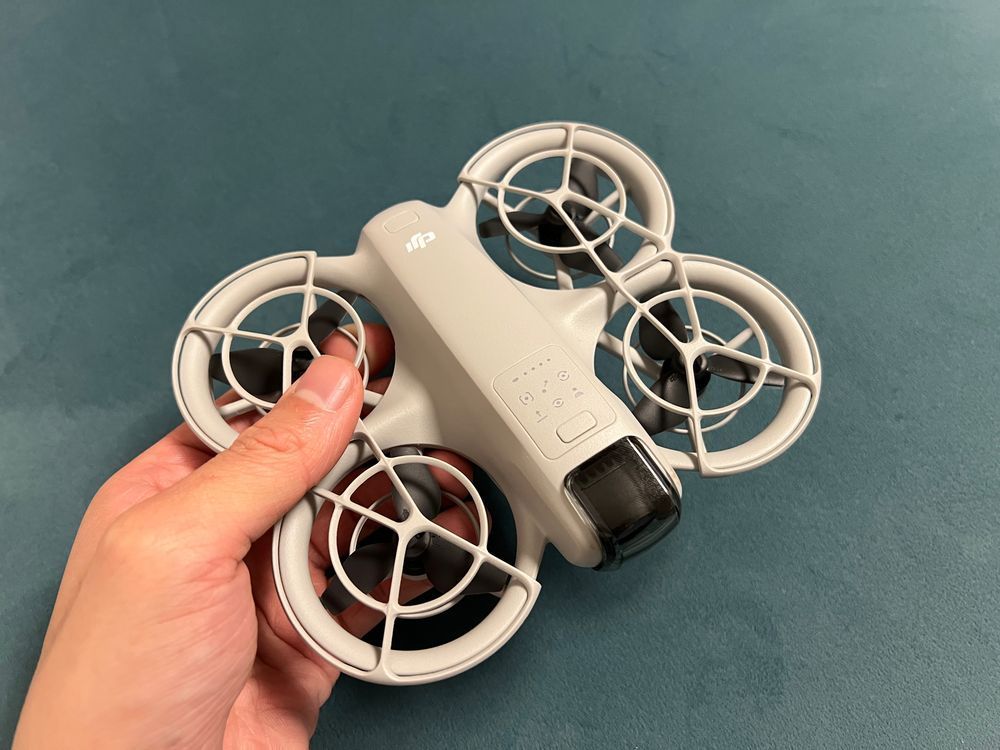
DJI Neo
The lightest travel kit on this page: a 135 g drone, your phone and nothing else, with palm launch, subject tracking and real 4K. Calm air only, and 18 minutes per battery, but nothing else here packs this small.
View on Amazon Read the full review ↓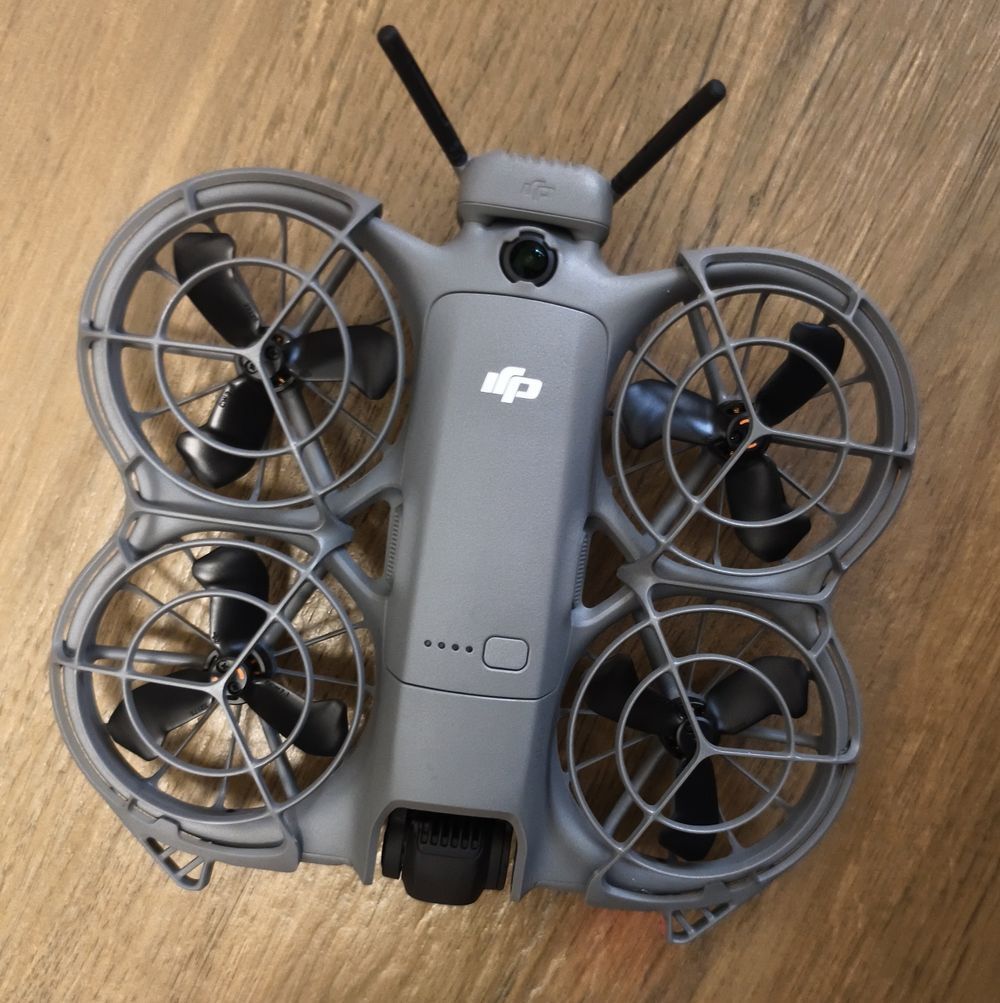
DJI Neo 2
The Neo formula with the safety net fitted: 151 g, palm launch and 4K/60, now with omnidirectional obstacle sensing for cluttered places. Still a short-flight, light-air drone, just a far braver one.
View on Amazon Read the full review ↓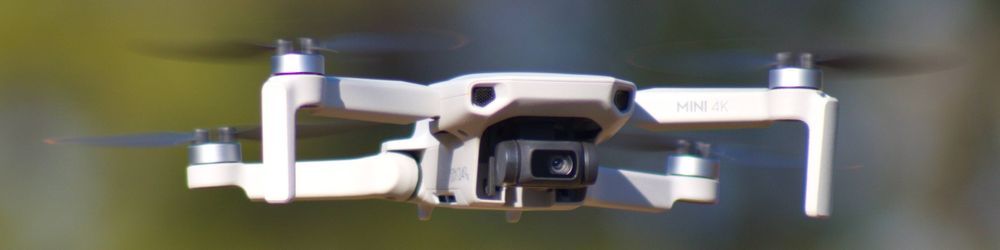
DJI Mini 4K
The folding benchmark for value travel: 246 g, a proper 3-axis gimbal, native 4K/30 and 31 minute flights in a kit that still vanishes into a daypack. No tracking and no sensing are the savings made visible.
View on Amazon Read the full review ↓The shortlist
Compare all 10 at a glance
For affordable travel, judge the packed kit, not the drone alone: folded size, what else must travel with it, and the camera you get for the grams.
| Product / award | Best fit | Key decision point | Check current offer |
|---|---|---|---|
| 01. DJI NeoBest overall | Carry-on minimalists and spontaneous trips | No controller to pack; calm-day flyer | View on Amazon |
| 02. DJI Neo 2Best ultralight with sensing | Travelers who fly in parks, ruins and towns | Full sensing at 151 g; 19 minute batteries | View on Amazon |
| 03. DJI Mini 4KBest folding value | First travel drone for scenery shooters | 31 minutes and real 4K; no tracking or sensing | View on Amazon |
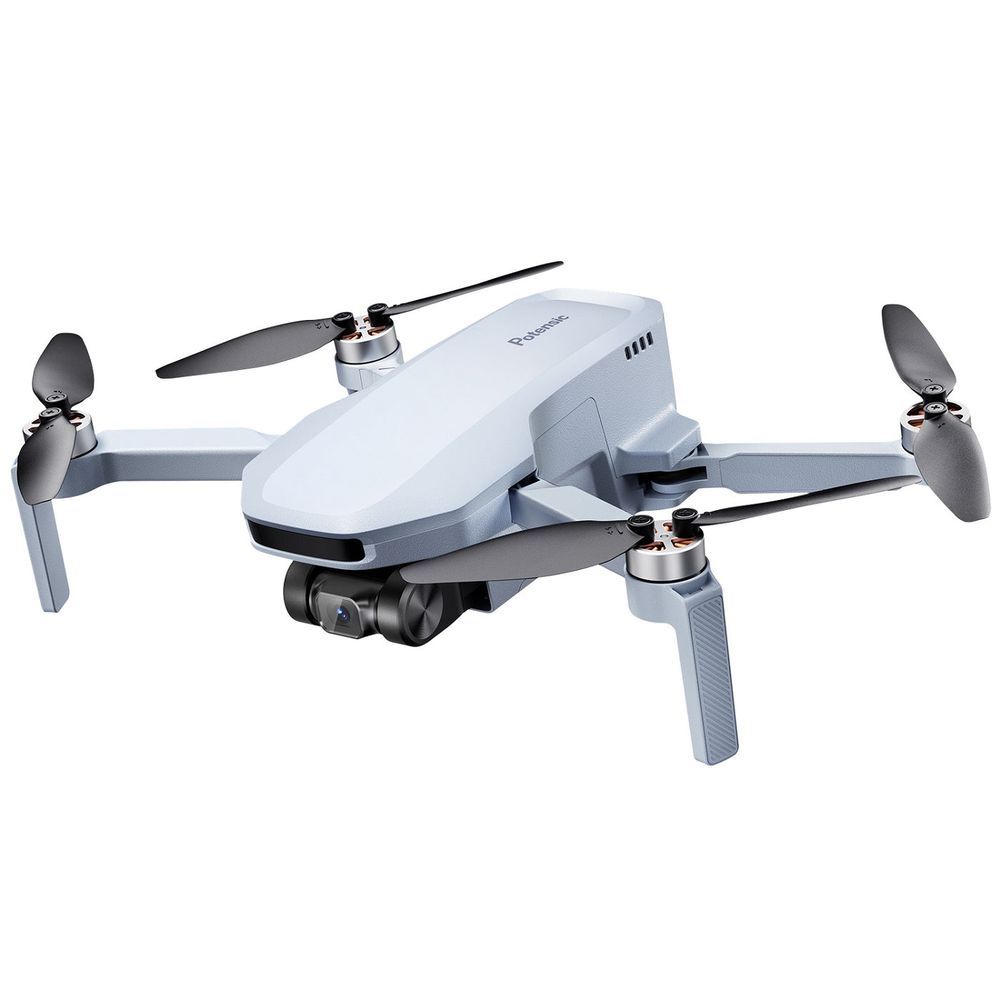 04. Potensic Atom SEBest budget GPS folder | Budget travelers who want GPS safety nets | GPS hold and return at the lowest tier; 4 km range | View on Amazon |
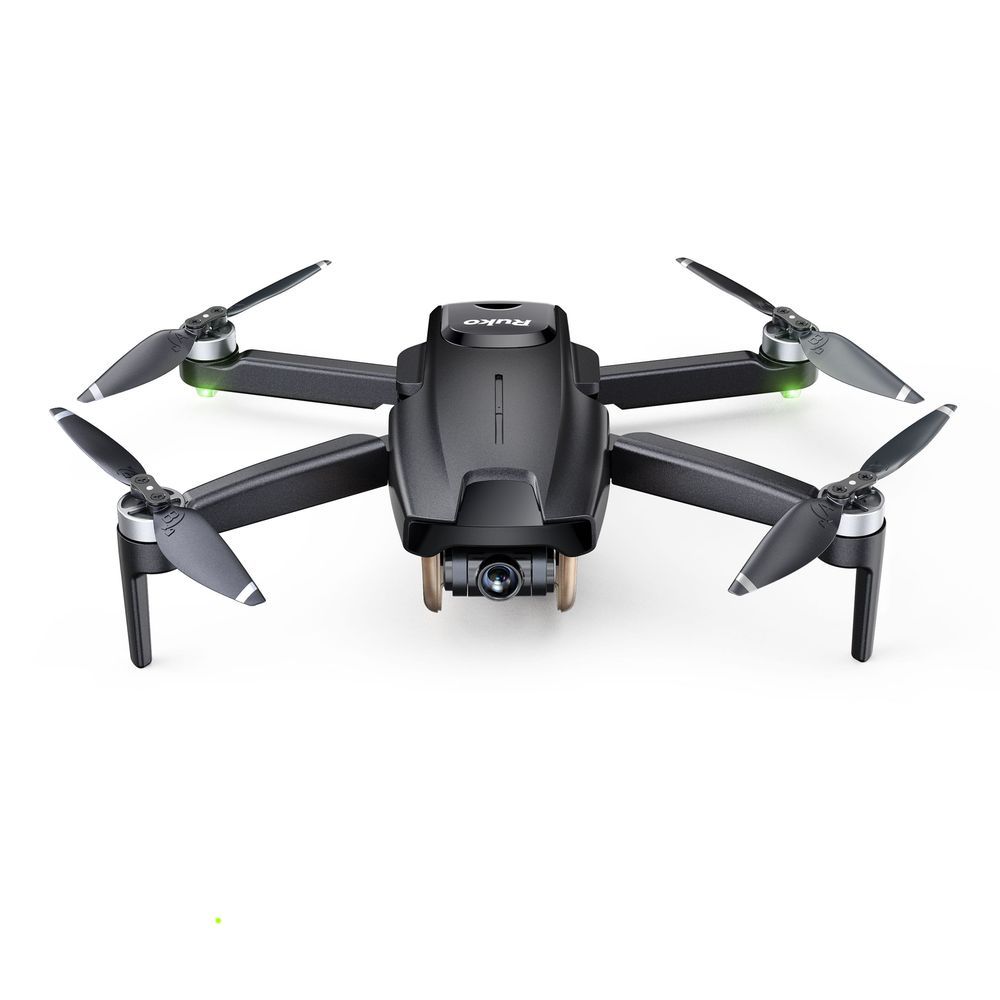 05. Ruko F11MINIBest kit in a case | Road trippers who want everything in one case | Two batteries and case included; 2.7K video | View on Amazon |
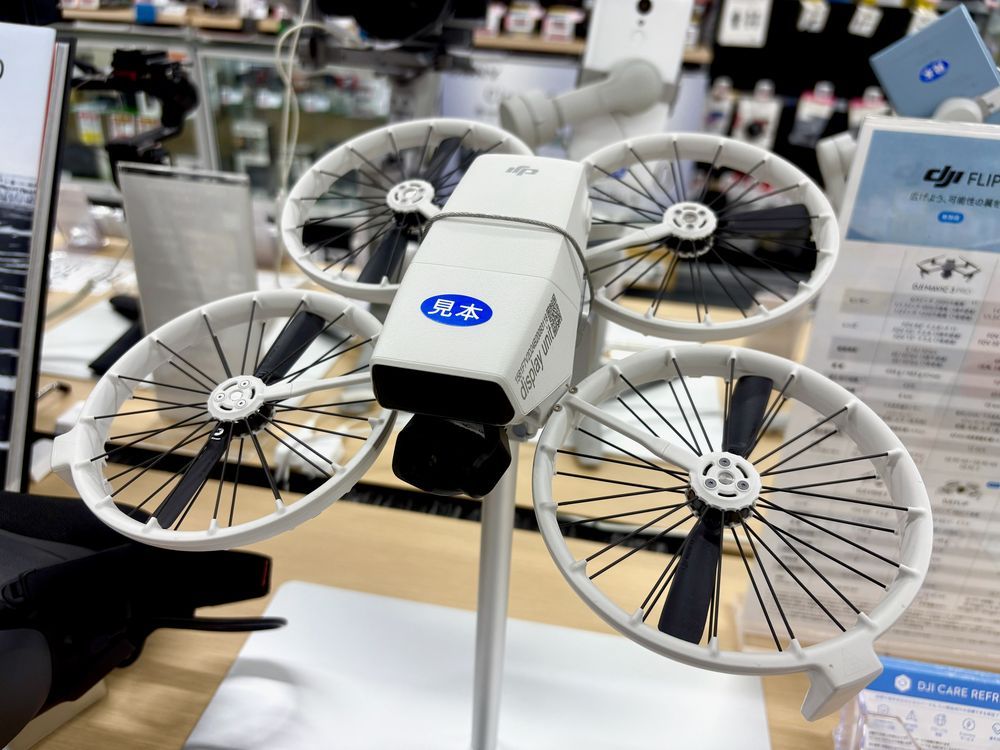 06. DJI FlipBest for solo travelers | Solo travelers filming themselves abroad | Palm launch, big sensor; bulkier fold | View on Amazon |
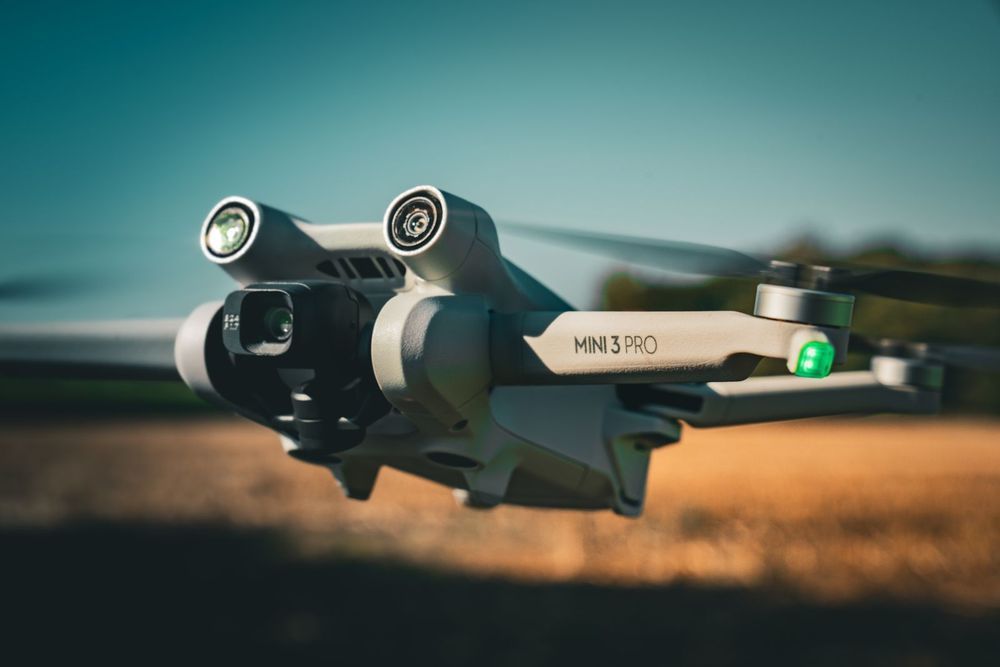 07. DJI Mini 3Best flight time per gram | Long days and few charging chances | 38 minute flights; no obstacle sensing | View on Amazon |
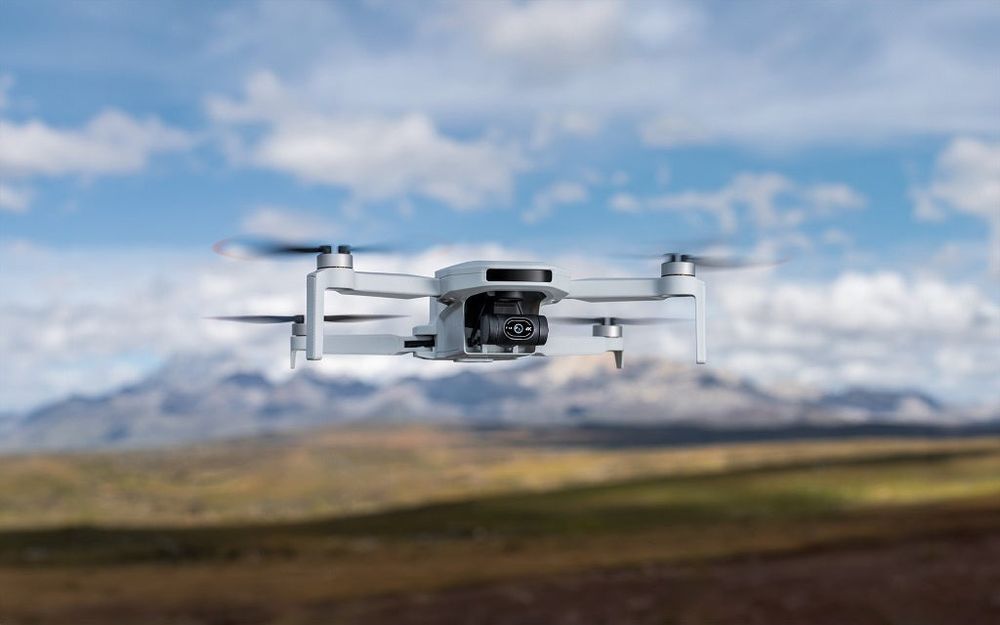 08. Potensic Atom 2Best features that still pack small | Feature hunters in a sub-250 g fold | AI tracking and 4K HDR; JPEG stills only | View on Amazon |
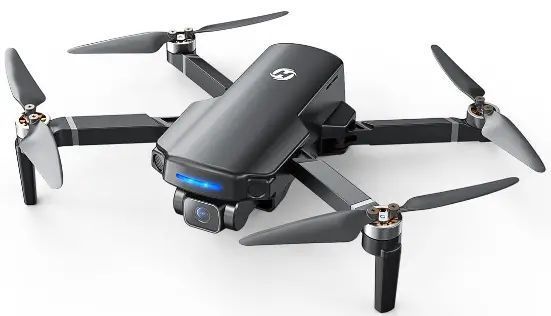 09. Holy Stone HS360SBest non-DJI folder | Brand-agnostic buyers and gentle itineraries | GPS folder at 249 g; 20 minute batteries | View on Amazon |
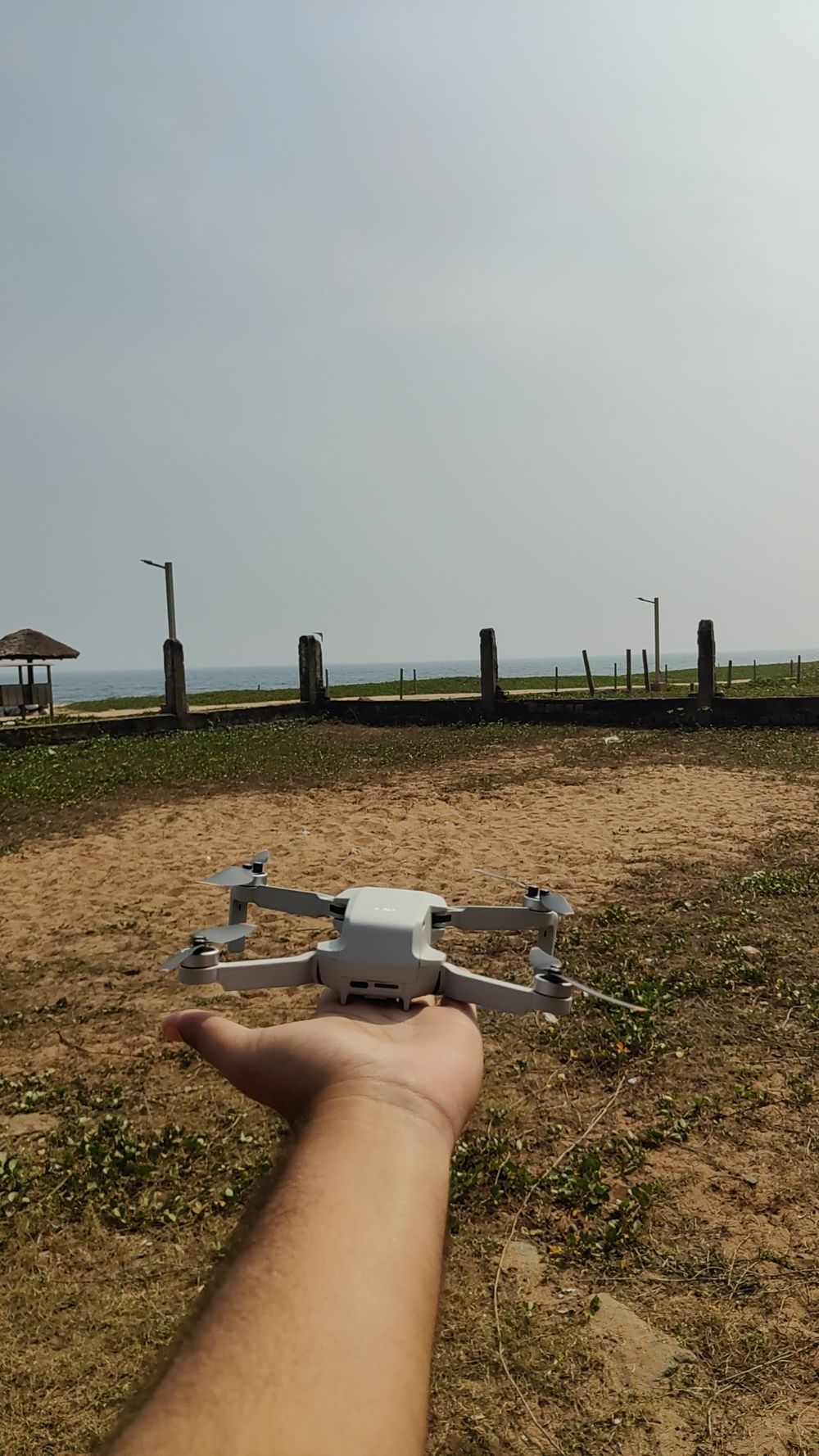 10. DJI Mini 2 SEBest simple spare | A second drone, a loaner, a low-risk spare | 2.7K camera; simplest DJI folder | View on Amazon |
Look closer
Our 10 picks, explained
These picks come from desk research, not hands-on testing: we compared manufacturer weights, folded dimensions, spec sheets and kit contents, then cross-checked owner feedback and published reviews for how these drones really pack and travel.
DJI Neo
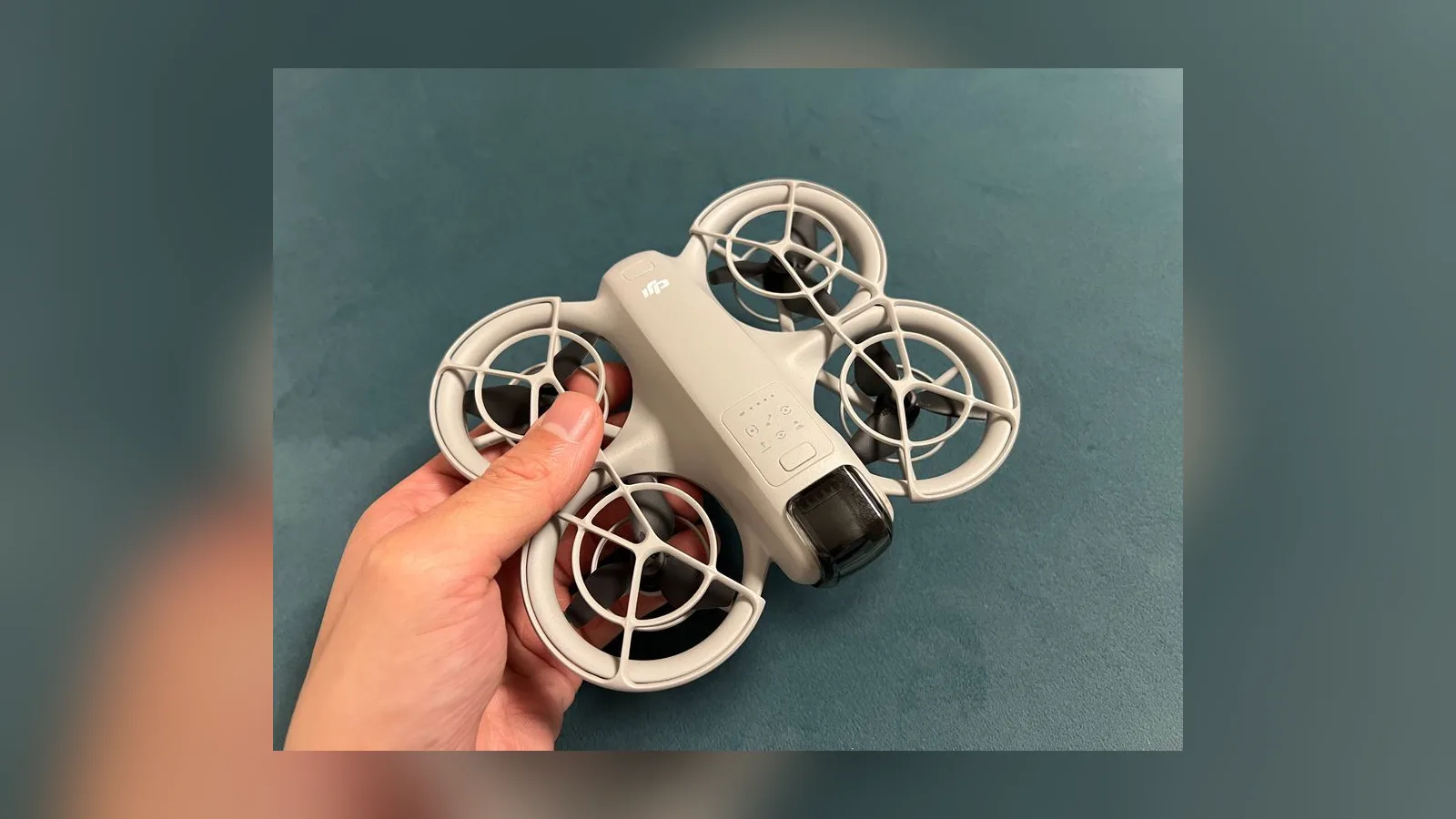
Every travel drone since the first folding Mavic has fought the same enemy: the stuff around the drone. Controllers, cables and cases turn a 249 g aircraft into a kilogram of luggage. The Neo deletes the stuff. It launches from your palm, flies follow, dronie and circle shots by itself, records 4K/30 from a 1/2-inch sensor and lands back in your hand, with your phone as the optional screen. The kit is the drone and a pocket. The compromises travel with it: no obstacle sensing, an 18 minute battery and Level 4 wind tolerance that grounds it on breezy coasts. For city breaks and calm holiday mornings, it is the most packable real camera here.
- Takeoff weight
- 135 g
- Flight time
- About 18 min per battery
- Camera
- 1/2-inch CMOS, 12MP, 4K/30
Reasons to choose it
- 135 g total kit, controller-free
- Palm launch with tracking modes
- Real 4K from a 1/2-inch sensor
Trade-offs to know
- No obstacle sensing
- Light wind tolerance, 18 minute batteries
Choose this if: you travel with a personal item and your drone has to fit the same philosophy.
Consider another option if: your trips are windy or wooded, the Neo 2 adds sensing at 151 g.
DJI Neo 2
The first Neo asked you to pick scenic, empty places. The Neo 2 removes that clause. Omnidirectional obstacle sensing watches the directions a follow shot actually travels, which turns ruins, forest clearings and old-town squares from no-fly zones into locations. The camera steps up to 4K/60 from the same 1/2-inch class sensor, and gesture control adjusts framing without unpacking anything. As a travel kit it is still just the drone: 151 g, a pocket, a phone if you want the screen. Endurance is the standing caveat at about 19 minutes per battery, and light frames still respect strong wind. For affordable travel with real awareness, nothing packs smaller.
- Takeoff weight
- 151 g
- Flight time
- About 19 min per battery
- Camera
- 1/2-inch CMOS, 12MP, 4K/60
Reasons to choose it
- Omnidirectional sensing at 151 g
- 4K/60 camera, gesture control
- Controller-free travel kit
Trade-offs to know
- About 19 minutes per battery
- Still a light-air aircraft
Choose this if: you loved the Neo idea but fly where things stand in the way.
Consider another option if: sensing is optional and every gram counts, the original Neo is lighter and simpler.
DJI Mini 4K
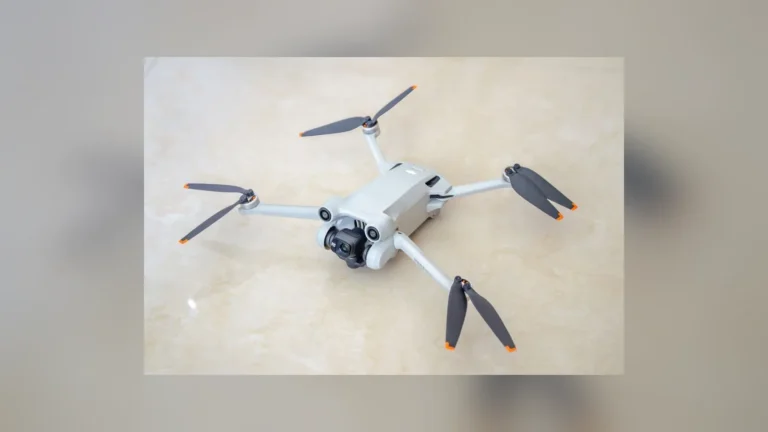
Fold the arms and the Mini 4K becomes a paperback-sized 246 g, with its controller the only real addition to the bag. That kit buys the longest feature most travel footage needs: a 3-axis gimbal holding native 4K/30 steady while Level 5 wind resistance shrugs off the breezes that ground the palm pair above. Thirty-one minute flights are the best of the first three picks combined. The savings show in automation: no subject tracking, no obstacle sensing, no HDR. You fly it, frame it and land it, which scenery shooters do anyway. As the entry point to serious travel footage at a gentle commitment, it is the benchmark this list keeps returning to.
- Takeoff weight
- 246 g
- Flight time
- 31 min
- Camera
- 1/2.3-inch CMOS, 12MP, 4K/30
Reasons to choose it
- Native 4K with a 3-axis gimbal
- 31 minute flights, Level 5 wind rating
- Folds to paperback size at 246 g
Trade-offs to know
- No tracking or obstacle sensing
- Small 1/2.3-inch sensor
Choose this if: your travel films are landscapes and landmarks, flown deliberately.
Consider another option if: you want the drone to film you as well, the Flip adds tracking and a bigger sensor.
Potensic Atom SE
GPS is the feature budget travel drones most often fake or skip, and the Atom SE’s real satellite positioning is why it ranks fourth. GPS hold keeps the drone parked in a breeze while you frame, and auto return brings it home on signal loss or low battery, the two safety nets that matter most when flying somewhere unfamiliar. It folds under 249 g, flies a rated 31 minutes and records 4K/30 video with RAW stills, a stills bonus rare at this level. The limits are range and refinement: a 4 km class link, no tracking and no obstacle sensing. For a first GPS folder that travels light and spends lighter, it is the value pick of the list.
- Takeoff weight
- Under 249 g
- Flight time
- 31 min
- Camera
- Sony 1/3-inch CMOS, 12MP, 4K/30
Reasons to choose it
- Real GPS hold and auto return
- 31 minute flights under 249 g
- RAW stills at a budget level
Trade-offs to know
- 4 km class range
- No tracking or sensing
Choose this if: you want GPS safety nets on the smallest sensible budget.
Consider another option if: tracking matters more than GPS thrift, the Atom 2 adds AI tracking in the same family.
Ruko F11MINI
Some travel value hides in the accessories column. The F11MINI ships as a system: the 245 g folding drone, two batteries rated at 30 minutes each and a hard case that keeps the kit together in a car boot or backpack, sparing the extra purchases other picks demand later. GPS positioning with auto return, follow and waypoint modes cover the travel basics, and 4K stills (4096 by 3072) are genuinely good for a budget folder. The compromise is video resolution: 2.7K maximum, noticeably softer than the 4K picks around it, on a 2-axis stabilized camera. If your trips are documented more than they are filmed, this complete little kit is easy to defend.
- Takeoff weight
- 245 g
- Flight time
- 30 min per battery, 2 included
- Camera
- 2.7K video; 4K stills (4096 by 3072)
Reasons to choose it
- Two batteries and hard case included
- GPS with follow and waypoint modes
- 245 g, complete kit in one box
Trade-offs to know
- 2.7K video ceiling
- 2-axis camera stabilization
Choose this if: you want one box that is the whole travel kit, batteries and case sorted.
Consider another option if: video quality leads your priorities, the Mini 4K shoots true 4K in the same weight class.
DJI Flip
Solo travel has a cameraman problem, and the Flip is the affordable end of its solution. Set it on your palm and it rises, locks on and follows you through a market square or along a trail, filming in 4K/60 HDR from a sensor shared with DJI’s flagship minis. Full-coverage propeller guards fold with the frame, so launching and catching in public feels discreet rather than dramatic, and 31 minute flights are proper travel endurance. The packed shape is the trade: folded, it is lumpier than the Mini line and claims more odd-shaped room in a small bag. For travelers whose films star themselves, that room is well spent.
- Takeoff weight
- Under 249 g
- Flight time
- 31 min
- Camera
- 1/1.3-inch CMOS, 48MP, 4K/60 HDR
Reasons to choose it
- 1/1.3-inch sensor, 4K/60 HDR
- Palm launch and tracking, no tripod life
- Full guards for hand launching
Trade-offs to know
- Bulkier fold than the Minis
- Forward-only obstacle braking
Choose this if: you travel alone and appear in your own footage.
Consider another option if: you film places, not yourself, the Mini 3 flies longer for less fuss.
DJI Mini 3
Remote trips ration power, and the Mini 3 is built for the rationing. Its standard battery is rated at 38 minutes, with a Plus option stretching past 50 for owners willing to cross 250 g, so a two-battery kit covers a full day of short scenic flights. The camera is no consolation prize: a 1/1.3-inch sensor with 4K HDR video, 48MP stills and a rotating view for true vertical shots. What it gives up against the Mini 4 Pro is awareness: no obstacle sensing, so its long flights belong in open country, which is where its owners take it anyway. Packed, it is the usual paperback fold at 249 g.
- Takeoff weight
- 249 g
- Flight time
- 38 min rated (51 min with Plus battery)
- Camera
- 1/1.3-inch CMOS, 48MP, 4K HDR
Reasons to choose it
- 38 minute standard battery
- 1/1.3-inch camera, true vertical video
- Plus battery option for long days
Trade-offs to know
- No obstacle sensing
- Plus battery crosses 250 g
Choose this if: your trips are long on scenery and short on charging stops.
Consider another option if: you fly near obstacles daily, the Neo 2 senses, or step to a Mini 4 Pro class model.
Potensic Atom 2
Read the Atom 2’s sheet beside the Mini 4K’s and the extra features jump out: AI visual tracking for follow shots, 4K/30 HDR video from a Sony sensor, 48MP stills and a transmission range in the 10 km class, all folded under 249 g with 32 minute batteries. It is the most capable traveler here that is not wearing a DJI badge. The budget tells in two places photographers notice: stills are JPEG only, with no RAW for editing, and there is no obstacle sensing, so its tracking belongs in the open. As a travel all-rounder bought on features per gram, it out-punches everything at its level.
- Takeoff weight
- Under 249 g
- Flight time
- 32 min per battery
- Camera
- 1/2-inch Sony CMOS, 48MP stills, 4K/30 HDR
Reasons to choose it
- AI tracking in a travel fold
- 4K HDR, 48MP stills, long range link
- 32 minute flights
Trade-offs to know
- JPEG stills only
- No obstacle sensing
Choose this if: you want tracking and range in the travel kit without flagship money.
Consider another option if: stills editing matters, the Mini 3 keeps DJI colour science and a bigger sensor.
Holy Stone HS360S
Holy Stone built its name on toy and mid-range drones, and the HS360S is its credible travel entry. The 249 g fold carries GPS positioning with automatic return, a 4K camera recording to card and beginner-friendly flight modes, in a package sized for the same daypack pocket as the Minis. It feels like what it is: a step down in refinement from DJI and Potensic, with a plainer app and camera, and a step up from the toy shelf in every way that matters. Flight time is the clear limit at about 20 minutes per battery, which makes multi-battery kits standard practice for its owners. For brand-agnostic buyers on gentle itineraries, it travels honestly.
- Takeoff weight
- 249 g
- Flight time
- 20 min per battery
- Camera
- 4K UHD video to card, 85 degree lens
Reasons to choose it
- GPS with auto return at 249 g
- 4K recording to card
- Simple, forgiving flight modes
Trade-offs to know
- 20 minutes per battery
- Plainer camera and app than DJI
Choose this if: you prefer Holy Stone’s value style and fly relaxed itineraries.
Consider another option if: you want longer flights in the same class, the Atom SE rates 31 minutes.
DJI Mini 2 SE
Not every travel drone needs to be the main camera. The Mini 2 SE earns the last seat as the kit’s insurance policy: light enough to lend, cheap enough to risk over water on a boat day, and simple enough that a friend can fly it after a two-minute briefing. It folds to 246 g, flies 31 minutes and holds Level 5 wind like its bigger siblings, recording 2.7K/30 video that is fine for sharing and scouting shots. QuickShots automate the basic moves. What it is not is a primary camera in 2026: no 4K, no tracking, no sensing. Bought knowingly as the spare, it is the most relaxed ownership on this page.
- Takeoff weight
- 246 g
- Flight time
- 31 min
- Camera
- 1/2.3-inch CMOS, 12MP, 2.7K/30
Reasons to choose it
- 31 minutes, Level 5 wind at 246 g
- Simple enough to lend confidently
- Lowest-risk DJI travel option
Trade-offs to know
- 2.7K camera, no 4K
- No tracking or sensing
Choose this if: you want a spare or loaner that shares batteries discipline with the main kit.
Consider another option if: this will be your only drone, the Mini 4K is the same idea with true 4K.
Buy with confidence
How to choose the right affordable travel drone
Four checks that keep a travel drone affordable after the accessories, and packed after the excitement fades.
01. Weigh the kit, not the drone
A 249 g drone with a controller, three batteries, a hub and a case can pass a kilogram packed. The palm pair at the top of this list delete the controller entirely, which is why they outrank technically better folders. List everything your chosen drone needs to fly a full day, weigh that pile mentally, and let the total, not the headline grams, make the call.
02. Stay under 250 g unless you need more
Sub-250 g drones skip registration for recreational flying in many countries, which removes paperwork from multi-country trips. Every pick in this list stays under that line on its standard battery. Even then, camera-drone rules, park bans and city permits still apply. The Plus batteries that push Minis over the line are for home use, not for the trip.
03. Match the camera to the souvenir
Travel footage is mostly proof and memory: 4K from the Mini 4K, Atom pair or Flip is plenty for family screens, while 2.7K on the F11MINI and Mini 2 SE still shares happily. Sensor size matters at dusk harbours and night markets, where the Flip and Mini 3 pull ahead. Buy the camera your evenings need, not the one noon flatters.
04. Budget the second battery first
Affordable drones turn expensive one accessory at a time. The honest order is: second battery, then a small hard case, then a charging hub, then filters. The F11MINI includes the first two in the box, which is its whole argument. However you build the kit, a travel drone with one battery is a 20 minute hobby, not a travel tool.
Behind the recommendations
How we selected these products
This guide is built on desk research, not hands-on testing. We compared official manufacturer spec sheets, takeoff weights, folded dimensions and published kit contents for every current affordable travel drone we could verify, then cross-checked the shortlist against owner feedback and published reviews. Specs were rechecked against the sources below in October 2026. Flight times are manufacturer lab ratings, treated here as ceilings, not promises.
- Weight and packability: takeoff weight, folded size and whether a controller, case or goggles must travel too, ranked ahead of camera specifications for this list.
- Camera and flight performance: sensor size, video modes, rated flight time and GPS fitment, compared like for like across brands.
- Limitations: we did not fly these drones for this guide; kit contents vary by bundle and retailer, so confirm exactly what the box includes before buying.
Common questions
Before you buy
What makes a travel drone affordable once I own it?
The drone is the first cost, not the whole cost. A realistic travel kit adds at least one spare battery, a protective case and usually a charging hub, plus replacement propellers over time. Picks like the F11MINI fold some of that into the box, and the palm drones delete the controller entirely. Compare complete kits, and the ranking in this guide, packed weight first, starts to explain itself.
Can I fly a sub-250 g drone anywhere on holiday?
No. Under 250 g removes registration in many countries for recreational flying, but airports, national parks, cities, beaches and crowds still restrict or ban flights, and some countries register all camera drones regardless of weight. The rule that survives every border is simple: check the destination’s aviation authority and local park rules before you pack, and never assume home rules travel with you.
How many batteries does a travel drone need?
Two is the working minimum and three is comfortable. Rated times here run from about 18 to 38 minutes, and real holiday flying, with wind, repositioning and retakes, lands well under the rating. Two batteries cover a morning of short scenic flights; three cover a full day out. Batteries must travel in your carry-on with terminals protected, whichever drone you choose.
Is a palm drone or a folding drone better for travel?
Palm drones like the Neo pair win on packed size: no controller, no case discipline, just a pocket, and they film you without a second person. Folding drones win on everything else: longer flights, better wind manners, GPS range and deliberate scenic work. Trips built around places favour folders; trips built around moments and people favour palms. Many travelers in this price class eventually carry one of each.
Choose the kit your bag will forgive
Start with the DJI Neo if your travel style is carry-on and spontaneous: its whole kit is the drone. Choose the Mini 4K when the trip is scenery and the budget is firm. Pick the F11MINI to get batteries and case settled in one box. Affordable travel is a packing decision first, and all ten kits here respect the bag.
Sources and verification
Product specifications and claims in this guide were checked against the following sources, listed by name as a record of what was consulted.
- DJI Neo, Neo 2, Mini 4K, Flip, Mini 3 and Mini 2 SE official specifications (dji.com)
- Potensic Atom SE and Atom 2 official specifications (potensic.com)
- Ruko F11MINI and Holy Stone HS360S official specifications
- Manufacturer user manuals and published kit contents for each shortlisted drone
- Published reviews and owner feedback for the shortlisted models, cross-checked in October 2026
- National aviation authority guidance on sub-250 g drone registration and airline lithium battery rules