As an Amazon Associate I earn from qualifying purchases. If you buy through links in this article, we may earn a commission at no extra cost to you.
These are the 10 best budget DJI drones to buy in 2026, ranked on one honest principle: what each drone gives you for the least money, judged in capabilities rather than discounts. Budget DJI in 2026 means current entry models like the Mini 4K and Neo, plus older generations, the Mini 3, Mini 2 and even the Spark, whose used prices have fallen while their flying has not. We ranked all 10 on camera, flight time, assistance features and how sensibly each spends your money.
Short on time?
Start with these three picks
One is the current entry model done right, one is the cheapest DJI experience that still feels modern, and one is the older model that out-specs both.
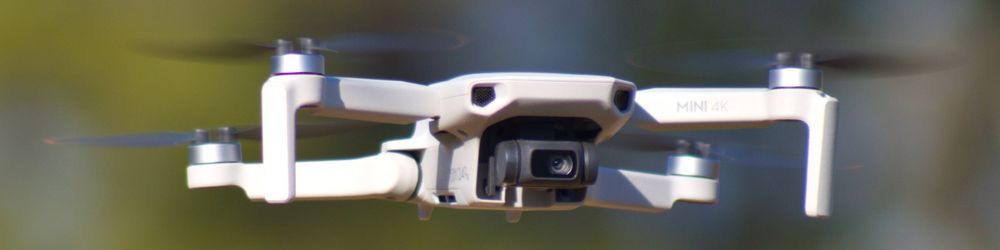
DJI Mini 4K
The budget benchmark: a real 3-axis gimbal, honest 4K/30, a 10 km link and 31 minutes per battery at 246 g, sold new with full support. You skip obstacle sensing and tracking, and that is the whole compromise.
View on Amazon Read the full review ↓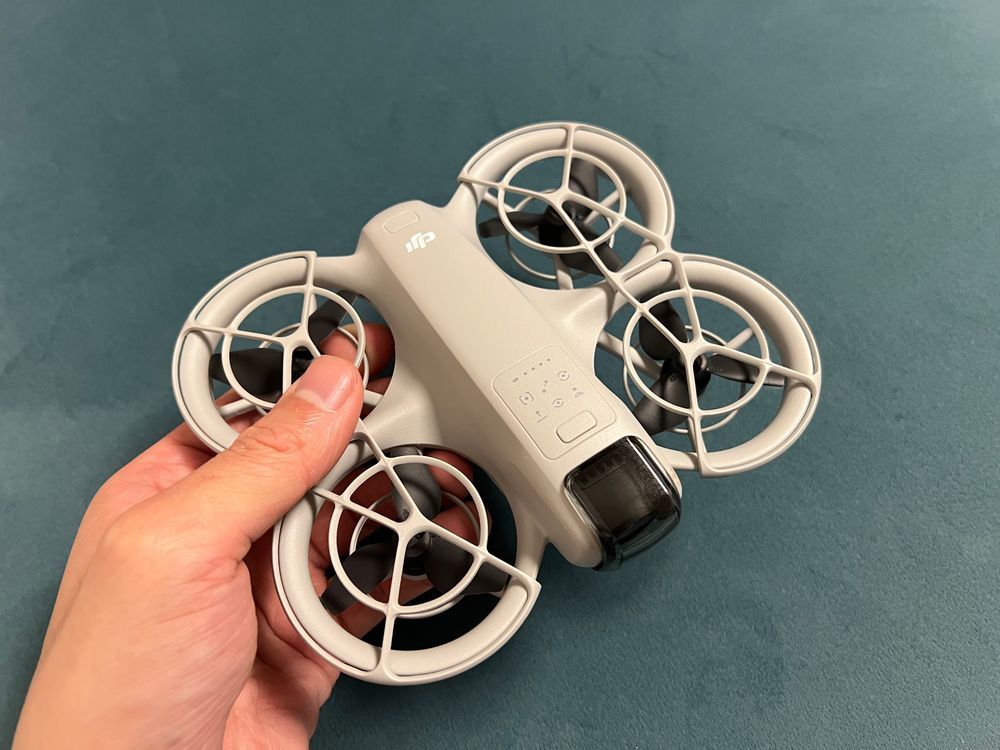
DJI Neo
The lowest-friction way into DJI: 135 g, palm launch, subject tracking with no controller in your hand, and 4K/30 clips good enough to share. Short flights and a Level 4 wind rating are the limits.
View on Amazon Read the full review ↓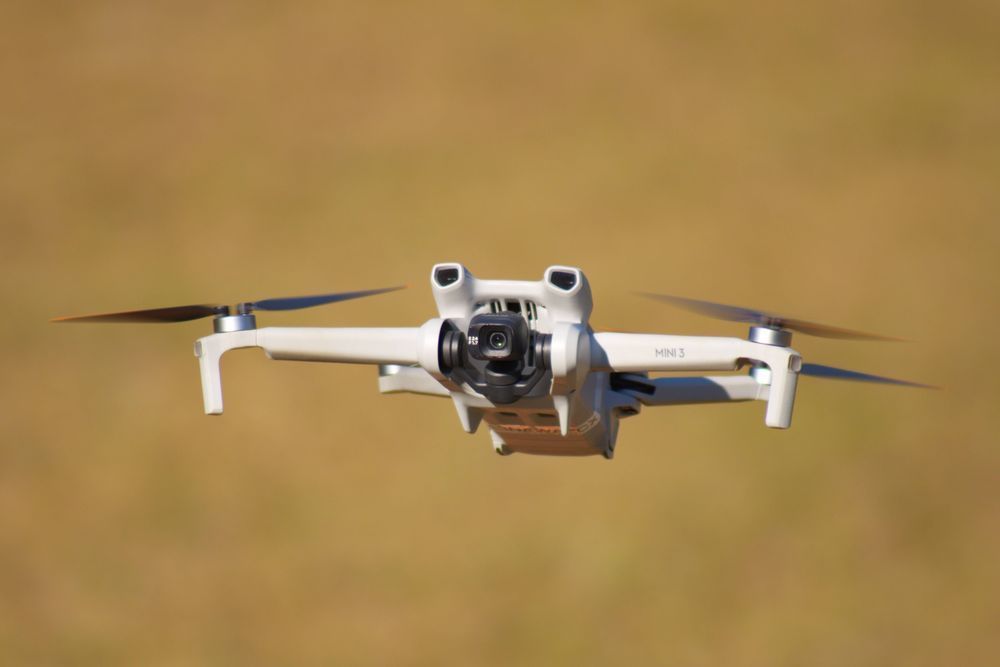
DJI Mini 3
One generation up buys a lot: a 48MP 1/1.3-inch camera with 4K HDR and true vertical shooting, plus 38 minute flights, the longest here. No sensing or tracking, but the footage is a clear class above the entry tier.
View on Amazon Read the full review ↓The shortlist
Compare all 10 at a glance
Two current entry models, one sensing bargain, and seven older generations whose capabilities have outlived their flagship pricing.
| Product / award | Best fit | Key decision point | Check current offer |
|---|---|---|---|
| 01. DJI Mini 4KBest overall | Most budget buyers | True 4K and a gimbal, new; no sensing or tracking | View on Amazon |
| 02. DJI NeoBest first DJI | First drone, social clips | Palm launch at 135 g; 18 minute flights, calm air | View on Amazon |
| 03. DJI Mini 3Best step-up value | Better footage, still frugal | 48MP and 38 minutes; no sensing or tracking | View on Amazon |
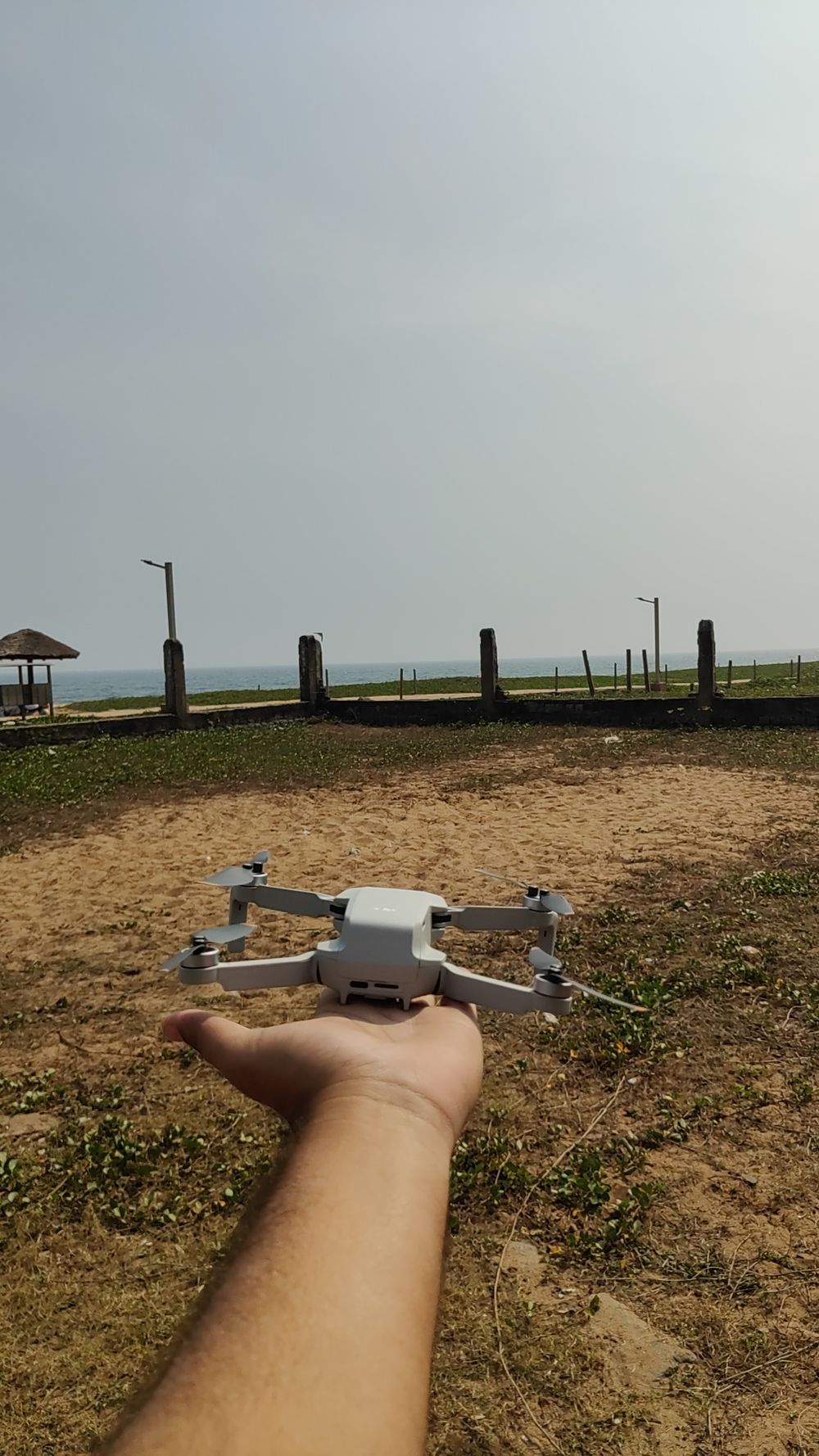 04. DJI Mini 2 SEBest simple budget pick | Simple flying for phones | 2.7K video; same airframe virtues as the Mini 4K | View on Amazon |
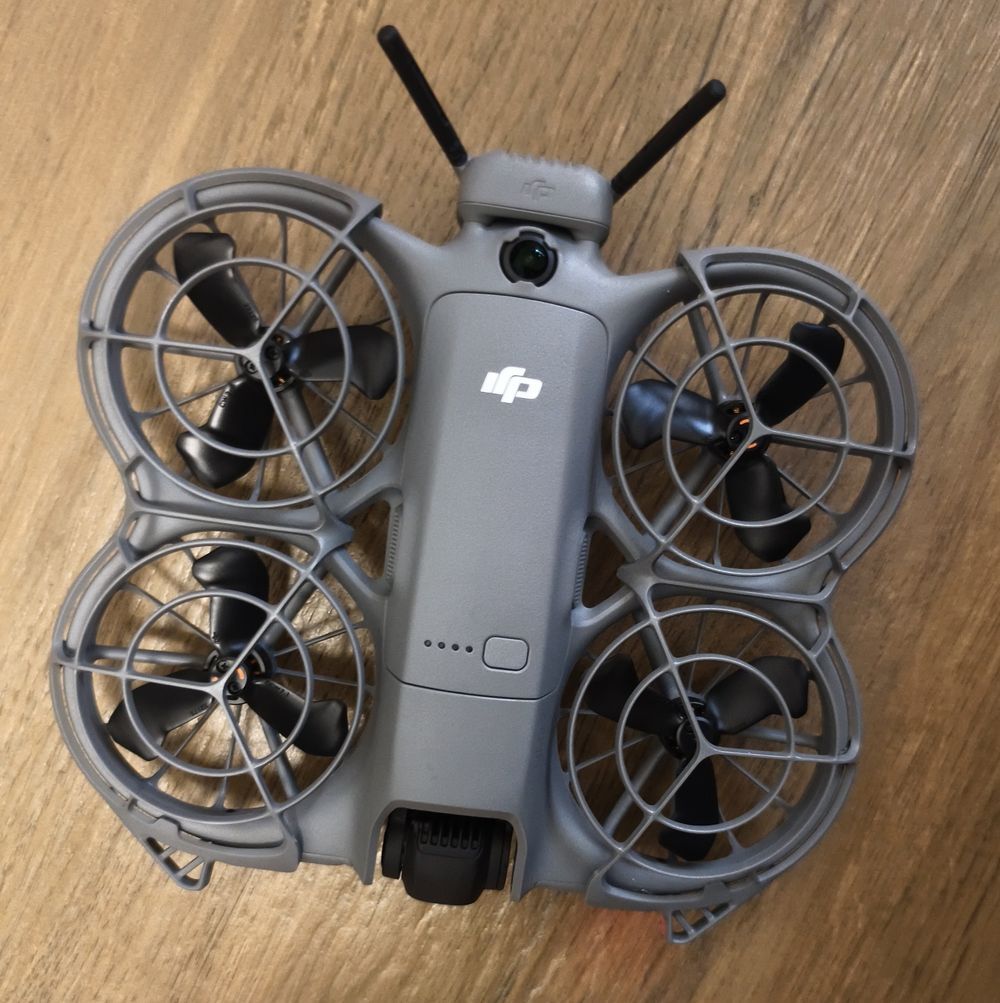 05. DJI Neo 2Best budget pick with sensing | Safety net for the least money | Omnidirectional sensing at 151 g; 19 minute flights | View on Amazon |
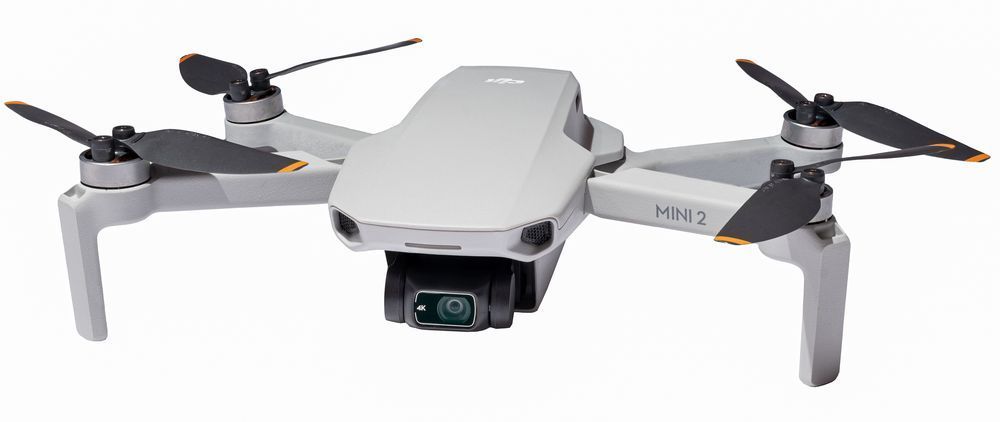 06. DJI Mini 2Best older 4K value | Used-market 4K | 10 km OcuSync link; discontinued, shop carefully | View on Amazon |
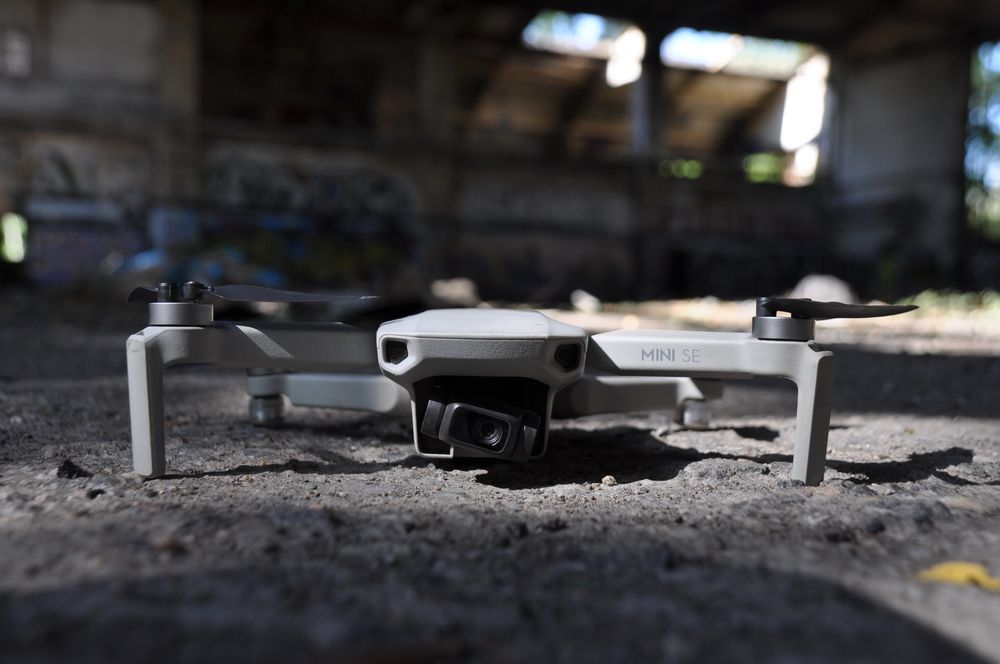 07. DJI Mini SEBest used bargain | Cheapest genuine Mini | 2.7K and Wi-Fi link; Mini 2 shell and batteries | View on Amazon |
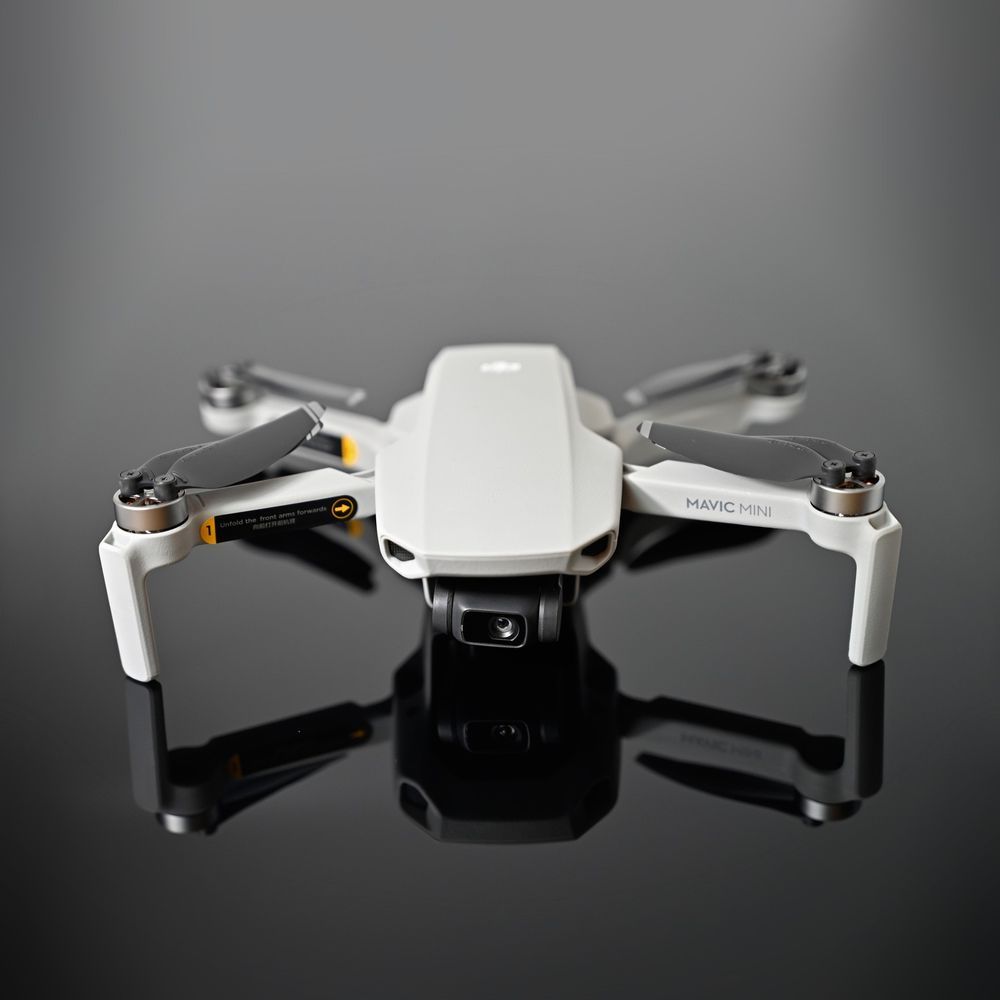 08. DJI Mavic MiniBest for the tightest budget | Learning the basics cheaply | The 2019 original; oldest app and link here | View on Amazon |
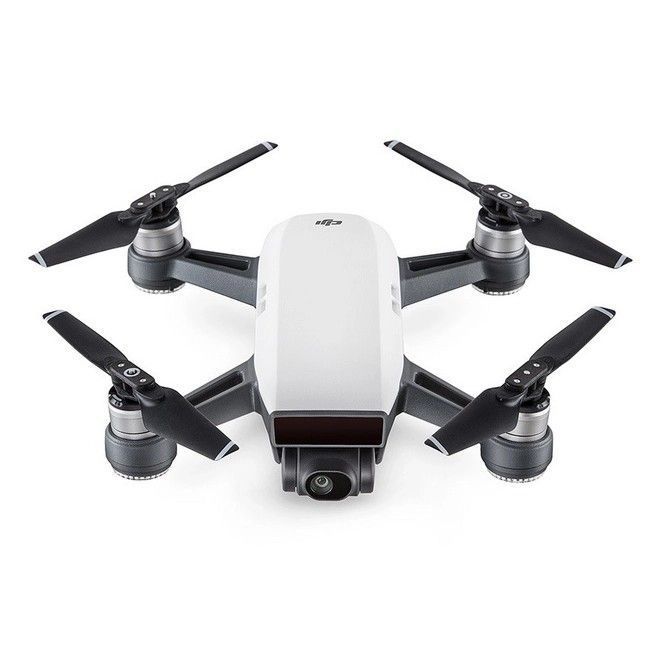 09. DJI SparkBest pocket classic | Gesture-control nostalgia | 1080p and 16 minutes; 300 g needs registration | View on Amazon |
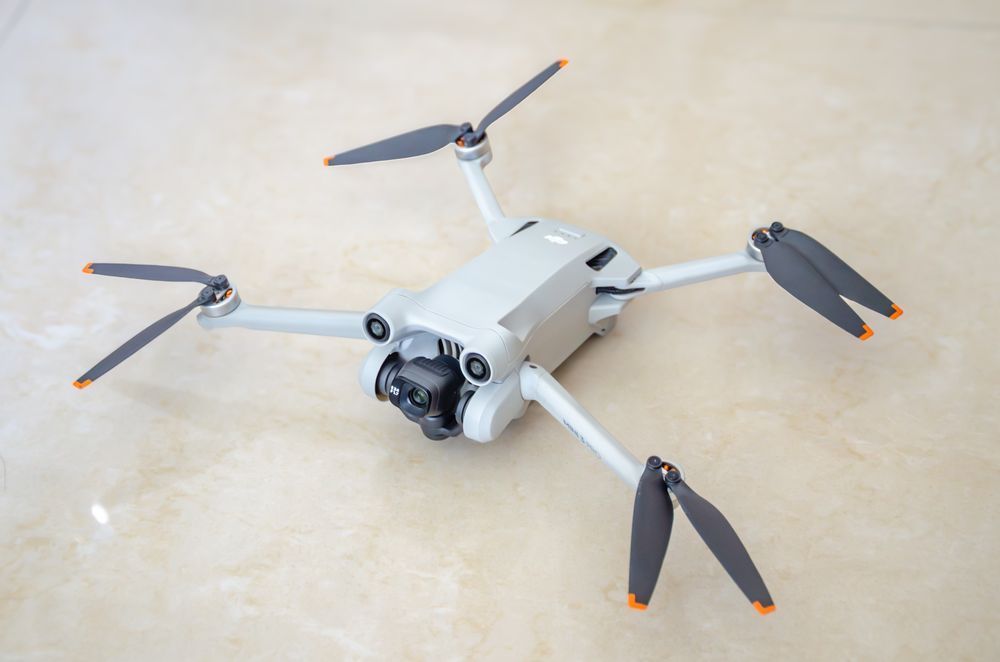 10. DJI Mini 3 ProBest budget route to pro features | Pro features, used prices | Sensing, tracking, 10-bit; the priciest bargain here | View on Amazon |
Look closer
Our 10 picks, explained
These picks come from desk research, not hands-on testing: we compared DJI’s official spec sheets across current and discontinued models, then cross-checked owner feedback and published reviews to judge which cheap DJIs still earn their keep in 2026.
DJI Mini 4K
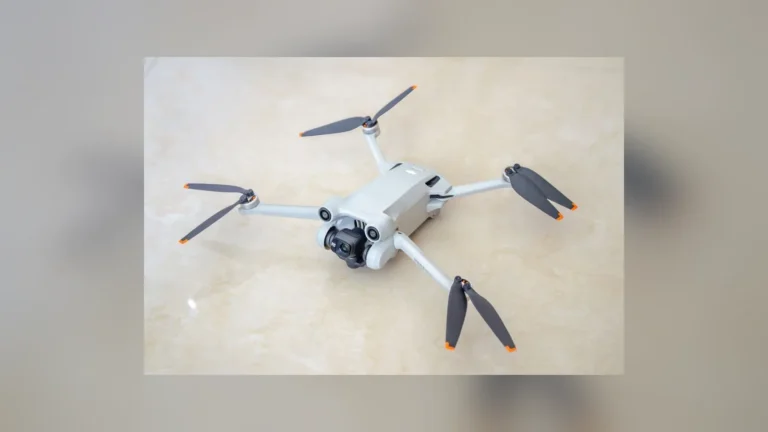
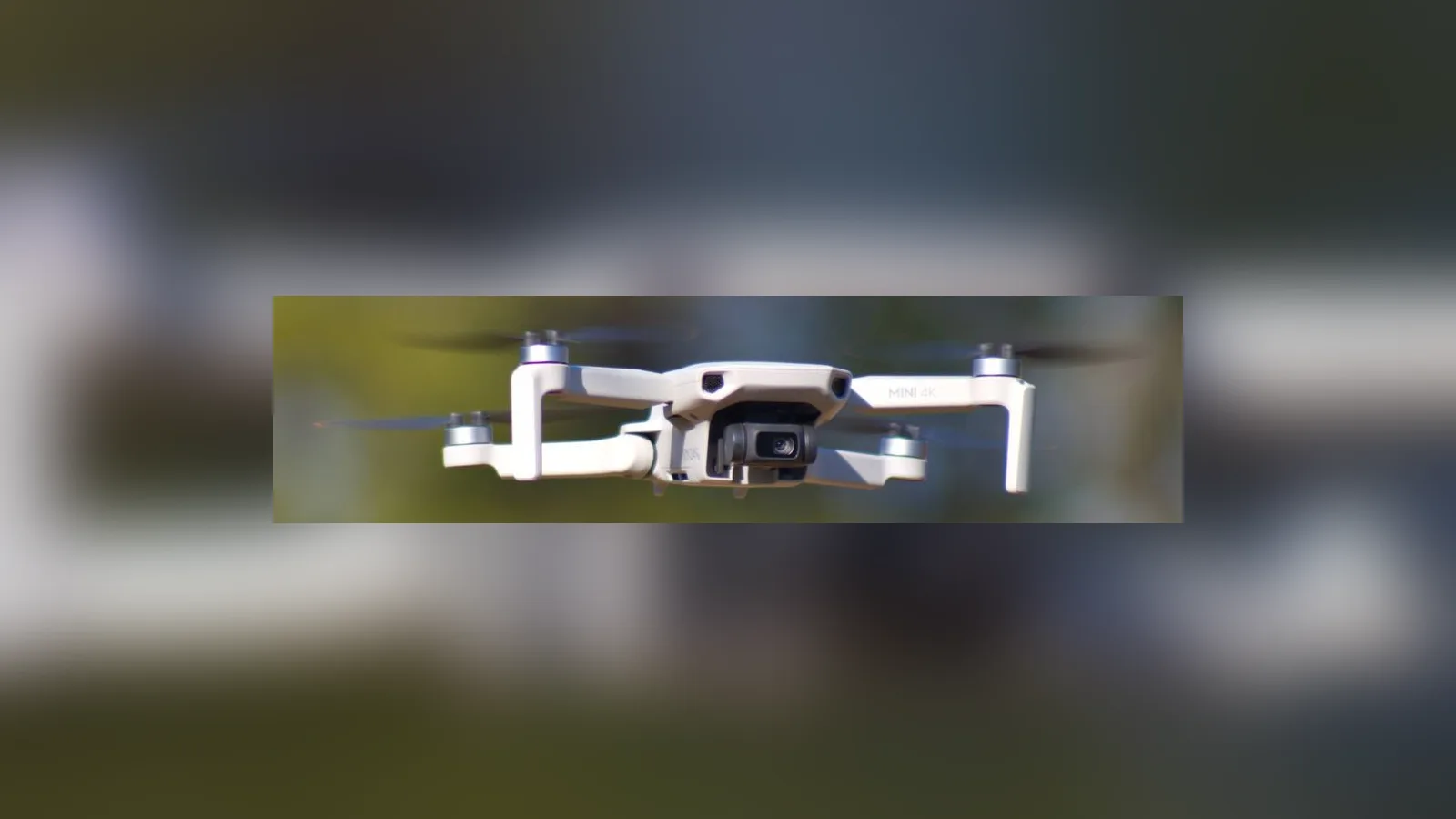
Budget drones usually cut a corner you can see in the footage. The Mini 4K cuts corners you can only see in the feature list. The camera sits on a proper 3-axis gimbal, records genuine 4K/30, and the link reaches 10 km with GPS return behind it. Level 5 wind resistance keeps it composed at the breezy viewpoints where cheap drones wobble home, and 31 minutes per battery is flagship-adjacent endurance. At 246 g it stays registration-light in many countries. What you consciously give up: obstacle sensing, subject tracking and a high-resolution live view (the feed is 720p). For a first DJI bought new, no rival spends the money better.
- Takeoff weight
- 246 g
- Flight time
- 31 min
- Camera
- 1/2.3-inch CMOS, 12MP, 4K/30
Reasons to choose it
- True 4K on a 3-axis gimbal, bought new
- 31 minute flights and Level 5 wind rating
- 10 km link with GPS return
Trade-offs to know
- No obstacle sensing or tracking
- 720p live view
Choose this if: you want one sensible new DJI and years of easy ownership.
Consider another option if: you film yourself solo, the Neo tracks you hands-free.
DJI Neo
The Neo’s budget genius is subtraction. No controller to buy or carry: it launches from your palm, follows you using AI subject tracking, fires off QuickShots like dronies and circles at a button press, and lands back in your hand. Video is 4K/30 from a 1/2-inch sensor with electronic stabilization, which is plenty for the social clips this drone exists to make, and full propeller guards make it the friendliest first drone DJI sells. The boundaries are physical: about 18 minutes per battery, and a Level 4 wind rating that grounds it on blustery days. Within calm weather and close range, no DJI delivers more fun per unit of money or effort.
- Takeoff weight
- 135 g
- Flight time
- About 18 min per battery
- Camera
- 1/2-inch CMOS, 12MP, 4K/30
Reasons to choose it
- No controller needed, ever
- AI tracking and QuickShots for solo filming
- Guards soften beginner bumps
Trade-offs to know
- Level 4 wind rating, calm days only
- Short 18 minute flights
Choose this if: the budget is firm and the footage is for sharing, not grading.
Consider another option if: you want sensing too, its successor the Neo 2 adds it.
DJI Mini 3
Every budget list has a point where a bit more money buys a visibly better camera, and in DJI’s range that point is the Mini 3. Its 1/1.3-inch sensor is a full class above the entry models, shooting 4K HDR video and 48MP stills, with the rotating gimbal trick for true vertical video. Endurance is the second gift: 38 minutes on a standard battery, 51 with the Plus pack (which crosses 250 g). The savings were taken from assistance: no obstacle sensing and no subject tracking, on a 10 km OcuSync 2.0 link. As a photographer’s budget drone, flown deliberately in open spaces, it out-values everything above it on this list.
- Takeoff weight
- 249 g with standard battery
- Flight time
- 38 min (51 min with Plus battery)
- Camera
- 1/1.3-inch CMOS, 48MP, 4K HDR video
Reasons to choose it
- A sensor class above every entry model
- 38 minute standard flights
- True vertical shooting
Trade-offs to know
- No obstacle sensing or tracking
- Plus battery crosses 250 g
Choose this if: image quality is your first priority on a budget.
Consider another option if: you need tracking for action, the Mini 3 Pro adds it used.
DJI Mini 2 SE
Think of the Mini 2 SE as DJI’s honesty model: it tells you exactly which spec it traded away. Everything that makes the platform pleasant is present, the stable gimbal, GPS positioning and return, QuickShots, the long OcuSync 2.0 link, and 31 minutes of flight at 246 g. The camera records 2.7K/30 video and 12MP stills, which looks crisp on phones and social feeds and only shows its ceiling on a big TV. Firmware has even kept it current, adding Remote ID support for US rules. The buying logic is simple: when it is clearly cheaper than the Mini 4K, and your audience watches on phones, it is the smart spend. When prices converge, take the 4K.
- Takeoff weight
- 246 g
- Flight time
- 31 min
- Camera
- 1/2.3-inch CMOS, 12MP, 2.7K/30
Reasons to choose it
- Full platform: gimbal, GPS, 10 km link
- 31 minute flights at 246 g
- Remote ID support via firmware
Trade-offs to know
- 2.7K ceiling shows on large screens
- Value depends on the gap to the Mini 4K
Choose this if: your videos are watched on phones and the saving is real.
Consider another option if: prices are close, the Mini 4K is the same drone with 4K.
DJI Neo 2
The first Neo’s bargain came with a warning: no obstacle sensing, so beginners supplied all the caution. The Neo 2 spends a little more to remove that warning. Omnidirectional sensing with forward LiDAR watches for the trees and walls that end beginner drones, while the camera steps up to 4K/60 with proper vertical shooting and ActiveTrack that follows at up to 12 m/s. It still launches from your palm at 151 g and still needs no controller for its core tricks. The trade is endurance and money: about 19 minutes per battery, and a step up in price over the Neo that buys the sensing. For pilots who fly around obstacles, that is the best-value insurance in this guide.
- Takeoff weight
- 151 g
- Flight time
- About 19 min per battery
- Camera
- 1/2-inch CMOS, 12MP, 4K/60
Reasons to choose it
- Omnidirectional sensing plus LiDAR
- 4K/60 and native vertical video
- Palm flights need no controller
Trade-offs to know
- About 19 minutes per battery
- Long range needs an add-on module
Choose this if: you fly near trees, buildings or people and want a net.
Consider another option if: you fly open fields, the original Neo saves the difference.
DJI Mini 2
Some older drones age out of usefulness; the Mini 2 aged into a bargain. Its spec sheet still reads like a current entry model: 4K/30 video on a 3-axis gimbal, GPS return, QuickShots, and the OcuSync 2.0 link that was the model’s great leap, multiplying range and cleaning up the feed compared with the Wi-Fi originals. Batteries and propellers are everywhere and cheap, which matters for used ownership. The cautions are buyer’s cautions rather than flying ones: DJI has discontinued it, so check battery cycle counts and gimbal health on any example, and note that some listings ask optimistic money for remaining new stock. At a fair used price, nothing this capable costs less.
- Takeoff weight
- 249 g
- Flight time
- 31 min
- Transmission
- OcuSync 2.0, up to 10 km
Reasons to choose it
- True 4K with a 10 km digital link
- Cheap, plentiful batteries and parts
- Level 5 wind resistance
Trade-offs to know
- Discontinued: condition varies by seller
- Small sensor struggles after dusk
Choose this if: you buy used confidently and want real 4K.
Consider another option if: you want a warranty, the Mini 4K is its new successor.
DJI Mini SE
The Mini SE was DJI’s value experiment in 2021: take the proven Mavic Mini internals, house them in the improved Mini 2 body, and sell the result as the range’s entry point. The recipe still makes sense used. You get a 3-axis gimbal, GPS return, QuickShots and 30 minute flights under 249 g, with Level 5 wind resistance the original lacked, and it shares the Mini 2’s batteries and propellers so running costs stay low. The dated parts are the 2.7K/30 camera and the Enhanced Wi-Fi link, good for about 4 km in theory and less around town. Fly it close in open spaces and it delivers the essential DJI experience for the least money in this guide.
- Takeoff weight
- Under 249 g
- Flight time
- 30 min
- Transmission
- Enhanced Wi-Fi, up to 4 km
Reasons to choose it
- Cheapest route to a genuine Mini
- Level 5 wind resistance, Mini 2 shell
- Shares Mini 2 batteries and propellers
Trade-offs to know
- Wi-Fi link limits range and feed quality
- 2.7K video only
Choose this if: the budget is the hardest constraint and you fly close.
Consider another option if: you need range, the Mini 2 keeps the 10 km link.
DJI Mavic Mini
There is a case for learning on the drone that started the sub-250 g era. The Mavic Mini still does the fundamentals honestly: it folds, it holds a GPS position and returns home, its gimbal keeps 2.7K footage level, and it flies for a rated 30 minutes. As a trainer you can afford to lose, it has taught a generation of pilots. Its age is the price of admission: an Enhanced Wi-Fi link of about 4 km with a 720p feed, wind resistance a grade below its successors, and discontinued status, so support and fresh batteries come from the aftermarket. Buy it as the cheapest real DJI, fly it gently, and it returns the favor.
- Takeoff weight
- 249 g
- Flight time
- 30 min
- Camera
- 1/2.3-inch CMOS, 12MP, 2.7K/30
Reasons to choose it
- The cheapest genuine DJI experience
- 3-axis gimbal and GPS return
- Gentle, forgiving handling for learning
Trade-offs to know
- Wi-Fi link and 720p feed
- Discontinued; aftermarket support only
Choose this if: you want to learn cheaply before committing.
Consider another option if: you can stretch slightly, the Mini SE is the same idea, hardened.
DJI Spark
Before palm drones were a category, there was the Spark. It takes off from your hand, recognizes your face, and answers gesture commands, features that felt like magic in 2017 and still delight now. Under the playfulness sits real equipment: forward obstacle sensing, GPS positioning, QuickShots and a mechanically stabilized camera recording 1080p/30. The compromises are equally real: about 16 minutes per battery, a Wi-Fi link, and 300 g on the scale, which means registration in the US and most other regimes despite the toy-like size. It is also long discontinued, so batteries deserve scrutiny. As an inexpensive second drone or a gift with genuine DJI smarts, its charm is the value.
- Takeoff weight
- 300 g
- Flight time
- 16 min
- Camera
- 1/2.3-inch CMOS, 12MP, 1080p/30
Reasons to choose it
- Gesture control and palm launch
- Forward obstacle sensing
- Sturdy, characterful little airframe
Trade-offs to know
- 1080p video and 16 minute flights
- 300 g needs registration
Choose this if: you want DJI smarts in a fun, inexpensive classic.
Consider another option if: video quality matters, the Mini 2 shoots 4K for similar used money.
DJI Mini 3 Pro
Budget lists usually end at the cheapest sensible thing; this one ends at the smartest stretch. The Mini 3 Pro was a flagship in 2022, and its feature set has not been matched at its used level since: tri-directional obstacle sensing, ActiveTrack and FocusTrack, true vertical shooting, and 4K/60 video in 10-bit D-Cinelike from a 1/1.3-inch 48MP sensor. It flies 34 minutes and stays under 249 g on the standard battery. Buying used demands the usual checks, battery cycles, gimbal smoothness, account unbinding, and the O3 link and sideways blind spots date it against the Mini 4 Pro. But if your budget reaches one careful used purchase, this is where budget stops meaning basic.
- Takeoff weight
- Under 249 g with standard battery
- Flight time
- 34 min (47 min with Plus battery)
- Camera
- 1/1.3-inch CMOS, 48MP, 4K/60, 10-bit D-Cinelike
Reasons to choose it
- Sensing and tracking no new budget model matches
- 10-bit 4K/60 for grading
- True vertical shooting
Trade-offs to know
- Priciest pick on this list, used
- No sideways sensing; O3 link is older
Choose this if: you can stretch once for features that last.
Consider another option if: the budget is hard, the Mini 3 keeps the camera and drops the assistance.
Buy with confidence
How to buy a budget DJI well
Four rules that separate a genuine bargain from a false economy in DJI’s entry range.
01. Know where the generations split
Budget DJI divides into three tiers. Current entry models (Mini 4K, Neo, Neo 2) bring warranties and fresh batteries. The Mini 3 generation adds the 1/1.3-inch camera class. The oldest tier (Mini 2, Mini SE, Mavic Mini, Spark) trades link technology and support for the lowest prices. Decide your tier first; the model follows.
02. Batteries decide used value
A used drone is only as good as its batteries, and DJI packs age whether they fly or not. Ask for cycle counts, check for swelling, and price in at least one fresh battery for any discontinued model. A cheap drone with three tired batteries is not cheap for long.
03. Check the account binding
Modern DJI drones bind to the previous owner’s account, and a bound drone cannot be activated by you. Before paying for any used Mini, confirm the seller has unbound it in the DJI Fly app, or buy through a channel with returns. This single check prevents the most expensive budget mistake there is.
04. Spend on the sensor, not the bundle
Fly More combos and accessory bundles inflate listings. Compare drone-plus-controller prices first, then add batteries, because a bigger sensor (the Mini 3’s) improves every clip you will ever shoot, while a third battery only lengthens sessions. Accessories can follow later; the camera cannot be upgraded.
Behind the recommendations
How we selected these products
This guide is built on desk research, not hands-on testing. We compared DJI’s official spec sheets for every model that plausibly counts as budget in 2026, current entry models and discontinued generations alike, then cross-checked the shortlist against owner feedback and published reviews. Because used prices vary by seller and condition, value is argued in capabilities per generation and no prices are quoted. Specs were rechecked against the sources below in October 2026.
- Value per generation: camera class, link technology, sensing and flight time compared against each model’s position in the current range.
- Ownership reality: battery availability, parts support and account-binding checks for discontinued models, taken from DJI support documentation and owner reports.
- Limitations: we did not fly these drones for this guide, and used condition varies, so confirm the exact model, seller and battery health before buying.
Common questions
Before you buy
What is the best cheap DJI drone in 2026?
The Mini 4K for most buyers: it is sold new, shoots true 4K on a gimbal and flies 31 minutes. The Neo undercuts it for palm-launch simplicity, and the Mini 3 is the step up when the camera matters more than the savings.
Is it safe to buy a discontinued DJI drone?
Generally yes, with checks. The Mini 2, Mini SE, Mavic Mini and Spark still fly well and parts remain available. Verify battery health and cycle counts, confirm the drone is unbound from the previous owner’s DJI account, and prefer sellers with returns, because condition varies more than spec sheets do.
Do budget DJI drones need registration?
Most picks here are under 250 g with standard batteries, which skips recreational registration in many countries including the US. Two cautions: the Spark weighs 300 g and does need registration, and fitting Plus batteries pushes several Minis over the line.
Mini 4K or Mini 2 SE: which is the smarter buy?
They share a platform: same weight, flight time, link and gimbal. The Mini 4K records 4K video and the Mini 2 SE stops at 2.7K. If your clips are watched on phones and the SE is clearly cheaper, it is the rational buy. On any larger screen, the Mini 4K earns the difference.
Choose the best fit for your budget
Start with the Mini 4K if you want the sensible new buy with nothing important missing. Choose the Neo when the lowest spend and the least friction matter most. Whichever you pick, confirm your local drone rules before the first flight.
Sources and verification
Product specifications and claims in this guide were checked against the following sources, listed by name as a record of what was consulted.
- DJI Mini 4K, Neo, Mini 3, Mini 2 SE, Neo 2, Mini 2, Mini SE, Mavic Mini, Spark and Mini 3 Pro official specifications and support pages (dji.com)
- DJI support documentation on account binding and battery care for discontinued models
- Published reviews and owner feedback for the shortlisted models, cross-checked in October 2026
- National aviation authority guidance on sub-250 g drone registration