As an Amazon Associate I earn from qualifying purchases. If you buy through links in this article, we may earn a commission at no extra cost to you.
These are the 10 best DJI mini drones to buy in 2026, and the list comes with one honest footnote: DJI has only ever made nine models with Mini in the name. So this ranking covers every Mini generation from the 2019 Mavic Mini to the Mini 5 Pro, and gives the tenth slot to the Flip, DJI’s folding sub-250 g palm drone, clearly labelled as the alternative it is. We ranked all 10 on camera quality, flight time, sensing and value today.
Short on time?
Start with these three picks
One is the best Mini ever made, one is the smart money buy, and one proved the whole flagship formula a generation early.
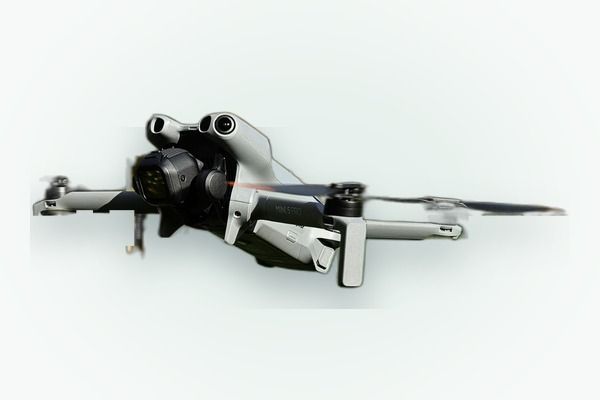
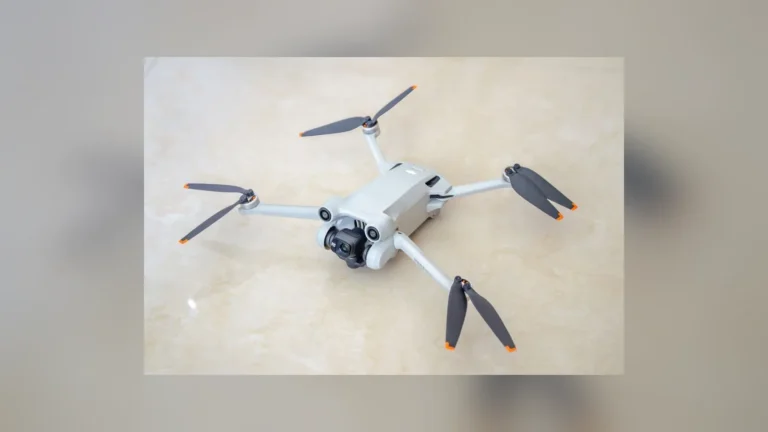
DJI Mini 5 Pro
The flagship: a 1-inch sensor, 4K/120 video, a rotating gimbal for true vertical shots and omnidirectional sensing with LiDAR, in 249.9 g. The standard battery flies 36 minutes; the Plus flies longer but crosses 250 g.
View on Amazon Read the full review ↓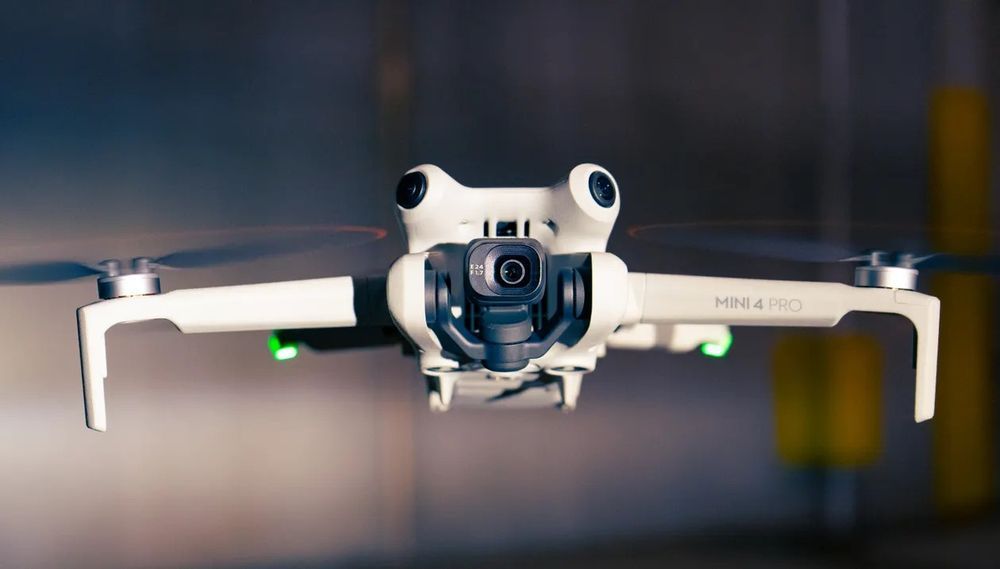
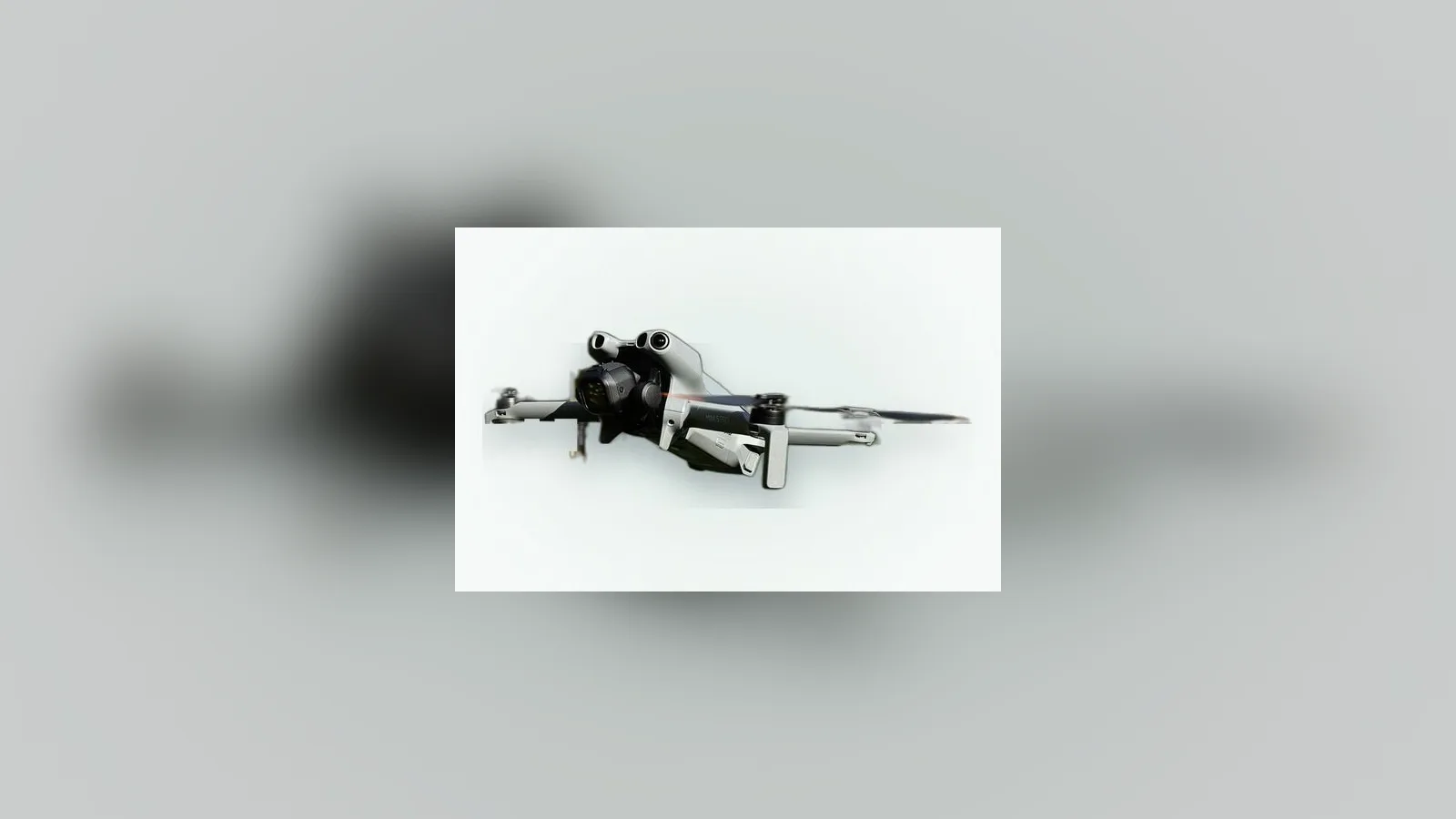
DJI Mini 4 Pro
Almost the whole flagship experience for less: omnidirectional sensing, ActiveTrack 360, 4K/60 HDR and 4K/100 slow motion over a 20 km link. Only the sensor size separates it from the Mini 5 Pro.
View on Amazon Read the full review ↓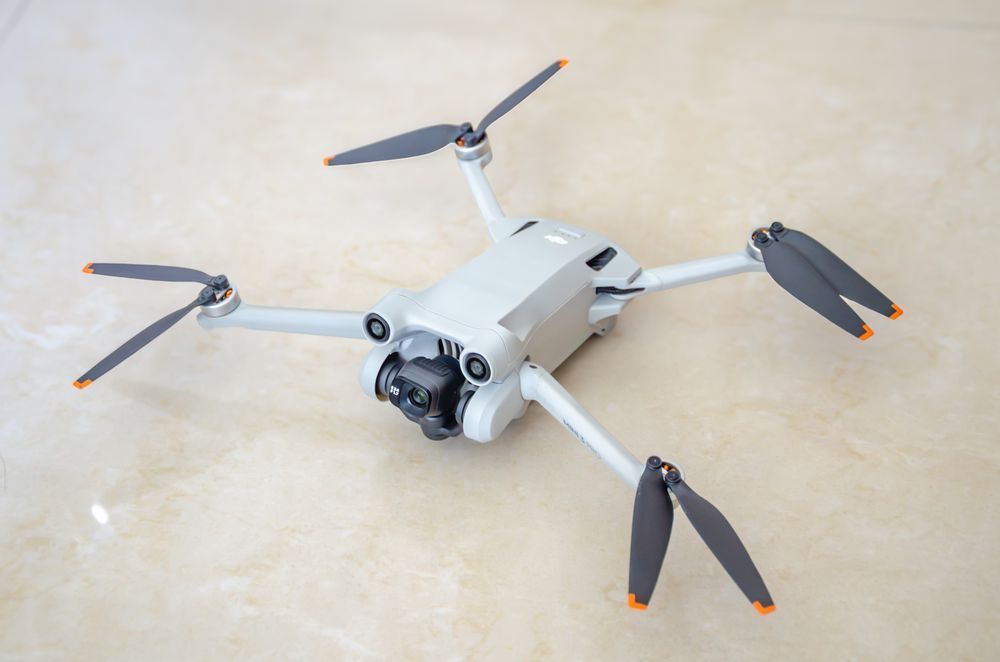
DJI Mini 3 Pro
The 2022 drone that invented the pro Mini: tri-directional sensing, 4K/60 with 10-bit color and true vertical shooting. Age shows in the shorter-range O3 link and the lack of sideways sensing.
View on Amazon Read the full review ↓The shortlist
Compare all 10 at a glance
Nine Minis and one honorary member, spanning 2019 to today. The pattern to spot: cameras jumped a class in 2022, sensing went omnidirectional in 2023, and the sensor itself grew in 2025.
| Product / award | Best fit | Key decision point | Check current offer |
|---|---|---|---|
| 01. DJI Mini 5 ProBest overall | Best footage under 250 g | 1-inch sensor and 4K/120; Plus battery crosses 250 g | View on Amazon |
| 02. DJI Mini 4 ProBest value | Most buyers, most uses | Full sensing and tracking; 1/1.3-inch sensor | View on Amazon |
| 03. DJI Mini 3 ProBest previous flagship | Pro features at used-era pricing | 10-bit 4K/60; sensing misses the sides | View on Amazon |
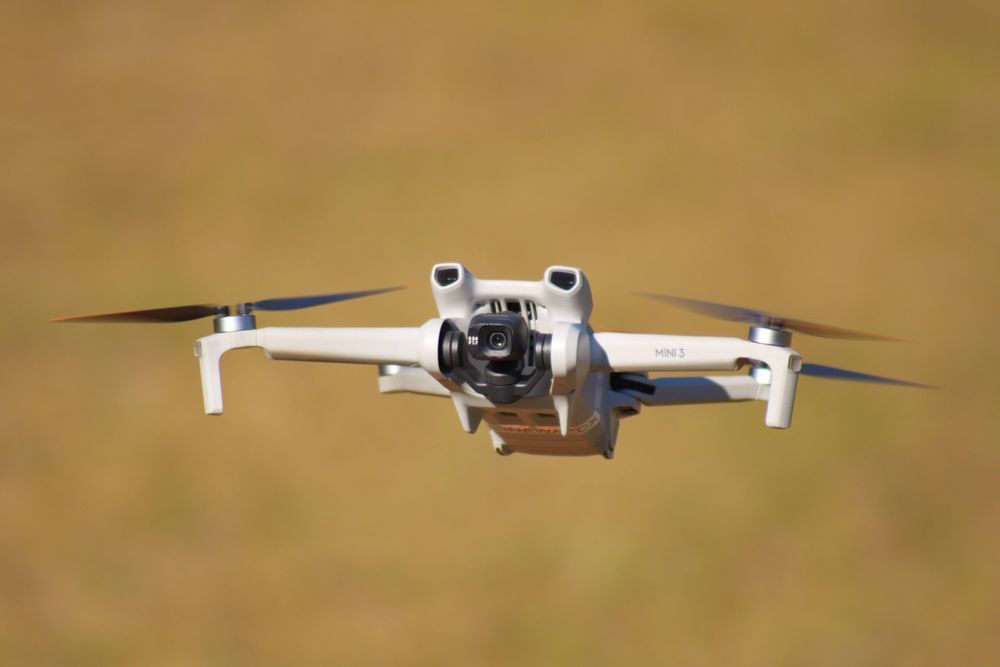 04. DJI Mini 3Best battery life | Long, calm scenic flights | 38 minutes and 4K HDR; no sensing or tracking | View on Amazon |
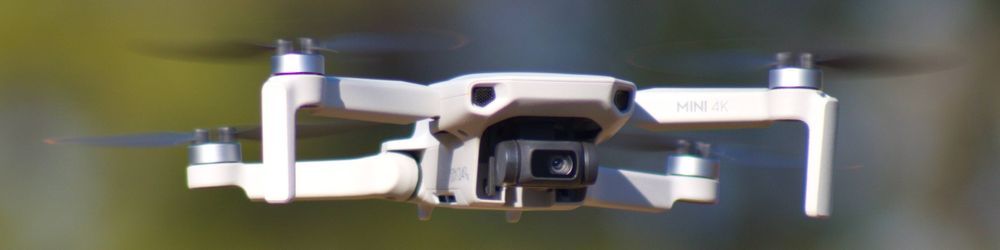 05. DJI Mini 4KBest budget Mini | First Mini, honest 4K | 3-axis gimbal and 31 minutes; no sensing or tracking | View on Amazon |
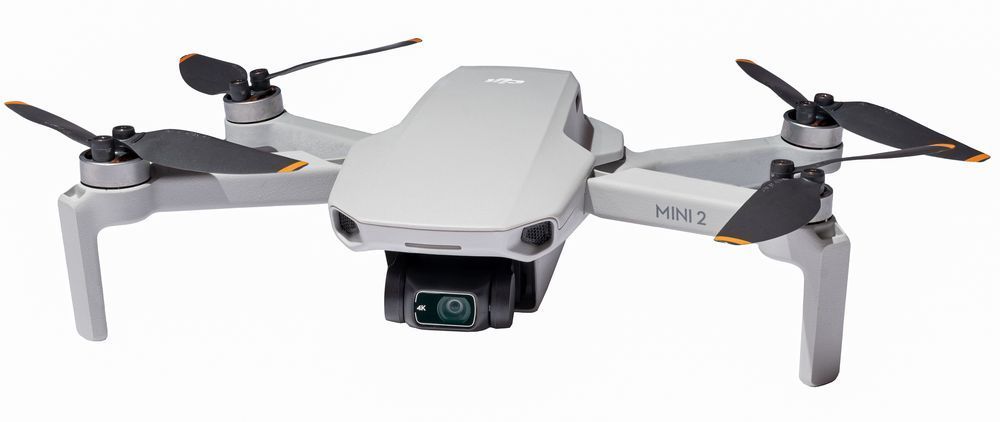 06. DJI Mini 2Best classic 4K pick | Simple 4K flying, used or old stock | OcuSync 2.0 reaches 10 km; discontinued by DJI | View on Amazon |
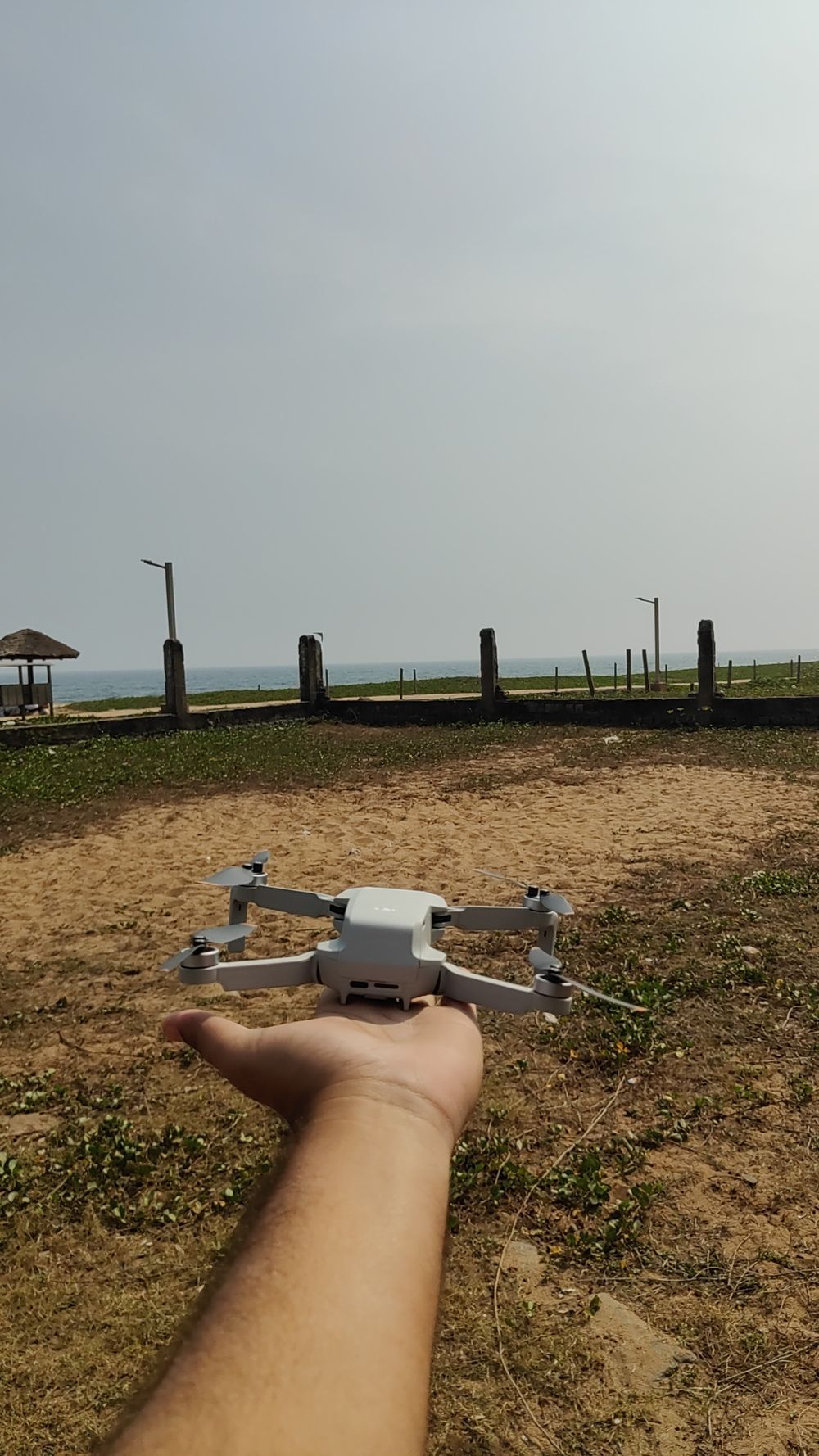 07. DJI Mini 2 SEBest for simplicity | Point, shoot, share | 2.7K video; same 10 km link as the Mini 2 | View on Amazon |
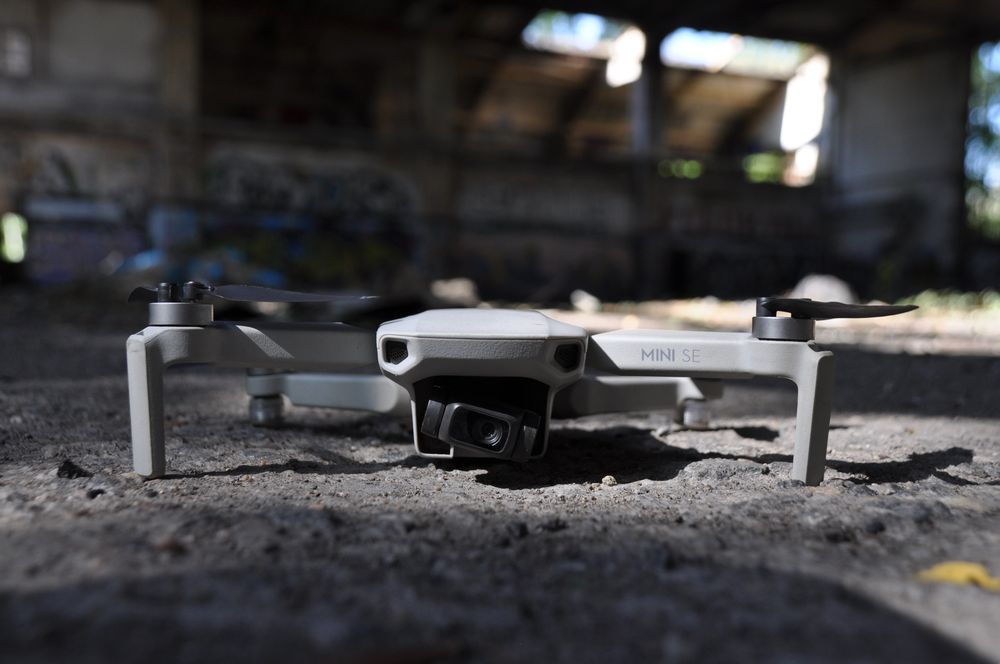 08. DJI Mini SEBest used bargain | The cheapest way into the Mini line | Mavic Mini internals in a Mini 2 shell; 4 km Wi-Fi link | View on Amazon |
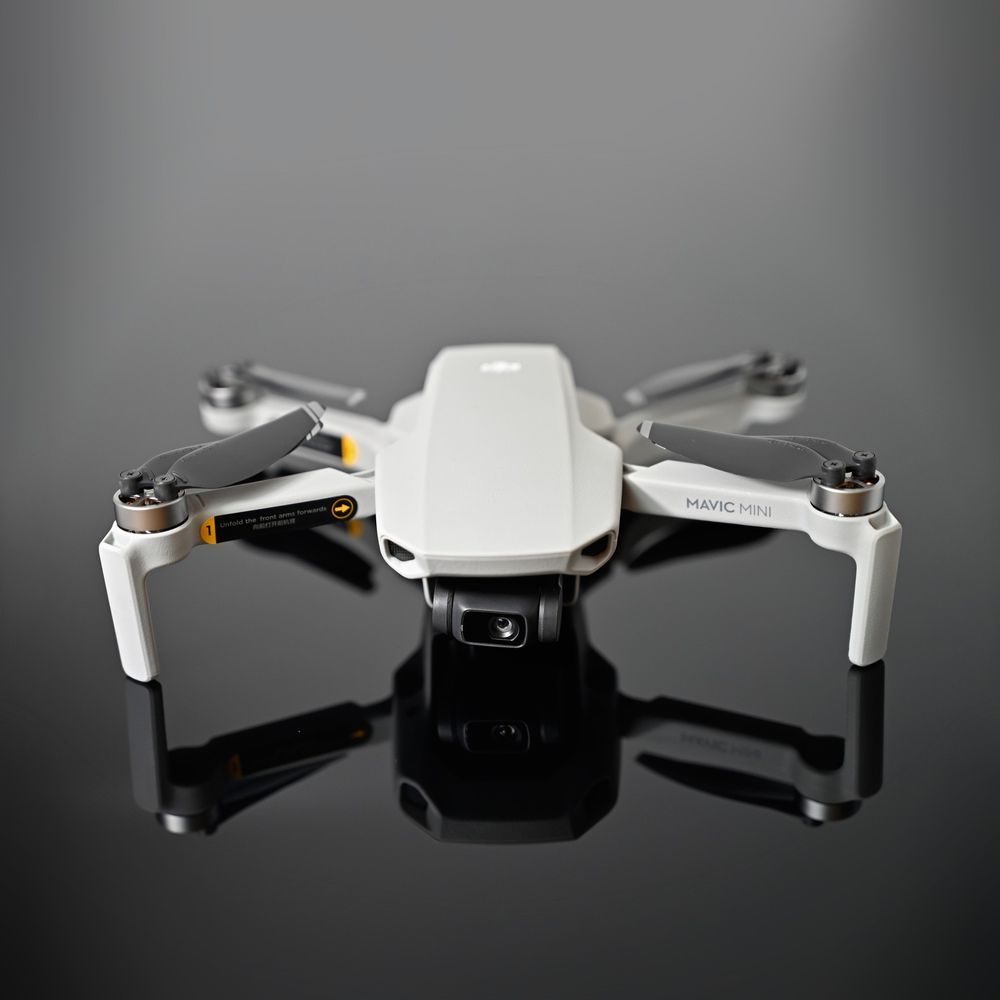 09. DJI Mavic MiniBest for collectors | The original 249 g idea | 2.7K and 30 minutes; oldest link and app support | View on Amazon |
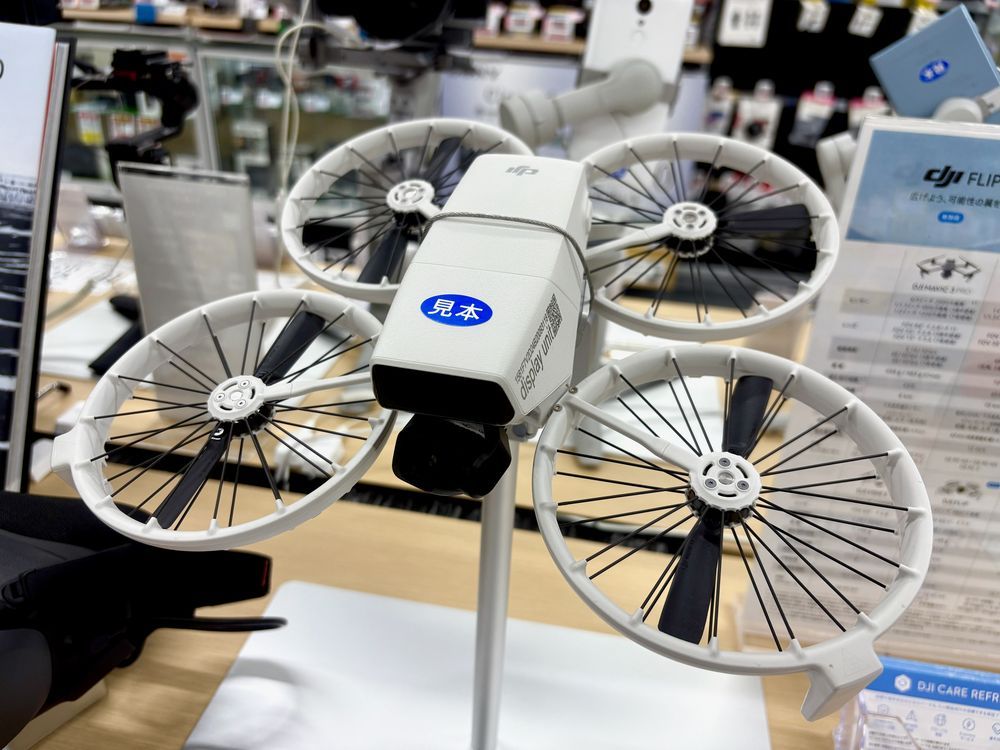 10. DJI FlipBest Mini alternative | Palm-launch filming of yourself | Not a Mini by name; guards and tracking instead | View on Amazon |
Look closer
Our 10 picks, explained
These picks come from desk research, not hands-on testing: we compared DJI’s official spec sheets for every Mini generation line by line, then cross-checked owner feedback and published reviews to see how each model holds up in 2026.
DJI Mini 5 Pro
Every Mini before this one asked you to accept a small sensor as the price of the weight class. The Mini 5 Pro ends that bargain. Its 1-inch sensor holds shadow detail at dusk, shoots 4K at up to 120fps, and stills run to 50MP, while the gimbal rotates for true vertical video. Omnidirectional sensing plus forward LiDAR guards the shot, the O4+ link is rated to 20 km in FCC regions, and 42 GB of internal storage means a forgotten card never cancels a flight. The honest caveats are battery politics: 36 minutes on the standard pack, and the longer-flying Plus battery pushes it over 250 g.
- Takeoff weight
- 249.9 g with standard battery
- Flight time
- 36 min (52 min with Plus battery)
- Camera
- 1-inch CMOS, 50MP, 4K/120
Reasons to choose it
- 1-inch sensor, a first for the Mini class
- Omnidirectional sensing plus LiDAR
- True vertical shooting, rotating gimbal
Trade-offs to know
- Plus battery crosses 250 g into registration territory
- Some units sit near the 250 g line; weigh yours
Choose this if: you want the best footage any sub-250 g drone can shoot.
Consider another option if: the flagship premium stings, the Mini 4 Pro keeps most of the magic.
DJI Mini 4 Pro
If the Mini 5 Pro is the ceiling, the Mini 4 Pro is the sensible floor for serious work. It matches the newer drone on the systems pilots use daily: sensing in every direction, subject tracking that circles and follows, true vertical video, and an O4 link rated to 20 km. Its 1/1.3-inch sensor shoots 4K/60 HDR and 4K/100 slow motion with 10-bit color for grading, which covers nearly every real project. The gap shows up at the edges of the day, where the flagship’s 1-inch sensor holds detail the smaller chip cannot. For daylight-first flyers, that gap is smaller than the saving.
- Takeoff weight
- Under 249 g with standard battery
- Flight time
- 34 min (45 min with Plus battery)
- Camera
- 1/1.3-inch CMOS, 48MP, 4K/60 HDR
Reasons to choose it
- Omnidirectional sensing, rare at this price now
- 4K/100 slow motion and 10-bit color
- ActiveTrack 360 and true vertical video
Trade-offs to know
- Sensor trails the Mini 5 Pro at dusk
- Plus battery also crosses 250 g
Choose this if: you want flagship habits without the flagship bill.
Consider another option if: you grade footage seriously on a budget, the Mini 3 Pro shoots 10-bit for less.
DJI Mini 3 Pro
Before May 2022, a Mini was a simple camera that flew. The Mini 3 Pro changed the brief: forward, backward and downward sensing, ActiveTrack and FocusTrack modes, true vertical shooting from a redesigned gimbal, and 4K/60 video with 10-bit D-Cinelike color from a 1/1.3-inch sensor. That is still a serious spec sheet, and it explains why this model anchors so many used and refurbished listings. The compromises are generational: the O3 link reaches 12 km rather than 20, sensing misses the sides and top, and flight time is 34 minutes. None of that stops it being the most capable cheap way into pro Mini habits.
- Takeoff weight
- Under 249 g with standard battery
- Flight time
- 34 min (47 min with Plus battery)
- Camera
- 1/1.3-inch CMOS, 48MP, 4K/60, 10-bit D-Cinelike
Reasons to choose it
- Tri-directional sensing and full tracking suite
- 10-bit color at used-market prices
- True vertical shooting
Trade-offs to know
- No sideways or upward sensing
- O3 link tops out at 12 km
Choose this if: you want pro features and color depth for the least money.
Consider another option if: you fly around obstacles often, the Mini 4 Pro senses every direction.
DJI Mini 3
The Mini 3 is the thoughtful sibling. DJI removed the obstacle sensors and tracking modes from the Mini 3 Pro, kept its excellent 1/1.3-inch 48MP camera with 4K HDR video and true vertical shooting, and spent the weight and power savings on endurance: 38 minutes per standard battery, the best in the Mini family, stretching to 51 minutes with the Plus pack. For landscape and travel pilots who set up shots slowly and fly open spaces, that trade lands well. You fly it entirely yourself, on an OcuSync 2.0 link rated to 10 km, with downward positioning but no obstacle net. Fly it like a camera on a long, calm tripod and it shines.
- Takeoff weight
- 249 g with standard battery
- Flight time
- 38 min (51 min with Plus battery)
- Camera
- 1/1.3-inch CMOS, 48MP, 4K HDR video
Reasons to choose it
- 38 minute standard flights, best in the line
- Same 48MP camera as the Mini 3 Pro
- True vertical shooting for social edits
Trade-offs to know
- No obstacle sensing or subject tracking
- 10 km OcuSync 2.0 link, a generation behind
Choose this if: you shoot landscapes and value airtime over assistance.
Consider another option if: you film moving subjects, the Mini 3 Pro tracks them.
DJI Mini 4K
The Mini 4K began life as a quiet 2024 refresh of the Mini 2 SE formula with the 4K camera put back, and it has settled into the role of the line’s honest starter. You get the fundamentals done right: a 3-axis gimbal keeping 4K footage level, a 10 km link, Level 5 wind resistance for breezy viewpoints, and 31 minutes per battery in a 246 g folder. What you do not get is any electronic supervision: no obstacle sensing, no tracking, and a 720p live view. That makes it a pilot’s drone in the old sense. As the cheapest way to buy into the Mini ecosystem new, with parts and batteries everywhere, it earns its place.
- Takeoff weight
- 246 g
- Flight time
- 31 min
- Camera
- 1/2.3-inch CMOS, 12MP, 4K/30
Reasons to choose it
- Real 3-axis gimbal and honest 4K
- 31 minute flights, Level 5 wind rating
- Sold new with full DJI support
Trade-offs to know
- No obstacle sensing or tracking
- 720p live view feels dated
Choose this if: you want a new, simple Mini and will fly it yourself.
Consider another option if: you want tracking for solo filming, look at the DJI Flip.
DJI Mini 2
Read the Mini story through the Mini 2 and the pattern is clear: keep the 249 g folding body, fix the predecessor’s weaknesses. The 2.7K camera became a proper 4K/30 unit, the wind resistance climbed to Level 5, and the jump from Enhanced Wi-Fi to OcuSync 2.0 multiplied the usable range and cleaned up the live feed. Flight time is 31 minutes, and the handling still feels crisp and confidence-inspiring. DJI has discontinued it, so in 2026 you are shopping remaining stock and the used market, where it competes with its own descendants. Judged as a flying camera rather than a purchase, it is the best of the early Minis by a wide margin.
- Takeoff weight
- 249 g
- Flight time
- 31 min
- Transmission
- OcuSync 2.0, up to 10 km
Reasons to choose it
- 4K/30 video with a strong 10 km link
- Level 5 wind resistance
- Huge used market and cheap batteries
Trade-offs to know
- Discontinued: check seller and warranty carefully
- 1/2.3-inch sensor shows its age at dusk
Choose this if: you find a clean used example and want simple 4K.
Consider another option if: you prefer buying new, the Mini 4K is its current successor.
DJI Mini 2 SE
Not everyone needs 4K, and the Mini 2 SE is DJI’s answer for everyone else. It keeps the parts of the Mini 2 that make flying pleasant, the stable 3-axis gimbal, GPS return, QuickShots and the long-range OcuSync 2.0 link, and saves money on the sensor, which tops out at 2.7K/30 video and 12MP stills. A 2024 firmware update added Remote ID support, which keeps it current with US rules. At 246 g it is also one of the lightest Minis ever made. The catch in 2026 is its own sibling: the Mini 4K restored the 4K camera on the same platform, so the SE makes most sense when you find it clearly cheaper or simply do not shoot for big screens.
- Takeoff weight
- 246 g
- Flight time
- 31 min
- Camera
- 1/2.3-inch CMOS, 12MP, 2.7K/30
Reasons to choose it
- Full 10 km OcuSync link and GPS return
- Lightest tier of the line at 246 g
- Remote ID support via firmware
Trade-offs to know
- 2.7K ceiling for video
- Mini 4K sibling makes it a price-only play
Choose this if: your footage lives on phones and social feeds.
Consider another option if: you edit on a TV or monitor, the Mini 4K records true 4K.
DJI Mini SE
The Mini SE is the Mini line’s parts-bin special, and that is a compliment. DJI took the Mavic Mini’s camera and flight system, with 2.7K/30 video, a 3-axis gimbal and 30 minute flights, and housed it in the Mini 2’s improved shell with Level 5 wind resistance. It shares batteries and propellers with the Mini 2, which keeps running costs low, and GPS plus QuickShots cover the beginner essentials. What dates it is the link: Enhanced Wi-Fi reaches about 4 km on paper and less in busy areas, with a 720p feed. As a new buy it was always a stepping stone; as a used buy in 2026, it is the entry price of the whole Mini story.
- Takeoff weight
- Under 249 g
- Flight time
- 30 min
- Transmission
- Enhanced Wi-Fi, up to 4 km
Reasons to choose it
- Cheapest genuine Mini on the used market
- Level 5 wind resistance, Mini 2 shell
- Shares Mini 2 batteries and propellers
Trade-offs to know
- Wi-Fi link limits range and feed quality
- 2.7K video, 8-bit color only
Choose this if: the budget is firm and you fly close in open spaces.
Consider another option if: you need range, the Mini 2 SE keeps OcuSync reach.
DJI Mavic Mini
Every drone above this one exists because the Mavic Mini proved a point in November 2019: a real camera drone could weigh 249 g and sidestep registration in most countries. The formula already looks familiar, a folding body, a 3-axis gimbal, 2.7K/30 video from a 1/2.3-inch sensor, GPS return and 30 minute flights. The limits are equally clear today: an Enhanced Wi-Fi link of about 4 km, a 720p feed, no obstacle sensing, and wind resistance a step below its successors. DJI long ago discontinued it, so listings are remaining stock and used examples. Buy it to own the original, or as a gentle trainer, and it still flies sweetly.
- Takeoff weight
- 249 g
- Flight time
- 30 min
- Camera
- 1/2.3-inch CMOS, 12MP, 2.7K/30
Reasons to choose it
- The original 249 g formula, historically significant
- Still a gentle, stable trainer
- Cheap batteries and parts on the used market
Trade-offs to know
- Wi-Fi link and 720p feed feel their age
- Discontinued; support and stock are thin
Choose this if: you collect the line, or want the gentlest cheap trainer.
Consider another option if: this is your only drone, the Mini SE adds wind resistance for similar money.
DJI Flip
Honesty first: the Flip sits in DJI’s vlog line, not the Mini family tree. It is here because buyers cross-shop it against the Minis constantly, and because its spec sheet reads like a Mini that chose a different specialty. The camera matches the Mini 4 Pro class, a 1/1.3-inch sensor with 4K/60 HDR, and it flies 31 minutes under 249 g. Where it diverges is the interaction: it unfolds, launches from your palm, tracks you with no controller in hand, and wears full propeller guards for close work around people. Braking sensors face forward only, and the folded shape is chunkier than a Mini’s. If your mini drone exists to film you, this alternative out-Minis the Minis.
- Takeoff weight
- Under 249 g
- Flight time
- 31 min
- Camera
- 1/1.3-inch CMOS, 48MP, 4K/60 HDR
Reasons to choose it
- Palm launch and hands-free tracking
- Full propeller guards for close filming
- Mini 4 Pro class camera hardware
Trade-offs to know
- Not a Mini: no Mini batteries or accessories shared
- Forward-only braking sensors
Choose this if: your subject is you, and setup time matters more than lineage.
Consider another option if: you want the true Mini line, the Mini 4 Pro is the purist’s pick.
Buy with confidence
How to choose the right Mini
Four checks that sort nine generations and one alternative faster than any spec sheet.
01. Sort by sensor generation
The Mini line divides cleanly by camera. The 1/2.3-inch models (Mavic Mini, Mini SE, Mini 2, Mini 2 SE, Mini 4K) shoot honest daylight footage. The 1/1.3-inch generation (Mini 3, Mini 3 Pro, Mini 4 Pro, Flip) adds HDR, 48MP stills and usable dusk video. The Mini 5 Pro’s 1-inch sensor stands alone. Buy the newest sensor your budget reaches.
02. Sensing is the second divide
Only three Minis watch for obstacles: the Mini 3 Pro (forward, backward, downward), the Mini 4 Pro and the Mini 5 Pro (every direction, the 5 adding LiDAR). Every other model relies on you. If you fly near trees, buildings or people, that difference matters more than any camera spec.
03. Mind the battery trap
Plus and Extended batteries stretch flight times impressively, up to 52 minutes, but they push every model that accepts them over 250 g, which can trigger registration. Standard batteries keep the whole line registration-light. Decide which matters before you price a bundle, because the batteries are not interchangeable across all generations.
04. Buy used with open eyes
Half this list is discontinued, which is fine: Minis are durable and parts are plentiful. Check the used basics: battery cycle counts, gimbal smoothness through its full tilt, no arm play, and that the drone is unbound from the previous owner’s DJI account. A bound drone cannot be activated, and no bargain survives that.
Behind the recommendations
How we selected these products
This guide is built on desk research, not hands-on testing. We compared DJI’s official spec sheets for every Mini model since 2019, verified the complete list of Mini variants against reference sources, then cross-checked the ranking against owner feedback and published reviews. Specs were rechecked against the sources below in October 2026. Where a figure is a lab rating, such as flight time, we treat it as a ceiling, not a promise.
- Completeness: every model DJI has sold with Mini in the name is included and ranked; the one non-Mini pick is labelled as an alternative in its review.
- Camera and flight performance: sensor size, video modes, flight time, transmission system and sensing, compared like for like across generations.
- Limitations: we did not fly these drones for this guide, and older models are discontinued, so confirm the exact model, seller and condition before buying.
Common questions
Before you buy
Which DJI Mini should I buy in 2026?
For most people, the Mini 4 Pro: it keeps the flagship sensing, tracking and link for less than the Mini 5 Pro. Buy the Mini 5 Pro if low-light footage matters, the Mini 4K if the budget is firm, and the Mini 3 Pro if you want 10-bit color at used prices.
Do DJI Mini drones need registration?
With standard batteries, every Mini here is under 250 g, which skips recreational registration in many countries including the US. Fit a Plus or Extended battery and several models cross the line. Some countries register all camera drones regardless of weight, and the Mini 5 Pro sits close enough to 250 g that DJI advises weighing individual units.
Is the DJI Flip a Mini drone?
No. The Flip belongs to DJI’s palm-launch vlog line, not the Mini family. We include it as a clearly labelled tenth pick because it folds under 250 g with a Mini 4 Pro class camera and is the drone most Mini shoppers cross-shop. The other nine picks are every Mini model DJI has made.
Are the older Minis still worth buying?
Yes, with expectations set. The Mini 2 and Mini 3 series still fly beautifully and their cameras hold up in daylight. The Mavic Mini and Mini SE are best as bargains or trainers, since their Wi-Fi links and 2.7K cameras show their age. Check battery health and account binding on any used example.
Choose the best fit for your flying
Start with the Mini 5 Pro if you want the best footage the class allows. Choose the Mini 4 Pro when the same flying habits matter more than the last step of low-light quality. Whichever generation you land on, confirm your local drone rules before the first flight.
Sources and verification
Product specifications and claims in this guide were checked against the following sources, listed by name as a record of what was consulted.
- DJI Mini 5 Pro, Mini 4 Pro, Mini 3 Pro, Mini 3, Mini 4K, Mini 2 SE, Mini 2, Mini SE and Mavic Mini official specifications and support pages (dji.com)
- DJI Flip official specifications (dji.com)
- DJI Mini series reference history and variant list (Wikipedia, cross-checked against DJI support pages)
- Published reviews and owner feedback for the shortlisted models, cross-checked in October 2026
- National aviation authority guidance on sub-250 g drone registration