As an Amazon Associate I earn from qualifying purchases. If you buy through links in this article, we may earn a commission at no extra cost to you.
These are the 10 best FPV drones you can put together in the under-200 class, and the word together matters. At this level FPV splits into ready-to-fly kits with goggles and a radio in the box, and bind-and-fly whoops that pair with gear you already own. We ranked all 10 on how honestly each path gets you flying, how the aircraft handles, and how far the budget stretches before spares and batteries eat it.
Short on time?
Start with these three picks
One complete kit for first flights, one freestyle kit with room to grow, and one gentler kit for younger or cautious beginners.
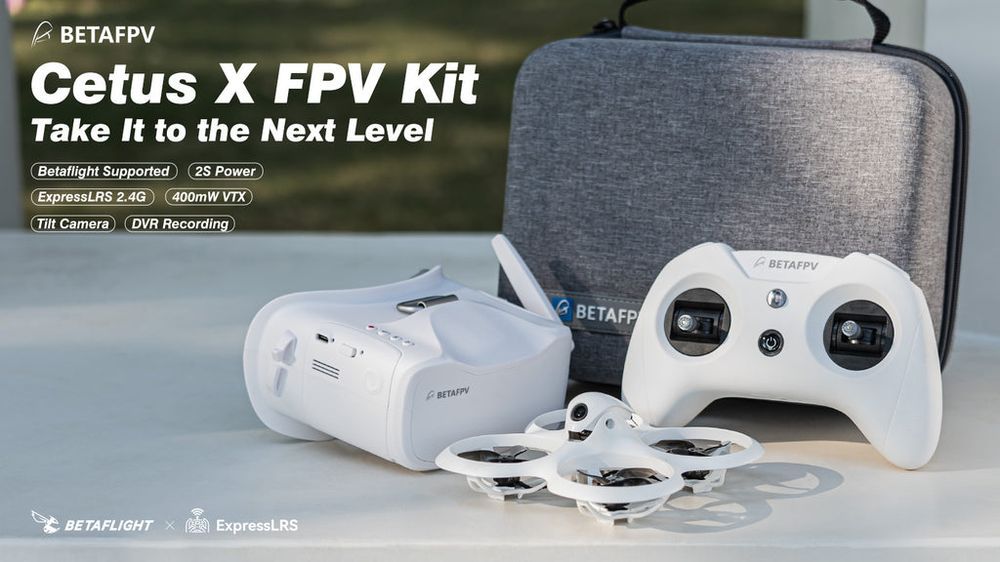
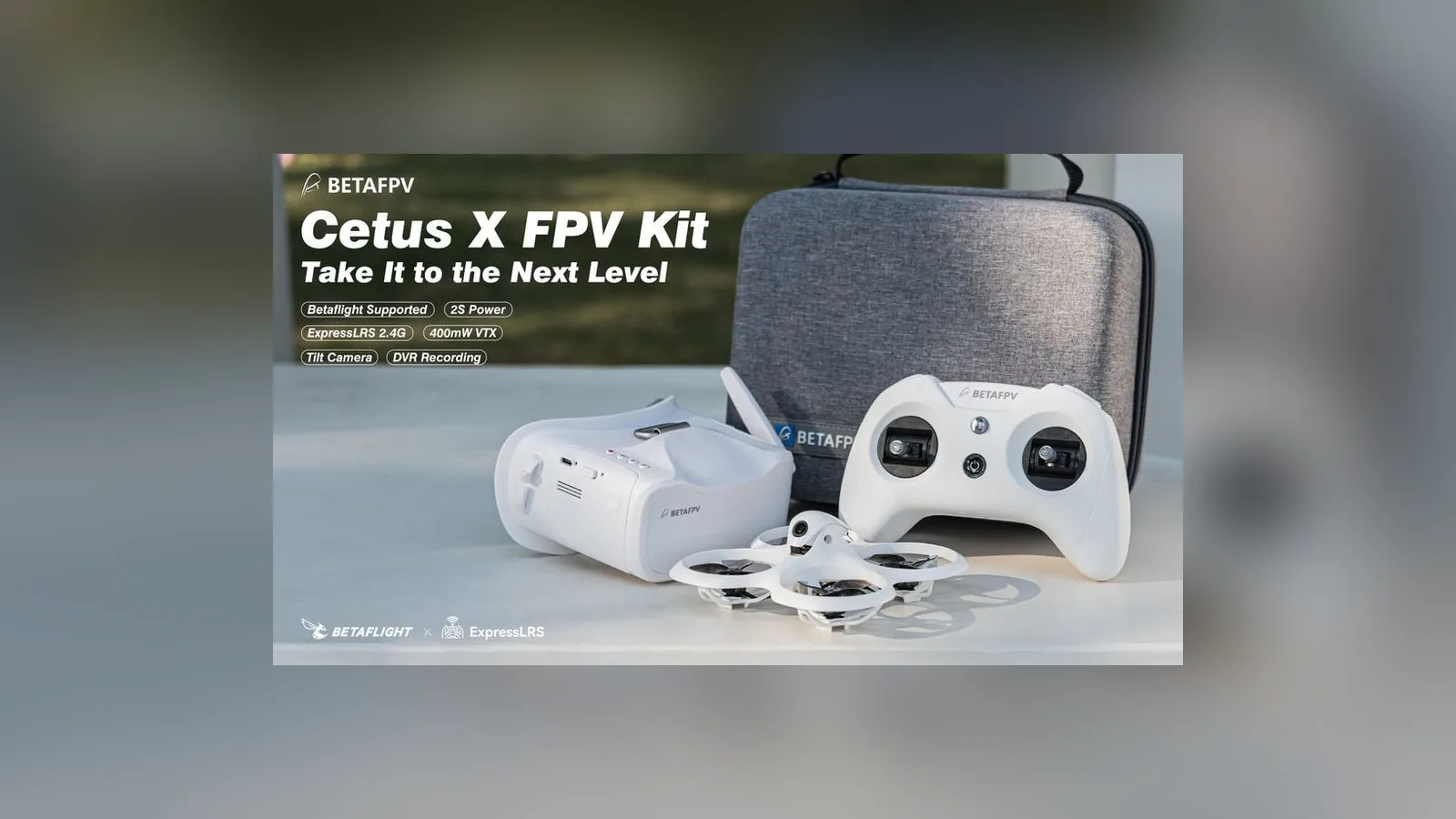
BETAFPV Cetus X FPV Kit
The most complete starter package here: a brushless 95mm whoop with position hold, a proper radio and goggles in one box. Flights run about five minutes, so the kit’s spare batteries earn their place.
View on Amazon Read the full review ↓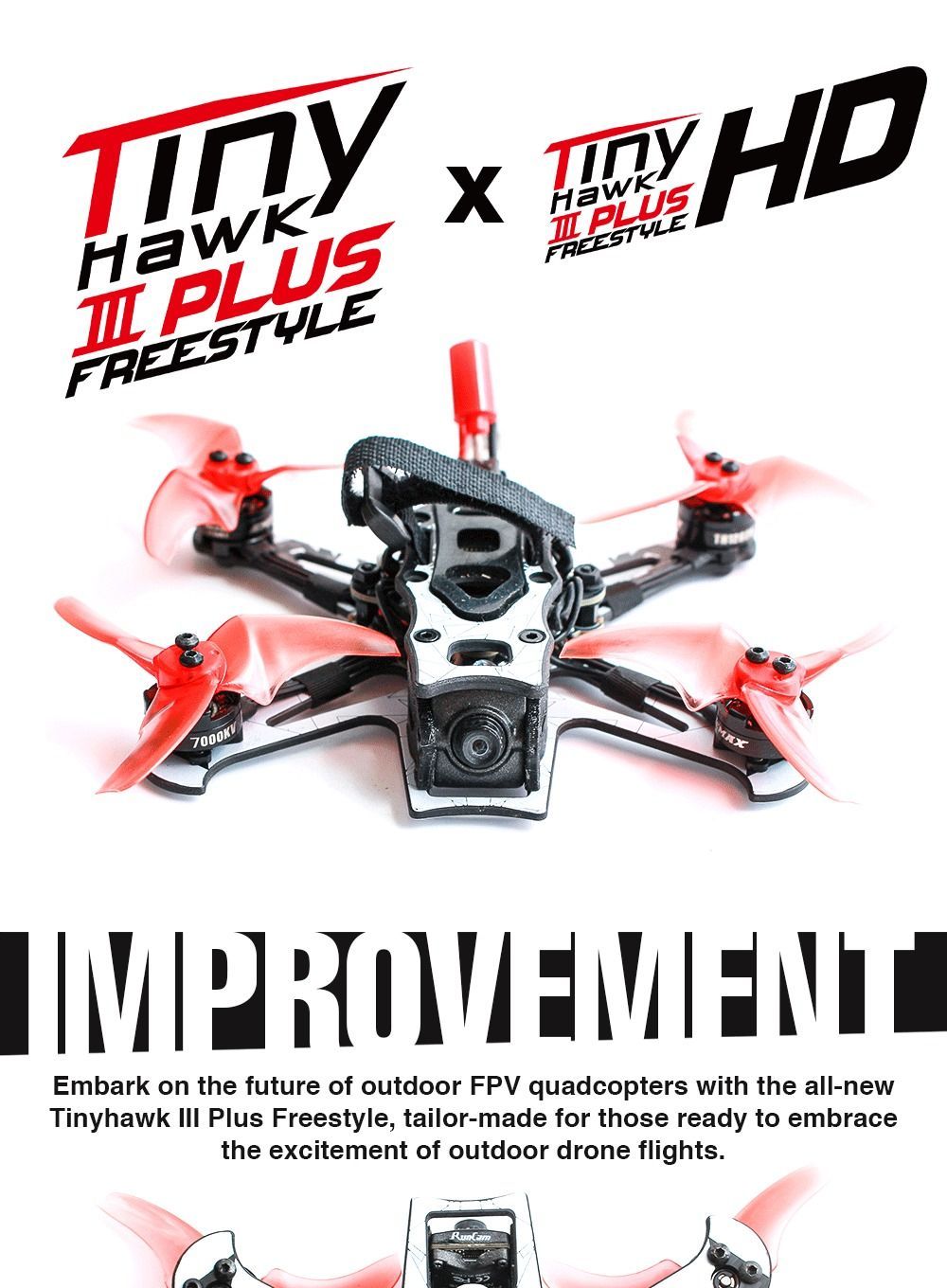
EMAX Tinyhawk 3 Freestyle Plus RTF Kit
A complete kit built around a 2.5-inch freestyle quad instead of a ducted trainer, so it flies outdoors like a real freestyle setup. The open props demand open space and a careful first week.
View on Amazon Read the full review ↓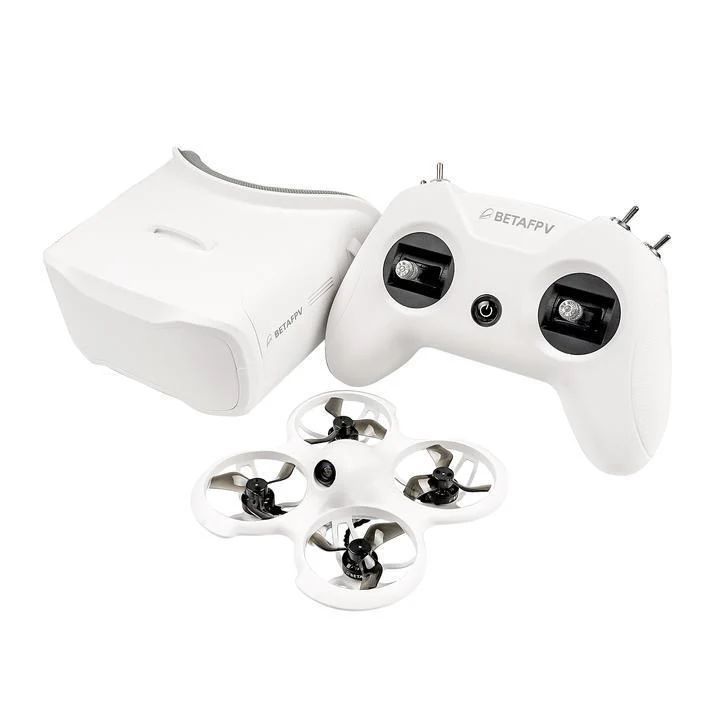
BETAFPV Cetus Pro FPV Kit
The gentle classic: a brushless 65mm whoop with three flight modes that progress from self-leveling to manual, plus radio and goggles in the box. It is a trainer by design, and proud of it.
View on Amazon Read the full review ↓The shortlist
Compare all 10 at a glance
The key columns here are what is in the box and what the aircraft is for: learning, freestyle, racing or filming.
| Product / award | Best fit | Key decision point | Check current offer |
|---|---|---|---|
| 01. BETAFPV Cetus X FPV KitBest overall | First FPV setup, nothing owned yet | Complete brushless kit; 5 minute flights | View on Amazon |
| 02. EMAX Tinyhawk 3 Freestyle Plus RTF KitBest RTF freestyle kit | Freestyle flying from the first pack | Toothpick freestyle quad; open props, outdoors first | View on Amazon |
| 03. BETAFPV Cetus Pro FPV KitBest first FPV kit | Complete beginners, indoor learning | Three-mode trainer whoop; analog 1200TVL camera | View on Amazon |
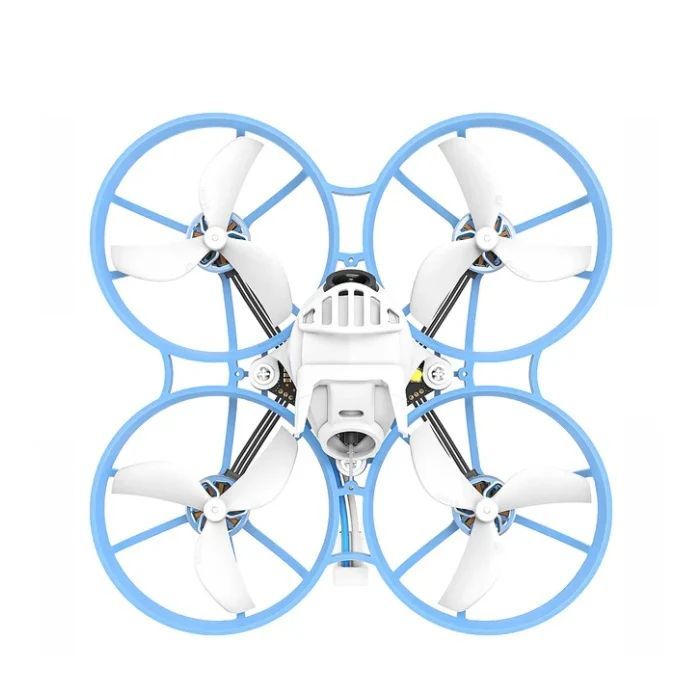 04. BETAFPV Meteor75 ProBest 75mm whoop | Equipped pilots wanting a serious whoop | BNF only; needs your radio and goggles | View on Amazon |
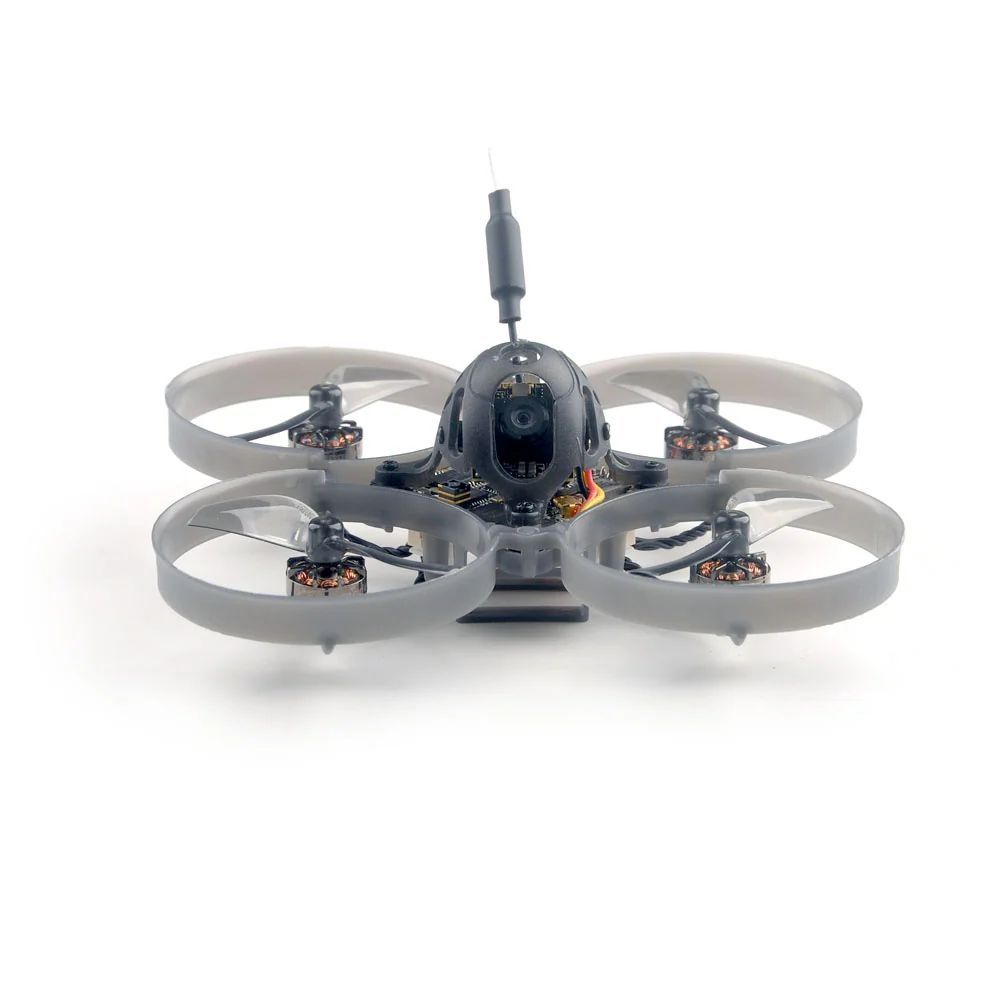 05. Happymodel Mobula7 1SBest 75mm all-rounder | Indoor tracks and garden freestyle | BNF all-rounder; analog Nano3 camera | View on Amazon |
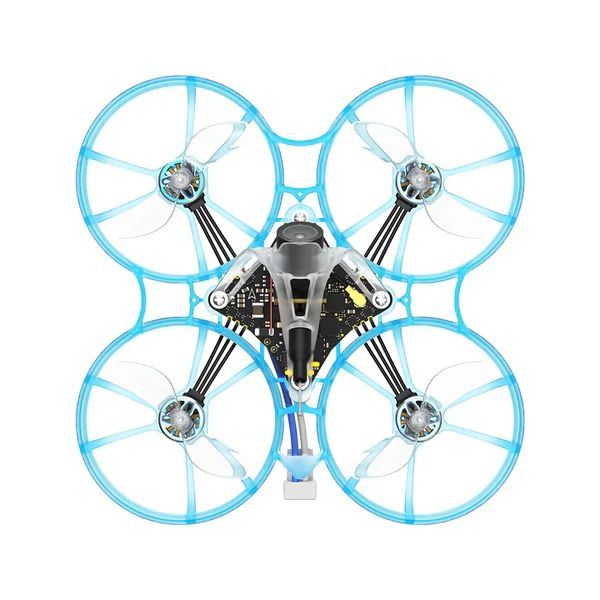 06. BETAFPV Air75Best lightweight 75mm | Smooth pilots chasing flight time | 21 g BNF whoop; built light, flies efficient | View on Amazon |
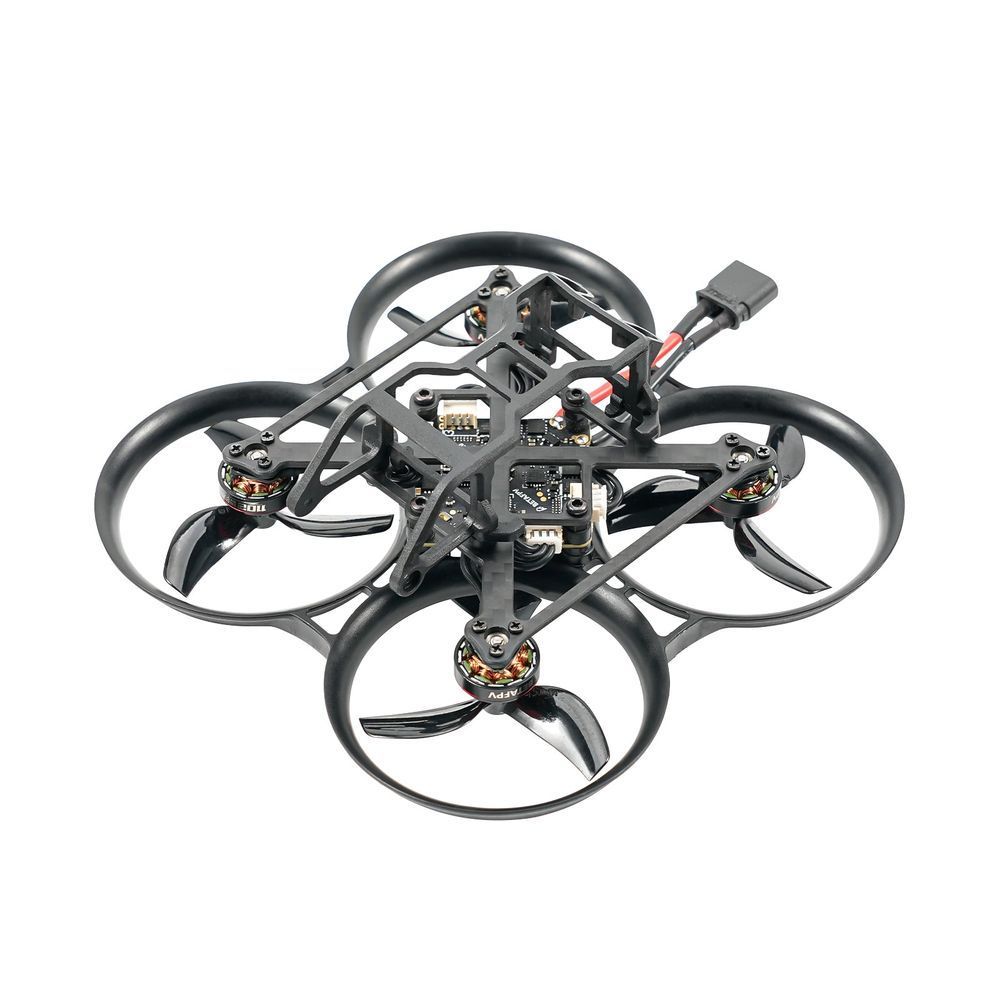 07. BetaFPV Pavo PicoBest for DJI video units | DJI pilots wanting a guarded HD micro | Air unit not included; HD when fitted | View on Amazon |
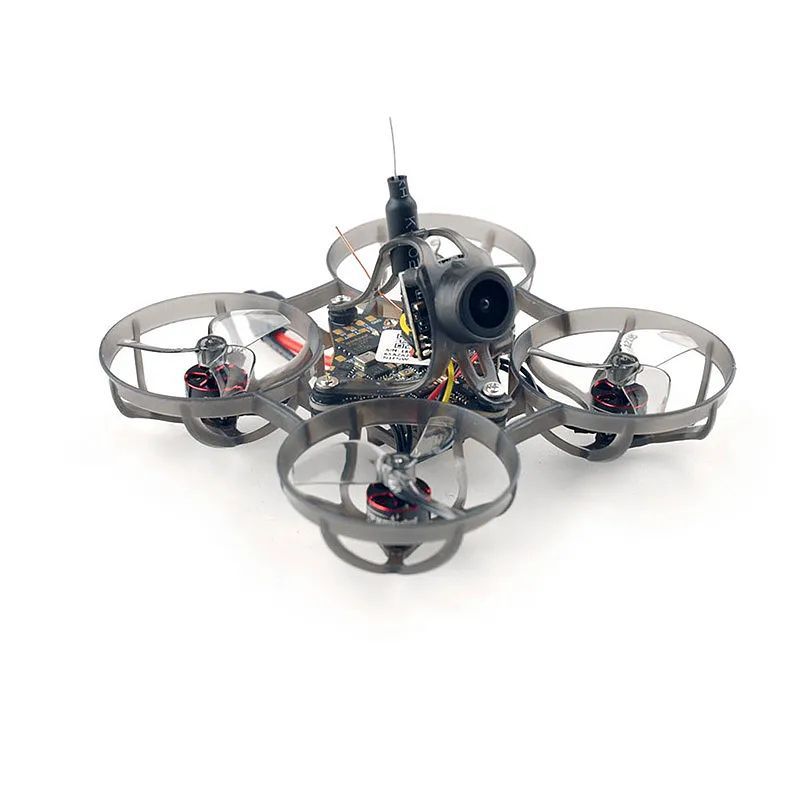 08. Happymodel Mobula6 2024Best ultralight racer | Whoop racing and indoor tracks | 65mm ELRS racer; expert pace, tiny frame | View on Amazon |
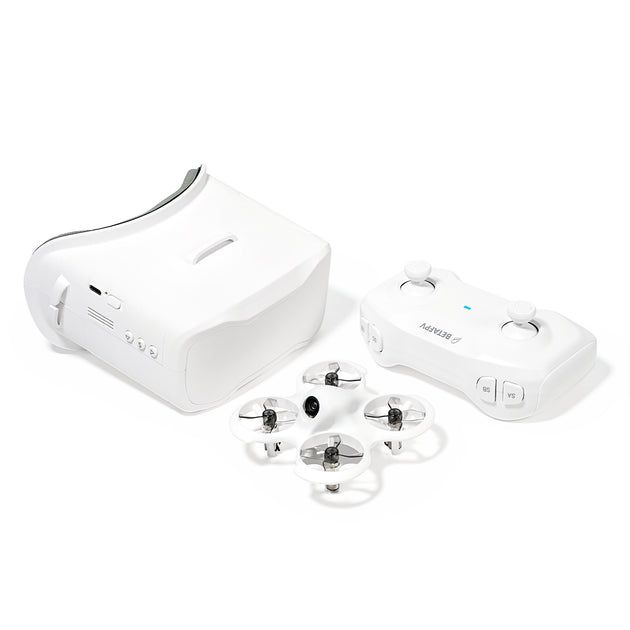 09. BETAFPV Cetus Lite FPV KitBest gentle starter kit | Young pilots and first indoor flights | Brushed trainer kit; short range by design | View on Amazon |
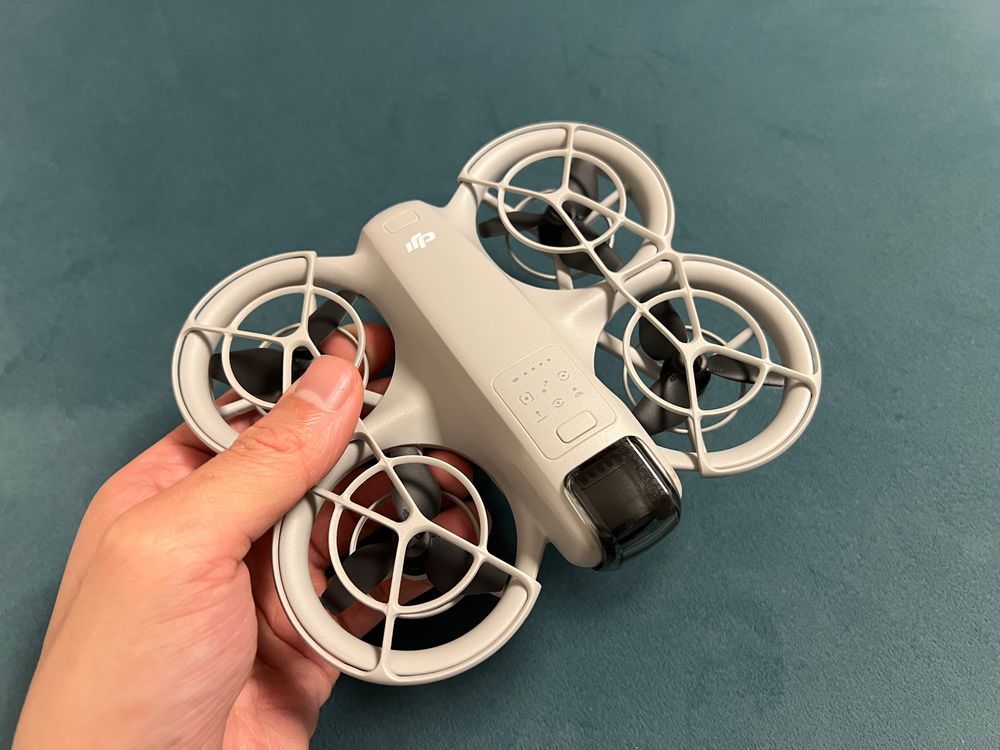 10. DJI NeoBest camera FPV starter | Camera-first pilots curious about FPV | 4K camera drone; FPV needs DJI goggles | View on Amazon |
Look closer
Our 10 picks, explained
These picks come from desk research, not hands-on testing: we compared manufacturer spec sheets and kit contents line by line, then cross-checked owner feedback and published reviews from the FPV community.
BETAFPV Cetus X FPV Kit
Most budget FPV kits cut the same corners: brushed motors, a toy radio, goggles you replace within a month. The Cetus X refuses most of them. The aircraft is a 95mm ducted whoop on brushless motors with a LiteSilver flight controller that adds altitude and position hold, which flattens the learning curve without removing manual control later. The box carries the LiteRadio 3 radio and VR03 goggles with a recording function, plus two 450mAh batteries and a charger. Flights run about five minutes per pack, which is normal for the class and why the second battery matters. When the training wheels come off, the same aircraft flies full manual, so the kit grows instead of expiring.
- Frame
- 95mm whoop, ducted props
- Weight
- 55 g
- Flight time
- About 5 min (2 x 450mAh 1S)
Reasons to choose it
- Brushless power with position hold for learners
- Radio and recording goggles included
- Full manual mode when you are ready
Trade-offs to know
- About five minutes per battery
- Analog video only
Choose this if: you own no FPV gear and want one box that teaches properly.
Consider another option if: you already own goggles and a radio, a bind-and-fly whoop like the Meteor75 Pro spends the whole budget on the aircraft.
EMAX Tinyhawk 3 Freestyle Plus RTF Kit
EMAX took a different bet with this kit: instead of a ducted trainer, the aircraft is the Tinyhawk 3 Freestyle Plus, a 2.5-inch toothpick quad on an 110mm frame that flies like the freestyle machines it imitates. That means real dives, real wind tolerance and real propellers with no ducts, so first flights belong in an open field, not a living room. The RTF box carries the EMAX radio and Transporter 2 goggles, and the quad runs about four minutes per 450mAh pack. For a beginner who knows freestyle is the destination, skipping the trainer stage saves buying twice. For anyone unsure, the ducted kits above and below forgive far more.
- Frame
- 2.5-inch freestyle, 110mm wheelbase
- Weight
- About 65 g without battery
- Flight time
- About 4 min per 450mAh pack
Reasons to choose it
- Flies like a real freestyle quad from day one
- Complete kit with goggles and radio
- Strong parts support from EMAX
Trade-offs to know
- Open props are unforgiving indoors
- About four minutes per pack
Choose this if: freestyle is the goal and you have open space to learn in.
Consider another option if: you will learn indoors or around people, the ducted Cetus X kit is the safer teacher.
BETAFPV Cetus Pro FPV Kit
The Cetus Pro kit was designed around a single insight: beginners quit FPV when the first week is all crashes. Its 65mm brushless whoop wraps 40mm props in ducts, shrugs off furniture, and offers Normal, Sport and Manual modes so the same aircraft teaches hovering, then cruising, then full control. The C02 camera feeds 1200TVL analog video to the VR02 goggles in the box, and the LiteRadio 2 SE radio is a proper gamepad-style transmitter that works with simulators too, which quietly doubles its value on rainy days. It will not freestyle like the Tinyhawk or race like the Meteor75 Pro, and it never pretended to. As a first hundred flights, it is exactly right.
- Props
- 40mm 3-blade, brushless whoop
- Camera
- C02, 1200TVL
- Kit
- LiteRadio 2 SE radio and VR02 goggles
Reasons to choose it
- Three flight modes grow with the pilot
- Ducted props forgive indoor crashes
- Radio doubles as a simulator controller
Trade-offs to know
- Trainer pace, not a freestyle machine
- Analog video quality is basic
Choose this if: you are starting from zero and learning indoors.
Consider another option if: you want the stronger kit for outdoor flying too, the Cetus X kit adds power and position hold.
BETAFPV Meteor75 Pro
The Meteor75 Pro spends nothing on goggles or radios, and it shows in the aircraft. At about 30 g without battery it runs 1102 22000KV motors, the largest in the 75mm class, on a frame built to be crashed and rebuilt. The C03 camera and analog transmitter reach 400mW, enough for clean video around a house, a yard or a whoop track. This is a bind-and-fly model: you bring an ELRS or FrSky radio and analog goggles, bind, and fly, which is exactly why it undercuts the kits while out-flying them. The trade is obvious and total: a beginner with no gear owns a paperweight until the rest of the setup exists, so read the kit picks first if that is you.
- Weight
- 30.43 g without battery
- Motors
- 1102 22000KV brushless
- Video
- C03 analog, VTX up to 400mW
Reasons to choose it
- Strongest motors in the 75mm class
- 400mW video transmitter
- Cheap to repair, parts everywhere
Trade-offs to know
- Bind-and-fly: radio and goggles not included
- Analog feed only
Choose this if: you own ELRS or FrSky gear and want the aircraft to be the upgrade.
Consider another option if: you own nothing yet, the Cetus X kit includes everything in one box.
Happymodel Mobula7 1S
Ask a room of whoop pilots for one recommendation and the Mobula7 wins most votes. The formula is balance: a 75mm wheelbase big enough for garden freestyle, light enough at about 24 g for indoor tracks, and tough enough to fly for seasons on one frame. The Runcam Nano3 camera is a genuine step above the entry cameras in the kits, the OpenVTX transmitter adjusts up to 400mW, and receiver options cover ELRS and FrSky pilots. Everything about it is standard, which is the point: props, frames, canopies and motors are cheap and stocked everywhere. It asks the usual bind-and-fly price, your own radio and goggles, and rewards it with the most supported aircraft in this roundup.
- Wheelbase
- 75mm
- Weight
- About 24 g
- Video
- Runcam Nano3 analog, OpenVTX to 400mW
Reasons to choose it
- The class reference for balance and durability
- Better camera than the starter kits
- Parts and tunes everywhere
Trade-offs to know
- Bind-and-fly: no radio or goggles in the box
- Analog video only
Choose this if: you have gear and want one whoop that does everything.
Consider another option if: you want more punch in the same size, the Meteor75 Pro runs bigger motors.
BETAFPV Air75
Weight is the whole story with the Air75. BETAFPV chased grams out of the frame, canopy and hardware until the aircraft reached 21 g without battery, and the reward is efficiency: around six and a half minutes from a 1S 450mAh pack, where most 75mm whoops manage four or five. In the air it feels calm and floaty, happy on indoor tracks and gentle garden lines, with enough brushless power for loops and rolls when asked politely. The compromise is the obvious one: a structure this light is not the crash tank the Mobula7 is, and aggressive freestyle exposes the difference. Smooth pilots who value long, quiet flights will call it the best value here. Crash-happy learners should buy the tank instead.
- Wheelbase
- 75mm
- Weight
- 21 g without battery
- Flight time
- About 6.5 min on 1S 450mAh
Reasons to choose it
- Longest whoop flights here, about 6.5 minutes
- Featherweight 21 g build
- Calm, efficient handling
Trade-offs to know
- Light frame is not a crash tank
- Bind-and-fly: gear not included
Choose this if: you fly smoothly and want maximum time per pack.
Consider another option if: you crash often and hard, the Mobula7 1S is the tougher tool.
BetaFPV Pavo Pico
Every other aircraft in this roundup flies an analog feed, because analog is how this budget stays low. The Pavo Pico is the exception that proves the rule: an 80.8mm brushless whoop with full prop ducts, designed to carry a DJI O3 or O4 air unit. The frame and electronics sit inside this budget; the DJI unit does not, and the listing is honest about that, so this pick is aimed squarely at pilots who already own a DJI unit or plan to move one between aircraft. With the unit fitted, at about 73 g without battery, you get HD FPV and stabilized onboard recording in a package safe for indoor filming. Without one, you own a very nice frame. Know which pilot you are.
- Wheelbase
- 80.8mm
- Weight
- 73.47 g without battery
- Video system
- DJI O3 support, air unit not included
Reasons to choose it
- HD digital FPV in a ducted whoop
- Records stabilized footage with a DJI unit
- Safe, guarded indoor flyer
Trade-offs to know
- DJI air unit sold separately
- Heavier than the analog whoops
Choose this if: you own a DJI air unit and want a guarded micro for it.
Consider another option if: you want HD without extra hardware, the DJI Neo builds the camera in.
Happymodel Mobula6 2024
Whoop racing rewards one thing above all: power to weight. The Mobula6 2024 edition is built entirely around it, at 17.7 g without battery, with SE0702 28000KV motors and Happymodel’s SuperX ELRS flight board spinning a 65mm frame through gates at speeds the trainer whoops cannot approach. This is a current-edition racer with a loyal following on indoor circuits, cheap parts and community tunes for every track style. It is also, honestly, the wrong first FPV drone: the pace that wins races overwhelms beginners, the small props and frame dislike outdoor wind, and as a bind-and-fly it needs your radio and goggles to exist at all. Racers will not care about any of that. Everyone else should start higher up this list.
- Wheelbase
- 65mm
- Weight
- 17.7 g without battery
- Motors
- SE0702 28000KV, SuperX ELRS board
Reasons to choose it
- Fastest power-to-weight here
- Modern ELRS receiver board
- Huge racing community and parts support
Trade-offs to know
- Too quick for first-time pilots
- Bind-and-fly: no radio or goggles included
Choose this if: you race whoops or plan to, and own ELRS gear.
Consider another option if: you are learning, the Cetus Pro kit teaches at a sane pace.
BETAFPV Cetus Lite FPV Kit
Not every FPV journey should start at full speed. The Cetus Lite kit slows everything down: a brushed whoop with altitude hold that hovers where you leave it, a 720p camera feeding the included goggles, and a radio sized for smaller hands. Range is about 80 meters and the 1S 300mAh batteries are small, because the flying it is built for happens in living rooms, halls and gardens, at speeds where mistakes cost a propeller guard and nothing more. Pilots who catch the bug will outgrow it within a season and hand it down, which is a respectable career for a starter kit. Pilots who already know they want freestyle or racing should skip it and start with the Cetus Pro or X kits instead.
- Camera
- 720p video
- Range
- Up to about 80 m
- Battery
- 1S 300 mAh
Reasons to choose it
- Altitude hold keeps first flights calm
- Complete kit, nothing else to buy
- Cheap and gentle to learn on
Trade-offs to know
- Brushed motors wear faster
- Short range and small batteries
Choose this if: a young or cautious pilot is learning indoors.
Consider another option if: the pilot will progress fast, the Cetus Pro kit has brushless motors and manual mode.
DJI Neo
The Neo earns its place in an FPV list by being the one most beginners will actually enjoy in week one. On its own it is a 135 g palm-launch camera drone that tracks you, circles you and lands in your hand, recording 4K/30 from a 1/2-inch sensor. Pair it with DJI Goggles 3 or N3 and the motion controller or FPV remote, and the same aircraft becomes a docile FPV trainer with guarded props and about 18 minutes per battery, several times the endurance of the whoops above. The ceiling is real: stabilization and flight aids keep it calm where racers want chaos, and the goggles are a separate purchase. As a bridge from camera drones into FPV, nothing else here comes close.
- Takeoff weight
- 135 g
- Flight time
- About 18 min per battery
- Camera
- 1/2-inch CMOS, 12MP, 4K/30
Reasons to choose it
- Real 4K camera, unique in this list
- 18 minute flights dwarf the whoops
- Palm launch and auto tracking included
Trade-offs to know
- FPV needs DJI goggles and controller, sold separately
- Too assisted for racing or freestyle purists
Choose this if: you want camera work first and a gentle FPV on-ramp.
Consider another option if: you want true manual FPV, the Cetus X kit is the real school.
Buy with confidence
How to choose an FPV drone in this class
Four checks that matter more than top speed when the budget is tight.
01. Kit or bind-and-fly? Decide first
A ready-to-fly kit includes the aircraft, radio and goggles, and it is the only honest starting point if you own nothing. Bind-and-fly whoops are cheaper per aircraft because they assume your radio and goggles already exist. Mixing the two up is the most common budget FPV mistake, and the most expensive one.
02. Analog is the budget’s video system
At this level, FPV video is analog: soft, static-prone and perfectly flyable, which is why every kit and whoop here uses it. Digital HD systems transform the view and multiply the cost. The Pavo Pico is the bridge, a frame that accepts a DJI unit later, and the Neo is the shortcut, a camera drone that moonlights as FPV.
03. Ducts decide where you learn
Ducted whoops bounce off walls, furniture and people with nothing worse than a scuff, which makes them the indoor teachers. Open-prop freestyle quads like the Tinyhawk fly far better outdoors and punish every indoor mistake. Choose by the space you actually have, not the space you wish you had.
04. Budget for batteries and spares
Whoops fly four to six minutes per pack, so flight time is bought in batteries, not minutes. Order spare packs, props and a frame with the drone, keep a charger that handles several 1S packs at once, and your per-session flying doubles for a fraction of the aircraft’s cost.
Behind the recommendations
How we selected these products
This guide is built on desk research, not hands-on testing. We compared manufacturer spec sheets and, just as carefully, kit contents for every current FPV option in this class, because at this level what is in the box decides what a pick really costs. Prices were checked against current US listings in October 2026 and are never printed here, because they move with sales and bundles.
- Complete-cost check: kits were judged as complete purchases; bind-and-fly models are labeled as such everywhere they appear, with the extra gear they need stated plainly.
- Price band: each pick sat inside the band in current US listings at research time in the configuration described; DJI goggles and air units are separate ecosystems and are flagged wherever a pick needs them.
- Limitations: we did not fly these drones for this guide, and rated flight times for whoops are calm-air ceilings that racing and freestyle flying will halve.
Common questions
Before you buy
What else do I need to buy with a bind-and-fly whoop?
A compatible radio and analog goggles, plus batteries and a charger if the aircraft does not bundle them. The Meteor75 Pro, Mobula7, Air75 and Mobula6 2024 on this list are bind-and-fly: the price covers the aircraft only. If you own no gear, a ready-to-fly kit works out cheaper and gets you flying the same day.
Can a complete beginner start with FPV at this level?
Yes, with the right pick. The Cetus Pro and Cetus Lite kits self-level and hold altitude while you learn, and the Cetus X adds position hold. Start in the slowest mode, fly a simulator with the kit radio if it supports one, and expect the first week to be short flights and soft crashes. That is the normal, survivable path.
Why is the video quality on budget FPV so much worse than camera drones?
Budget FPV uses analog video because it is light, cheap and has almost no delay, and delay is what makes FPV unflyable. The feed looks soft because it is meant for steering, not publishing. If you want footage worth sharing at this level, the DJI Neo records real 4K, and the Pavo Pico can carry a DJI unit that records onboard.
How long do these drones actually fly per battery?
Four to six minutes for the whoops and freestyle quad, about six and a half for the efficient Air75, and around 18 minutes for the DJI Neo. FPV pilots plan around this with multiple packs: four batteries and a parallel charger turn a whoop session into half an hour of flying, which is how the hobby has always worked.
Choose the best fit for your flying
Start with the Cetus X kit if you own nothing and want the strongest complete package. Choose the Tinyhawk 3 Freestyle Plus if freestyle flying outdoors is the goal from day one. Whichever you pick, budget for spare props and extra batteries in the same order.
Sources and verification
Product specifications and claims in this guide were checked against the following sources, listed by name as a record of what was consulted.
- BETAFPV Cetus X, Cetus Pro, Cetus Lite, Meteor75 Pro, Air75 and Pavo Pico official specifications (betafpv.com)
- EMAX Tinyhawk 3 Freestyle Plus official specifications (emax-usa.com)
- Happymodel Mobula7 1S and Mobula6 2024 official specifications (happymodel.cn)
- DJI Neo official specifications (dji.com)
- Manufacturer user manuals for each shortlisted model (BETAFPV, EMAX, Happymodel, DJI)
- Published reviews and owner feedback for the shortlisted models, cross-checked in October 2026