

If you have ever found yourself staring at a jar of tiny, bumpy pickles on a fancy cheese board, you have likely encountered the subject of the cornichon meaning. While many people simply refer to them as miniature pickles, these crisp, tangy morsels hold a specific place in culinary history and technique.
Understanding what they are goes beyond just identifying a snack; it involves appreciating the specific preparation methods that differentiate them from standard cucumbers. Whether you are building a professional-grade charcuterie spread or simply curious about the terminology used in French kitchens, knowing exactly what defines these items will change how you approach your next grocery trip.
The Linguistic Roots of the Term
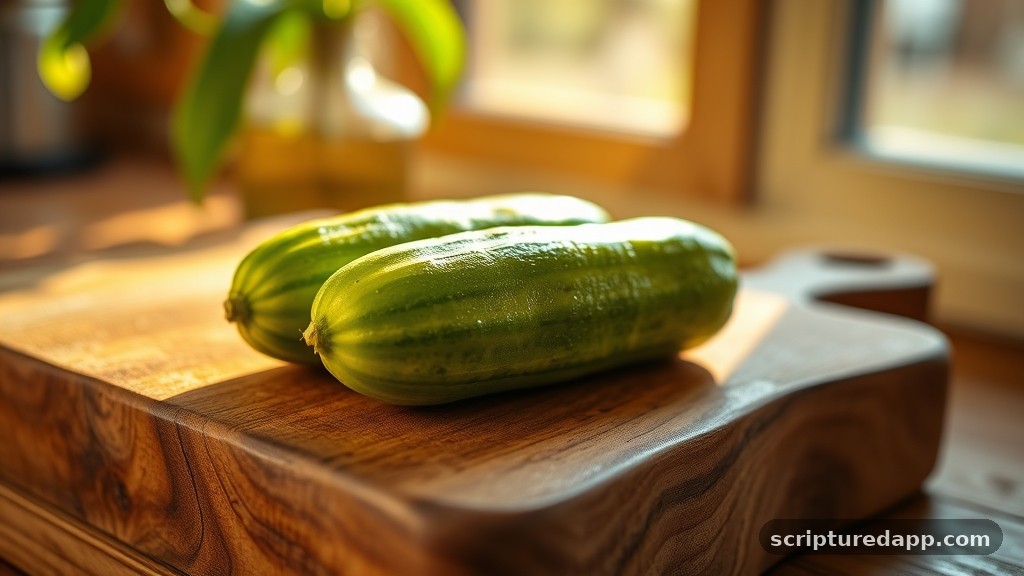
The term cornichon is a direct borrowing from the French language. In its original context, the word literally translates to “little horn,” which describes the physical shape of the vegetable before it undergoes the preservation process.
While many English speakers might simply look up the dictionary definition and see “pickle,” that translation misses the nuance of the specific variety of cucumber used. These are not just any cucumbers; they are harvested when they are quite young, ensuring they remain firm and petite.
This specific size requirement is central to the cornichon meaning. Because they are picked at such an early stage of development, they lack the large, watery seeds found in standard slicing cucumbers.
This structural difference is why they maintain such a satisfying, crunchy texture even after being submerged in liquid for long periods. When you ask about the linguistic origin, you are essentially asking about a French tradition of harvesting vegetables at their peak of crispness for the express purpose of pickling.
The Pickling Process and Flavor Profile
The defining characteristic of these pickles is the specific brine used during production. Unlike many American-style pickles, which often rely on a sweet or bread-and-butter brine, the traditional French method focuses on a tart and acidic profile. The cucumbers are typically soaked in a high-quality white wine vinegar, which provides a sharp, clean finish that cuts through rich, fatty foods.
Many producers also incorporate aromatics to enhance the complexity of the final product. Common additions include pearl onions, mustard seeds, and, most importantly, flavored tarragon.
This herb adds a subtle anise-like note that elevates the pickle from a simple side dish to a sophisticated palate cleanser. Because the vegetable is so small, it absorbs the vinegar and herbs quickly, resulting in a flavor that is intense and focused rather than diluted by excess water content.
Comparing Cornichons and Standard Gherkins
It is common for shoppers to wonder about the distinction between a cornichon and a standard gherkin. While the terms are often used interchangeably in casual conversation, there are subtle differences in the food world.
A gherkin is a general term for a small, pickled cucumber. However, a cornichon is almost always associated with the specific French style of preparation described above.
Key Differences in Preparation
* Harvest Time: Cornichons are harvested at a very specific, immature stage to ensure a lack of developed seeds.
* Brining Liquid: Traditional French recipes prioritize high-acidity vinegar, whereas some gherkins may use milder or sweeter solutions.
* Aromatic Profiles: The inclusion of specific herbs like tarragon is a hallmark of the cornichon style, whereas generic gherkins may lack these specific botanical notes.
* Texture: The focus for a cornichon is a snap, whereas gherkins can sometimes lean toward a softer, more mushy consistency if not processed correctly.
Culinary Applications on the Charcuterie Board
The most iconic home for these pickles is the charcuterie board. Because they are so sour and acidic, they serve as the perfect counterpoint to rich, cured meats like salami, prosciutto, or pâté.
When you consume a slice of fatty pork or a spreadable meat, your palate becomes coated in oil. A bite of a pickled cornichon acts as a reset button, stripping away the fat and preparing your taste buds for the next bite.
This functional role is why they are rarely served as a main dish. They are intended to be a garnish or a condiment, a supporting player that allows the main ingredients to shine.
If you are setting up a board, try placing them in a small ramekin or scattering them near the pâté. Their bright green color also provides a visual pop that makes the overall presentation of the board look more professional and inviting.
Traditional Pairings with Steak and Eggs
Beyond the cheese board, these pickles have a storied history in classic bistro cooking. One of the most famous applications is alongside a classic steak frites.
The acidity of the pickles complements the savory, charred exterior of a pan-seared steak, providing a necessary brightness that balances the heavy meal. It is a classic French technique to serve them on the side, allowing the diner to incorporate a bite of crunch whenever they need a break from the richness of the meat.
Another surprising but delightful pairing involves eggs cornichons. In some traditional preparations, these pickles are finely chopped and folded into egg salads or added as a topping to deviled eggs.
This adds a tangy depth that is far more interesting than the standard relish used in many regions. The crunch of the pickle against the creamy texture of the egg is a study in textural contrast that defines high-quality bistro cuisine.
The Role of Texture in Gastronomy
Texture is arguably as important as flavor when it comes to the success of a dish. When a chef talks about the importance of a garnish, they are often referring to the need for a structural change in the bite. Because these pickles are petite, they offer a concentrated burst of texture that is much more effective than a large, sliced pickle.
This is why you will rarely see a full-sized pickle on a refined appetizer plate. A large pickle is cumbersome to eat and often results in a mouthful of soggy cucumber flesh.
By using these smaller varieties, the ratio of skin to flesh is much higher, ensuring that every bite is firm and satisfying. When you understand this, you realize that the selection of the vegetable is a deliberate decision aimed at maximizing the sensory experience of the diner.
Addressing Topical Gaps in Pickle Knowledge
Many articles focus purely on the recipe, but they often leave out the “why” behind the ingredients. For instance, why use white wine vinegar instead of distilled white vinegar? The answer lies in the mellow, complex acidity of the wine vinegar, which does not overwhelm the delicate flavor of the tarragon.
Another common gap is the confusion regarding “baby” cucumbers. Not every small cucumber is a cornichon; they must be a specific variety of cucumber that remains firm after the curing process.
Clarifying Common Misconceptions
* Are they always French? While the term is French, the style is produced globally, though the most authentic versions adhere to the traditional French recipe.
* Can you make them at home? Yes, but sourcing the specific, tiny cucumbers is the hardest part of the process.
* Is the liquid usable? The brine is essentially a flavored vinegar and can be reused in salad dressings or even as a base for a vinaigrette.
The Table of Culinary Comparisons
To better understand how these items fit into a broader pantry, the following table compares different types of pickles based on their primary characteristics. This helps clarify why the cornichon holds such a unique position in the culinary world.
| Pickle Type | Primary Flavor | Typical Use | Texture |
|---|---|---|---|
| Cornichon | Sharp, Acidic, Herbal | Charcuterie, Steak | Very Crunchy |
| Bread & Butter | Sweet, Spiced | Sandwiches, Burgers | Moderate |
| Dill Pickle | Salty, Garlic, Dill | Delicatessen Sandwiches | Varies |
| Kosher Spear | Garlic, Briny | Side Dish | Firm |
Incorporating Them into Modern Cooking
You don’t have to limit yourself to traditional French boards to enjoy these pickles. Because they are already chopped or easily sliced, they are fantastic additions to modern recipes that need a quick kick of acid.
Think about adding them to a tuna salad or a chicken salad instead of using standard celery. The flavor profile is more sophisticated, and the acidity helps to brighten up the mayonnaise-based dressing.
You can also use the brine as a secret weapon in your kitchen. If you are making a potato salad, add a splash of the pickling liquid to the potatoes while they are still warm. The starch will absorb the vinegar, infusing the salad with a deep, tangy flavor that permeates the entire dish.
This is a simple trick that professional chefs use to make their salads taste more balanced and vibrant. You can learn more about the history of preservation methods through official resources like the National Agricultural Library to see how these techniques have evolved over time.
The Cultural Significance of Small Pickles
In many cultures, the act of pickling was a necessity for survival, but in the French tradition, it became an art form. The cornichon is a symbol of this refinement, representing the ability to take a humble, garden-variety vegetable and transform it into something that can stand alongside fine cheese and expensive wine. It is a testament to the idea that simple ingredients, when treated with the right technique, can be just as impressive as complex, multi-step dishes.
When you serve these at home, you are participating in a long-standing tradition of valuing quality and balance. It is not about how much food you have on the table, but the quality of the components you choose.
By selecting a high-quality jar, you are signaling to your guests that you pay attention to the details. This level of care is what turns a simple gathering into a memorable meal.
FAQs
What do Americans call cornichons?
Most Americans simply call them cornichons as well, though you might hear them referred to as “French gherkins” or “tiny pickles.” The term has become standard in most grocery stores and culinary circles, so you rarely need to translate it when shopping or at a restaurant.
What is the primary difference between a cornichon and a regular pickle?
The primary difference is the size and the stage of harvest. Cornichons are harvested while extremely young, which keeps them firm and seedless. They are also traditionally prepared in a high-acidity vinegar brine with herbs like tarragon, giving them a sharper, more refined flavor profile than standard pickles.
Can I use cornichons in place of regular pickles?
Yes, you can substitute them in many recipes, though you should account for their higher acidity and smaller size. They work best in dishes that benefit from a concentrated burst of tartness, such as salads, dressings, or as a garnish for rich meats where they can cut through the fat.
Are cornichons always sour?
They are almost exclusively sour. Because they are not typically sweetened like many American pickles, their flavor is defined by the sharpness of the vinegar and the aromatic herbs. If you find one that is sweet, it is likely a variation that has been modified for a specific local palate.
Final Thoughts
Understanding the cornichon meaning is really about appreciating the balance between acidity, texture, and tradition. These tiny, crunchy pickles are much more than a simple snack; they are a vital component of the culinary toolkit, designed to cleanse the palate and enhance the flavors of the dishes they accompany. By knowing how to select them and where to use them, you can bring a touch of French bistro sophistication to your own kitchen.
Whether you are arranging a grand charcuterie board or just adding a bit of brightness to a simple lunch, these pickles are a reliable way to add depth and interest to your cooking. Don’t hesitate to experiment with them in your own recipes and see how they can transform your favorite meals.