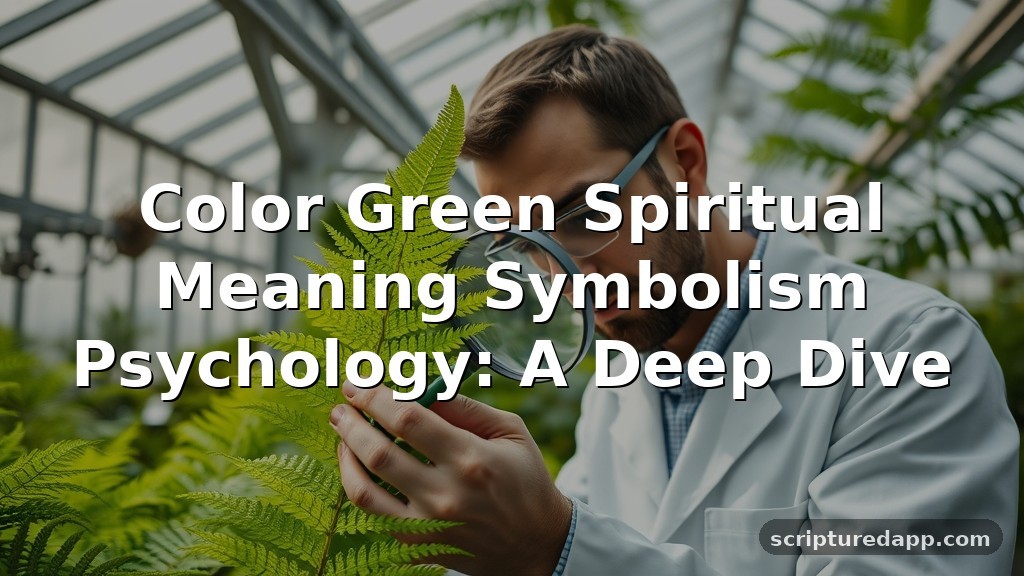

Understanding the color green spiritual meaning symbolism psychology reveals why this shade dominates the natural world and influences our internal states. It acts as a bridge between the physical reality of earth and the abstract concepts of growth, balance, and renewal.
You will find that green occupies a unique position in both ancient traditions and modern scientific studies because it sits exactly in the middle of the visible light spectrum. By exploring these layers, you gain insight into how your environment shapes your mood and your connection to the life force surrounding you.
The Core Meaning and Scientific Positioning
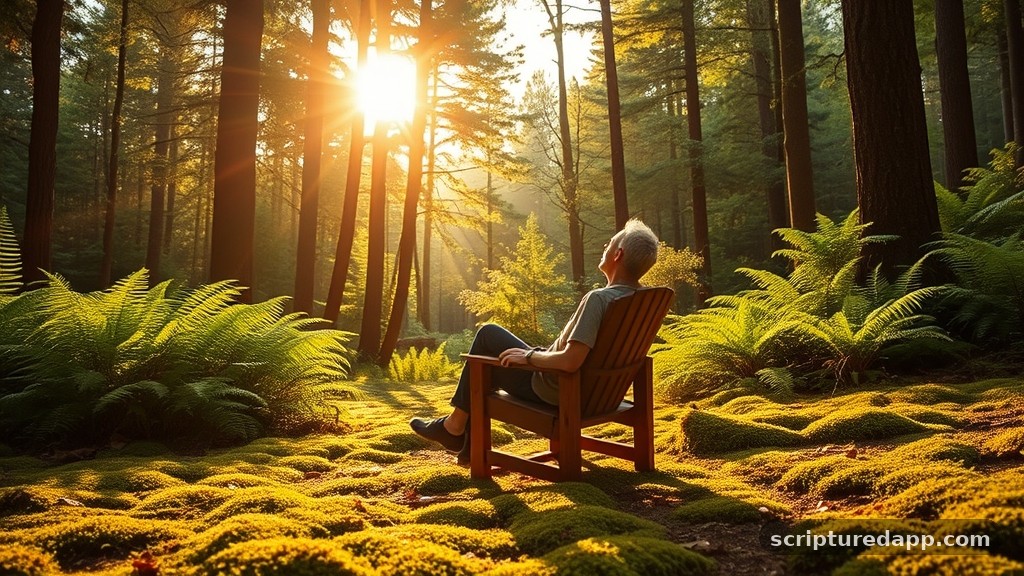
The primary significance of green lies in its role as a stabilizer for the human psyche. Because it sits at the center of the visible spectrum, the human eye requires minimal adjustment to process it, which explains why we find it inherently restful.
This physiological ease translates directly into a psychological sense of security and equilibrium. When you look at green, your brain interprets the input as a signal of safety, likely rooted in evolutionary biology where green meant food, water, and shelter.
Spiritually, this translates to the concept of the heart chakra, often depicted as a vibrant emerald or forest shade. This energy center governs our capacity for love, compassion, and the ability to find harmony with others. When people explore the color green spiritual meaning symbolism psychology, they often encounter the idea that green is the color of the “middle path.”
It is neither the hot, aggressive energy of red nor the cold, distant detachment of blue. Instead, it offers a tempered space where growth can occur without volatility.
Psychological Impact and Human Perception
Psychologically, green is frequently used in interior design and corporate branding to induce a sense of calm and reliability. It is the color of choice for hospitals and wellness centers because it reduces anxiety and promotes a feeling of healing.
Research into color theory suggests that exposure to green environments can actually improve focus and reduce mental fatigue during long tasks. This is often referred to as Attention Restoration Theory, which posits that nature-based stimuli allow our cognitive resources to recover.
The influence of green on human behavior is subtle but pervasive. It is often associated with wealth and status in certain cultures, such as in the United States where the currency is printed in green ink. Yet, it also signals fresh starts and the potential for development.
When you surround yourself with shades of green, you are effectively priming your brain to prioritize stability and long-term health. It is a color that demands nothing but offers a foundation upon which to build.
Symbolism in Nature and Renewal
Nature serves as the ultimate source of green’s symbolic power. It is the color of chlorophyll, the pigment that allows plants to convert sunlight into energy, making it the literal color of life on Earth.
This biological reality creates a deep-seated symbolic link between green and the concept of vitality. Whether it is the first tender shoots of spring or the deep, dark canopy of an old-growth forest, green signals that the ecosystem is thriving.
This cycle of death and rebirth is central to many spiritual traditions. Green represents the constant movement of energy from the soil into the light and back again.
When we feel stagnant, we often find ourselves drawn to forests or parks, an intuitive reaction to the symbolic promise of renewal that green offers. It reminds us that even when things seem dormant, growth is happening beneath the surface, waiting for the right conditions to emerge.
The Heart Chakra and Spiritual Alignment
In the system of the seven chakras, the heart chakra—or Anahata—is centered on the color green. This energy center serves as the meeting point between our lower, survival-oriented chakras and our higher, spiritual ones.
By balancing the heart chakra, individuals are said to achieve a state of unconditional love and empathy. Green is the tool used for this alignment because it encourages us to open ourselves to the world without fear.
When this chakra is blocked, people may feel disconnected, cynical, or emotionally hardened. Integrating more green into your life through meditation, clothing, or environment is a common practice used to soften these defenses.
It is not just about aesthetic preference; it is about choosing a frequency that resonates with the physical heart. By focusing on this color, you are inviting a sense of spaciousness into your emotional life, allowing for greater patience and understanding.
Comparing Cultural Interpretations of Green
The way different cultures perceive green varies significantly, yet the underlying themes of life and prosperity remain consistent. In some Eastern traditions, green is associated with jade, a stone prized for its durability and spiritual purity.
In Western contexts, it is often tied to the concept of “going” or “permission,” reflecting the modern association with progress and safety. A look at these variations helps clarify how the color green spiritual meaning symbolism psychology adapts to human experience.
| Culture/Region | Primary Symbolic Association |
|---|---|
| Western | Growth, money, safety, and nature |
| Middle Eastern | Paradise, fertility, and divinity |
| Eastern (Chinese) | Jade, purity, and long life |
| Celtic | Rebirth, spring, and the Otherworld |
These variations demonstrate that while the biological reaction to green is universal, the social and spiritual interpretations are layered. What remains constant is the positive trajectory associated with the color.
Whether it is the promise of a harvest or the serenity of a sacred garden, green is almost universally regarded as a beneficial force. Recognizing these differences allows you to appreciate the depth of the color’s influence across the global human experience.
Green in Folklore and Ancient Traditions
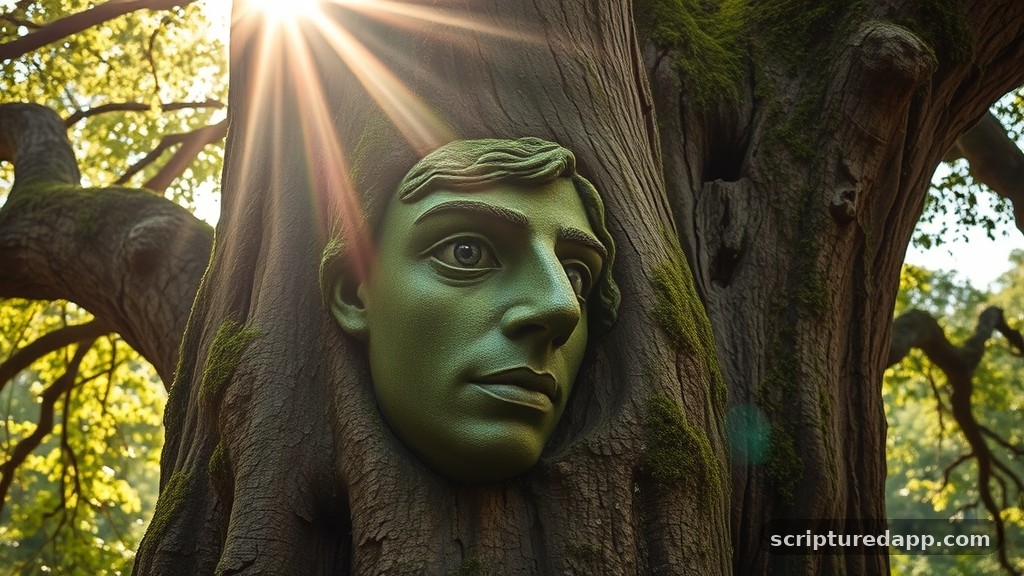
Folklore often portrays green as a color of mystery and threshold, particularly in Celtic mythology. The “Green Man,” a figure found in architectural carvings across Europe, represents the untamed power of nature and the cycle of the seasons.
He is a guardian of the forest, reminding humanity of our dependence on the earth. This historical figure bridges the gap between the wild, chaotic energy of the woods and the structured, civilized world of human society.
In various ancient belief systems, green was the color of magic and the unseen world. It wasn’t just a color of plants; it was the color of the “fae” and the spirits that inhabited the natural landscape.
This connection highlights the idea that green holds a frequency that connects us to the hidden layers of reality. By engaging with the color green, you are symbolically acknowledging the presence of these unseen forces and the importance of maintaining respect for the natural environment.
The Role of Green in Modern Wellness
Modern wellness practices have adopted the color green as a cornerstone for mental health. “Forest bathing,” a Japanese practice known as shinrin-yoku, involves spending time in a forest to lower cortisol levels and boost the immune system.
The specific hue of the leaves is a major factor in why this works so well. The color green acts as a visual anchor, helping to ground the nervous system and shift the body from a state of “fight or flight” into “rest and digest.”
You can see this reflected in the American Psychological Association’s research on nature and mental health, which shows that even brief exposure to natural environments can significantly improve mood. This is not just about the fresh air; it is about the visual intake of green light.
Incorporating more of this color into your home or office space—whether through plants, artwork, or paint—serves as a constant, subtle reminder to breathe and stay present. It is a simple, accessible way to manage the stresses of modern life.
Green and the Concept of Wealth
While green is deeply spiritual, it also holds a firm place in the material world as a symbol of prosperity. The association with money is not purely arbitrary; it reflects the historical connection between land ownership and wealth.
In agrarian societies, the person with the most green fields was the wealthiest. This has evolved into the modern idea of “green energy” and sustainable investments, where the color now symbolizes economic foresight and ethical growth.
This duality—where green represents both spiritual abundance and material wealth—is unique. It suggests that true prosperity is not just about the accumulation of currency but about the cultivation of resources that last.
When you focus on green as a symbol of wealth, you are encouraged to think about sustainability and long-term success. It is a reminder that the best investments are those that grow steadily over time, much like a tree in a well-tended forest.
The Nuances of Shade and Tone
Not all greens are created equal, and the specific tone can change the psychological effect entirely. A bright, lime green carries an energy of electric excitement and youth, whereas a deep, forest green feels ancient, grounded, and serious.
Understanding these nuances is essential when applying the color green spiritual meaning symbolism psychology to your own life. You should choose the shade that matches the energy you want to cultivate.
* Emerald: Associated with luxury, healing, and clarity.
* Olive: Represents peace, wisdom, and an earthy maturity.
* Mint: Suggests freshness, cleanliness, and a cooling sensation.
* Sage: Known for its ability to clear negative energy and promote calm.
* Lime: Energizes the senses and encourages playfulness.
By selecting the right shade, you can fine-tune your environment to support your specific goals. If you need to feel more grounded, go for darker, muddier tones.
If you need to feel more inspired or creative, brighter, lighter greens will better serve that purpose. The versatility of the color is one of its greatest strengths.
Balancing Green with Other Colors
Green is a remarkably versatile color that pairs well with almost everything, but its spiritual meaning shifts depending on its companions. When paired with brown, it emphasizes the connection to the earth and stability.
When paired with gold, it highlights the theme of prosperity and divine growth. Understanding these combinations allows you to create an environment that feels intentional and aligned with your personal needs.
For instance, pairing green with white creates a sense of clinical purity and new beginnings. This is a popular combination in spa settings where the goal is to reset the mind and body.
On the other hand, pairing green with orange can create a vibrant, harvest-like energy that feels active and productive. By experimenting with these color palettes, you can observe how your own mood shifts, further personalizing the color green spiritual meaning symbolism psychology for your daily life.
Common Questions About the Color Green
Many people ask about the impact of green on their daily routines and spiritual practices. These questions often touch on how to best utilize the color to improve well-being. Below are the most frequent inquiries regarding the significance of this powerful hue.
Does the color green attract money?
While there is no scientific evidence that a color can magically manifest cash, the association of green with money is deeply embedded in the cultural psyche. Using green in your workspace can act as a psychological trigger for focus, productivity, and a prosperity-oriented mindset. It serves as a visual reminder of growth and the potential for financial health.
What does it mean if you are suddenly drawn to the color green?
Being drawn to green often indicates a subconscious need for balance, rest, or a “fresh start.” It is common to feel this pull when you are experiencing burnout or emotional transition. Your intuition is likely signaling that you need to reconnect with nature or focus on healing your heart chakra.
Why is green considered the color of luck?
The connection to luck likely stems from the color’s association with life and fertile land. In many cultures, a green landscape meant survival and prosperity, which are the foundations of good fortune. Over time, this evolved into the broader symbolic link between green and successful outcomes.
Can green be a negative color?
Like any color, green can have negative associations if used in excess or in the wrong context. Too much of certain muddy or sickly shades can represent envy, stagnation, or decay. However, in most balanced contexts, green is considered one of the most positive and life-affirming colors in existence.
How can I use green for meditation?
To use green in meditation, try visualizing a soft, emerald light filling your chest area. Focus on the feeling of expansion and openness as you inhale. This simple visualization can help clear emotional blockages and bring a sense of profound peace to your practice.
Integration Into Daily Life
Integrating the principles of color green spiritual meaning symbolism psychology does not require a total lifestyle overhaul. It can be as simple as adding a few house plants to your living room or wearing a green accessory when you need to feel more centered.
The goal is to create a consistent, gentle exposure that reminds you of the natural world and your own capacity for growth. Small changes often have the most significant impact over time.
Consider the spaces where you spend the most time. If your office feels sterile, a single plant or a piece of green art can change the energy of the entire room. If you feel overwhelmed, taking a walk in a green space—even a local park—can provide the mental reset you need.
By consciously choosing to surround yourself with this color, you are actively participating in your own well-being. It is a simple, powerful way to maintain your spiritual and psychological equilibrium.
Final Thoughts on the Power of Green
The color green remains one of the most potent tools for self-regulation and spiritual alignment available to us. By understanding how the color green spiritual meaning symbolism psychology functions, you can better navigate the stresses of daily life and find moments of profound peace. It is not merely a visual experience but a deep, biological, and energetic resonance that connects us to the earth and to our own capacity for love.
Whether you are seeking to balance your emotions, increase your focus, or simply find a sense of stability in a fast-paced world, green offers a reliable foundation. Start by observing how different shades affect your mood in various settings.
Notice the difference between the energy of a bright, spring garden and the quiet, deep shade of a forest. As you become more attuned to these nuances, you will find that green becomes a constant, supportive presence in your personal journey toward growth and harmony.