As an Amazon Associate I earn from qualifying purchases. If you buy through links in this article, we may earn a commission at no extra cost to you.
These are the 10 best drones for a 12 year old, picked for a first year of flying: bumps into furniture, sideways landings and fast-improving skills. Every pick is light, guarded or both, and all ten stay under 250 g, which keeps US recreational rules simple. We ranked them on propeller protection, durability, how gently they handle, battery value and whether a young pilot can grow with the drone instead of outgrowing it in a month.
Short on time?
Start with these three picks
One is the safest all-rounder, one films like a real camera drone, and one folds away for family trips.
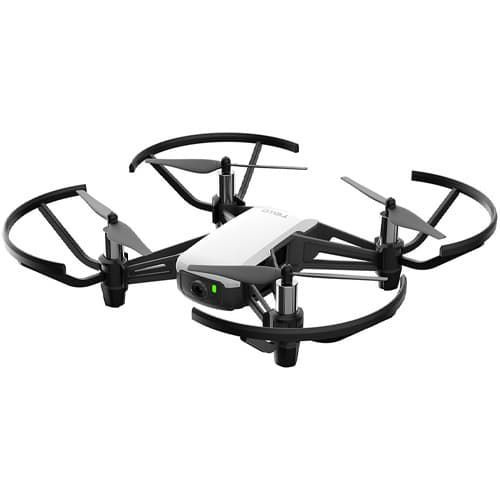
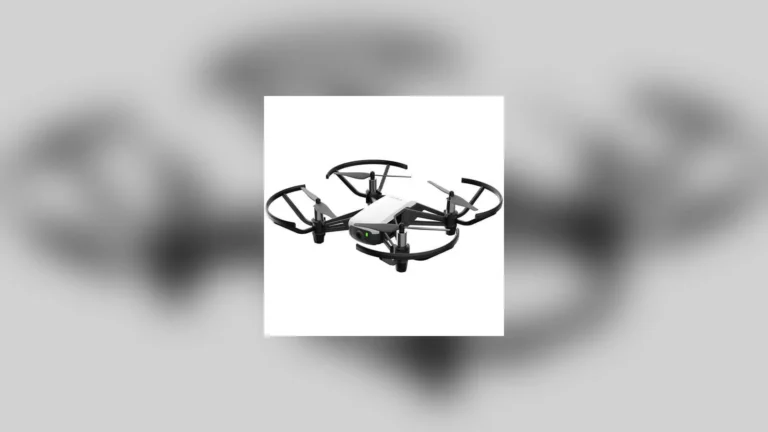
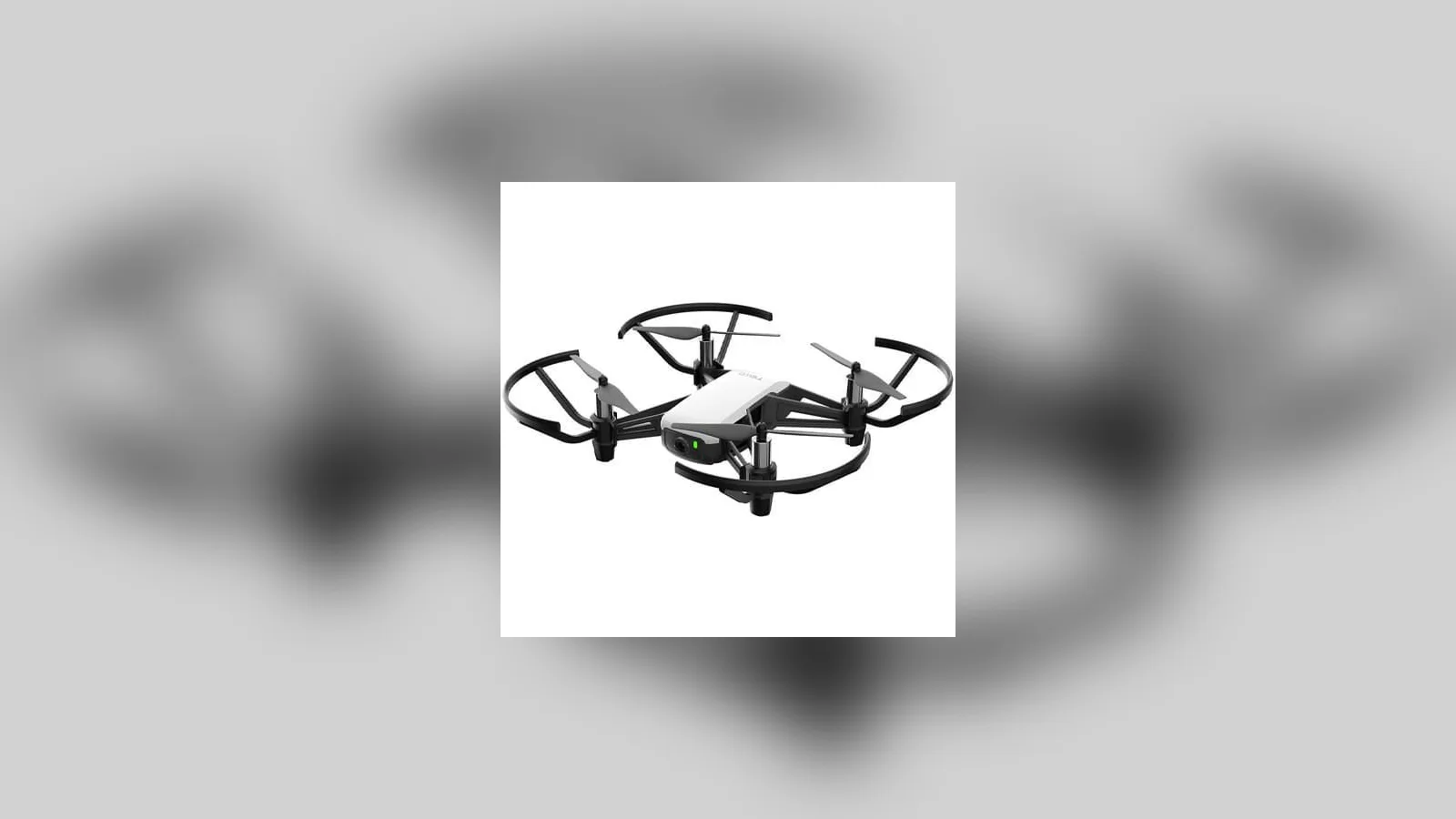
Ryze Tello
The thinking family’s favorite: full propeller guards, a tough little frame and DJI flight smarts in an 87 g package, plus a 720p camera and block coding for STEM curiosity. Its 13 minute flights suit a 12 year old learning the sticks.
View on Amazon Read the full review ↓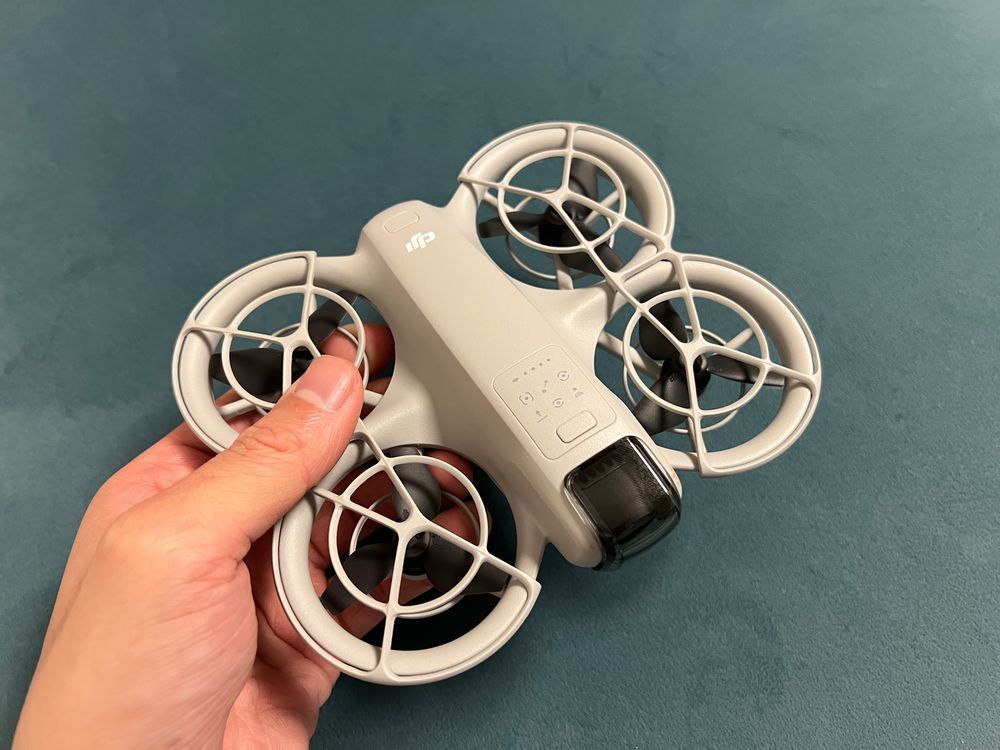
DJI Neo
The camera upgrade: proper 4K video, full propeller guards and palm launch tracking shots that need no controller at all. Its 18 minute batteries reward careful flying, and a keen 12 year old grows into it, not out of it.
View on Amazon Read the full review ↓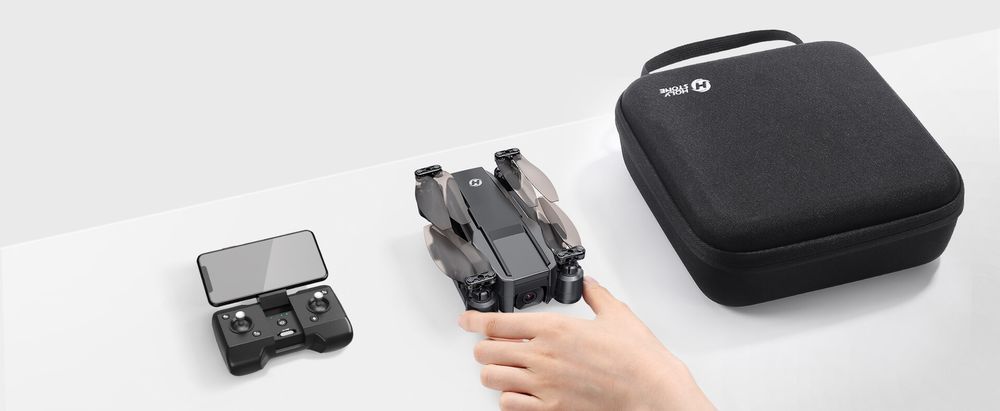
Holy Stone HS440
The family trip pick: it folds into its own carry case, flies 20 minutes per battery and shoots 1080p video a young pilot can actually keep. No obstacle sensors, so an adult spotter still earns their place on breezy days.
View on Amazon Read the full review ↓The shortlist
Compare all 10 at a glance
For a young pilot, three things decide most flights: how protected the propellers are, how long batteries last, and how much drone there is to damage.
| Product / award | Best fit | Key decision point | Check current offer |
|---|---|---|---|
| 01. Ryze TelloBest overall | A first drone with real learning value | Full guards, 720p video, codes with Scratch; 13 min flights | View on Amazon |
| 02. DJI NeoBest for growing skills | Young creators ready for real 4K | Full guards and palm launch; 18 min batteries, calm air only | View on Amazon |
| 03. Holy Stone HS440Best foldable pick | Family trips and backyard filming | Folds flat, 1080p, 20 min per battery; no sensing | View on Amazon |
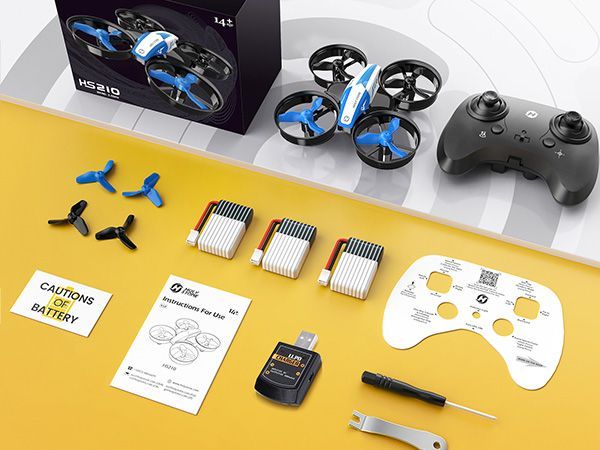 04. Holy Stone HS210Best first trainer | Indoor practice and first stick skills | 24.8 g caged design, 3 batteries; no camera fitted | View on Amazon |
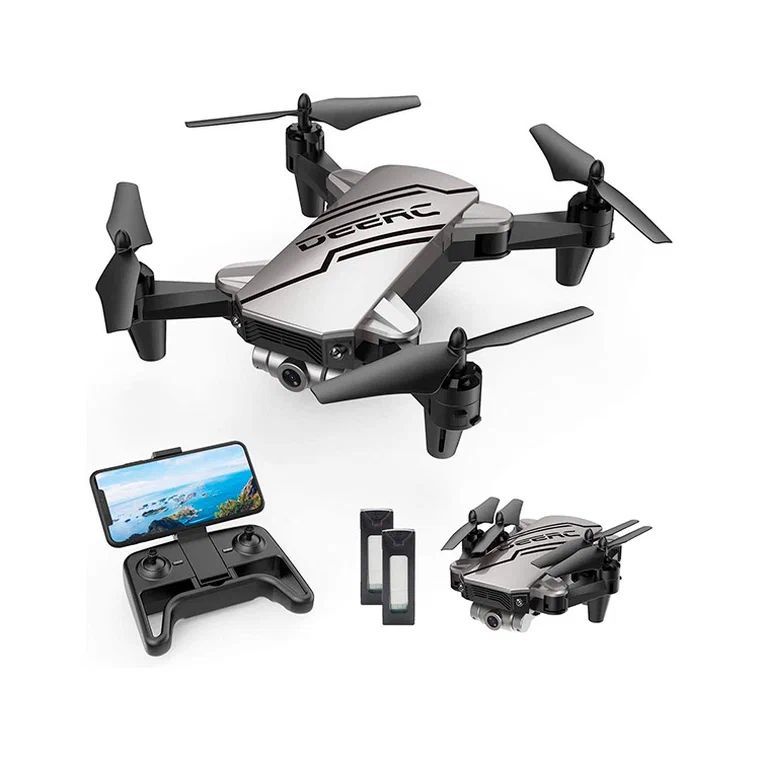 05. DEERC D20Best palm-size mini | Pocket-size fun indoors and out | 69 g folder with 720p camera; 10 min per battery | View on Amazon |
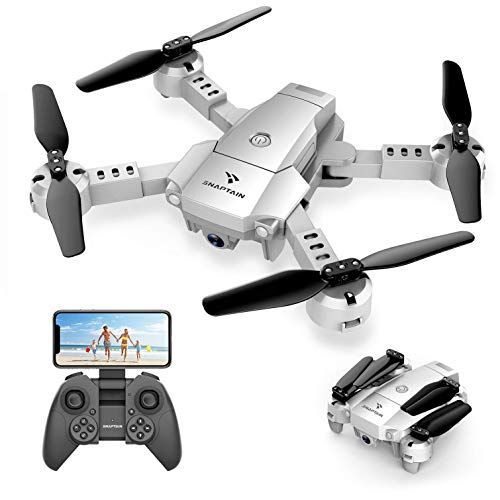 06. SNAPTAIN A10Best pocket folder | A small gift that travels anywhere | Folds tiny, 720p wide lens; 7 min per battery | View on Amazon |
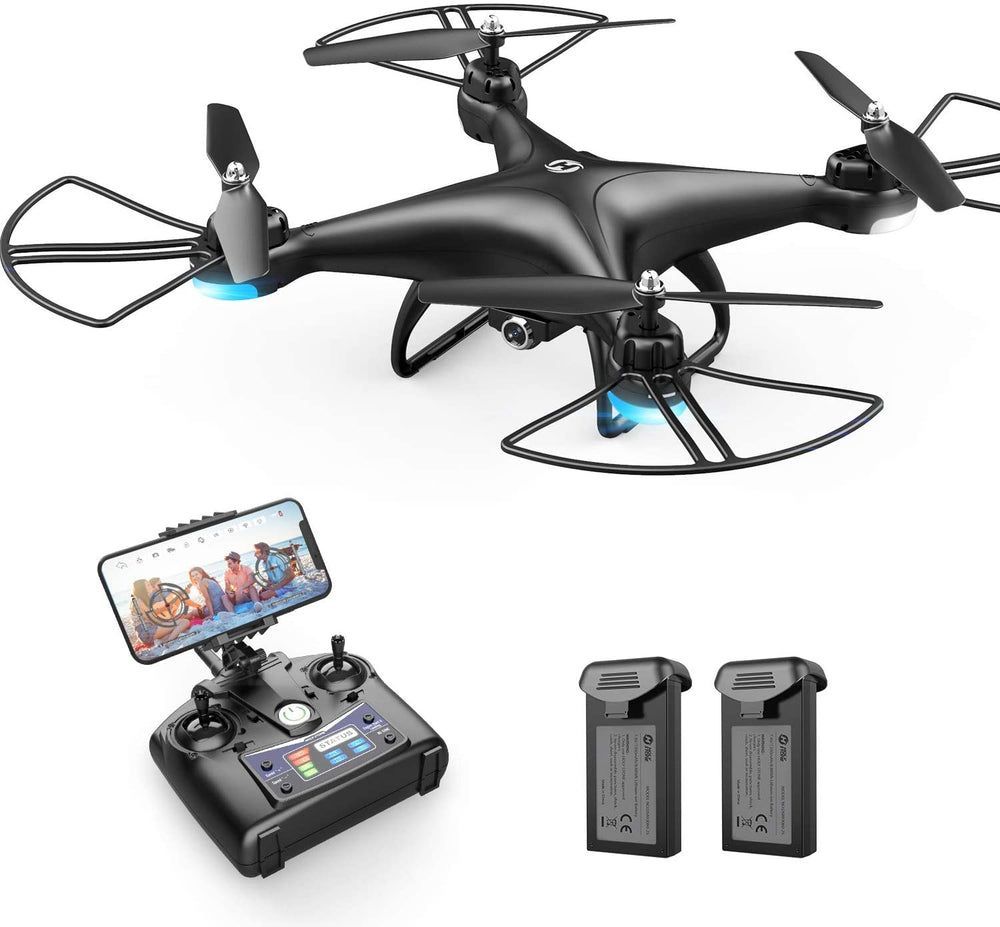 07. Holy Stone HS110DBest for FPV-style fun | FPV-style fun on a phone screen | 1080p wide angle, gravity steering; 10 min flights | View on Amazon |
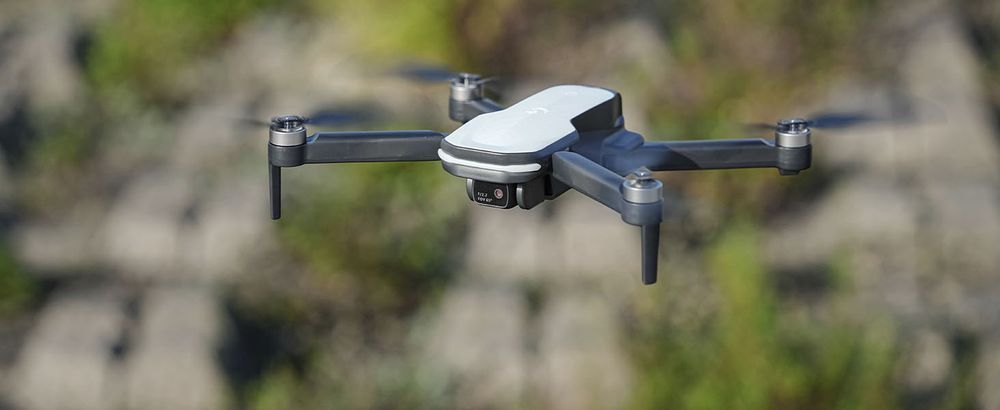 08. Holy Stone HS280DBest brushless step-up | A sturdier trainer that lasts | Brushless motors, 1080p video; no GPS, keep it close | View on Amazon |
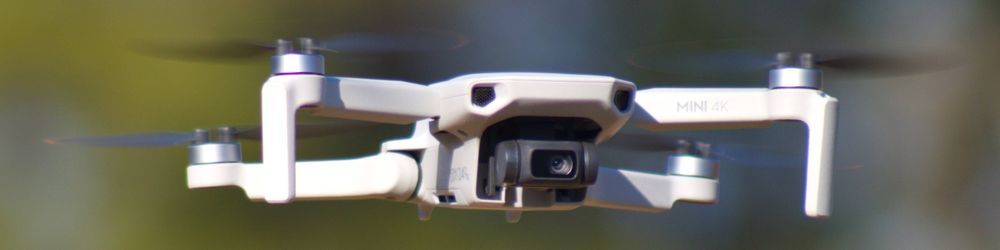 09. DJI Mini 4KBest GPS step-up | The step-up to real aerial photos | GPS, 3-axis gimbal; no tracking or sensing | View on Amazon |
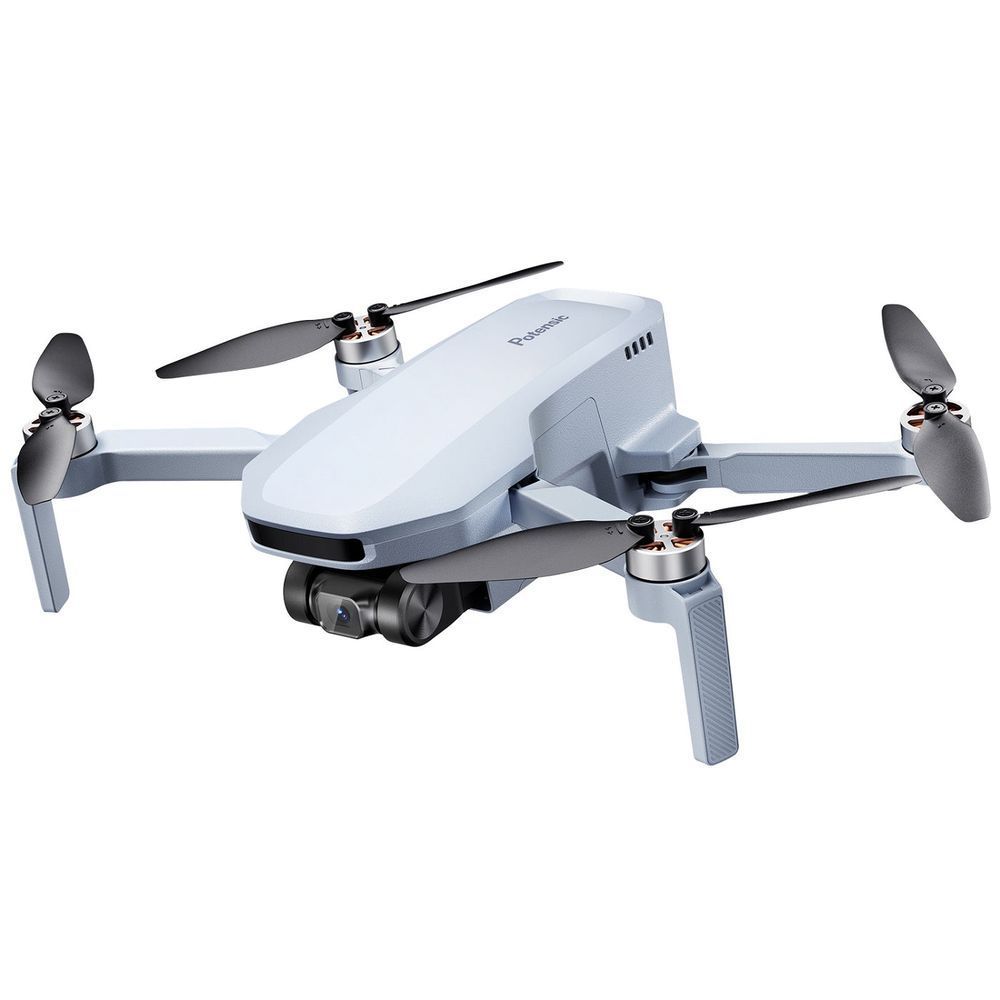 10. Potensic Atom SEBest to grow into | GPS flying they can keep for years | 31 min flights and RAW stills; single-axis stabilization | View on Amazon |
Look closer
Our 10 picks, explained
These picks come from desk research, not hands-on testing: we compared manufacturer spec sheets line by line, then cross-checked owner feedback and published reviews to see which claims hold up with real young pilots.
Ryze Tello
The Tello earns the top spot by making bad first flights almost impossible. The full guard ring means early wall taps and hedge brushes end in a bounce, not a repair bill, and at 87 g it is too light to damage much of anything it meets. DJI flight technology sits underneath, so it hovers in place far more steadily than toy rivals, which is what new thumbs need. The 720p camera and 5MP stills are modest but honest, fine for a first holiday video. It also programs with Scratch blocks, turning rainy weekends into coding practice. Thirteen minutes per battery keeps sessions short, so a second battery is money well spent.
- Weight
- 87 g with prop guards fitted
- Flight time
- 13 min per battery
- Camera
- 5MP photos, 720p30 video
Reasons to choose it
- Full propeller guards, bumps end in bounces
- Steady hover from DJI flight technology
- Programmable with Scratch for STEM learning
Trade-offs to know
- 13 minute flights, spare battery advised
- 720p video is fun, not filmic
Choose this if: this is a first drone and learning matters as much as flying.
Consider another option if: the camera is the whole point, the DJI Neo shoots real 4K behind the same kind of guards.
DJI Neo
The Neo is what happens when a selfie drone grows a real camera. The same full propeller guards and palm launch simplicity as the toy class are here, but the footage jumps to 4K at 30fps from a larger sensor, and the difference shows in every clip. It takes off from an open hand, runs a tracking shot, then lands back in the palm, no controller needed. For a 12 year old already editing videos, that polish turns a gadget into a hobby. The honest limits are stamina and weather: about 18 minutes per battery, and a light frame that asks for calm air. Treat it as the second drone, or the first for a careful flyer.
- Takeoff weight
- 135 g
- Flight time
- About 18 min per battery
- Camera
- 1/2-inch CMOS, 12MP, 4K/30
Reasons to choose it
- Proper 4K video behind full prop guards
- Palm launch and tracking, no controller needed
- QuickShots make polished clips easy
Trade-offs to know
- About 18 minutes per battery
- Light frame wants calm weather
Choose this if: your 12 year old films, edits and wants clips worth posting.
Consider another option if: it is a first ever drone, start with the Ryze Tello and step up once landings are tidy.
Holy Stone HS440
The HS440 is the pick that survives family logistics. It folds into a carry case that drops into a backpack, unfolds in seconds, and optical flow helps it hold a hover indoors and in gardens. The 1080p camera records to a card and streams to a phone, so footage is worth keeping and sharing. Holy Stone rates it at 20 minutes per battery, and the modular batteries swap without tools, which keeps the day moving. Gesture controls and one-key takeoff make the first flights gentle. What it does not have is obstacle sensing or GPS, so it will not catch itself drifting toward a tree: calm days, open ground and an adult spotter remain part of the package.
- Weight
- 166 g
- Flight time
- 20 min per battery
- Camera
- 1080p to card, 112-degree field of view
Reasons to choose it
- Folds into its own carry case
- 20 minute flights, tool-free battery swaps
- 1080p video worth keeping and sharing
Trade-offs to know
- No GPS or obstacle sensing
- Propellers are only partly guarded
Choose this if: the drone travels with the family and flies on trips.
Consider another option if: most flying happens indoors, the HS210 is caged, lighter and cheaper to crash.
Holy Stone HS210
Some children need to learn flying before they need a camera, and the HS210 is built for exactly that job. It weighs 24.8 g, about as much as two tablespoons of sugar, and wears a complete cage around its propellers, so indoor practice bounces off walls instead of breaking things. Altitude hold keeps it at one height while small hands learn direction, headless mode removes the which-way-is-front confusion, and 3D flips reward progress. Three batteries are included, each good for about seven minutes, which suits short, focused sessions. There is no camera at all, and that honesty is the point: this is the trainer you buy so the more expensive drone later survives its pilot.
- Weight
- 24.8 g
- Flight time
- About 7 min per battery, 3 included
- Camera
- None fitted, pure flight trainer
Reasons to choose it
- Full cage, the safest shape here
- Three batteries included for back-to-back practice
- Headless mode eases first orientation lessons
Trade-offs to know
- No camera of any kind
- Seven minute flights are short
Choose this if: the pilot is brand new and will learn indoors first.
Consider another option if: they want to film from day one, the DEERC D20 adds a camera at a similar size.
DEERC D20
The D20 is the drone most likely to actually be in the school bag. It folds down to palm size at 69 g, the propellers wear full guards, and shrugs off normal 12 year old handling. Two batteries come in the box at about ten minutes each, and the controls keep first flights simple: altitude hold, headless mode, one-key takeoff and landing, plus voice and gesture tricks. The 720p camera streams to a phone and records clips that are fun rather than filmic, which matches the mission. Range is short and wind is its enemy, so it lives in gardens, gyms and calm parks. As a confidence builder that costs little to crash, it is hard to beat.
- Weight
- 69 g
- Flight time
- 10 min per battery, 2 included
- Camera
- 720p, 80-degree field of view
Reasons to choose it
- Full guards on a 69 g folding frame
- Two batteries and simple one-key controls
- Voice and gesture tricks kids actually use
Trade-offs to know
- 720p camera is for fun, not keepsakes
- Short range, grounded by wind
Choose this if: you want a take-anywhere first drone that survives pockets.
Consider another option if: longer flights matter more, the HS440 doubles the time per battery.
SNAPTAIN A10
The A10 plays the smallest hand in this guide: folded, it measures 8.4 by 7.1 by 3.6 cm, a true pocket drone that disappears into a jacket. SNAPTAIN pairs that tiny fold with a 720p camera behind a wide 120-degree lens, gesture controls for hands-free selfies and the usual beginner safety net of altitude hold and one-key takeoff and landing. Two batteries are included, but each lasts about seven minutes, so flights are snacks rather than meals. A fair trade for this portability, and the wide lens hides beginner wobble. Buy it for the child who wants a drone always with them, on walks, trips and sleepovers.
- Folded size
- 8.4 x 7.1 x 3.6 cm
- Flight time
- 7 min per battery, 2 included
- Camera
- 720p, 120-degree field of view
Reasons to choose it
- Smallest folded size in this guide
- Wide 120-degree lens forgives wobble
- Gesture control for hands-free selfies
Trade-offs to know
- About seven minutes per battery
- 720p video only
Choose this if: portability beats everything and flights stay short.
Consider another option if: you want fewer battery swaps, the DEERC D20 flies longer per charge.
Holy Stone HS110D
The HS110D is the extrovert of the toy class: a 1080p camera with a wide 120-degree field of view, live video streamed to a phone, and a gravity mode where tilting the phone steers it. For a 12 year old who has watched FPV videos and wants that swooping feel without goggles or real risk, it delivers the flavor at 149 g. Two modular batteries are included at about ten minutes each. The guards are partial rather than a full cage, and there is no GPS, so the pilot still does the avoiding. Keep it over open ground, let the wide lens make modest speed feel heroic, and it will be flown constantly.
- Weight
- 149 g
- Flight time
- 10 min per battery, 2 included
- Camera
- 1080p, 120-degree field of view
Reasons to choose it
- Wide-angle live view feels fast and fun
- Gravity sensor steering is a great party trick
- Two batteries included
Trade-offs to know
- Partial guards only, no full cage
- No GPS, short effective range
Choose this if: your pilot wants excitement and screen flying, cheaply.
Consider another option if: they are still crashing weekly, the Tello guards and steadiness forgive more.
Holy Stone HS280D
Brushless motors are why the HS280D sits a rung above the toy class. Where brushed motors wear out within a season of hard use, brushless units run cooler, punch harder against a breeze and keep their performance for years, what you want from a drone a child keeps. It folds, shoots 1080p video at 25fps and includes two batteries at about 14 minutes each. It feels more grown-up in the air, with crisper response that rewards improving thumbs. The flip side is responsibility: there is no GPS and no return-to-home safety net, so it must be flown within easy sight and sensible range. For the pilot who has outgrown a first trainer, this is the honest next step.
- Weight
- 164 g
- Flight time
- 14 min per battery, 2 included
- Camera
- 1080p at 25fps, 65-degree field of view
Reasons to choose it
- Brushless motors built to last years
- Crisper response rewards improving skills
- Two batteries, 14 minutes each
Trade-offs to know
- No GPS or return to home
- Too quick for a total beginner
Choose this if: the trainer stage is done and durability now matters most.
Consider another option if: you want positioning help outdoors, the Atom SE adds GPS and return to home.
DJI Mini 4K
The Mini 4K is where flying stops being a toy and starts being photography. GPS positioning locks it in place outdoors, the 3-axis gimbal makes video properly smooth, and 31 minute flights give a young pilot time to compose a shot instead of racing the battery. At 246 g it stays under the 250 g line that keeps US recreational rules simple, though adults still supervise. It asks more of its pilot in return: no obstacle sensing and no subject tracking, so the pilot is the safety system, and the 720p live view feels plain. Gift it to the 12 year old who lands the trainer gently every time and has started talking about camera angles.
- Takeoff weight
- 246 g
- Flight time
- 31 min
- Camera
- 1/2.3-inch CMOS, 12MP, 4K/30
Reasons to choose it
- GPS hold and a true 3-axis gimbal
- 31 minute flights for composed shots
- Under 250 g, registration-light in the US
Trade-offs to know
- No obstacle sensing or tracking
- Plain 720p live view
Choose this if: your pilot lands gently and wants real aerial photos.
Consider another option if: they still need guards around the props, stay with the DJI Neo for another season.
Potensic Atom SE
The Atom SE is the step-up for families who would rather buy once. GPS positioning, a proper return to home and a 31 minute flight time match drones well above its class, and it shoots 4K video plus RAW stills a young editor can learn on. It folds to under 249 g, so it travels in the same pocket of the bag as the toys it replaces. The compromises are stabilization and reach: a single-axis gimbal helped by electronics, and a 4 km link for fields and parks. For a 12 year old moving from games to a real aerial hobby, it is the drone they will still be flying at fifteen.
- Takeoff weight
- Under 249 g
- Flight time
- 31 min
- Camera
- Sony 1/3-inch CMOS, 12MP, 4K/30
Reasons to choose it
- GPS with return to home, a real safety net
- 31 minute flights and RAW stills
- Folds under 249 g for easy travel
Trade-offs to know
- Single-axis stabilization, helped by software
- 4 km range suits parks, not expeditions
Choose this if: you want one drone that lasts from first flights to real projects.
Consider another option if: smooth video matters most, the Mini 4K carries a full 3-axis gimbal.
Buy with confidence
How to choose a drone for a 12 year old
Four checks that matter more than top speed or camera bragging when the pilot is twelve.
01. Guards first, camera second
A first drone will meet walls, trees and the ground. Full propeller guards turn those meetings into bounces, and a light airframe under 100 g simply cannot hit anything very hard. Cameras matter later: the Tello and HS210 teach real flying at near-zero repair risk, while the Neo pairs guards with a proper camera.
02. Batteries decide how much they fly
Toy class drones fly 7 to 20 minutes per battery, with pack swaps part of the rhythm. A kit with two or three batteries in the box is worth more than a slightly better camera, because it doubles or triples the practice in every outing. Look for modular packs that swap without tools, and keep charging under adult supervision.
03. Know the rules for young pilots
In the US, recreational registration starts at age 13 and covers drones of 250 g and up, so everything here avoids registration, but a child under 13 still flies under an adult’s direct supervision, and the supervising adult should hold the free TRUST certificate. Keep flights away from airports, crowds and other people’s gardens, and check local park rules first.
04. Plan the growth path
A 12 year old’s skills move fast. Start with a guarded trainer, add a camera folder like the HS440 or D20 once landings turn gentle, and save the GPS step-ups, the Mini 4K and Atom SE, for pilots who land on the spot. Each stage costs less than one crashed flagship.
Behind the recommendations
How we selected these products
This guide is built on desk research, not hands-on testing. We compared official manufacturer specifications for every current drone marketed to young beginners, from pocket toys to sub-250 g GPS folders, then cross-checked the shortlist against owner feedback and published reviews. Specs were rechecked against the sources below in October 2026. Where a figure is a lab rating, such as flight time, we treat it as a ceiling, not a promise.
- Safety and durability: propeller guard coverage, takeoff weight, frame design and spare parts support, taken from manufacturer data and owner reports.
- Ease of learning: hover stability, beginner modes like headless and one-key takeoff, and how many batteries the kit includes, compared like for like across brands.
- Limitations: we did not fly these drones for this guide, maker age guidance varies, and local rules change, so confirm the exact model and your area’s current regulations before buying.
Common questions
Before you buy
Does a 12 year old need a license or registration to fly a drone?
Not for anything on this list in the US. Registration applies to recreational drones of 250 g and heavier, and the registrant must be 13 or older; every pick here is under 250 g. A child under 13 still flies under the direct supervision of an adult, and that adult should pass the free online TRUST safety test. Other countries differ, so check local guidance before traveling.
What makes a drone safe for a young pilot?
Three things working together: guards, weight and stability. Full propeller guards protect fingers, furniture and the drone itself, a light airframe carries little energy into a bump, and altitude hold plus headless mode keep the drone predictable while coordination develops. Add an adult spotter, open space and one firm rule, land when the battery warns, and most early drama disappears.
How long do these drones really fly?
Less than the biggest number on the box suggests. Toy class picks manage 7 to 20 minutes per battery in calm air, and the kits include two or three batteries, so a full session runs 20 to 40 minutes with swaps. The step-up camera drones do better: the Neo flies about 18 minutes per charge, while the Mini 4K and Atom SE carry a rated 31 minutes. Wind and cold shorten every figure.
When should a 12 year old step up to a GPS camera drone?
When the trainer has become boring in the right way: takeoffs are calm, landings land on the spot, and orientation no longer flips around in their head. That is the moment the Mini 4K or Atom SE makes sense. GPS holds position outdoors, return to home covers the panic moments, and the better cameras reward the patience built on the toys. Keep the trainer for indoor days.
Choose the best fit for your young pilot
Start with the Ryze Tello if this is a first drone: it teaches real control, forgives real crashes and keeps teaching with its coding mode. Choose the DJI Neo when the footage already matters as much as the flying. Either way, fly together at first; supervision is the one feature no box includes.
Sources and verification
Product specifications and claims in this guide were checked against the following sources, listed by name as a record of what was consulted.
- Ryze Tello official specifications and flight manual (ryzerobotics.com)
- DJI Neo and Mini 4K official specifications (dji.com)
- Holy Stone HS440, HS210, HS110D and HS280D official product pages and user manuals (holystone.com)
- DEERC D20 and SNAPTAIN A10 official product pages and user manuals
- Potensic Atom SE official specifications (potensic.com)
- FAA recreational flyer guidance: registration age, the 250 g threshold and the TRUST test
- Published reviews and owner feedback for the shortlisted models, cross-checked in October 2026