As an Amazon Associate I earn from qualifying purchases. If you buy through links in this article, we may earn a commission at no extra cost to you.
These are the 10 best cheap drones for windy conditions, ranked by the only number that matters on a gusty day: the manufacturer’s own wind resistance figure. Eight of the ten carry a Level 5 rating or better, and the two that do not earn their place on mass, gimbals and honest labeling. We ranked all 10 on wind rating, stabilization and GPS hold, and checked every marketing claim against the manual, because budget brands love a wind level their own spec tables will not confirm.
Short on time?
Start with these three picks
The strongest honest rating in a real gimbal mini, the best camera for gusty days, and the tracker that follows you through a breeze.
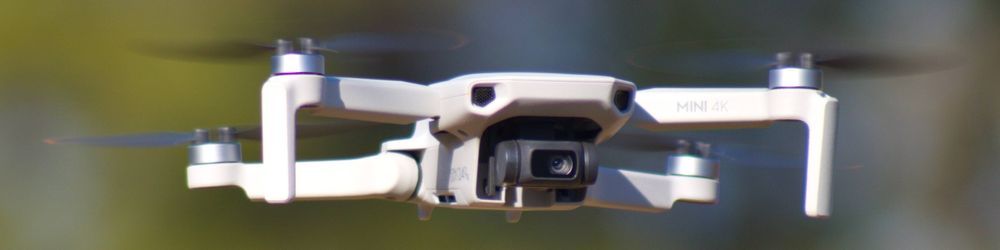
DJI Mini 4K
The benchmark budget wind flyer: a 10.7 m/s Level 5 rating, a real 3-axis gimbal, GPS hold and 31 minute flights at 246 g. It has no tracking and no obstacle sensing, but for holding a shot in a breeze, nothing cheap does it more honestly.
View on Amazon Read the full review ↓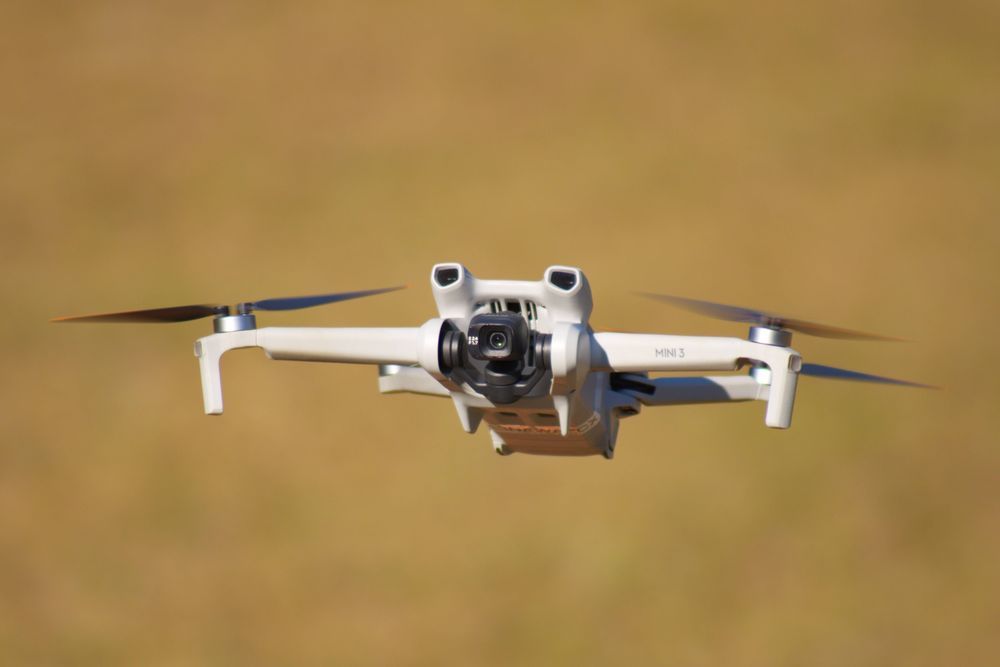
DJI Mini 3
The photographer’s budget wind pick: the same 10.7 m/s rating as the Mini 4K, but a 1/1.3-inch 4K HDR camera, true vertical shooting and 38 minute flights. No obstacle sensing, so the pilot still watches the sky.
View on Amazon Read the full review ↓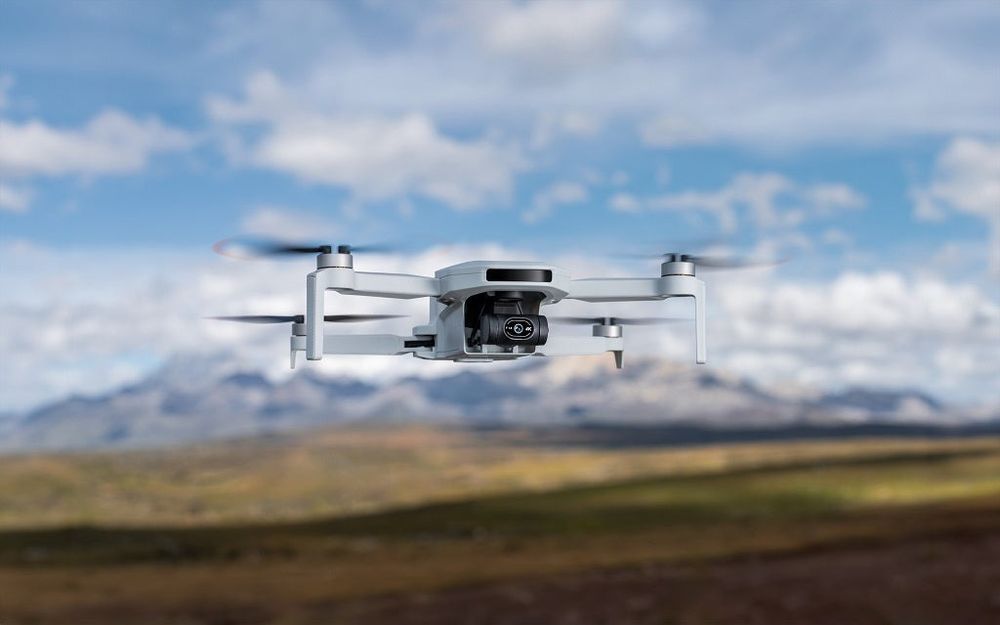
Potensic Atom 2
The only budget pick that tracks as well as it holds: Level 5 wind resistance, AI Track follow modes and a 4K HDR camera on a 3-axis gimbal. Stills are JPEG only, and the app is a step behind DJI’s.
View on Amazon Read the full review ↓The shortlist
Compare all 10 at a glance
Read the wind column first: it mixes m/s figures and level claims, and this guide flags which is which on every single row.
| Product / award | Best fit | Key decision point | Check current offer |
|---|---|---|---|
| 01. DJI Mini 4KBest overall | Budget buyers in breezy country | 10.7 m/s rating and a 3-axis gimbal; no tracking or sensing | View on Amazon |
| 02. DJI Mini 3Best camera in wind | Best camera among the budget wind picks | Same 10.7 m/s rating; 38 min flights, no sensing | View on Amazon |
| 03. Potensic Atom 2Best tracking in wind | Tracking and wind resistance together | Level 5 plus AI Track; JPEG stills only | View on Amazon |
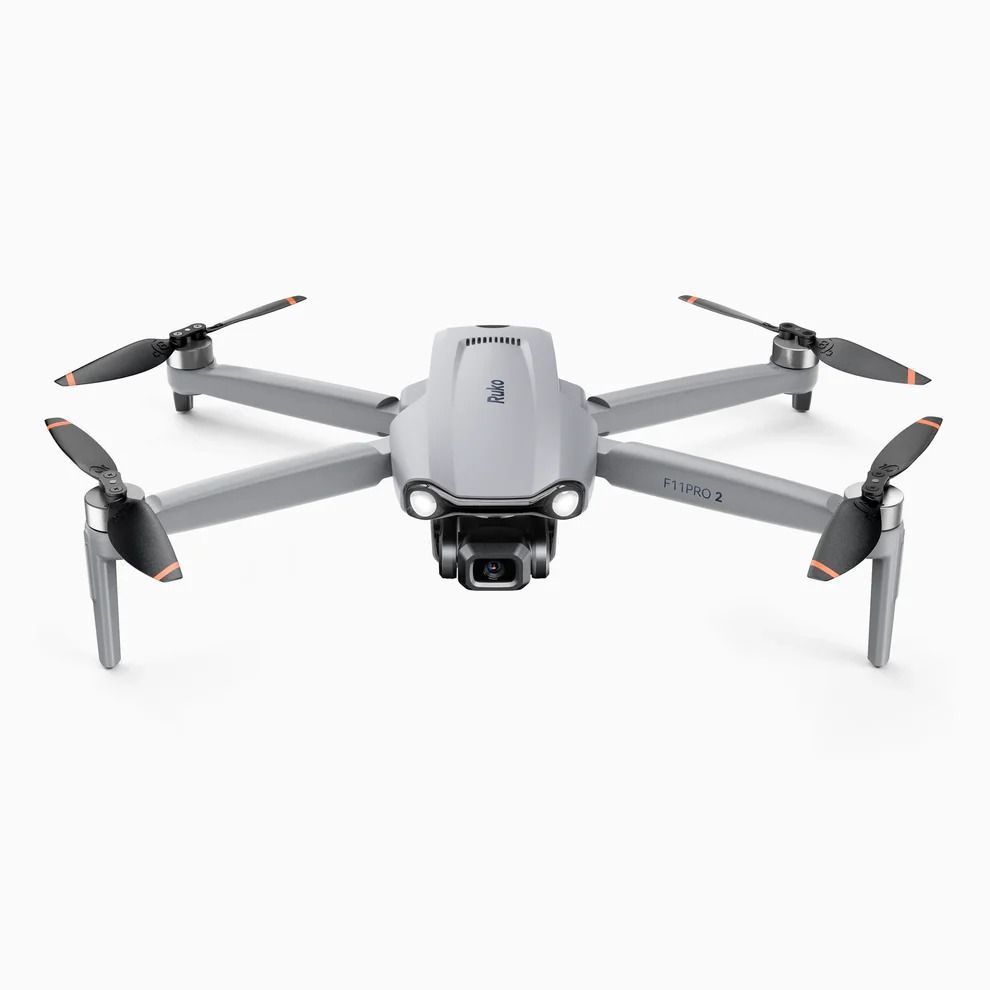 04. Ruko F11 Pro 2Best heavy airframe | Heavier frame for gusty open country | Level 5 with 357 g of mass; GPS Follow Me only | View on Amazon |
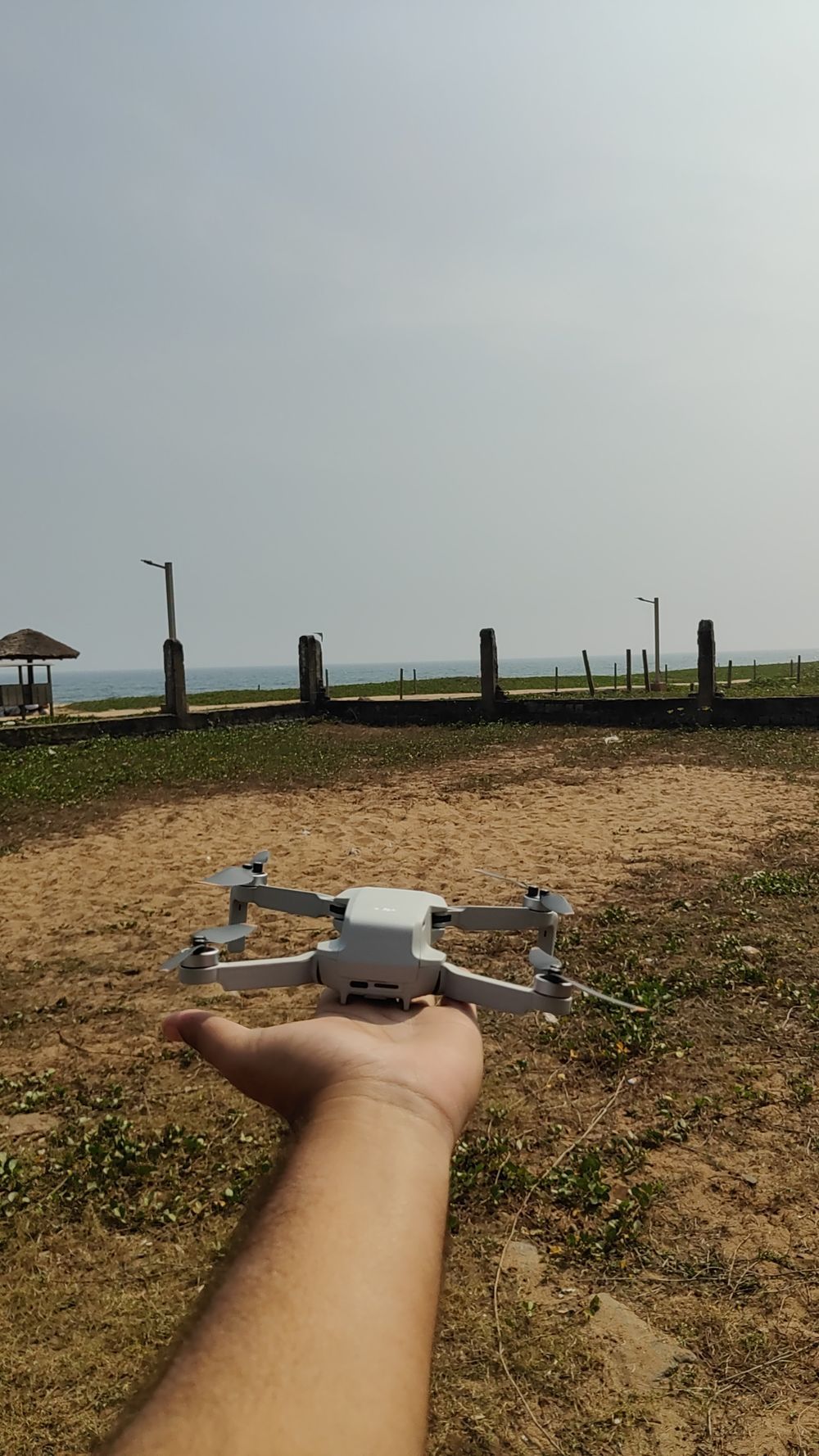 05. DJI Mini 2 SEBest simple DJI | Simple, light and wind-capable | 10.7 m/s rating; camera tops out at 2.7K | View on Amazon |
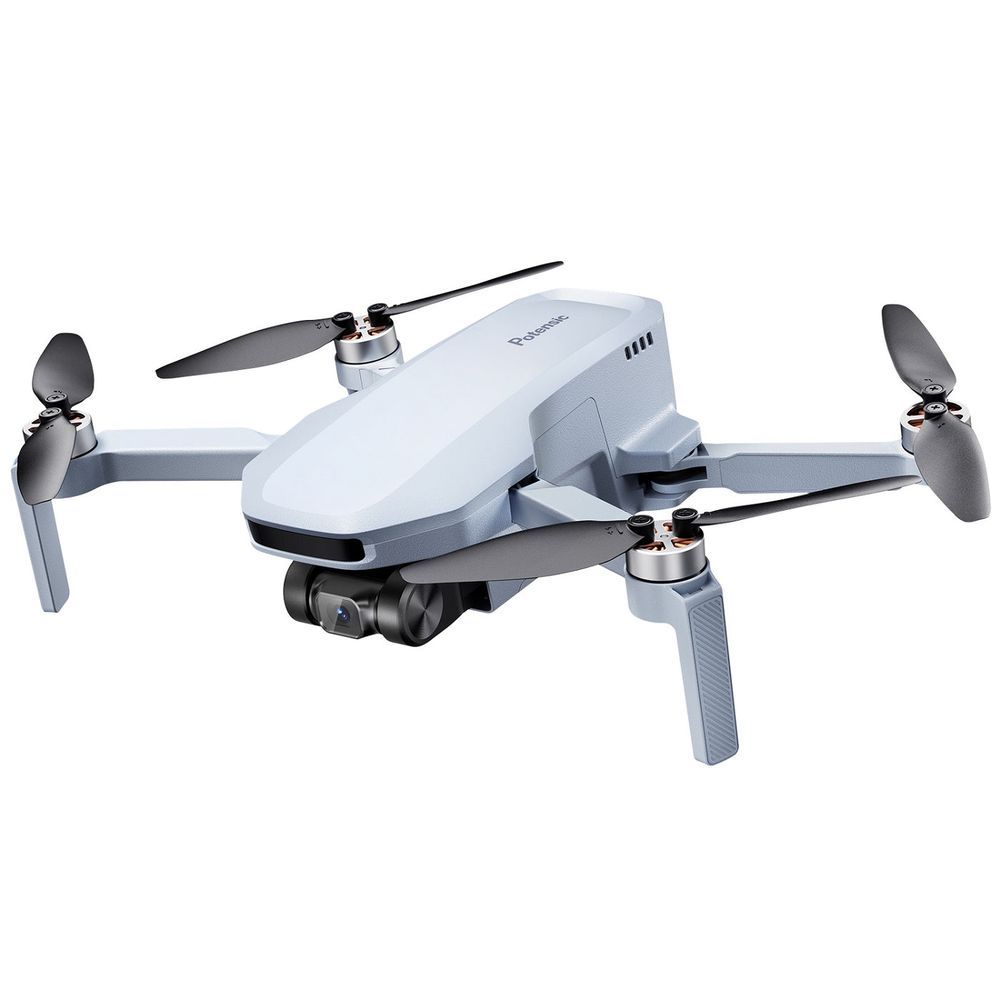 06. Potensic Atom SEBest on a tight budget | Tightest budget with GPS and Level 5 | Level 5 and GPS return; no tracking, 4 km class range | View on Amazon |
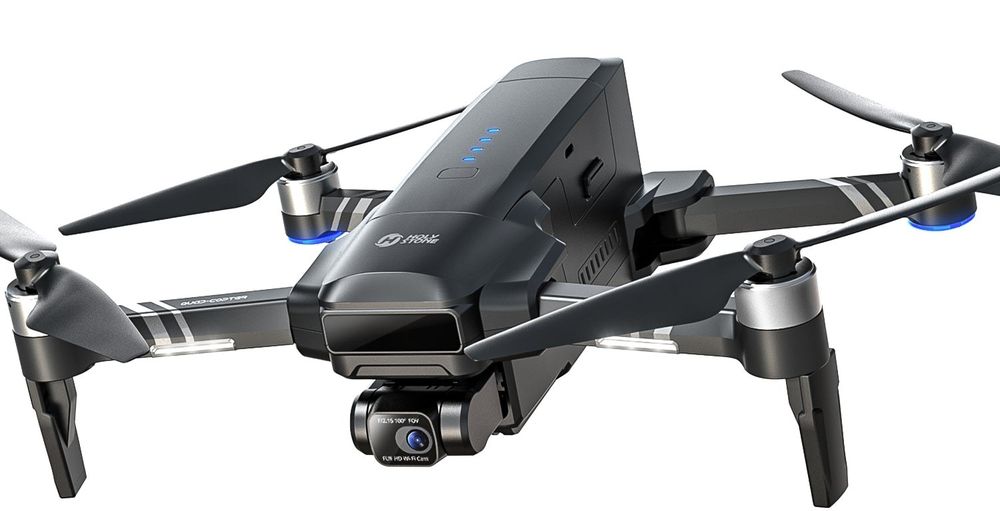 07. Holy Stone HS600Best big-frame value | Big-frame value with built-in Remote ID | Manual rates 7.9 m/s despite the Level 6 banner; 603 g | View on Amazon |
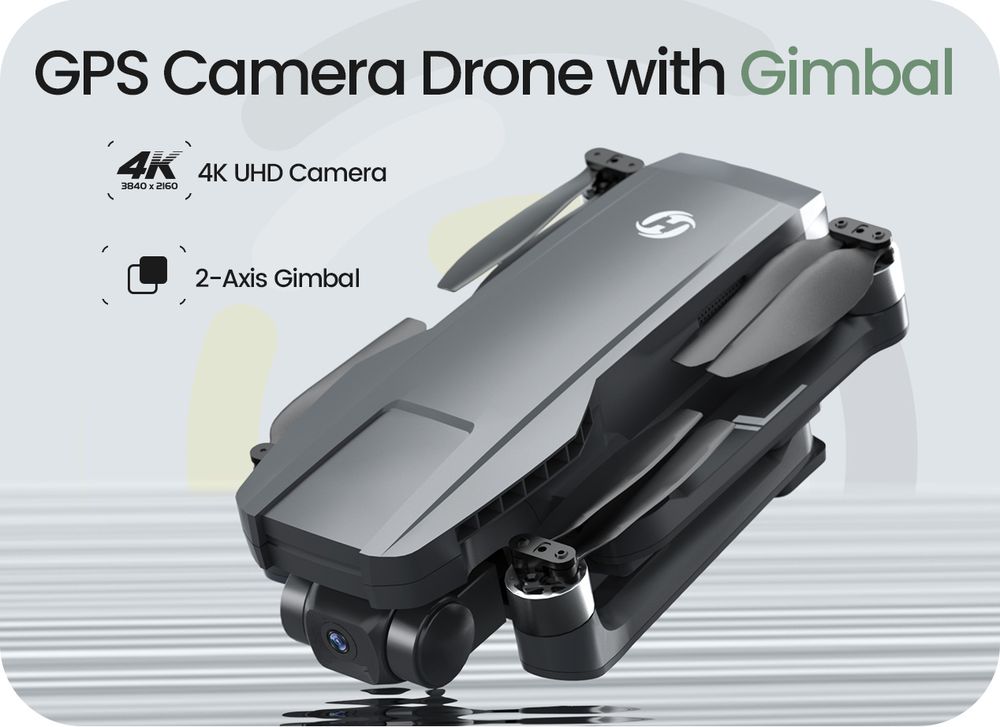 08. Holy Stone HS720GBest folding alternative | Folding gimbal drone with a big claim | Level 6 claimed, no m/s figure published; 2-axis gimbal | View on Amazon |
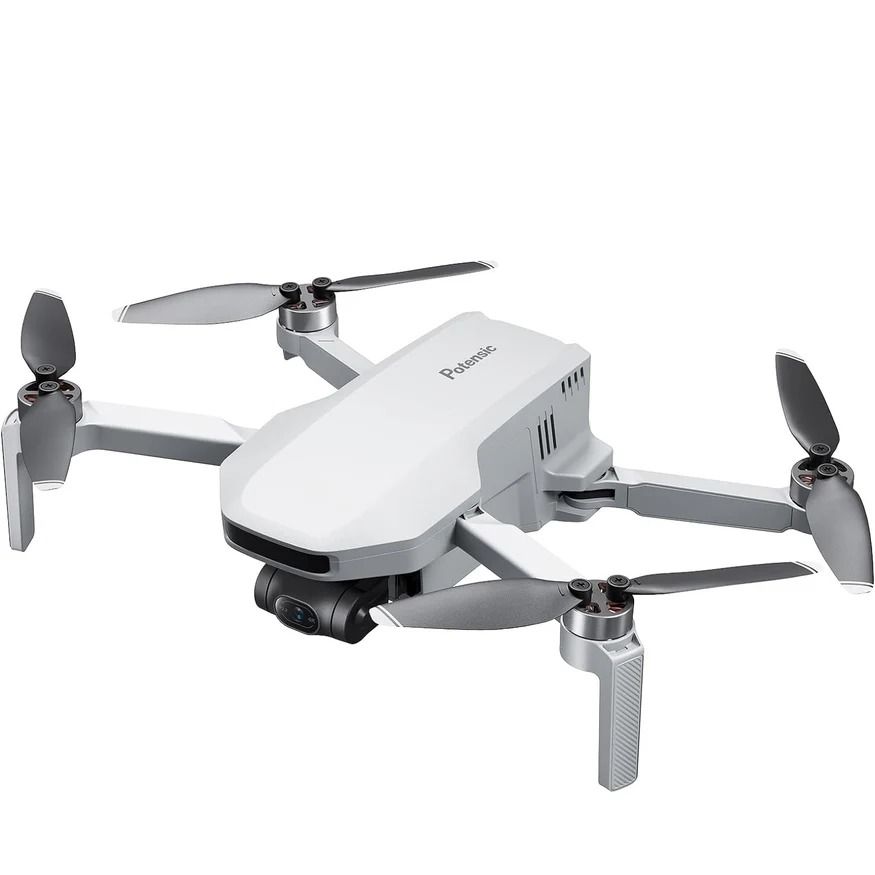 09. Potensic AtomBest twin-battery value | Twin-battery value with a 3-axis gimbal | Level 5 and two batteries; an older model now | View on Amazon |
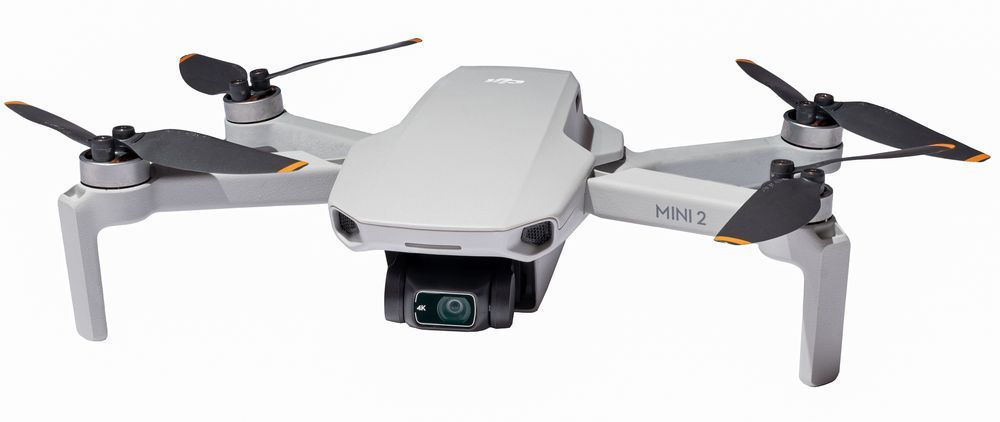 10. DJI Mini 2Best legacy pick | Legacy DJI with a Level 5 rating | Level 5 and 4K at 31 min; the oldest model here | View on Amazon |
Look closer
Our 10 picks, explained
These picks come from desk research, not hands-on testing: we compared manufacturer spec sheets and user manuals line by line, then cross-checked owner feedback and published reviews to see which wind claims hold up in real weather.
DJI Mini 4K
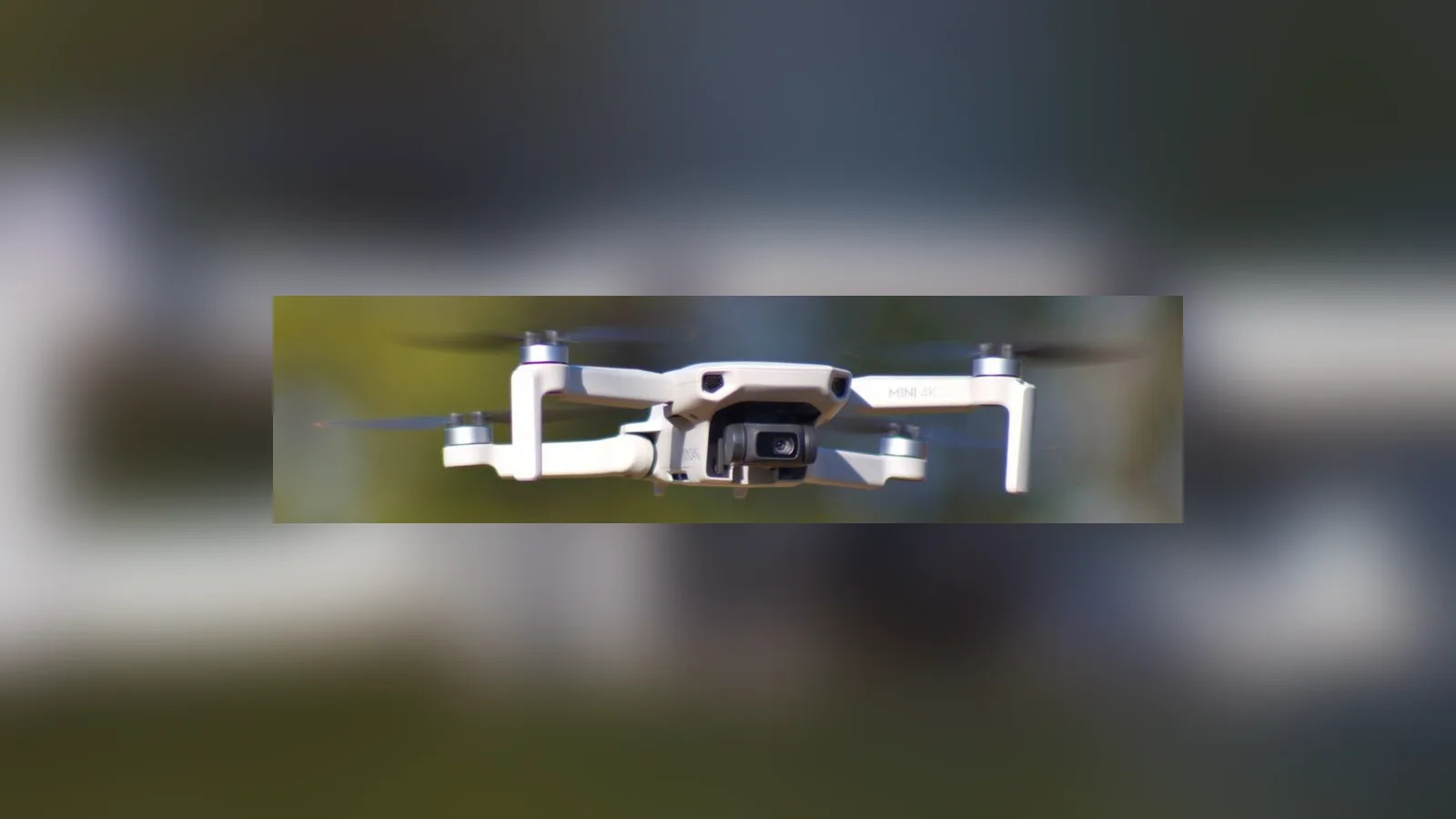
Wind exposes cheap drones in two ways: the airframe drifts, and the footage rolls. The Mini 4K answers both with flagship habits at a starter price. DJI rates its maximum wind resistance at 10.7 m/s, Level 5, the same figure as minis costing far more, and the 3-axis gimbal keeps video level while the airframe leans into gusts. GPS position hold means it stays where you put it instead of sailing downwind. The camera is a modest 1/2.3-inch unit shooting 4K/30, flights run 31 minutes in calm air, and there is no obstacle sensing or subject tracking at all. As a tool for coastal walks, hilltops and lakesides on a budget, it is the honest standard.
- Takeoff weight
- 246 g
- Max wind resistance
- 10.7 m/s (Level 5)
- Camera
- 1/2.3-inch CMOS, 12MP, 4K/30
Reasons to choose it
- 10.7 m/s rating, best honest figure here
- Real 3-axis gimbal for level footage
- GPS hold and 31 min flights
Trade-offs to know
- No obstacle sensing
- No subject tracking
Choose this if: you fly in breezy places and want footage that stays level.
Consider another option if: camera quality matters as much as stability, the DJI Mini 3 brings a far better sensor for the same rating.
DJI Mini 3
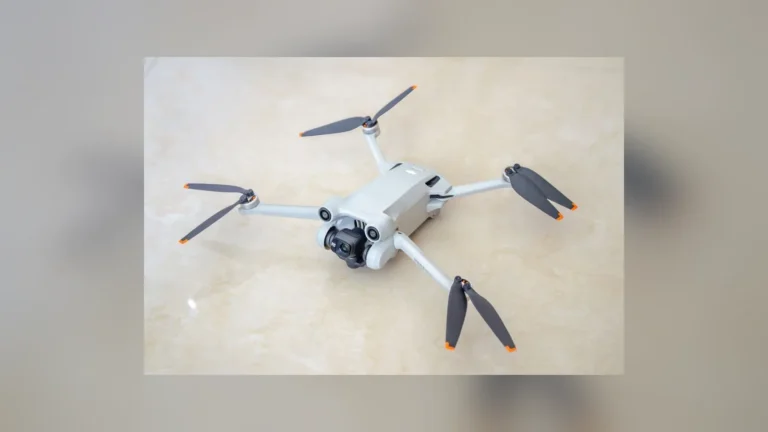
If the Mini 4K is the wind pick, the Mini 3 is the wind pick for photographers. The airframe carries the same 10.7 m/s Level 5 maximum wind resistance, and adds everything the cheaper drone lacks as a camera: a 1/1.3-inch 48MP sensor, 4K HDR video, and a rotating gimbal for true vertical clips. Flight time stretches to 38 minutes, the longest among the sub-250 g picks here, which matters because fighting wind burns battery. GPS hold keeps it parked in a breeze while you compose. The gaps are the same as its sibling: no obstacle avoidance and no tracking, and in a real gust the light frame still leans hard.
- Takeoff weight
- 248 g
- Max wind resistance
- 10.7 m/s (Level 5)
- Camera
- 1/1.3-inch CMOS, 48MP, 4K HDR
Reasons to choose it
- Best camera with a Level 5 rating
- 38 min flights for windy-day margins
- True vertical shooting
Trade-offs to know
- No obstacle avoidance
- Light frame leans in gusts
Choose this if: you publish your footage and fly where it breezes.
Consider another option if: the camera can be simpler and the saving matters, the DJI Mini 4K keeps the rating and the gimbal.
Potensic Atom 2
Most budget drones make you choose: wind manners or smart features. The Atom 2 refuses the choice. Potensic rates it Level 5 for wind resistance, its Sony sensor shoots 4K HDR video, and AI Track offers Follow, Spotlight and Parallel modes that keep a walker, rider or boat framed while the airframe works against the breeze. Flights run up to 32 minutes at under 249 g, and the 3-axis gimbal keeps the horizon straight. The compromises are stills, JPEG only with no RAW, and an app experience a step behind DJI’s. For active people filming themselves in real weather on a budget, it is the most complete package in this guide.
- Takeoff weight
- Under 249 g
- Max wind resistance
- Level 5 (38 km/h)
- Camera
- Sony CMOS, 4K HDR, 3-axis gimbal
Reasons to choose it
- Level 5 rating plus AI tracking
- 4K HDR camera on a 3-axis gimbal
- 32 min flights under 250 g
Trade-offs to know
- JPEG stills only, no RAW
- App polish trails DJI
Choose this if: you film yourself outdoors and the wind rarely cancels.
Consider another option if: tracking is a luxury and GPS hold is enough, the Potensic Atom SE keeps the wind rating for less.
Ruko F11 Pro 2
There are two ways to beat wind: better ratings or more mass. The F11 Pro 2 brings both. Ruko rates it Level 5, and at 357 g it carries momentum the sub-250 g picks cannot, sitting steadier when gusts roll across open fields and water. The camera shoots 4K on a 3-axis gimbal, GPS and GLONASS positioning holds it in place, and batteries are rated at 35 minutes each, the longest per-battery figure among the budget brands here. Understand its Follow Me before buying: it follows the controller’s GPS position, which suits a pilot walking a ridge line, not a drone filming a separate subject. As a heavy, honest workhorse for gusty country, it earns its slot.
- Takeoff weight
- 357 g
- Max wind resistance
- Level 5
- Camera
- 4K on a 3-axis gimbal
Reasons to choose it
- Mass plus Level 5 rating sits steady
- 35 min per battery
- 4K camera on a 3-axis gimbal
Trade-offs to know
- Follow Me tracks the controller only
- 357 g means registration
Choose this if: you fly open, gusty country and value a steady frame.
Consider another option if: you would rather stay under 250 g, the DJI Mini 4K matches the rating with less paperwork.
DJI Mini 2 SE
Not every windy-day drone needs a flagship camera. The Mini 2 SE keeps the parts that matter in a breeze, DJI’s 10.7 m/s Level 5 wind resistance, GPS positioning with downward vision sensors, and a 3-axis gimbal, and saves money on the sensor: 2.7K/30 video instead of 4K. On a phone screen or a family TV, most owners never see the difference; on a big monitor, they will. Flight time is 31 minutes, the frame weighs 246 g, and the whole experience is the most approachable here: fewer modes, fewer menus, nothing to misconfigure when the wind picks up. As a second drone for rough weather or a first drone for a windy postcode, it makes a calm case for itself.
- Takeoff weight
- 246 g
- Max wind resistance
- 10.7 m/s (Level 5)
- Camera
- 1/2.3-inch CMOS, 12MP, 2.7K/30
Reasons to choose it
- Full 10.7 m/s rating at the lowest DJI rung
- Simplest controls in the guide
- 31 min flights, GPS hold
Trade-offs to know
- 2.7K camera ceiling
- No tracking or sensing
Choose this if: you want DJI wind manners without DJI flagship money.
Consider another option if: the footage is for publishing, the DJI Mini 3 adds a real camera to the same rating.
Potensic Atom SE
The Atom SE’s spec sheet reads like a checklist for this guide: under 249 g, GPS with auto return, Level 5 wind resistance, and up to 31 minutes per battery with two-battery kits common. Its Sony 1/3-inch camera records 4K/30 and even shoots RAW stills, a rarity at this level. What the price removes is assistance: no subject tracking, a shorter 4 km class transmission range, and stabilization that leans on electronics more than the Atom 2’s setup. In a breeze it holds position honestly and comes home when told, which is more than many cheap drones manage. For a first GPS drone in a windy area with a hard budget ceiling, it is the sensible floor.
- Takeoff weight
- Under 249 g
- Max wind resistance
- Level 5
- Camera
- Sony 1/3-inch CMOS, 12MP, 4K/30
Reasons to choose it
- GPS, auto return and Level 5 together
- RAW stills at the budget end
- 31 min per battery
Trade-offs to know
- No subject tracking
- Shorter transmission range
Choose this if: your budget is hard-capped but the wind is not optional.
Consider another option if: a step up buys tracking and a better camera, in the Potensic Atom 2 from the same brand.
Holy Stone HS600
The HS600 shows why this guide reads manuals. Holy Stone’s banner claims Level 6 wind resistance; the HS600’s own specification table lists a maximum wind speed resistance of 7.9 m/s, which is a moderate breeze, not a gale. Ranked on the honest figure, it still earns a place: at 603 g it has more mass than anything here, its brushless motors and 2-axis gimbal with EIS keep 4K/30 footage respectable, batteries fly up to 40 minutes, and Remote ID is built in. In steady, honest wind it sits planted. Just do not plan a clifftop session around the banner claim, and its size means a real bag.
- Takeoff weight
- 603 g
- Max wind resistance
- 7.9 m/s (manual figure)
- Camera
- 4K/30, 2-axis gimbal + EIS
Reasons to choose it
- Heaviest frame here steadies footage
- Up to 40 min per battery
- Remote ID built in
Trade-offs to know
- Wind banner outruns the manual figure
- 603 g, registration and a real bag
Choose this if: you fly steady breezes and want long, planted flights.
Consider another option if: you want mass with a cleaner wind claim, the Ruko F11 Pro 2 is lighter and rated Level 5.
Holy Stone HS720G
The HS720G is a likeable drone with an unprovable headline. Its manual states strong wind resistance up to Level 6, a claim no other budget drone here makes, yet Holy Stone publishes no maximum wind speed in m/s for it, and sibling models’ manuals suggest the brand’s levels run generous. What can be verified is the hardware: a 377 g folding frame, brushless motors, a 2-axis gimbal backed by EIS, GPS plus GLONASS positioning and 26 minute batteries. That combination does handle a breeze better than the spec-sheet twins it outsells. Buy it for the gimbal, the modes and the mass, and treat Level 6 as marketing until a number backs it.
- Takeoff weight
- 377 g
- Max wind resistance
- Level 6 (manufacturer claim)
- Camera
- 4K/30 Sony, 2-axis gimbal + EIS
Reasons to choose it
- Gimbal plus EIS on a 377 g frame
- Full GPS smart modes
- 26 min per battery
Trade-offs to know
- Level 6 claim has no published figure
- 999 m control range
Choose this if: you want a folding gimbal drone and read claims critically.
Consider another option if: you want a wind figure you can verify, the DJI Mini 4K publishes its 10.7 m/s.
Potensic Atom
Before the Atom 2 added AI tracking, the original Atom built Potensic’s name on exactly the things this guide ranks: a 3-axis gimbal, 4K video at up to 30fps, visual tracking, and a Level 5 wind rating with 38 km/h quoted in Potensic’s materials. At 249 g with 32 minute batteries, and commonly bundled with two of them, it covers a breezy afternoon without drama. GPS positioning holds it against a steady push, and the footage stays level in a way EIS-only rivals cannot match. The age shows in the app and the tracking, which is a step behind the Atom 2, and stills top out more modestly.
- Takeoff weight
- 249 g
- Max wind resistance
- Level 5 (38 km/h)
- Camera
- 4K/30 on a 3-axis gimbal
Reasons to choose it
- 3-axis gimbal at the value end
- Level 5 rating, 32 min batteries
- Twin-battery kits are common
Trade-offs to know
- Older app and tracking
- Being replaced by the Atom 2
Choose this if: you find a twin-battery kit and want gimbal footage cheap.
Consider another option if: current-model support matters, the Potensic Atom 2 is its successor with AI Track.
DJI Mini 2
The Mini 2 taught the budget class how to behave in wind, and its spec still reads well: maximum wind resistance at Level 5, a 1/2.3-inch camera recording 4K/30 through a 3-axis gimbal, GPS hold, and 31 minute flights in a sub-249 g frame. What dates it is everything around the flying: an older transmission system with a shorter practical range, no obstacle sensing, no tracking, and a feature set frozen years ago. Support and spares remain widely available because DJI sold so many. Wind behavior is the reason it survives in this guide: owners consistently rate its composure in a breeze above newer budget rivals. That composure, not nostalgia, earns the slot.
- Takeoff weight
- Under 249 g
- Max wind resistance
- Level 5
- Camera
- 1/2.3-inch CMOS, 12MP, 4K/30
Reasons to choose it
- Level 5 rating and 4K camera
- Huge used and clearance supply
- Mature, predictable wind manners
Trade-offs to know
- Oldest link and feature set here
- No sensing or tracking
Choose this if: you are buying used or clearance and want DJI manners.
Consider another option if: you want the current version of the same idea, the DJI Mini 2 SE updates the link and sensors.
Buy with confidence
How to choose a cheap drone for windy conditions
Four checks that matter more than the wind level printed on the box.
01. Trust m/s figures over level claims
Wind levels are a scale, not a measurement, and brands round generously. DJI publishes a maximum wind resistance in m/s, 10.7 for its Level 5 minis. Holy Stone’s HS600 banner claims Level 6 while its manual’s table says 7.9 m/s. When a brand gives a number, rank by the number. When it gives only a level, treat the claim as one grade optimistic until proven otherwise.
02. Separate holding position from holding the shot
A drone beats wind twice: GPS position hold keeps it in place, and a gimbal keeps the footage level while the frame leans. Cheap drones often have one without the other. Every pick here has GPS hold; the gimbal picks, the DJI minis, the Atoms, the Ruko and the two Holy Stones, also keep the horizon straight. EIS-only cameras roll visibly when gusts hit.
03. Fly out slow, come home fast
Wind drains batteries asymmetrically: the return leg against a headwind can take twice the power of the flight out. Take off into the wind so the drone works hardest while the battery is fresh, keep flights shorter than the calm-day rating, and treat a low-battery warning in wind as a land-now instruction.
04. Weight is a wind feature, until it is not
Mass steadies a drone: the 357 g Ruko and 603 g HS600 shrug off gusts that bully a 246 g mini. But weight brings registration duties and bigger bags, and it cannot rescue a weak rating. The sweet spot for most budget buyers is a sub-250 g drone with a verified Level 5 figure, which is why the DJI minis lead this list. Buy mass only when your flying is open country where its steadiness pays daily.
Behind the recommendations
How we selected these products
This guide is built on desk research, not hands-on testing. We compared official manufacturer spec sheets and user manuals for every current budget drone with a published wind rating, and where a brand’s marketing level and its manual’s m/s figure disagreed, we ranked by the manual. The shortlist was cross-checked against owner feedback and published reviews for real-world wind behavior. Specs were rechecked against the sources below in October 2026. Flight times are calm-air lab ratings; wind shortens them.
- Wind resistance: the maximum wind figure as published by the manufacturer, in m/s where given, with level-only claims flagged as claims throughout the guide.
- Stabilization and hold: gimbal type, GPS positioning and takeoff weight, the three things that decide whether footage survives a gusty day.
- Limitations: we did not fly these drones for this guide, wind ratings are steady-air ceilings rather than gust guarantees, and bundles change, so confirm the exact model and manual revision before buying.
Common questions
Before you buy
What wind level should a budget drone have?
Level 5 is the honest target: it corresponds to roughly 8 to 10.7 m/s, a fresh breeze that covers most flyable days. Level 4 drones like older selfie models are calm-day tools. Be skeptical of level claims above 5 from budget brands unless the manual also publishes an m/s figure; in this guide, the loudest claim came with the weakest number behind it.
Can a cheap drone fly at the beach?
Yes, with margins. Beach wind is gusty and salt-laden, and it strengthens over the water. Fly a Level 5 pick, launch from behind shelter, keep the drone upwind of you so the return leg rides the wind home, and land well before the battery warning. Rinse sand from the motors gently afterward; grit kills more beach drones than wind does.
Does a heavier drone always handle wind better?
Mass helps a drone sit steady and carry momentum through gusts, which is why the 357 g Ruko and 603 g HS600 feel planted. But motors, rating and GPS hold matter more than grams alone, and a light drone with a verified 10.7 m/s rating outperforms a heavy one whose manual quietly says 7.9 m/s. Read the number, then weigh the drone.
Why are there no prices in this guide?
Because budget drones change price weekly, and a wind rating never changes at all. Every pick here sits in the budget class by design; check the current offer on the model that fits, and spend the difference on a second battery before a fancier bundle.
Choose the best fit for your windy days
Start with the DJI Mini 4K for the strongest verified wind rating with a real gimbal, or the Mini 3 when the camera matters as much as the weather. Whichever you pick, fly out into the wind, keep a battery margin, and let the manual, not the banner, set your limits.
Sources and verification
Product specifications and claims in this guide were checked against the following sources, listed by name as a record of what was consulted.
- DJI official specifications for the Mini 4K, Mini 3, Mini 2 SE and Mini 2, including maximum wind resistance figures (dji.com)
- Potensic Atom 2, Atom SE and Atom official specifications (potensic.com)
- Ruko F11 Pro 2 official specifications (Ruko)
- Holy Stone HS600 and HS720G official product pages and user manuals, including the HS600 manual wind figure (holystone.com)
- Published reviews and owner feedback for the shortlisted models, cross-checked in October 2026