
As an Amazon Associate I earn from qualifying purchases. If you buy through links in this article, we may earn a commission at no extra cost to you.
These are the 10 best tiny drones, ranked by the only metric this class really cares about: how small the drone is when you carry it and fly it. The list runs from an 80 g learning drone and a 135 g palm launcher up to the lightest full camera drones at just under 250 g, with no kit padding to bulk it out. We ordered them by takeoff weight and packed size first, then judged camera, flight time and value within each size class.
Short on time?
Start with these three picks
The best all-round palm drone, the smallest learning machine, and the tiniest way into real FPV.
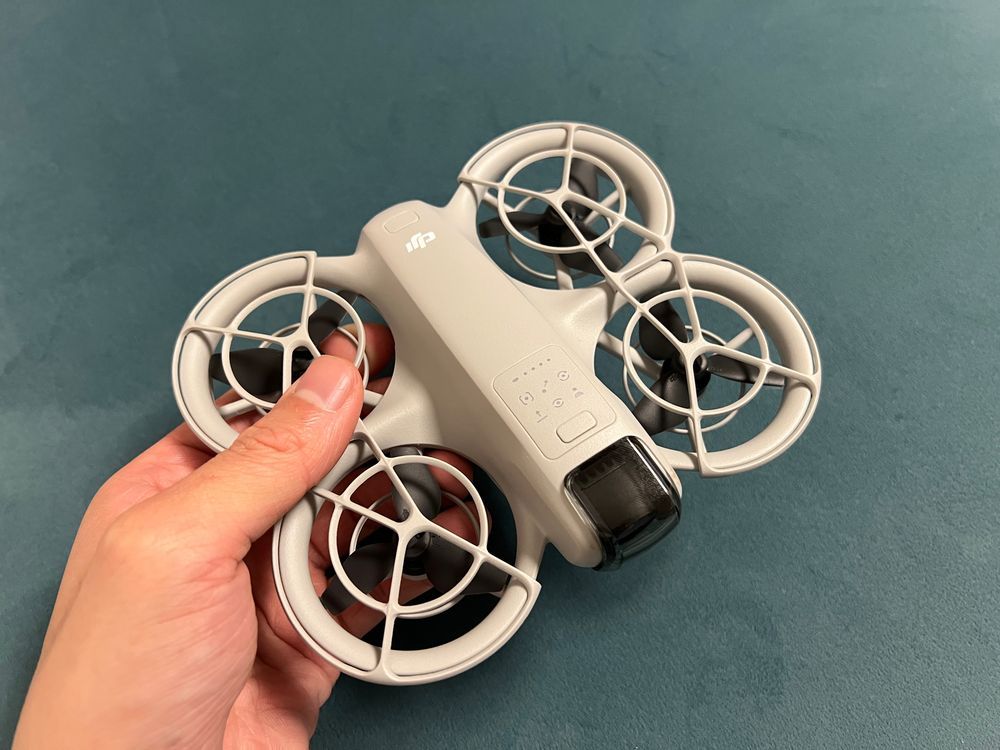
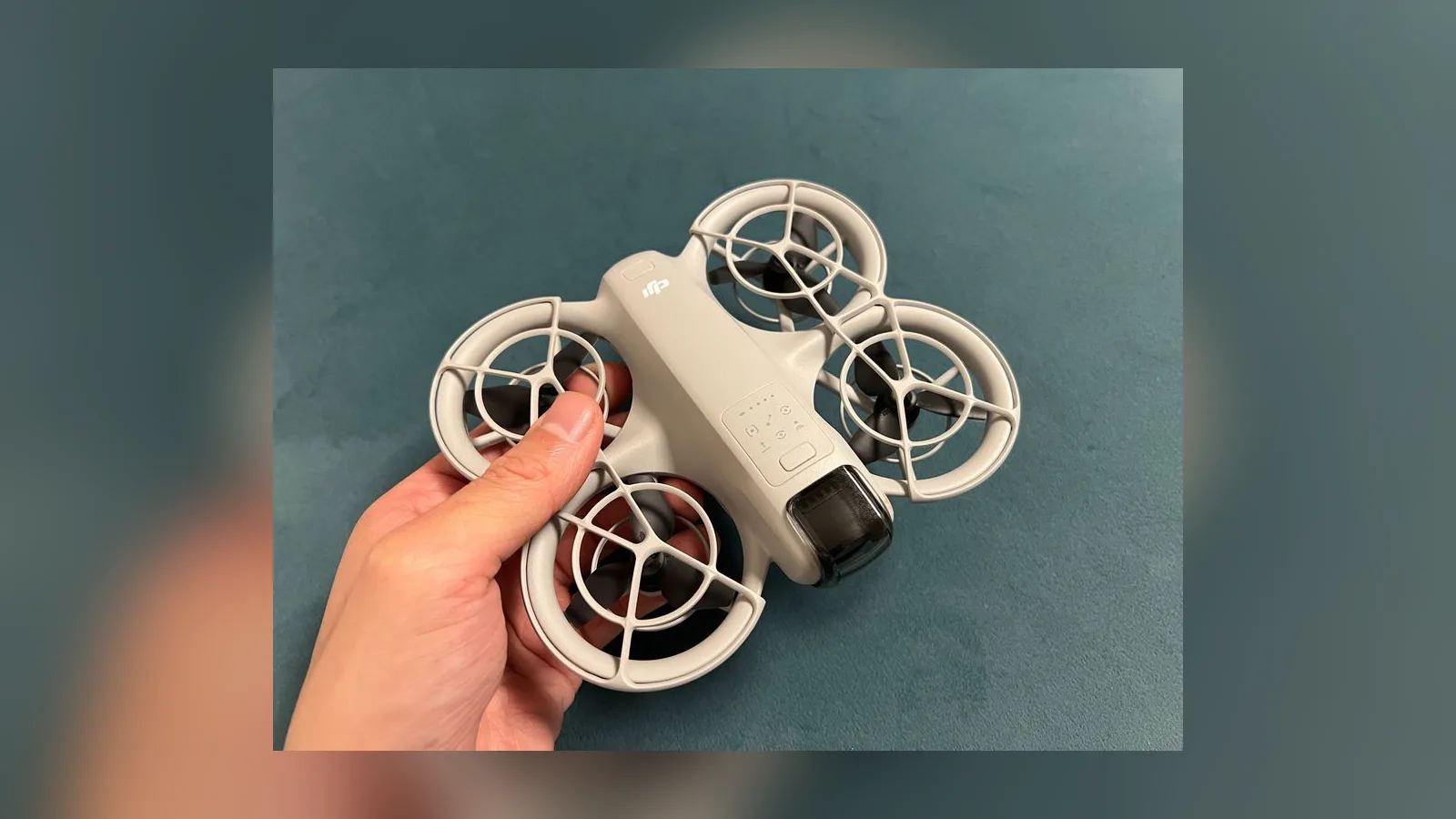
DJI Neo
The tiny drone perfected for most people: 135 g, palm launch, full prop guards and a 4K/30 camera that tracks you by itself. Eighteen minutes a battery is the price of this small.
View on Amazon Read the full review ↓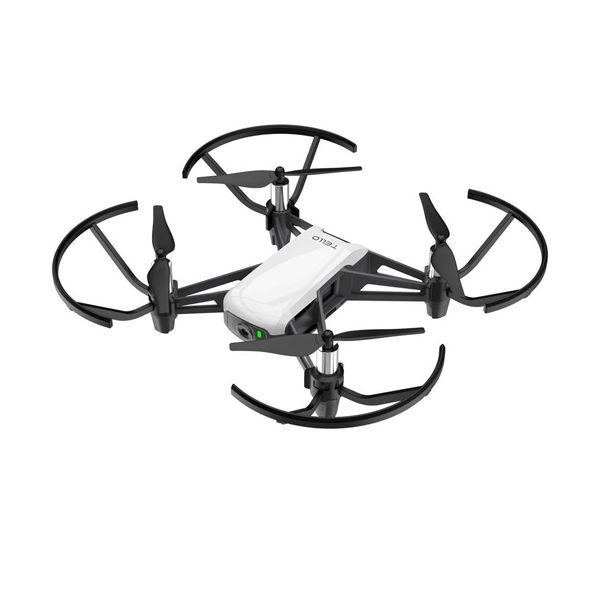
Ryze Tello
The smallest serious drone here: 80 g of DJI flight tech by way of Ryze, with vision positioning, 13-minute flights and a second life as a programming teacher.
View on Amazon Read the full review ↓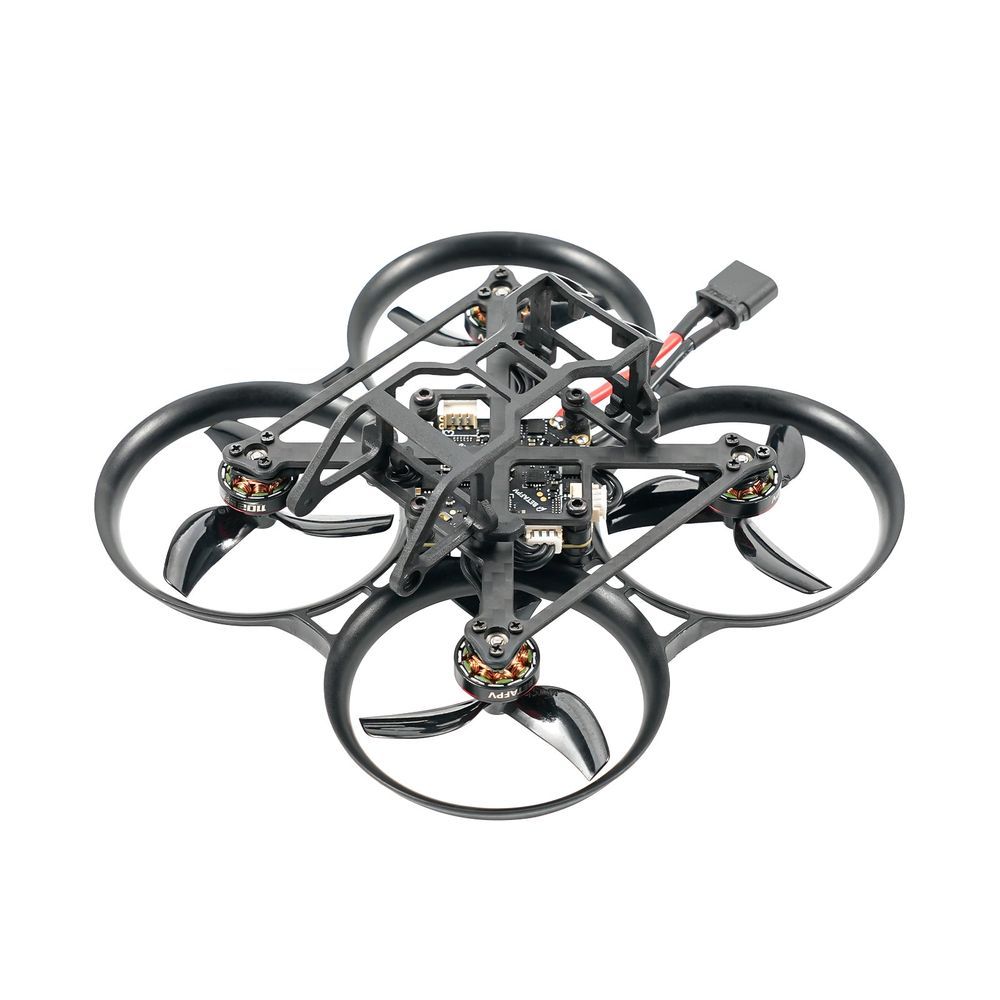
BetaFPV Pavo Pico
The pilot’s tiny drone: 73.47 g without battery, a ducted 80.8mm frame and a bay waiting for your DJI O3. The smallest machine here that captures footage worth publishing.
View on Amazon Read the full review ↓The shortlist
Compare all 10 at a glance
For a tiny drone, the table reads like the ranking itself: lightest first, with the camera and the flight time that each size buys you.
| Product / award | Best fit | Key decision point | Check current offer |
|---|---|---|---|
| 01. DJI NeoBest overall | Everyday carry and selfies | 135 g palm launch; calm days only | View on Amazon |
| 02. Ryze TelloBest for learning and coding | Learning, coding and classrooms | 80 g and programmable; 720p camera | View on Amazon |
| 03. BetaFPV Pavo PicoBest tiny FPV | Equipped FPV pilots | 73 g O3 carrier; bring your own air unit | View on Amazon |
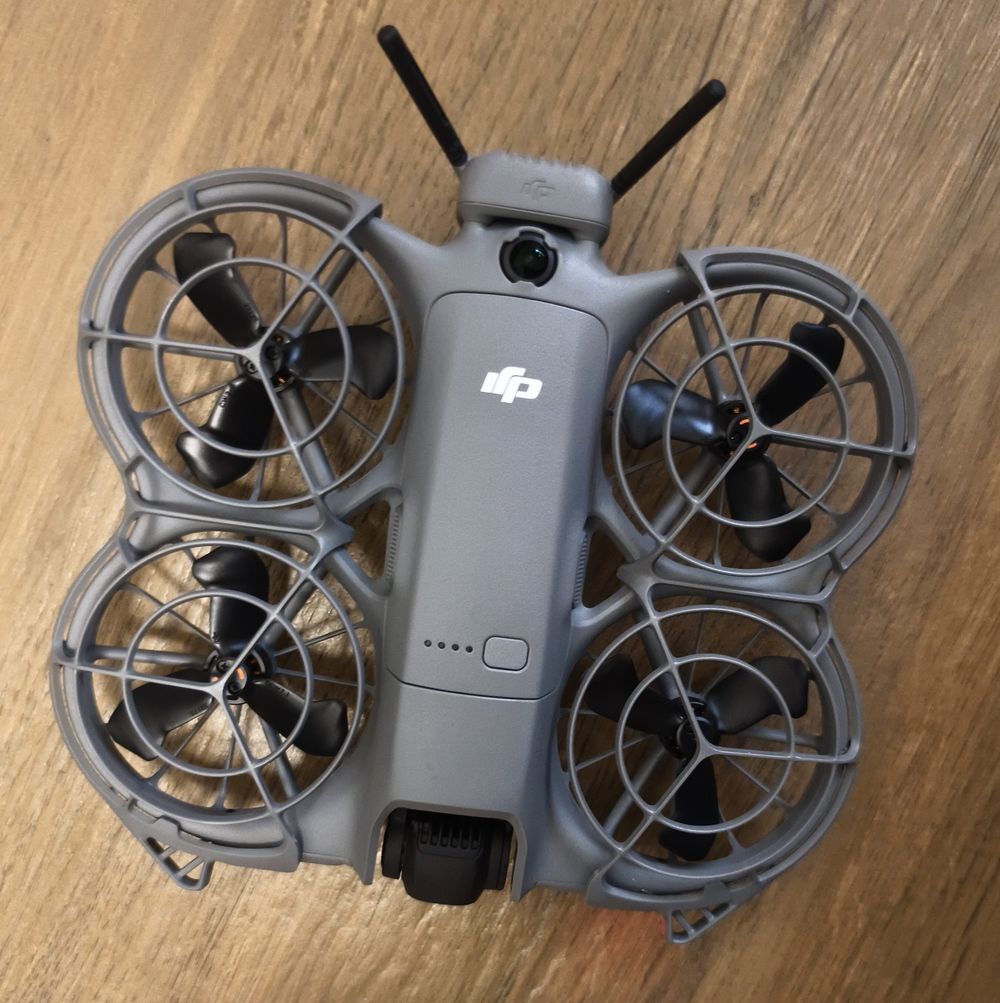 04. DJI Neo 2Best palm camera | Vloggers and solo creators | 4K/60 and sensing at 151 g; premium over Neo | View on Amazon |
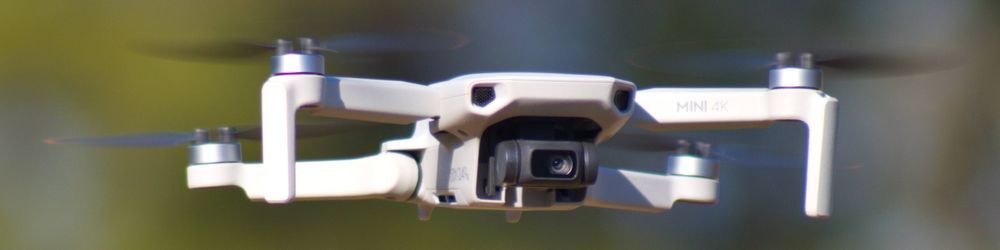 05. DJI Mini 4KBest tiny camera drone | Hikers and light travelers | Gimbal 4K at 246 g; no sensing | View on Amazon |
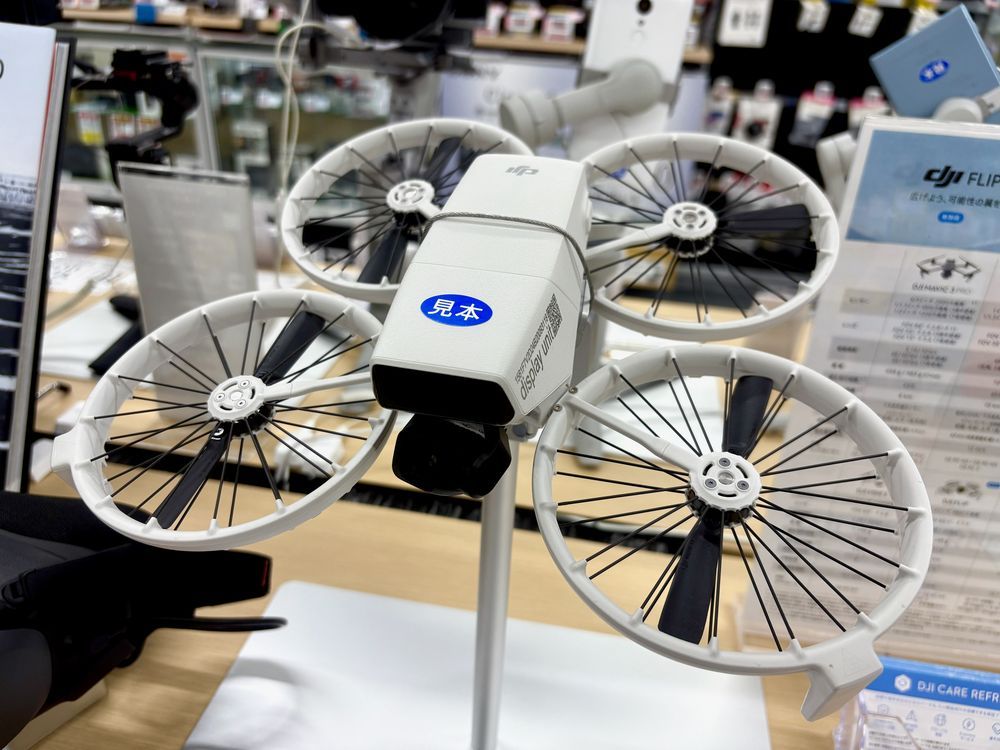 06. DJI FlipBest for creators | Solo creators and vloggers | Guarded with a big sensor; less sensing | View on Amazon |
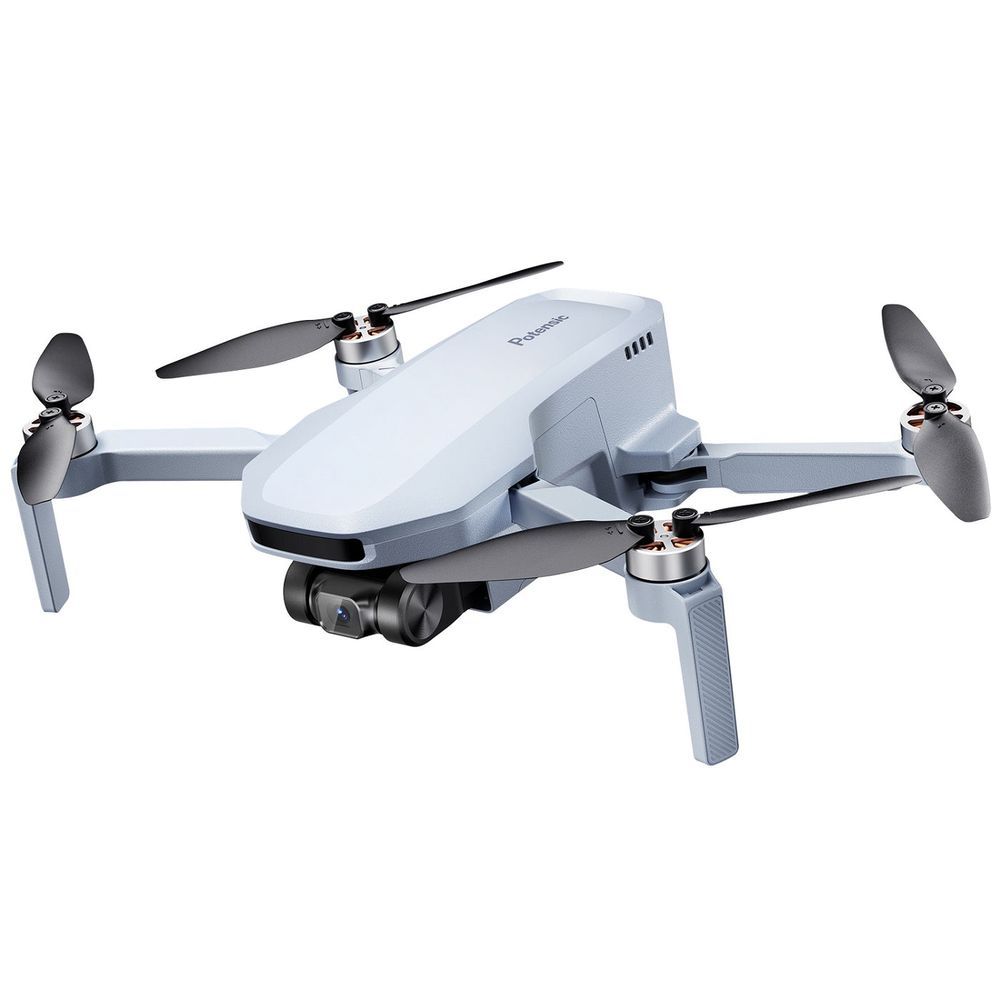 07. Potensic Atom SEBest tiny on a budget | Budget buyers in open spaces | GPS tiny at a low price; small sensor | View on Amazon |
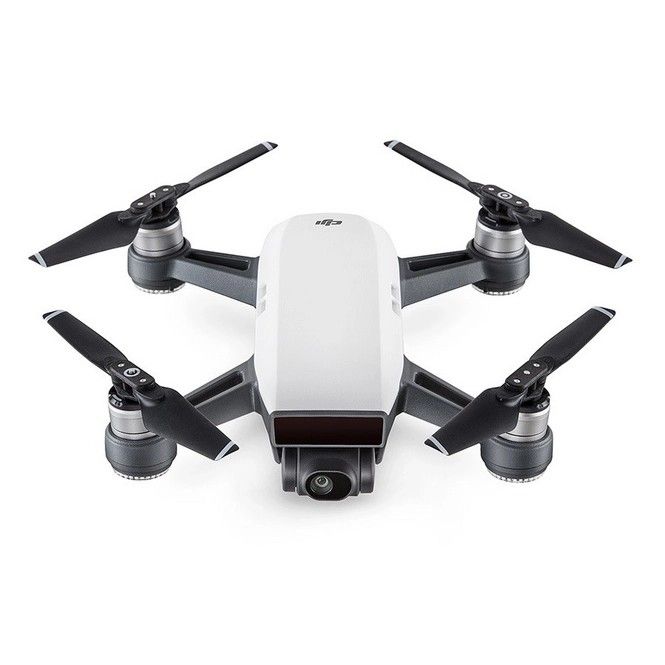 08. DJI SparkBest classic palm drone | Used-market bargain hunters | The original palm drone; 1080p era | View on Amazon |
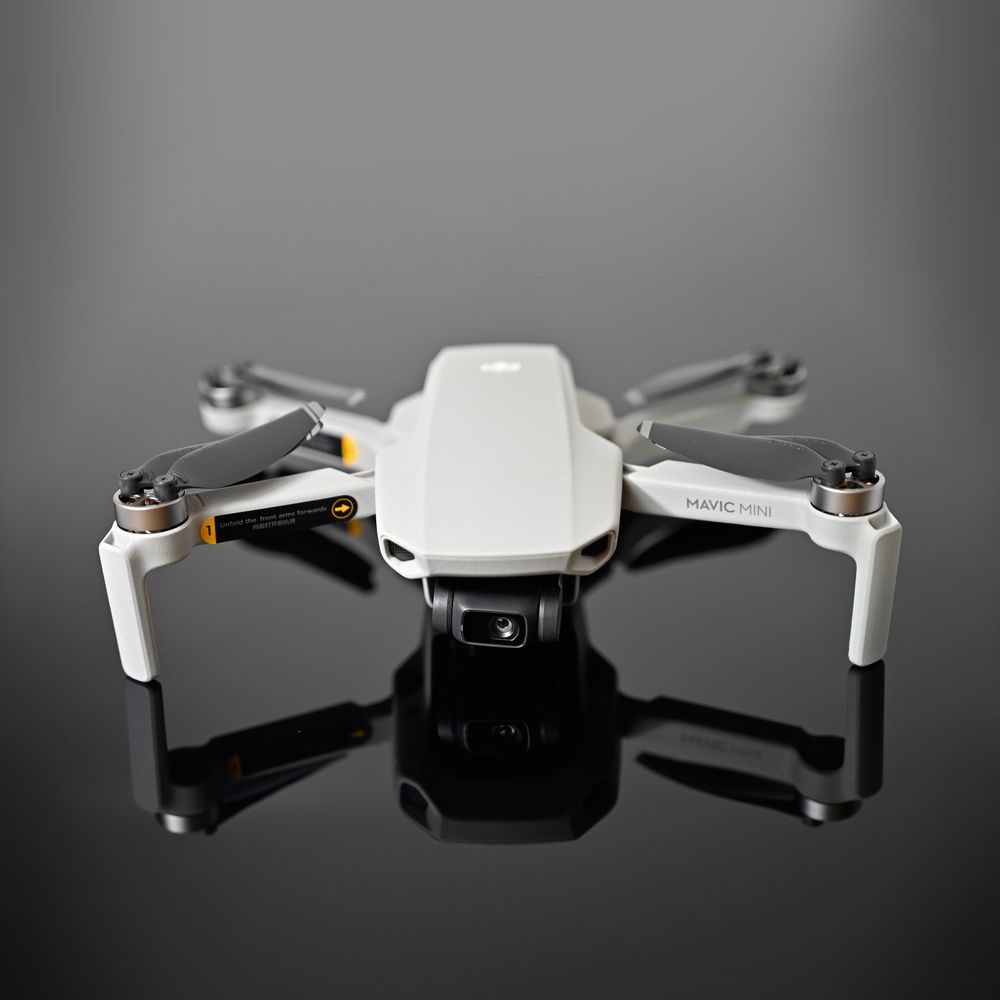 09. DJI Mavic MiniBest lightweight classic | Classic DJI on a budget | 2.7K and 30 min; dated link | View on Amazon |
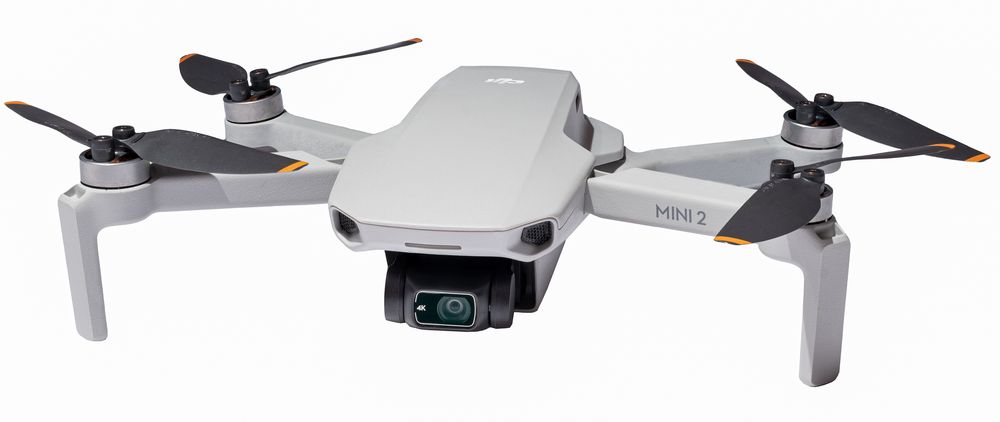 10. DJI Mini 2Best tiny with long range | Used-market connoisseurs | 4K plus OcuSync at 249 g; no sensing | View on Amazon |
Look closer
Our 10 picks, explained
These picks come from desk research, not hands-on testing: we compared manufacturer spec sheets line by line, then cross-checked owner feedback and published reviews for each model.
DJI Neo
DJI designed the Neo to disappear into a jacket pocket and reappear in the air. At 135 g it launches from your palm with no controller at all, follows you on a run or a ride with subject tracking, and its full propeller guards make it the least worrying drone to fly near people. The 1/2-inch sensor records 4K/30 that looks properly good in daylight, and a controller or phone extends it into a normal small camera drone with about 18 minutes per battery. Wind is the limit: Level 4 resistance means breezy hilltops ground it. As an everyday carry camera, nothing else is this easy.
- Takeoff weight
- 135 g
- Flight time
- About 18 min
- Camera
- 1/2-inch CMOS, 12MP, 4K/30
Reasons to choose it
- Palm launch, no controller needed
- Full guards, safe near people
- 135 g vanishes into a pocket
Trade-offs to know
- Level 4 wind resistance only
- About 18 minutes per battery
Choose this if: you want a carry-everywhere camera that flies itself.
Consider another option if: you need 4K/60 and stronger sensing, the Neo 2 at pick 4 steps up.
Ryze Tello
Built by Ryze with DJI flight technology and an Intel vision chip, the Tello remains the benchmark tiny trainer. Vision positioning holds it steady indoors without GPS, it flies about 13 minutes on its 1100mAh pack, and the 720p feed and 5MP stills are enough to learn framing. Its secret second career is education: it programs in Scratch and Python, which is why classrooms bought it by the crate. As a camera it is dated, and 100 m of WiFi range fences it in. As the smallest drone that flies like a real aircraft rather than a toy, it still earns its 80 g.
- Takeoff weight
- 80 g
- Flight time
- 13 min
- Camera
- 720p video, 5MP stills, vision positioning
Reasons to choose it
- Lightest real drone here at 80 g
- Programmable, the classroom standard
- Vision positioning steadies indoor flight
Trade-offs to know
- 720p video shows its age
- 100 m WiFi range
Choose this if: you are learning to fly, or learning to code drones.
Consider another option if: the camera matters most, the Neo records proper 4K.
BetaFPV Pavo Pico
Every other pick here is a camera drone; the Pico is a pilot’s drone. BetaFPV’s 80.8mm frame weighs 73.47 g before battery, wraps its props in ducts, and is built to carry a DJI O3 air unit (not included) for a digital feed and 4K recording at a ready-to-fly weight under 100 g. That makes it the smallest route to real FPV footage: through the gaps of an office, down a stairwell, around a garden. The limits are flight time, about four minutes on 2S, and the assumption that you already own DJI goggles and a radio. For the equipped pilot, it is the tiny drone with no substitute.
- Wheelbase
- 80.8mm
- Weight
- 73.47 g without battery
- Video system
- DJI O3 support, air unit not included
Reasons to choose it
- Smallest DJI digital FPV carrier
- Ducted and under 100 g ready to fly
- Threads gaps nothing else here can
Trade-offs to know
- About 4 minutes per 2S pack
- Air unit, radio and goggles separate
Choose this if: you fly FPV and want the smallest digital whoop.
Consider another option if: you own no FPV gear, the Neo flies itself out of the box.
DJI Neo 2
DJI’s second palm drone fixes the first one’s homework. The camera steps up to 4K/60 from a 12MP sensor, flight time stretches to about 19 minutes, and omnidirectional sensing joins the full prop guards to make it genuinely hard to crash into furniture or trail-side branches. It still launches from your palm, still tracks a subject without a controller, and at 151 g it still disappears into a coat pocket. The trade against its sibling is price, and against the Mini class it is wind: small drones stay calm-day machines. For vloggers and runners who film themselves, it is the most capable tiny drone that needs no pilot skill at all.
- Takeoff weight
- 151 g
- Flight time
- About 19 min
- Camera
- 12MP, 4K/60, obstacle sensing
Reasons to choose it
- 4K/60 in a palm-launch drone
- Sensing plus guards, very crash-resistant
- About 19 minutes per battery
Trade-offs to know
- Costs more than the original Neo
- Still a calm-day flyer
Choose this if: you film yourself and want the best palm camera.
Consider another option if: the budget rules, the original Neo covers the brief for less.
DJI Mini 4K
There is a size where a drone stops being a gadget and starts being a camera, and the Mini 4K sits exactly on it. Folded, it is smaller than a water bottle; unfolded, it carries a stabilized 4K/30 camera on a 3-axis gimbal, flies 31 minutes a battery and answers a proper controller with a long-range link. It stays under 250 g, which keeps registration simple in many regions. What it lacks is sensing: you are the obstacle avoidance. For travelers and hikers who count grams but still want real footage, it is the benchmark tiny camera drone, and its price makes it one of the easiest recommendations here.
- Takeoff weight
- 246 g
- Flight time
- 31 min
- Camera
- 1/2.3-inch CMOS, 12MP, 4K/30
Reasons to choose it
- Real gimbal camera at 246 g
- 31-minute batteries
- Folds smaller than a bottle
Trade-offs to know
- No obstacle sensing
- Daylight-leaning small sensor
Choose this if: you hike or travel and want real footage at minimum weight.
Consider another option if: you fly near obstacles often, a sensing model is worth the step up.
DJI Flip
DJI built the Flip for people who film themselves in public and would rather not look like a drone crew. The folding full-coverage guards make it the most approachable-looking drone here and protect fingers at palm launch, while underneath sits a serious camera: 1/1.3-inch sensor, 48MP stills, 4K/60 HDR video and a 3-axis gimbal. It tracks subjects automatically, flies 31 minutes a battery and stays under 249 g. It gives up the Mini 4 Pro’s omnidirectional sensing and some wind margin for its friendly shape. For creators whose drone is a tripod that flies, that is the right trade, and the tracking handles the framing while you perform.
- Takeoff weight
- Under 249 g
- Flight time
- 31 min
- Camera
- 1/1.3-inch CMOS, 48MP, 4K/60 HDR
Reasons to choose it
- Full-coverage guards, palm launch
- Big 1/1.3-inch sensor, 4K/60 HDR
- Subject tracking for solo creators
Trade-offs to know
- Less sensing than the Mini 4 Pro
- Guard frame catches wind
Choose this if: you create solo content and want a friendly, guarded camera.
Consider another option if: you fly in wind or want full sensing, the Mini 4 Pro is the safer tool.
Potensic Atom SE
Potensic’s Atom SE proves a real camera drone does not need a flagship budget. It folds under 249 g, holds position on GPS with a proper return to home, resists Level 5 winds and flies a claimed 31 minutes per battery, numbers that embarrass drones twice its price. The camera tells the budget story: a Sony 1/3-inch sensor recording 4K/30, pleasant in sunshine and grainy at dusk, and there is no obstacle sensing to save a careless line. Treat it as a daylight drone for fields, beaches and campsites and it over-delivers; the money saved buys the spare batteries that make it genuinely useful.
- Takeoff weight
- Under 249 g
- Flight time
- 31 min
- Camera
- Sony 1/3-inch CMOS, 12MP, 4K/30
Reasons to choose it
- GPS and return to home at the lowest price
- 31-minute batteries, sub-249 g
- Level 5 wind resistance
Trade-offs to know
- Small sensor, daylight only
- No obstacle sensing
Choose this if: your budget is firm and you fly in open, bright places.
Consider another option if: you shoot at dusk or in shade, a bigger sensor is worth saving for.
DJI Spark
In 2017 the Spark invented the palm drone, and its party tricks still work: launch from your hand, steer it with gestures, land it back on your palm. The 1/2.3-inch camera records 1080p/30 through a 2-axis gimbal with electronic help, forward 3D sensing watches for obstacles, and with the optional controller it stretches to 2 km and a 50 km/h Sport mode. The era shows in 16-minute batteries and video that stops at 1080p. Why include it in 2026? Because used prices are low, parts are everywhere, and as a tiny drone to learn on and lend out, its polish still embarrasses newer toys.
- Takeoff weight
- 300 g
- Flight time
- 16 min
- Camera
- 1/2.3-inch CMOS, 12MP, 1080p/30
Reasons to choose it
- Gesture control and palm launch, still delightful
- Forward obstacle sensing
- Cheap and plentiful on the used market
Trade-offs to know
- 1080p video only
- 16-minute batteries
Choose this if: you want a characterful trainer at a used price.
Consider another option if: you are buying new, every DJI above it here is better value.
DJI Mavic Mini
Before the Minis had numbers, the Mavic Mini proved a 249 g drone could be a real camera: 2.7K/30 video and 1080p/60 on a 3-axis gimbal, 30-minute batteries and a 4 km Enhanced WiFi link in FCC regions, in a body that folds into a jacket pocket. It has no obstacle sensing and its link gives up long before modern OcuSync in busy areas, which is why it sits at pick 9 as a classic rather than a contender. On the used market, though, it is the cheapest way into a genuine DJI folding camera drone, and for calm-day scenery it still delivers.
- Takeoff weight
- 249 g
- Flight time
- 30 min
- Camera
- 2.7K/30, 1080p/60, 3-axis gimbal
Reasons to choose it
- The original sub-250 g camera drone
- 30-minute batteries
- Bargain used prices
Trade-offs to know
- No obstacle sensing
- Enhanced WiFi link, not OcuSync
Choose this if: you want a real DJI folder at the lowest used price.
Consider another option if: you fly in busy or windy areas, the Mini 2’s link is the upgrade that matters.
DJI Mini 2
Ask experienced Mini pilots which one to buy used and many still say the Mini 2. It fixed the original’s two flaws: the camera reached true 4K/30 at 100 Mbps, and Enhanced WiFi gave way to OcuSync 2.0, rated to 10 km in FCC regions with the stability that made long, calm flights normal. The body keeps the sub-250 g advantages at under 249 g, Level 5 wind resistance widened its flying days, and 31-minute batteries remain competitive now. It never got obstacle sensing, and the Mini 4K undercuts it new. As the used-market connoisseur’s pick, though, its balance of link, camera and weight is the classic standard.
- Takeoff weight
- Under 249 g
- Flight time
- 31 min
- Camera
- 12MP, 4K/30 at 100 Mbps, OcuSync 2.0
Reasons to choose it
- OcuSync 2.0 link, 10 km class
- True 4K/30 at 100 Mbps
- Level 5 wind resistance
Trade-offs to know
- No obstacle sensing
- Mini 4K undercuts it new
Choose this if: you are buying used and want the best classic Mini.
Consider another option if: you want a warranty and the lowest new price, the Mini 4K is the current buy.
Buy with confidence
How to choose the right tiny drone
Four checks that decide whether the smallest drone is the right drone for you.
01. Weight is the whole game
This list splits into two worlds. The palm class, the Tello, Neo, Neo 2 and Pavo Pico at 80 to 151 g, launches from a hand, lives in a coat pocket and asks almost nothing of a bag. The 249 g class, the Minis, Flip and Atom SE, is twice the drone: real gimbals, 30-minute batteries, more wind margin. Choose the world first; the model choice inside it is easy.
02. Guards decide where you can fly
Full propeller guards, on the Neo pair, the Flip and the Pico, turn a drone into something you can fly through a room or past a group of friends without flinching. Folding props on the Mini class are unguarded and belong in open air. If your tiny drone will work indoors or around children and pets, guards are not an accessory, they are the point.
03. Camera reality at this size
Tiny cameras span a decade of progress: the Tello’s 720p is a learning tool, the Spark’s 1080p a nostalgia piece, and the Flip and Neo 2 shoot 4K/60 that stands up on a big screen. Sensor size is the honest spec: the 1/1.3-inch and 1/2-inch models here handle shade and dusk, the smaller ones want sunshine. Buy the camera your light actually needs.
04. Batteries decide the day
Flight times here run from 13 to 31 minutes, and the smallest drones cluster at the short end. Two batteries is a minimum, three turns a novelty into a tool, and for the palm class a small USB power bank doubles as the charger between spots. Price the full carry, drone, spares and case, because a tiny drone with dead batteries is just pocket weight.
Behind the recommendations
How we selected these products
This guide is built on desk research, not hands-on testing. We compared official manufacturer specifications for the smallest current and classic drones, then cross-checked the shortlist against owner feedback and published reviews. Specs were rechecked against the sources below in October 2026. Where a figure is a lab rating, such as flight time, we treat it as a ceiling, not a promise.
- Size and portability: takeoff weight, folded or ready size and whether the drone needs a controller, phone or nothing to fly, taken from manufacturer data.
- Camera and flight time: sensor size, video modes, gimbal or guards, and rated flight time, judged within each weight class rather than across them.
- Limitations: we did not fly these drones for this guide, and several picks are older models sold used or discounted, so confirm condition, battery health and exact model before buying.
Common questions
Before you buy
What is the smallest drone actually worth buying?
It depends on the job. For learning and coding, the 80 g Tello is the smallest drone that flies like a real aircraft. For real FPV footage, the 73 g Pavo Pico carries a DJI O3 at under 100 g ready to fly. For a camera that flies itself, the 135 g DJI Neo is the smallest complete answer. Anything smaller than these is a toy, fun for an afternoon rather than a tool.
Do tiny drones need to be registered?
Mostly no, with one exception on this list. Nine of the ten weigh under 250 g, which skips registration for recreational flying in the US and many other countries. The DJI Spark, at 300 g, crosses the line and must register in the US and similar regimes. Camera rules and local bans can still apply at any weight, so check your area once before you fly.
Can tiny drones handle wind?
Within limits. The 249 g class models with Level 5 ratings, the Flip, Atom SE and Mini 2 among them, work in a proper breeze. The palm class is calmer-day equipment: the original Neo is rated Level 4, and the Tello and Pico should stay indoors or in still air. Small drones also get pushed around by building turbulence, so fly the lee side and keep a margin.
Which tiny drone is best for beginners and kids?
For children and classrooms, the Tello: it is 80 g, guarded by design, steady indoors thanks to vision positioning, and doubles as a coding teacher. For an adult beginner who wants real footage, the DJI Neo is the safer recommendation: palm launch, full prop guards, subject tracking and no controller required until you want one. Both forgive the crashes that learning involves.
Small drones, short list
Start with the DJI Neo for the best balance of size and camera, the Tello if learning and coding are the point, or the Pavo Pico for real FPV at the smallest size. Every gram counts, so buy the one you will actually carry.
Sources and verification
Product specifications and claims in this guide were checked against the following sources, listed by name as a record of what was consulted.
- DJI Neo, Neo 2, Flip, Mini 4K, Spark and Mini 2 official specifications (dji.com)
- Ryze Robotics Tello official product documentation (ryzerobotics.com)
- DJI Mavic Mini official specifications (dji.com)
- BetaFPV Pavo Pico official product data (betafpv.com)
- Potensic Atom SE official specifications (potensic.com)
- Manufacturer user manuals and published reviews for the shortlisted models, cross-checked in October 2026