As an Amazon Associate I earn from qualifying purchases. If you buy through links in this article, we may earn a commission at no extra cost to you.
These are the 10 best drones with infrared camera systems, ranked for the work thermal imaging actually does: search and rescue, roof and solar inspection, firefighting support and night security. A real infrared camera measures heat, so this list is judged on thermal resolution, radiometric measurement, zoom and the airframe carrying it. Every pick here records at least 320×256 thermal, and the top seven measure a full 640×512.
Short on time?
Start with these three picks
The all-sensor flagship, DJI’s newest thermal system, and the portable thermal standard: the three most buyers should start with.
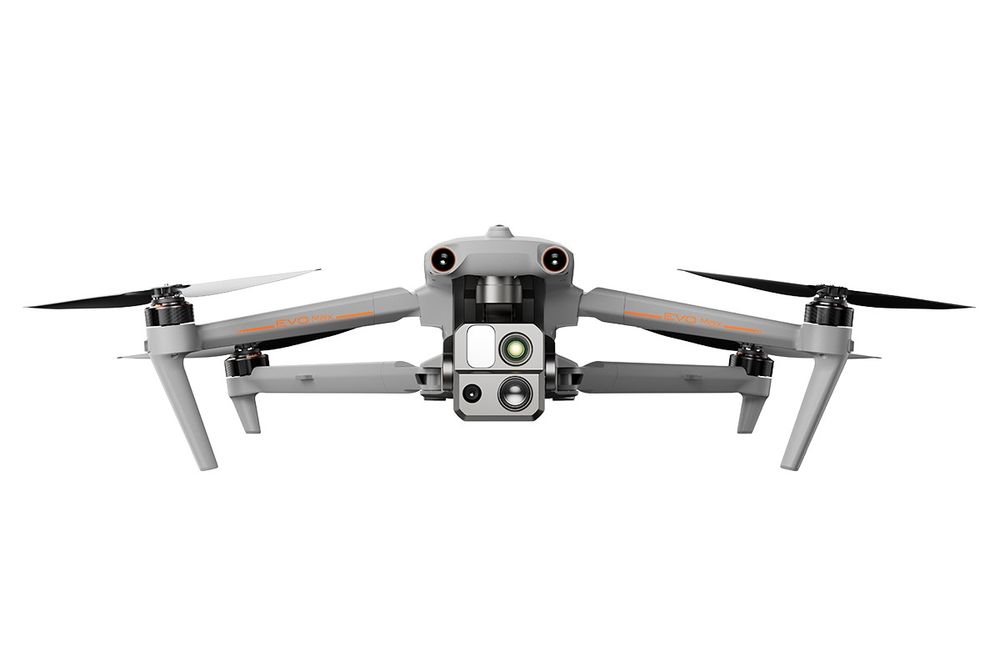
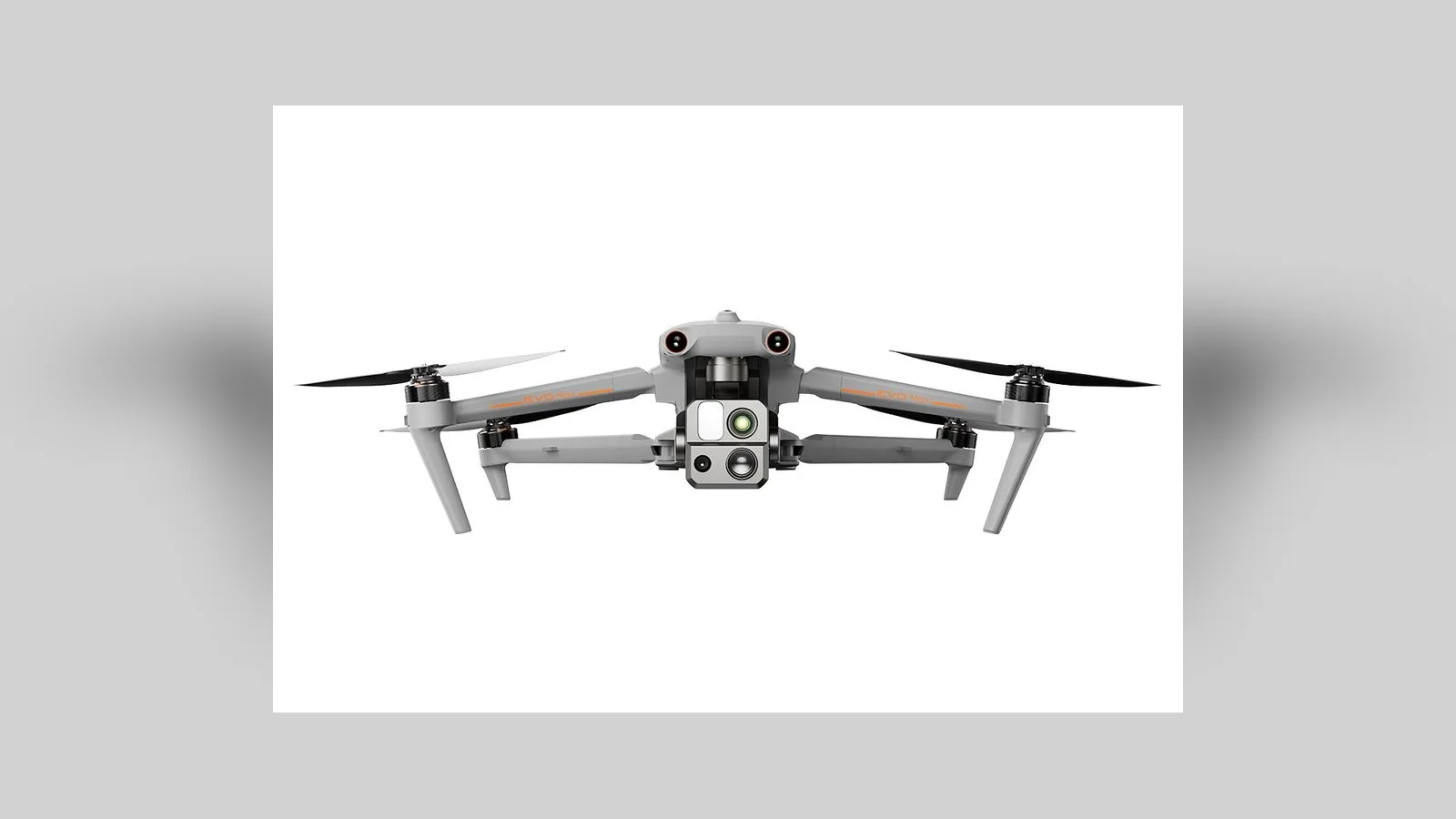
Autel EVO Max 4T
The complete thermal package: a radiometric 640×512 sensor, a 10x optical zoom, a 50MP wide camera and a laser rangefinder on one gimbal, carried by a radar-sensing airframe that navigates without GPS. For professional thermal work, it is the most self-contained aircraft here.
View on Amazon Read the full review ↓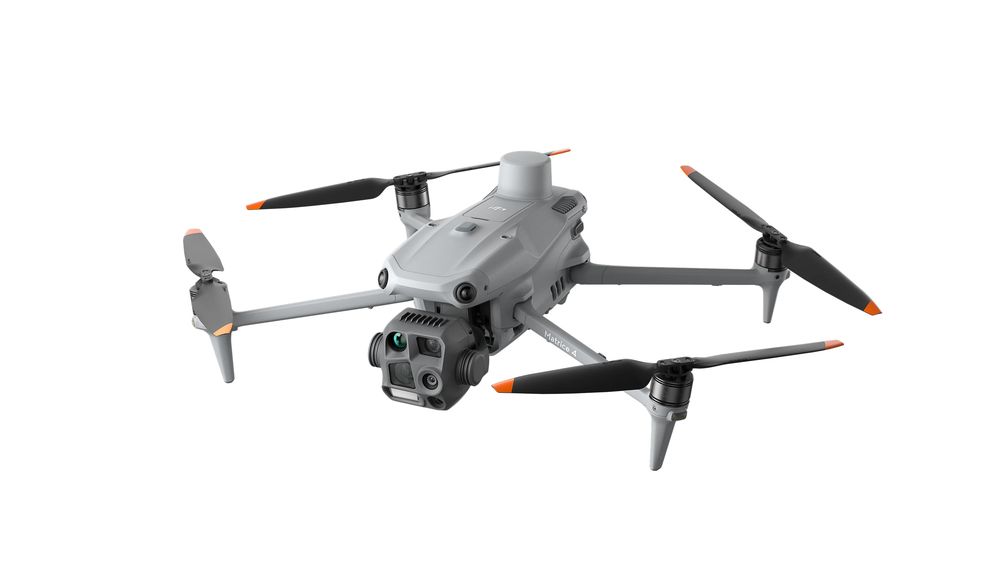
DJI Matrice 4T
DJI’s current thermal flagship is light and fast: 1,219 g, a 640×512 radiometric sensor with a 1280×1024 super-resolution mode, medium and long telephoto cameras, a laser rangefinder, an NIR spotlight for night work and 49 minute endurance with built-in RTK.
View on Amazon Read the full review ↓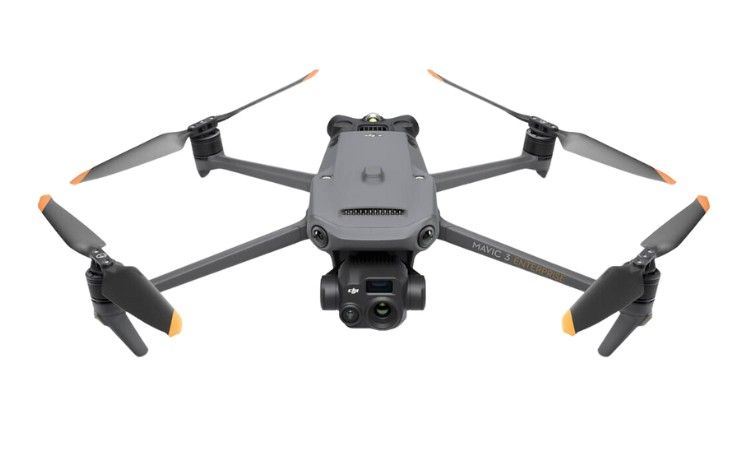
DJI Mavic 3T
The drone that put 640-class thermal in a backpack: 920 g, a 640×512 sensor, a 56x hybrid zoom telephoto and 45 minute flights. DJI has discontinued it in favor of the Matrice 4T, but dealer and remaining stock keeps it the portable thermal benchmark.
View on Amazon Read the full review ↓The shortlist
Compare all 10 at a glance
For a thermal drone, three checks dominate: sensor resolution, whether the data is radiometric, and how the visible zoom supports the heat picture.
| Product / award | Best fit | Key decision point | Check current offer |
|---|---|---|---|
| 01. Autel EVO Max 4TBest overall | Inspection and public safety teams wanting everything | 640×512 radiometric plus 10x zoom and rangefinder in one gimbal | View on Amazon |
| 02. DJI Matrice 4TBest DJI thermal system | DJI fleets upgrading from the Mavic 3 thermal line | 640×512 with super-resolution mode, NIR light and RTK built in | View on Amazon |
| 03. DJI Mavic 3TBest lightweight thermal | Rapid response in a backpack: SAR, fire, first units | 920 g with 640-class thermal; discontinued, so check stock and support | View on Amazon |
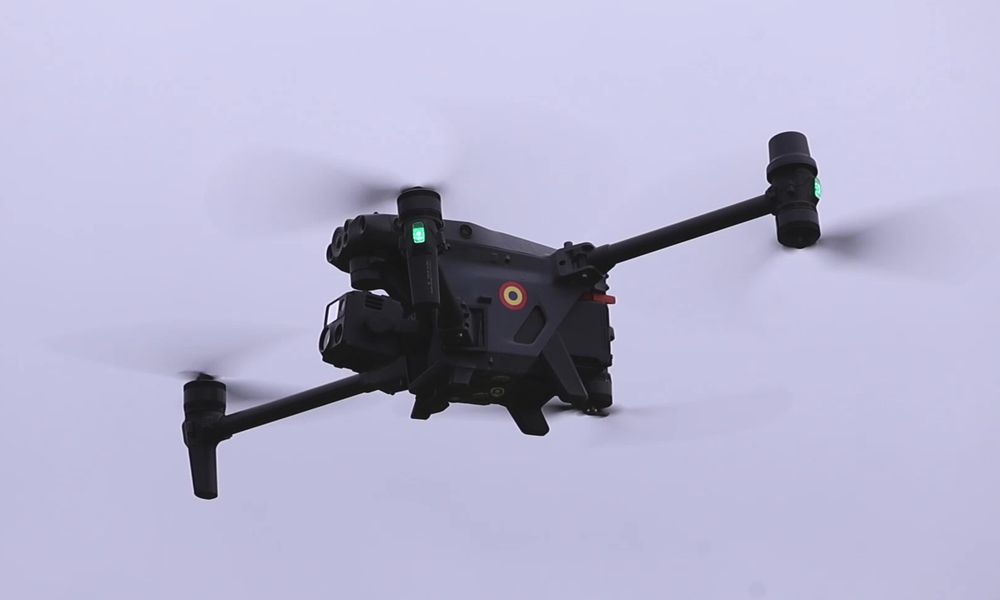 04. DJI Matrice 30TBest for fleets and rough weather | Agencies standardizing a fleet for all-weather response | IP55 sealing and hot-swap fleet batteries; 3.77 kg with both packs | View on Amazon |
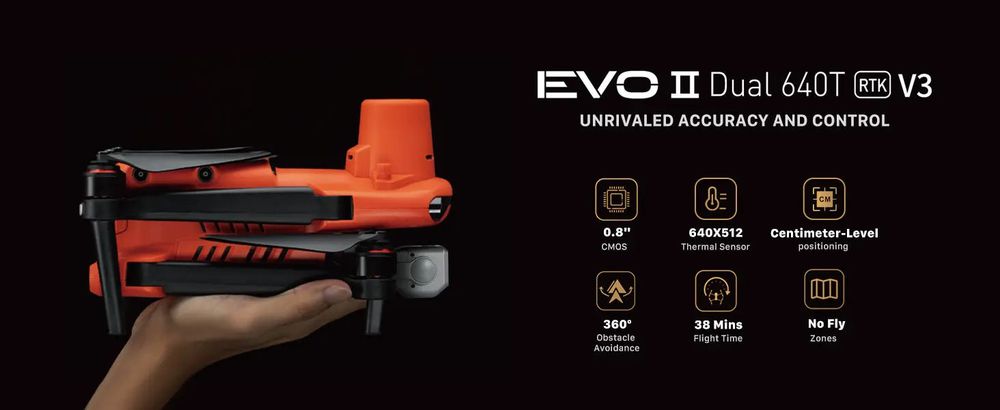 05. Autel EVO II Dual 640TBest thermal with 8K | Responders who need visible detail to match the heat picture | 640-class thermal plus a 50MP visible camera; picture-in-picture blending | View on Amazon |
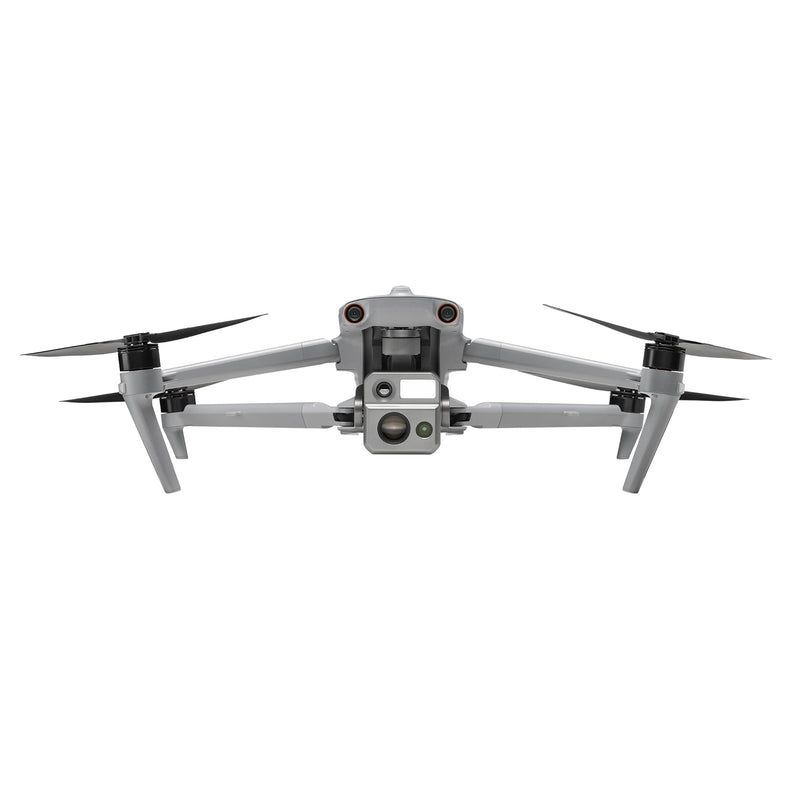 06. Autel EVO Max 4NBest night thermal | Night search, patrol and perimeter security | Adds a 0.0001 lux starlight camera to the full thermal stack | View on Amazon |
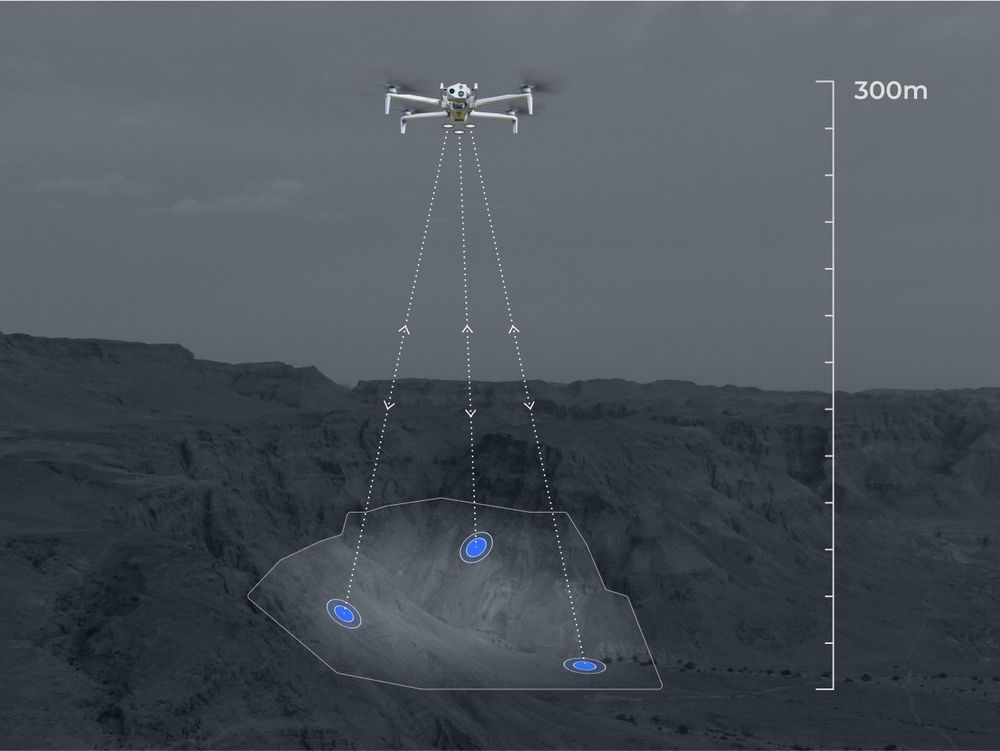 07. Skydio X10Best autonomous thermal | First-responder and automated inspection programs | FLIR Boson+ radiometric thermal with AI flight; NDAA compliant | View on Amazon |
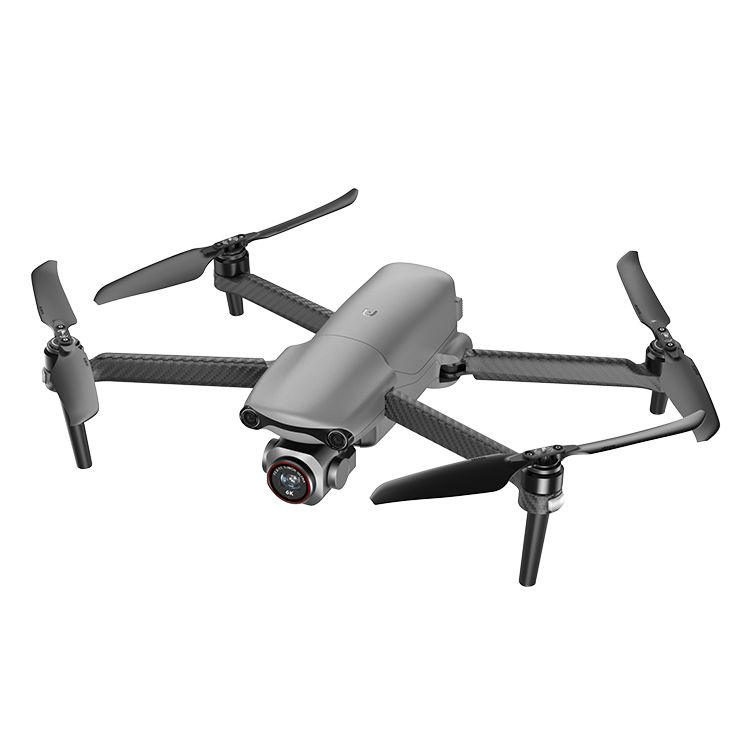 08. Autel EVO Lite 640T EnterpriseBest sub-1 kg thermal | Solo inspectors and small SAR teams traveling light | Radiometric 640×512 at 866 g; sold as enterprise bundles | View on Amazon |
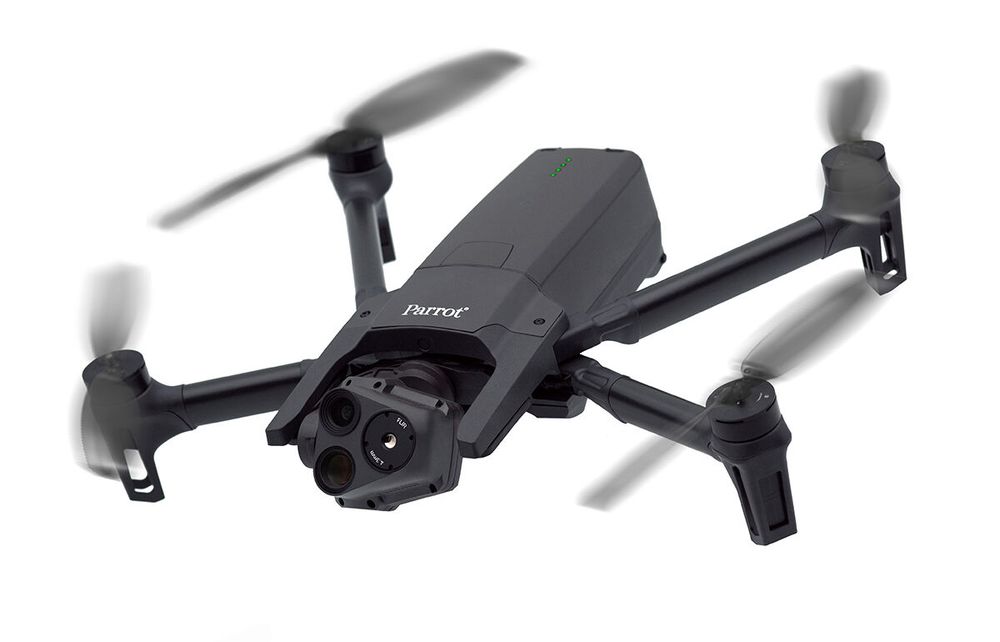 09. Parrot Anafi USABest compact US-made | Agencies needing Blue UAS compliance in a 500 g package | FLIR Boson 320×256 trades resolution for size, security and zoom | View on Amazon |
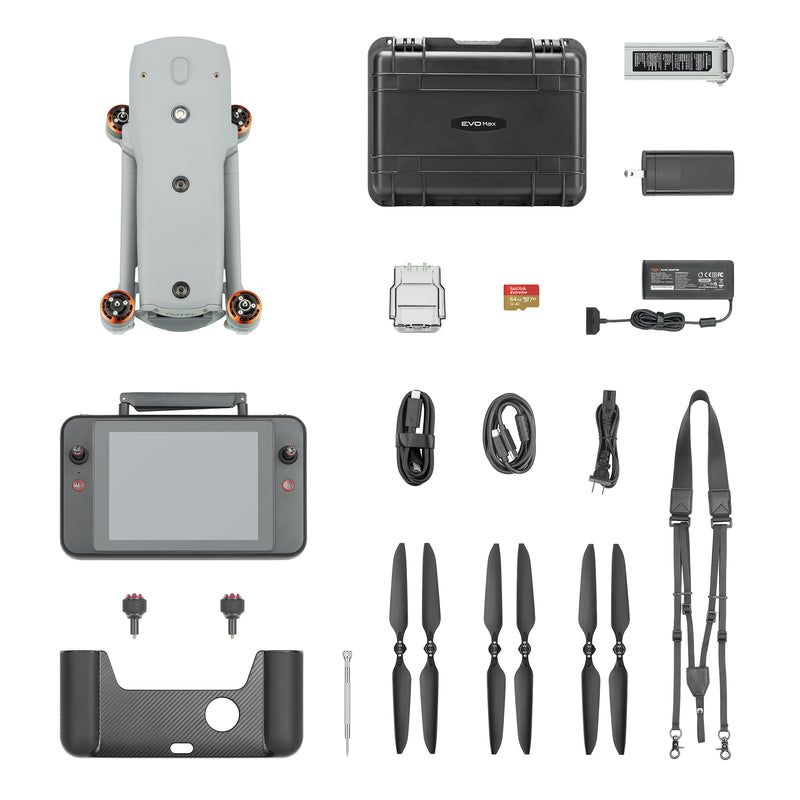 10. Autel EVO Max 4T XEBest inspection zoom | Utility and infrastructure inspection at long standoff | Bigger 1/1.2-inch zoom sensor and tighter thermal accuracy | View on Amazon |
Look closer
Our 10 picks, explained
These picks come from desk research, not hands-on testing: we compared manufacturer spec sheets line by line, then cross-checked dealer documentation and published reviews to see which thermal claims hold up in the field.
Autel EVO Max 4T
Thermal work is a chain: find the anomaly, identify it, locate it precisely. The Max 4T is built for all three links. Its 640×512 VOx sensor is radiometric across a minus 20 to 550 C range, the 48MP zoom camera reaches 10x optically to identify what the heat signature belongs to, and the laser rangefinder fixes coordinates from up to 1,200 m. The airframe adds what field work demands: 720-degree sensing with millimeter-wave radar, visual navigation when GPS is jammed or absent, hot-swappable batteries, IP43 sealing and 42 minute flights. Nothing else here integrates the full chain this completely in one case.
- Thermal camera
- 640×512 VOx radiometric, 13mm lens
- Visible cameras
- 50MP wide, 48MP zoom, 10x optical
- Flight time
- 42 min
Reasons to choose it
- Radiometric thermal plus rangefinder
- Radar and vision sensing, GPS-denied flight
- Hot-swap batteries, IP43 sealing
Trade-offs to know
- Enterprise pricing through dealers
- 1,640 g, a case not a pocket
Choose this if: thermal inspection or response is your paid work.
Consider another option if: the budget rules, the EVO Lite 640T Enterprise carries the same sensor class under 900 g.
DJI Matrice 4T
The Matrice 4T replaced the Mavic 3T as DJI’s portable thermal standard, and the upgrade is systematic. The thermal core stays 640×512 radiometric but adds a 1280×1024 super-resolution capture mode, while the visible side grows to three cameras: a 48MP wide, a 70mm medium tele and a 168mm telephoto reaching 112x hybrid zoom. A laser rangefinder measures to 1,800 m, an NIR auxiliary light extends night operations to about 100 m, and RTK positioning is built in rather than bolted on. At 1,219 g with 49 minute rated flights and the DJI Pilot 2 and FlightHub 2 ecosystem behind it, this is the default choice for DJI-standardized teams.
- Takeoff weight
- 1,219 g
- Thermal camera
- 640×512 radiometric, 1280×1024 super-resolution mode
- Flight time
- 49 min
Reasons to choose it
- Three visible lenses plus full radiometry
- Built-in RTK and 1,800 m rangefinder
- 49 minute flights in a 1,219 g folder
Trade-offs to know
- Dealer pricing, enterprise channel
- No ingress protection rating listed
Choose this if: your fleet already runs DJI software and controllers.
Consider another option if: you want radar sensing and no geofence layer, the EVO Max 4T is the rival flagship.
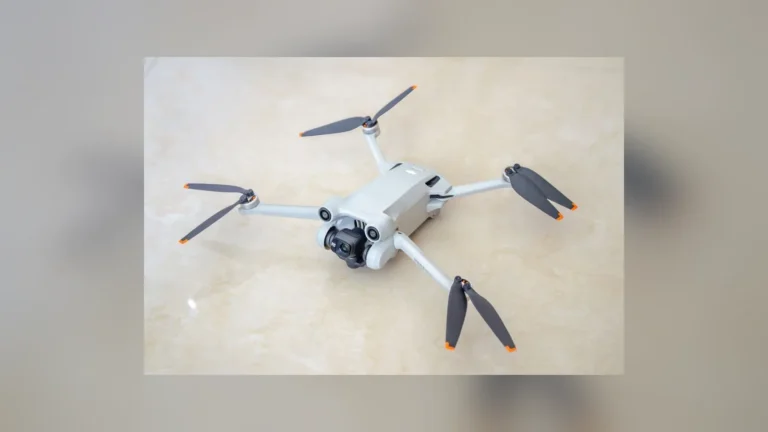
DJI Mavic 3T
Portability changed thermal work, and the Mavic 3T was the change. At 920 g it carries a 640×512 VOx thermal sensor with radiometric R-JPEG output, a 48MP wide camera and a telephoto reaching 56x hybrid zoom, on an airframe with omnidirectional sensing and 45 minute rated flights. Search teams could suddenly keep a real thermal eye in a backpack instead of a vehicle. The honest caveat is its status: DJI discontinued the model as the Matrice 4T arrived, so new units are remaining dealer stock and long-term support is finite. At the right price it remains superb; at flagship money, buy its successor.
- Takeoff weight
- 920 g
- Thermal camera
- 640×512 VOx radiometric, R-JPEG
- Flight time
- 45 min
Reasons to choose it
- 640-class thermal under one kilogram
- 56x hybrid zoom for standoff reading
- Huge installed base and accessory pool
Trade-offs to know
- Discontinued by DJI; remaining stock only
- No laser rangefinder or RTK built in
Choose this if: you find a verified bundle at remaining-stock pricing.
Consider another option if: buying for the long term, the Matrice 4T is the supported successor.
DJI Matrice 30T
Some thermal work cannot wait for the weather, and the Matrice 30T is built for those calls. Its IP55-rated airframe flies in rain that grounds the rest of this list, the dual TB30 batteries hot-swap to keep the aircraft on rotation, and the RC Plus controller is sealed and bright for outdoor crews. The sensor stack matches the standard: a 640×512 radiometric thermal camera measuring from minus 20 to 500 C, a 48MP zoom with 5 to 16x optical range, a wide camera and a laser rangefinder, with Smart Track and PinPoint in DJI Pilot 2. At 3,770 g with both batteries it is a vehicle-based tool, and proud of it.
- Takeoff weight
- 3,770 g with two batteries
- Thermal camera
- 640×512 radiometric, minus 20 to 500 C
- Flight time
- 41 min
Reasons to choose it
- IP55 sealing for rain operations
- Hot-swappable batteries, fleet ecosystem
- 15 m/s wind resistance
Trade-offs to know
- 3.77 kg, vehicle-based by design
- Older generation than the Matrice 4 series
Choose this if: you run a fleet that flies in bad weather on call.
Consider another option if: one pilot carries everything, the Matrice 4T halves the weight.
Autel EVO II Dual 640T
A thermal blob raises questions a visible frame answers, and the Dual 640T shoots both through one gimbal. The VOx sensor records 640×512 radiometric frames with spot, center and regional measurement, alarms and ten palettes, while the 50MP visible camera captures 8K-class detail in the same instant, with picture-in-picture fusion on the controller. The V3 airframe adds omnidirectional sensing, RTK options for centimeter positioning, a 15 km tri-band link and 38 minute flights. Against the Max series it gives up the rangefinder, radar sensing and GPS-denied navigation, and it costs less accordingly, which for many inspection programs is the right side of the trade.
- Takeoff weight
- 1,209 g (V3)
- Thermal camera
- 640×512 VOx radiometric, 16x digital zoom
- Flight time
- 38 min
Reasons to choose it
- Thermal and 50MP visible in one gimbal
- Radiometric measurement with alarms
- No geofence layer on any flight
Trade-offs to know
- No laser rangefinder
- Shorter 38 minute endurance
Choose this if: your reports pair every heat reading with a visible photo.
Consider another option if: you need coordinates pinned from the air, the EVO Max 4T adds the rangefinder.
Autel EVO Max 4N
Thermal finds warm bodies; starlight identifies them. The Max 4N carries both. Alongside its 640×512 radiometric thermal sensor it mounts a 2.3MP starlight camera rated to 0.0001 lux with ISO to 450,000, so a heat contact can be confirmed visually without a spotlight announcing the drone. A 50MP wide camera covers daylight, and the laser rangefinder reaches 1,200 m. The Max airframe underneath contributes 42 minute flights, 720-degree radar-assisted sensing, GPS-denied navigation, A-Mesh networking for multi-ship night work and IP43 sealing. It is priced and sold as the professional tool it is, through enterprise dealers. For night patrol work, that combination is the mission.
- Thermal camera
- 640×512 VOx radiometric, 9.1mm lens
- Night camera
- Starlight 2.3MP, 0.0001 lux, ISO to 450,000
- Flight time
- 42 min
Reasons to choose it
- Thermal plus true starlight vision
- Rangefinder and radar sensing aboard
- A-Mesh networking for team night ops
Trade-offs to know
- Enterprise pricing, dealer only
- Starlight camera resolves detail, not beauty
Choose this if: your thermal work happens at night and identification matters.
Consider another option if: daylight inspection dominates, the EVO Max 4T trades starlight for a 10x zoom.
Skydio X10
Autonomy changes what a thermal drone can do on a program rather than a callout. The X10’s six navigation cameras and AI engine let it launch, navigate complex environments, track subjects and capture thermal data with minimal pilot input, including GPS-denied spaces where its visual navigation takes over. The VT300 sensor packages mount a Teledyne FLIR Boson+ radiometric core at 640×512 with sensitivity under 30 mK, alongside high-resolution visible and telephoto cameras. The airframe is IP55 rated and rated for 40 minutes. It is also the compliance pick: US-designed and assembled, NDAA compliant, with a Blue UAS cleared variant, at enterprise pricing to match.
- Thermal camera
- FLIR Boson+ 640×512 radiometric, under 30 mK
- Flight time
- 40 min
- Airframe
- IP55 rated, about 2.11 kg by configuration
Reasons to choose it
- Autonomous thermal capture, GPS-denied flight
- NDAA compliant, Blue UAS variant
- IP55 sealing, under 30 mK sensitivity
Trade-offs to know
- Heaviest class here at about 2.1 kg
- Enterprise pricing and program sales
Choose this if: you run automated or first-responder thermal programs.
Consider another option if: a pilot flies every mission, the Matrice 4T is lighter and longer-legged.
Autel EVO Lite 640T Enterprise
Every other full-640 option here weighs well over a kilo or rides in a hard case. The Lite 640T Enterprise breaks the pattern at 866 g, pairing its VOx thermal sensor, radiometric to plus or minus 3 C across minus 20 to 550 C ranges, with a 48MP visible camera for split-screen confirmation. Autel’s enterprise app adds AI target recognition across people, vehicles and boats, three-direction sensing guards the airframe, and the Lite platform’s 40 minute endurance and 12 km link carry over intact. What it never pretends to be is a flagship: no rangefinder, no radar, no weather sealing. As a solo thermal tool, that restraint is the point.
- Takeoff weight
- 866 g
- Thermal camera
- 640×512 VOx radiometric, plus 48MP visible
- Flight time
- 40 min
Reasons to choose it
- Full radiometric thermal under 900 g
- AI target recognition built in
- Backpack kit with 40 minute flights
Trade-offs to know
- No rangefinder, radar or IP rating
- Enterprise bundles only
Choose this if: you inspect alone and carry the whole kit yourself.
Consider another option if: you need coordinates and weather sealing, the EVO Max 4T is the flagship step.
Parrot Anafi USA
Some buyers choose a thermal drone by procurement rules before spec sheets, and the Anafi USA is built for them: designed for the US Army’s reconnaissance program, made in the USA, NDAA and TAA compliant, with AES-encrypted storage and a signed-firmware chain. The payload mixes two 21MP visible cameras for a 32x continuous zoom with a FLIR Boson thermal sensor at 320×256, half the linear resolution of the 640 class, which limits fine inspection work but still finds people, vehicles and hot spots reliably. At 500 g, IP53 sealed, airborne in 55 seconds and quiet, it deploys faster than anything here. Judge it as a reconnaissance tool, not a measurement instrument.
- Takeoff weight
- 500 g
- Thermal camera
- FLIR Boson 320×256, 60 Hz
- Flight time
- 32 min
Reasons to choose it
- Blue UAS listed, US-made, encrypted
- 32x zoom and 55-second deployment
- 500 g and quiet in operation
Trade-offs to know
- 320×256 thermal trails the 640 class
- Shorter 32 minute endurance
Choose this if: compliance and deployment speed outrank thermal resolution.
Consider another option if: measurement-grade thermal is the job, the EVO Lite 640T Enterprise doubles the sensor class.
Autel EVO Max 4T XE
Inspection programs measure twice and fly once, and the XE variant of the Max platform is specified for them. Its zoom camera grows to a 1/1.2-inch, 48MP sensor behind the same 10x optical range, which holds detail at the standoffs utilities and rail inspectors work from, while the thermal core keeps 640×512 resolution and tightens measurement accuracy to plus or minus 2 C. The wide camera, laser rangefinder, radar-assisted 720-degree sensing, GPS-denied navigation, hot-swap batteries and IP43 airframe all carry over from the Max 4T, with a 15 km class link under FCC conditions. Choose it over the standard 4T when reports must survive scrutiny, not just find hotspots.
- Zoom camera
- 1/1.2-inch CMOS, 48MP, 10x optical
- Thermal camera
- 640×512, accuracy plus or minus 2 C
- Flight time
- 42 min
Reasons to choose it
- Largest zoom sensor in the Max family
- Tightest thermal accuracy here
- Full Max platform: rangefinder, radar, IP43
Trade-offs to know
- Dealer-only enterprise variant
- Overlaps heavily with the Max 4T
Choose this if: inspection reports need defensible numbers at distance.
Consider another option if: general response work matters more, the EVO Max 4T is the standard flagship.
Buy with confidence
How to choose the right thermal drone
Four checks that decide whether a thermal drone measures up: sensor, data, gimbal and bundle.
01. Resolution is the first fork
Thermal sensors sort this market. The 640×512 class resolves small hot spots, supports radiometric measurement and survives cropping; 320×256 finds people and vehicles but blurs fine inspection detail. Decide whether you are detecting or measuring, because that answer picks the sensor class before any brand does.
02. Radiometric is the professional line
A radiometric sensor stores a temperature for every pixel, so software can alarm, compare and report after the flight. A non-radiometric picture only shows relative heat. Inspection, fire and energy work should treat radiometric data as non-negotiable; simple overwatch can live without it.
03. The visible camera earns its place
Thermal finds; visible identifies. A strong zoom beside the thermal core lets one pass confirm what a hot spot actually is, and a laser rangefinder turns that confirmation into coordinates a ground team can use. Judge the whole gimbal, never the thermal sensor alone.
04. Buy the bundle, check the variant
Most of these aircraft ship as dealer bundles, and payload variants share names confusingly: sensor packages, RTK modules and controller types all vary. Confirm the thermal resolution, radiometric support, battery count and controller in writing before paying, and keep the spec sheet with the asset record.
Behind the recommendations
How we selected these products
This guide is built on desk research, not hands-on testing. We compared official manufacturer spec sheets for every current drone with a true infrared camera, then cross-checked the shortlist against authorized dealer documentation and published reviews. Specs were rechecked against the sources below in October 2026. Thermal figures are manufacturer ratings from controlled conditions; real detection ranges vary with weather, target size and surface properties.
- Thermal performance: sensor resolution, radiometric support, measurement range and accuracy, from manufacturer data.
- Supporting systems: visible zoom, laser ranging, weather sealing and endurance, compared like for like across the list.
- Limitations: we did not fly these drones for this guide. Most are dealer-sold enterprise products, so bundle contents and pricing vary; confirm the exact variant before buying.
Common questions
Before you buy
What is the difference between 640×512 and 320×256 thermal?
Pixel count, and it compounds. A 640×512 sensor holds four times the pixels of a 320×256, so small hot spots, hairline faults and distant people stay readable instead of smearing into the background. Detection of large warm targets works on either. Measurement, inspection and identification work belongs on 640 class sensors.
Do I need a radiometric thermal camera?
If numbers leave the drone, yes. Radiometric capture stores per-pixel temperatures, enabling alarms, spot and region measurement, and reports that can be re-analyzed later. Firefighters assessing a roof, inspectors grading a fault and engineers trending a substation all need it. Pure search overwatch can accept a non-radiometric picture.
Can a thermal drone see through walls or windows?
No. Thermal cameras read surface temperatures. Glass blocks longwave infrared almost entirely, and walls only show heat that has conducted to their surface. What thermal does superbly is find people, animals, vehicles and electrical faults in darkness, smoke and light foliage, which is why responders rely on it.
Why are most thermal drones sold by dealers, not stores?
The market is professional: bundles are configured around missions, with training, fleet software, repair contracts and compliance paperwork attached. Dealers also handle the sensor variants and agency rules that surround thermal imaging. Expect a quote process, and use it to pin down the exact sensor and bundle in writing.
Choose your thermal tool
Start with the EVO Max 4T for the complete sensor chain, the Matrice 4T for a DJI fleet, and the EVO Lite 640T Enterprise when one person carries everything. Match the sensor class to the work first: detection is cheap, measurement is what the 640 class is for.
Sources and verification
Product specifications and claims in this guide were checked against the following sources, listed by name as a record of what was consulted.
- Autel Robotics EVO Max 4T, EVO Max 4T XE, EVO Max 4N and EVO II Dual 640T official specifications (autelrobotics.com)
- DJI Matrice 4T, Matrice 30T and Mavic 3T official specifications (DJI enterprise, dji.com)
- Skydio X10 and Parrot Anafi USA official specifications (skydio.com, parrot.com)
- Autel Robotics EVO Lite 640T Enterprise specification sheet (Autel Robotics enterprise documentation)
- Authorized dealer documentation for the shortlisted models (Advexure, DroneNerds, DSLRPros)
- Published reviews and owner feedback for the shortlisted models, cross-checked in October 2026