As an Amazon Associate I earn from qualifying purchases. If you buy through links in this article, we may earn a commission at no extra cost to you.
These are the 10 best remote control drones for pilots who want to fly the classic way, thumbs on the sticks of a proper controller rather than tapping a phone screen. The list runs from sub-250 g folders like the Mini 4 Pro to the triple-camera Mavic 3 Pro, with honest budget options from Potensic, Holy Stone and Ruko in between. We ranked all 10 on control link, camera, flight time and value, using manufacturer specifications throughout.
Short on time?
Start with these three picks
One for the best all-round flying, one for the strongest camera, and one that keeps the budget honest.
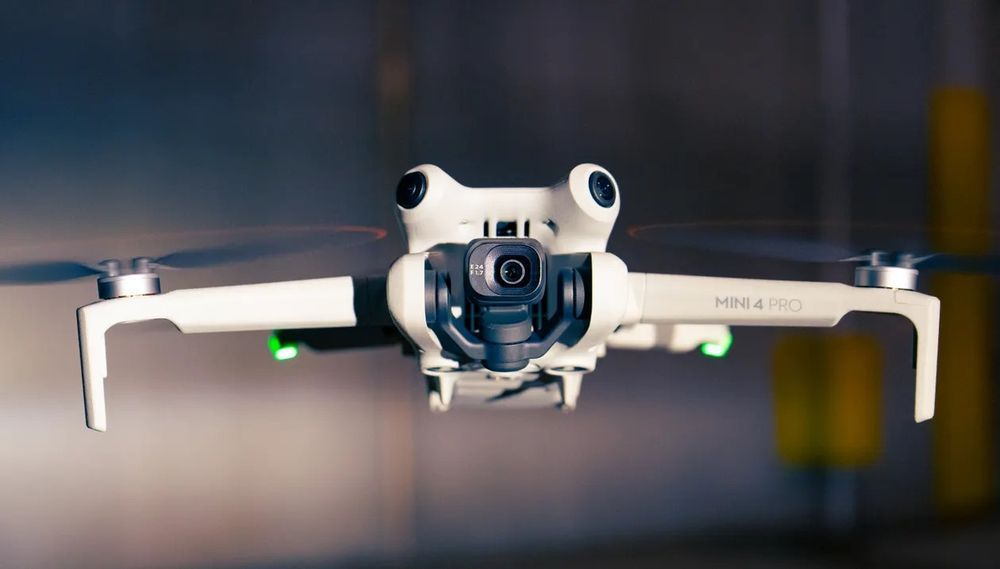
DJI Mini 4 Pro
The complete package for stick flying: omnidirectional sensing, a 4K/60 HDR camera and a controller with its own bright screen, all under 250 g. Only the smaller sensor and the cost of spare batteries count against it.
View on Amazon Read the full review ↓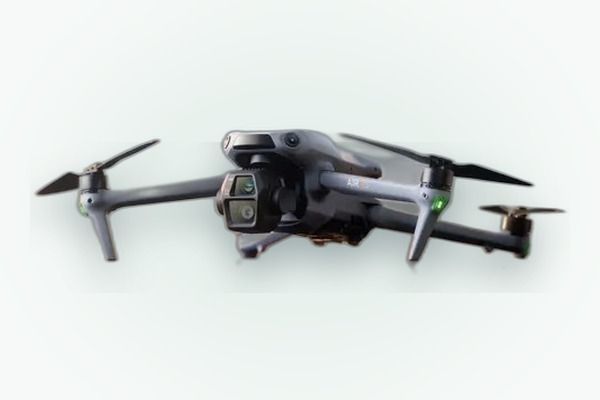
DJI Air 3S
A 1-inch main camera plus a 70mm telephoto in a 724 g folding body, with 45 minutes of flight time and night-capable sensing. It asks for registration in most places, and it flies like the flagship it nearly is.
View on Amazon Read the full review ↓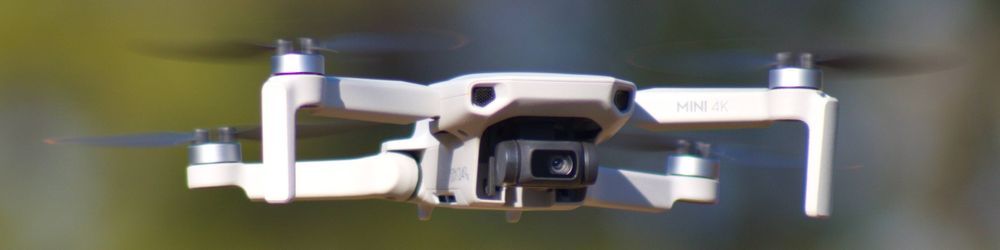
DJI Mini 4K
DJI’s simplest controller drone: 4K/30 video, 31 minutes per battery and a long-range video link, without the sensing suite. Ideal first drone money, as long as you accept that obstacle protection is entirely up to you.
View on Amazon Read the full review ↓The shortlist
Compare all 10 at a glance
For a remote control drone, three things decide most flights: how far the control link reaches, how good the camera is, and how long each battery lasts.
| Product / award | Best fit | Key decision point | Check current offer |
|---|---|---|---|
| 01. DJI Mini 4 ProBest overall | Most pilots, most purposes | Omnidirectional sensing and 4K/60 HDR; Plus battery breaks 250 g | View on Amazon |
| 02. DJI Air 3SBest camera | Serious photographers and creators | 1-inch sensor plus 70mm tele; 724 g needs registration | View on Amazon |
| 03. DJI Mini 4KBest budget DJI | First-time DJI buyers | 4K/30 and 31 min; no obstacle sensing at all | View on Amazon |
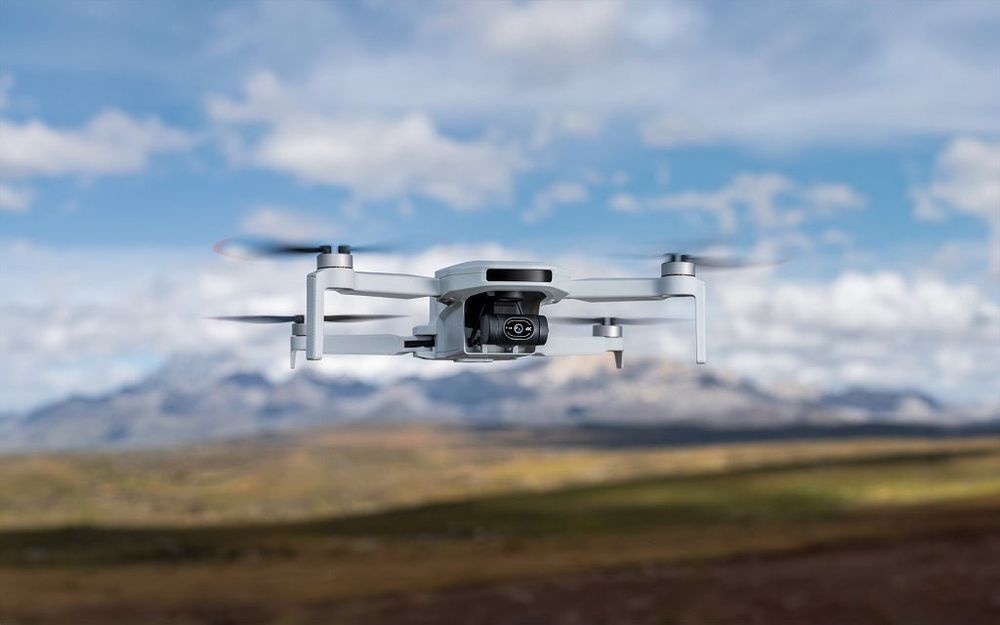 04. Potensic Atom 2Best DJI alternative | Value hunters who still want 4K HDR | Sony 1/2-inch sensor; smaller app ecosystem than DJI | View on Amazon |
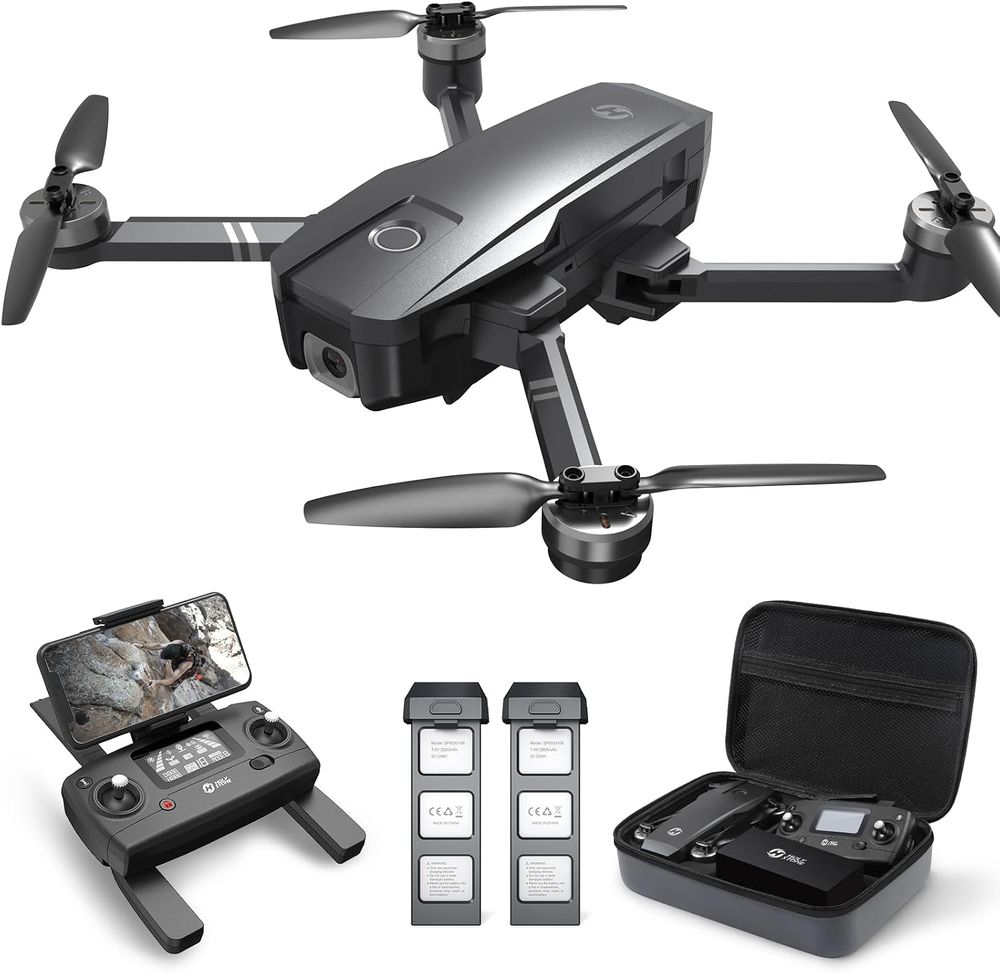 05. Holy Stone HS720Best low-cost GPS drone | Beginners in open spaces | Two batteries included; no true gimbal for video | View on Amazon |
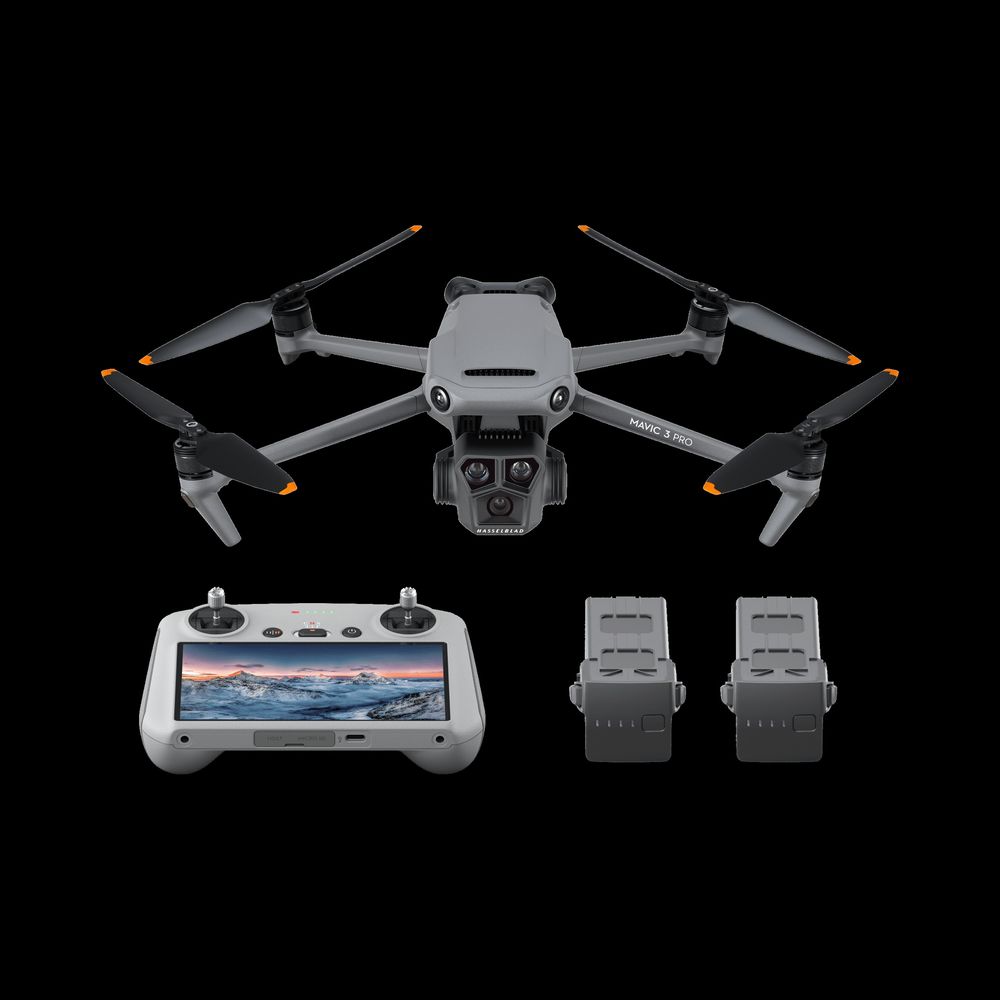 06. DJI Mavic 3 ProBest pro camera | Professionals and serious stills shooters | Triple camera with 4/3 sensor; heavy and costly to run | View on Amazon |
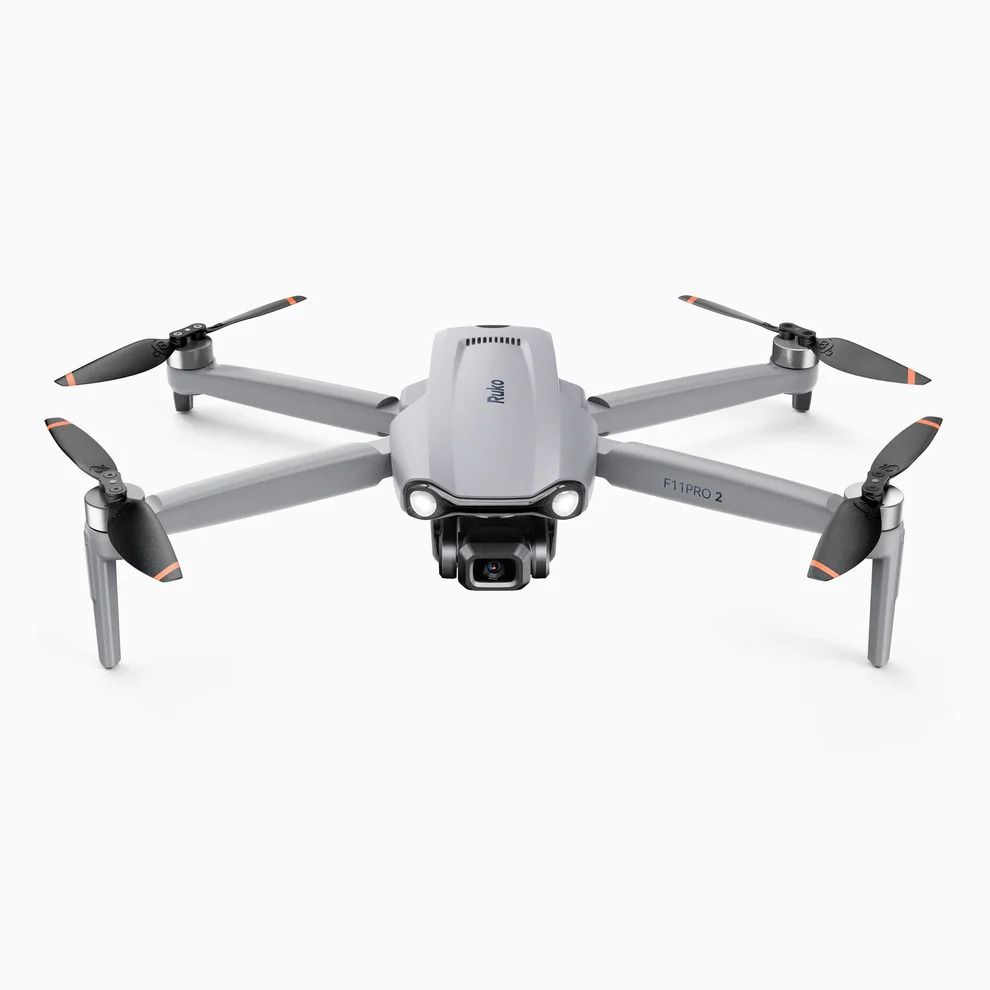 07. Ruko F11 Pro 2Best mid-range value | Mid-range buyers who want a real gimbal | 3-axis gimbal and Remote ID; over 250 g | View on Amazon |
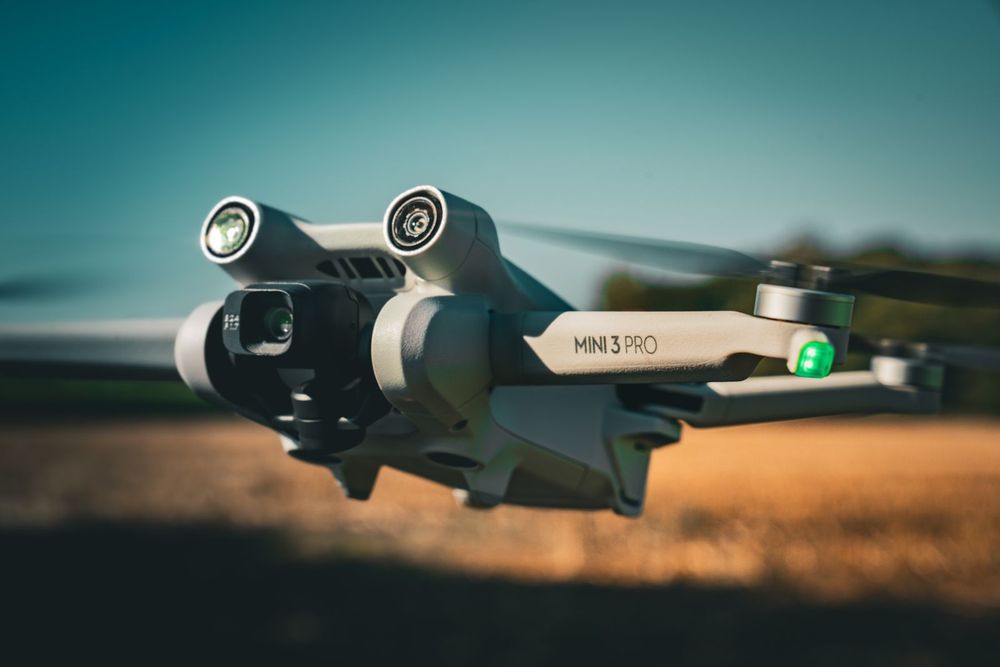 08. DJI Mini 3Best endurance under 250 g | Landscape flyers who value endurance | 38 to 51 min flights; downward sensing only | View on Amazon |
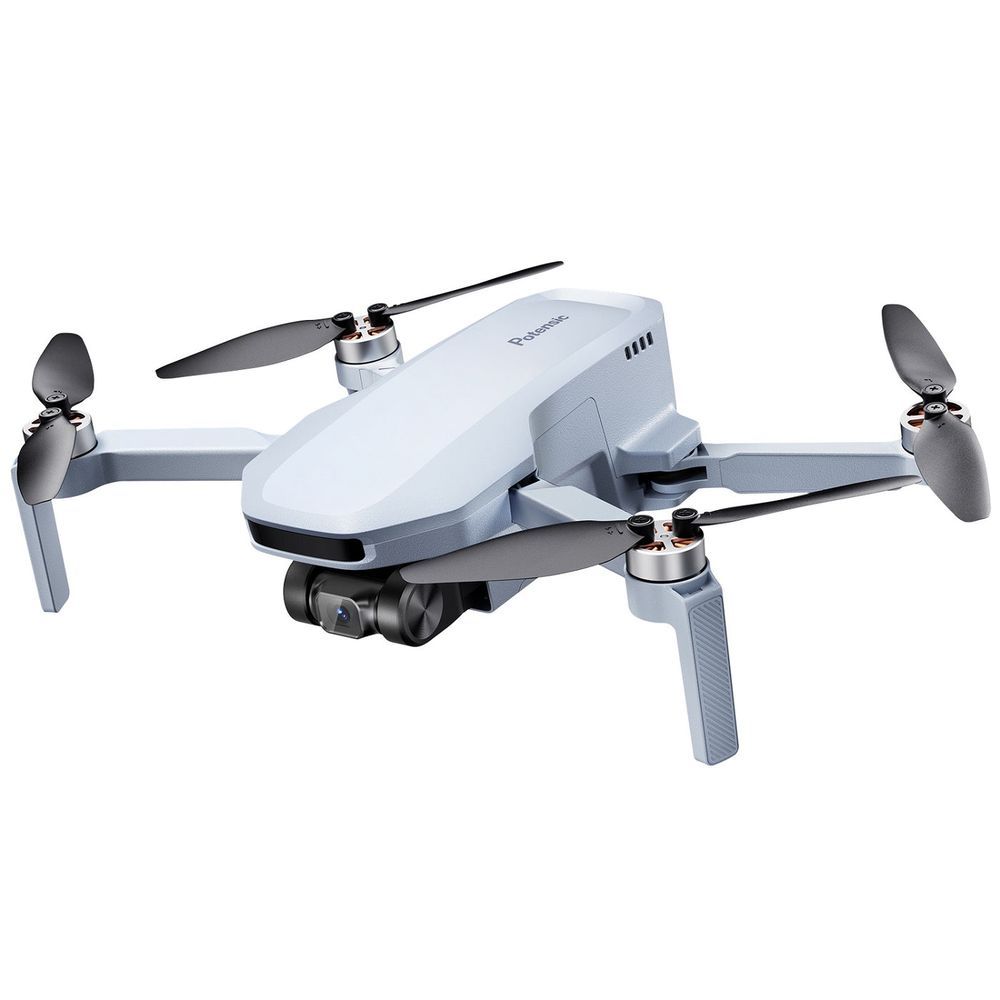 09. Potensic Atom SEBest on a tight budget | Tight budgets, open countryside | GPS and 31 min; small 1/3-inch sensor | View on Amazon |
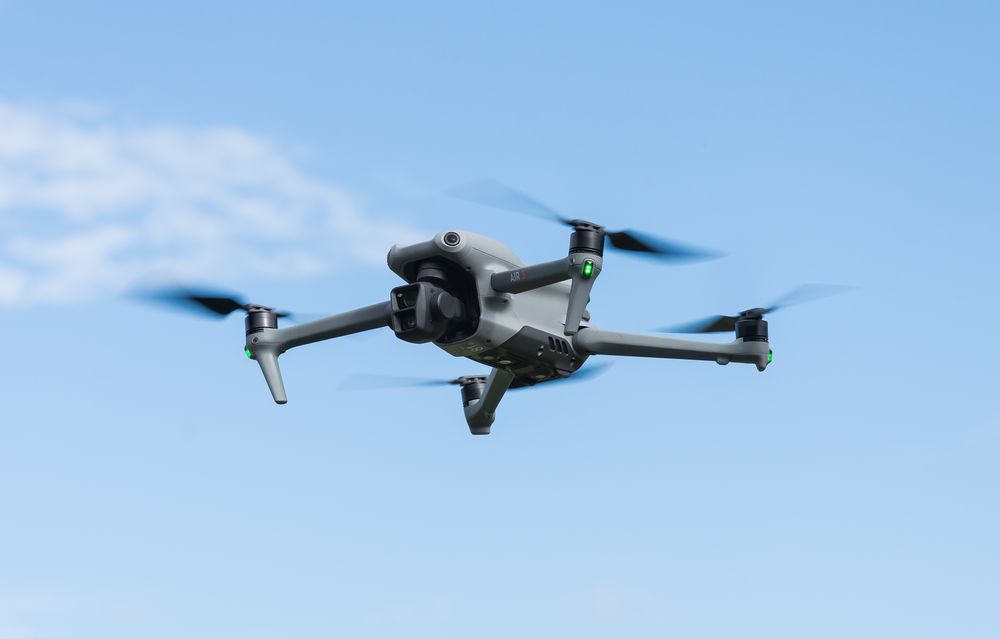 10. DJI Air 3Best dual-camera value | Dual-camera flexibility at a discount | 46 min and two lenses; 720 g class | View on Amazon |
Look closer
Our 10 picks, explained
These picks come from desk research, not hands-on testing: we compared manufacturer spec sheets line by line, then cross-checked owner feedback and published reviews for each model.
DJI Mini 4 Pro
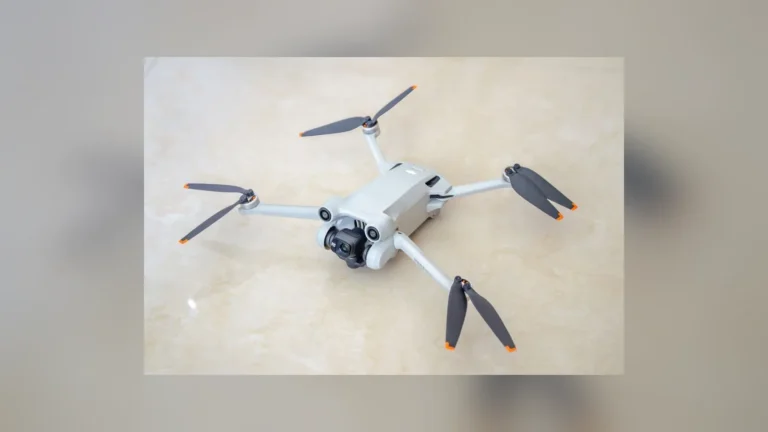
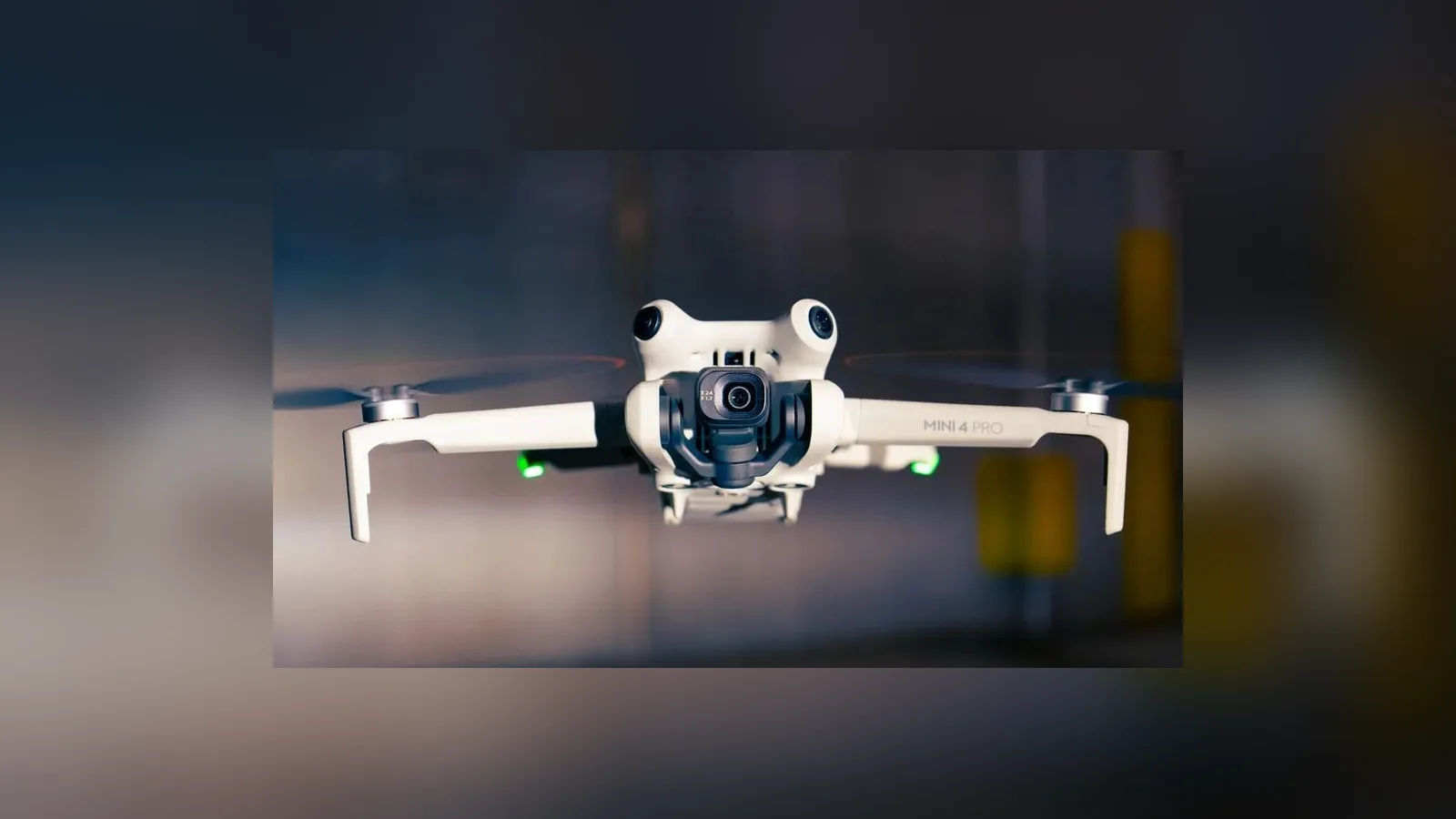
The Mini 4 Pro is where classic stick flying meets the least friction. The RC 2 controller carries its own bright screen, so you fly from the sticks without tying up your phone, and the O4 link holds a stable picture far beyond visual range in FCC regions. Omnidirectional obstacle sensing watches every side while you concentrate on the shot, and the 1/1.3-inch sensor records 4K/60 HDR with 48MP stills. True vertical shooting suits social clips, and intelligent tracking keeps a walking or cycling subject framed. At under 249 g it skips registration in many regions for recreational use, yet it folds to pocket size and holds Level 5 winds better than older Minis.
- Takeoff weight
- Under 249 g
- Flight time
- 34 min (45 min with Plus battery)
- Camera
- 1/1.3-inch CMOS, 48MP, 4K/60 HDR
Reasons to choose it
- Omnidirectional sensing in a sub-250 g drone
- Controller with built-in screen, no phone needed
- 4K/60 HDR plus true vertical shooting
Trade-offs to know
- Plus battery pushes it over 250 g
- Smaller sensor than the Air 3S
Choose this if: you want one drone that does everything well and stays registration-light.
Consider another option if: you mainly fly slow and close on a tight budget, the Mini 4K covers the basics for much less.
DJI Air 3S
Two cameras do the heavy lifting: a 1-inch 50MP wide camera for landscapes and low light, and a 70mm medium telephoto that compresses distance and picks subjects out of a scene without moving the drone. Both record 4K, the wide up to 120fps, and a 10-bit color profile gives editors room to grade. Omnidirectional sensing with a forward LiDAR works after dark, and free panorama modes stitch wide scenes automatically. The trade is weight: at 724 g it needs registration almost everywhere and asks more of a travel bag. In return you get flagship-style imaging and 45-minute endurance without stepping up to the Mavic line.
- Takeoff weight
- 724 g
- Flight time
- 45 min
- Cameras
- 1-inch 50MP wide plus 70mm tele, 4K/120
Reasons to choose it
- Best image quality in this list under the Mavic
- 70mm telephoto opens up new compositions
- Night-capable sensing with forward LiDAR
Trade-offs to know
- 724 g means registration in most regions
- Bigger bag footprint than the Minis
Choose this if: photography and video quality come first and you accept registration.
Consider another option if: you want to stay under 250 g, the Mini 4 Pro gives up sensor size, not usability.
DJI Mini 4K
Think of the Mini 4K as the distilled Mini formula. You get the folding sub-250 g body, a stabilized 4K/30 camera and DJI’s video transmission, rated up to 10 km in FCC regions, at the lowest entry point in the DJI range. The controller is the stick-and-phone-holder style, which works fine and keeps the kit simple. What you give up is protection: there are no obstacle sensors, and the 1/2.3-inch sensor is a daylight camera that softens at dusk. For learning the sticks, filming campsites, boats and open countryside, that trade is fair, and 31-minute batteries mean one pack covers a short session.
- Takeoff weight
- 246 g
- Flight time
- 31 min
- Camera
- 1/2.3-inch CMOS, 12MP, 4K/30
Reasons to choose it
- Lowest-cost way into DJI stick flying
- 3-axis gimbal keeps 4K footage smooth
- Sub-250 g with 31-minute batteries
Trade-offs to know
- No obstacle sensing at all
- Small sensor struggles in low light
Choose this if: you are learning and want DJI reliability without flagship money.
Consider another option if: you will fly near trees or buildings often, the Mini 4 Pro sensing is worth the step up.
Potensic Atom 2
Potensic built the Atom 2 directly at the Mini formula and matched most of it. The Sony 1/2-inch CMOS shoots 48MP stills and 4K/30 HDR video on a 3-axis gimbal, the PixSync link is rated to 10 km in the right conditions, and tracking modes follow subjects without stick input. Flight time is a claimed 32 minutes, and the drone folds into the same coat-pocket class as a Mini. Where it trails DJI is polish: no omnidirectional sensing, a less mature app ecosystem and resale values that favor the bigger brand. As a flying camera for daylight trips, though, the gap is smaller than the price difference suggests.
- Takeoff weight
- Under 249 g
- Flight time
- 32 min
- Camera
- 1/2-inch Sony CMOS, 48MP, 4K/30 HDR
Reasons to choose it
- Sony sensor and 4K HDR under 249 g
- Strong claimed range and flight time
- Usually undercuts the equivalent DJI
Trade-offs to know
- No omnidirectional obstacle sensing
- Smaller app and accessory ecosystem
Choose this if: you want Mini-class specs without paying the DJI premium.
Consider another option if: after-sales support and accessories matter most to you, DJI’s network is hard to beat.
Holy Stone HS720
Holy Stone aimed the HS720 at first-time flyers who want GPS confidence without DJI money. Dual positioning with GPS and optical flow holds it steady in a hover, and it returns home on low battery or signal loss. Two batteries come in the box, each rated at 26 minutes, so a morning of practice is realistic. The compromises are clear: the 4K camera sits on a shock-absorption mount with electronic help rather than a true 3-axis gimbal, the 5 GHz WiFi FPV feed reaches about 999 m in the open, and at roughly 460 g it needs registration in many places. Flown gently in open fields, it teaches the sticks well.
- Takeoff weight
- About 460 g
- Flight time
- 26 min per battery, two included
- Camera
- 4K on shock-absorption mount, 5 GHz WiFi FPV
Reasons to choose it
- GPS hold and auto return at a low price
- Two batteries included for long sessions
- Brushless motors, quieter and longer-lived
Trade-offs to know
- No true gimbal, footage shows vibration
- WiFi FPV range is short by DJI standards
Choose this if: you want GPS safety features at the lowest sensible price.
Consider another option if: smooth video matters more than price, a gimbal-equipped pick like the Atom SE serves you better.
DJI Mavic 3 Pro
Three cameras cover nearly every shot a single drone can make. The 4/3 Hasselblad shoots 20MP stills and 5.1K video with natural color science, the 70mm medium tele handles portraits and parallax moves, and the 166mm telephoto pulls distant subjects close without moving the aircraft. Omnidirectional sensing and a 15 km class O3 link support confident flying around structures, and 43-minute endurance suits long commercial takes. At 958 g it lives in a different regulatory world from the Minis, needs a real case, and its batteries are a budget line of their own. For paid work and serious landscape photography, nothing else on this list is close.
- Takeoff weight
- 958 g
- Flight time
- 43 min
- Cameras
- 4/3 Hasselblad 20MP plus 70mm and 166mm teles
Reasons to choose it
- Three focal lengths, one aircraft
- 4/3 sensor quality for stills and 5.1K video
- 43-minute endurance for long takes
Trade-offs to know
- Heavy, with full registration duties
- Cost of batteries and insurance adds up
Choose this if: you shoot professionally or want the best stills a folding drone can make.
Consider another option if: you travel light, the Air 3S delivers most of the imaging at two thirds the weight.
Ruko F11 Pro 2
Ruko specced the F11 Pro 2 where it shows. The 3-axis gimbal keeps the 4K/30 footage properly smooth, the Sony sensor behind it performs respectably in daylight, and the claimed control range stretches to about 3 km in open country. Each battery is rated for 35 minutes, GPS return to home is standard, and built-in Remote ID keeps US flyers compliant without add-on modules. At 357 g with battery it crosses the 250 g line, so registration applies in the US and similar regimes. Against DJI it lacks the app polish and sensing suite, but as a camera platform for fields, lakes and coastline, it earns its place.
- Weight
- 357 g with battery
- Flight time
- 35 min per battery
- Camera
- 4K/30, 3-axis gimbal, Sony sensor
Reasons to choose it
- True 3-axis gimbal in the mid-range
- Remote ID built in for US compliance
- 35-minute batteries, strong value
Trade-offs to know
- Over 250 g, registration required
- No obstacle sensing
Choose this if: you want gimbal-smooth 4K and long batteries without flagship pricing.
Consider another option if: you need to stay under 250 g, look at the Atom 2 or Mini 4K instead.
DJI Mini 3
Strip away obstacle sensing and the Mini 3 keeps what landscape shooters actually use: the 1/1.3-inch sensor with 4K HDR video, true vertical shooting from the rotating gimbal, and the longest legs of any sub-250 g DJI. The standard battery is rated at 38 minutes, and the Plus battery stretches that to 51 while pushing weight over the 250 g line, so choose per flight. Downward-only sensing means you are the obstacle avoidance system, which suits deliberate flying in open spaces. As DJI’s range has moved on, the Mini 3 often sells at clearances that make it the value sweet spot for stills and scenery.
- Takeoff weight
- Under 249 g
- Flight time
- 38 min (51 min with Plus battery)
- Camera
- 1/1.3-inch CMOS, 48MP, 4K HDR
Reasons to choose it
- Longest flight times in the sub-250 g class
- Same big sensor family as the Mini 4 Pro
- True vertical shooting for social clips
Trade-offs to know
- Downward sensing only, no obstacle avoidance
- Plus battery crosses the 250 g line
Choose this if: you fly open landscapes and value flight time over automation.
Consider another option if: you fly near obstacles or want tracking smarts, the Mini 4 Pro is the safer buy.
Potensic Atom SE
Potensic kept the Atom SE honest: GPS positioning with a proper return to home, a claimed video range of about 4 km in open country, 31-minute batteries and Level 5 wind resistance, all in a folding body under 249 g. The camera is the budget tell: a Sony 1/3-inch sensor recording 4K/30 that looks fine on bright days and grainy at dusk, with stills at 12MP. There is no obstacle sensing, so open spaces are its natural home. As a first drone for fields, beaches and campsite orbits, it covers the essentials and leaves money in the budget for spare batteries, which is exactly where a beginner should spend it.
- Takeoff weight
- Under 249 g
- Flight time
- 31 min
- Camera
- Sony 1/3-inch CMOS, 12MP, 4K/30
Reasons to choose it
- Full GPS feature set at the lowest price here
- 31-minute batteries, sub-249 g body
- Level 5 wind resistance for breezy days
Trade-offs to know
- Small sensor, daylight camera only
- No obstacle sensing
Choose this if: your budget is firm and you want GPS security over camera finesse.
Consider another option if: you can stretch further, the Atom 2’s bigger sensor is a clear step up.
DJI Air 3
The Air 3 brought the dual-camera idea down from the Mavic line: a 24mm wide and a 70mm medium telephoto, both on 1/1.3-inch 48MP sensors recording 4K/60 HDR. The telephoto is the creative unlock, isolating subjects and adding parallax without flying closer. Endurance is the headline, though: 46 minutes per battery outlasts everything on this list, and omnidirectional sensing watches all sides. At 720 g it needs registration and a deliberate packing decision. With the Air 3S now carrying the flagship torch, the Air 3 regularly appears at reduced prices, and at those prices its combination of range, stamina and two lenses is hard to argue with.
- Takeoff weight
- 720 g
- Flight time
- 46 min
- Cameras
- Dual 1/1.3-inch 48MP, wide plus 70mm tele
Reasons to choose it
- Longest flight time on this list
- Two useful focal lengths
- Omnidirectional sensing as standard
Trade-offs to know
- 720 g needs registration
- Smaller sensors than the Air 3S
Choose this if: you want dual cameras and maximum endurance, especially at a discount.
Consider another option if: low light rules your shooting, the Air 3S’s 1-inch sensor earns its premium.
Buy with confidence
How to choose the right remote control drone
Four checks that matter more than headline specs when you will fly with a controller in your hands.
01. The control link is the drone
A controller drone lives or dies by its radio link. DJI’s OcuSync-style systems hold a stable HD picture for kilometres and shrug off interference, while WiFi-based drones like the HS720 fade after a few hundred metres in busy areas. If you fly beyond open fields, the link matters more than the camera, because a lost feed ends the flight no matter how good the lens is.
02. Weight decides your paperwork
At 249 g and under, drones like the Mini 4 Pro, Atom 2 and Atom SE often skip registration for recreational flying in many regions. Cross that line, as the Air 3S, Ruko and Mavic 3 Pro do, and expect registration, and in the US, Remote ID duties. Rules differ by country and change often, so check your aviation authority before the first flight, not after.
03. Budget for batteries, not just the drone
Rated flight times run from 26 to 46 minutes here, and real flights land shorter. Two batteries is a minimum for a worthwhile session, three is the sweet spot, and a charging hub saves your evening. Price the full kit, drone, spare packs, extra propellers and a case, before comparing models, because the cheapest airframe can grow the dearest kit.
04. Match the camera to your flying
Sensor size decides image quality more than megapixels: the 1-inch and 4/3 sensors here handle dusk, while small sensors want daylight. A true 3-axis gimbal keeps video smooth in wind; a shock mount does not. And a 70mm telephoto, on the Air 3S, Air 3 and Mavic 3 Pro, changes what you can shoot without flying closer to the subject.
Behind the recommendations
How we selected these products
This guide is built on desk research, not hands-on testing. We compared official manufacturer spec sheets for every current controller drone in these classes, then cross-checked the shortlist against owner feedback and published reviews. Specs were rechecked against the sources below in October 2026. Where a figure is a lab rating, such as flight time or maximum range, we treat it as a ceiling, not a promise.
- Control link and handling: transmission system, rated range, controller type and sensing suite, taken from manufacturer data for each model.
- Camera and endurance: sensor size, video modes, gimbal type, rated flight time and takeoff weight, compared like for like across brands.
- Limitations: we did not fly these drones for this guide, and bundles, firmware and local rules change, so confirm the exact model and your region’s current regulations before buying.
Common questions
Before you buy
Do remote control drones need to be registered?
It depends on weight and country. In the US, drones under 250 g flown recreationally skip FAA registration, which covers the Minis and Atoms here, while heavier models like the Air 3S and Mavic 3 Pro must register and broadcast Remote ID. Many other countries use the same 250 g line with their own twists, so check your national aviation authority before flying.
How far can a remote control drone actually fly?
Manufacturers quote best-case figures: up to 10 km or more for DJI’s OcuSync models in FCC regions, a few kilometres for mid-range links, and under 1 km for WiFi drones like the HS720. Buildings, interference and weather cut those numbers sharply, and most countries require you to keep the drone in sight anyway. Treat the rating as link headroom, not a target.
What is the difference between a WiFi drone and an OcuSync drone?
WiFi drones stream video over a standard WiFi connection from drone to phone or controller: cheap, simple, and short-ranged, with more lag and breakup. OcuSync and similar proprietary links use dedicated radio hardware for a longer, steadier HD feed and lower latency. For flying beyond a few hundred metres, or anywhere with interference, the proprietary link is worth paying for.
How many batteries should I buy with a controller drone?
Two at minimum, three if you travel or shoot seriously. Rated times of 30 to 45 minutes shrink in wind and cold, and charging takes an hour or more per pack. A rotation of three batteries plus a multi-charger keeps one pack flying, one cooling and one charging, which turns a frustrating stop-start session into a full morning of flying.
Ready to take the sticks?
Start with the DJI Mini 4 Pro if you want the most complete controller drone in the lightest package. Choose the Air 3S when the camera leads every decision, or the Mini 4K when you are learning and want DJI manners on a budget. Whichever you pick, learn your local rules before the first flight.
Sources and verification
Product specifications and claims in this guide were checked against the following sources, listed by name as a record of what was consulted.
- DJI Mini 4 Pro, Air 3S, Mini 4K, Mini 3, Air 3 and Mavic 3 Pro official specifications (dji.com)
- Potensic Atom 2 and Atom SE official specifications (potensic.com)
- Holy Stone HS720 official product documentation (holystone.com)
- Ruko F11 Pro 2 official product documentation (rukotoy.com)
- Manufacturer user manuals for each shortlisted drone (DJI, Potensic, Holy Stone, Ruko)
- Published reviews and owner feedback for the shortlisted models, cross-checked in October 2026