As an Amazon Associate I earn from qualifying purchases. If you buy through links in this article, we may earn a commission at no extra cost to you.
These are the 10 best nano drones for beginners, the smallest class of flyer you can buy, from palm-size camera drones to ducted FPV whoops that bounce off walls. Every pick here weighs under 160 g, and most fly happily indoors, so practice does not depend on the weather. We ranked them on weight, flight time, durability and how much help a first pilot gets from the flight modes.
Short on time?
Start with these three picks
One is a true palm-size camera drone, one is a complete FPV kit, and one adds obstacle sensing at a weight most toys cannot match.
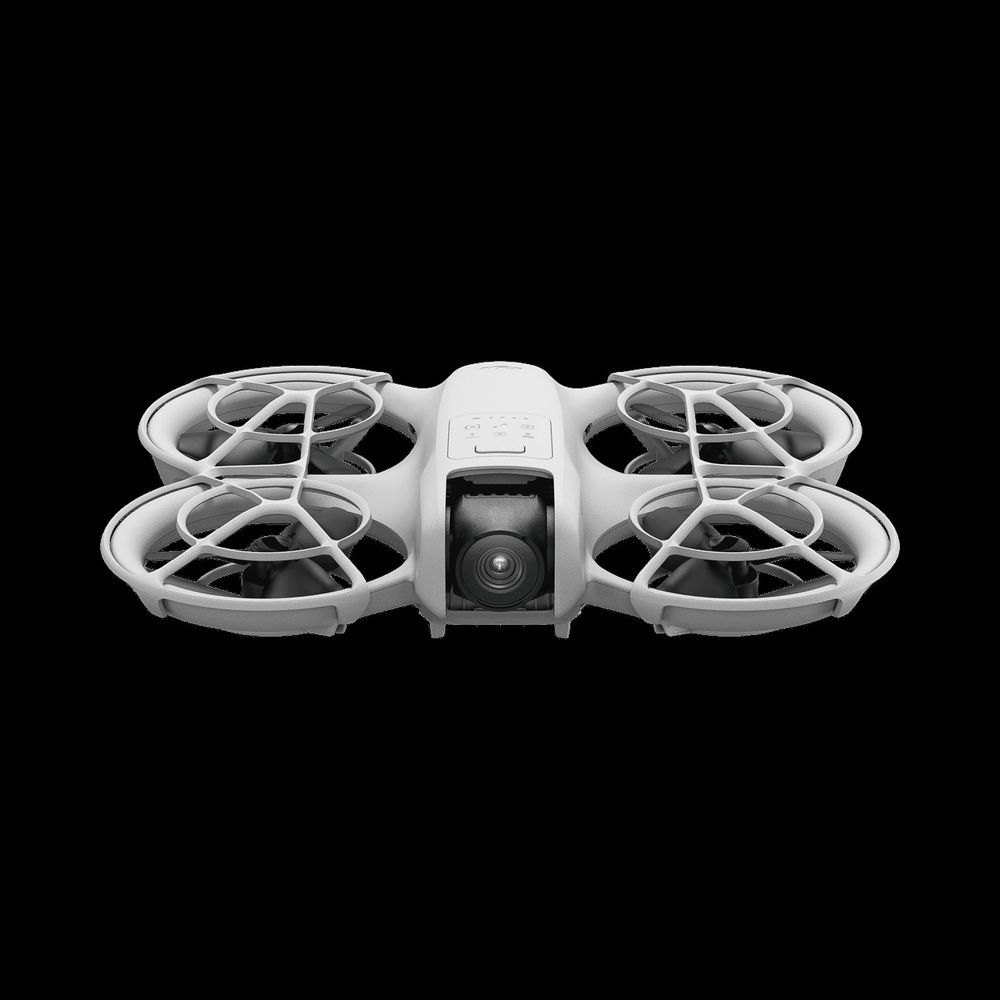
DJI Neo
The only true nano here with a real camera drone brain. At 135 g the Neo launches from your palm, tracks you on its own and records 4K video, yet it needs no controller to start. Propeller guards wrap the whole frame, so early mistakes stay cheap.
View on Amazon Read the full review ↓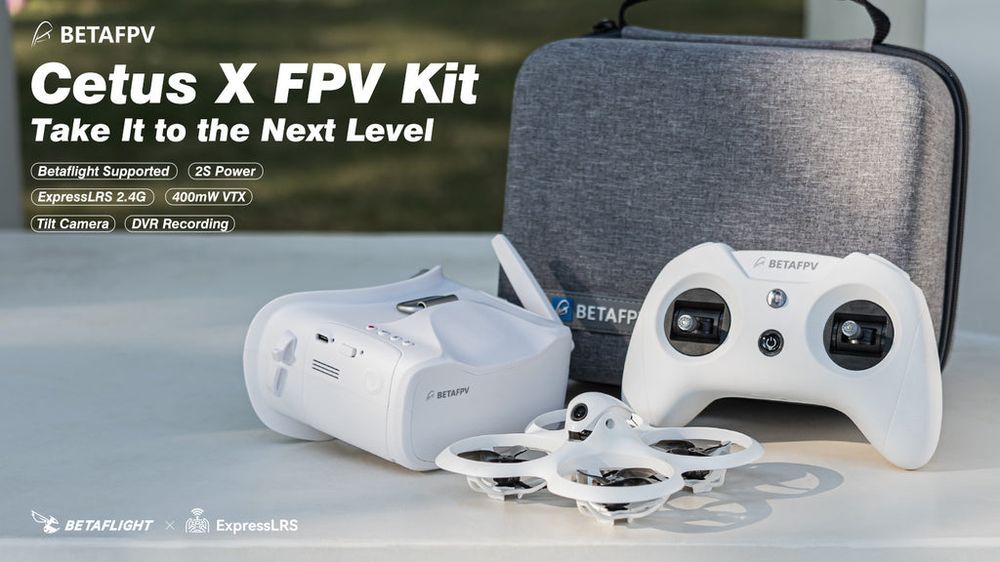
BETAFPV Cetus X FPV Kit
A complete FPV school in one box: a 95 mm brushless whoop, the LiteRadio 2 SE transmitter and VR03 goggles with recording. Three flight modes and altitude hold let you start gentle, then unlock manual flying as your thumbs learn.
View on Amazon Read the full review ↓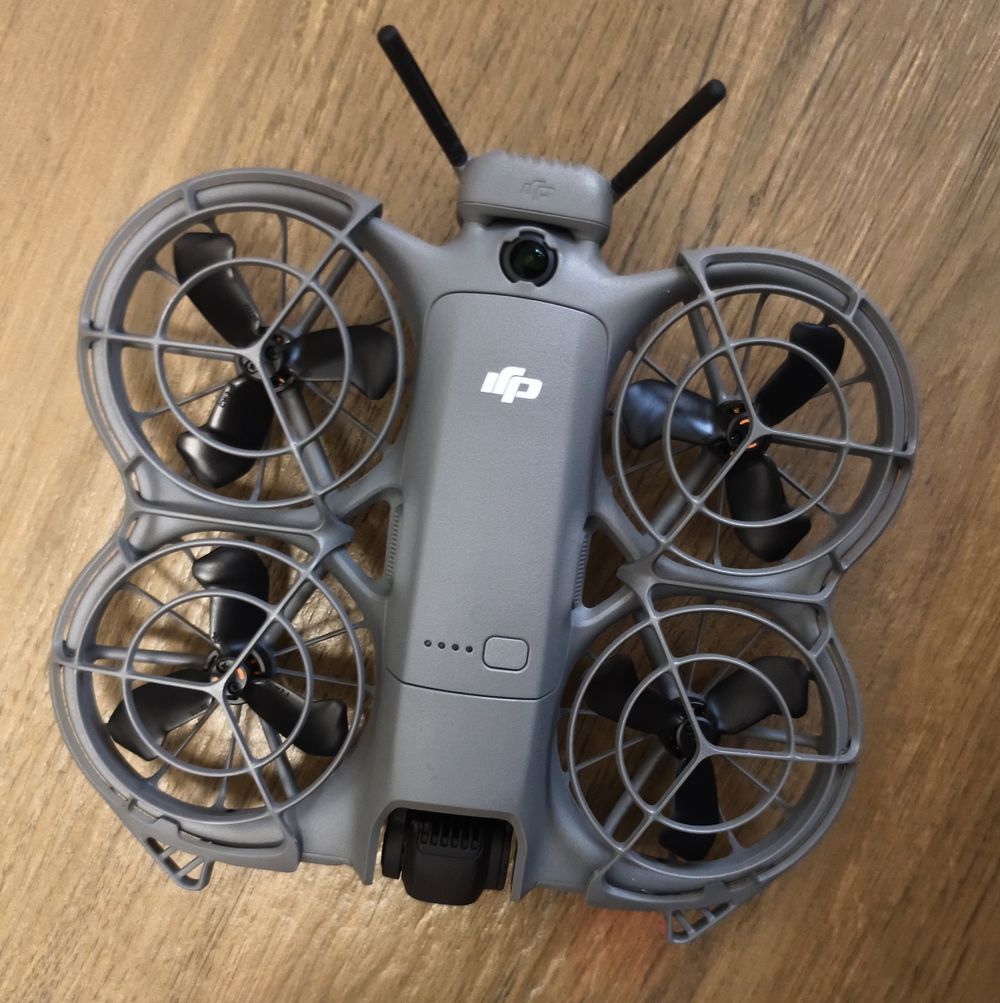
DJI Neo 2
The Neo formula with the safety net switched on. Omnidirectional vision sensing and forward LiDAR watch for walls and branches at just 151 g, and the camera steps up to 4K/60. It is the nano to buy if the Neo sounds great but crash anxiety is holding you back.
View on Amazon Read the full review ↓The shortlist
Compare all 10 at a glance
At nano scale, three things decide the pick: how little it weighs, whether it carries a real camera, and how much crash protection wraps the props.
| Product / award | Best fit | Key decision point | Check current offer |
|---|---|---|---|
| 01. DJI NeoBest overall | Palm-launch camera drone with real 4K | 135 g, palm takeoff; no controller needed to start | View on Amazon |
| 02. BETAFPV Cetus X FPV KitBest FPV starter kit | Complete goggles-and-radio FPV kit | Three flight modes; altitude hold for first flights | View on Amazon |
| 03. DJI Neo 2Best with obstacle sensing | Smallest drone here with full sensing | 151 g; LiDAR plus vision sensing at nano size | View on Amazon |
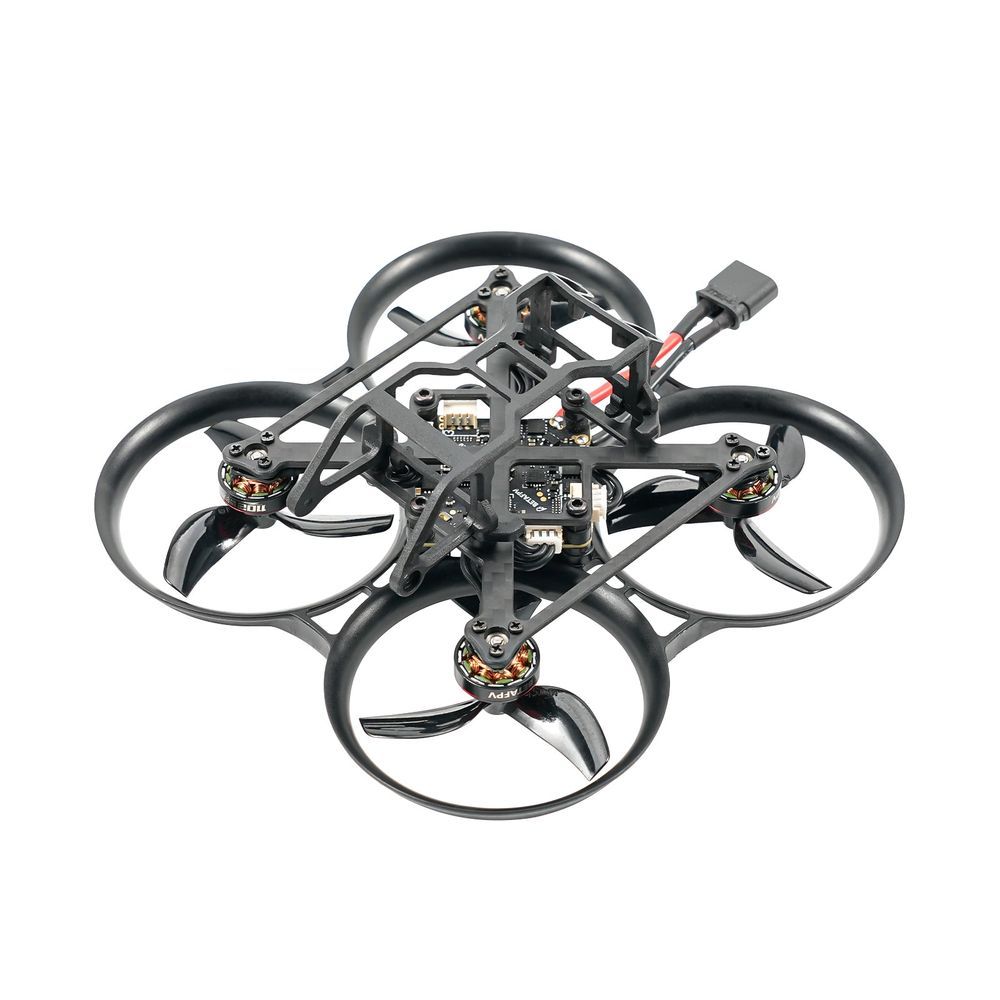 04. BetaFPV Pavo PicoBest sub-100 g camera whoop | HD cinewhoop frame for DJI O3 builders | 73.5 g bare; O3 air unit not included | View on Amazon |
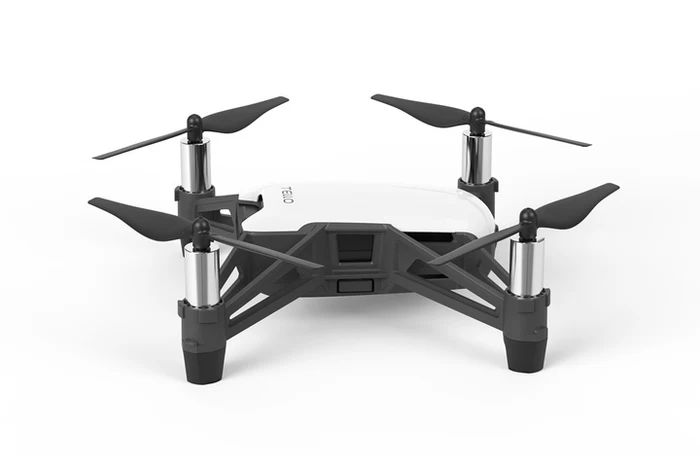 05. DJI TelloBest learn-to-code classic | Programmable trainer for STEM and first flights | Scratch coding; vision positioning hover | View on Amazon |
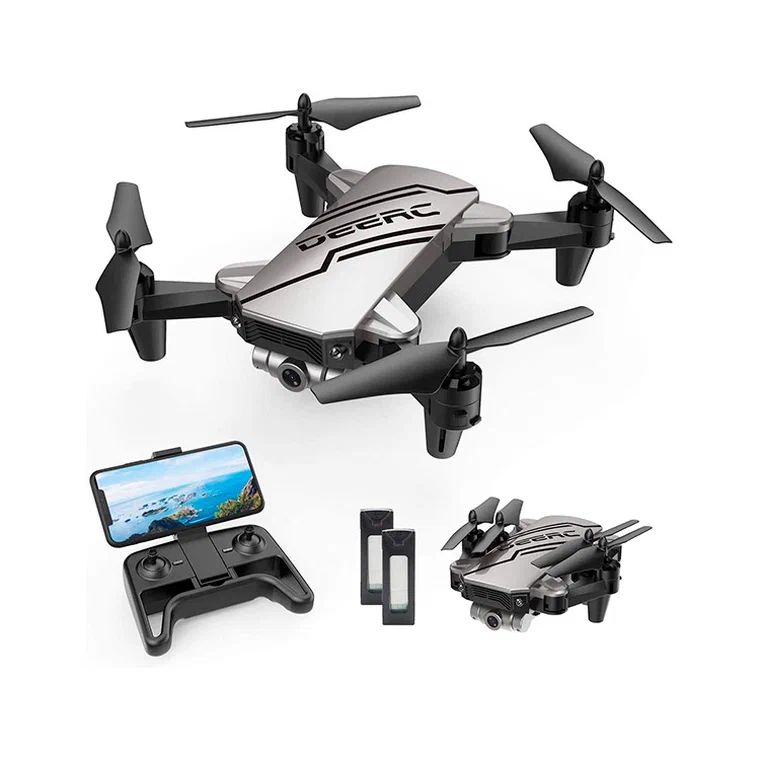 06. DEERC D20Best mini with a camera | Foldable toy-grade mini with live view | 69 g folder; voice and gesture control | View on Amazon |
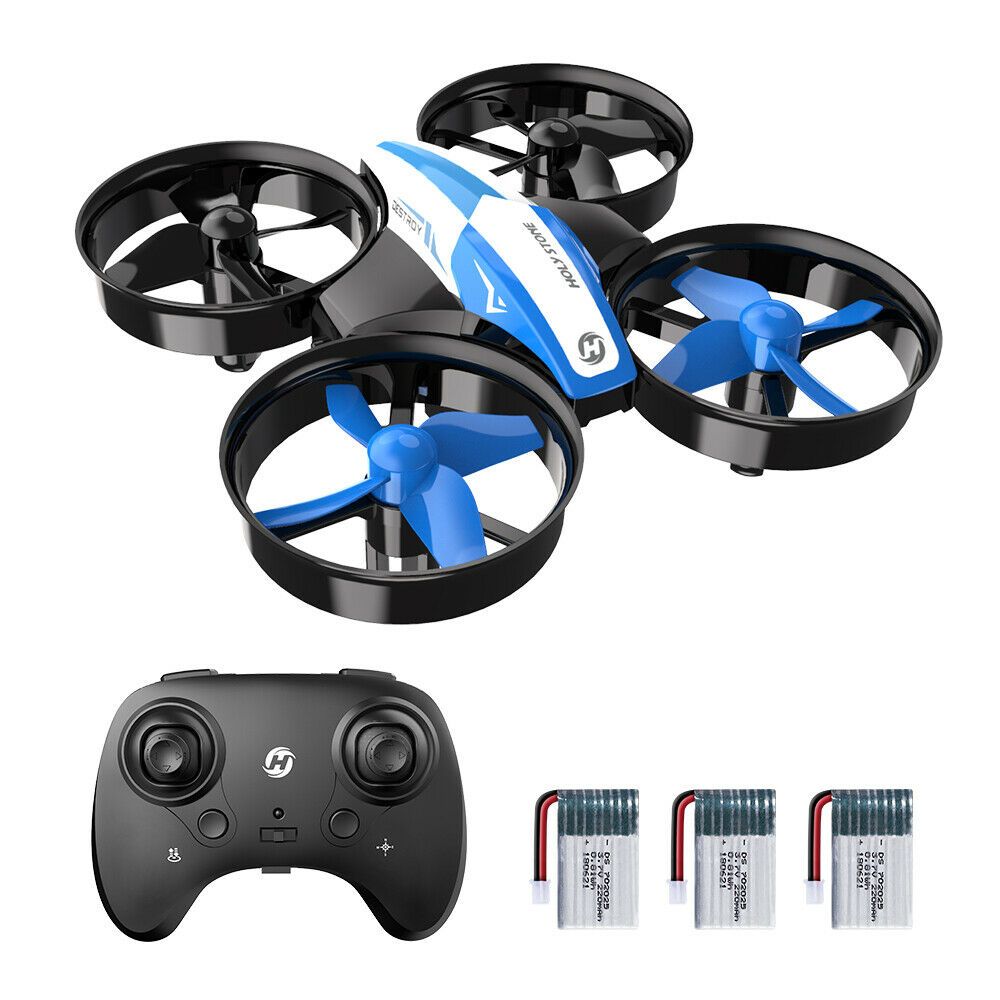 07. Holy Stone HS210Best pocket toy | Featherweight indoor trainer, no camera | 24.8 g; three batteries in the box | View on Amazon |
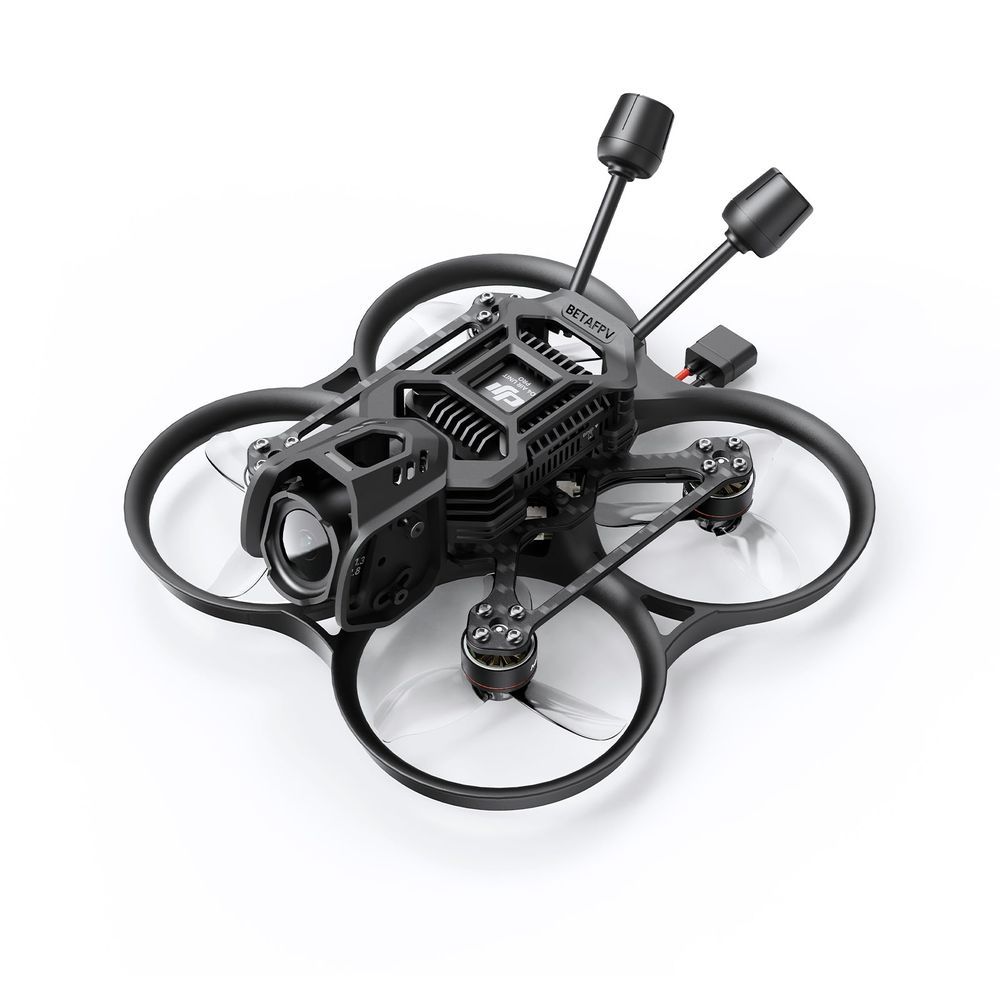 08. BetaFPV Pavo20 Pro IIBest 4K nano whoop | Ducted 4K whoop for indoor fly-throughs | DJI O4 Pro onboard; flies on 3S packs | View on Amazon |
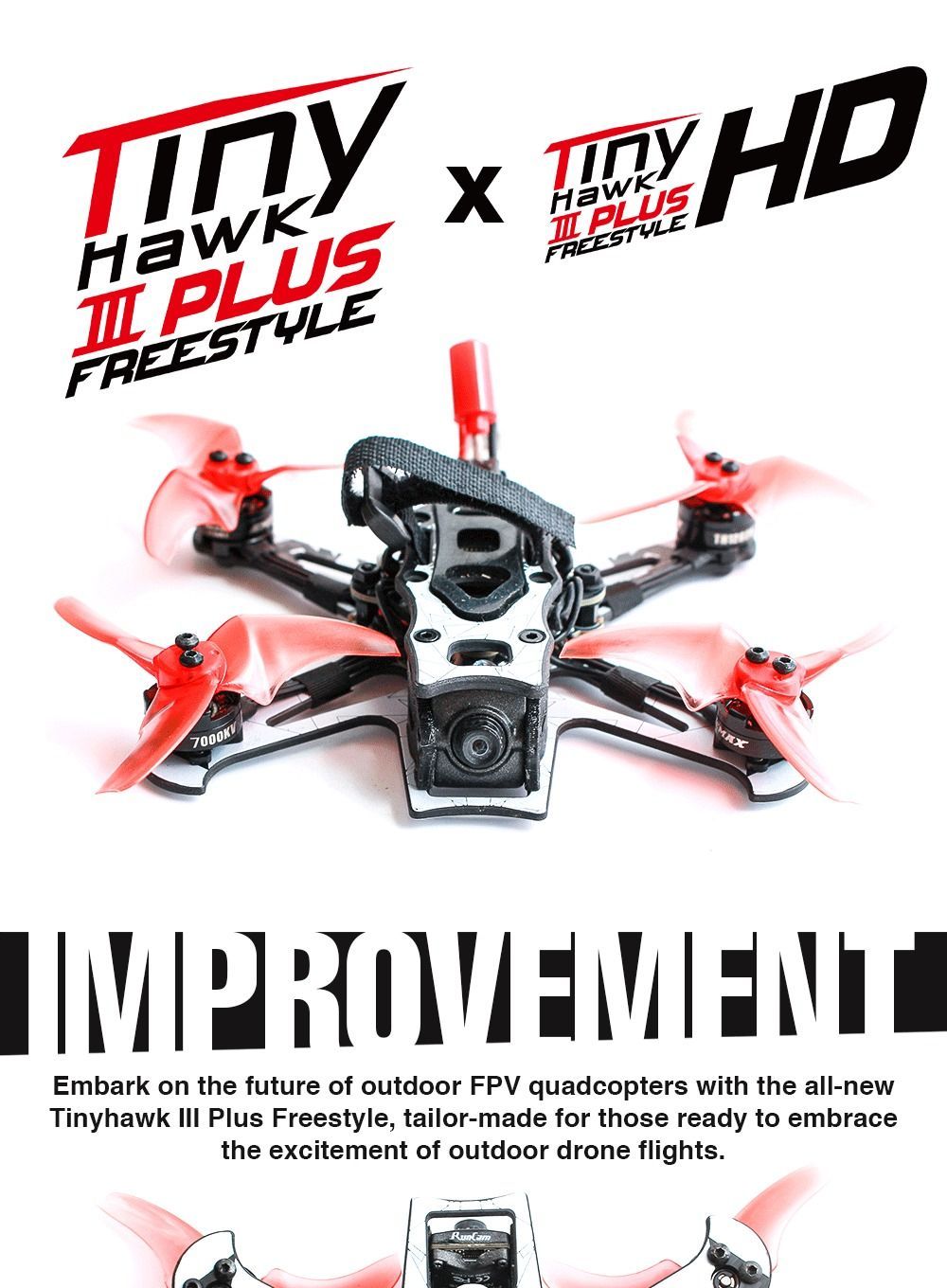 09. EMAX Tinyhawk 3 Freestyle Plus RTFBest outdoor nano kit | RTF freestyle trainer for park flying | Open-prop 2.5-inch; built to crash and repair | View on Amazon |
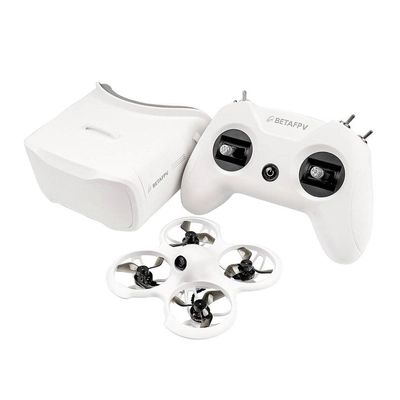 10. BETAFPV Cetus Pro FPV KitBest gentle first FPV kit | Slowest, softest way into FPV | Altitude hold plus Turtle mode; 75 mm whoop | View on Amazon |
Look closer
Our 10 picks, explained
These picks come from desk research, not hands-on testing: we compared manufacturer spec sheets line by line, then cross-checked owner feedback and published reviews to see which tiny drones survive real beginner use.
DJI Neo
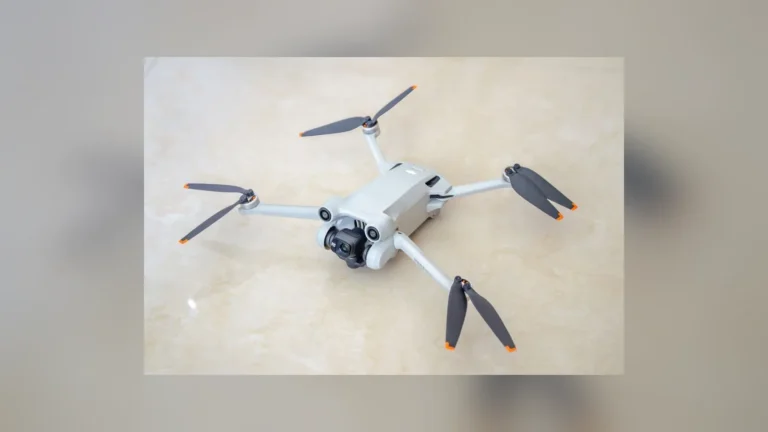
Most nano drones are toys with a camera bolted on. The Neo inverts that: it is a genuine camera drone shrunk to pocket size. Its 1/2-inch sensor records 4K/30 video with electronic stabilization, and subject tracking lets it follow you without any stick input, which makes first flights feel easy. You can start with palm takeoff and phone control, then add a controller or goggles later as skills grow. The limits are honest ones: 18 minutes per battery is short, there is no obstacle sensing, and the light frame gets pushed around outdoors. Flown indoors or in calm air, it is the most capable starter on this list.
- Takeoff weight
- 135 g
- Flight time
- 18 min per battery
- Camera
- 1/2-inch CMOS, 12MP, 4K/30
Reasons to choose it
- Palm takeoff and landing
- Real 4K camera with tracking
- Full propeller guards as standard
Trade-offs to know
- No obstacle avoidance sensors
- Light frame struggles in wind
Choose this if: you want a camera drone first and a toy never.
Consider another option if: you only want to fly through goggles, the Cetus X kit is the direct route into FPV.
BETAFPV Cetus X FPV Kit
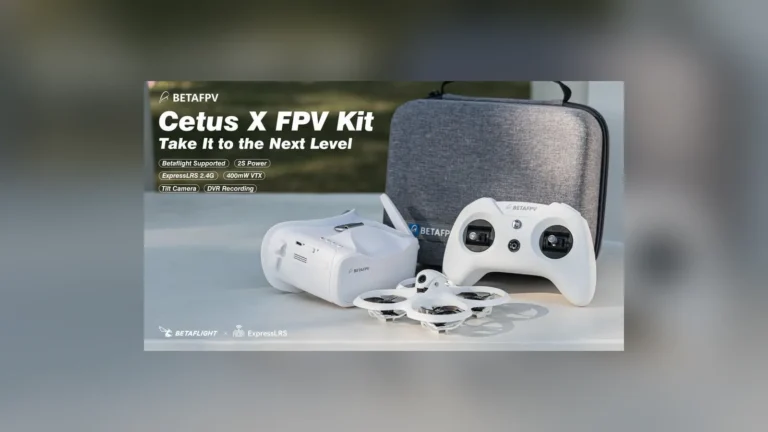
Starting FPV the separate-parts way means research, soldering and binding headaches. The Cetus X kit removes all of it. The 95 mm whoop runs brushless 1102 motors on 2S power, so it has real punch for its size, but a barometer and optical flow hold its height and position in the assisted modes, which keeps early flights calm. Betaflight support means the same drone grows with you into manual acro flying, and the radio works with simulators for free practice. Expect about five minutes per pack and analog video quality: this is a trainer, and judged as one it is close to ideal.
- Frame
- 95 mm whoop, 55 g drone
- Flight time
- About 5 min per 450mAh 1S pack
- Camera
- Analog FPV camera, VR03 goggles with DVR
Reasons to choose it
- Everything included and pre-bound
- Altitude hold eases first FPV flights
- Radio doubles as a simulator controller
Trade-offs to know
- Analog video looks soft next to HD systems
- Short flight time per pack
Choose this if: you want to learn real FPV with zero setup research.
Consider another option if: you want to record pretty video instead, the DJI Neo films in 4K from your palm.
DJI Neo 2
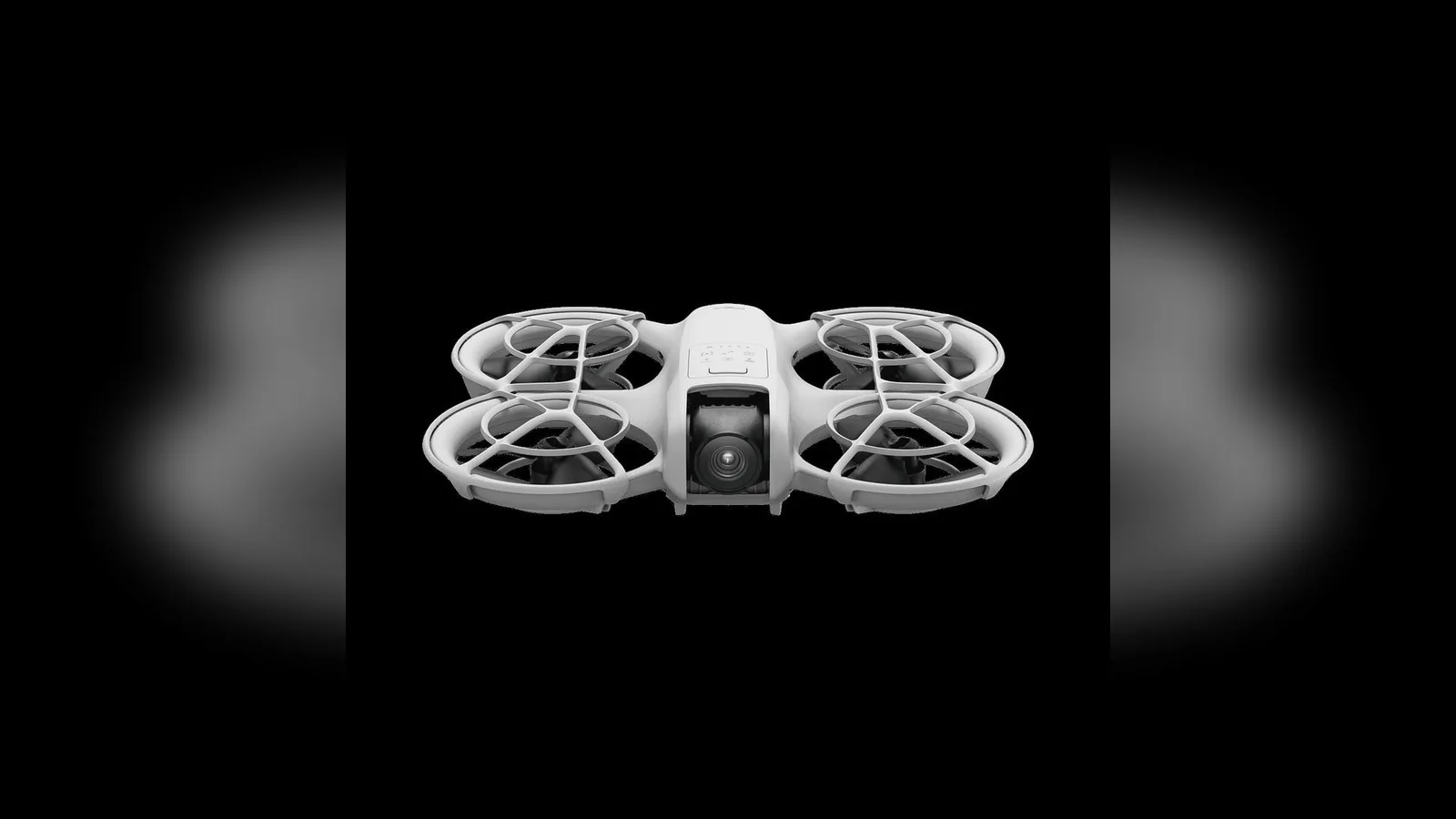
Obstacle sensing used to start several weight classes up. The Neo 2 fits monocular vision in every direction plus a forward LiDAR into a drone that still launches from your palm, and it backs that up with a better camera: 4K/60 video from the 1/2-inch sensor and smoother tracking than the original. Gesture control and palm takeoff keep the first flight simple, while the sensing quietly corrects the mistakes every beginner makes near furniture and garden trees. It costs more than the first Neo and flight time is a similar 19 minutes, but for pilots who plan to fly near obstacles, the sensing earns it.
- Takeoff weight
- 151 g
- Flight time
- 19 min per battery
- Camera
- 1/2-inch CMOS, 12MP, 4K/60
Reasons to choose it
- Omnidirectional sensing at 151 g
- Faster 4K/60 camera than the Neo
- Palm launch with gesture control
Trade-offs to know
- Costs more than the original Neo
- Still a calm-weather flyer outdoors
Choose this if: you want maximum crash protection in a tiny drone.
Consider another option if: budget matters more than sensing, the DJI Neo covers the basics for less commitment.
BetaFPV Pavo Pico
The Pavo Pico is the specialist of this list: a frame, motors and flight controller built to carry the DJI O3 air unit, which you supply along with goggles, radio and 2S batteries. In return you get digital HD FPV and clean recording from a sub-100 g whoop that can thread indoor spaces no camera drone would attempt. The TPU parts and ducted design shrug off the bumps that come with proximity flying. Be clear about the commitment, though: nothing about it is ready to fly out of the box, and flight times run near four minutes. As a second drone for an FPV pilot, it is superb.
- Weight
- 73.47 g without battery
- Flight time
- About 4 min on 2S packs
- Video system
- DJI O3 support, air unit not included
Reasons to choose it
- Sub-100 g HD cinewhoop
- Ducted props, safe indoors
- Smooth proximity flying
Trade-offs to know
- Needs your own O3 unit, radio and goggles
- Very short flight time
Choose this if: you already own DJI FPV gear and want a tiny HD whoop.
Consider another option if: you are starting from zero, the Cetus X kit includes everything in one box.
DJI Tello
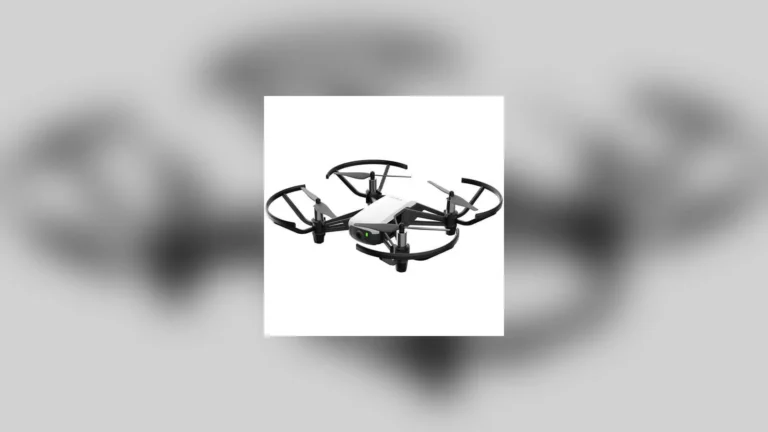
Built by Ryze with DJI technology, the Tello packs a vision positioning system that holds it steady indoors where GPS drones cannot help you. Throw-and-go takeoff, 8D flips and bounce mode keep it fun, while the 5MP camera and 720p video are enough for first aerial photos. Its second life is education: programmable with Scratch, and with an SDK for older students, it anchors more school drone programs than any rival. The honest limits are range, about 100 m over Wi-Fi, and a camera that modern phones outclass. As a safe, cheap way to learn real flight behavior, it endures.
- Takeoff weight
- 80 g
- Flight time
- 13 min per battery
- Camera
- 5MP stills, 720p video
Reasons to choose it
- Rock-steady vision positioning hover
- Programmable with Scratch
- Throw-and-go takeoff is foolproof
Trade-offs to know
- 720p camera feels dated
- Short 100 m Wi-Fi range
Choose this if: you want flying lessons and coding in one small package.
Consider another option if: the camera matters most, the DJI Neo shoots 4K at a similar size.
DEERC D20
The D20 sits between a toy and a camera drone, and that is its charm. At 69 g it folds into a small case with two modular batteries, a controller and spare props, so a full flying kit travels anywhere. The 720p camera tilts by hand and streams to the app for framing snapshots, while voice commands, gesture selfies and waypoint drawing add play value beyond basic flying. Altitude hold and three speed modes keep it manageable for kids. Temper expectations outdoors: the 40 m control range and light frame mean calm air and close supervision, and video is souvenir quality only.
- Takeoff weight
- 69 g
- Flight time
- 10 min per battery, two included
- Camera
- 720p video, 80 degree lens
Reasons to choose it
- Folds flat with a carry case
- Two batteries included
- Voice and gesture control
Trade-offs to know
- Only 40 m control range
- Video is basic 720p
Choose this if: you want a pocket mini that can still take photos.
Consider another option if: you want to skip the camera entirely, the Holy Stone HS210 is lighter and simpler.
Holy Stone HS210
Holy Stone designed the HS210 as a flight trainer, and the spec sheet shows it: 24.8 g, an 80 mm frame wrapped in propeller guards, and controls limited to a simple transmitter. Altitude hold keeps height steady while a beginner learns direction, headless mode removes orientation confusion, and 3D flips and three speed modes add fun as skills grow. Three 250 mAh batteries rotate for up to 9 minutes each, far more practice time than most toys offer. There is no camera at all, range is 50 m, and wind is its enemy. For a child or nervous adult learning indoors, those limits are features, not flaws.
- Takeoff weight
- 24.8 g
- Flight time
- Up to 9 min per battery, three included
- Camera
- None, dedicated flight trainer
Reasons to choose it
- Lightest drone on this list
- Three batteries in the box
- Full guards for indoor bumps
Trade-offs to know
- No camera of any kind
- Indoor or dead-calm use only
Choose this if: a young beginner needs a safe indoor first drone.
Consider another option if: a camera is non-negotiable, the DEERC D20 adds one at 69 g.
BetaFPV Pavo20 Pro II
Cinewhoops exist to carry a good camera through tight spaces, and the second-generation Pavo20 Pro is built exactly for that. The frame integrates the DJI O4 Pro air unit for low-latency HD FPV and onboard 4K/60 recording, while ducts protect props, people and paintwork during slow indoor passes. On 3S power it flies about six and a half minutes per pack, strong money for this class. Like the Pavo Pico it arrives as a bind-and-fly: you bring DJI goggles, a radio and batteries. Spare ducts, props and frames are easy to source, which keeps a working whoop working. For creators filming homes, gyms and events, it turns the smallest rooms into sets.
- Weight
- 107.7 g with O4 Pro, no battery
- Flight time
- About 6.5 min on 3S packs
- Camera
- DJI O4 Pro, 4K/60 recording
Reasons to choose it
- True 4K/60 recording in a whoop
- Ducted and safe for indoor work
- Strong 3S flight performance
Trade-offs to know
- Needs your own radio and goggles
- Heaviest pick on this list
Choose this if: you film indoor spaces and need real 4K from a tiny drone.
Consider another option if: you need everything in one box, the Cetus X kit is the complete alternative.
EMAX Tinyhawk 3 Freestyle Plus RTF
Ducted whoops teach control; the Tinyhawk 3 Freestyle Plus teaches flying. Its 110 mm wheelbase and exposed props give it the response of a real freestyle quad, so skills transfer directly to bigger builds. The RTF box includes an analog radio and goggles, so nothing else is needed to start, and flight runs about four minutes per 450 mAh pack. EMAX designed this line for abuse: the frame takes crashes well and every part is replaceable with basic tools. It is louder and less living-room friendly than the ducted picks, and analog video is basic, but as a skills builder it is the honest choice.
- Frame
- 2.5-inch, 110 mm wheelbase
- Flight time
- About 4 min per 450mAh pack
- Video system
- Analog FPV, radio and goggles included
Reasons to choose it
- Flies like a real freestyle quad
- Full kit, nothing else to buy
- Cheap, widely stocked spare parts
Trade-offs to know
- Open props, less suited to indoors
- Analog video only
Choose this if: you want to learn freestyle moves in the garden or park.
Consider another option if: indoor flying comes first, the Cetus Pro kit is softer and slower.
BETAFPV Cetus Pro FPV Kit
BetaFPV built the Cetus line for one job: making a first FPV flight feel safe. The 75 mm whoop uses brushless 1102 motors for durability, but its party trick is assistance: optical flow, barometer and laser sensors hold position and height, three modes cap the aggression, and a protection system lands the drone on hard impacts or lost signal. Turtle mode reverses the motors to right the drone after a tumble, which saves endless walks across the room. Two 450 mAh packs give four to five minutes each. Power is modest next to the Cetus X, but for a first kit, gentle beats fast.
- Takeoff weight
- 33.19 g without battery
- Flight time
- 4 to 5 min per 450mAh 1S pack
- Camera
- 1200TVL FPV camera, VR02 goggles
Reasons to choose it
- Altitude hold and self-protection
- Turtle mode ends the walk of shame
- Brushless motors outlast toy motors
Trade-offs to know
- Modest power for outdoor use
- Analog video, no recording on the drone
Choose this if: you want the calmest possible first FPV experience.
Consider another option if: you want more punch for the same idea, the Cetus X kit steps up to 2S power.
Buy with confidence
How to choose the right nano drone
Four checks that matter more than headline specs when the whole drone fits in one hand.
01. Decide what nano means for you
Nano covers two different hobbies. Camera nanos like the DJI Neo and Neo 2 fly themselves and film; FPV whoops like the Cetus kits put you in the cockpit with goggles and need real stick skill. Toy trainers like the HS210 sit under both, teaching control with no camera at all. Pick the branch first, because almost nothing crosses over.
02. Match the drone to indoor space
Every gram matters indoors. Sub-40 g whoops with full ducts bounce off walls and furniture, while open-prop models like the Tinyhawk Freestyle belong outside where a crash meets grass, not glass. Check the frame size against your rooms: a 95 mm whoop needs more space than a 75 mm one, and none of them enjoy wind.
03. Budget for batteries, not just the drone
Nano flight times run from four to nineteen minutes, so the box contents decide your real session length. Kits with two or three packs, like the Cetus Pro and HS210, triple your practice per charge cycle. Standard connectors such as BT2.0 keep spare packs cheap and easy to find, which matters more than any single spec.
04. Plan the upgrade path
A first nano should teach skills the second drone uses. DJI camera nanos lead naturally to bigger DJI drones and shared controllers. BetaFPV and EMAX kits teach Betaflight and radio skills that carry into any FPV build. Toy trainers are the exception worth making: at their cost, they are a lesson, not a platform.
Behind the recommendations
How we selected these products
This guide is built on desk research, not hands-on testing. We compared official manufacturer spec sheets for every nano-class drone a beginner can buy, then cross-checked the shortlist against owner feedback and published reviews. Specs were rechecked against the sources below in October 2026. Where a figure is a lab rating, such as flight time, we treat it as a ceiling, not a promise.
- Weight and size: takeoff weight, frame size and prop protection, taken from manufacturer data, since grams decide what flies indoors.
- Flight help: altitude hold, positioning sensors, flight modes and self-protection features, compared like for like across brands.
- Limitations: we did not fly these drones for this guide, and kit contents vary by seller, so confirm the exact bundle and battery count before buying.
Common questions
Before you buy
What makes a drone a nano drone?
There is no legal definition, but the hobby uses nano for the smallest class: roughly under 100 g, small enough for indoor flight and palm takeoff. Most picks here sit between 25 g and 151 g. The class trades camera quality, range and wind resistance for size, safety and low cost, which is exactly the right trade for a beginner.
Can nano drones fly outdoors?
The camera models can, in calm air. The DJI Neo pair handle light breezes thanks to vision positioning, but anything under 100 g gets pushed around quickly, and toy trainers like the HS210 belong indoors. Treat outdoor flight as a calm-morning bonus, not the main event, and always keep a nano within easy sight.
Do I need to register a nano drone?
In many countries, drones under 250 g flown for fun skip registration, and every pick here is far under that line. Camera drones can still trigger rules in some places, and local bylaws vary, so check your national aviation authority guidance. Registration or not, the basic safety rules about people, airports and privacy still apply.
How long do nano drone batteries last?
Expect four to nine minutes per pack for the whoops and toys, 13 minutes for the Tello and up to 19 for the Neo 2. That is why the good kits include two or three batteries. Rotate packs, let them cool before charging, and treat a multi-battery kit as the real product you are buying.
Choose the best fit for your first flights
Start with the DJI Neo if you want a nano drone that shoots video worth keeping. Choose the Cetus X kit if FPV is the goal and you want goggles and a radio in one box. Whichever you pick, buy spare batteries and props with it: at this size, flight time is short and crashes are part of the lesson.
Sources and verification
Product specifications and claims in this guide were checked against the following sources, listed by name as a record of what was consulted.
- DJI Neo, Neo 2 and Tello official specifications (dji.com, ryzerobotics.com)
- BETAFPV Cetus X, Cetus Pro and Pavo series official specifications (betafpv.com)
- EMAX Tinyhawk 3 Freestyle Plus official product data (emax-usa.com)
- Holy Stone HS210 and DEERC D20 official specifications and user manuals
- Published reviews and owner feedback for the shortlisted models, cross-checked in October 2026