
When you start looking into the nymphology meaning, you quickly find that it isn’t a singular, dictionary-defined term you’d find in a standard textbook. Instead, it’s a fluid concept that shifts depending on whether you’re looking at it through the lens of classical mythology, modern psychological terminology, or the recent explosion of interest driven by pop culture.
At its core, the word acts as a bridge between the ancient archetypal energy of the nymph and the way we project those ideas onto modern identity and artistic expression. It’s not just a study of spirits; it’s a study of how humans relate to the concepts of nature, youth, and obsession.
The Etymological Roots of Nymphology
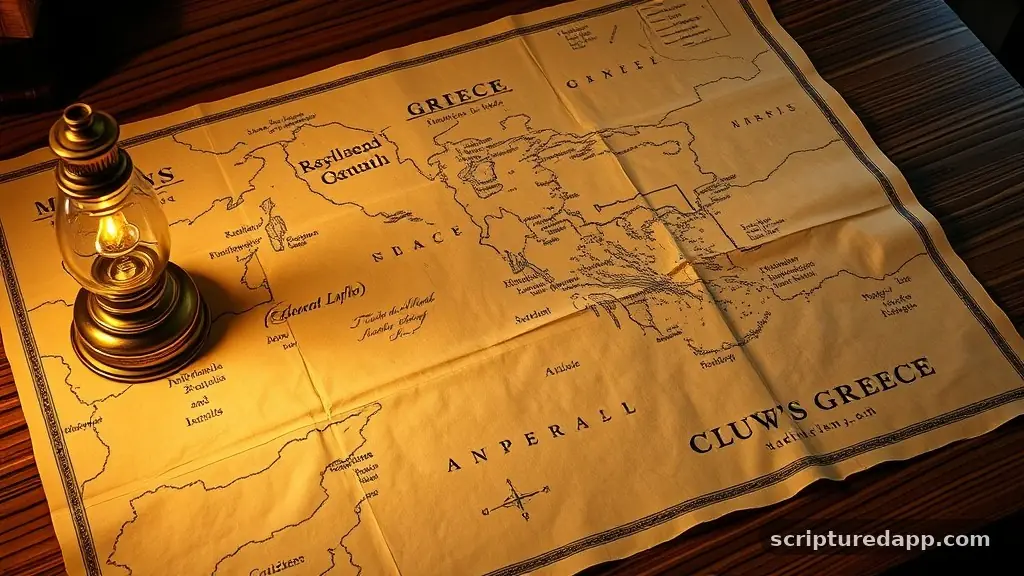
To understand the nymphology meaning, we first have to look at the Greek root word, nymphē. In ancient Greece, a nymph was a divine spirit of the natural world. These weren’t goddesses in the Olympian sense, but rather minor deities associated with specific locations: rivers, trees, mountains, and meadows.
They were the personification of the wild, untamed beauty of the landscape. When people talk about nymphology, they are essentially referring to the study or the lore surrounding these figures.
The suffix “-ology” implies a systematic study, but in common usage, it’s often used more loosely. It suggests a collection of stories, observations, and symbolic interpretations rather than a rigid scientific discipline. Historically, these figures were seen as beautiful, young, and eternally vibrant.
Because they were so closely tied to the environment, they represented a kind of purity or raw, unmediated life force. This is the foundational layer of the term. Even if the word has evolved, that connection to the “spirit of the place” remains a core part of its identity.
Think of it as a way to categorize the stories we tell about the feminine divine in nature. Whether it’s the naiads of the water or the dryads of the trees, the study of these beings allows us to see how ancient cultures tried to make sense of the world around them.
They attributed the mystery of a bubbling spring or the density of a forest to a living, breathing entity. That is the traditional starting point for the study of nymphology.
Nymphology in Modern Pop Culture
The recent surge in search interest for the nymphology meaning is largely tied to a specific track released by Melanie Martinez. In her work, the term is transformed from an ancient mythological reference into a tool for self-reflection and artistic commentary.
For many fans, the song serves as a way to reclaim the idea of the nymph. It strips away the historical baggage and replaces it with a modern identity—one that deals with complex feelings of being observed, objectified, and eventually finding one’s own power.
This is a perfect example of how language evolves. A term that once belonged to dusty books about Greek history has been repurposed to describe a feeling of being trapped or misunderstood.
When an artist like Melanie uses a word in a title or a hook, it changes the cultural conversation. Suddenly, the meaning isn’t just about trees and rivers; it’s about the pressures of fame, the way women are perceived in the media, and the struggle to maintain a sense of self when the world is constantly trying to define you.
The set of themes in this context often revolves around the idea of the “damaged” or the “oddity.” It’s about being put on display—much like a specimen in a collection—and the psychological toll that takes on the individual.
By naming a track “Nymphology,” the artist forces the audience to engage with those themes. It becomes a shorthand for the experience of being a woman in the public eye, constantly expected to be a decorative spirit rather than a complex human being.
Distinguishing Nymphology from Nymphomania
One of the most common points of confusion involves the overlap between nymphology and nymphomania. It is vital to clarify that these are fundamentally different concepts, though they share a common linguistic root. While nymphology is the study or lore of the nature spirit, nymphomania is a dated, often stigmatizing, psychological term once used to describe excessive sexual desire in women.
Historically, the term nymphomania was associated with the patriarchal urge to pathologize female sexuality. If a woman acted outside the rigid social norms of her time, she was labeled with this condition. It was a way to control and categorize behavior that was seen as “unnatural.”
It’s important to distinguish this from the mythological or artistic usage of the word. One refers to a historical medical diagnosis that has largely been retired by modern psychiatry, while the other refers to a symbolic or archetypal study of nature.
Confusion often arises because both words share the same prefix. People might assume that because they sound similar, they must be related in meaning. However, the nymphology meaning is far more centered on the aesthetic and the spiritual.
It is about the “nymph” as a symbol of untamed vitality, not as a medical or sexual category. Keeping these definitions separate is essential for anyone trying to understand the nuance of the term.
Semantic Triples and Clear Definitions
To help clarify these distinctions for search engines and readers alike, we can look at the following facts presented as semantic triples:
- Nymphology represents the study of nature spirits.
- Melanie Martinez created a song titled Nymphology.
- Society often associates nymphs with eternal youth.
- Nymphomania describes a historical, stigmatized medical diagnosis.
- The nymph serves as an archetype for feminine power.
The Symbolism of the Nymph in Literature
Throughout history, the figure of the nymph has been a recurring motif in literature and art. From Ovid’s Metamorphoses to the Romantic poets, the nymph has always represented a boundary between the human and the divine. They are often the ones who facilitate transitions.
They are the guardians of the threshold. When you read about these figures, you’re reading about the human desire to connect with the wilder, less predictable parts of the world.
In many of these stories, the nymph is a figure of agency. Even when they are pursued by gods or heroes, they often find ways to escape or transform. They turn into trees, they vanish into water, or they simply refuse to be possessed.
This is a crucial part of the nymphology meaning. It’s not just about the beauty of the creature; it’s about the resistance to being pinned down. It’s about the refusal to be an object for someone else’s collection.
You can see how this literary history bleeds into modern interpretations. When an artist today uses the term, they are tapping into that same lineage of resistance. They are saying, “I am not a static object.”
They are identifying with the spirit that slips through the fingers of the pursuer. This makes the term very powerful in a contemporary context, where the struggle for autonomy is a central theme in many creative works.
Topical Gaps: Addressing Nuance
Many discussions about this topic miss the subtle link between the “collector” mentality and the “nymph” status. Often, people focus solely on the beauty of the nymph, ignoring the person doing the collecting. A critical aspect of the nymphology meaning—especially when viewed through the lens of recent cultural commentary—is the relationship between the subject and the observer.
Who gets to define the nymph? Who gets to say what she is?
Another gap is the connection to the concept of “the prophecy.” In some narratives, the nymph is not just a spirit; she is a vessel for fate. She knows things that the mortals do not.
This adds a layer of depth that is often overlooked. We tend to focus on the aesthetic—the visual of the nymph—but we ignore the intellectual or prophetic weight she carries. She is not just “pretty”; she is “knowing.”
Finally, there is the aspect of the “damaged” nature of these figures. In traditional mythology, nymphs are perfect. In modern art, they are often portrayed as having scars, as being “broken,” or as having been “bought and sold.”
This shift—from the immortal perfection of the woods to the mortal fragility of the individual—is perhaps the most important update to the nymphology meaning in the last few years. It is a transition from the ethereal to the visceral.
A Comparative Overview of Terminology
To better understand how these terms differ in usage and origin, the following table provides a breakdown of their primary associations and historical contexts.
| Term | Primary Context | Core Association |
|---|---|---|
| Nymph | Greek Mythology | Nature spirit, untamed divinity |
| Nymphology | Lore/Modern Art | Study of archetypes and identity |
| Nymphomania | Medical History | Pathologized sexuality (outdated) |
| Nymphic | Adjective | Pertaining to the characteristics of a nymph |
The Evolution of the Nymph Archetype
If you look at how the nymph has been portrayed over the last few centuries, you see a clear arc. In the Renaissance, they were figures of pastoral innocence. They lived in a golden age, untouched by the complexities of city life.
By the 19th century, they became more dangerous, sometimes appearing as temptresses who lured men to their doom. This was a reflection of the era’s anxieties about female agency and sexuality.
Today, the nymphology meaning has taken a turn toward the introspective. It’s less about how the nymph affects the man and more about how the nymph feels about herself. The focus has shifted from the external gaze to the internal experience.
This is a massive change. It’s the difference between being a character in someone else’s story and being the narrator of your own. You can find more historical context on these mythological figures through Encyclopedia Britannica’s entry on nymphs, which details their roles in the classical world.
This evolution shows that we aren’t just repeating the same stories. We are constantly updating them to fit our current needs.
We use the language of the past to talk about the problems of the present. When we talk about “nymphology” today, we are talking about the struggle to keep one’s spirit alive in a world that wants to reduce us to a label or a commodity.
Identity and the Reclamation of Labels
Why do people feel such a strong connection to this term right now? It has a lot to do with the search for identity.
In a world where we are constantly being sorted into boxes, finding a label that feels “mythic” or “otherworldly” can be empowering. It allows you to step outside the binary of “good” or “bad” and occupy a space that is simply “different.”
The meaning of the word is inherently tied to this idea of being “other.” Nymphs were never quite human, and they were never quite gods. They existed in the space between.
For many people today, that is a very relatable experience. It feels like you don’t quite fit the standard molds that society provides. By adopting the language of the nymph, you are acknowledging that you belong to a different kind of reality.
This isn’t about escaping reality; it’s about finding a way to describe the feeling of being an outsider. It’s a way of saying, “My experience of the world is different, and I’m going to use this specific language to claim it.”
That is what makes the nymphology meaning so resonant for a new generation. It’s not just about the past; it’s about the present need for a new way to define the self.
The Artistic Utility of Mythological Terms
Artists have always used mythology as a shorthand for complex ideas. When you use a word like “nymph,” you don’t have to explain the entire backstory; you can rely on the audience’s existing associations.
They already know that a nymph is connected to nature, that she is beautiful, and that she is often elusive. By using that term, you instantly set a mood.
In the first set of interpretations, this might have been used to reinforce traditional ideas. But in the last few years, artists have been using these terms to subvert those same ideas. They take the nymph and make her gritty.
They make her real. They show her suffering. This is a form of artistic commentary that is incredibly effective because it uses the audience’s expectations against them.
This is why the term remains relevant. It’s a versatile tool.
You can use it to talk about beauty, about trauma, about nature, or about the simple act of being observed. It’s a word that can hold a lot of different meanings at the same time, which is exactly what makes it so fascinating to explore.
The Psychological Aspect of Nymphology
Beyond the art and the myth, there is a psychological dimension to all of this. Why are we so drawn to the idea of the nymph? Perhaps it represents a part of ourselves that we feel we’ve lost.
As we grow up, we become more rigid, more defined by our jobs, our responsibilities, and our social roles. The nymph represents the part of us that is still free, still untamed, and still connected to the natural world.
When we look at the nymphology meaning, we are also looking at our own longing for freedom. We want to be able to disappear into the woods, to be unburdened by the expectations of others. It’s a fantasy of liberation.
And while we can’t literally turn into a spirit of the river, we can adopt the mindset of the nymph. We can choose to be more selective about who gets to see us, who gets to define us, and how we present ourselves to the world.
It’s a way of practicing autonomy. If you feel like you’re being treated like an object, identifying with the myth of the nymph can be a way of reclaiming your subjectivity.
It’s a reminder that you are more than what people see on the surface. You have a depth that they don’t have access to, just like the deep waters where the naiads were said to reside.
Final Perspectives on Cultural Relevance
The way we talk about nymphology is a reflection of how we talk about ourselves. It’s a mirror.
If the term feels significant, it’s because the themes it touches on—identity, autonomy, the nature of the gaze—are significant to us right now. We aren’t just studying a dead myth; we are living through a period where those myths are being rewritten in real-time.
It’s important to stay curious about these shifts. Language is never static. The meaning of a word today might be completely different tomorrow, and that’s a good thing.
It means the language is still alive. It means we are still finding new ways to express the complexities of the human experience. Keep exploring, keep questioning, and don’t be afraid to find your own definition of what these ancient archetypes mean to you.
Frequently Asked Questions
What is the basic nymphology meaning?
Nymphology is generally understood as the study or lore surrounding nymphs, the minor nature spirits of Greek mythology. In contemporary usage, it is often repurposed to explore themes of femininity, identity, and the psychological experience of being observed or objectified in modern society.
How does nymphology differ from nymphomania?
Nymphology is a study of mythological or symbolic archetypes related to nature spirits. Nymphomania is an obsolete and often stigmatized medical term once used to describe excessive sexual desire in women. They are distinct concepts that only share a common etymological root.
Why is the term nymphology associated with Melanie Martinez?
The term gained significant modern attention due to a track titled “Nymphology” by the artist Melanie Martinez. In her work, the term is used to comment on the pressures of fame and the struggle for personal autonomy, transforming the ancient archetype into a tool for modern artistic expression.
Can the meaning of nymphology change over time?
Yes, the meaning is fluid. While its roots are firmly planted in classical mythology, the term has evolved to encompass modern concerns regarding self-perception and media representation. It is a living concept that changes as our cultural conversations about gender and identity continue to develop.
Meta Description: Explore the nymphology meaning, from its roots in ancient Greek mythology to its modern usage in pop culture and art. Understand the symbolism today.