

The interest in traditional Japanese color palettes has surged as designers move away from generic digital presets toward more nuanced historical tones. I have analyzed the current market for these aesthetic guides, comparing popular references against linguistic tools that often get mixed into searches. This guide cuts through the noise to help you find the right design resource for your studio. I personally prefer the comprehensive sets, so let’s see which one ranks best.
1. Dictionary Of Color Combinations Volume 2

This volume excels because it functions as the perfect secondary companion for those who already own the first book. It expands the range of palettes, offering fresh, sophisticated pairings that feel less predictable than standard color wheels.
I find the focus on modern interpretations of traditional hues to be its greatest strength. It might lack the foundational history of the original text, but it is an essential addition for anyone seeking to deepen their creative palette.
Buyers appreciate the specific focus on contemporary design aesthetics.
It is widely considered an essential follow-up for existing fans of the series.
The lack of basic historical context makes it less suitable for beginners.
Get It From Amazon Now: Check Price on Amazon & FREE Returns
2. The Complete Color Harmony, Pantone Edition: Expert Color Information for Professional Results

This guide is specifically for the professional designer who needs technical accuracy alongside inspiration. It bridges the gap between artistic, subjective color choices and the rigid requirements of print production.
In my view, the inclusion of Pantone technical data provides a level of utility that pure art books simply cannot match. It serves as a bridge, turning abstract aesthetic ideas into concrete, actionable specifications for any commercial project.
Professionals value the inclusion of standardized color codes.
The layout is highly praised for its logical, project-based organization.
Some users report that the professional focus makes it feel less like an art book.
Get It From Amazon Now: Check Price on Amazon & FREE Returns
3. A Dictionary Of Color Combinations Vol 1 (Japanese Edition)
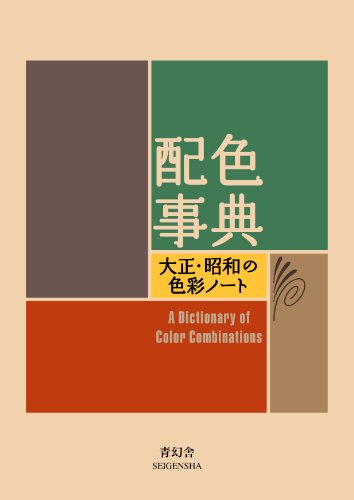
What surprised me about this volume is its inclusion of original Japanese text, which adds an authentic layer of cultural context that translations often strip away. It serves as the primary gateway into the Sanzo Wada archive.
It works exceptionally well for those who want to understand the philosophical roots of Japanese color theory. While it acts as the starting point for this series, it stands firmly on its own as a definitive reference for anyone starting a new project.
Readers love the authentic cultural details included in the original text.
It is frequently cited as the gold standard for historical color research.
The focus on early 20th-century palettes may feel niche for some users.
Get It From Amazon Now: Check Price on Amazon & FREE Returns
4. A Dictionary Of Color Combinations Vol.1 and Vol.2 with Japanese Traditional Colors Chart

The most common complaint about this set is its physical weight, as the two volumes combined can feel quite cumbersome for casual browsing. However, this bulk is a small price to pay for the complete collection of these historic color charts.
I consider this the definitive reference for any serious design library. Having both volumes together provides a comprehensive view of the evolution of Japanese color, making it the most cost-effective and useful option on this list.
Buyers frequently mention that purchasing the bundle offers better value.
The consistent layout across both volumes is a major highlight for users.
Its size is often noted as a potential challenge for portable use.
Get It From Amazon Now: Check Price on Amazon & FREE Returns
5. Merriam-Webster’s Japanese-English Dictionary – Bilingual, Bidirectional Dictionary – Newest Edition (English and Japanese Edition)

This dictionary is a purely utilitarian contrast to the design books mentioned above, as it focuses entirely on linguistic precision rather than visual inspiration. It serves a completely different type of user, specifically someone focused on language acquisition.
While it lacks the aesthetic appeal of the color dictionaries, I find it to be an essential tool for anyone actually translating the terms found in those design guides. It is a necessary, albeit dry, companion for serious study.
Users rely on this for its reputation for linguistic accuracy.
It is not designed for visual learners or those seeking inspiration.
The lack of color illustrations is a frequent point of feedback.
Get It From Amazon Now: Check Price on Amazon & FREE Returns
6. Lonely Planet Japanese Phrasebook & Dictionary: Pocket-Sized Travel Language Guide with 3,500 Words, Essential Phrases, Pronunciation Tips & More

This guide became popular due to its compact design and reputation for being the go-to resource for travelers. While it succeeds as a pocket-sized aid, it is important to remember that it is built for utility, not deep cultural analysis.
I find that its strength lies in its essential phrases, which are organized for immediate, real-world application. It does exactly what it promises, though it offers nothing for those looking for design inspiration.
Travelers consistently praise its size and ease of use.
The inclusion of pronunciation tips is a major benefit for non-native speakers.
It is widely noted that this is not a comprehensive language reference.
Get It From Amazon Now: Check Price on Amazon & FREE Returns
7. Japanese Picture Dictionary Coloring Book: Over 1500 Japanese Words and Phrases for Creative & Visual Learners of All Ages (Color and Learn)

This book earns its place because it uses visual association to make vocabulary retention much more effective than traditional rote memorization. It turns a typically tedious task into a creative, low-stress exercise.
In my judgment, this is the most engaging way to build a foundation in the Japanese language. It doesn't claim to replace a formal dictionary, but it serves as a fantastic supplement for visual learners who struggle with standard text-based guides.
Users often report that the coloring aspect helps them focus for longer.
The selection of words is frequently praised for being practical.
Some buyers note that it is best used as a hobby tool rather than a primary textbook.
Get It From Amazon Now: Check Price on Amazon & FREE Returns
Choosing Between Them
I recommend the bundled set of both volumes as the top choice for most people because it offers the full historical spectrum of Japanese color theory in one cohesive package. While the Pantone edition is superior for technical design work, the Seigensha bundle provides an unmatched range of inspiration for creative projects. If you are a language learner, you should skip the design books entirely and look toward the dedicated dictionary or the picture-based coloring book.
Please keep in mind that these are primarily design references meant to spark creativity, not linguistic tools for learning Japanese. If your goal is to master the language, you will find these books beautiful but insufficient for your studies. I suggest viewing them as a visual library that informs your aesthetic decisions while keeping a separate dictionary on your shelf for translation tasks.
As an Amazon Associate, this site earns from qualifying purchases. Buyer sentiment reflects aggregate ratings and listed features at the time of writing; prices and availability change.