
If you have ever glanced at a medical chart or watched a fast-paced hospital drama, you might have caught a glimpse of the abbreviation EtOH. At its simplest level, the etoh meaning refers to the chemical compound ethanol, which is the specific type of alcohol found in beverages, fuels, and industrial solvents.
While it sounds like a complex piece of jargon, it is actually just a shorthand used by healthcare professionals to streamline documentation. Understanding this term requires looking at both its scientific roots and its heavy utilization in clinical settings, where it serves as a critical indicator for patient assessment and diagnosis.
The Chemical Foundation of Ethanol

The term EtOH is a shorthand representation for the chemical formula C2H5OH. In chemistry, the “Et” represents the ethyl group, while the “OH” stands for the hydroxyl group. When these two components bond, they form the primary substance responsible for the intoxicating effects of drinking.
It is a clear, colorless, and highly volatile liquid that has been produced by humans for thousands of years through the process of fermentation. Yeast breaks down sugars in the absence of oxygen, resulting in the creation of this specific molecule.
Because ethanol is a small, polar molecule, it moves across biological membranes with surprising ease. This is why when someone consumes a beverage containing ethanol, it enters the bloodstream almost immediately. It doesn’t require complex digestion like a protein or a fat.
Instead, it diffuses into the blood through the stomach lining and the small intestine. This rapid absorption is precisely why the medical field tracks it so closely. By labeling it EtOH in a patient’s file, doctors can quickly communicate that they are screening for the concentration of this substance in the blood, which is a vital data point during trauma care or emergency triage.
Clinical Documentation and Medical Records
When you see EtOH written in a medical record, it serves as a standardized way to denote the presence or testing of alcohol. Physicians and nurses use it to save time, as writing “ethanol” repeatedly in a chart can be tedious. More importantly, it provides a clear, objective label for lab results.
If a patient arrives at an emergency department with altered mental status, the medical team will often order an EtOH level test. This blood test measures exactly how much ethanol is circulating in the patient’s system at that specific moment.
This shorthand is universal across many medical systems. Whether you are in a rural clinic or a major metropolitan hospital, the etoh meaning remains consistent. It acts as a bridge between the laboratory technicians who run the test and the clinicians who interpret the findings.
It is also used to distinguish between different types of alcohols. While ethanol is the one found in beer, wine, and liquor, there are other types of alcohols, such as methanol or isopropyl alcohol, which are toxic. By specifying EtOH, the medical team avoids any ambiguity about which substance they are tracking.
The Role of ETOH in Emergency Triage
In the high-pressure environment of an emergency room, time is a luxury. When a patient presents with symptoms like slurred speech, confusion, or lack of coordination, the medical staff must determine if these symptoms are caused by a head injury, a stroke, or simply the influence of alcohol.
This is where the EtOH screening becomes a critical diagnostic tool. By identifying the alcohol level, doctors can differentiate between a neurological event and the physical effects of intoxication.
For EMTs and paramedics, documenting an EtOH reading is standard practice during transport. It helps the receiving hospital prepare for the patient. If the level is high, the medical team knows that the patient might need observation for respiratory depression or aspiration risks.
It is a vital piece of context that shapes the entire care plan. If the patient is unresponsive, the presence of elevated EtOH levels provides a potential explanation, though doctors are trained never to assume alcohol is the sole cause of a patient’s condition. They must always look for underlying trauma or other medical emergencies that could be masked by the influence of alcohol.
Understanding Topical Gaps in Clinical Reporting
While most articles focus solely on the definition, there is a nuance often ignored: the difference between EtOH as a chemical marker and the broader assessment of alcohol use. A common gap in patient records is the failure to distinguish between an acute positive EtOH test and a chronic use disorder.
Many clinicians might record “EtOH positive” on a chart, which describes the state of the blood in that moment, but it does not describe the patient’s long-term relationship with alcohol. This distinction is vital because a one-time exposure is a very different clinical picture than the long-term impact of etoh abuse on the body.
Another overlooked detail is how different jurisdictions or hospital networks might use variations of the term. Some might write “ETOH,” others “EtOH,” and some may even use “alc.”
While the meaning is identical, the lack of strict standardization across all electronic health record systems can occasionally lead to confusion for patients reading their own files. It is helpful for individuals to know that these are all synonymous, pointing toward the same scientific measurement of blood alcohol concentration.
Long-Term Health Impacts and the Liver
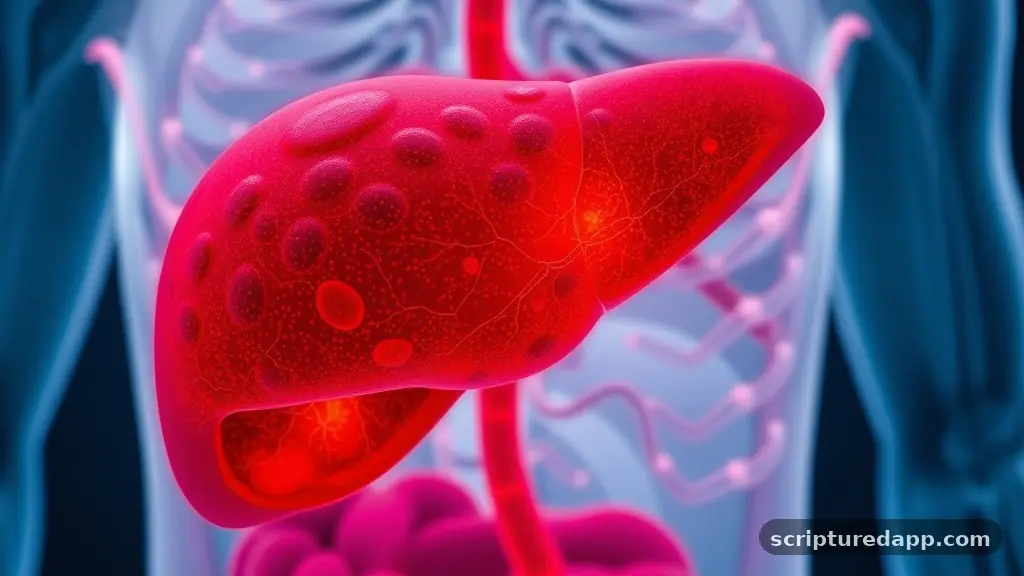
Chronic exposure to ethanol has profound effects on the human body, particularly the liver. The liver is the primary organ responsible for metabolizing ethanol. When a person engages in excessive intake over a long period, the liver is forced to work overtime.
It processes the ethanol, but the byproduct of this metabolism, acetaldehyde, is actually toxic. If the system is overwhelmed by constant drinking, the liver begins to suffer damage, which can lead to conditions like fatty liver disease, hepatitis, or cirrhosis.
The physical impact extends far beyond the liver. Ethanol is a central nervous system depressant, meaning it slows down brain function. Over time, this chronic suppression changes how the brain regulates chemicals like dopamine and serotonin.
This is why individuals struggling with etoh abuse often experience significant shifts in their mental health. The cycle of dependency is not just a matter of willpower; it is a physiological alteration of the brain’s reward pathways. Recognizing these long-term risks is why medical professionals take the documentation of EtOH so seriously during routine physicals and check-ups.
Addiction Treatment and Recovery
When the etoh meaning moves from a clinical test result to a diagnosis of an alcohol use disorder, the path forward involves comprehensive addiction treatment. This usually begins with a conversation between the patient and their primary care provider or a specialist.
It is important to realize that acknowledging a problem is the first step in the recovery journey. Many people feel shame when they see their EtOH levels reported in a medical file, but it is important to view these results as objective data points rather than moral judgments.
Effective treatment often involves a combination of medical supervision and psychological support. Because withdrawal from alcohol can be dangerous, it is essential to get professional help when deciding to stop. Some individuals require medically supervised detox to manage the physical symptoms, while others benefit from outpatient therapy.
The goal is to address both the physiological dependence and the underlying emotional or environmental triggers that lead to excessive consumption. You can find more structured information on these approaches through the National Institute on Alcohol Abuse and Alcoholism, which provides resources on evidence-based recovery strategies.
Support Groups and Social Dynamics
Beyond clinical intervention, support groups play a massive role in maintaining long-term sobriety. These groups provide a space where individuals can talk about their struggles without fear of judgment.
The shared experience of moving past etoh abuse creates a sense of community that is hard to replicate in a clinical setting alone. Whether it is a 12-step program or a secular recovery group, the social connection helps individuals build a new life where alcohol is no longer the central focus.
Family members and friends also play a part. Understanding that etoh abuse is a complex health condition rather than a choice helps loved ones offer better support. It changes the dynamic from one of blame to one of collaboration.
When a person in recovery knows they have a network of people who understand the nature of their struggle, their chances of success increase significantly. It is a process of relearning how to live and interact with the world without relying on ethanol to cope with stress or social pressure.
Comparative Data on Alcohol Concentrations

To better understand how medical professionals assess alcohol levels, it helps to look at how different quantities impact the body. While the following table is a general guideline, individual metabolism varies wildly based on genetics, body weight, and food intake.
| Blood Alcohol Concentration (BAC) | Common Physical Effects | Clinical Observation |
|---|---|---|
| 0.02% – 0.05% | Mild relaxation, slightly impaired judgment | Often undetectable by casual observation |
| 0.08% | Legal limit for driving, impaired coordination | Noticeable slurring and slowed reaction time |
| 0.15% – 0.25% | Severe motor impairment, confusion | High risk of falls, potential for vomiting |
| 0.30% and above | Risk of unconsciousness, respiratory failure | Medical emergency requiring immediate intervention |
Common Misconceptions about ETOH
There are many myths surrounding EtOH that can lead to dangerous behaviors. One of the most persistent is the idea that drinking coffee or taking a cold shower can “sober up” a person by lowering their blood alcohol content. This is medically false.
Once ethanol is in your bloodstream, only the liver can process it, and it does so at a steady, fixed rate. No amount of caffeine or cold water can speed up the liver’s enzymatic process. The time factor is the only way to effectively lower an EtOH level.
Another misconception is that certain types of alcohol are “safer” than others. While a beer has a lower concentration of ethanol than a shot of whiskey, the total amount of pure alcohol consumed is what matters. A standard drink is defined by the amount of ethanol it contains, not the volume of the liquid.
Understanding this helps people better track their intake and avoid the risk of accidental overconsumption. Being informed about these facts is a vital part of maintaining physical health and safety in social situations.
Behavioral Patterns and Early Intervention
Recognizing the signs of etoh abuse before it becomes a crisis is essential. Often, the early stages of a use disorder manifest as subtle changes in behaviors. This might include prioritizing drinking over hobbies, neglecting responsibilities, or experiencing mood swings when alcohol is not available.
Because these changes are gradual, they are easy to ignore or rationalize. However, when these patterns are identified early, the success rate for intervention is much higher.
If you or someone you know is showing these signs, it is important to learn about the resources available. Sometimes, a simple talk with a primary care physician is enough to start the process of change. They can provide a non-judgmental assessment and guide you toward appropriate therapy or support.
The stigma associated with these issues often prevents people from seeking help, but the reality is that alcohol use disorders are treatable conditions. Getting help is a sign of strength, not weakness, and it is the most effective way to protect your long-term health and wellbeing.
FAQ
What does the abbreviation EtOH actually stand for in a hospital?
In a medical setting, EtOH is an abbreviation for ethanol, which is the chemical name for the type of alcohol found in beverages. It is used in charts and lab orders to quickly signify that a patient is being tested for their blood alcohol concentration.
Is ETOH the same as isopropyl alcohol?
No, they are different substances. EtOH specifically refers to ethyl alcohol (ethanol), which is safe for human consumption in moderation. Isopropyl alcohol, often found in rubbing alcohol, is toxic if ingested and should never be consumed under any circumstances.
Why do doctors write EtOH instead of just saying alcohol?
Medical professionals use EtOH as a standardized shorthand to save time and ensure clarity in documentation. It distinguishes ethanol from other types of alcohols or chemical compounds, providing a precise label for laboratory results and clinical assessments during patient care.
Can a high EtOH level be a medical emergency?
Yes, extremely high levels of EtOH in the blood can cause alcohol poisoning, which is a life-threatening condition. Symptoms include confusion, vomiting, slow breathing, or loss of consciousness. This requires immediate medical intervention to prevent potential organ failure or respiratory arrest.
Meta Description: Learn the etoh meaning in medical records, clinical settings, and chemistry. Understand how ethanol is measured, its health risks, and recovery paths.