
The term Capri evokes a distinct sense of place, style, and history that spans centuries of Mediterranean influence. When exploring the capri meaning, one must look beyond a single definition to understand how this word functions as a geographic identifier, a fashion staple, and a symbol of luxury travel.
Primarily known as an island located in the Bay of Naples, the word has transcended its physical boundaries to represent a lifestyle characterized by leisure, elegance, and the timeless appeal of Southern Italy. Whether you are tracing the etymological roots of the name or examining the popularization of cropped trousers, understanding the nuances of this term provides a window into the broader cultural tapestry of the Campania region.
The Geographic and Etymological Origins of Capri
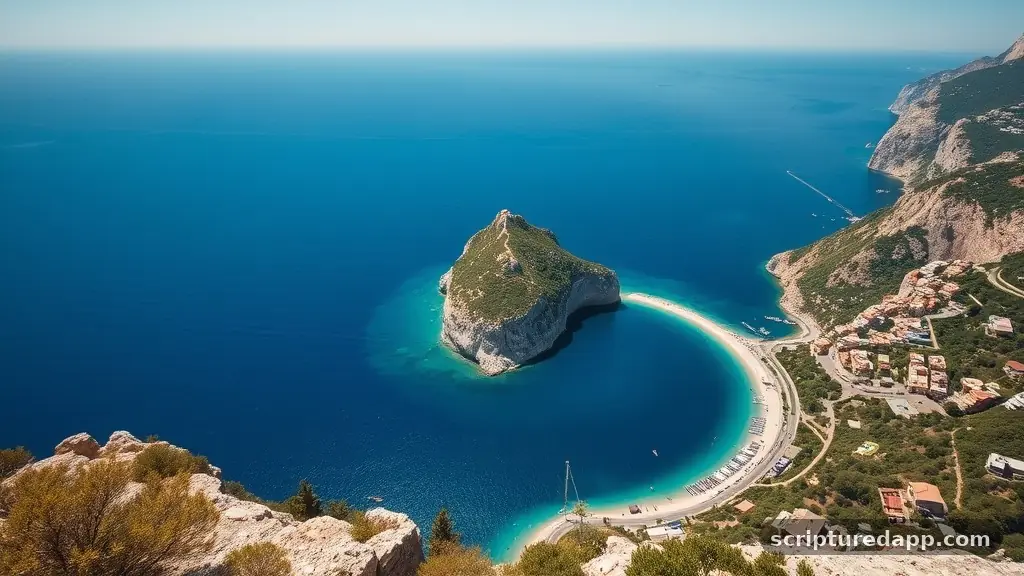
At its core, the noun island known as Capri sits majestically in the Bay of Naples, serving as a focal point for maritime history and geological wonder. The etymology of the name remains a subject of intrigue for linguists and historians alike. Many scholars point to the Latin origins of the name, specifically the word capra, which translates to “goat.”
This suggests that the island was once perhaps a grazing ground or a place where wild goats were abundant. Others argue for a Greek influence, tracing the name back to kapros, meaning wild boar. Regardless of the specific ancient root, the meaning of the island in a historical context is inextricably linked to the rugged, untamed beauty of the Mediterranean landscape.
Geographically, Capri is part of the Campania region, situated just off the Sorrentine Peninsula. It is a limestone rock formation that has been sculpted by the sea over millennia, resulting in the dramatic cliffs and hidden grottoes that define its topography. The island acts as a natural barrier, protecting the inner reaches of the bay while offering a vantage point that has been coveted by emperors, artists, and writers for generations.
The definition of the island is not merely its coordinates, but its role as a sanctuary for those seeking to escape the mainland’s intensity. In modern usage, the word continues to carry the weight of this geographic legacy, serving as a shorthand for idyllic Mediterranean seclusion.
Capri Pants: The Evolution of a Fashion Icon
Perhaps the most common association with the term outside of geography is the clothing style known as capri pants. These trousers, which typically end mid-calf or just above the ankle, revolutionized casual fashion in the mid-20th century.
Designed by Sonja de Lennart in 1948, the pants were inspired by the local style worn by fishermen and residents on the island. The meaning of “capri” in a fashion context shifted rapidly from a place name to a descriptive term for a specific silhouette that prioritized comfort without sacrificing sophistication.
The rise of these pants coincided with the post-war boom in tourism, where travelers would visit Southern Italy and return home with items that reflected the relaxed, breezy aesthetic of the Mediterranean. By the 1950s and 60s, icons like Audrey Hepburn and Grace Kelly had cemented the garment as a symbol of chic, effortless style.
Unlike full-length trousers, these pants allowed for mobility and comfort during warm summer days, making them the perfect bridge between formal wear and beach attire. Today, the term remains a permanent fixture in the global dictionary of fashion, representing a specific length and cut that continues to appear in seasonal collections worldwide.
Capri as a Cultural Symbol in Southern Italy
The cultural meaning of Capri extends deep into the identity of Southern Italy. It is often viewed as the crown jewel of the Gulf of Naples, a place where the confluence of Roman history, artistic inspiration, and high-end tourism creates a unique atmosphere.
For the local population, the island represents more than just a tourist attraction; it is a testament to the resilience and endurance of the Mediterranean spirit. The interplay between the rugged interior and the luxurious coastline creates a duality that defines the region’s broader aesthetic.
Furthermore, the island has served as a muse for countless poets and painters who have sought to capture its beautiful scenery. From the ruins of Emperor Tiberius’s villas to the vibrant colors of the Piazzetta, the island is a living archive of human activity.
When people use the word to describe a specific brand of luxury or a type of vacation, they are tapping into centuries of prestige. The sign of quality associated with the name is so strong that it is frequently used to market products that aim to evoke the same feeling of exclusivity and natural beauty found in the original location.
Linguistic Variations and Global Usage
When looking at how the word is used in different languages, we see a fascinating convergence of meanings. In French, for instance, the word is often used to describe the location with the same reverence as in its home country, yet it also carries connotations of a specific type of holiday—a “Capri-style” getaway.
Across various European languages, the word functions as both a proper noun and a descriptor for a lifestyle. Exploring a reliable dictionary resource provides further context on how these terms evolve when they cross borders.
In the English-speaking world, the term is almost exclusively tied to the island or the clothing style. However, in the context of travel industry jargon, it is often used as a benchmark for what a destination should offer: a mix of history, accessibility, and high-end amenities. The word has become a linguistic anchor for the luxury travel segment.
Whether it appears in a travel brochure or a style guide, the term consistently triggers a set of expectations regarding quality, climate, and aesthetic appeal. This semantic stability is what makes the term so powerful in modern marketing and everyday conversation.
Topical Gaps: Addressing Common Misconceptions
A frequent point of confusion involves the distinction between the island as a physical place and the various commercial entities that have adopted the name. Because the word is not trademarked in a way that prevents its general usage, many businesses—from cafes to clothing lines—use it to borrow some of the prestige associated with the Mediterranean destination.
This leads to a dilution of the original meaning for some consumers. It is crucial to distinguish between the historical, geographic entity and the modern commercial usage.
Another common gap in understanding involves the climate and seasonality of the island. Many believe the meaning of a “Capri experience” is limited to the summer months, but the island offers a distinct character during the off-season. In the aug (August) peak, the island is a bustling hub of activity, whereas in the cooler months, it returns to a more authentic, quiet state.
Understanding this cycle is essential for anyone looking to grasp the true nature of the destination beyond the surface-level marketing images. By looking at the island as a year-round location rather than a seasonal snapshot, one gains a more accurate perspective on its enduring appeal.
The Role of Mythology and History
The history of the island is deeply rooted in Latin literature and Roman imperial history. Tiberius Caesar, one of the most famous emperors, famously retired to the island, effectively making it the seat of the Roman Empire for a period.
This historical weight contributes significantly to the meaning of the word today. When people visit, they aren’t just walking on a rock in the sea; they are walking through a site that once dictated the course of Western civilization.
Mythology also plays a role. The sirens of Homer’s Odyssey are often associated with the nearby Faraglioni rocks, adding a layer of legend to the geography. This blend of historical fact and mythic narrative creates a “mythos” that is hard to replicate elsewhere.
The island is not just a place on a map; it is a concept that has been mythologized through literature, art, and film. This cultural layering is what separates it from other Mediterranean islands that might offer similar scenery but lack the same historical depth.
The Aesthetic of the Bay of Naples
The Bay of Naples serves as the backdrop for the island’s identity. The relationship between the mainland and the island is one of constant exchange—people, goods, and cultural trends move back and forth, creating a shared regional identity. The beautiful scenery of the bay, characterized by the looming presence of Mount Vesuvius and the sparkling blue water, creates a sensory experience that is inseparable from the name.
When we analyze the word in the context of the region, we see how it acts as a gateway. It is a place where the bustle of the mainland meets the serenity of the sea. This balance is reflected in the local architecture, the cuisine, and the way of life.
The culinary traditions of the island, for instance, rely heavily on the fresh produce of the surrounding region, emphasizing simplicity and quality. This culinary meaning—often associated with fresh, Mediterranean-inspired dishes—is another way the term has permeated global culture, often appearing on menus far removed from the actual coast.
The Impact of Global Tourism
Tourism has fundamentally altered the meaning of the island over the last century. From the “Grand Tour” of the 18th century to the modern day, the island has been a magnet for those seeking to understand the “soul” of Italy. This has led to a dual identity: one that is authentic and rooted in local tradition, and another that is curated for the international visitor.
The influx of tourists has necessitated the development of infrastructure that supports high-end hospitality, which in turn has reinforced the association of the name with luxury. For many, the word now represents a premium experience.
However, the challenge for the island is to maintain its core identity while catering to these demands. This tension between preservation and development is a key part of the modern meaning of the location, serving as a case study for other historic sites struggling with the pressures of global popularity.
Data and Statistics of Regional Influence
To understand the scale of the island’s influence, it is helpful to look at how it fits into the broader tourism landscape of the region. The following table highlights the diverse facets of the location that contribute to its global recognition and economic footprint.
| Feature | Significance | Primary Appeal |
|---|---|---|
| Geographic Location | Bay of Naples | Accessibility and views |
| Fashion Contribution | Capri Pants | Style and comfort |
| Historical Status | Roman Imperial Seat | Heritage and antiquity |
| Economic Driver | Luxury Tourism | Exclusivity and service |
This data illustrates that the term is not a singular concept but a composite of various influences. The economic weight of tourism, combined with the historical prestige, ensures that the name remains relevant in global discourse, far beyond its geographic borders.
The Evolution of Modern Travel
Modern travel has changed the way we interact with iconic locations. In the past, the meaning of a place was defined by travelogues and word of mouth.
Now, it is shaped by digital interaction and instant visual feedback. The island is one of the most documented locations on social media, which has created a new, digital version of its identity.
This digital presence acts as a modern log of human experience. Every photo shared online adds to the collective understanding of what the island represents. While this increases its visibility, it also risks flattening the complex history into a series of visual clichés.
To truly understand the meaning, one must look past the digital surface and engage with the layers of history, geography, and culture that have been built up over millennia. It is a place that rewards those who take the time to look deeper, move beyond the popular paths, and appreciate the nuances of the Mediterranean lifestyle.
Frequently Asked Questions
What is the origin of the word Capri?
The name is widely believed to come from the Latin word capra, meaning goat, suggesting the island was historically used for grazing. Other theories point to the Greek kapros, meaning wild boar, highlighting the island’s ancient, rugged nature long before it became a luxury destination.
Are capri pants named after the island?
Yes, the style of cropped trousers known as capri pants takes its name from the island. They were popularized in the late 1940s and 1950s after designers observed the local residents and fishermen wearing shorter-length trousers, which were later adapted into a global fashion trend.
Is Capri a distinct region in Italy?
Capri is not a separate region but is part of the Campania region in Southern Italy. It is situated in the Bay of Naples and is administratively part of the Metropolitan City of Naples, serving as a major focal point for tourism within the broader area.
What does the term mean in a modern travel context?
In modern travel, the word has become synonymous with luxury, leisure, and high-end Mediterranean style. It represents a destination that combines historical significance, such as Roman ruins, with world-class hospitality, making it a benchmark for quality and aesthetic appeal in the international tourism market.
Meta Description: Discover the multifaceted capri meaning, from its ancient Latin origins in the Bay of Naples to its lasting influence on global fashion and luxury travel.