

As an Amazon Associate I earn from qualifying purchases. If you buy through links in this article, we may earn a commission at no extra cost to you.
These are the 10 best spy drones, ranked for discreet filming: telephoto zoom that closes distance without approaching, quiet operation that does not announce itself, and small airframes. The honest use case leads this list, filming wildlife, events and your own property from a respectful distance. Every pick was chosen on published zoom, noise and size data, and this guide stays plain about the limits and the law.
Short on time?
Start with these three picks
One has the longest telephoto reach, one is the quietest option, and one balances zoom, size and stamina best.
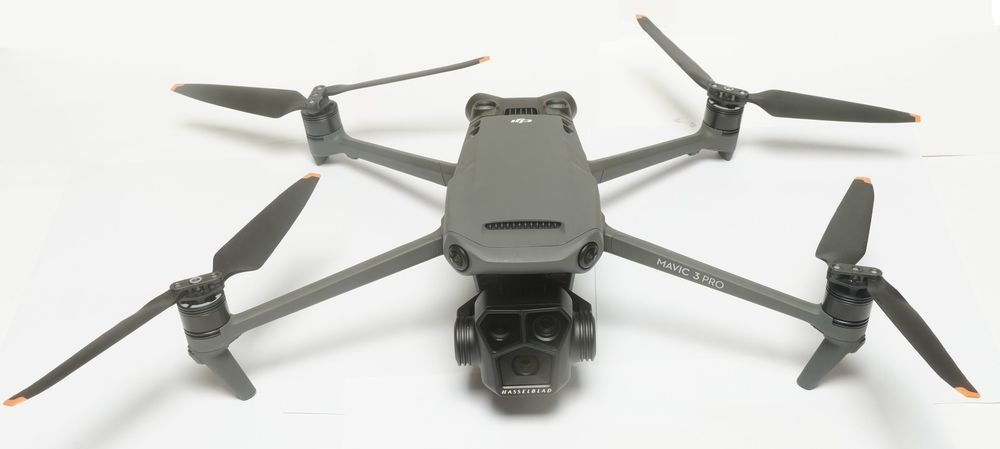
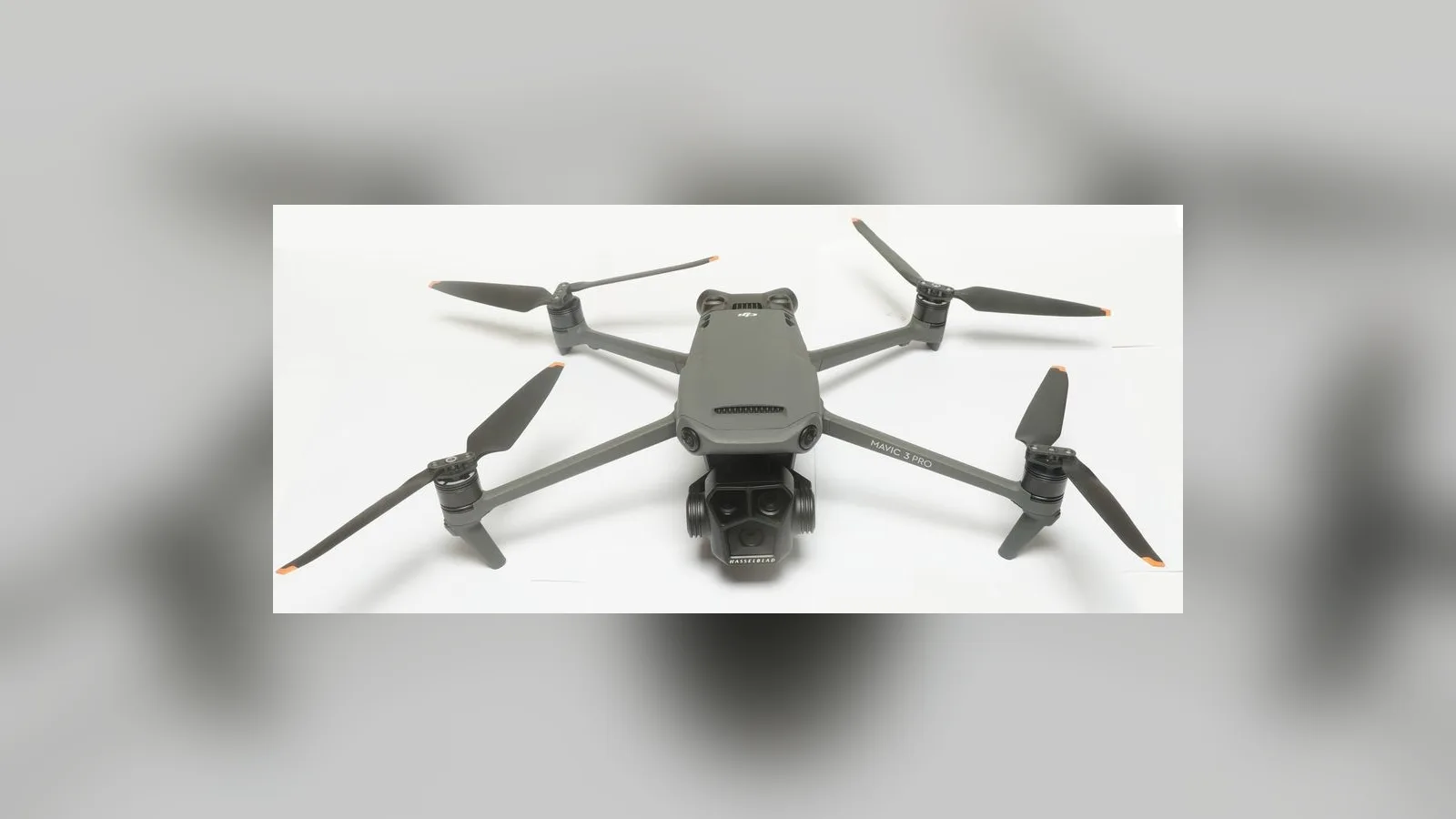
DJI Mavic 3 Pro
The reach champion. Three cameras, a 24mm wide, a 70mm medium tele and a 166mm telephoto, let the Mavic 3 Pro film tight, detailed shots from distances where it is barely a speck, with 43 minutes to wait.
View on Amazon Read the full review ↓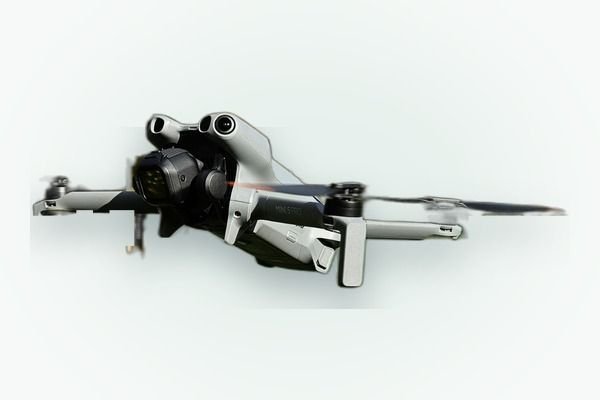
DJI Mini 5 Pro
The small and quiet pick. A 1-inch sensor and a 48mm medium telephoto mode in a 249.9 g folder, with 36 minute flights: the least conspicuous drone here that still shoots like a flagship.
View on Amazon Read the full review ↓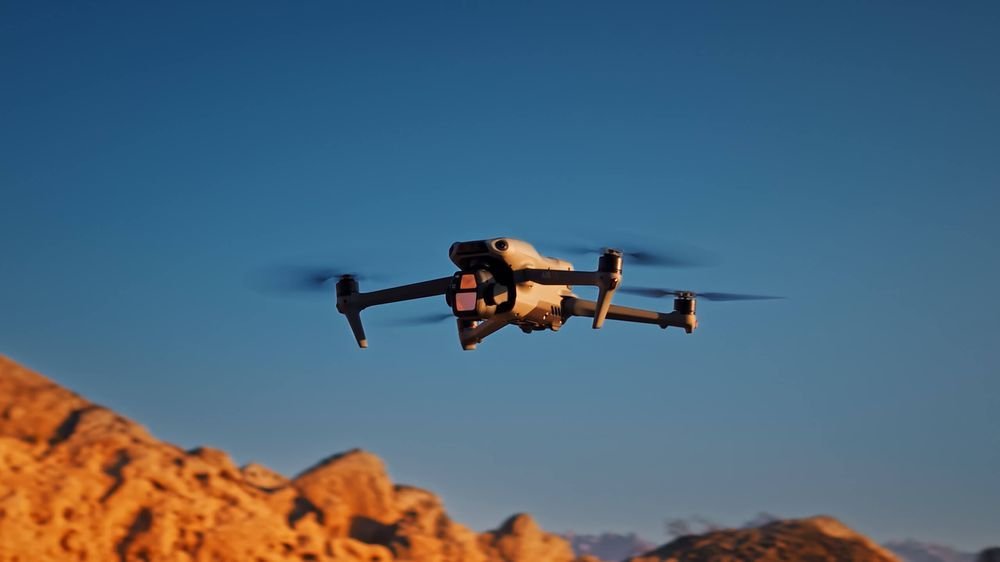
DJI Air 3S
The balanced reach pick. A 1-inch wide camera and a 70mm medium telephoto in a 724 g body with 45 minute flights: flagship habits without flagship bulk.
View on Amazon Read the full review ↓The shortlist
Compare all 10 at a glance
For discreet filming, three numbers matter: how far the camera can reach optically, how much noise the drone makes getting there, and how long it can stay.
| Product / award | Best fit | Key decision point | Check current offer |
|---|---|---|---|
| 01. DJI Mavic 3 ProBest overall | Wildlife and distant scenes, filmed properly | True 166mm telephoto; 958 g is not pocket sized | View on Amazon |
| 02. DJI Mini 5 ProBest small and quiet | Discreet clips near people and places | 48mm telephoto mode; reach is a crop, not a lens | View on Amazon |
| 03. DJI Air 3SBest mid size zoom | Serious filming from moderate distances | 70mm telephoto and 1-inch sensor; 724 g needs registration | View on Amazon |
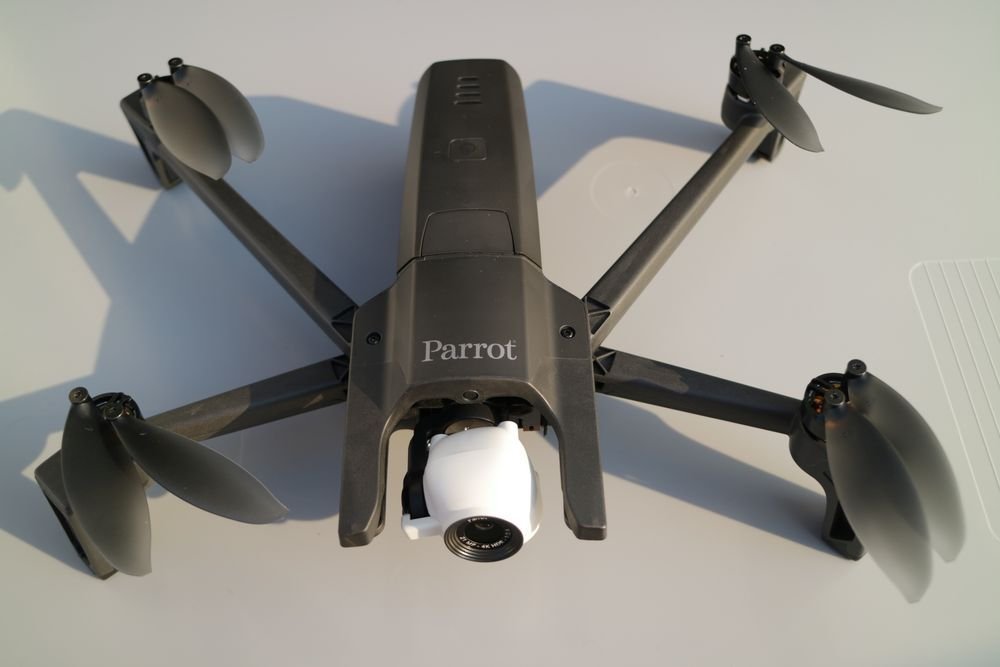 04. Parrot AnafiBest quiet zoom | Quiet filming and unusual angles | Lossless zoom and 180 degree tilt; an older platform | View on Amazon |
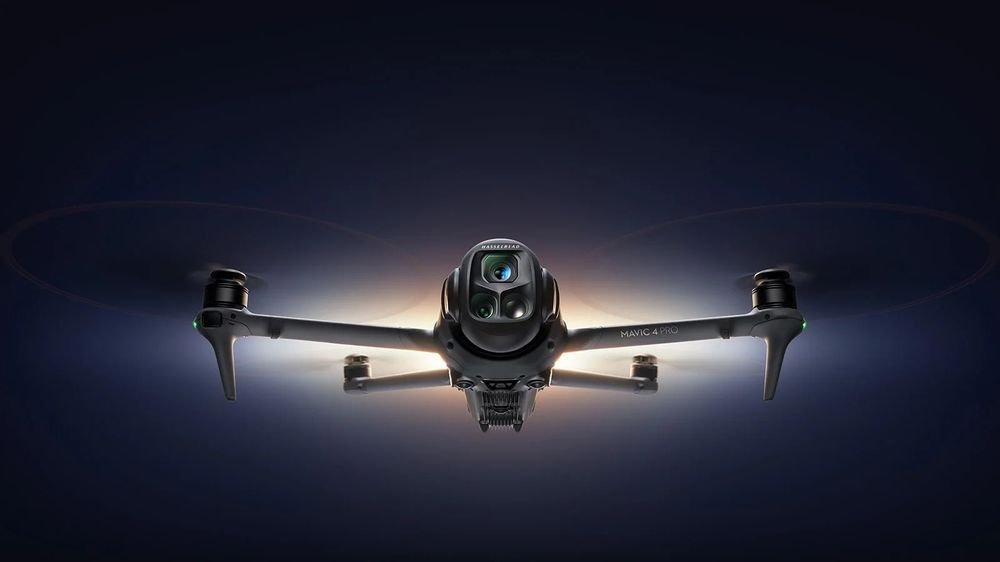 05. DJI Mavic 4 ProBest image quality at distance | Maximum detail from maximum distance | 100MP sensor and 168mm tele; the heaviest pick here | View on Amazon |
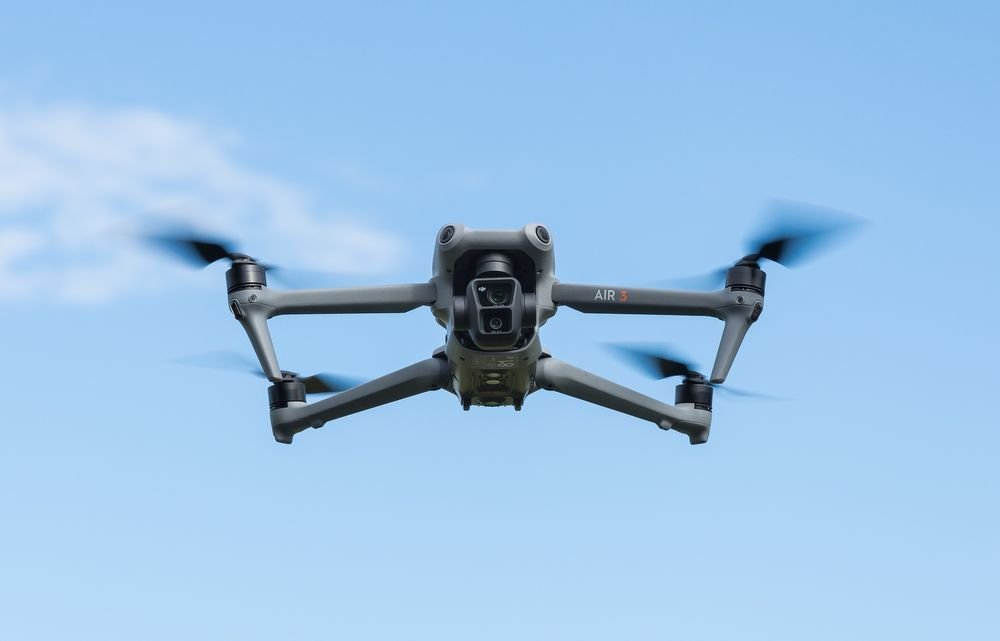 06. DJI Air 3Best dual camera value | Dual camera filming on a saner budget | Two 1/1.3-inch cameras; smaller sensors than the Air 3S | View on Amazon |
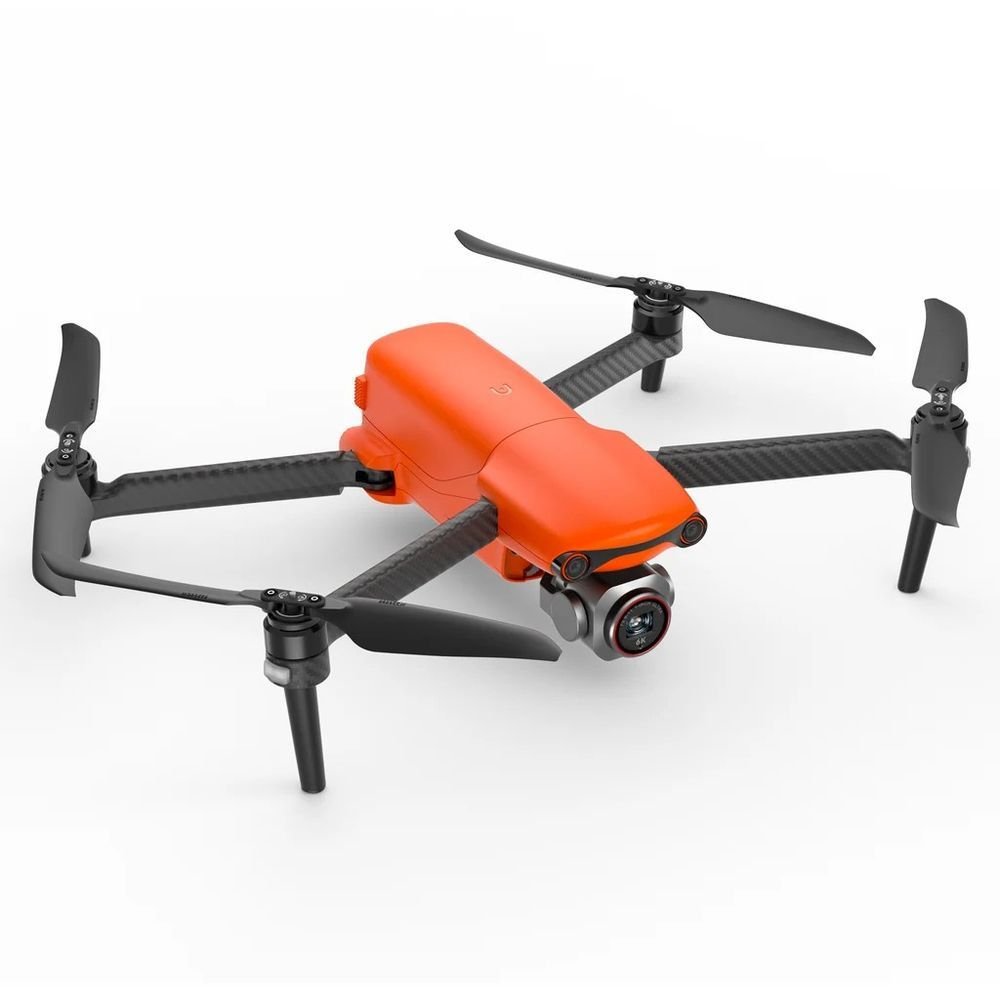 07. Autel EVO Lite+Best long loiter | Long, patient single position shoots | 6K 1-inch camera and 40 minutes; fixed wide lens, no telephoto | View on Amazon |
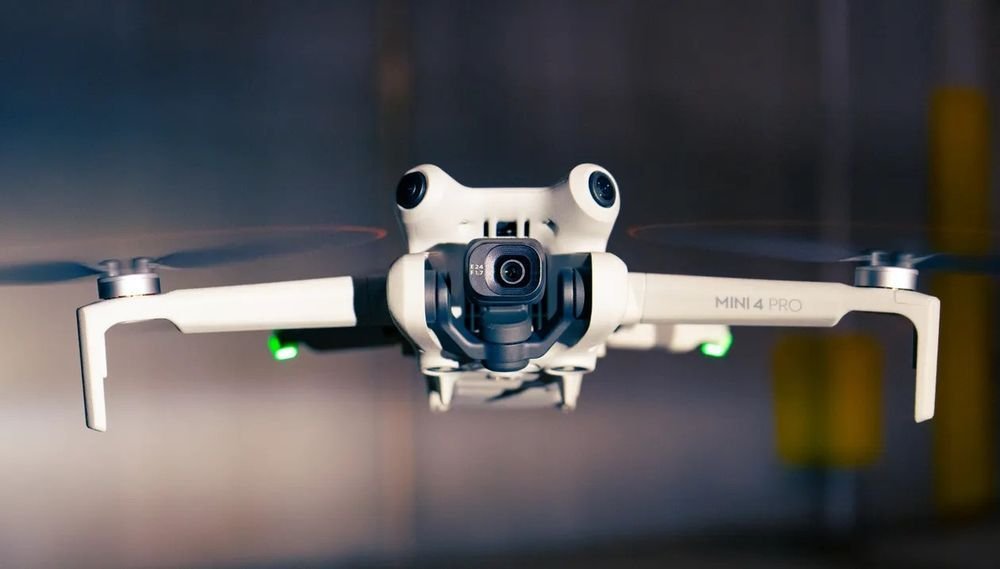 08. DJI Mini 4 ProBest sub-250 g zoom | Light, discreet everyday filming | Digital zoom only; sensing and size are the strengths | View on Amazon |
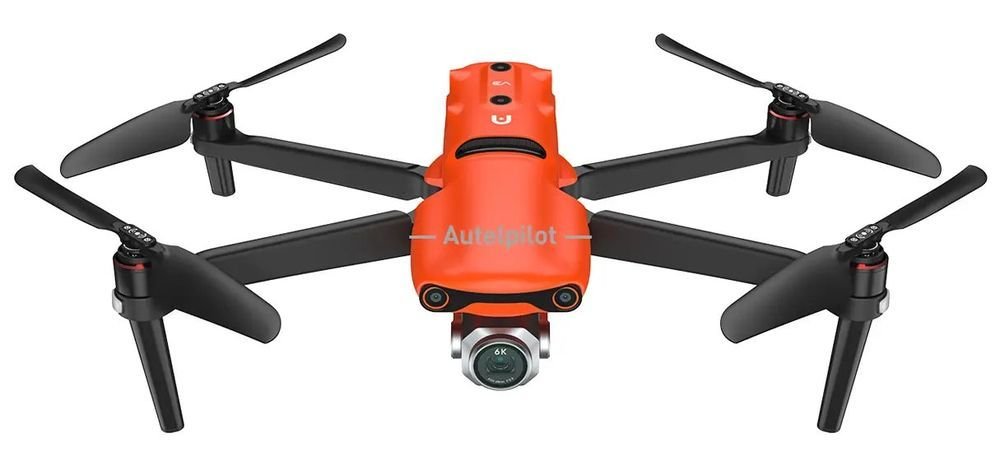 09. Autel EVO II ProBest rugged 6K pick | Harsh locations and long sessions | 6K detail and 40 minutes; 1,191 g and no telephoto | View on Amazon |
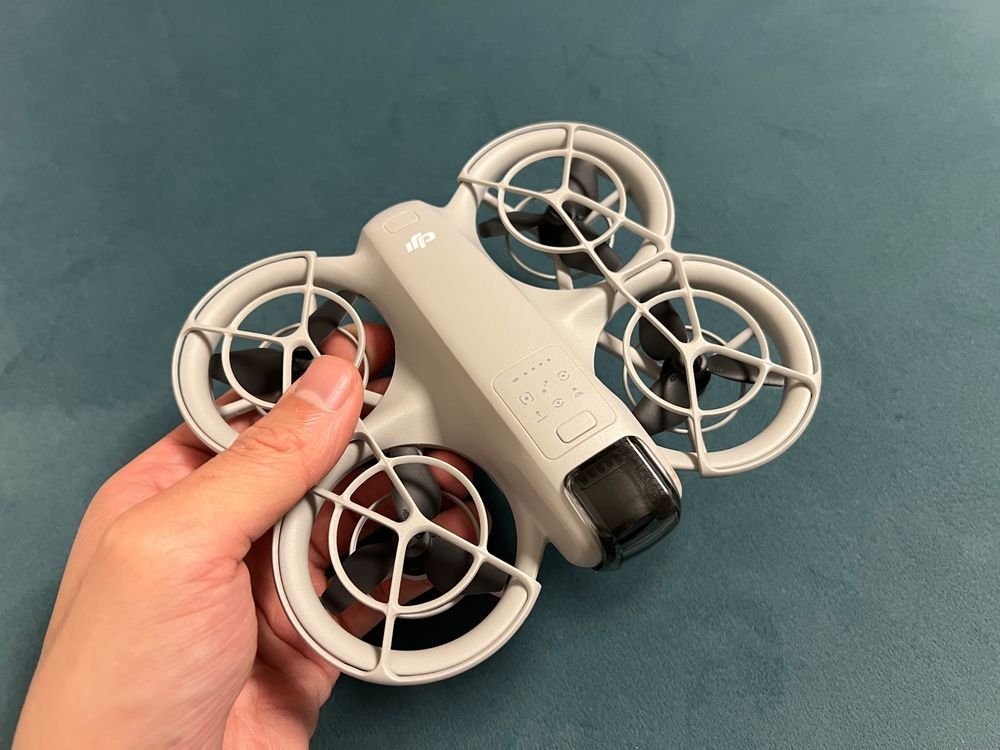 10. DJI NeoSmallest palm option | Close range, low presence clips | 135 g and palm launch; short range and no sensing | View on Amazon |
Look closer
Our 10 picks, explained
These picks come from desk research, not hands-on testing: we compared manufacturer zoom, noise and flight data, then cross-checked owner feedback and reviews.
DJI Mavic 3 Pro
Discreet filming reduces to one problem: detail falls off with distance unless the lens does the traveling. The Mavic 3 Pro solves it with three cameras, a 4/3 Hasselblad wide, a 70mm medium telephoto for working range, and a 166mm telephoto that frames subjects tightly from well outside their awareness. That reach is optical, so fur, feathers and texture survive the distance as digital crops never deliver. The airframe is a 958 g flagship, quiet enough at telephoto range that sound is a non issue, with omnidirectional sensing and 43 minutes per battery for patient waiting. It is not small, but for wildlife work it is the complete tool: launch far away, zoom in, leave the scene as you found it.
- Takeoff weight
- 958 g
- Flight time
- 43 min
- Camera
- 4/3 20MP, plus 70mm and 166mm telephotos
Reasons to choose it
- True 166mm optical telephoto reach
- Three cameras cover every working distance
- 43 minutes for patient, distant setups
Trade-offs to know
- 958 g flagship airframe
- Telephoto camera has a smaller sensor
Choose this if: you film wildlife or distant scenes seriously and want tight, honest detail without ever approaching your subject.
Consider another option if: you need to be small and unobtrusive above all, the Mini 5 Pro trades reach for a tiny footprint.
DJI Mini 5 Pro
Sometimes discretion is about not being seen at all, and a 249.9 g drone that folds into a coat pocket wins that contest before it launches. The Mini 5 Pro pairs that footprint with the best small camera DJI makes: a 1-inch, 50MP sensor that holds detail at dawn and dusk, plus a 48mm medium telephoto mode that doubles your working distance without moving the drone. Omnidirectional sensing and LiDAR watch the surroundings, and 36 minutes per battery gives real loiter time. Be clear about the trade: the 48mm mode is a high quality crop from that big sensor, not a separate lens, so reach tops out sooner than the flagships. For filming near, but never on top of, your subject, it is the art of being unremarkable.
- Takeoff weight
- 249.9 g with standard battery
- Flight time
- 36 min
- Camera
- 1-inch CMOS, 50MP, 48mm medium tele mode
Reasons to choose it
- Smallest flagship grade camera here
- 48mm mode doubles working distance
- Quiet, low presence airframe
Trade-offs to know
- Telephoto reach is a crop, not a lens
- Plus battery crosses 250 g
Choose this if: you film around people, camps and trailheads where a big drone would change the scene just by arriving.
Consider another option if: you need genuine optical reach at distance, the Mavic 3 Pro is the tool built for it.
DJI Air 3S
The Air 3S covers the working distances most discreet filming uses. Its main camera is a 1-inch, 50MP sensor for the wide view, and its second camera is a true 70mm medium telephoto, the focal length that lets you film a subject from across a field or a lake while the drone stays a distant dot. At 724 g it sits steady in a breeze yet launches from a pullout or rooftop without ceremony, and 45 minutes per battery is proper loiter time. Forward LiDAR and omnidirectional sensing help it hold position in cluttered scene edges. It asks for registration at this weight in many countries, and its telephoto trails the Mavic flagships in reach. As the middle path between tiny and flagship, it is the one most filmmakers would carry.
- Takeoff weight
- 724 g
- Flight time
- 45 min
- Camera
- 1-inch 50MP wide, 70mm medium telephoto
Reasons to choose it
- True 70mm telephoto beside a 1-inch wide
- 45 minute flights for long waits
- Strong low light from the big sensor
Trade-offs to know
- 724 g crosses registration lines
- Less reach than the Mavic telephotos
Choose this if: you film from moderate distances all the time and want real telephoto glass without flagship size or cost class.
Consider another option if: you want the longest reach available, step up to the Mavic 3 Pro and its 166mm camera.
Parrot Anafi
The Anafi built its reputation on being unobtrusive: a slim 320 g carbon airframe, a quiet flight character reviewers have singled out for years, and a camera built for filming without looming. Its 21MP camera records 4K HDR with a lossless zoom, 1.4x in 4K and 2.8x in Full HD, so modest reach comes without the mush of a crop. The signature trick is the gimbal, tilting 180 degrees to film upward, under bridges, cliffs and structures, angles no other pick here can take. Flight time is 25 minutes and the platform is older, with a smaller ecosystem than DJI’s and no obstacle sensing. As a quiet, angle hungry specialist for filming wildlife and structures without presence, it remains one of a kind.
- Takeoff weight
- 320 g
- Flight time
- 25 min
- Camera
- 21MP, 4K HDR, lossless zoom, 180° tilt
Reasons to choose it
- Discreet, quiet flight character
- Lossless zoom in 4K and FHD
- 180 degree tilt films upward angles
Trade-offs to know
- Older platform, 25 minute flights
- No obstacle sensing
Choose this if: quiet matters as much as the picture, and you film wildlife, structures or scenes where a loud drone changes behavior.
Consider another option if: you want longer flights and modern sensing, the Air 3S is the current generation answer.
DJI Mavic 4 Pro
The Mavic 4 Pro raises the resolution of the telephoto playbook. Its main camera is a 4/3 Hasselblad with a 100MP sensor recording 6K/60 HDR, and beside it sit 70mm and 168mm telephoto cameras, covering everything from wide scene setting to tight, distant framing without the drone moving closer. That pixel count matters at range: distant subjects keep texture, and the wide camera leaves genuine cropping headroom in post. Flight time stretches to a rated 51 minutes at 1,063 g, the longest loiter here. The compromises are size and money: this is the heaviest pick, most conspicuous at close range, which is precisely why its cameras work from so far away. For image quality per meter of distance, it stands alone.
- Takeoff weight
- 1,063 g
- Flight time
- 51 min
- Camera
- 4/3 100MP, plus 70mm and 168mm telephotos
Reasons to choose it
- Highest resolution cameras on this list
- 168mm telephoto for true distance work
- 51 minute flights, the longest loiter here
Trade-offs to know
- Heaviest pick, noticeable up close
- Flagship money in every sense
Choose this if: your subjects are far away and unforgiving of soft detail, and you want the finest image a folding drone can bring back.
Consider another option if: you want nearly the same reach in a lighter, proven package, the Mavic 3 Pro is the established pick.
DJI Air 3
The Air 3’s idea is symmetry: two cameras with the same 1/1.3-inch, 48MP sensor, one wide and one a 70mm medium telephoto, so cutting between the establishing shot and the distant framing does not change the look of the footage. For discreet filming that 70mm is the working lens, holding subjects at respectful range with real optical quality, and 46 minutes per battery is generous loiter time. Omnidirectional sensing and a strong link round out a mature package, and owner feedback runs deep. Against its successor it gives up the 1-inch main sensor and some low light grace, and against the Mavics it gives up the long telephoto. As the dual camera concept at a friendlier level, it makes the discreet method affordable to learn properly.
- Takeoff weight
- 720 g
- Flight time
- 46 min
- Camera
- Dual 1/1.3-inch 48MP, 70mm medium tele
Reasons to choose it
- Matched wide and 70mm cameras
- 46 minute flights, omnidirectional sensing
- Deep owner feedback, mature platform
Trade-offs to know
- Smaller sensors than the Air 3S
- No long telephoto camera
Choose this if: you want the two camera discreet method, wide plus 70mm, with long flights, at a friendlier level than the flagships.
Consider another option if: you want the bigger main sensor for low light, step up to the Air 3S.
Autel EVO Lite+
Not every discreet shot needs a zoom; some need a drone that can be somewhere, quietly, for a long time. The EVO Lite+ brings a 1-inch, 20MP sensor recording 6K/30, strong low light behavior for dawn and dusk wildlife hours, and a rated 40 minutes per battery at 835 g, serious staying power for a single position shoot. Its adjustable aperture helps as light changes during a long wait. The honest limitation is the lens: a single fixed wide camera, so distance is managed by where you place the drone rather than by optics, and its digital zoom is a crop like any other. Autel’s ecosystem is smaller than DJI’s, though owner feedback on the camera is strong. For the sit and wait school of filming, it is a heavyweight in the right sense.
- Takeoff weight
- 835 g
- Flight time
- 40 min
- Camera
- 1-inch CMOS, 20MP, 6K/30
Reasons to choose it
- 1-inch 6K camera with strong low light
- 40 minute flights for long waits
- Adjustable aperture for changing light
Trade-offs to know
- Fixed wide lens, no telephoto
- Smaller ecosystem than DJI
Choose this if: you film patient, single position work at the edges of the day and value staying power over zoom range.
Consider another option if: you need optical reach more than loiter, the Air 3 brings a true 70mm camera.
DJI Mini 4 Pro
The Mini 4 Pro approaches discretion from the size side: under 249 g, least likely here to draw a crowd or a complaint, folding into a jacket class carry, its small props keeping its voice down at working distance. The camera is a 1/1.3-inch, 48MP unit recording 4K/60 HDR, with digital zoom for tightening a frame from a hover, useful for casual subjects in good light as long as you treat long zoom as framing help, not reach. What sets it apart is awareness: omnidirectional sensing and ActiveTrack 360 let it work around trees, structures and moving subjects while you concentrate on the shot, and 34 minutes per battery is ample loiter for its size. For everyday filming that should never become an event, it is the safe pair of hands.
- Takeoff weight
- Under 249 g
- Flight time
- 34 min
- Camera
- 1/1.3-inch CMOS, 48MP, 4K/60 HDR
Reasons to choose it
- Least conspicuous full featured drone here
- Omnidirectional sensing at under 249 g
- 4K/60 HDR and ActiveTrack 360
Trade-offs to know
- Zoom is digital, detail softens fast
- Smaller sensor than the Mini 5 Pro
Choose this if: you film everyday scenes at modest range and want the smallest, calmest full featured drone for the job.
Consider another option if: you want the bigger sensor and 48mm mode in the same class, the Mini 5 Pro is the step up.
Autel EVO II Pro
Some discreet filming happens in unkind places: dust, cold, gusty ridges and long walks between launch spots. The EVO II Pro is built for that work, a solid 1,191 g airframe carrying a 1-inch, 20MP sensor recording 6K/30 with an adjustable aperture, and a rated 40 minutes per battery for extended observation from a distant position. Like the Lite+ it relies on one wide camera, so its strategy is placement and patience rather than optics. The payoff is durability and a camera that resolves fine detail across a scene, letting you crop in post with something left over. Owner feedback prizes the image and the build; the ecosystem is smaller than DJI’s and the carry is real. For remote, rough country documentation, it earns its pack space.
- Takeoff weight
- 1,191 g (V3)
- Flight time
- 40 min
- Camera
- 1-inch CMOS, 20MP, 6K/30
Reasons to choose it
- Tough build for harsh locations
- 1-inch 6K camera, adjustable aperture
- 40 minute flights for long observation
Trade-offs to know
- Heaviest pick on this list
- Fixed wide lens, no telephoto
Choose this if: you document remote, rough places and need a durable drone whose detail survives cropping in post.
Consider another option if: you want the same patience in a lighter body, the EVO Lite+ is its stablemate.
DJI Neo
At the near end of discreet filming, the winning move is being beneath notice entirely. The Neo weighs 135 g, launches from an open palm with no controller, follows its subject automatically and lands back in the hand, inside full propeller guards that make it feel more like a toy than an aircraft. Its camera records stabilized 4K/30, enough for close range clips of people, pets and camp life, and spare batteries are pocket sized. The limits define its role: about 18 minutes per battery, short range, no sensing and no zoom worth the name, so it films what is near, in calm air, briefly. Used that way, as a friendly little eye that appears and vanishes in seconds, it is the most discreet tool here.
- Takeoff weight
- 135 g
- Flight time
- About 18 min per battery
- Camera
- 1/2-inch CMOS, 12MP, 4K/30
Reasons to choose it
- Smallest, least noticeable drone here
- Palm launch, no controller needed
- Full propeller guards for close work
Trade-offs to know
- Short range and 18 minute flights
- No zoom and no obstacle sensing
Choose this if: your filming is close range and casual, and the best camera is the one nobody in the scene ever thinks about.
Consider another option if: you need range and detail from distance, the Mavic 3 Pro plays the opposite, longer game.
Buy with confidence
How to choose the right drone for discreet filming
Four checks that separate genuine reach and quiet from marketing spy talk.
01. Optical reach is the honest kind
Headline zoom numbers lie by mixing crops with optics. A digital zoom enlarges the middle of the picture and softens it, while a true telephoto camera, the 70mm and 166mm lenses on the flagships here, gathers real detail from real distance. Judge picks on focal length equivalents and sensor size, and treat any zoom claim without a lens behind it as a dressed up crop.
02. Quiet is a design feature, not luck
Noise comes from propeller size, speed and airframe design, which is why the small drones and the Anafi sit at the quiet end of this list. Distance multiplies the effect: sound falls away fast as a drone backs off, so a modest drone filming from far away is effectively quieter than a flagship hovering close. Where makers publish noise data we weighed it; otherwise we weighed size and prop design.
03. Distance is the legal and ethical tool
Zoom exists so you do not have to approach. Filming from farther away keeps you clear of wildlife disturbance rules, which in many parks and reserves set minimum distances from animals, and keeps you respectful around people and property. The discreet shot and the lawful shot are usually the same shot: taken from range, with a telephoto, without entering the scene.
04. Plan the loiter, not just the shot
Discreet filming is mostly waiting: for the animal to move, the light to change, the moment to arrive. That makes flight time and spares working features, not spec sheet filler, and launch position matters: a drone that takes off from behind cover never crosses its subject’s attention.
Behind the recommendations
How we selected these products
This guide is built on desk research, not hands-on testing. We compared manufacturer specifications for every current drone with a serious claim to discreet filming, then cross-checked the shortlist against owner feedback and published reviews. Where a figure is a lab rating, such as flight time, we treat it as a ceiling, not a promise.
- Reach and discretion: optical focal lengths, zoom type, published noise related design data, airframe size and weight, all from manufacturer specifications.
- Staying power: flight time, transmission range and obstacle sensing, since discreet filming means launching once and waiting.
- Limitations: we did not fly these drones for this guide, and privacy and aviation rules vary widely by place, so confirm your local rules before flying or filming.
Common questions
Before you buy
Is it legal to film with a drone like this?
It depends on where you fly and what you film. Aviation rules govern the flight, and privacy and surveillance laws govern the recording: filming people in places where they expect privacy can be illegal even when the flight is lawful, and wildlife filming carries disturbance rules in many parks and reserves. This guide’s picks are aimed at lawful uses: wildlife from a distance, scenery, events filmed openly and your own property.
How far away can these drones film from?
Farther than intuition suggests. The flagship telephoto cameras here, at 166mm and 168mm equivalents, frame tight, detailed shots from distances where the drone itself is a speck in the sky, in good light. The 70mm medium telephotos do the same job at moderate range. Digital zoom extends framing but softens detail, so the honest reach of every pick is its optical reach, which is what this guide ranks.
Which drone here is the quietest?
The small end of the list. The palm sized Neo and the Parrot Anafi, long marketed on discreet, quiet flight, draw the least attention in the air, helped by small propellers and light airframes. Treat quiet as relative: no camera drone is silent, but at telephoto distances the leaders here fade to background level for most scenes, which is the practical definition of discreet.
Can a small drone replace a big telephoto one?
For casual clips in good light, the Mini class digital zoom is serviceable and the little drones win on size and quiet. For genuine detail at genuine distance, physics wins: a larger sensor behind a true telephoto lens resolves detail a crop only suggests. Match the tool to your subjects: nearby and casual favors small, distant and detailed favors the flagships.
Choose the best fit for your next shoot
Start with the DJI Mavic 3 Pro for the longest honest reach in a proven flagship. Choose the Mini 5 Pro when small and quiet matter more than zoom, and the Air 3S for the balanced middle. Film from a respectful distance, and check local rules first.
Sources and verification
Product specifications and claims in this guide were checked against the following sources, listed by name as a record of what was consulted.
- DJI Mavic 3 Pro, Mavic 4 Pro, Air 3S, Air 3, Mini 5 Pro, Mini 4 Pro and Neo official specifications (dji.com)
- Parrot Anafi official specifications (parrot.com)
- Autel EVO Lite+ and EVO II Pro official specifications (autelrobotics.com)
- Published reviews and owner feedback for the shortlisted models, cross-checked against manufacturer data
- National aviation authority and wildlife agency guidance on drone distance and disturbance rules