

As an Amazon Associate I earn from qualifying purchases. If you buy through links in this article, we may earn a commission at no extra cost to you.
These are the 10 best small drones for beginners in 2026, ranked by one beginner question: how forgiving is it while you learn? Every pick is small enough to carry anywhere, holds its position with GPS or smart assistance, and brings itself home when things go wrong. We weighed stability, safety features, flight time and camera quality, because a first drone should build skill, not repair bills.
Short on time?
Start with these three picks
The benchmark first drone, the budget route in, and the friendliest flying experience of all.
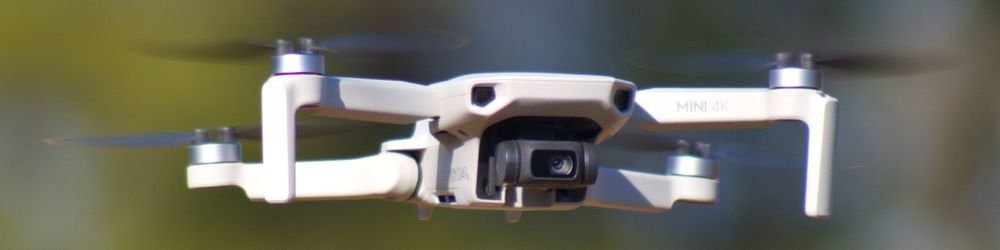
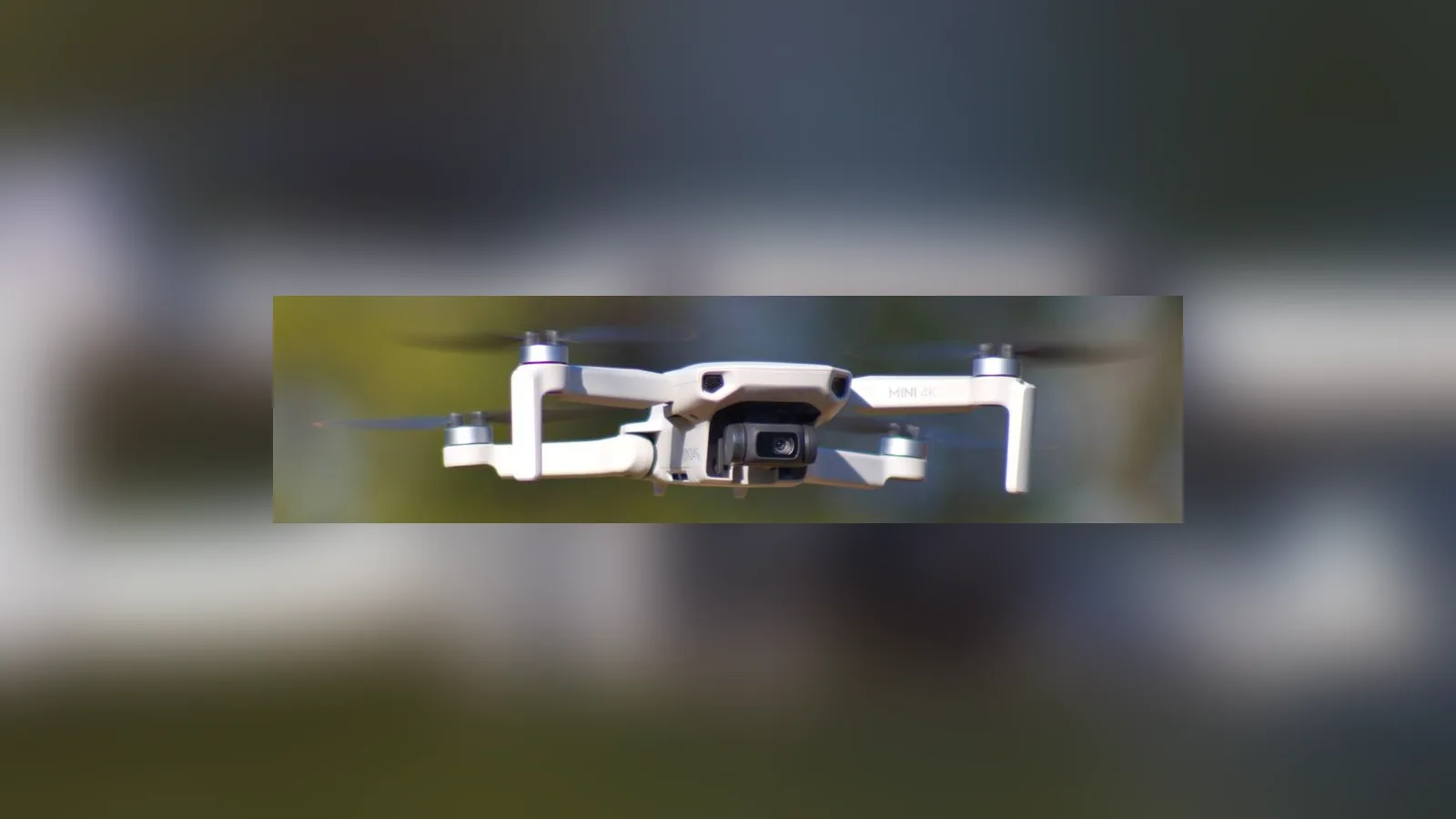
DJI Mini 4K
The beginner benchmark: GPS stability, a proper 3-axis gimbal, 4K video and a 31 minute battery in a 246 g drone that holds its position while you think. No obstacle sensing, but everything a first pilot actually needs, done properly.
View on Amazon Read the full review ↓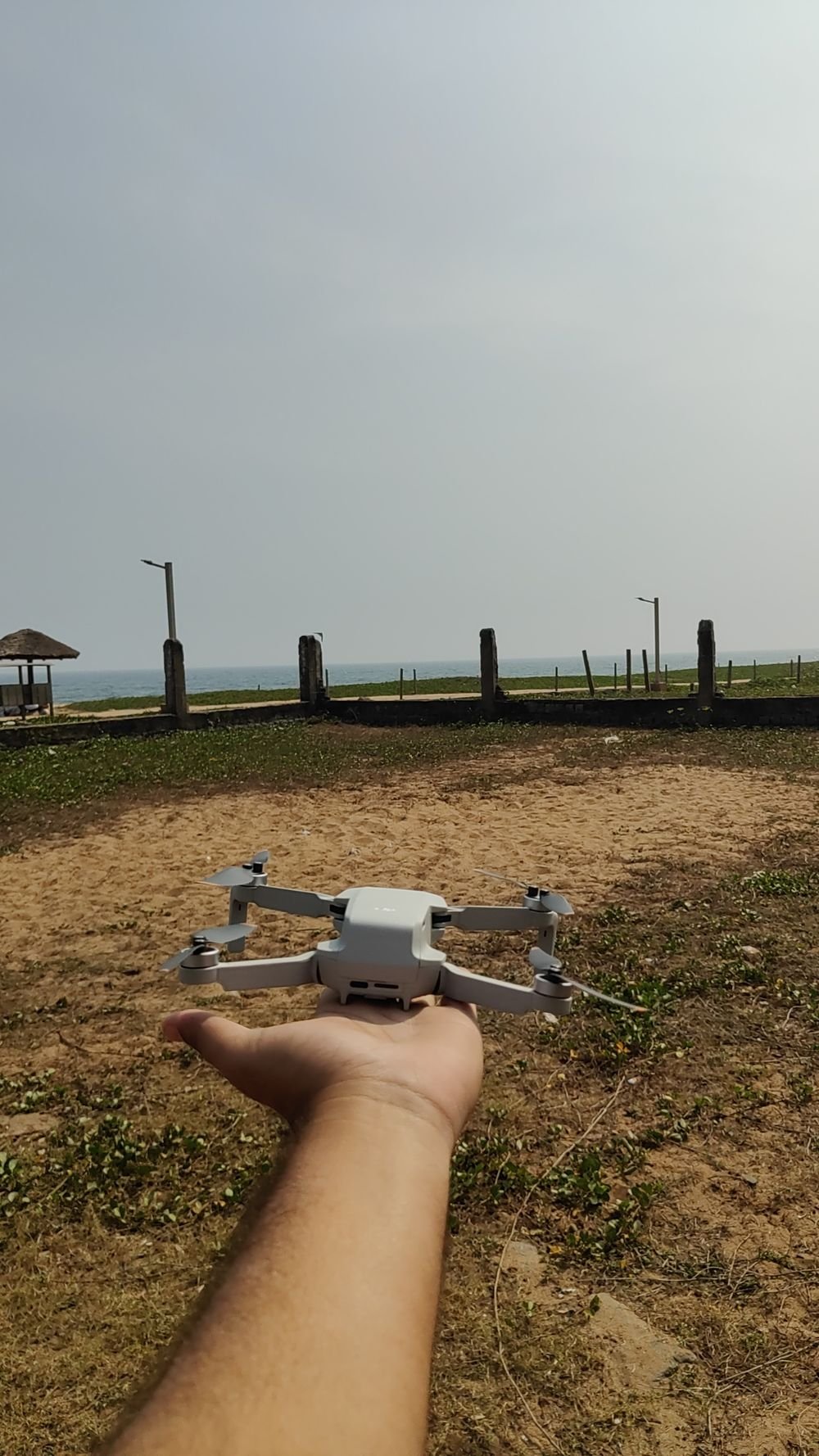
DJI Mini 2 SE
DJI’s lowest-cost route into GPS flying: 246 g, a 31 minute battery and a 2.7K camera on a gimbal. It gives up 4K and little else that a first season of flying would miss.
View on Amazon Read the full review ↓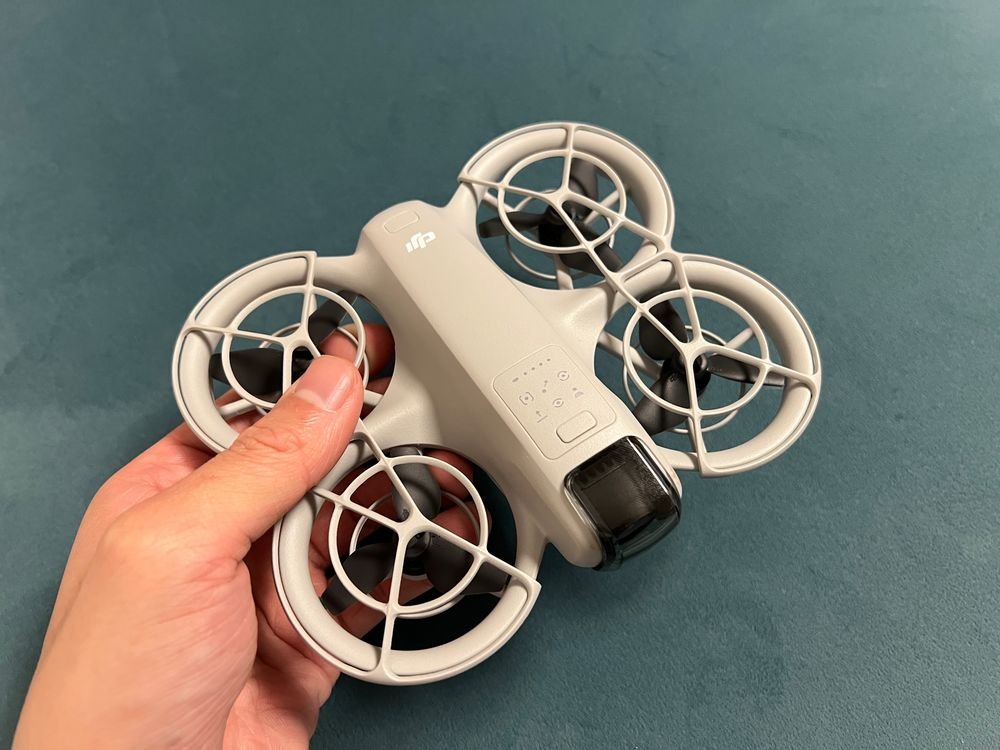
DJI Neo
A 135 g palm drone that launches from your hand, follows you on its own and lands back on your palm. No controller needed to start, full propeller guards for the crashes learning involves, and a real 4K camera.
View on Amazon Read the full review ↓The shortlist
Compare all 10 at a glance
Ranked for learners: position holding, safety systems and flight time first, camera quality as the tiebreaker.
| Product / award | Best fit | Key decision point | Check current offer |
|---|---|---|---|
| 01. DJI Mini 4KBest overall | First-time pilots who want a real camera drone | 246 g; 31 min rated, no obstacle sensing to rely on | View on Amazon |
| 02. DJI Mini 2 SEBest budget pick | Budget-first beginners who still want GPS safety | 246 g; 31 min rated, 2.7K camera is the compromise | View on Amazon |
| 03. DJI NeoBest for hands-free learning | Complete beginners who want flying without the learning curve | 135 g; 18 min rated, the easiest start in drones | View on Amazon |
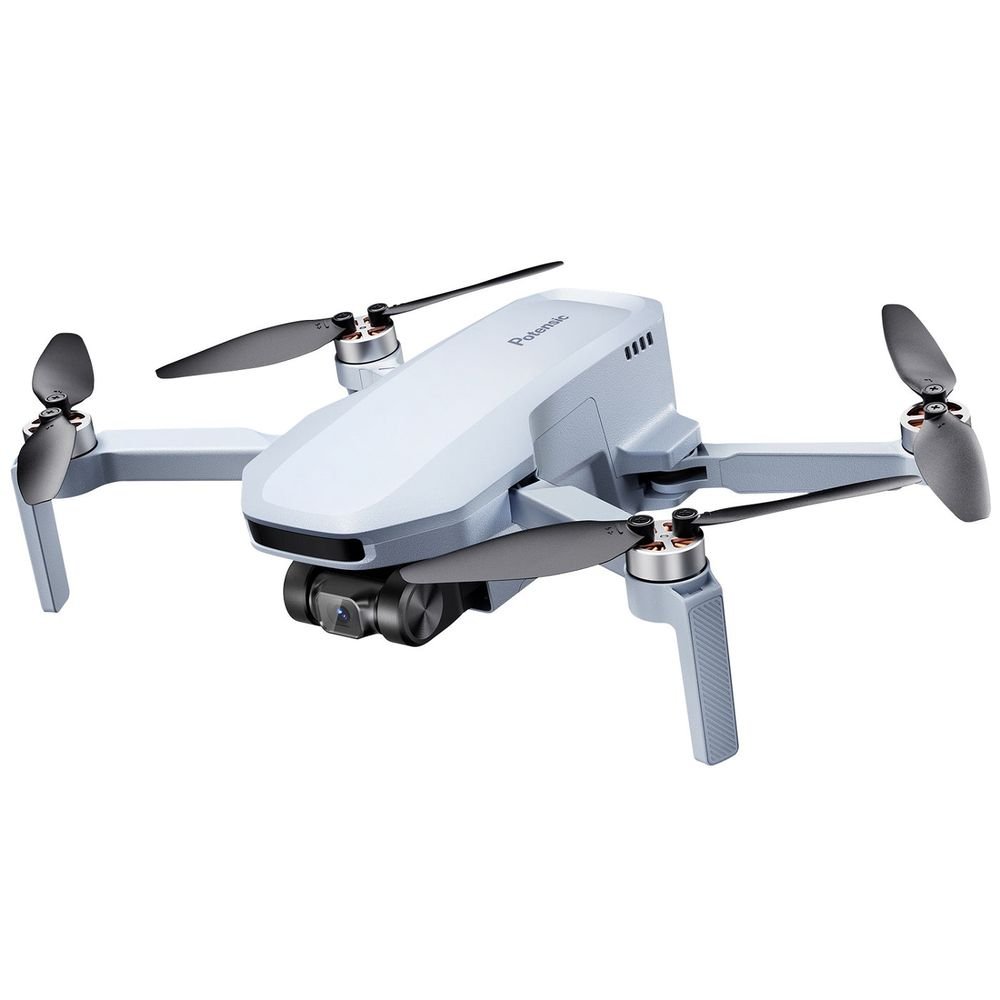 04. Potensic Atom SEBest budget GPS | Beginners who want GPS features at minimum cost | Under 249 g; 31 min rated, 4 km link is the short leg | View on Amazon |
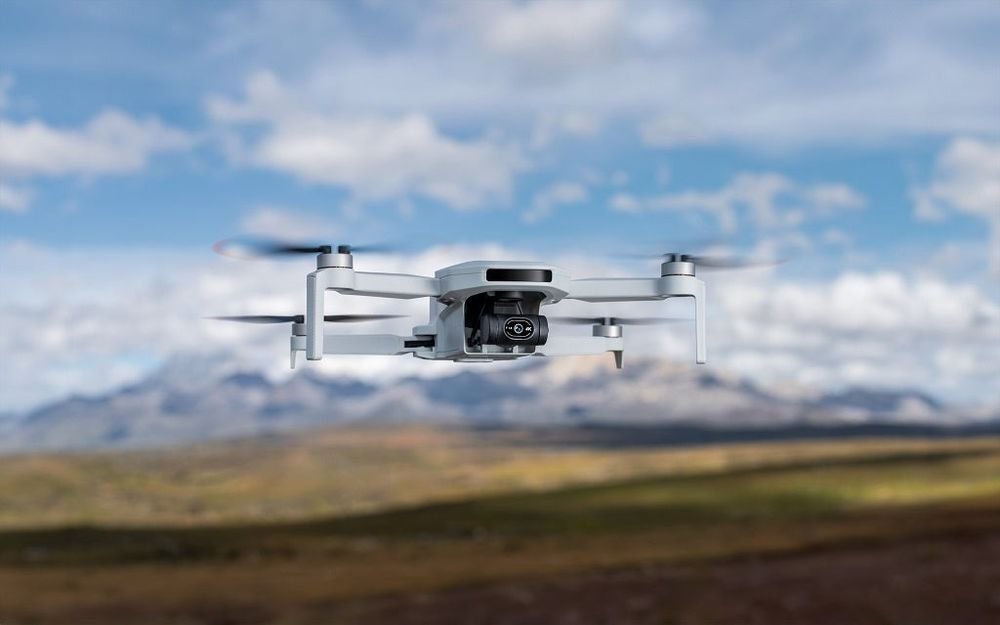 05. Potensic Atom 2Best DJI alternative | Beginners who want more camera and tracking for their money | Under 249 g; 32 min rated, tracking modes included | View on Amazon |
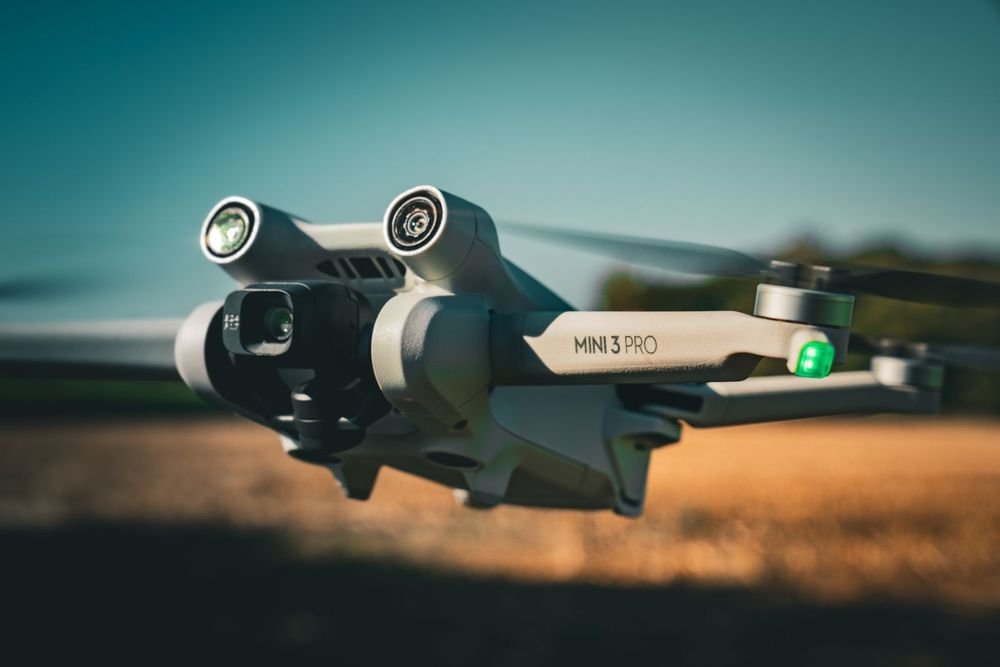 06. DJI Mini 3Best step-up pick | Beginners buying once for the long term | 249 g; 38 min rated, the longest standard battery here | View on Amazon |
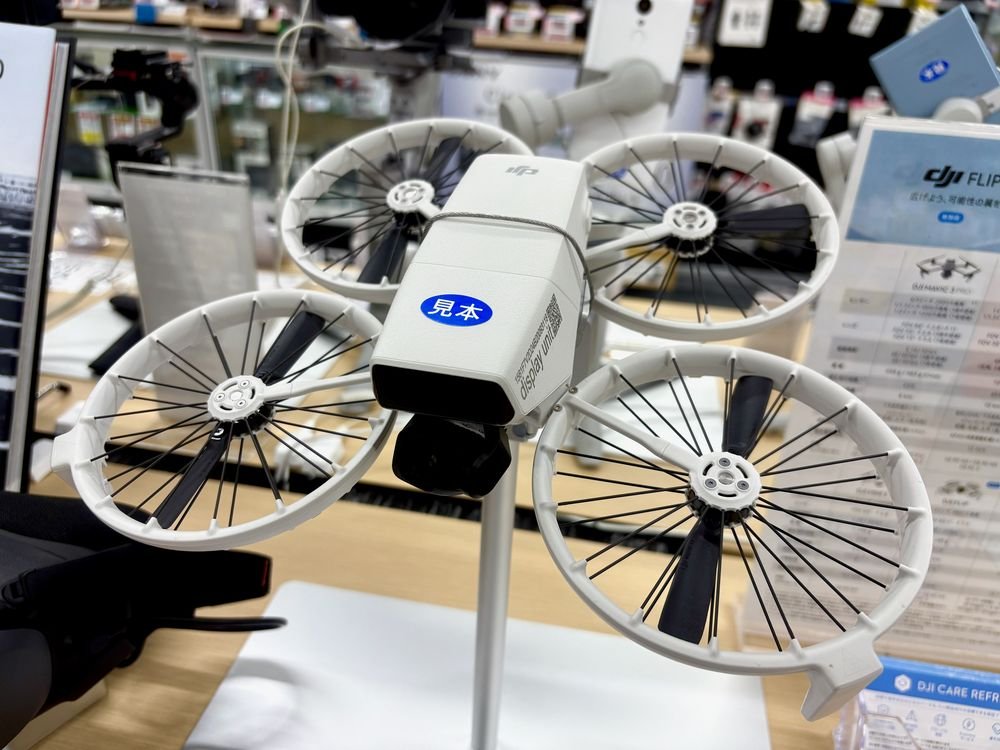 07. DJI FlipBest for vlogging beginners | New creators whose subject is themselves | Under 249 g; 31 min rated, built for self-filming | View on Amazon |
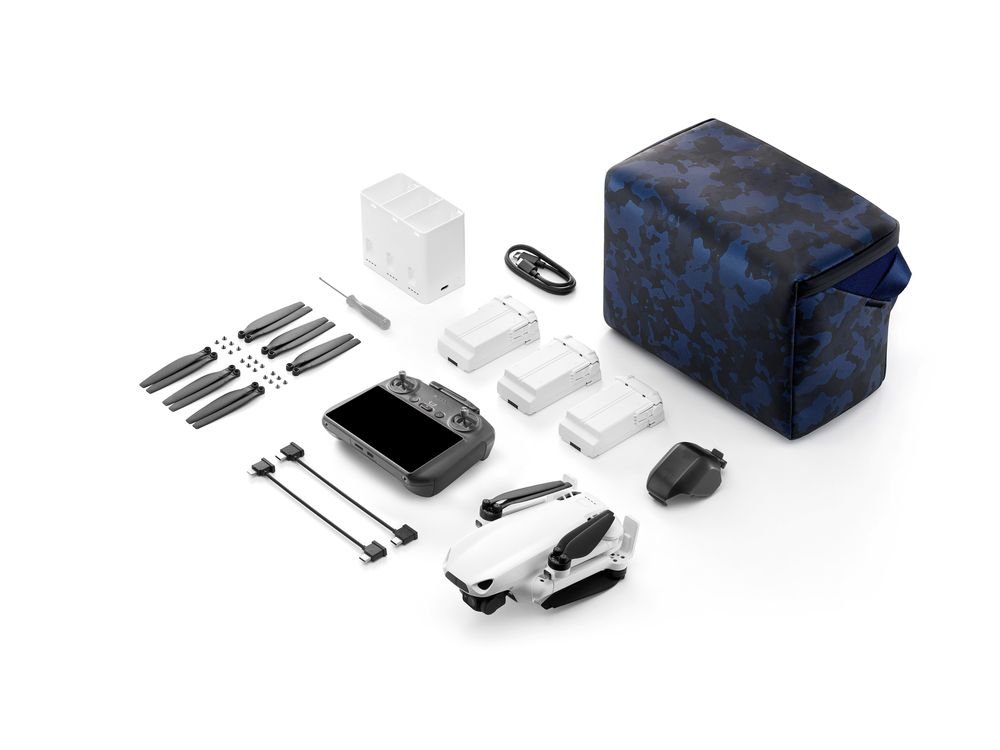 08. Skyrover S1Best flight time for practice | Beginners who learn by flying a lot | 245 g; 40 min rated max, 33 min hover | View on Amazon |
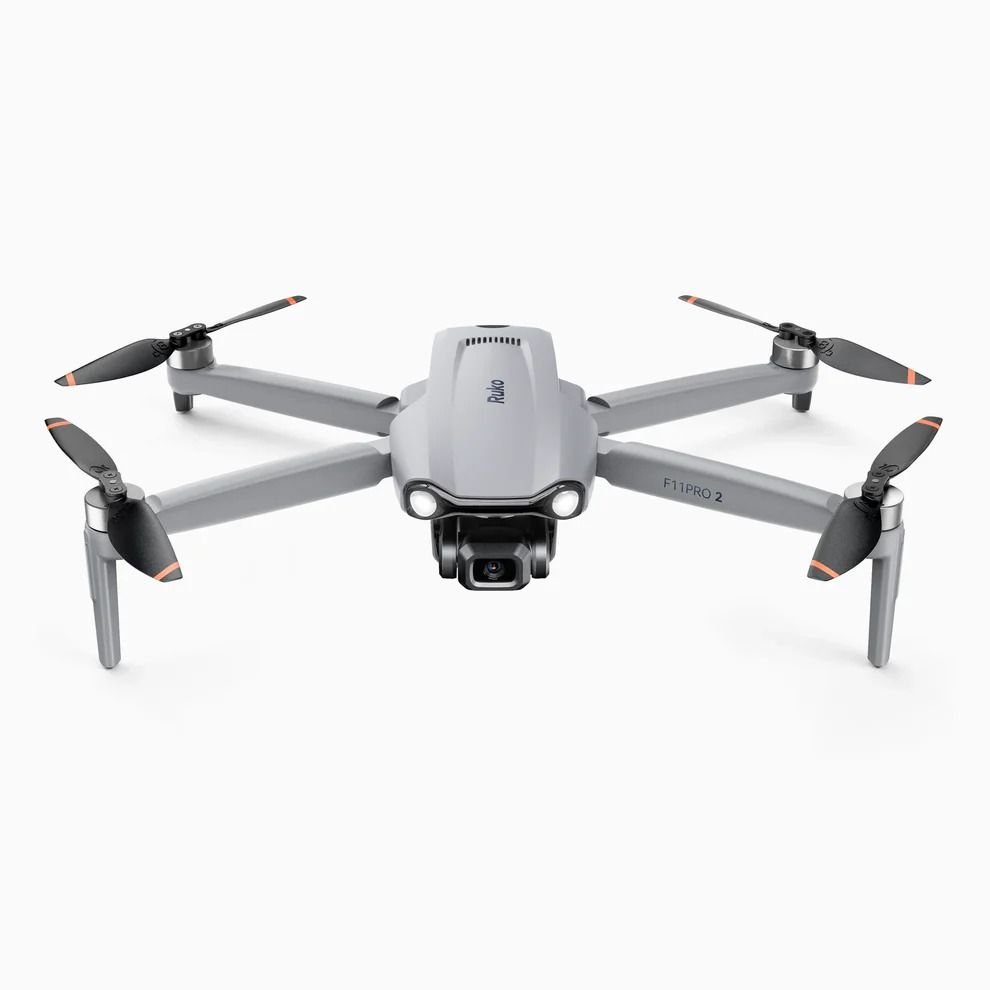 09. Ruko F11 Pro 2Best for long practice sessions | Beginners in windy places with room to fly | 357 g; 35 min per battery, registration required in most places | View on Amazon |
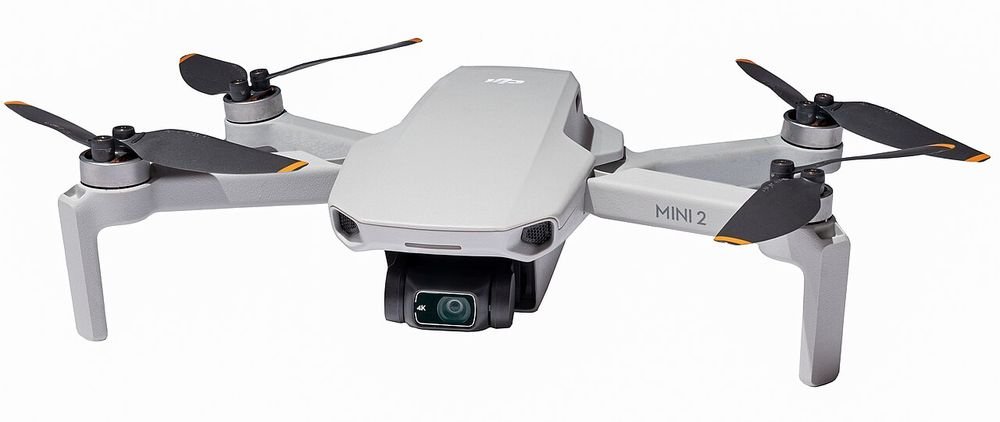 10. DJI Mini 2Best for windy days | Beginners in coastal and exposed locations | 249 g; 31 min rated, Level 5 wind resistance | View on Amazon |
Look closer
Our 10 picks, explained
These picks come from desk research, not hands-on testing: we compared manufacturer spec sheets line by line, then cross-checked owner feedback and published reviews to see which beginner claims hold up in first-season flying.
DJI Mini 4K
Beginners need three things: a drone that holds still, footage that looks good enough to keep, and help when something confuses them. The Mini 4K covers all three. GPS positioning and a 3-axis gimbal mean it hovers in place and returns smooth 4K/30 video while you concentrate on steering. The rated 31 minutes per battery is generous for practice sessions, and takeoff weight of 246 g keeps registration simple in many countries. DJI’s app adds tutorials, no-fly-zone warnings and an easy return-to-home. What it lacks is obstacle sensing, so early flights belong in open fields, a discipline worth learning anyway. It is the safest first step into camera drones.
- Takeoff weight
- 246 g
- Flight time
- 31 min rated
- Camera
- 1/2.3-inch CMOS, 12MP, 4K/30
Reasons to choose it
- GPS hover and return-to-home build confidence
- Proper 3-axis gimbal for smooth 4K
- Huge tutorial and spares ecosystem
Trade-offs to know
- No obstacle sensing
- Smallest sensor in the DJI Mini line
Choose this if: you want a straightforward first camera drone from the biggest ecosystem.
Consider another option if: your budget is at its tightest, the Mini 2 SE covers the same basics with a 2.7K camera.
DJI Mini 2 SE
The Mini 2 SE exists to answer one question: how little can a beginner spend without buying a toy? Its answer keeps the safety equipment that matters. GPS hold means the drone stays where you park it, return-to-home covers the panic moment, and the 3-axis gimbal keeps 2.7K/30 video smooth. At 246 g it matches the Mini 4K’s weight and its 31 minute rated flight time, and the O2 link reaches 10 km in FCC regions, far beyond beginner needs. The camera is the honest compromise: a 1/2.3-inch sensor limited to 2.7K video, fine for learning and sharing, softer than 4K rivals for cropping. For a first season of building stick skills, that trade is exactly right.
- Takeoff weight
- 246 g
- Flight time
- 31 min rated
- Camera
- 1/2.3-inch CMOS, 12MP, 2.7K/30
Reasons to choose it
- DJI safety basics at the lowest entry cost
- 31 minutes at 246 g
- 10 km O2 link, far beyond beginner range
Trade-offs to know
- 2.7K video ceiling
- No obstacle sensing
Choose this if: you want DJI’s safety net at the lowest cost of entry.
Consider another option if: you will keep the drone for years and shoot seriously, the Mini 4K adds 4K for a longer useful life.
DJI Neo
The Neo rethinks what a first drone should be. At 135 g with full propeller guards, it is built to be crashed into furniture and flown again. Takeoff is a button press from your palm, and built-in tracking modes follow, circle or hover around you with no controller in hand, so a complete beginner is filming themselves within a minute of unboxing. The 1/2-inch sensor shoots 4K/30 video, far better than a trainer this simple has any right to. Add a controller later for manual flying, or DJI goggles for gentle FPV, and it grows with you. The limits are real: a rated 18 minutes per battery, light weight that wind bullies, and downward sensing only. As a confidence-building first step, it stands alone in this list.
- Takeoff weight
- 135 g
- Flight time
- 18 min rated
- Camera
- 1/2-inch CMOS, 12MP, 4K/30
Reasons to choose it
- Palm launch, no controller needed
- Full guards, built to survive learning
- Tracking modes film you automatically
Trade-offs to know
- 18 minute battery, buy spares
- Calm days only at 135 g
Choose this if: you want your first flights to feel effortless, not like an exam.
Consider another option if: you want to learn proper controller flying from day one, the Mini 4K teaches the real skills.
Potensic Atom SE
Toy drones teach beginners one lesson: how drones crash. The Atom SE costs a little more and teaches flying instead, because it carries the equipment that prevents beginner losses. GPS positioning holds it steady in a breeze, return-to-home brings it back on signal loss or low battery, and the rated 31 minutes per battery allows unhurried practice. The Sony 1/3-inch sensor shoots 4K/30 video, adequate for learning and sharing, and takeoff weight stays under 249 g. The compromises are reach and refinement: the PixSync 2.0 link is rated to 4 km, the app is plainer than DJI Fly, and downward sensors assist hovering rather than guarding flight. For a first GPS drone on a strict budget, it covers the safety bases first and the luxuries later.
- Takeoff weight
- Under 249 g
- Flight time
- 31 min rated
- Camera
- 1/3-inch Sony CMOS, 12MP, 4K/30
Reasons to choose it
- GPS hold and return-to-home at the lowest cost here
- 31 minute battery for relaxed practice
- Under 249 g frame
Trade-offs to know
- 4 km link, shortest GPS reach here
- App and camera a class below DJI
Choose this if: your budget is fixed and GPS safety features come first.
Consider another option if: you can stretch to a better camera and link, the Atom 2 is the same brand grown up.
Potensic Atom 2
Beginners outgrow basic drones quickly, and the Atom 2 is built to delay that day. Its Sony 1/2-inch sensor shoots 4K/30 with HDR on a 3-axis gimbal, it tracks subjects for follow-me shots that the Mini 4K cannot do at all, and the PixSync 4.0 link is rated to 10 km with a 1080p live view. Rated flight time is 32 minutes, and the frame stays under 249 g. GPS positioning and return-to-home provide the same safety net as the DJI picks. The honest gaps are polish: the app is a step behind DJI Fly, obstacle sensing is downward-only, and the community producing tutorials is smaller. For a beginner who plans to shoot seriously within a year, that headroom is worth more than DJI’s polish.
- Takeoff weight
- Under 249 g
- Flight time
- 32 min rated
- Camera
- 1/2-inch Sony CMOS, 4K/30 HDR
Reasons to choose it
- Subject tracking at a beginner level
- 4K HDR and 10 km link
- 32 minutes under 249 g
Trade-offs to know
- App polish trails DJI
- Downward sensing only
Choose this if: you want room to grow without leaving the light class or DJI money.
Consider another option if: ecosystem and tutorials matter more than tracking, the Mini 4K is the safer first home.
DJI Mini 3
Most beginner drones are purchased twice: the cheap one, then the real one. The Mini 3 collapses that into a single purchase. The learning basics are all present: GPS hold, return-to-home and an app full of guardrails. What differs is the ceiling: a 1/1.3-inch 48MP sensor shooting 4K HDR video, a gimbal that rotates for true vertical clips, and a rated 38 minutes per standard battery at 249 g, the longest in this guide. That combination stays relevant when the beginner becomes a travel creator two years later. It omits omnidirectional sensing, so the open-field discipline still applies, and the O2 link is a generation old. One drone, bought once, that teaches the hobby and then keeps up with it.
- Takeoff weight
- 249 g
- Flight time
- 38 min rated
- Camera
- 1/1.3-inch CMOS, 48MP, 4K HDR
Reasons to choose it
- Creator-grade camera from day one
- 38 minutes, longest standard battery here
- True vertical video for social formats
Trade-offs to know
- No omnidirectional sensing
- Costs more than the true starter picks
Choose this if: you would rather buy once, well, than start cheap and upgrade.
Consider another option if: you are testing whether the hobby is for you, the Mini 4K answers that question for less.
DJI Flip
The Flip starts from a beginner insight: most new creators do not want to pilot, they want to be filmed. So it folds open, launches from a palm, and follows its subject automatically, with voice and gesture-friendly controls and full propeller guards that make close following shots safe around people and doorways. The camera is no toy: a 1/1.3-inch sensor shooting 4K/60 HDR and 4K/100 slow motion, the same imaging class as the Mini 4 Pro. Rated flight time is 31 minutes, and weight stays under 249 g. The trade-offs suit its mission: sensing concentrates forward, the boxy fold is less pocketable than a Mini, and manual pilots will find it less engaging over time. For a new vlogger, those are tomorrow’s problems.
- Takeoff weight
- Under 249 g
- Flight time
- 31 min rated
- Camera
- 1/1.3-inch CMOS, 48MP, 4K/60 HDR
Reasons to choose it
- Self-filming without a controller in shot
- Full guards for close following
- 4K/60 HDR camera, Mini class
Trade-offs to know
- Forward-focused sensing
- Boxier to carry than a Mini
Choose this if: you are starting a channel and you are the subject.
Consider another option if: you mainly film landscapes and places, the Mini 3 is the better beginner all-rounder.
Skyrover S1
Beginners improve in proportion to stick time, which makes battery life a teaching feature. The Skyrover S1 leads this guide there: a 40 minute maximum rating and a published 33 minute hover figure from its 2,560 mAh battery, in a 245 g frame with GPS positioning and return-to-home. Sessions stretch long enough to repeat a manoeuvre until it clicks. The camera surprises too: a 1/2-inch Sony sensor behind an f/1.7 lens shooting 4K/60, plus true vertical 2.7K for social practice clips, and a dual-band link rated to 12 km. The caveats are brand-sized: Skyrover’s app, tutorials and spares network are younger than DJI’s or Potensic’s, and light drones still dislike wind. For a beginner committed to practising often, that endurance is the feature that compounds.
- Takeoff weight
- 245 g
- Flight time
- 40 min rated max (33 min hover)
- Camera
- 1/2-inch Sony CMOS, f/1.7, 4K/60
Reasons to choose it
- Longest rated practice sessions here
- 4K/60 camera with vertical mode
- GPS safety net included
Trade-offs to know
- Young brand, thinner tutorial support
- Light frame dislikes wind
Choose this if: you plan to practise weekly and want maximum time per session.
Consider another option if: you want the biggest support community instead, the Mini 4K trades minutes for ecosystem.
Ruko F11 Pro 2
Every other pick here chases the sub-250 g class; the F11 Pro 2 deliberately skips it, and beginners in the right environment benefit. At 357 g, its larger frame and motors hold a steadier hover in the kind of breeze that makes light drones drift and panic new pilots. GPS positioning, return-to-home and beginner-friendly speed limits provide the safety net, and the 35 minute per-battery rating, doubled in two-battery kits, supports long practice days. The 4K/30 camera is serviceable rather than special, and the app is plainer than DJI’s. The honest cost is regulatory: at 357 g, registration is required for recreational flying in the US and similar rules apply elsewhere, a five-minute online task rather than a barrier. For rural and coastal beginners with space, it is the calmest classroom in the guide.
- Takeoff weight
- 357 g
- Flight time
- 35 min rated per battery
- Camera
- 4K/30 video
Reasons to choose it
- Steadier in wind than any lightweight here
- 35 minutes per battery, kits double it
- Simple, forgiving flight manners
Trade-offs to know
- 357 g means registration paperwork
- Camera and app are basic
Choose this if: you learn in open, breezy places and value steadiness over pocket size.
Consider another option if: registration-free flying matters more, the Atom SE keeps GPS safety under 249 g.
DJI Mini 2
Ask experienced pilots what their first drone was and the Mini 2 comes up constantly, because it solved the beginner’s real enemy: wind. Its Level 5 resistance rating, up to 10.7 m/s, matched drones far above its class, so practice days survived coastal and hillside weather that grounds lesser trainers. The rest of the formula holds up: 249 g, a 1/2.3-inch sensor shooting 4K/30 on a 3-axis gimbal, a rated 31 minutes, and OcuSync 2.0 transmission that set the reliability standard for the category. What dates it is assistance: no obstacle sensing, no tracking modes, and an app experience the newer Minis have refined. Spares, batteries and tutorials remain everywhere. For a beginner in a breezy place, that composure still teaches better than fresher features do.
- Takeoff weight
- 249 g
- Flight time
- 31 min rated
- Camera
- 1/2.3-inch CMOS, 12MP, 4K/30
Reasons to choose it
- Level 5 wind resistance for exposed places
- Proven reliability, endless tutorials
- 4K video at 249 g
Trade-offs to know
- No sensing or tracking modes
- Older platform, buy carefully
Choose this if: your flying spots are windy and your budget is careful.
Consider another option if: you want current features and support, the Mini 4K is its modern successor.
Buy with confidence
How to choose your first small drone
Four checks that matter more than camera specs when you are learning.
01. Insist on position holding
A beginner’s drone must hover in place when the sticks are released. GPS positioning does that outdoors, and it is the single feature that separates learning to fly from fighting the aircraft. Every pick here has GPS or assistant-based hovering, plus return-to-home for the moment confidence or signal runs out.
02. Buy flight time, then spare batteries
Skill grows with stick time, so a 31 to 38 minute rating is not a luxury for a learner, it is the lesson plan. Whatever you choose, budget for a second battery early: sessions double in length. The S1 and Mini 3 lead this guide on minutes.
03. Respect the wind learning curve
Light drones and wind are natural enemies, and most beginner crashes are weather crashes. Check the wind rating before buying if your area is exposed: the Mini 2’s Level 5 rating and the heavier F11 Pro 2 exist for exactly that problem. Whatever you fly, learn in calm mornings first; even the best-rated pick here has limits gusts will find.
04. Let the camera grow with you
You do not need the best camera to learn, but you will want a decent one by month three. A 3-axis gimbal matters more than resolution at this stage, because smooth 2.7K beats shaky 4K. The Mini 3’s sensor and the Atom 2’s tracking are the headroom beginners grow into.
Behind the recommendations
How we selected these products
This guide is built on desk research, not hands-on testing. We compared official manufacturer spec sheets for every current small drone marketed to beginners, shortlisted the models with genuine position-holding and safety systems, then cross-checked the shortlist against owner feedback and published reviews. Specs were rechecked against the sources below in October 2026.
- Beginner suitability: position holding, return-to-home, beginner modes and propeller protection, taken from manufacturer data and manuals, weighted ahead of raw performance.
- Camera and flight: sensor, gimbal type, video modes, rated flight time and takeoff weight, compared like for like so a first purchase does not need replacing in a year.
- Limitations: we did not fly these drones for this guide. Marketing aimed at beginners is optimistic, so confirm the exact bundle, battery count and local registration rules before buying.
Common questions
Before you buy
What makes a drone good for beginners?
Three things: it hovers in place when you let go of the sticks, it comes home automatically when signal or battery runs low, and it survives the knocks learning involves. GPS positioning delivers the first two, which is why every pick here has it or an assisted equivalent. Camera quality matters after those basics.
Do I need to register a small drone?
It depends on weight and country. Most picks here are under 250 g, which avoids recreational registration in many places, including the US and much of the EU’s lightest category. The Ruko F11 Pro 2 at 357 g does need registration in most places, a quick online process. Commercial use changes the rules almost everywhere, so check your aviation authority’s current guidance.
How much flight time does a beginner need?
More than you expect, because learning burns minutes on setup, hovering practice and repeats. A rating around 30 minutes gives roughly 20 to 25 real minutes per battery, enough for a focused session, and a second battery doubles it. The Mini 3 (38 minutes) and Skyrover S1 (40 maximum) lead this guide, .
Should my first drone have obstacle sensing?
It helps, but it is not the first thing to buy. Sensing suites live on pricier models like the Mini 4 Pro class, and they cannot see thin branches or wires reliably anyway. Position holding, return-to-home and the discipline of flying in open spaces prevent more beginner losses than sensors do. Add sensing when you upgrade, not as a substitute for learning carefully.
Start with the drone that teaches you
Start with the DJI Mini 4K for the complete beginner package. Choose the Mini 2 SE when the budget leads, or the Neo if you want your first flights to need no piloting at all. Whichever you pick, learn in open space, in calm air, and let the drone’s safety systems be your backup, not your plan.
Sources and verification
Product specifications and claims in this guide were checked against the following sources, listed by name as a record of what was consulted.
- DJI Mini 4K, Mini 2 SE, Neo, Mini 3, Flip and Mini 2 official specifications (dji.com)
- Potensic Atom SE and Atom 2 official specifications (potensic.com)
- Skyrover S1 official specifications (skyroverdrone.com)
- Ruko F11 Pro 2 official specifications (rukotoy.com)
- Manufacturer user manuals for each shortlisted drone (DJI, Potensic, Skyrover, Ruko)
- Published reviews and owner feedback for the shortlisted models, cross-checked in October 2026