As an Amazon Associate I earn from qualifying purchases. If you buy through links in this article, we may earn a commission at no extra cost to you.
These are the 10 best Holy Stone drones for beginners, ranked for the things that decide a first drone: how forgiving it is in the air, how well it protects itself when (not if) you clip something, and whether the camera is good enough to keep. Every pick here is either a GPS model that holds its position and flies itself home, or a guarded toy built to survive learning. We ranked all 10 on ease of use, flight time, camera quality and room to grow.
Short on time?
Start with these three picks
One folds small and flies itself home, one is a guarded toy anyone can fly indoors, and one stays under 250 g while stepping the camera and motors up.
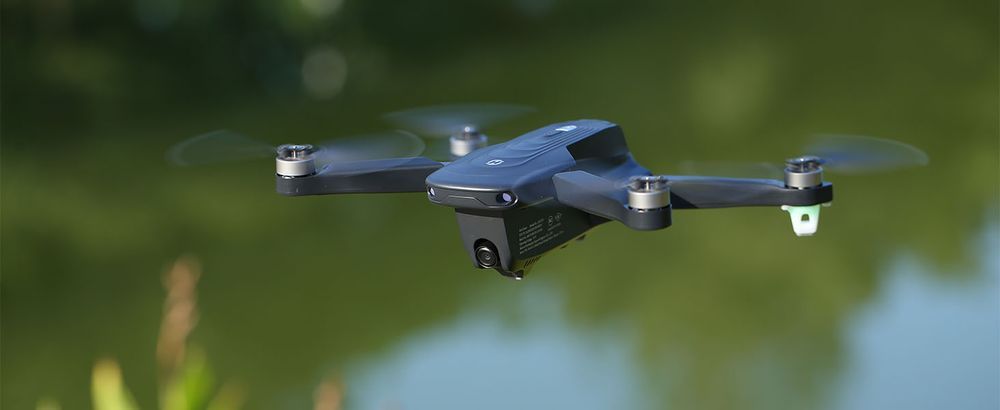
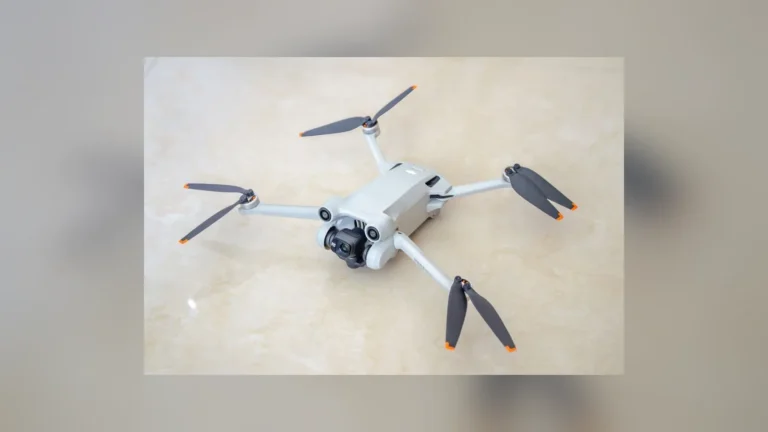
Holy Stone HS175D
The beginner sweet spot in the Holy Stone range: GPS positioning, auto return, a folding body at just 215 g and 23 minutes per battery. The honest catch is the camera, which records 2.7K video to the card despite the 4K badge on the box.
View on Amazon Read the full review ↓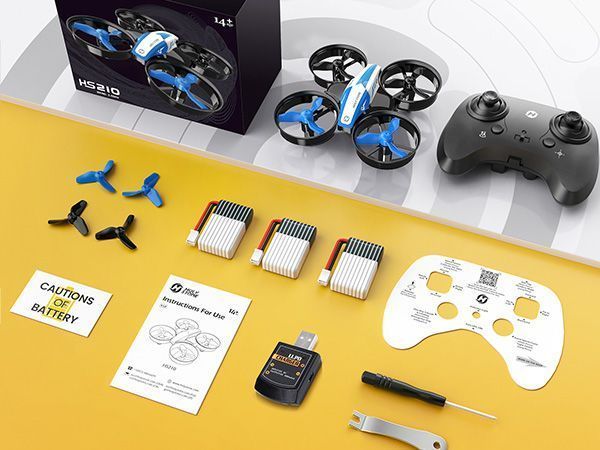
Holy Stone HS210
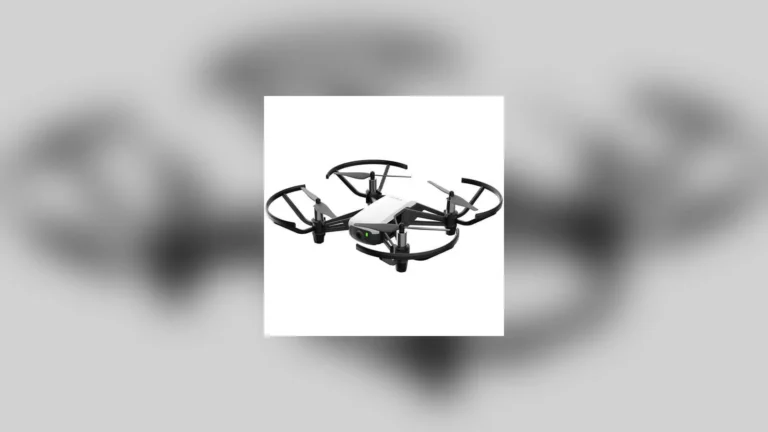
A 24.8 g indoor trainer with full propeller guards and hand-sensor tricks: toss it to launch, wave to steer. There is no camera, which is exactly the point, because the first skill worth learning is control, not filming.
View on Amazon Read the full review ↓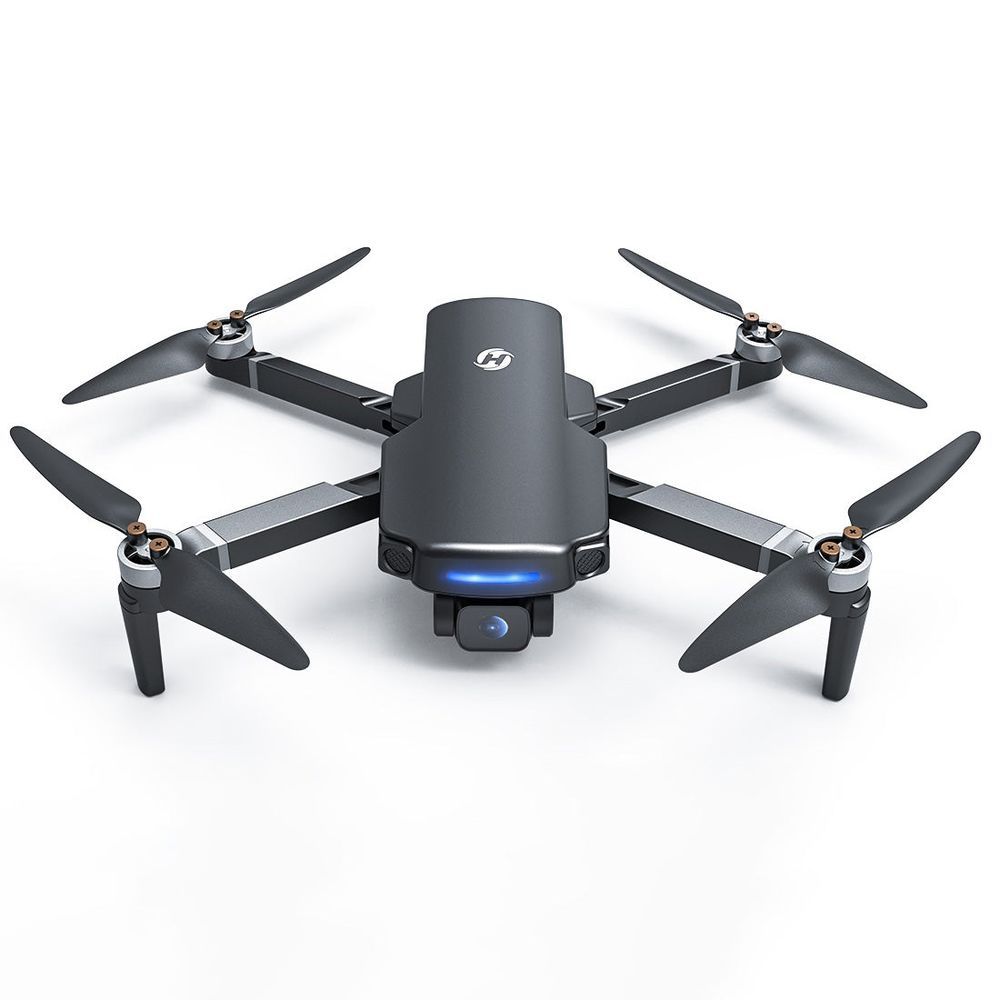
Holy Stone HS360S
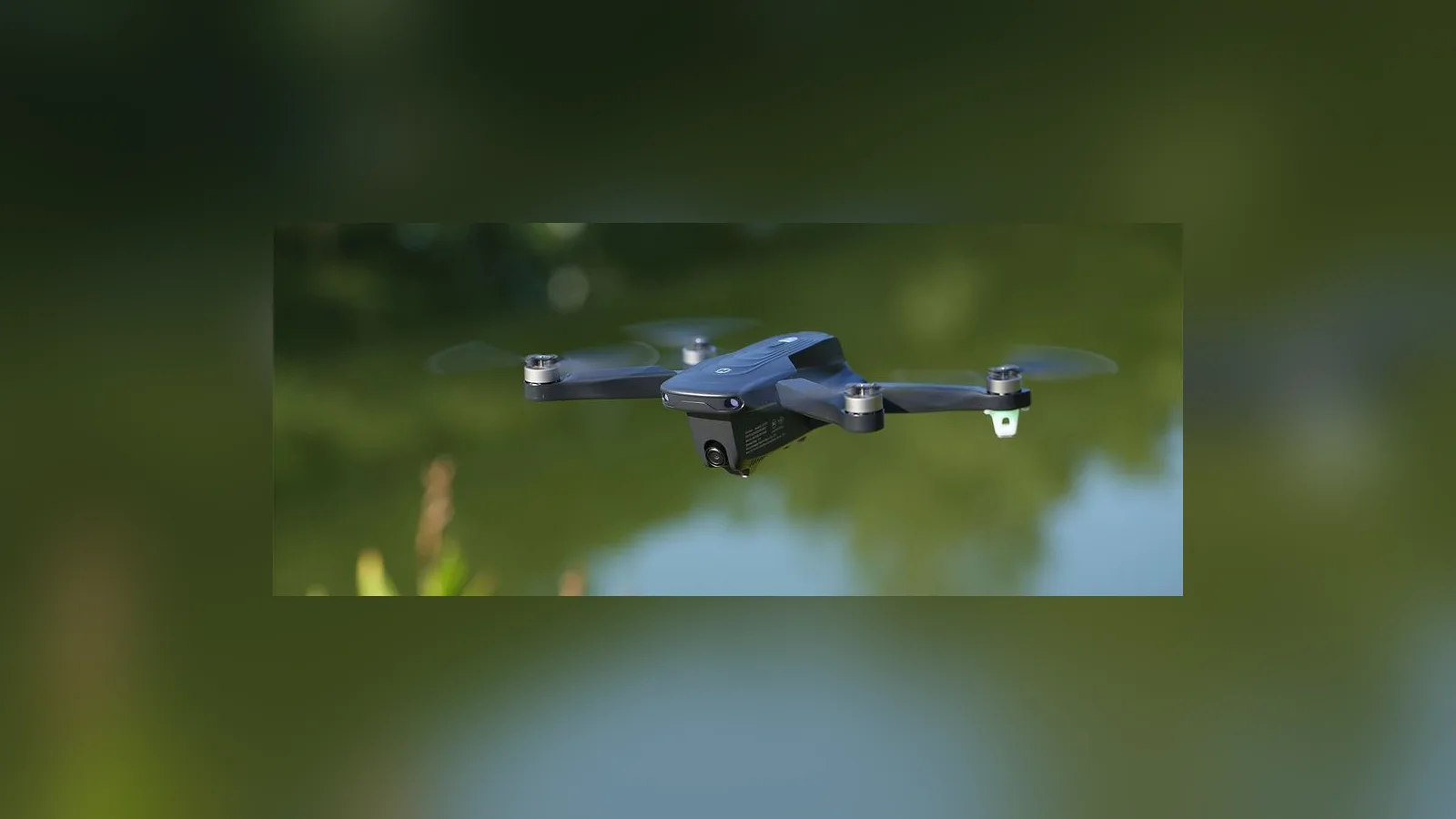
The lightest full-size pick here at 249 g, with GPS, a 4K camera and an adjustable lens. Flight time is the trade: about 20 minutes per battery, so the two-battery kits are the sensible buy.
View on Amazon Read the full review ↓The shortlist
Compare all 10 at a glance
For a first Holy Stone, three things matter most: GPS or guards to keep you out of trouble, enough flight time to actually practice, and a camera you will not outgrow in a month.
| Product / award | Best fit | Key decision point | Check current offer |
|---|---|---|---|
| 01. Holy Stone HS175DBest overall | Most first-time buyers | GPS and auto return at 215 g; video is 2.7K, not true 4K | View on Amazon |
| 02. Holy Stone HS210Best first drone | Kids and total beginners indoors | Guarded and hand-launched; no camera at all | View on Amazon |
| 03. Holy Stone HS360SBest sub-250 g step-up | Beginners who want to skip registration weight | 249 g with GPS and 4K; 20 minute batteries | View on Amazon |
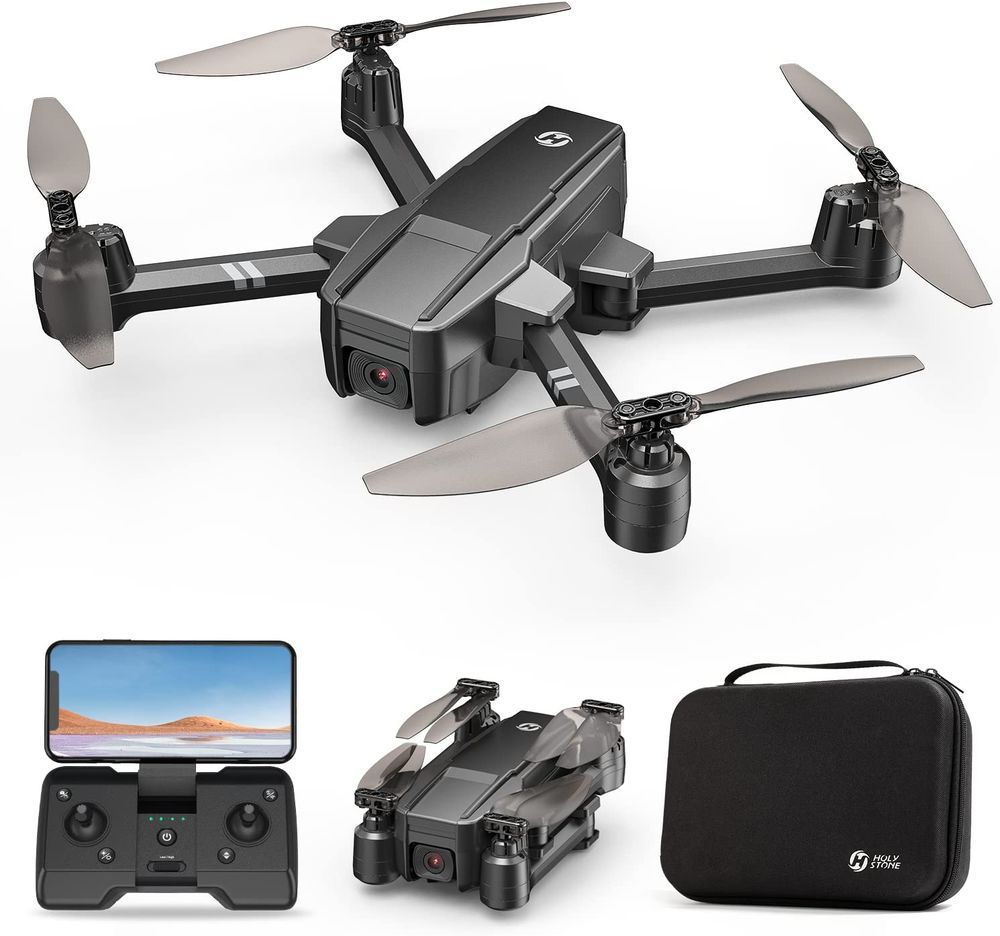 04. Holy Stone HS440Best for families | Shared family flying | 1080p that records to a card; no GPS, keep it close | View on Amazon |
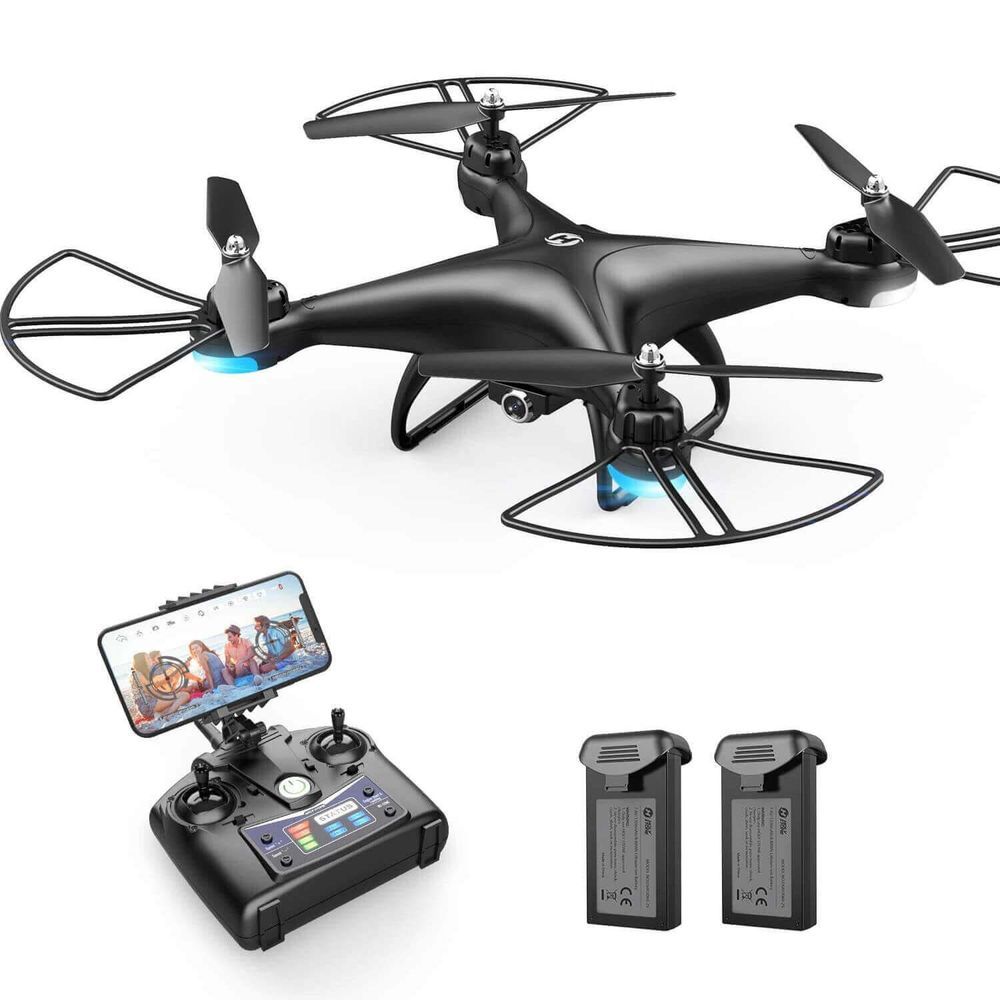 05. Holy Stone HS110DBest with live view | Learning to fly by screen | Live 1080p feed to your phone; 10 minute flights | View on Amazon |
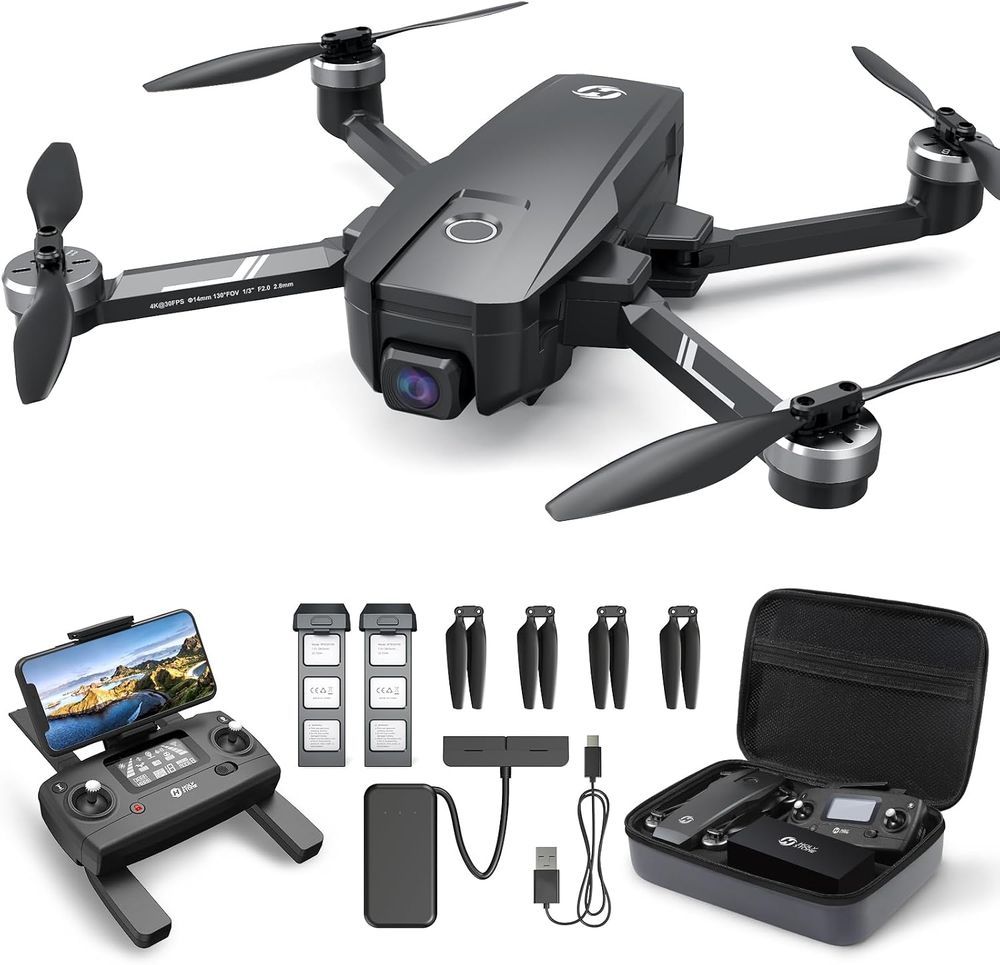 06. Holy Stone HS720EBest big-frame GPS trainer | Beginners who want a stable, visible drone | 495 g frame shrugs off breeze; registration applies | View on Amazon |
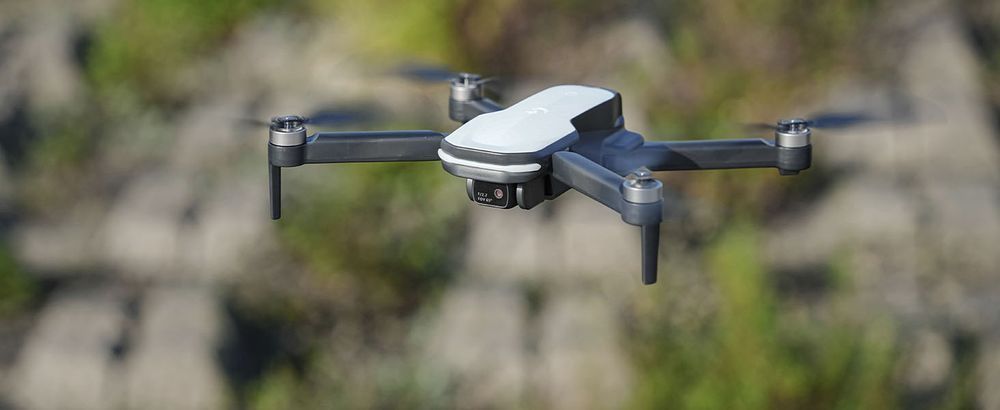 07. Holy Stone HS280DBest brushless step-up | Second-drone buyers on a budget | Brushless motors and 1080p; no GPS positioning | View on Amazon |
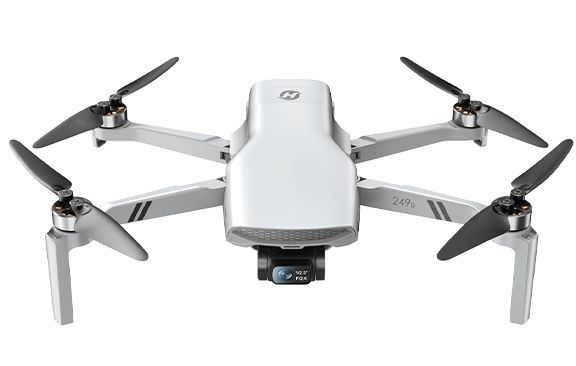 08. Holy Stone HS720SBest GPS value | GPS features for the least spend | 240 g with brushless motors; two batteries included | View on Amazon |
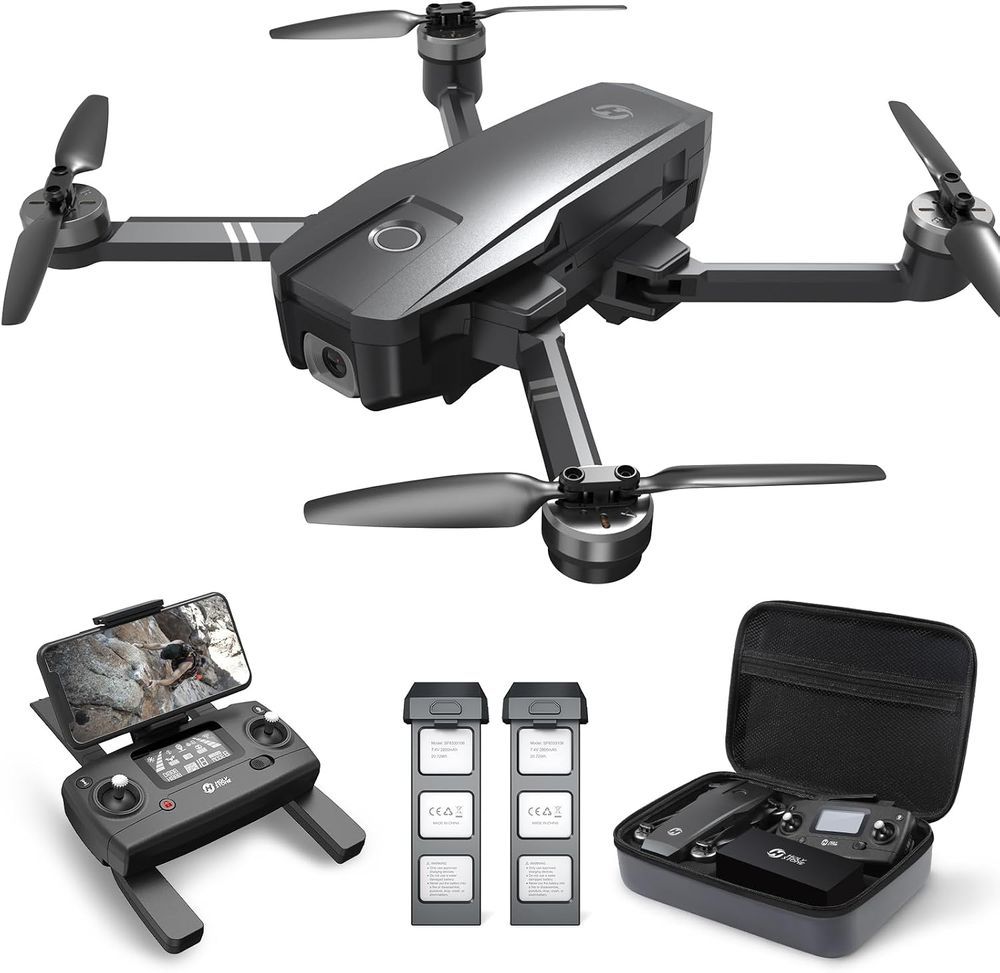 09. Holy Stone HS720Best proven classic | Buyers who want a known quantity | 26 minutes and follow-me; older design, no gimbal | View on Amazon |
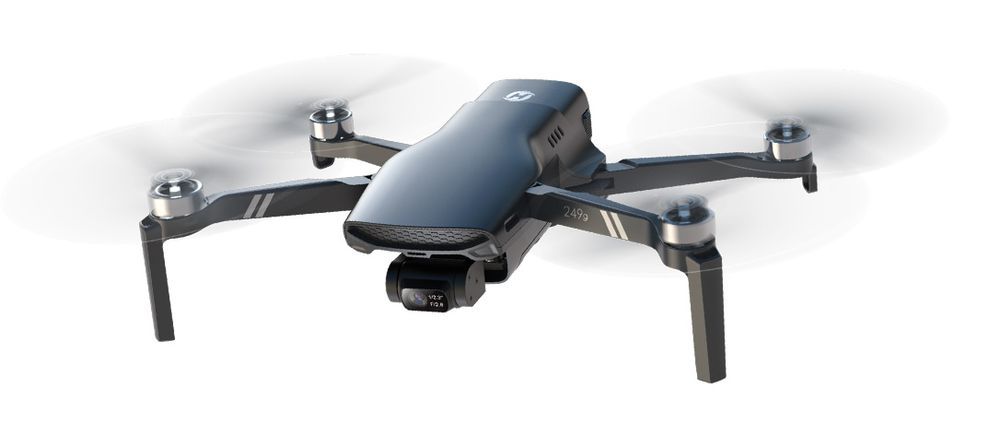 10. Holy Stone HS900Best to grow into | Beginners who plan to get serious | 3-axis gimbal and 30 minutes; the range flagship | View on Amazon |
Look closer
Our 10 picks, explained
These picks come from desk research, not hands-on testing: we compared Holy Stone’s official spec sheets and manuals model by model, then cross-checked owner feedback and published reviews to see which beginner claims hold up.
Holy Stone HS175D
A first drone should forgive, and the HS175D forgives in the ways that matter. Its GPS lock holds position against a breeze instead of drifting into trouble, and if the battery fades or the signal drops, it climbs and flies itself home. At 215 g it slips into a jacket pocket folded, and 23 minutes per battery is enough for real practice sessions rather than snatched minutes. The camera is where to set expectations: stills are fine and video records at 2688×1512 to the card, which is genuinely useful footage for learning framing, but it is not the 4K the box implies. Treat it as a trainer you can film with, and it is the strongest all-round starter in this range.
- Takeoff weight
- 215 g
- Flight time
- 23 min per battery
- Camera
- 2688×1512 video to card, FOV 110°
Reasons to choose it
- GPS hold and auto return for rescue-free learning
- Folds small at 215 g, registration-light in many places
- 23 minute batteries support real practice
Trade-offs to know
- Video is 2.7K class despite 4K marketing
- No obstacle sensing of any kind
Choose this if: you want one starter drone that teaches real flying and films the process.
Consider another option if: you want to learn indoors first, the HS210 costs less to crash.
Holy Stone HS210
Most first drones fail the same way: a beginner buys a camera drone, clips a tree in week one, and the hobby dies in a drawer. The HS210 avoids that story entirely. It weighs less than a slice of bread, wraps its propellers in full guards, and launches with a toss or a wave of your hand over its sensors. Flight runs about 7 minutes per battery and three are in the box, so sessions rotate instead of ending. There is deliberately no camera and no GPS: what it teaches is stick control, orientation and calm landings, the skills every later drone assumes. It is a toy in size only; as a training tool, it is the smartest first step on this list.
- Weight
- 24.8 g
- Flight time
- About 7 min per battery, 3 included
- Camera
- None fitted, pure flight trainer
Reasons to choose it
- Full guards make indoor crashes harmless
- Hand-sensor launch and steering, no phone needed
- Three batteries in the box
Trade-offs to know
- No camera and no GPS at all
- Too light for anything but calm air outdoors
Choose this if: the pilot is a child, or an adult who wants zero-consequence practice.
Consider another option if: you want photos from day one, step up to the HS440.
Holy Stone HS360S
Where the HS175D is the safe first step, the HS360S is the step that avoids a second purchase. It keeps the GPS positioning and auto return beginners lean on, adds brushless motors that shrug off light wind better than brushed toys, and records 4K video with electronic stabilization through a lens you can tilt from the controller. Staying at 249 g keeps it in the registration-light class in many countries, which matters once you start flying beyond the garden. The honest compromises are endurance and frame rate: roughly 20 minutes per battery, and the 4K mode runs at lower frame rates than video-first drones. As a learn-and-keep package, though, nothing else in this brand covers as much ground.
- Takeoff weight
- 249 g
- Flight time
- 20 min per battery
- Camera
- 4K UHD, FOV 85°, 90° adjustable, EIS
Reasons to choose it
- GPS, brushless motors and 4K in a 249 g frame
- Adjustable camera angle from the controller
- Electronic stabilization smooths beginner footage
Trade-offs to know
- 20 minute batteries are the shortest of the GPS picks
- 4K frame rate trails video-first rivals
Choose this if: you want one sub-250 g drone to learn on and keep.
Consider another option if: longer flights matter more than weight, the HS720 flies 26 minutes.
Holy Stone HS440
Family drones live a hard life: passed between kids and parents, flown in gardens and parks, charged when someone remembers. The HS440 suits that reality. It folds into a pocketable 166 g, holds its altitude so new pilots only manage direction, and its 1080p camera records to a memory card, which means the clips survive even when the phone app glitches. Twenty minutes per battery is generous for this class, and spare batteries are cheap enough to keep a rotation going. What it does not have is GPS, so it drifts with the wind and must be kept close and low. Within those honest limits, it is the easiest drone here to share.
- Takeoff weight
- 166 g
- Flight time
- 20 min per battery
- Camera
- 1080p, FOV 112°, 90° adjustable
Reasons to choose it
- Records video to a card, not just the phone
- Altitude hold keeps early flights calm
- Folds small, flies 20 minutes
Trade-offs to know
- No GPS: wind drift is on you
- 1080p is the ceiling for clips
Choose this if: several people will learn on the same drone.
Consider another option if: you fly in open, breezy places, the GPS-equipped HS175D holds its ground.
Holy Stone HS110D
Screen flying is the core skill of every camera drone that follows, and the HS110D is the budget classroom for it. The 1080p camera sends a live 120-degree view to a phone on the controller, so you practise framing and flying circuits by what the drone sees, and the clips record for review afterwards. At 149 g the frame is big enough to track across a field, full propeller guards protect the early mistakes, and altitude hold keeps the learning curve gentle. Be clear-eyed about the limits: there is no GPS and no return to home, and about 10 minutes per battery means sessions are short. As an introduction to FPV-style flying that leaves most of the budget intact, it remains hard to beat.
- Takeoff weight
- 149 g
- Flight time
- 10 min per battery
- Camera
- 1080p to card, FOV 120°
Reasons to choose it
- Live phone view teaches real FPV habits
- Full guards and altitude hold for calm learning
- Gesture and voice tricks keep it fun
Trade-offs to know
- 10 minute flights, the shortest here
- No GPS or return to home
Choose this if: learning to fly by screen matters more than specs.
Consider another option if: you want GPS safety from the start, the HS720S adds it for modest money.
Holy Stone HS720E
Lightweight is not always beginner-friendly: tiny drones vanish against a bright sky and get pushed around by gusts. The HS720E argues the opposite case. Its larger folding frame stays visible at distance, the extra mass calms its handling in the light winds that ground toy-class drones, and the full GPS suite holds position, follows you, and brings it home on a fading battery. The camera records 4K with electronic stabilization from a Sony sensor with a wide 130-degree view, serviceable for learning to compose shots. Expect about 23 minutes per battery. The trade-offs are real: at 495 g it needs registration in the US and most other regimes, and it will never be a pocket drone.
- Takeoff weight
- 495 g
- Flight time
- 23 min per battery
- Camera
- 4K EIS Sony, FOV 130°
Reasons to choose it
- Big, visible frame that handles breeze well
- Full GPS suite with auto return and follow-me
- Transmitter has its own LCD status screen
Trade-offs to know
- 495 g means registration duties
- EIS only, no mechanical gimbal
Choose this if: you learn best on a substantial drone and fly open spaces.
Consider another option if: you want to skip registration, the HS360S keeps GPS at 249 g.
Holy Stone HS280D
Brushless motors are the dividing line between toy drones and hobby drones: they last longer, run quieter and hold their power as the battery fades. The HS280D brings them to a 164 g folder that still fits a jacket pocket, paired with a 1080p camera and about 14 minutes per battery, with two batteries included for roughly half an hour of rotation. Altitude hold keeps it manageable while you practise circuits and landings. What it does not add is GPS, so positioning is your job, and in wind it will drift like every non-GPS drone. Think of it as the second drone, or the first drone for someone patient: capable hardware that assumes a little skill.
- Weight
- 164 g
- Flight time
- 14 min per battery, 2 included
- Camera
- 1080p at 25fps, 65-degree field of view
Reasons to choose it
- Brushless motors at a toy-class weight
- Two batteries included for longer sessions
- Noticeably quieter than brushed rivals
Trade-offs to know
- No GPS positioning or auto return
- Camera is 1080p at 25fps only
Choose this if: you have basic control and want hardware that lasts.
Consider another option if: you are brand new, the guarded HS210 is the safer classroom.
Holy Stone HS720S
Beginners shopping by feature list usually land on drones twice this size. The HS720S takes the HS720 formula and shrinks it under the 250 g line: brushless motors, GPS plus GLONASS positioning with auto return on low battery or lost signal, and a 4K camera on a servo that tilts 90 degrees from the controller. Two batteries at about 21 minutes each give sessions real depth, and at 240 g it folds into a coat pocket rather than a dedicated case. Stabilization is electronic rather than a mechanical gimbal, so fast pans can wobble, and the live view is not its strongest suit. For learning GPS flying without registration weight or a big spend, it is the range’s quiet bargain.
- Takeoff weight
- 240 g
- Flight time
- 21 min per battery, 2 included
- Camera
- 4K, 99-degree FOV, 90-degree servo tilt
Reasons to choose it
- Full GPS modes at 240 g with brushless motors
- Servo-tilting camera, rare at this level
- Two batteries included
Trade-offs to know
- EIS only, panning shots can wobble
- Live view quality is basic
Choose this if: you want GPS features and sub-250 g weight for the least spend.
Consider another option if: camera quality leads, the HS900 adds a real gimbal.
Holy Stone HS720
There is comfort in a drone that thousands of beginners have learned on before you. The HS720 has been Holy Stone’s gateway GPS model for years, and its formula still works: a folding frame around 460 g, GPS positioning with auto return, follow-me and waypoint modes for your first planned shots, and a 4K camera on a shock-absorbing mount. Flight time is a strength at about 26 minutes per battery, longer than most of this list. The age shows in the details: stabilization is a padded mount rather than a gimbal, so footage is gentle-flying footage, and the transmitter design predates the LCD screens of newer models. If proven beats novel, this is your pick.
- Takeoff weight
- About 460 g
- Flight time
- 26 min per battery
- Camera
- 4K UHD, shock mount, FOV 120°
Reasons to choose it
- 26 minute flights, longest of the classic GPS models
- Huge owner community and spare-parts trail
- Follow-me and tap-fly for first planned shots
Trade-offs to know
- Shock mount, not a gimbal: footage needs gentle flying
- Older transmitter without a status screen
Choose this if: you value a proven model with deep owner knowledge behind it.
Consider another option if: you want the same idea smaller, the HS720S is its 240 g descendant.
Holy Stone HS900
Every other pick here involves a planned upgrade; the HS900 is the exception. It is the only Holy Stone in this list with a mechanical 3-axis gimbal, and that single feature changes what a beginner’s footage looks like: smooth pans, level horizons and usable clips from the first month. The Sony sensor shoots 48MP stills and 4K/30 video, GPS covers positioning and return, and 30 minutes per battery is the best endurance in this roundup. At 249 g it stays in the registration-light class in many places. The care it asks in return is mostly about respect: a gimbal is delicate, so it wants a case and two-handed launches while you learn. Buy it as a first drone only if you will treat it like the keeper it is.
- Takeoff weight
- 249 g
- Flight time
- 30 min
- Camera
- Sony 1/2.3-inch CMOS, 48MP, 4K/30
Reasons to choose it
- True 3-axis gimbal, unique in this list
- 30 minute flights and 48MP stills
- Full GPS suite at 249 g
Trade-offs to know
- Gimbal is delicate: wants careful handling
- Most expensive way into this brand
Choose this if: you want one beginner drone that stays satisfying for years.
Consider another option if: crash risk is high while learning, start on the HS175D and upgrade later.
Buy with confidence
How to choose your first Holy Stone
Four checks that matter more than the badge on the box when the drone has to survive your learning curve.
01. Decide if you need GPS
GPS is the single biggest beginner aid in this range: it holds the drone in place while you think, and flies it home when the battery or signal fails. The HS175D, HS360S, HS720S, HS720E, HS720 and HS900 have it. Toy-class picks like the HS210 and HS440 do not, so they belong indoors, in gardens, and in calm air only.
02. Respect the 250 g line
Weight decides paperwork. The HS175D, HS360S, HS720S and HS900 all stay at or under 249 g, which keeps recreational registration simple in many countries. The HS720E and HS720 cross the line and fly bigger and steadier for it, but they need registration in the US and similar regimes. Rules change, so check your local aviation authority either way.
03. Read cameras honestly
Holy Stone’s badges flatter its cameras. The HS900’s 3-axis gimbal and the HS360S’s electronic stabilization produce visibly different footage, and the HS175D records 2.7K video under a 4K badge. None of that makes them bad beginner cameras, but judge by the recording resolution and stabilization type in our spec boxes, not the box art.
04. Plan batteries, not minutes
Rated flight time assumes still air and gentle flying; real beginner sessions run shorter. A two-battery rotation doubles your practice and halves your frustration, which is why the HS720S, HS280D and HS210 (three batteries included) punch above their spec sheets. Whatever you buy, one spare battery is the best accessory money in this guide.
Behind the recommendations
How we selected these products
This guide is built on desk research, not hands-on testing. We compared Holy Stone’s official product pages, spec sheets and manuals for every current model a beginner might plausibly buy, then cross-checked the shortlist against owner feedback and published reviews. Specs were rechecked against the sources below in October 2026. Where a figure is a lab rating, such as flight time, we treat it as a ceiling, not a promise.
- Beginner safety net: GPS positioning, auto return, propeller guards and altitude hold, taken from manufacturer data for each model.
- Camera honesty: actual recording resolution, stabilization type and sensor, checked against manuals rather than marketing badges.
- Limitations: we did not fly these drones for this guide, and bundles and local rules change, so confirm the exact model and your local regulations before buying.
Common questions
Before you buy
Which Holy Stone drone is best for a complete beginner?
For most adults, the HS175D: its GPS holds position while you learn and brings the drone home if anything goes wrong. For children or indoor learning, the guarded HS210 is the safer start, and the HS440 suits families who want a camera from day one without GPS complexity.
Do Holy Stone drones need registration?
It depends on weight and country. Models at or under 249 g, including the HS175D, HS360S, HS720S and HS900, skip recreational registration in many places, including the US. The HS720 and HS720E exceed 250 g and do need registration there. Camera drones face extra rules in some countries, so check your aviation authority.
Is Holy Stone’s 4K real 4K?
On the HS900 and HS360S, yes, video records at 4K resolution. On some models, notably the HS175D, the camera records 2688×1512 video while stills carry the 4K claim, which is why our spec boxes list the actual recording resolution for every pick. For learning and sharing clips, all of them are serviceable; only the HS900 has a mechanical gimbal.
How long do Holy Stone drones really fly?
Rated times run from about 7 minutes for the HS210’s toy batteries to 30 minutes for the HS900, measured in still air. Expect roughly two thirds of the rating in real conditions with wind and manoeuvring. Flying gently and landing with a reserve keeps batteries healthier and flights calmer.
Choose the best fit for your first flights
Start with the HS175D if you want the balanced beginner package: GPS safety, pocket size and honest endurance. Choose the HS210 when the pilot is a child or the classroom is your living room. Whichever you pick, fly the first batteries in an open, calm space and let the GPS lock before every takeoff.
Sources and verification
Product specifications and claims in this guide were checked against the following sources, listed by name as a record of what was consulted.
- Holy Stone HS175D, HS210, HS360S, HS440, HS110D, HS720E, HS280D, HS720S, HS720 and HS900 official product pages and specifications (holystone.com)
- Holy Stone official user manuals for each shortlisted model
- Published reviews and owner feedback for the shortlisted models, cross-checked in October 2026
- National aviation authority guidance on sub-250 g drone registration