

As an Amazon Associate I earn from qualifying purchases. If you buy through links in this article, we may earn a commission at no extra cost to you.
These are the 10 best drones with long battery life you can buy right now, ranked strictly by the flight time each maker states for the standard battery in the box. The list runs from a 51 minute flagship down to a sub-250 g folder rated at 40 minutes, and every figure is a lab rating, so we flag hover times, extended battery options and the real-world discount to plan around in each review.
Short on time?
Start with these three picks
One flagship outlasts everything, and two 46 minute picks split the difference between travel size and a pro camera.

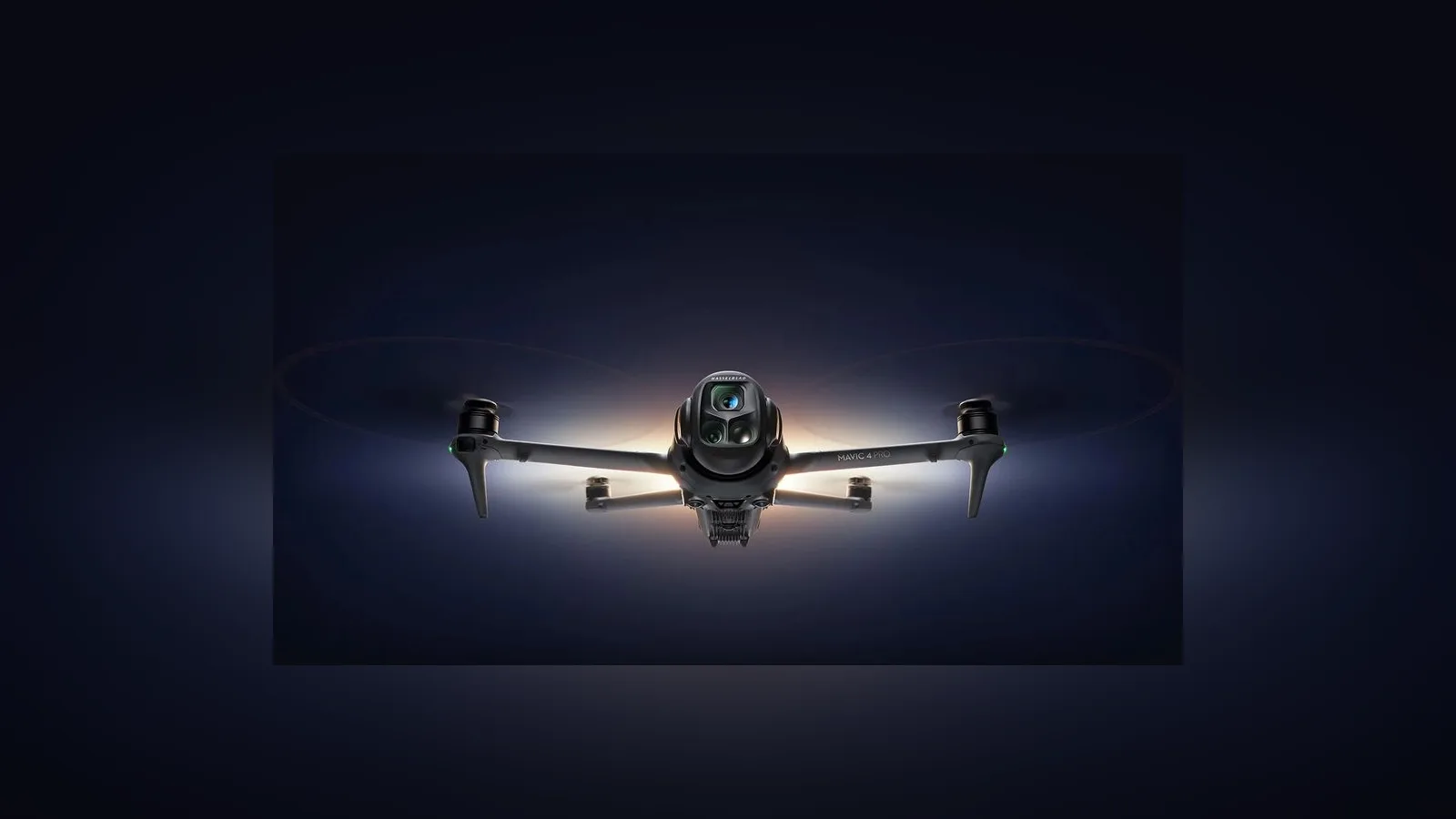
DJI Mavic 4 Pro
The endurance ceiling for camera drones: 51 minutes rated per battery, 45 minutes of it hovering, from a 1,063 g flagship with a 100MP Hasselblad. Nothing else here flies as long or shoots as well. The cost is size: this is a vehicle and backpack tool, not a pocket drone.
View on Amazon Read the full review ↓
DJI Air 3
The traveler’s endurance pick: 46 minutes rated in a 720 g folding frame, with 24mm and 70mm cameras for two looks per flight. It gives up the flagship’s sensor size and little else, and it packs like a travel drone.
View on Amazon Read the full review ↓
DJI Mavic 3
The stills pilot’s 46 minutes: the same rating as the Air 3 from a 4/3 Hasselblad that shoots 5.1K video and 20MP stills. Maturity is its charm: proven firmware, deep accessory support and a wide used market. The 1/2-inch telephoto is the one dated part.
View on Amazon Read the full review ↓The shortlist
Compare all 10 at a glance
Ranked by one number: the minutes each maker rates for the standard battery. Hover figures and extended-battery notes sit in the decision column where they change the story.
| Product / award | Best fit | Key decision point | Check current offer |
|---|---|---|---|
| 01. DJI Mavic 4 ProBest overall | Mapping, long hyperlapses, pro stills | 51 min rated, 45 min hover; 1,063 g flagship | View on Amazon |
| 02. DJI Air 3Best travel endurance | Travelers wanting flagship stamina | 46 min rated; dual cameras, 720 g folder | View on Amazon |
| 03. DJI Mavic 3Best Hasselblad endurance | Stills-first professionals | 46 min rated; 4/3 Hasselblad, modest telephoto | View on Amazon |
 04. DJI Air 3SBest low-light endurance | Low-light and telephoto creators | 45 min rated; 1-inch main sensor plus 70mm | View on Amazon |
 05. DJI Mavic 3 ProBest telephoto endurance | Telephoto and property work | 43 min rated; three lenses, 958 g | View on Amazon |
 06. Autel EVO Max 4TBest enterprise endurance | Inspection and public safety crews | 42 min rated; thermal, zoom and rangefinder | View on Amazon |
 07. Autel EVO Lite+Best non-DJI endurance | Pros avoiding DJI geofencing | 40 min rated, 38 min hover; 1-inch 6K | View on Amazon |
 08. Autel EVO II ProBest field endurance | Rugged 6K field work | 40 min rated, 35 min hover; 1,191 g build | View on Amazon |
 09. Skyrover S1Best budget endurance | Budget buyers chasing minutes | 40 min max, 33 min hover; 245 g | View on Amazon |
 10. Potensic Atom 3Best sub-250 g endurance | Sub-250 g flyers | 40 min rated, 50 min extended battery | View on Amazon |
Look closer
Our 10 picks, explained
These picks come from desk research, not hands-on testing: we compared manufacturer spec sheets line by line, ranked the standard-battery rating each brand publishes, then cross-checked owner feedback and published reviews for the real-world discount those ratings deserve.
DJI Mavic 4 Pro
Endurance this long changes how a flight is planned. A 51 minute rating, even discounted for wind and filming, covers a full mapping grid, a complete hyperlapse sequence or three scouted locations on one charge, where a 30 minute class drone needs a landing and a swap between each. DJI publishes 45 minutes of hovering alongside the headline figure, the most honest pairing on this list, and the big battery sits in a 1,063 g airframe built around a 4/3 Hasselblad with a 100MP sensor and 6K/60 HDR video. Omnidirectional sensing and an O4+ link keep it composed far from the pilot. Registration, a serious carry case and deliberate packing are the entry fee.
- Flight time
- 51 min rated (45 min hover)
- Takeoff weight
- 1,063 g
- Camera
- 100MP 4/3 CMOS Hasselblad, 6K/60 HDR
Reasons to choose it
- Longest standard-battery rating here
- 45 minute hover figure published too
- 100MP Hasselblad, 6K/60 HDR video
Trade-offs to know
- 1,063 g means registration and a real case
- Too much drone for casual travel
Choose this if: your work is measured in locations per charge.
Consider another option if: you need to travel light, the Air 3 keeps 46 minutes in a far lighter bag.
DJI Air 3
Two cameras are why the Air 3 spends its 46 minutes so well. The 24mm wide and 70mm medium telephoto, both on 1/1.3-inch sensors shooting 4K/60 HDR, let one sortie mix an establishing pass with compressed detail shots instead of burning battery on repositioning. DJI rates the airframe at 720 g, and it folds into a shape travel bags actually accept, which is why this rating is usable rather than theoretical. Omnidirectional sensing and the O4 link, rated to 20 km in FCC regions, guard the long legs. Expect real flights to land well short of 46 minutes in wind, but the margin over 30 minute class drones still turns one battery into a full location scout and a sunset sequence.
- Flight time
- 46 min rated
- Takeoff weight
- 720 g
- Camera
- Dual 1/1.3-inch CMOS, 24mm and 70mm, 4K/60 HDR
Reasons to choose it
- 46 minutes in a travel-friendly fold
- Two focal lengths per flight
- Omnidirectional sensing, 20 km O4 link
Trade-offs to know
- Smaller sensors than the flagship class
- Real flights land well short of 46 in wind
Choose this if: you travel with your drone and shoot varied scenes.
Consider another option if: stills come first, the Mavic 3 matches the rating with a 4/3 sensor.
DJI Mavic 3
The Mavic 3’s case rests on what the minutes contain. Its 4/3 Hasselblad main camera, built with an adjustable aperture, is still the benchmark wide camera in a folding drone, and 46 rated minutes (40 of them hovering, per DJI) give it time to work a scene slowly: bracketed stills, a full orbit, a patient wait for light. The platform’s maturity helps too, with years of firmware polish and the deepest accessory and used market of any pick here. t is the 1/2-inch telephoto, fine for scouting compositions, softer for finals. At 895 g it is also a deliberate carry, closer to the flagship class than the travel class.
- Flight time
- 46 min rated (40 min hover)
- Takeoff weight
- 895 g
- Camera
- 4/3 CMOS Hasselblad, 20MP, 5.1K/50
Reasons to choose it
- 4/3 Hasselblad with adjustable aperture
- 40 minute hover rating published
- Deepest accessory and used market here
Trade-offs to know
- 1/2-inch telephoto is the dated part
- 895 g is a deliberate carry
Choose this if: stills quality decides your flights.
Consider another option if: two focal lengths matter more, the Air 3 is lighter with two lenses.
DJI Air 3S
One minute of rating buys a great deal here. The 1-inch main camera holds shadow detail at dawn and dusk where the Air 3’s smaller sensors smear, and the 70mm medium telephoto rides on a larger 1/1.3-inch sensor than the Mavic 3’s dated unit, so both focal lengths are working cameras. DJI rates the Air 3S at 45 minutes in a 724 g frame, with forward LiDAR joining omnidirectional sensing for low-light confidence, and an O4 link rated to 20 km. Real flights land short of the rating, as everywhere in this guide, but 45 lab minutes discounted still beat most rivals’ headline claims. Registration applies at this weight in most regions.
- Flight time
- 45 min rated
- Takeoff weight
- 724 g
- Camera
- 1-inch CMOS 50MP wide, 70mm medium tele
Reasons to choose it
- 1-inch main camera for low light
- Both lenses are serious cameras
- LiDAR joins omnidirectional sensing
Trade-offs to know
- One minute behind the Air 3’s rating
- Registration applies at 724 g
Choose this if: you shoot at the edges of the day.
Consider another option if: every minute counts and light is kind, the Air 3 rates one minute higher.
DJI Mavic 3 Pro
Telephoto work burns battery differently: the drone holds position far from the subject while the pilot waits for the moment, and the Mavic 3 Pro’s 43 rated minutes are budgeted exactly for that patience. Its triple camera system pairs the 4/3 Hasselblad wide with a 70mm medium telephoto on a 1/1.3-inch sensor and a 166mm tele, all sharing one colour pipeline so cuts and sets match. At 958 g it is a deliberate professional tool, with omnidirectional sensing and an O3+ link rated to 15 km. Pilots who mostly shoot wide will find the Air 3S nearly as enduring and lighter; pilots who live at 70mm and beyond have no better-staying option.
- Flight time
- 43 min rated
- Takeoff weight
- 958 g
- Camera
- Triple: 4/3 Hasselblad wide, 70mm and 166mm tele
Reasons to choose it
- Three matched cameras, one pipeline
- 43 minutes sized for patient work
- Omnidirectional sensing, 15 km link
Trade-offs to know
- 958 g professional carry
- Telephoto reach you may never use
Choose this if: your best shots are telephoto shots.
Consider another option if: you mostly shoot wide, the Air 3S rates two minutes longer and weighs less.
Autel EVO Max 4T
Endurance means something different when the payload is working, not just recording. The EVO Max 4T pairs its 42 minute rating with a four-sensor stack: a 50MP wide camera, a 48MP zoom camera with 10x optical zoom and 8K video, a 640 by 512 radiometric thermal sensor and a laser rangefinder reaching 1,200 m. Autel builds it for the unglamorous realities of field work: sensing in every direction with radar assistance, navigation that holds in GPS-denied spaces, and no geofencing database between a crew and an emergency callout. At roughly 1,640 g it is the heaviest pick here, and it sells through enterprise dealers rather than consumer channels.
- Flight time
- 42 min rated
- Takeoff weight
- Approx. 1,640 g
- Camera
- 50MP wide, 8K zoom, 640 by 512 thermal
Reasons to choose it
- Thermal, zoom and rangefinder in one flight
- Flies where GPS cannot
- No geofencing delays for crews
Trade-offs to know
- Heaviest pick at about 1,640 g
- Sold through enterprise dealers
Choose this if: your flights inspect, search or measure.
Consider another option if: you shoot rather than inspect, the Mavic 3 Pro is the longest-rated camera-first alternative.
Autel EVO Lite+
Hover honesty is this drone’s signature. Most makers publish a maximum figure measured in forward flight and stay quiet about hovering; Autel publishes both for the Lite+, and the 38 minute hover sits just two minutes under the 40 minute maximum, the tightest spread in this guide. The camera earns the airtime: a 1-inch sensor shooting 6K/30 with an adjustable aperture. The airframe weighs 835 g and folds for transport. The trade-offs are ecosystem depth: fewer accessories, a smaller repair network and an app a step behind DJI Fly. For authorised work in controlled airspace, freedom from geofencing unlocks often settles the argument.
- Flight time
- 40 min rated (38 min hover)
- Takeoff weight
- 835 g
- Camera
- 1-inch CMOS, 6K/30, adjustable aperture
Reasons to choose it
- 38 minute hover, tightest spread here
- 1-inch 6K with adjustable aperture
- No geofencing unlocks for pros
Trade-offs to know
- Smaller accessory and repair ecosystem
- App trails DJI Fly in polish
Choose this if: you fly authorised work and dislike unlock delays.
Consider another option if: you work close to structures, the EVO II Pro adds omnidirectional sensing at the same rating.
Autel EVO II Pro
Where the Lite+ is the refined Autel, the EVO II Pro is the armoured one. Its 40 minute rating and 35 minute hover figure come from a 1,191 g V3 airframe wrapped in binocular vision sensors in every direction, built to keep working around structures, trees and terrain where a wrong drift costs an airframe. The 1-inch 20MP camera shoots 6K video and 10-bit colour, with a SkyLink 2.0 link rated to 15 km across three bands for interference-heavy sites. Age is the honest caveat: the platform predates the current DJI generation, and its app and accessory ecosystem are thinner. As a minutes-plus-armour package from a proven line, it still holds its slot.
- Flight time
- 40 min rated (35 min hover)
- Takeoff weight
- 1,191 g (V3)
- Camera
- 1-inch CMOS, 20MP, 6K/30
Reasons to choose it
- Omnidirectional sensing at 40 minutes
- Tri-band link rated to 15 km
- Proven, repairable pro platform
Trade-offs to know
- Older platform, thinner ecosystem
- 1,191 g is a serious carry
Choose this if: your sites are cluttered and structures come close.
Consider another option if: you want the tighter hover rating, the EVO Lite+ hovers three minutes longer per Autel’s own figures.
Skyrover S1
Budget drones usually headline 20-something minutes and hover for far less, so the S1’s published pair, 40 minutes maximum and 33 minutes hovering from its 2,560 mAh battery, deserves respect: even the hover figure beats the headline claims of many rivals. The camera package is stronger than the class suggests, a 1/2-inch Sony sensor behind a bright f/1.7 lens shooting 4K/60, plus true vertical video for social formats, and a dual-band link rated to 12 km. At 245 g it sits in the lightest registration class in many countries. The discounts apply as ever: light airframes lose minutes fastest in wind, and the brand’s support ecosystem is young.
- Flight time
- 40 min rated max (33 min hover)
- Takeoff weight
- 245 g
- Camera
- 1/2-inch Sony CMOS, f/1.7, 4K/60
Reasons to choose it
- Published hover figure beats rivals’ headlines
- Bright f/1.7 lens, 4K/60 video
- 245 g registration-light class
Trade-offs to know
- Light frame loses minutes in wind
- Young brand, thinner support network
Choose this if: minutes matter most and the budget is firm.
Consider another option if: you want a longer options list, the Atom 3 matches the rating and adds an extended battery option.
Potensic Atom 3
Potensic built the Atom 3 around the two numbers light-drone pilots actually ask for: 40 minutes rated on the standard battery, and a sub-250 g takeoff weight that keeps it in the lightest rule class in many countries. The extended battery lifts the rating to 50 minutes, and pilots should check what it does to takeoff weight before assuming the light class survives. The camera is a real one: a 1/1.3-inch sensor shooting 4K/60 HDR, with a PixSync 5.0 tri-band link rated to 16 km and a 1080p/60 live view. Small drones in real wind return less than lab figures, and this one is no exception, but even discounted, the standard-pack endurance leads its weight class.
- Flight time
- 40 min rated (50 min extended battery)
- Takeoff weight
- Under 249 g
- Camera
- 1/1.3-inch CMOS, 4K/60 HDR
Reasons to choose it
- 40 minutes without leaving the light class
- Extended battery option rated to 50
- 16 km tri-band link, 1080p live view
Trade-offs to know
- Extended pack needs a weight-class check
- Wind trims light-drone minutes fastest
Choose this if: you want long sorties and light rules.
Consider another option if: you want hover honesty, the Skyrover S1 publishes a hover figure and a brighter lens in the same weight class.
Buy with confidence
How to read a battery rating
Four checks that turn a headline number into flights you can actually plan around.
01. Rated minutes are lab minutes
Every figure in this guide was measured by its maker in calm air, at a steady efficient speed, with a fresh battery and no filming workload. Real flights add wind, cold, climbs, hovering and gimbal work, and each one spends charge. A fair planning rule is to treat the rating as a ceiling and budget roughly three quarters of it for a working flight, less in winter or mountains, and always land with reserve for the trip home.
02. Hover time is the honest number
Makers publish two figures when they are being straight with you: maximum flight time in forward cruise, and hovering time in still air. Hovering is what inspection holds, hyperlapse locks and careful framing actually do, so the hover figure predicts your working flight better. Where both are published in this guide we print both, and the tied 40 minute group above is ordered by them.
03. Standard battery is the ranking; extended is the footnote
This guide ranks the battery each drone ships with as standard. Extended and Plus packs are real, the Atom 3 claims 50 minutes on one and the Mini 3 claims 51, but they often weigh more, and on sub-250 g drones the bigger pack can push takeoff weight over the line that made the drone attractive. We note extended figures in the reviews; check the weight class before you count on one.
04. A second battery beats a bigger battery
Daily endurance is a rotation problem, not a record problem. Two standard batteries and a charging hub usually deliver more real flying than one extended pack, keep the drone in its lightest class, and let one pack cool and charge while the other flies. Retire swollen or crash-damaged packs, store batteries partly charged rather than full, and never charge a hot battery straight after landing.
Behind the recommendations
How we selected these products
This guide is built on desk research, not hands-on testing. We compared the official spec sheets of every current drone we could verify, ranked them strictly by the maximum flight time each maker states for the standard battery, and printed hover and extended-battery figures wherever the maker publishes them. Specs were rechecked against the sources below in October 2026. Where a figure is a lab rating, we treat it as a ceiling, not a promise.
- Ranking key: manufacturer-stated maximum flight time per standard battery; ties are ordered by the hover time the maker also publishes, and a drone with no published hover figure closes its tied group.
- Figures in context: takeoff weight, camera system and transmission range are printed beside every rating, so a long number attached to a heavy frame or a weak camera is visible at a glance.
- Limitations: we did not fly these drones for this guide, and bundles, batteries and local rules change, so confirm the exact model and its current regulations before buying.
Common questions
Before you buy
Which drone actually flies the longest on one battery?
On maker ratings, the DJI Mavic 4 Pro, at 51 minutes maximum and 45 minutes hovering per standard battery. Real flights land shorter for every drone here, but the ranking holds roughly in proportion: expect the Mavic 4 Pro to outlast a 40 minute class drone by a similar margin in the same conditions.
Why does my drone never reach its rated flight time?
Because the rating is a lab figure: calm air, steady speed, a fresh battery and no filming workload. Wind, cold weather, climbing, hovering, filming and aggressive flying all spend charge faster, and batteries lose capacity as they age. Landing with a fifth to a quarter less than the rating in mixed conditions is normal, not a fault.
Do extended batteries count in this ranking?
No. We rank the standard battery each drone ships with, because extended and Plus packs change weight, and on sub-250 g models can change the drone’s legal class. Where a maker publishes an extended figure, such as the Atom 3’s 50 minutes or the Mini 3’s 51, we state it in the review or guide so you can weigh the trade yourself.
How many batteries do I need for a full day of flying?
For most pilots, three standard batteries and a charging hub. That rotation gives you roughly two to three hours of rated airtime across a day, with one pack flying, one cooling and one charging. Chasing one huge battery instead usually means a heavier drone, longer charge waits and no spare when a pack ages out.
Pick the battery that matches your flying
Start with the Mavic 4 Pro if one battery must cover the whole job. Choose the Air 3 when the same stamina has to travel in a daypack, or the Mavic 3 when stills quality matters more than a second lens. Whichever you pick, plan flights at three quarters of the rating and land with reserve.
Sources and verification
Product specifications and claims in this guide were checked against the following sources, listed by name as a record of what was consulted.
- DJI Mavic 4 Pro, Air 3, Mavic 3, Air 3S and Mavic 3 Pro official specifications (dji.com)
- Autel EVO Max 4T, EVO Lite+ and EVO II Pro official specifications (autelrobotics.com)
- Potensic Atom 3 official specifications (potensic.com)
- Skyrover S1 official specifications and user manual (Skyrover)
- Manufacturer user manuals for each shortlisted drone (DJI, Autel, Potensic, Skyrover)
- Published reviews and owner feedback for the shortlisted models, cross-checked in October 2026