


As an Amazon Associate I earn from qualifying purchases. If you buy through links in this article, we may earn a commission at no extra cost to you.
These are the 10 best drones for a 10 year old, chosen for the age where the training wheels come off. Ten year olds can handle real two stick flying, so this list mixes tough guarded trainers with genuine step up machines: a pocket camera drone, an FPV goggles kit and even one that teaches coding. We ranked all 10 on crash tolerance, propeller guards, batteries in the box and controls a child can grow into rather than outgrow by half term.
Short on time?
Start with these three picks
One is the smartest all rounder, one films in 4K from a palm, and one folds small enough for school bag adventures.
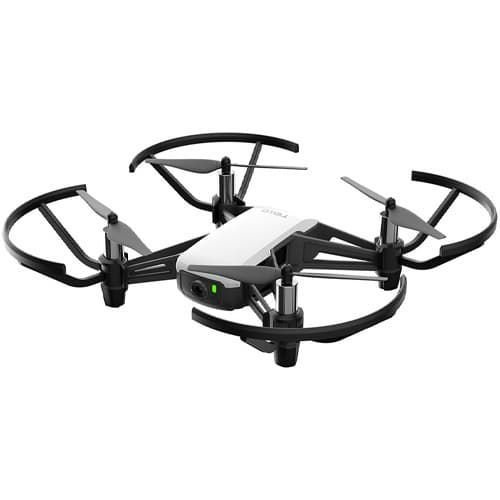
Ryze Tello
The smart pick: DJI flight tech and vision positioning make it hover like a drone three times the price, the 720p camera records clips worth keeping, and block coding turns rainy days into lessons. Start here for most ten year olds.
View on Amazon Read the full review ↓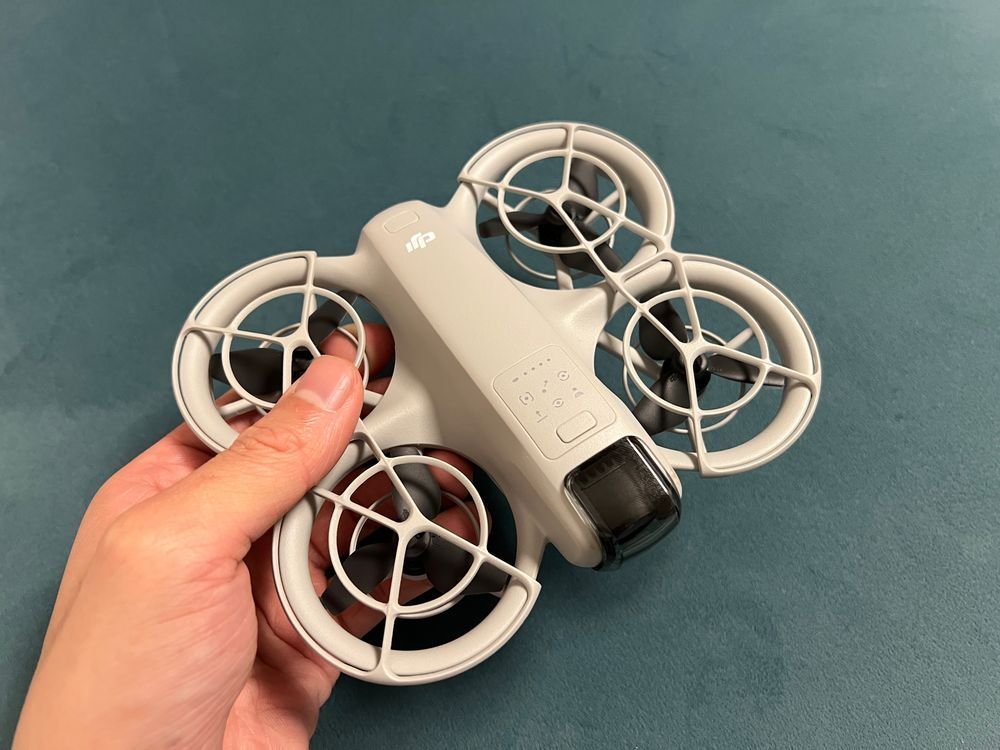
DJI Neo
The camera pick: palm launch, full propeller guards and true 4K video from the lightest DJI here. It films follow shots of its pilot at a button press, which is exactly the magic a ten year old wants to show friends.
View on Amazon Read the full review ↓
Holy Stone HS440
The step up pick: a folding 1080p camera drone with 20 minute flights and a carry case, sized for school bags and family trips. It flies like a real camera drone, because underneath the toy bracket, it is one.
View on Amazon Read the full review ↓The shortlist
Compare all 10 at a glance
For a ten year old, three things decide whether a drone gets flown weekly or abandoned: guards that survive knocks, enough batteries for a real session, and controls with room to grow.
| Product / award | Best fit | Key decision point | Check current offer |
|---|---|---|---|
| 01. Ryze TelloBest overall | Most ten year olds, first real drone | 720p video and vision positioning; programmable with Scratch | View on Amazon |
| 02. DJI NeoBest camera pick | Kids who want to film themselves and friends | 4K/30 video and palm launch; full propeller guards | View on Amazon |
| 03. Holy Stone HS440Best foldable step-up | Confident kids ready for a real camera drone | 1080p tilting camera; 20 minutes per battery, case included | View on Amazon |
 04. DEERC D20Best palm-size mini | First drone gifts and indoor flying | 69 g mini; two batteries and carry case in the box | View on Amazon |
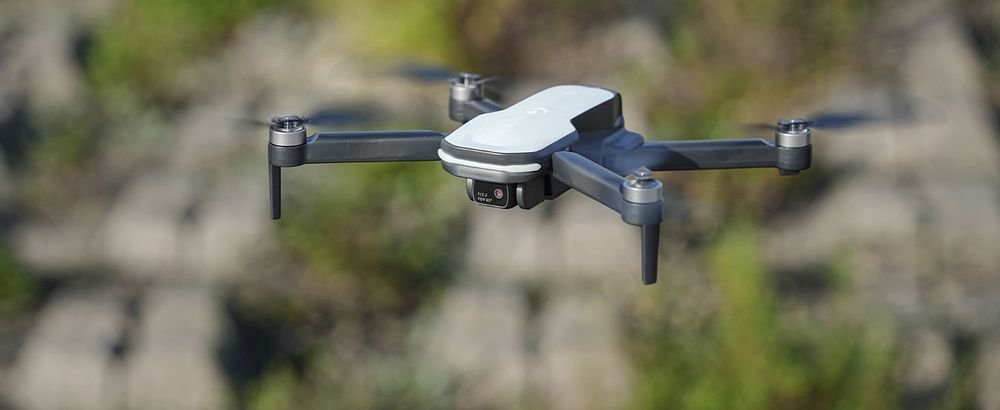 05. Holy Stone HS280DBest brushless trainer | Keen kids who will fly weekly | Brushless motors, 164 g; 1080p video, two batteries included | View on Amazon |
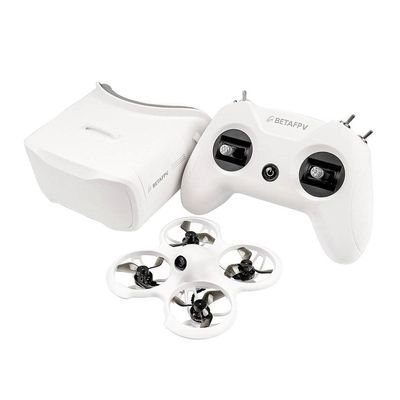 06. BETAFPV Cetus Pro FPV KitBest first FPV kit | Kids who dream of flying from the cockpit view | Complete kit with goggles and radio; 1200TVL FPV camera | View on Amazon |
 07. SNAPTAIN A10Best pocket folder | Kids who take a drone everywhere | Folds to 8.4 x 7.1 x 3.6 cm; 720p with 120° lens | View on Amazon |
 08. Holy Stone HS110DBest for first FPV fun | Kids curious about FPV without goggles | 120° FOV with 1080p to card; phone based live view | View on Amazon |
 09. DEERC D10Best with a hard case | Kids whose drone travels in a backpack | 2K stills and 1080p video; hard case included | View on Amazon |
 10. Holy Stone HS210Best for nervous beginners | Nervous beginners and indoor only flying | 24.8 g trainer; three batteries included, no camera | View on Amazon |
Look closer
Our 10 picks, explained
These picks come from desk research, not hands-on testing: we compared manufacturer spec sheets and manuals line by line, then cross-checked parent and owner feedback and published reviews to see which drones survive real ten year old use.
Ryze Tello
The Tello works for ten year olds because it removes the two things that end first flights early: drift and panic. Its vision positioning system watches the floor and holds the drone steady in a hover, so a child learns the sticks on a machine that is not sliding sideways while they think. The 720p camera is electronically stabilized and records clips clear enough to show family, and the throw and go launch makes takeoffs feel like play rather than procedure. The Tello is also programmable in Scratch, a coding project for wet weekends. The honest limits are one battery in the box and a Wi-Fi range made for gardens, not fields. Add a spare battery and it is the complete package.
- Takeoff weight
- 80 g
- Flight time
- 13 min per battery
- Camera
- 720p video, 5MP stills, vision positioning
Reasons to choose it
- Steadiest hover for learning
- Coding mode extends its life
- Watchable stabilized video
Trade-offs to know
- One battery in the box
- Wi-Fi range suits gardens, not fields
Choose this if: you want one drone that teaches flying now and coding later.
Consider another option if: you want a camera that films the pilot automatically, the DJI Neo.
DJI Neo
The Neo is the drone a ten year old would design: no controller to learn before the fun starts, just hold it up, press a button and it films you riding, running or circling a viewpoint. The camera is a real one, 4K video from a 1/2-inch sensor, so the clips look like the ones in the videos that inspired the gift. Full propeller guards wrap every blade, which matters when the audience is a group of excited friends standing close. AI tracking keeps the pilot framed, and at 135 g it goes in any bag. Be honest about the edges: about 18 minutes per battery and a Level 4 wind rating that grounds it on breezy days. For a camera loving ten year old, it is still the standout.
- Takeoff weight
- 135 g
- Flight time
- About 18 min per battery
- Camera
- 1/2-inch CMOS, 12MP, 4K/30
Reasons to choose it
- Palm launch, no controller needed
- Real 4K video and tracking
- Full propeller guards
Trade-offs to know
- Calm days only, Level 4 wind rating
- Short 18 minute flights
Choose this if: the camera and the selfie tricks are the whole point.
Consider another option if: you want longer sessions and coding instead, the Ryze Tello.
Holy Stone HS440
Every list for this age needs one drone that points at the future, and the HS440 is it. It folds into a carry case the size of a paperback, then opens into a proper camera drone: 1080p video, a camera that tilts 90 degrees so shots get framed rather than pointed at, and about 20 minutes per battery, the longest single flights on this list. Altitude hold and one key takeoff keep the basics covered while a ten year old learns real range and orientation. There is no GPS, so outdoors belongs to calm mornings. As the drone for the child who has mastered a mini and wants the real thing, it is exactly pitched.
- Takeoff weight
- 166 g
- Flight time
- 20 min per battery
- Camera
- 1080p, 112° FOV, 90° adjustable
Reasons to choose it
- Tilting 1080p camera
- 20 minute flights, case included
- Folds for bags and trips
Trade-offs to know
- No GPS, calm days outdoors
- Heavier knocks than the minis
Choose this if: your child has outgrown a mini and wants a real camera drone.
Consider another option if: you want something smaller for indoor learning first, the DEERC D20.
DEERC D20
The D20 succeeds by being honest about its job. At 69 g it is a palm sized indoor and garden flyer that a ten year old can master in one afternoon: altitude hold keeps it level, headless mode removes the orientation puzzle, and one key takeoff and landing handle the scary bits. The box is the real headline, because two batteries and a molded carry case come included, the exact extras parents usually end up buying separately a week later. The 720p camera with an 80 degree lens records the fun in watchable quality, and the whole kit packs away in its own case. Outdoors it needs calm air and there is no GPS, but as a first drone that actually gets flown daily, it is hard to beat.
- Takeoff weight
- 69 g
- Flight time
- 10 min per battery, two included
- Camera
- 720p video, 80° lens
Reasons to choose it
- Case and two batteries included
- Tiny and indoor friendly
- Headless mode for beginners
Trade-offs to know
- 720p camera ceiling
- Calm weather only outdoors
Choose this if: you want a complete first kit with nothing else to buy.
Consider another option if: you want a drone that teaches coding as well, the Ryze Tello.
Holy Stone HS280D
Parents of keen ten year olds learn one lesson fast: a drone flown every weekend wears out toy motors in a season. The HS280D is the answer on this list, with brushless motors that run stronger, cope better with a light breeze and last for years rather than months. Around those motors sits a sensible trainer: folding arms, altitude hold, one key takeoff and 1080p video at 25fps through a 65 degree lens, with two batteries included at about 14 minutes each. At 164 g it feels planted in the air. There is no GPS and no gimbal, so it still belongs to calm days and patient flying. For the child who has caught the bug properly, this is the one that keeps up.
- Takeoff weight
- 164 g
- Flight time
- 14 min per battery, 2 included
- Camera
- 1080p at 25fps, 65° FOV, brushless motors
Reasons to choose it
- Brushless motors last for years
- Two batteries included
- Solid, planted feel in the air
Trade-offs to know
- No GPS or gimbal
- Narrower 65 degree lens
Choose this if: your child flies weekly and needs a trainer that lasts.
Consider another option if: you want a tilting camera and longer flights instead, the Holy Stone HS440.
BETAFPV Cetus Pro FPV Kit
FPV is the branch of flying that feels like a video game come to life, and the Cetus Pro kit is the safest way in for a ten year old. The box holds everything: a brushless whoop drone wrapped in a protective ducted frame, the LiteRadio 2 SE transmitter and VR02 goggles that show the view from its 1200TVL camera. Three flight modes let a child start slow and unlock speed as skill grows, and turtle mode flips the drone upright after a crash. The radio also works with computer simulators, so rainy day practice is free. Set the house rules early: short seated sessions, a spotter watching the real drone, and line of sight flights first. Done that way, it is unforgettable.
- Frame
- 40mm 3-blade brushless whoop, ducted
- Camera
- C02 1200TVL FPV camera
- In the box
- LiteRadio 2 SE transmitter and VR02 goggles
Reasons to choose it
- Complete kit, nothing else to buy
- Ducted frame protects props and people
- Radio doubles as a simulator controller
Trade-offs to know
- Goggles need a spotter and short sessions
- Steepest learning curve here
Choose this if: your child wants the real cockpit view and will practice for it.
Consider another option if: you want screen based FPV fun without goggles, the Holy Stone HS110D.
SNAPTAIN A10
Ask what kills a kids drone and boredom beats breakage: the drone left at home never gets flown. The A10 fixes that by folding to about 8.4 by 7.1 by 3.6 cm, small enough for a coat pocket or a suitcase corner. Unfolded, it is a friendly little flyer with altitude hold, one key takeoff and a 720p camera behind a wide 120 degree lens that makes garden footage feel bigger than it is. Two batteries at about 7 minutes each suit its grab and go role, and gravity control plus 3D flips cover the playground tricks. Wind defeats it quickly and the footage is for screens only. Judged as the drone a ten year old actually has with them, it wins its place.
- Folded size
- 8.4 x 7.1 x 3.6 cm
- Flight time
- 7 min per battery, 2 included
- Camera
- 720p, 120° FOV
Reasons to choose it
- Folds to true pocket size
- Two batteries included
- Wide 120 degree lens
Trade-offs to know
- 7 minutes per battery
- Footage is screen grade only
Choose this if: portability matters more than power or flight time.
Consider another option if: you want a complete kit with a case instead, the DEERC D20.
Holy Stone HS110D
Not every child wants goggles, and the HS110D is the FPV alternative that uses a phone instead. Its camera sees through the joint widest lens here at 120 degrees and records 1080p to a memory card, while the live view streams to the handset for framing shots and flying by screen in a hall or garden. Altitude hold steadies the hover, and a gravity sensor mode steers by tilting the phone while thumbs learn the sticks. At 149 g it is light and forgiving, with the usual limits of the class: about 10 minutes per battery, no GPS and a fixed camera angle. As the bridge between toy drones and camera drones, it is a proven, friendly design.
- Takeoff weight
- 149 g
- Flight time
- 10 min per battery
- Camera
- 1080p to card, 120° FOV
Reasons to choose it
- Live view on a phone, no goggles needed
- Widest 120 degree lens here
- Gravity sensor steering option
Trade-offs to know
- 10 minutes per battery
- No GPS or tilting camera
Choose this if: your child wants to fly by camera view on a phone screen.
Consider another option if: you want the full goggles experience instead, the BETAFPV Cetus Pro FPV Kit.
DEERC D10
Ten year old logistics are brutal on gadgets, which is why the D10 and its hard case make this list. The folding drone, its controller and two batteries all live in a molded case that survives backpacks, car boots and being dropped off at grandparents. The drone itself is a capable step up: 2K stills, the sharpest photos here, 1080p video, tap fly route drawing on the phone screen. Flight runs about 12 minutes per battery, roughly 24 to 30 across both packs, with altitude hold steadying every shot. There is no GPS, so outdoor flying belongs to calm days and open spaces. For the child whose drone goes everywhere, the case is not an accessory; it is the feature.
- Takeoff weight
- 164 g, folding
- Flight time
- 12 min per battery, about 24 to 30 min with 2
- Camera
- 1080p video, 2K stills
Reasons to choose it
- Hard case included
- 2K stills, best photos here
- Tap fly and voice control
Trade-offs to know
- No GPS
- Video is plain 1080p
Choose this if: the drone will live in a backpack and travel weekly.
Consider another option if: you want a lighter mini for indoor flying instead, the DEERC D20.
Holy Stone HS210
Every flying family benefits from one drone nobody is precious about, and the HS210 is it. At 24.8 g it is too light to damage itself, the furniture or anyone’s confidence: wall taps end in a wobble, not a repair bill. Holy Stone includes three batteries at up to 9 minutes each, so a session runs through rotations instead of dying at the first charge, and altitude hold plus one key takeoff keep the controls focused on pure steering. There is deliberately no camera, no app and no GPS, because this drone has one job: build the two stick instincts that make every later drone easy. Master a room circuit and a mat landing, and a child is ready for anything else here. Start nervous beginners on the HS210 and the upgrade chooses itself.
- Takeoff weight
- 24.8 g
- Flight time
- Up to 9 min per battery, three included
- Camera
- None, dedicated flight trainer
Reasons to choose it
- Three batteries, long sessions
- Too light to break or break things
- Pure flying skills, zero distractions
Trade-offs to know
- No camera at all
- Indoor and calm air only
Choose this if: your child is nervous, young for the age group, or brand new to sticks.
Consider another option if: you want the trainer with a camera and coding, step up to the Ryze Tello.
Buy with confidence
How to choose a drone for a 10 year old
Four checks that matter more than the camera when the pilot is ten.
01. Match the drone to confidence, not just age
Ten year olds vary more than any age label admits. A cautious child flies further with the tiny HS210 and its three batteries than with a flagship they are scared to crash, This list runs from pure trainers to a full FPV kit for a reason: buy the rung of the ladder your child is actually standing on.
02. Guards and spares decide how long it lasts
Full propeller guards, like the Neo and Cetus Pro wear, turn wall taps into non events and protect fingers as well as furniture. Partial guards help less than you hope. Whatever you buy, add spare propellers and at least one spare battery to the order: the drone that waits two weeks for a part is the drone that gets forgotten.
03. Battery count is session length
A ten year old experiences flight time as a session, not a spec. One 13 minute battery followed by an hour of charging ends the afternoon; the HS210 with three packs or the D20 with two keeps the rotation going. Teach landing at the low battery warning rather than at the forced landing, and the packs last longer too.
04. Set the flying rules on day one
Agree the boundaries before the first takeoff: indoors or the garden only, never over roads, people or neighbors’ gardens, and straight back inside when the wind picks up. All ten picks stay under 250 g, which keeps the paperwork light in most places, but the safety rules and a supervising adult are not optional extras.
Behind the recommendations
How we selected these products
This guide is built on desk research, not hands-on testing. We compared official manufacturer spec sheets and manuals for every drone plausibly bought for a child this age, then cross-checked the shortlist against parent and owner feedback and published reviews, paying particular attention to what breaks, what gets lost and how long the fun lasts per charge.
- Durability and guards: propeller protection, frame material and takeoff weight, because a lighter drone hits the world more gently, all taken from manufacturer data.
- Sessions and growth: batteries included, flight time per charge and step up features like FPV, tracking or coding that keep the drone interesting past the first month.
- Limitations: we did not fly these drones for this guide, and age ratings are set by the makers, so adult supervision and local rules apply to every flight.
Common questions
Before you buy
Is a 10 year old old enough to fly a drone?
Yes, with supervision. Two stick coordination is usually solid by ten, and altitude hold plus propeller guards cover the early mistakes. Most makers still rate these drones 14 plus, so the standing rule is simple: an adult watches, the child flies, and the first sessions happen indoors or on calm days.
Which of these survives crashes best?
The HS210, because at 24.8 g it simply does not hit anything hard. After that, the fully guarded Neo and the ducted Cetus Pro shrug off bumps that would snap exposed propellers. Weight is the best armor a kids drone can wear, which is why the heavy folders sit lower on this list for younger pilots.
Does my child need to register a drone?
All ten picks weigh under 250 g, so in the US recreational flyers do not need FAA registration for them. The safety rules still apply, other countries differ, and an adult should read the local guidance before the first outdoor flight.
Are FPV goggles a good idea at ten?
For the right child, yes, in short supervised sessions. The Cetus Pro puts the child in the pilot seat through its goggles, which is a thrill no screen matches. Keep sessions short, fly seated with a spotter watching the drone, and start in the slowest flight mode. If your child gets motion sick in cars, try the screen based picks first.
The short version for parents
Start with the Ryze Tello for most ten year olds: it hovers calmly, films decent video and teaches coding on rainy days. Choose the DJI Neo if the camera is the point of the gift. Whichever you pick, add spare propellers to the order and keep the first flights indoors or on the calmest day you can find.
Sources and verification
Product specifications and claims in this guide were checked against the following sources, listed by name as a record of what was consulted.
- DJI Neo official specifications and user manual
- Ryze Tello official specifications and user manual
- Holy Stone HS440, HS280D, HS110D and HS210 official product pages and user manuals
- DEERC D20 and D10, and SNAPTAIN A10 official product pages
- BETAFPV Cetus Pro FPV Kit official documentation
- Published reviews and parent feedback for the shortlisted models, cross-checked in October 2026