

As an Amazon Associate I earn from qualifying purchases. If you buy through links in this article, we may earn a commission at no extra cost to you.
These are the 10 best affordable FPV drones, chosen for one test: how much real flying you get before the upgrades start. The list favors complete kits with a radio and goggles in the box, durable whoops that survive a beginner’s first hundred crashes, and a couple of bind-and-fly bargains for pilots who already own gear. Value here is measured in flight time, spare parts and repairability, never in headline discounts.
Short on time?
Start with these three picks
One kit does everything for a new pilot, one DJI drone skips the whoop learning curve, and one RTF freestyle quad is ready the day it lands.

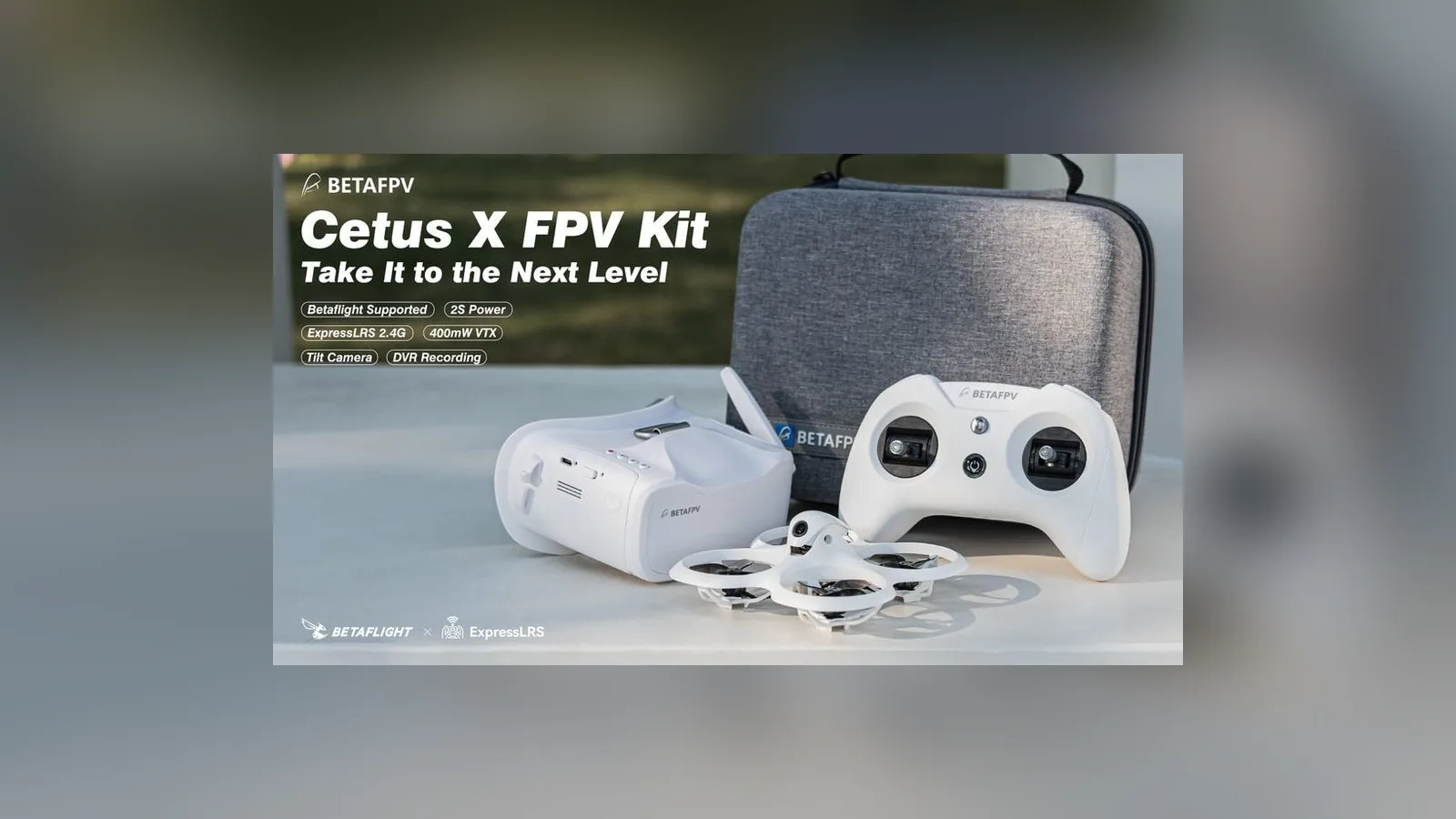
BETAFPV Cetus X FPV Kit
The complete starter package done right: a brushless 95mm whoop with a camera the goggles can record, the LiteRadio 3 transmitter and VR03 DVR goggles, plus two batteries. It flies full manual mode when you are ready, which most starter kits never offer.
View on Amazon Read the full review ↓
DJI Neo
The camera-first shortcut into FPV: it pairs with DJI goggles and the motion controller, records stabilized 4K, and launches from your palm at 135 g. It costs more than the whoop kits and asks DJI ecosystem money for the goggles.
View on Amazon Read the full review ↓
EMAX Tinyhawk 3 Freestyle Plus RTF Kit
A complete freestyle kit with real pace: the 2.5-inch quad, EMAX goggles and the E8 transmitter in one box, tuned for outdoor acro rather than indoor hovering. It asks more of a beginner, and teaches more in return.
View on Amazon Read the full review ↓The shortlist
Compare all 10 at a glance
For budget FPV, three things decide value: what is in the box, how well it survives crashes, and whether parts are cheap and stocked.
| Product / award | Best fit | Key decision point | Check current offer |
|---|---|---|---|
| 01. BETAFPV Cetus X FPV KitBest overall | New pilots wanting one complete box | Full kit with DVR goggles; brushless whoop, beginner tough | View on Amazon |
| 02. DJI NeoBest camera FPV on a budget | Camera-first FPV beginners | 4K camera in the DJI goggles world; costs more than whoop kits | View on Amazon |
| 03. EMAX Tinyhawk 3 Freestyle Plus RTF KitBest ready-to-fly freestyle | Beginners aiming at freestyle | Full RTF kit; 2.5-inch open props, outdoor first | View on Amazon |
 04. BETAFPV Meteor75 ProBest 75mm whoop | Indoor pilots stepping up | 75mm brushless whoop; bind-and-fly, needs ELRS radio and goggles | View on Amazon |
 05. Happymodel Mobula7 1SBest lightweight 1S whoop | Lightweight indoor racing | 75mm at about 24 g; bind-and-fly ELRS | View on Amazon |
 06. BETAFPV Aquila16 FPV KitBest for learning manual mode | Learners who want flight modes | Full kit with a mode ladder to manual; about 8 minutes per pack | View on Amazon |
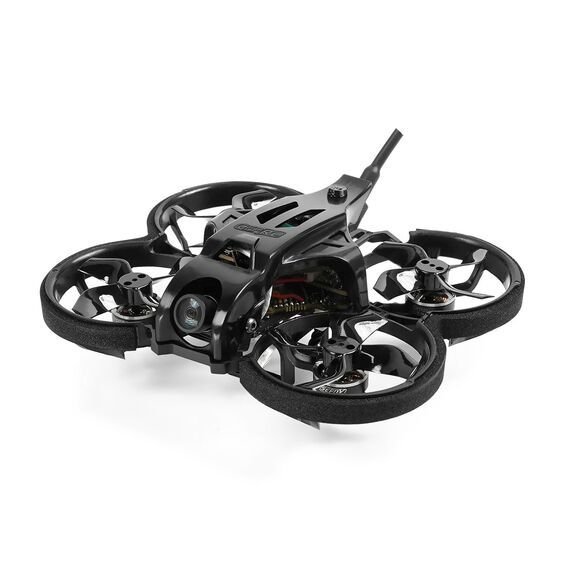 07. GEPRC TinyGO 4K RTFBest for recording HD footage | Pilots who record their flights | 4K onboard recording RTF kit; 54.8 g cinewhoop manners | View on Amazon |
 08. BETAFPV Cetus Pro FPV KitBest mid-step kit | Patient beginners, indoor first | Full kit with position hold; brushless motors, 40mm props | View on Amazon |
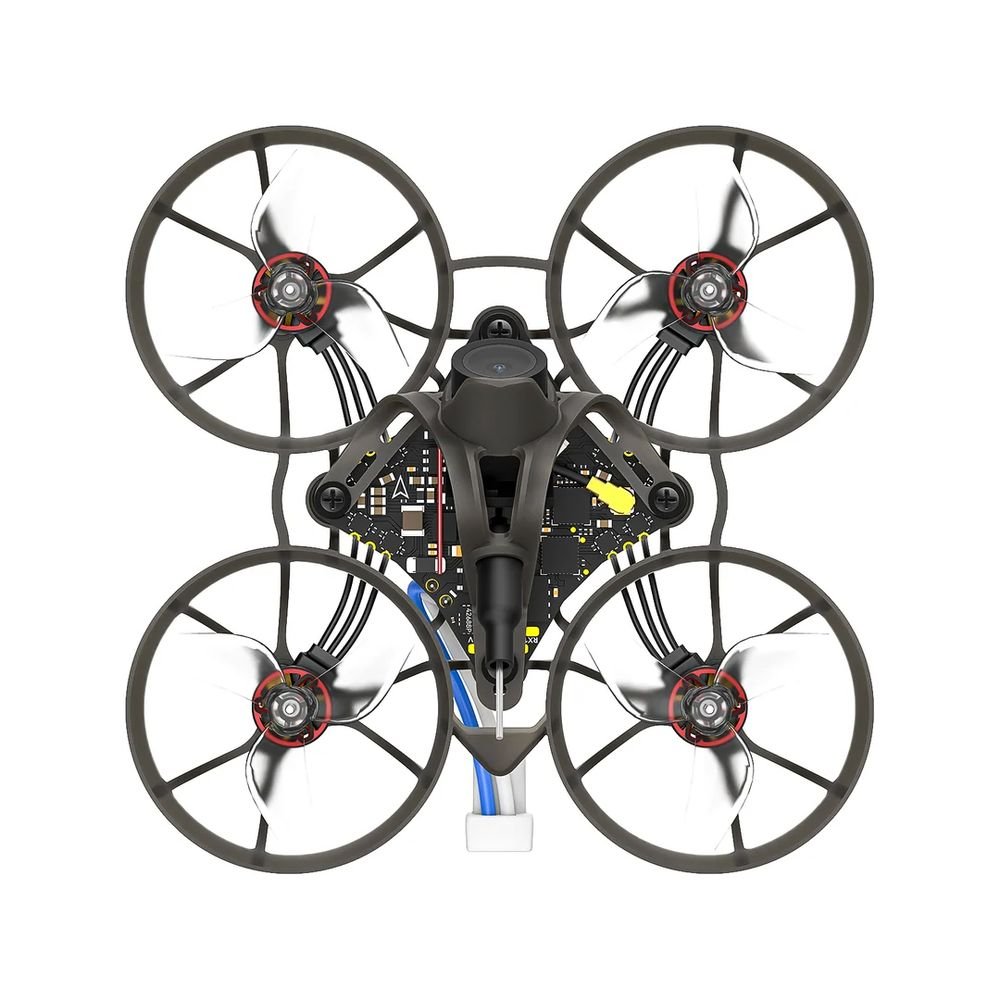 09. BETAFPV Air65Best ultralight race whoop | Ultralight indoor racing | 17.3 g race whoop; bind-and-fly, analog ELRS | View on Amazon |
 10. BETAFPV Cetus Lite FPV KitBest first FPV kit | Absolute beginners on the smallest budget | Full starter kit; 720p camera, short range | View on Amazon |
Look closer
Our 10 picks, explained
These picks come from desk research, not hands-on testing: we compared manufacturer spec sheets and kit contents line by line, then cross-checked owner feedback and published reviews to see which budget claims hold up after the first crashes.
BETAFPV Cetus X FPV Kit
Most starter kits strand you: toy motors, no manual mode, goggles you throw away within a month. The Cetus X avoids all three traps. The 95mm brushless whoop has genuine pace for garden and park flying, with ducted propellers that shrug off the bumps every beginner delivers. The VR03 goggles record DVR footage, which matters more than it sounds, because reviewing your lines is how pilots actually improve. The LiteRadio 3 is a real transmitter you can later use with other BetaFPV aircraft, and two batteries are included so sessions do not end after the first pack. Position hold keeps early flights calm, and full manual acro mode is waiting when your thumbs are ready for it.
- Frame
- 95mm brushless ducted whoop
- Camera
- C04 FPV camera, DVR recording in the goggles
- In the box
- LiteRadio 3 radio, VR03 goggles, 2 batteries
Reasons to choose it
- Everything included, nothing else to buy
- DVR recording for reviewing flights
- Manual mode for real skill growth
Trade-offs to know
- Ducted whoop, not a freestyle machine
- Goggles are entry level resolution
Choose this if: you are starting FPV and want one box that teaches properly.
Consider another option if: the budget is tighter still, the BETAFPV Cetus Lite FPV Kit trims the kit to the essentials.
DJI Neo
Every other pick here teaches FPV the traditional way. The Neo offers a shortcut: pair it with DJI goggles and the motion controller, and you are flying first-person with a stabilized 4K camera, palm launch and subject tracking, at 135 g. For creators who want FPV-style clips inside a normal video, that ease is worth real money, and the Neo is the least expensive way into DJI’s current goggles ecosystem. The trade-offs are equally real: it is not repairable like a whoop, the propeller guards forgive taps rather than crashes, and serious pilots will outgrow the motion controller for a real radio. As an affordable camera-first FPV drone, though, nothing else on this list does its job.
- Takeoff weight
- 135 g
- Flight time
- About 18 min per battery
- Camera
- 1/2-inch CMOS, 12MP, 4K/30
Reasons to choose it
- Stabilized 4K footage, not just a feed
- Palm launch, motion controller flying
- Tracking modes no whoop offers
Trade-offs to know
- Not field-repairable like a whoop
- Goggles and controller cost extra
Choose this if: FPV footage matters more than FPV technique.
Consider another option if: you want to learn real acro flying, the EMAX Tinyhawk 3 Freestyle Plus RTF Kit is a proper freestyle teacher.
EMAX Tinyhawk 3 Freestyle Plus RTF Kit
EMAX built this kit for the beginner who already knows they want freestyle, not sightseeing. The quad is a 2.5-inch machine on a 110mm wheelbase at about 65 g without its battery, quick enough for split-S practice and garden acro, with open propellers that demand a little more respect than ducts. The kit includes the Transporter 2 goggles and the E8 transmitter, so nothing else is needed to start, and both carry over to other analog quads later. Flight time runs about 4 minutes per 450mAh pack, which is normal for the class and argues for spare batteries. It is the least crash tolerant pick near the top of this list, and also the most rewarding.
- Frame
- 2.5-inch freestyle, 110mm wheelbase
- Weight
- About 65 g without battery
- Flight time
- About 4 min per 450mAh pack
Reasons to choose it
- Real freestyle pace in a starter kit
- Goggles and transmitter included
- Analog gear carries to future quads
Trade-offs to know
- Open props, less crash forgiving
- Short packs mean buying spares
Choose this if: freestyle is the goal and you want to start outdoors.
Consider another option if: you would rather learn indoors first, the BETAFPV Cetus X FPV Kit is ducted and gentler.
BETAFPV Meteor75 Pro
BetaFPV’s 75mm class is where indoor FPV gets serious, and the Meteor75 Pro is its sweet spot. At 30.43 g without a battery it is light enough to fly in a living room, while its 1102 22000KV brushless motors give it real punch for a whoop. The C03 camera and a VTX that reaches 400mW keep the feed clean through the walls that defeat lesser whoops. This is a bind-and-fly aircraft: you bring an ELRS radio and analog goggles, which is exactly why it suits pilots graduating from a Cetus kit rather than absolute beginners. Frames, canopies and motors are cheap and widely stocked, so the inevitable crashes stay affordable too.
- Weight
- 30.43 g without battery
- Motors
- 1102 22000KV brushless
- Video
- C03 analog camera, VTX to 400mW
Reasons to choose it
- Quickest indoor class in this list
- Strong 400mW VTX for house flying
- Cheap, widely stocked spare parts
Trade-offs to know
- Bind-and-fly, radio and goggles extra
- 1S packs give short flights
Choose this if: you own FPV gear and want a serious indoor whoop.
Consider another option if: you are starting from zero, the BETAFPV Cetus X FPV Kit bundles the gear this one needs.
Happymodel Mobula7 1S
Happymodel’s Mobula line earned its following by being light, and the 1S Mobula7 is the lightest 75mm here at roughly 24 g. Less mass means less crash energy, which means fewer broken parts per hour of indoor flying, the arithmetic that decides affordable FPV. The Runcam Nano3 camera and OpenVTX, adjustable up to 400mW, deliver a workable analog feed, and the ELRS receiver keeps the control link modern. Like the Meteor75 Pro it is bind-and-fly, so budget for a radio and goggles if you do not own them. Set expectations by class: this is an indoor and calm-garden machine, and wind is not its friend.
- Frame
- 75mm whoop, about 24 g
- Camera
- Runcam Nano3 analog
- Video link
- OpenVTX to 400mW, ELRS receiver
Reasons to choose it
- Lightest 75mm pick, crash kind
- Modern ELRS control link
- Huge community tune knowledge
Trade-offs to know
- Bind-and-fly, gear costs extra
- Basic camera feed
Choose this if: indoor laps are your main flying and lightness rules.
Consider another option if: you want more punch in the same size, the BETAFPV Meteor75 Pro runs stronger motors.
BETAFPV Aquila16 FPV Kit
BetaFPV designed the Aquila16 as a curriculum, not just a kit. New pilots start in Normal mode with altitude help, graduate to Sport, and switch to full Manual when the basics stick, all on the same 72.5 g whoop. The thoughtful touches show: Turtle mode flips the quad upright after a crash so you walk less, the frame is built to be dismantled and repaired, and two batteries are included for about 8 minutes of flying each. The goggles and radio are entry grade, as they are in every kit here, and the camera is a simple analog unit. Judged as a first FPV purchase that respects a budget, its structure is the point.
- Takeoff weight
- 72.5 g
- Flight time
- About 8 min per battery, 2 included
- Flight modes
- Normal, Sport, Manual and Turtle
Reasons to choose it
- Mode ladder teaches real progression
- Turtle mode flips after crashes
- Repairable, modular frame
Trade-offs to know
- Entry grade goggles and camera
- Heavier than race whoops
Choose this if: you learn best in stages and want the kit to structure it.
Consider another option if: you want the sharper top-end kit instead, the BETAFPV Cetus X FPV Kit adds DVR goggles and brushless pace.
GEPRC TinyGO 4K RTF
Every other analog pick here records nothing better than goggle DVR. The TinyGO 4K carries a Caddx Loris camera that writes 4K/60 footage onboard, so the clip you post looks like a camera drone’s output, not a security feed. At 54.8 g with ducted propellers it flies like a small cinewhoop: smooth, deliberate, happiest cruising through gardens, woods and interiors rather than chasing lap times. The RTF kit includes the GR8 radio and RG1 goggles, completing the box. The costs are weight and pace: it is the least agile pick here, and the recording camera lifts its price within this list’s budget class. For creators, that trade is exactly right.
- Takeoff weight
- 54.8 g
- Camera
- Caddx Loris, 4K/60 onboard recording
- In the box
- GR8 radio and RG1 goggles (RTF kit)
Reasons to choose it
- Posts real 4K footage, not DVR
- Complete RTF kit
- Ducted cinewhoop, calm around people
Trade-offs to know
- Least agile pick here
- Costs the most of the whoops here
Choose this if: your FPV clips are the product, not just practice.
Consider another option if: lap times matter more than footage, the BETAFPV Meteor75 Pro is the racer’s whoop.
BETAFPV Cetus Pro FPV Kit
Between the Lite and the X sits the Cetus Pro, and for many beginners it is the right place to start. The brushless whoop runs 40mm three-blade propellers with enough control authority to teach real throttle discipline, while position hold keeps the early sessions from ending in the first ten seconds. The kit includes the LiteRadio 2 SE transmitter and VR02 goggles, and the airframe takes the knocks that learning guarantees. Compared with the Cetus X above it you give up DVR recording and some pace; compared with the Cetus Lite below it you gain brushless smoothness and a quad that stays interesting for longer. That middle ground is the value.
- Propellers
- 40mm 3-blade, brushless motors
- Camera
- C02 1200TVL analog
- In the box
- LiteRadio 2 SE radio, VR02 goggles
Reasons to choose it
- Position hold calms first flights
- Brushless smoothness over toy motors
- Full kit, nothing else required
Trade-offs to know
- No DVR recording in the goggles
- Outgrown sooner than the Cetus X
Choose this if: you want a calm, complete first kit with room to grow.
Consider another option if: you want the kit to last longer, the BETAFPV Cetus X FPV Kit adds DVR and more pace.
BETAFPV Air65
BetaFPV built the Air65 for the whoop racing scene, and it shows in every gram. At 17.3 g with 0702SE II 27000KV motors it accelerates like nothing else on this list and turns a hallway into a circuit. The C03 analog camera and ELRS receiver keep the setup current, and the whole BetaFPV parts ecosystem stands behind it for the day a frame arm tires. This is a second or third FPV drone, not a first: it is bind-and-fly, its speed punishes beginner thumbs, and its light build trades the training kits’ toughness for pace. In its price class, as a fun machine for pilots who can already fly, it is very hard to beat.
- Takeoff weight
- 17.3 g
- Motors
- 0702SE II 27000KV brushless
- Video
- C03 analog camera, ELRS receiver
Reasons to choose it
- Lightest and quickest whoop here
- Race-proven class and parts support
- Modern ELRS link
Trade-offs to know
- Too twitchy as a first drone
- Bind-and-fly, gear extra
Choose this if: you can already fly and want indoor racing pace.
Consider another option if: you are still learning, the BETAFPV Cetus Pro FPV Kit kit is the calmer teacher.
BETAFPV Cetus Lite FPV Kit
Every list needs a floor, and the Cetus Lite is a sensible one. The kit includes everything: the whoop, a LiteRadio SE transmitter and VR02 goggles, so the first flight happens the day the box arrives. The camera is a 720p unit with a control range around 80 m, which tells you the intended world: a room, a garden, a quiet park corner. Batteries are small 1S 300mAh packs, cheap to replace and cheap to multiply. Keen pilots will outgrow it quickly, and that is fine: its job is to answer, for the smallest sensible spend, whether FPV is your hobby. If the answer is yes, the Cetus X above is the natural next step.
- Camera
- 720p analog, about 80 m range
- Battery
- 1S 300mAh packs
- In the box
- LiteRadio SE radio, VR02 goggles
Reasons to choose it
- Complete kit at the lowest spend
- Gentle pace for true beginners
- Cheap batteries and spares
Trade-offs to know
- 720p feed and short range
- Outgrown quickly by keen pilots
Choose this if: you want to test FPV for the smallest sensible spend.
Consider another option if: you already know you will stick with it, the BETAFPV Cetus X FPV Kit is the longer-lasting kit.
Buy with confidence
How to buy FPV on a budget without wasting it
Four checks that separate a genuine bargain from a cheap drone with expensive consequences.
01. Count the whole setup, not the drone
A bind-and-fly whoop is only cheap if you already own a radio, goggles, batteries and a charger. New pilots should compare complete kits against the full cost of going bind-and-fly. Kits like the Cetus family and the TinyGO bundle the ecosystem once, and their radios and goggles keep working with your next drone.
02. Crash economics decide real value
Beginners crash constantly, so the cheapest drone to own is the one with cheap frames, stocked spares and motors you can swap at the kitchen table. BetaFPV and Happymodel whoops win here: parts are everywhere and cost little. A fragile bargain that needs a new airframe after every crash is not a bargain at all.
03. Match the protocol before you buy
Radio links are not universal. Most affordable FPV now speaks ELRS, older gear often runs FrSky, and DJI is its own world. Check that a bind-and-fly pick matches the radio you own or the kit you plan to grow from, because a mismatch quietly turns a saving into a second transmitter purchase.
04. Batteries are a running cost, so plan for them
Whoops fly 3 to 8 minutes per pack, which means a real session needs four to six batteries and a charger that handles them together. Small 1S packs are cheap, which is a big part of the whoop value story. When comparing kits, count the included batteries first: two in the box beats one every time.
Behind the recommendations
How we selected these products
This guide is built on desk research, not hands-on testing. We compared official manufacturer spec sheets and kit contents for every affordable FPV drone we could verify, then cross-checked the shortlist against owner feedback and published reviews, paying close attention to what each box actually includes. Specs were rechecked against the sources below in October 2026. Where a figure is a lab rating, such as flight time, we treat it as a ceiling, not a promise.
- True cost to fly: whether the box includes a radio, goggles, batteries and a charger, and which receiver protocol the aircraft speaks, taken from manufacturer kit listings.
- Durability and parts: frame type, ducted versus open propellers, and the availability and cost class of spare parts, compared across brands.
- Limitations: we did not fly these drones for this guide, and kit contents change between production runs, so confirm the exact bundle on the listing before buying.
Common questions
Before you buy
What else do I need to buy with a cheap FPV drone?
With a complete kit like the Cetus X, Aquila16, TinyGO 4K or the Tinyhawk kit, effectively nothing: radio, goggles and batteries are in the box, though extra batteries extend sessions. With bind-and-fly picks like the Meteor75 Pro, Mobula7 1S and Air65 you need a compatible radio, analog goggles, batteries and a charger. That is why bind-and-fly prices only look cheaper until the whole ecosystem is counted.
Are FPV kits with goggles included actually good value?
For a first drone, usually yes. The goggles and radios in these kits are entry level but genuinely usable, and they carry over to later analog aircraft. Buying equivalent separates costs more and adds compatibility guesswork. The exception is the pilot who already owns gear: for them a bind-and-fly whoop is the better spend, since a kit’s radio and goggles would duplicate what they already have.
How long do affordable FPV drones fly per battery?
Shorter than camera drones: about 3 to 5 minutes for racing whoops like the Air65 and Meteor75 Pro, around 4 minutes for the Tinyhawk freestyle quad, and up to about 8 minutes for the trainer-paced Aquila16. Flying style changes everything, since aggressive acro drains a pack far faster than gentle cruising. Most pilots fly four to six packs per session, which is why cheap batteries are part of the value case.
Should a beginner start with a whoop or a bigger FPV drone?
A whoop, almost always. Ducted propellers, low weight and position hold on the trainer kits mean crashes are cheap and injuries unlikely, indoors or out. Bigger open-prop quads like the Tinyhawk freestyle are the right second step once throttle control becomes automatic. Starting on a fast 5-inch quad is how beginners turn a budget drone into a parts bill.
Start flying FPV without the big spend
Start with the BETAFPV Cetus X FPV Kit if you are new: it is the most complete teacher here for the money. Choose the DJI Neo when the footage matters more than the technique, and the EMAX Tinyhawk 3 Freestyle Plus when freestyle is the destination.
Sources and verification
Product specifications and claims in this guide were checked against the following sources, listed by name as a record of what was consulted.
- BETAFPV Cetus X, Cetus Pro, Cetus Lite, Aquila16, Meteor75 Pro and Air65 official specifications (betafpv.com)
- EMAX Tinyhawk 3 Freestyle Plus official specifications (emaxmodel.com)
- GEPRC TinyGO 4K official specifications (geprc.com)
- Happymodel Mobula7 1S official specifications (happymodel.cn)
- DJI Neo official specifications (dji.com)
- Published reviews and owner feedback for the shortlisted models, cross-checked in October 2026