

As an Amazon Associate I earn from qualifying purchases. If you buy through links in this article, we may earn a commission at no extra cost to you.
These are the 10 best drones in the mid-range class right now, the level where camera sensors get serious, gimbals get smooth and flight times stretch past half an hour. This is the enthusiast sweet spot: nine of the ten picks stay under 250 g, several shoot the kind of 4K footage that used to demand flagship money, and one brings full-size endurance for windy country. We ranked them on image quality, flight manners and how much flagship you honestly get.
Short on time?
Start with these three picks
One is the solo creator camera of the class, one flies the longest, and one is the self-flying palm drone with a safety brain.
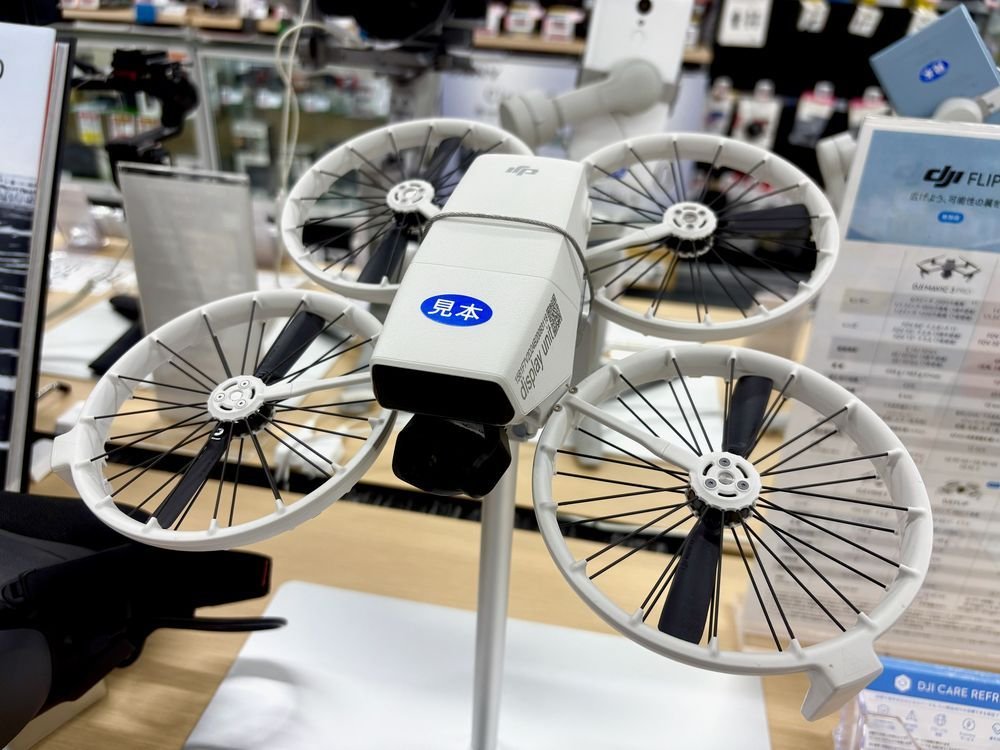
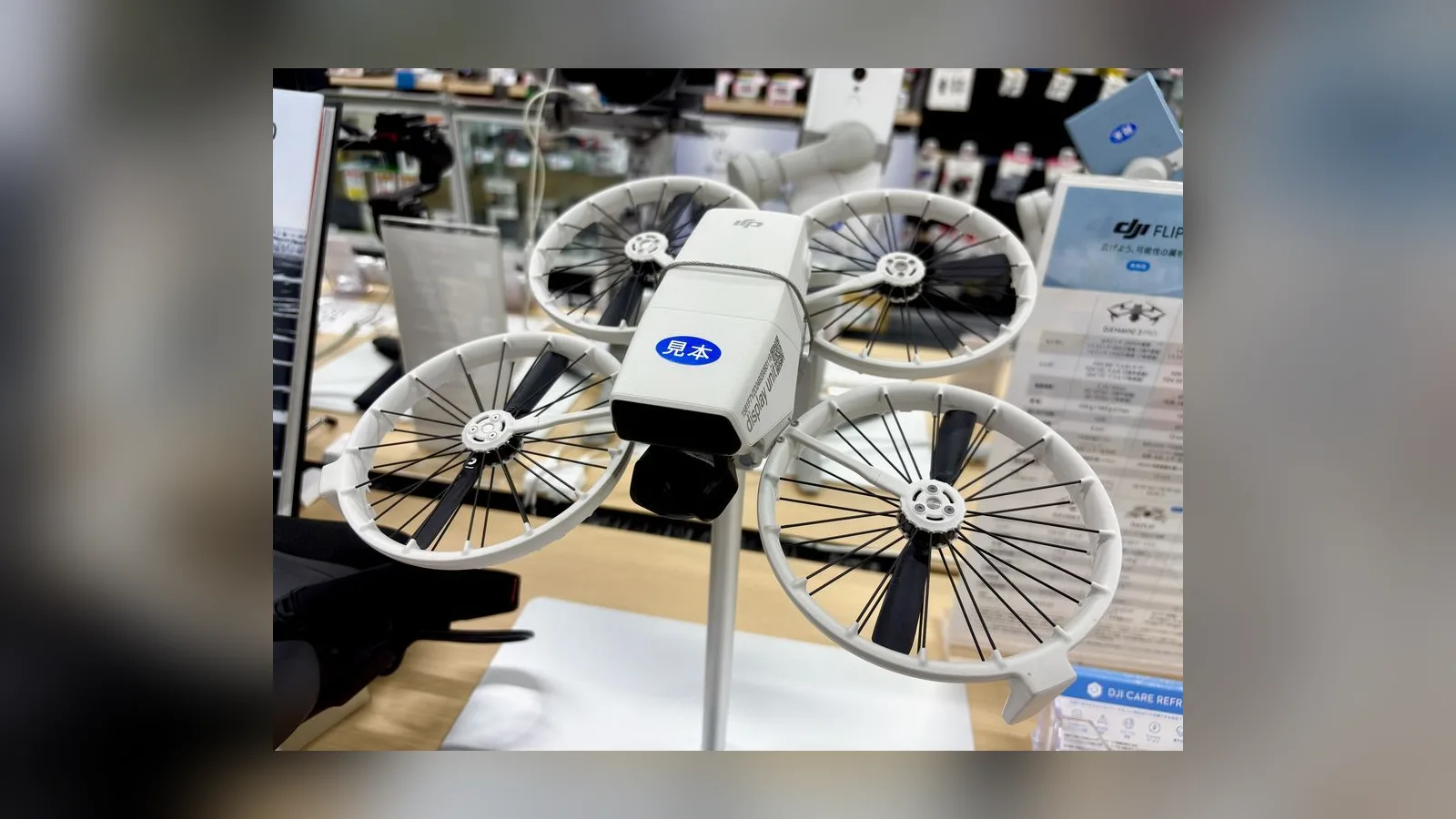
DJI Flip
The class benchmark for solo creators: a palm-launch folder with full guards, subject tracking and a 1/1.3-inch sensor shooting 4K/60 HDR. Thirty-one minute flights double the palm rivals. Braking faces forward only, the one sensing gap in an otherwise complete package.
View on Amazon Read the full review ↓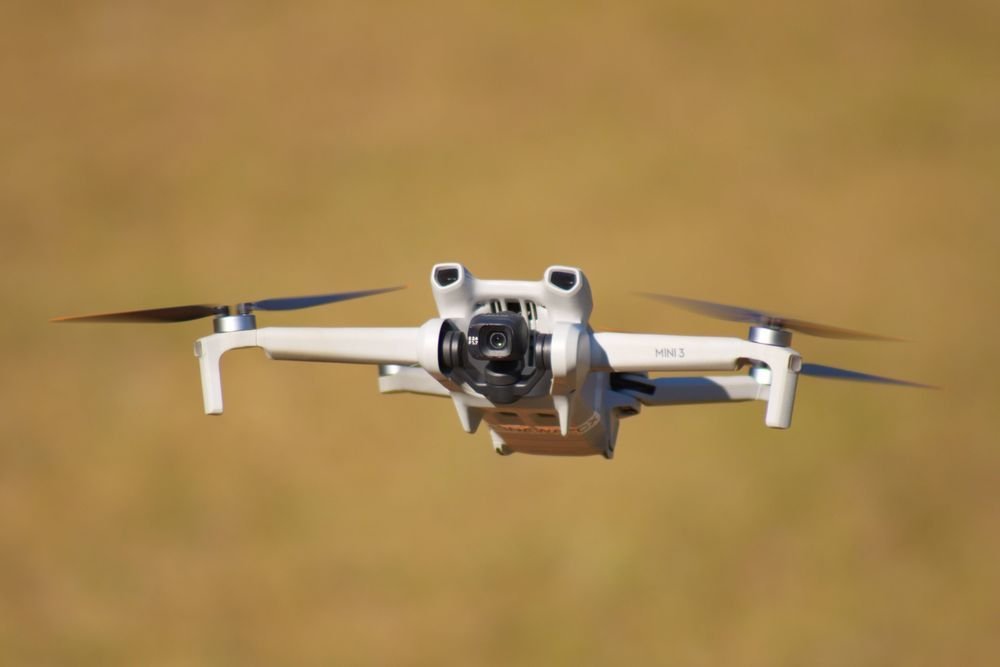
DJI Mini 3
The endurance and stills pick: the same 1/1.3-inch sensor class as the Flip, true vertical video and a rated 38 minutes per battery, the longest here. No tracking tricks and no obstacle sensing; it spends everything on the camera and the clock.
View on Amazon Read the full review ↓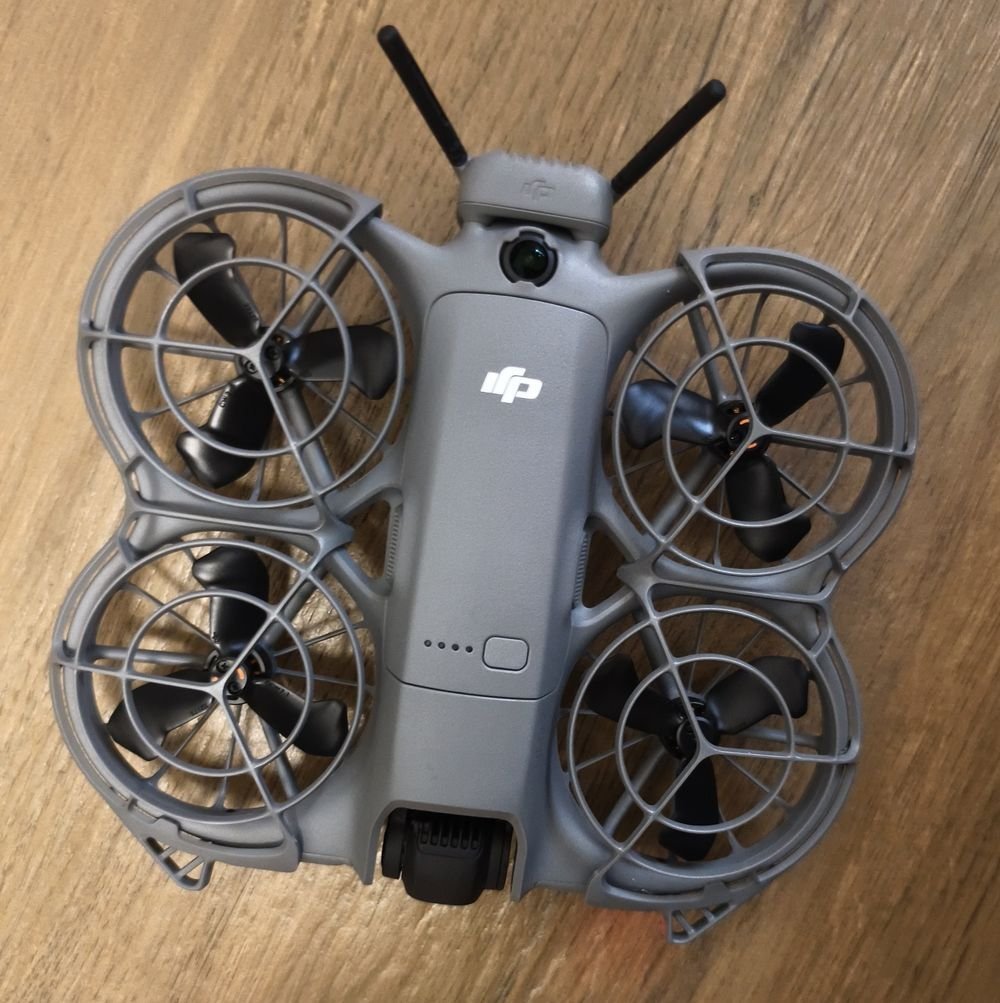
DJI Neo 2
The palm drone grown up: 151 g, gesture control, omnidirectional sensing with forward LiDAR and 4K/60 video with tracking at cycling speed. About 19 minutes per battery keeps it a sprinter, and long range needs an add-on module.
View on Amazon Read the full review ↓The shortlist
Compare all 10 at a glance
In this class spec sheets converge, so buy on differences that survive real flying: sensor size, stabilisation quality and what the second battery costs you.
| Product / award | Best fit | Key decision point | Check current offer |
|---|---|---|---|
| 01. DJI FlipBest overall | Solo creators and best all-round camera | 1/1.3-inch sensor; forward-only braking | View on Amazon |
| 02. DJI Mini 3Best for long flights | Landscapes, stills and long sessions | 38 minute rated flights; no obstacle sensing | View on Amazon |
| 03. DJI Neo 2Best self-flying pick | Follow shots with obstacle protection | Omnidirectional sensing; 19 minute flights | View on Amazon |
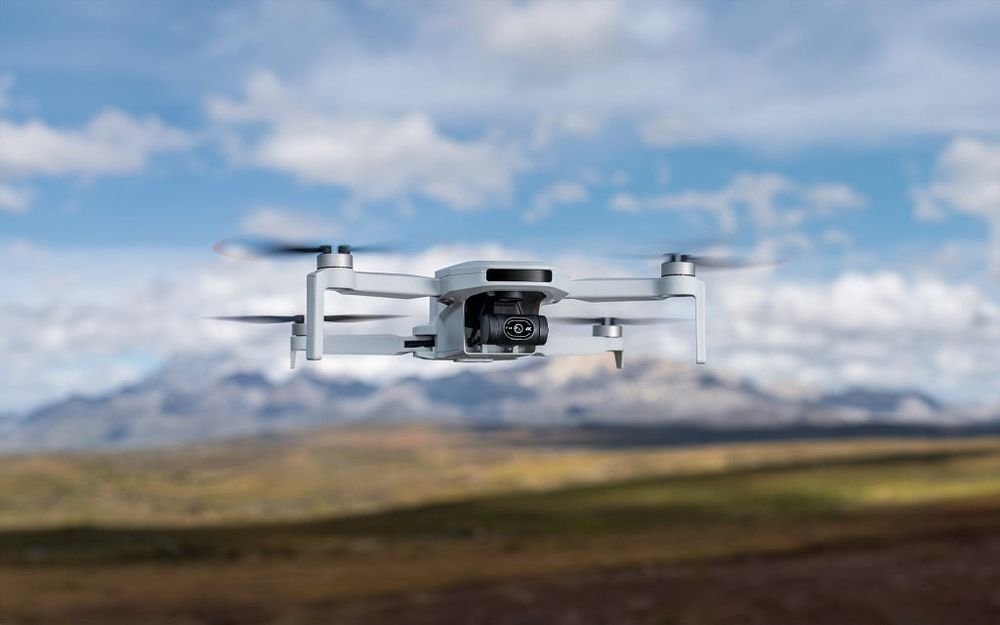 04. Potensic Atom 2Best DJI alternative | DJI-class specs without the DJI badge | 1/2-inch Sony sensor; 32 minute flights | View on Amazon |
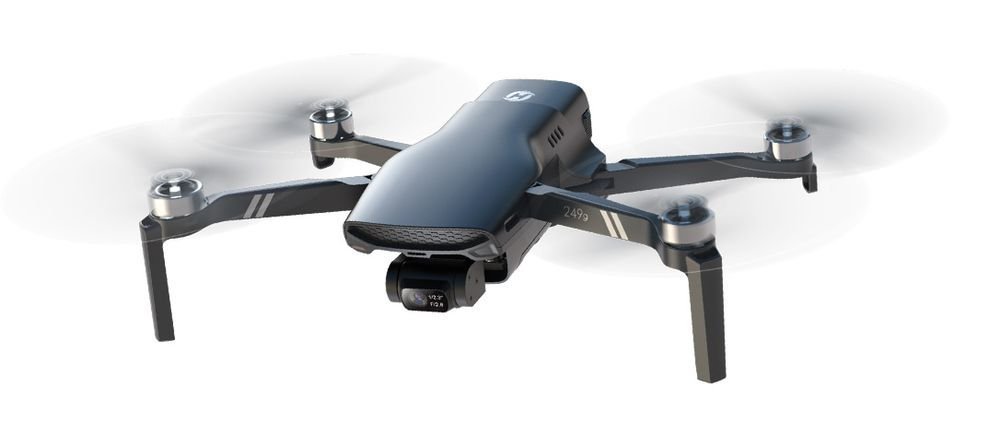 05. Holy Stone HS900Best value gimbal drone | Gimbal smoothness at a value level | 3-axis gimbal; 249 g folder | View on Amazon |
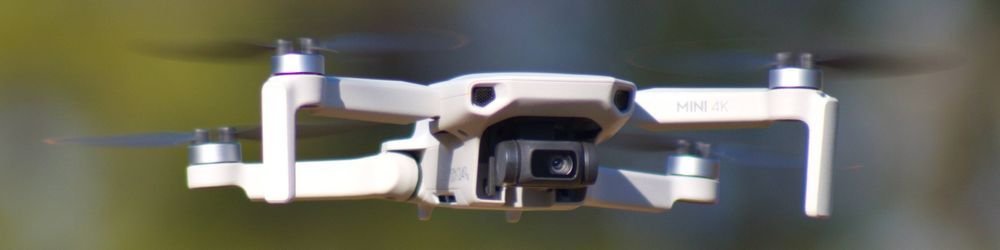 06. DJI Mini 4KBest starter camera drone | Serious start with room to grow | 4K/30 video; smaller 1/2.3-inch sensor | View on Amazon |
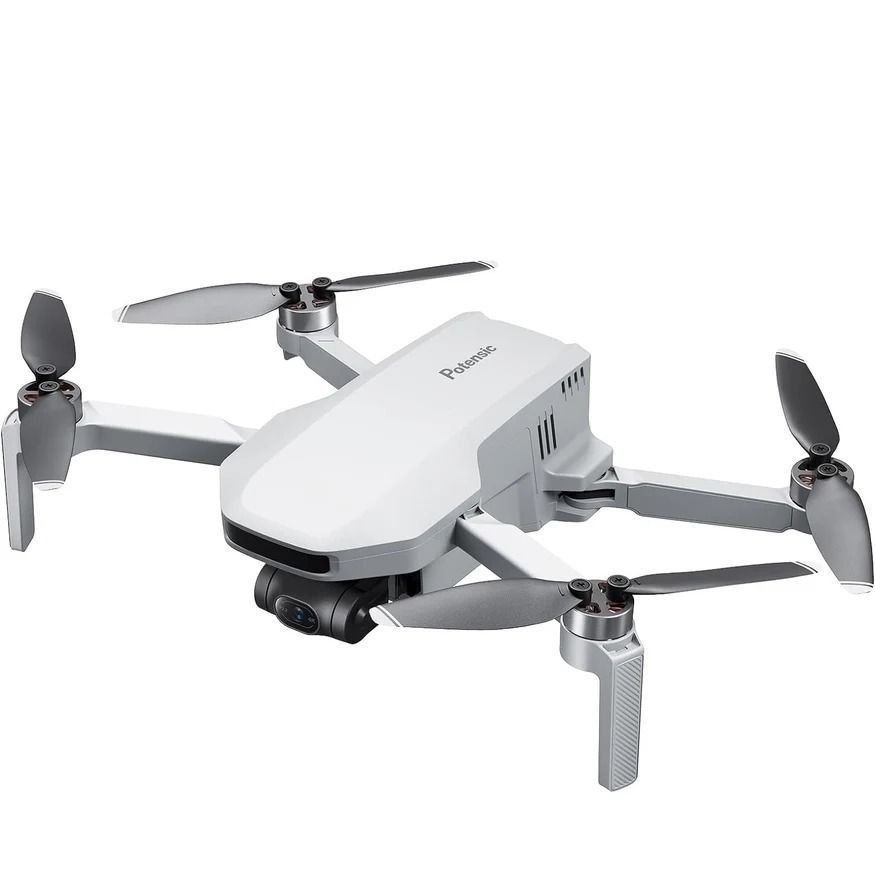 07. Potensic AtomBest 3-axis gimbal value | Smooth video and long range value | PixSync link to 6 km; 32 minute flights | View on Amazon |
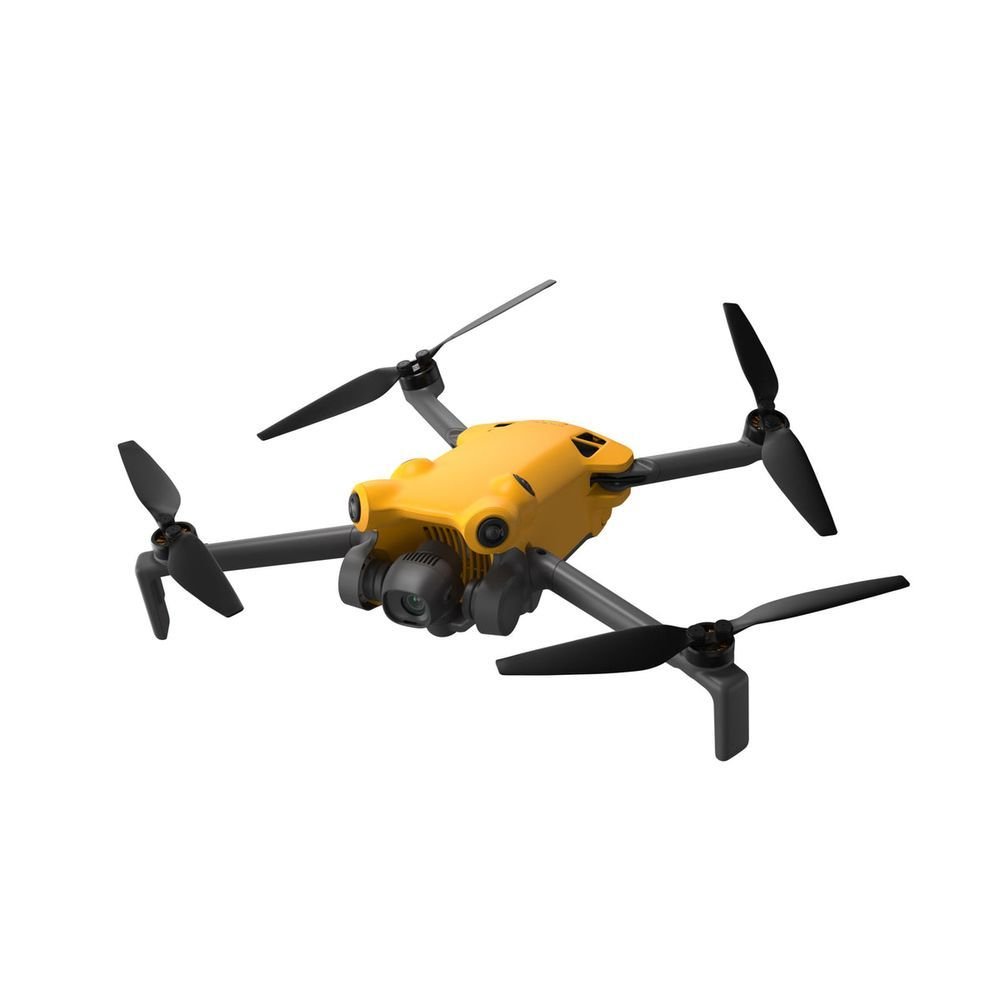 08. Skyrover X1Best feature-packed newcomer | Spec hunters and early adopters | 1/1.32-inch sensor; young brand support | View on Amazon |
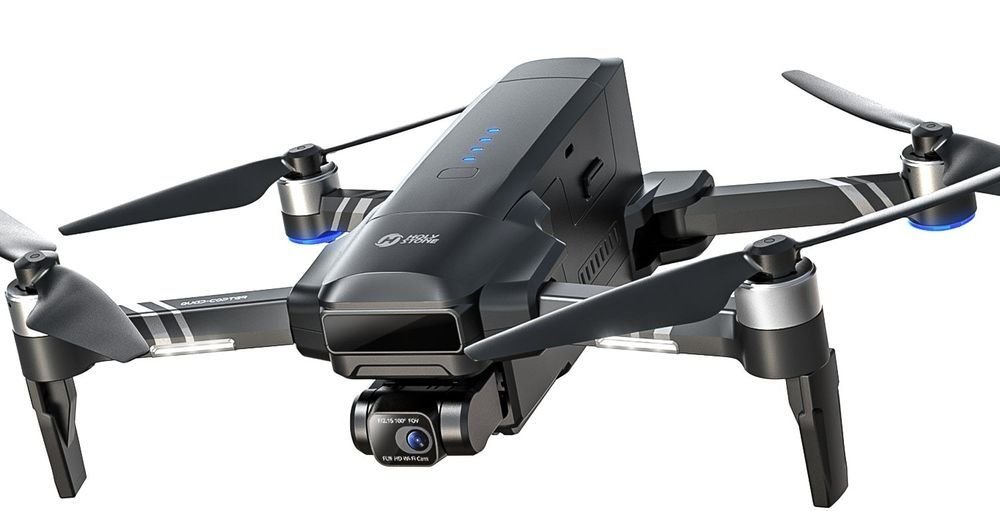 09. Holy Stone HS600Best for wind and endurance | Open country, coastlines and long sorties | 603 g frame; registration may apply | View on Amazon |
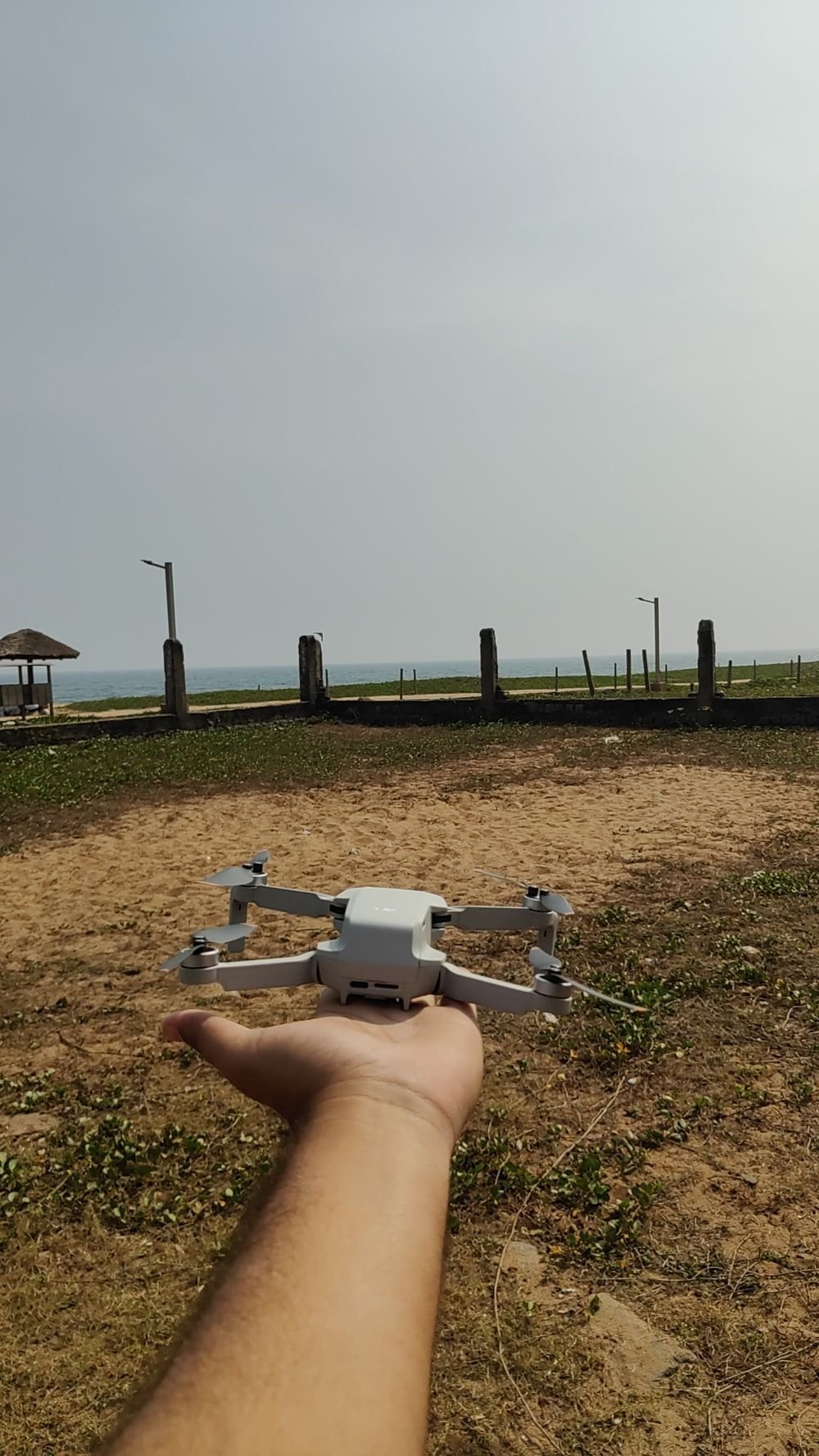 10. DJI Mini 2 SEBest simple DJI | Simple flying and 2.7K honesty | 2.7K video ceiling; no 4K | View on Amazon |
Look closer
Our 10 picks, explained
These picks come from desk research, not hands-on testing: we compared manufacturer spec sheets line by line, then cross-checked owner feedback and published reviews. Every pick was also checked against current US street pricing during research, and only models inside this class made the list; prices are not quoted here because they move too fast to print honestly.
DJI Flip
DJI built the Flip by merging two product lines: the palm-launch ease of the Neo family and the camera of the Mini line. From your palm it lifts off and tracks you through walks, rides and talks to camera while full propeller guards keep close passes relaxed. Then the camera takes over the argument: a 1/1.3-inch sensor recording 4K/60 HDR video and 48MP stills, with color depth that survives grading and dynamic range that holds sunsets together. Flight time reaches 31 minutes, double the palm-class rivals, and the folder stays under 249 g. The honest gaps are sensing and shape: obstacle braking faces forward only, with none during tracking, and the folded body is chunkier than a Mini. Creators who film themselves will not care. This is the class standard.
- Takeoff weight
- Under 249 g
- Flight time
- 31 min
- Camera
- 1/1.3-inch CMOS, 48MP, 4K/60 HDR
Reasons to choose it
- Best creator camera in this class
- Palm launch with subject tracking
- 31 minute flights, full guards
Trade-offs to know
- Braking faces forward only
- Folded shape is chunky
Choose this if: you film yourself, travel solo or want one drone that does both.
Consider another option if: your subjects are landscapes, not you, the Mini 3 trades tracking for endurance.
DJI Mini 3
Where the Flip spends its budget on self-flying, the Mini 3 spends it on the two things landscape shooters feel: sensor and time. The 1/1.3-inch sensor records 4K HDR video and 48MP stills with the clean low-light performance this class is bought for, and true vertical recording fills phone screens without a crop penalty. Rated flight time reaches 38 minutes per battery, the longest in this list, which changes how you work a location: more angles, more patience, fewer forced landings. GPS positioning keeps it exact in a hover, and the folder stays under 249 g for the lightest rulebook and the smallest bag. The absences are real: no obstacle avoidance and no subject tracking, so the pilot is the safety system. For deliberate flying and serious stills, it remains the mid-range reference.
- Takeoff weight
- Under 249 g
- Flight time
- 38 min rated
- Camera
- 1/1.3-inch CMOS, 48MP, 4K HDR video
Reasons to choose it
- Longest rated flights in class
- Big sensor, true vertical video
- 48MP stills for serious photography
Trade-offs to know
- No obstacle avoidance
- No subject tracking modes
Choose this if: you shoot places and stills, and time in the air is your luxury.
Consider another option if: you need the drone to follow you, the Flip adds tracking and palm launch.
DJI Neo 2
The first Neo trusted you to be its eyes. The Neo 2 brings omnidirectional obstacle sensing with forward LiDAR, which transforms where a palm drone can follow you: wooded trails, campsites and cluttered backyards stop being no-fly zones. It still weighs 151 g, still launches and lands on your palm, and still answers gesture control when your hands are busy. The camera steps up to 4K/60 with native vertical shooting, and ActiveTrack now holds subjects at up to 12 m/s, enough for cycling and easy trail running. Two limits shape ownership: about 19 minutes per battery, so the multi-pack kit is close to essential, and DJI longest-range transmission arrives via an optional module. As the thinking, self-flying camera of this class, it has no real rival at its size.
- Takeoff weight
- 151 g
- Flight time
- About 19 min per battery
- Camera
- 1/2-inch CMOS, 12MP, 4K/60
Reasons to choose it
- Sensing in every direction
- Palm launch plus gesture control
- Tracks at up to 12 m/s
Trade-offs to know
- About 19 minutes per battery
- Long range needs an add-on module
Choose this if: your content is you, moving, outdoors.
Consider another option if: you want 31 minute flights and a bigger sensor, the Flip is the step up.
Potensic Atom 2
Potensic second Atom closes most of the distance to DJI on paper and much of it in the air. The camera pairs a 1/2-inch Sony sensor with 48MP stills and 4K/30 HDR video, a specification that would headline a DJI mini, and AI tracking modes follow subjects for hands-free shots. Rated flight time reaches 32 minutes per battery, transmission stretches to kilometres, and the airframe folds under 249 g with the light-rulebook benefits intact. Shake and shake-free handling impress for the badge price. Where it still trails is the soft stuff: app refinement, tutorial depth and the accessory ecosystem are a generation behind DJI, and resale values follow the badge rather than the specs. If your buying rule is hardware per money, the Atom 2 is the mid-range value champion of this list.
- Takeoff weight
- Under 249 g
- Flight time
- 32 min per battery
- Camera
- 1/2-inch Sony CMOS, 48MP, 4K/30 HDR
Reasons to choose it
- Big Sony sensor, 48MP stills
- AI tracking and long range link
- 32 minute flights under 249 g
Trade-offs to know
- App polish trails DJI
- Thinner accessory ecosystem
Choose this if: you buy specs, not badges.
Consider another option if: you want the deepest app and tutorial support, the Mini 3 carries the DJI ecosystem.
Holy Stone HS900
Holy Stone flagship plays the percentage game well. Instead of chasing palm tricks, the HS900 spends on the fundamentals a camera drone is judged by: a 3-axis mechanical gimbal keeping a Sony 1/2.3-inch sensor level, 48MP stills, 4K/30 video and GPS positioning with the return-to-home manners beginners and improvers rely on. Rated flight time reaches 30 minutes per battery, and at 249 g it keeps the friendly side of most recreational rules while feeling substantial and planted in light wind. The savings show where they usually do with value brands: the app is more functional than delightful, the tutorial ecosystem is thinner, and long-term firmware support is a shorter promise than DJI makes. Judge it as flying hardware per money and it embarrasses pricier names. For gimbal smoothness on a budget inside this class, it is the pick.
- Takeoff weight
- 249 g
- Flight time
- 30 min per battery
- Camera
- Sony 1/2.3-inch CMOS, 48MP, 4K/30
Reasons to choose it
- True 3-axis gimbal at a value level
- Sony sensor, 48MP stills
- GPS positioning, 30 minute flights
Trade-offs to know
- App polish trails DJI and Potensic
- Shorter support track record
Choose this if: smooth footage matters more than brand polish.
Consider another option if: you want the bigger sensor and ecosystem, the Atom 2 steps both up.
DJI Mini 4K
Not every mid-range buyer needs the class ceiling, and the Mini 4K is the proof. It keeps the behaviors that make DJI drones easy to live with: exact GPS hovering, return to home, the guided Fly app and 31 minute rated flights, in a 246 g folder that travels anywhere. The camera records 4K/30 video and 12MP stills from a 1/2.3-inch sensor, a generation behind the 1/1.3-inch picks above it, which you will notice most at dusk and in contrasty light. In daylight, honestly, many viewers will not. The money it leaves in your pocket funds the things that actually extend a drone life: spare batteries, ND filters and a hard case. As the thinking person entry into this class, with an upgrade path that wastes nothing, it earns its place.
- Takeoff weight
- 246 g
- Flight time
- 31 min
- Camera
- 1/2.3-inch CMOS, 12MP, 4K/30
Reasons to choose it
- DJI app and positioning polish
- 31 minute flights, 246 g
- Leaves budget for batteries and case
Trade-offs to know
- Smaller sensor than class leaders
- No vertical video mode
Choose this if: you want DJI manners with money left for the kit that matters.
Consider another option if: low-light filming is your thing, the Mini 3 brings the bigger sensor.
Potensic Atom
The Atom earned its reputation by fixing the budget drone biggest flaw, shake, with a real 3-axis gimbal, and in this class it still earns its keep on that alone. The 4K/30 camera rides level through turns and light gusts, GPS positioning keeps the frame where you left it, and Potensic PixSync 3.0 transmission is rated to 6 km, which in real suburbs means a link that simply does not drop. Rated flight time reaches 32 minutes per battery, and the folder weighs 249 g with battery and card aboard. Against the Atom 2 above it, the camera sensor is a step behind and the tracking smarts are fewer. Against everything else at its street level, the gimbal and the link keep it on this list on merit.
- Takeoff weight
- 249 g with battery and card
- Flight time
- 32 min per battery
- Camera
- 4K/30, 3-axis gimbal
Reasons to choose it
- 3-axis gimbal smoothness
- Long, stable transmission link
- 32 minute flights
Trade-offs to know
- Camera a step behind the Atom 2
- Fewer tracking smarts
Choose this if: smooth, steady footage is the whole point.
Consider another option if: you want the newer sensor and AI tracking, the Atom 2 is the upgrade.
Skyrover X1
Every class has a pick that makes the incumbents nervous, and the X1 is this one. Its 1/1.32-inch sensor is effectively the largest here, recording 4K/60 HDR video and 48MP stills, and it wraps that camera in the full modern checklist: omnidirectional obstacle sensing, subject tracking and a rated 32 minutes per battery, all under 249 g. On specifications alone it argues with drones a class above. The honest caution is everything around the spec sheet: Skyrover is a young brand, so firmware maturity, parts pipelines and long-term support are promises rather than track records, and early adopters absorb the bumps of any new platform. If you buy on hardware and accept that bargain knowingly, the X1 is the most exciting drone in this class. Cautious buyers have four DJI and Potensic picks above it.
- Takeoff weight
- Under 249 g
- Flight time
- 32 min rated
- Camera
- 1/1.32-inch CMOS, 48MP, 4K/60 HDR
Reasons to choose it
- Largest sensor in this class
- Omnidirectional sensing included
- 4K/60 HDR and 32 minute flights
Trade-offs to know
- Young brand, unproven support
- Early-platform firmware risk
Choose this if: you buy the spec sheet and accept early-adopter risk.
Consider another option if: proven support matters more, the Flip is the established all-rounder.
Holy Stone HS600
Every other pick here worships the 250 g line. The HS600 ignores it, and the payoff is written across its spec sheet: up to 40 minutes of rated flight per battery, the longest here, and a 603 g airframe whose mass and brushless power hold a line in wind that blows lighter drones home early. GPS positioning with return to home covers the safety basics, and the 4K/30 camera rides a 2-axis gimbal with electronic stabilisation, a step behind the 3-axis leaders for smoothness but honest for landscapes and property work. The costs are the mirror of its virtues: it travels in a real case, its size draws attention, and at this weight many countries require registration before recreational flight. For farms, coastlines and big open properties, it is the class endurance tool.
- Takeoff weight
- 603 g
- Flight time
- Up to 40 min per battery
- Camera
- 4K/30, 2-axis gimbal plus EIS
Reasons to choose it
- Longest rated endurance here
- Wind composure the minis cannot match
- GPS positioning and return home
Trade-offs to know
- 603 g, registration may apply
- 2-axis gimbal trails the leaders
Choose this if: you fly big, windy, open places and stay out long.
Consider another option if: you want the light rulebook and pocket size, the Mini 3 nearly matches its endurance at a third of the weight.
DJI Mini 2 SE
There is a place in this class for the drone that asks least of you. The Mini 2 SE keeps DJI core manners, exact GPS hovering with downward vision sensing, return to home and 31 minute rated flights, in the classic sub-249 g folding body, and pares the camera back to 2.7K/30 video and 12MP stills. That ceiling is real: footage is clean and shareable, not cinematic, and editors will find less room to crop. In exchange you get the lowest-commitment route into DJI current ecosystem, with cheap spares and endless tutorials from its Mini siblings. Buyers use it as a hiking spare, a learner for family members, or a first DJI while the flagship money waits. Judged as the class simple option rather than its camera champion, it makes complete sense.
- Takeoff weight
- Under 249 g
- Flight time
- 31 min rated
- Camera
- 1/2.3-inch CMOS, 12MP, 2.7K/30
Reasons to choose it
- DJI positioning and app polish
- 31 minute flights under 249 g
- Cheap spares, endless tutorials
Trade-offs to know
- 2.7K video ceiling
- No 4K or vertical mode
Choose this if: you want DJI calm at the lowest commitment in class.
Consider another option if: you need 4K from the same family, the Mini 4K is the direct step up.
Buy with confidence
How to choose in the mid-range
Four checks that separate a smart buy from an expensive almost-flagship.
01. Sensor size is the real upgrade
This class is where sensors grow up. The 1/1.3-inch sensors in the top picks gather far more light than the 1/2.3-inch generation, shown as cleaner dusk footage, gentler highlight roll-off and stills that survive cropping. If you fly at golden hour, sensor size is the first number to compare and the last to compromise.
02. Gimbal quality beats resolution bragging
Every serious pick here shoots 4K, but footage quality splits on stabilisation. Three-axis gimbals keep horizons level through turns and gusts; electronic help alone smooths the middle of the frame and lets the edges swim. Watch sample footage at the edges before buying resolution numbers.
03. Endurance is a system, not a spec
Rated times from 31 to 40 minutes are lab ceilings, and real sorties run shorter. What matters is the system: how many batteries the bundle includes, what spares cost, and how fast they charge. A drone rated five minutes shorter with affordable packs often flies more per month than one waiting on costly batteries.
04. Decide your weight story early
Nine picks here stay under 250 g, keeping recreational rules simpler in many places and bags lighter everywhere. The one full-size exception buys wind composure and endurance with 603 g and the registration duties that follow in many countries. Neither answer is wrong, but they are different hobbies, so pick yours early.
Behind the recommendations
How we selected these products
This guide is built on desk research, not hands-on testing. We compared official manufacturer spec sheets across the current mid-range field, then cross-checked the shortlist against owner feedback and published reviews. Street pricing for every pick was checked against US retailer and price-tracking sources during research in October 2026, and models that had drifted out of this class were cut. Flight times are maker lab ratings, so treat them as ceilings.
- Image first: sensor size, native video modes and stabilisation type from manufacturer data, since they decide footage quality here
- Ownership reality: bundle contents, spare battery costs and support depth checked in listings and owner reports
- Limitations: we did not fly these drones for this guide and prices move daily, so confirm the exact bundle and current offer before buying
Common questions
Before you buy
What does this class buy over the budget tier?
Mostly light and time: bigger sensors that stay clean at dusk, true 3-axis gimbals, longer flights and faster, farther links. The flying also calms down: stronger motors and better tuning mean the drone spends its energy on the shot instead of staying aloft. It is the tier where drones stop feeling like gadgets and start feeling like cameras.
Is it worth stretching to a flagship instead?
Only for specific needs: obstacle avoidance in every direction, zoom lenses, or professional color pipelines. For travel, family, property and social filming, the top picks here already shoot footage most viewers cannot tell from flagship output. The smarter stretch is usually batteries and a case for a drone you fly constantly, over a flagship you fly carefully.
How important is the sub-250 g line in this class?
It decides your paperwork and your packing. Under 250 g keeps recreational registration simpler in many countries and every pick here but one qualifies, which at this performance level is remarkable. The heavyweight exception earns its place with endurance and wind composure, but it asks you to register in many places and carry a real bag. Choose with your local rules open in another tab.
Which of these is best for a solo creator?
The Flip, for its combination of palm launch, automatic tracking and the strongest creator camera in the class. The Neo 2 runs it close if your filming is mostly follow shots of yourself moving. If your content is landscapes and places rather than people, the Mini 3 and Atom 2 put the same money into endurance and sensors instead of self-flying tricks.
Choose the mid-range drone that fits your flying
Start with the DJI Flip if you film yourself or want the class best camera. Choose the Mini 3 for endurance and stills, or the Potensic Atom 2 for DJI-class specs without the badge. Every pick flies well above its band.
Sources and verification
Product specifications and claims in this guide were checked against the following sources, listed by name as a record of what was consulted.
- DJI Flip, Mini 3, Mini 4K, Mini 2 SE and Neo 2 official specifications (dji.com)
- Potensic Atom 2 and Atom official specifications (potensic.com)
- Holy Stone HS900 and HS600 official product information (holystone.com)
- Skyrover X1 official product information (skyrover.com)
- US street pricing checks via retailer roundups and price-history tracking, October 2026
- Published reviews and owner feedback for the shortlisted models, cross-checked in October 2026