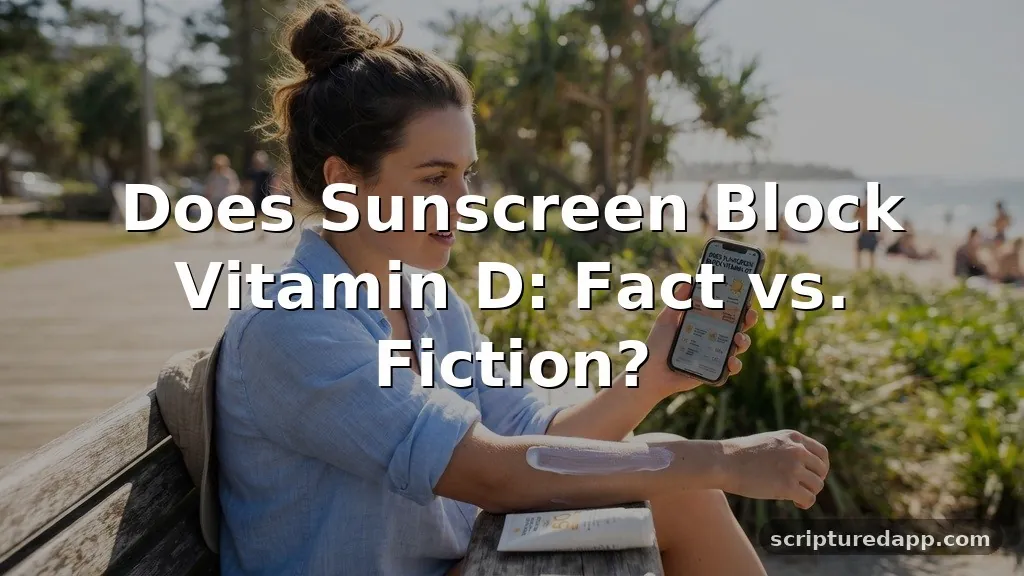

For decades, health enthusiasts and dermatologists have debated how daily sun cream application influences our nutritional well-being. Many individuals worry that safeguarding their skin against ultraviolet radiation inadvertently triggers a deficiency in the sunshine nutrient. Understanding how sunscreen impacts vitamin levels requires looking past clinical theory into how people actually apply these protective formulations in everyday life.
While laboratory trials demonstrate that high protection factors can theoretically halt synthesis, real-world habits reveal a much more nuanced picture. Let us explore the biochemical realities of sun exposure, examine what clinical studies actually show, and determine how to balance bone health with skin safety.
The Science of Ultraviolet Radiation and Nutritional Synthesis

Ultraviolet B radiation initiates the primary pathway for nutritional synthesis within the human body when photons strike bare skin. Specifically, uvb rays penetrate the epidermis and convert 7-dehydrocholesterol into previtamin D3, which then isomerizes into active cholecalciferol. This complex biochemical cascade forms the foundation of natural hormone production, making outdoor light exposure fundamentally important for overall biological balance.
However, the exact spectrum required for this process overlaps heavily with the wavelengths responsible for DNA damage and erythema, commonly known as sunburn. The skin cancer risks associated with unprotected ultraviolet exposure forced medical researchers to develop robust topical shields. These protective formulas contain active mineral or chemical filters designed to absorb, scatter, or reflect incoming photons before they can trigger cellular mutations in the basal layer.
When evaluating whether protective lotions hinder this photochemical pathway, researchers measure the Sun Protection Factor of the formula. A higher SPF rating theoretically blocks a greater percentage of incoming photons, raising questions about whether standard daily application leaves enough energy reaching the cellular level to sustain healthy hormone levels.
Clinical Evidence: What Research Studies Actually Reveal
Controlled clinical trials evaluating sunscreen use often produce seemingly contradictory results because laboratory conditions rarely match human behavior. In strict, controlled settings where subjects apply thick layers of high-SPF products meticulously every two hours, vitamin production drops significantly. These clinical trials prove that a complete chemical barrier successfully interferes with the necessary photon absorption.
Conversely, epidemiological investigations tracking free-living populations tell a different story regarding actual sunscreen use and nutritional status. Most people apply only a fraction of the recommended cream amount—often less than half of the two milligrams per square centimeter required to achieve the labeled SPF rating. Furthermore, people frequently miss spots on their ears, neck, and limbs, leaving plenty of vulnerable surface area exposed to ambient photons.
Consequently, large-scale medical reviews frequently conclude that habitual protection does not automatically cause severe nutritional deficiencies in the general population. The human body is remarkably efficient at maintaining homeostasis, often requiring only minimal, intermittent ultraviolet exposure to sustain adequate serum concentrations throughout the year.
Real-World Application Habits Versus Laboratory Ideals
The gap between laboratory theory and real-world behavior explains why most individuals maintain normal nutritional markers despite wearing protective lotions. Clinical perfection is rare; missed spots and inadequate thickness mean that enough radiation invariably penetrates the epidermal barrier. Understanding this distinction helps reconcile why dermatologists and general practitioners view daily protection as safe for overall wellness.
Key behavioral factors influencing real-world nutritional outcomes include:
- Applying insufficient quantities of protective cream during outdoor activities.
- Failing to reapply lotions after swimming, sweating, or towel drying.
- Leaving large portions of the body exposed, such as the lower legs or forearms.
- Seeking shade or spending time indoors, which naturally limits cumulative photon absorption.
Balancing Ultraviolet Protection and Nutritional Needs
Navigating the dual imperatives of preventing malignant lesions while maintaining strong bones requires a balanced approach to outdoor activities. Medical guidelines generally suggest that brief, non-burning exposure on unprotected arms and legs for a few minutes a day is more than sufficient for most people. During these short windows, the body can synthesize adequate amounts without accumulating dangerous levels of cellular damage.
For individuals with specific medical conditions or those living in northern latitudes with weak winter sunlight, dietary sources and supplementation play a vital role. Fatty fish, fortified dairy alternatives, and high-quality supplements ensure stable nutritional status regardless of seasonal weather changes or rigorous protective habits. Relying on diet rather than intentional sunburn protects the dermal barrier from premature aging and malignant growths.
Healthcare professionals emphasize that nobody should intentionally skip protective measures to boost their nutritional numbers. The risks associated with chronic ultraviolet damage far outweigh the modest inconvenience of obtaining nutrients through safer dietary channels.
Factors Influencing Individual Absorption Rates
Not everyone processes ultraviolet light with the same biological efficiency, meaning the impact of protective lotions varies significantly across different demographics. Melanin acts as a natural pigment shield within the epidermis, meaning individuals with darker skin tones require longer periods of outdoor exposure to generate equivalent amounts of the nutrient compared to lighter-skinned counterparts.
Geographic location, altitude, and seasonal shifts also dictate how much active light reaches the ground. People residing closer to the equator experience intense, direct rays year-round, whereas northern populations face months where ambient radiation is too weak to trigger any synthesis at all, rendering protective lotions irrelevant to their nutritional status during those dark months.
| Factor | Impact on Synthesis | Interaction with Protection |
|---|---|---|
| Melanin Density | Higher melanin slows down synthesis rates. | Requires careful balance regardless of lotion use. |
| Geographic Latitude | Stronger near the equator, weaker near poles. | Determines seasonal necessity of protective measures. |
| Application Thickness | Thick layers block photons effectively. | Real-world thin layers allow most radiation through. |
Addressing Common Misconceptions and Nutritional Gaps
A widespread myth suggests that putting on high-SPF lotions creates an impenetrable fortress that drives people into severe nutritional deficits. In reality, dermatological surveys show that even diligent users absorb enough incidental light during everyday commutes, walks, and outdoor chores to maintain baseline health. The human organism is adaptable, storing excess nutrients in adipose tissue for use during periods of low sunlight.
Another common misunderstanding involves the misconception that wearing protective garments or seeking shade completely halts internal hormone production. While shade reduces ambient ultraviolet levels by up to fifty percent, scattered light still reaches the skin surface. Integrating safe habits with a nutrient-rich diet eliminates the need to compromise dermatological health for the sake of internal wellness.
Frequently Asked Questions
Does putting sunscreen prevent vitamin D absorption entirely?
No, protective lotions do not block synthesis completely in real-world settings. Because people typically apply less than the recommended amount and miss certain areas, enough ultraviolet radiation penetrates the skin to support normal nutritional levels.
How long do you need to be in the sun for vitamin D?
Most individuals only require a few minutes of unprotected sun exposure on their arms and face a few times a week. The exact duration depends heavily on skin pigmentation, geographic location, and the time of day.
Can you still get vitamin D in the shade?
Yes, you can still absorb ambient ultraviolet light while sitting in the shade or on cloudy days. Reflected light from surrounding surfaces like concrete, sand, and water also contributes to overall exposure levels.
Does SPF 50 block vitamin D more than SPF 15?
Laboratory tests show that higher SPF ratings block a greater percentage of incoming UVB rays. However, because real-world application is rarely thick enough to match laboratory standards, the practical difference in nutritional impact between SPF 15 and SPF 50 is minimal.
Conclusion
Safeguarding your dermal health with quality protection does not force you to choose between strong bones and cancer prevention. By understanding how people actually apply protective formulas in daily life, you can confidently maintain both your skincare routine and your nutritional well-being. Embrace sensible sun habits, eat a balanced diet, and consult your medical provider if you have specific concerns about your personal health metrics.
SunscreensExpert.com sunscreen reviews and ratings sunscreensexpert.com sunscreensexpert.com SPF buying tips best sunscreen for face Sunscreens Expert SPF reviews check out this buying guide sunscreensexpert.com sunscreensexpert.com best sunscreen guide Sunscreens Expert SPF reviews sunscreensexpert.com sunscreensexpert.com how to choose the right sunscreen best sunscreen guide best mineral sunscreen 2026 how to choose the right sunscreen SunscreensExpert.com sunscreensexpert.com how to choose the right sunscreen choosing the right SPF Sunscreens Expert Sunscreens Expert Sunscreens Expert SPF reviews Sunscreens Expert Sunscreens Expert guide Sunscreens Expert best sunscreen guide sunscreen reviews and ratings