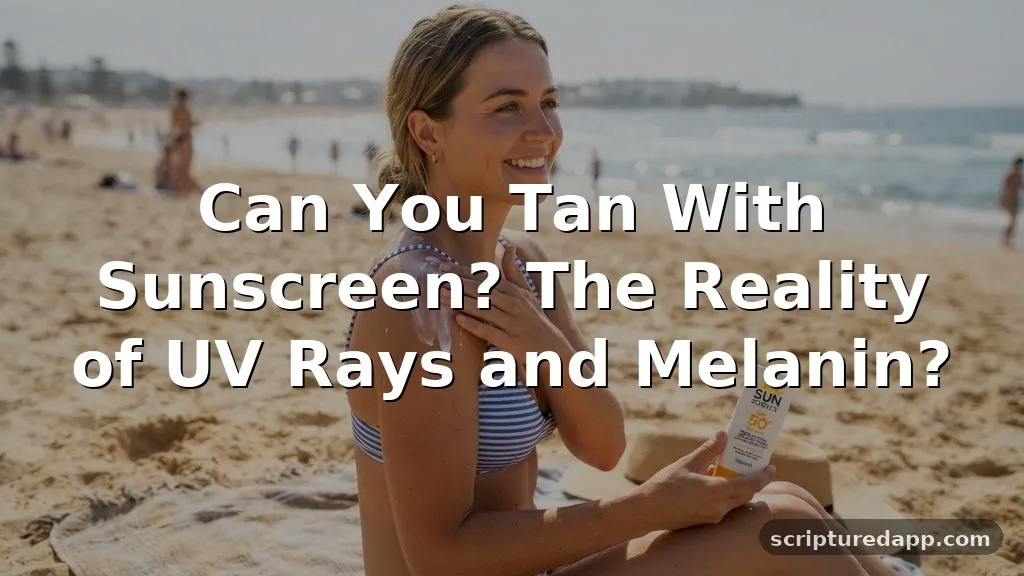

Anyone spending time outdoors naturally wonders if can you tan with sunscreen without completely blocking out the golden glow they want. The short answer is yes, because no sunscreen blocks one hundred percent of UV radiation, meaning some light always filters through to trigger your body’s pigment response.
Understanding how melanin production interacts with varying levels of sun protection helps you maintain safety while achieving your desired color. This breakdown explores the science of ultraviolet light, the truth about high-factor lotions, and how to balance aesthetics with long-term skin integrity.
The Science of Tanning and Ultraviolet Radiation
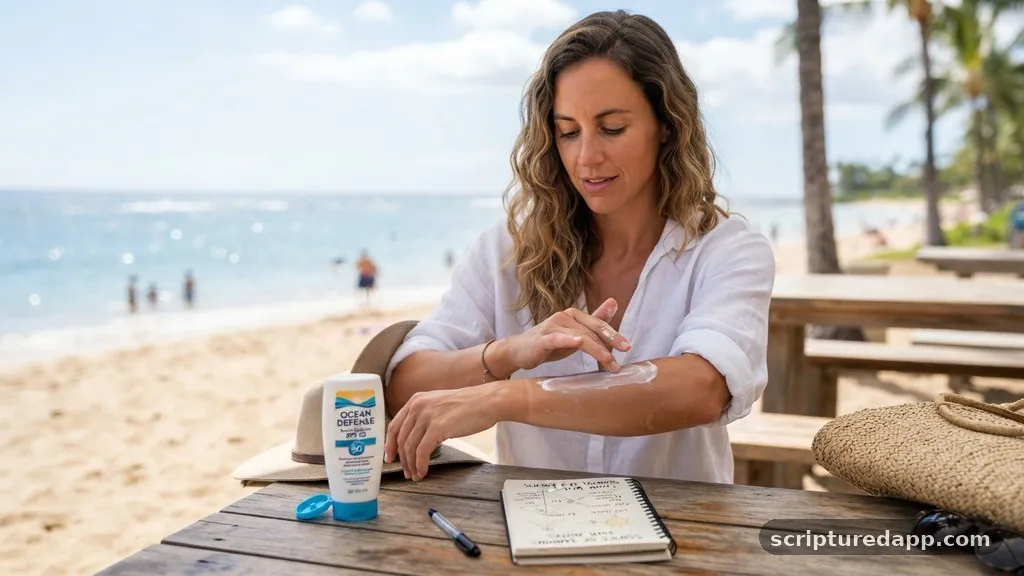
Direct answers immediately: Tanning is fundamentally a physiological defense mechanism triggered when your skin cells detect solar trauma. When ultraviolet radiation penetrates the epidermis, specialized cells called melanocytes produce more pigment to absorb incoming rays and shield deeper cellular structures from permanent DNA alterations.
This biological reaction involves two distinct types of light waves emitted by the sun. UVA rays penetrate deep into the dermis, aging the tissue and oxidizing existing pigment, while UVB rays affect the upper layers, causing the delayed color change and painful redness associated with overexposure. Neither type is entirely blocked by standard topical formulas, which is why color development still occurs even when you wear protective products.
Many beachgoers mistakenly believe that pigment production indicates a healthy glow, but dermatologists clarify that any noticeable darkening represents cellular stress. When you apply lotions formulated to protect against these hazards, you filter out a significant percentage of the damaging energy, slowing down the rate at which your body produces pigment.
How Different SPF Ratings Impact Color Development
Direct answers immediately: Higher sun protection factor ratings block greater percentages of incoming ultraviolet light, meaning higher numbers result in slower, more gradual color changes. An SPF 30 formulation filters out approximately ninety-seven percent of UVB rays, while an SPF 50 blocks roughly ninety-eight percent, leaving very little energy to stimulate your pigment cells.
When evaluating whether you can achieve color while wearing heavy protection, the numerical rating tells only part of the story. Proper application thickness and reapplication frequency determine whether your lotion performs at its rated capacity. If you apply too little cream or skip the two-hour reapplication window, you reduce its protective efficacy and inadvertently allow more radiation to reach the epidermis.
The following comparison illustrates how different protective factors perform under standard outdoor conditions:
| SPF Rating | UVB Blockage Percentage | Tanning Speed Impact |
|---|---|---|
| SPF 15 | 93 percent | Faster color development, higher burn risk |
| SPF 30 | 97 percent | Gradual color development, balanced safety |
| SPF 50 | 98 percent | Very slow color development, maximum protection |
| SPF 100 | 99 percent | Minimal color development, extreme defense |
UVA Protection Versus UVB Blockage
Direct answers immediately: Traditional ratings primarily measure protection against the specific wavelengths that cause redness, leaving many people vulnerable to deep tissue aging from unfiltered rays. To ensure comprehensive safety, you must choose a broad-spectrum formula that shields your body from both ultraviolet spectrums simultaneously.
Without adequate defense against deep-penetrating light, you might avoid immediate burns while still sustaining cumulative cellular trauma. This imbalance creates a false sense of security, encouraging longer outdoor sessions that increase your eventual risk of developing skin cancer and premature wrinkles.
Manufacturers design modern formulations using various active ingredients to intercept these light waves before they initiate cellular damage. These compounds fall into two primary categories:
- Mineral ingredients like zinc oxide and titanium dioxide sit on top of the epidermis, physically reflecting and scattering incoming light away from the body.
- Chemical compounds like avobenzone and oxybenzone absorb ultraviolet energy and convert it into harmless heat released from the surface.
- Broad-spectrum stabilizers ensure that these active filters do not break down rapidly when exposed to direct daylight.
The Myth of the Base Tan
Direct answers immediately: Cultivating an initial dark shade early in the season does not provide meaningful defense against future burns or cellular mutations. Dermatologists frequently debunk this persistent myth, explaining that a light pigment change offers an SPF equivalent of only three or four, which is virtually useless for outdoor safety.
Relying on initial color to keep you safe during extended outdoor activities often leads to severe cellular trauma because people skip proper lotion application. Instead of building natural resistance, you accumulate microscopic injuries that compound over time, accelerating visible aging and elevating long-term health risks.
True dermatological health relies on consistent external barriers rather than trusting your body’s distress signals. Maintaining radiant tone without inviting harm requires shifting your mindset away from rapid color acquisition toward sustainable habits that preserve your complexion’s integrity for decades.
Safer Alternatives for Achieving a Golden Complexion
Direct answers immediately: If you want a deep, sun-kissed look without exposing your body to harmful radiation, modern cosmetic chemistry offers sophisticated alternatives that bypass solar risks entirely. Incorporating a high-quality self-tanner or receiving professional spray applications allows you to bypass UV exposure completely.
These cosmetic options utilize dihydroxyacetone, a safe color additive that reacts with amino acids in the outermost layer of dead skin cells to produce an artificial pigment. This reaction creates a natural-looking brown tone within hours without triggering the biological stress responses associated with actual ultraviolet trauma.
For those who still choose outdoor recreation, combining protective lotions with shade-seeking behaviors and protective clothing yields the best balance. Limiting peak-hour exposure between ten in the morning and four in the afternoon ensures you enjoy the outdoors while keeping your complexion safe and healthy.
Addressing Common Misconceptions About Sun Protection
Direct answers immediately: Many beachgoers assume waterproof formulas last all day or that cloudy skies eliminate the need for lotions, both of which lead to unexpected burns. Clarifying these widespread misunderstandings helps you make informed choices during your outdoor adventures.
Another frequent error involves mixing different products or diluting lotions with oils to speed up color development, which destroys the chemical matrix designed to intercept harmful light. Sticking to tested, unadulterated products applied in generous amounts remains the gold standard for maintaining both aesthetics and wellness.
Frequently Asked Questions
Can you still get a dark tan with SPF 50?
Yes, you can still develop a slight color change with high SPF formulations because they filter out most, but not all, ultraviolet radiation. The process happens much more gradually, which significantly reduces your risk of sustaining painful burns or long-term cellular trauma.
Do you tan better with sunscreen on or off?
Skipping protection lets you develop color faster, but it triggers dangerous cellular stress that leads to painful burns and long-term damage. Using protective lotions slows down the process, but it keeps your skin healthier while still allowing a gradual, safe color change over time.
What SPF allows you to tan the fastest?
Lower protection factors like SPF 15 allow faster color development because they block less ultraviolet radiation. However, they also expose you to a much higher risk of sunburn, making them a less desirable choice for maintaining long-term wellness.
How often should you reapply protective lotion outdoors?
You should reapply your protective lotion every two hours, or immediately after swimming, heavy sweating, or towel drying. Maintaining this schedule ensures the active ingredients continue to filter ultraviolet light effectively throughout your time outside.
Conclusion
Achieving a golden glow while maintaining healthy skin requires understanding how ultraviolet light interacts with your body’s pigment production. While you can certainly develop color while wearing protective products, prioritizing safety over speed ensures your complexion stays radiant and resilient for years to come. Embrace smart outdoor habits, choose broad-spectrum formulas, and enjoy your time outside with confidence.
SunscreensExpert.com choosing the right SPF Sunscreens Expert guide Sunscreens Expert mineral vs chemical sunscreen guide sunscreensexpert.com Sunscreens Expert guide sunscreensexpert.com Sunscreens Expert sunscreensexpert.com mineral vs chemical sunscreen guide best sunscreen for oily skin best sunscreen guide SunscreensExpert.com Sunscreens Expert buying guide Sunscreens Expert guide sunscreen reviews and ratings sunscreensexpert.com sunscreen reviews and ratings SunscreensExpert.com Sunscreens Expert guide choosing the right SPF sunscreen for sensitive skin guide best sunscreen for oily skin sunscreen reviews and ratings choosing the right SPF SPF buying tips Sunscreens Expert guide sunscreensexpert.com Sunscreens Expert buying guide