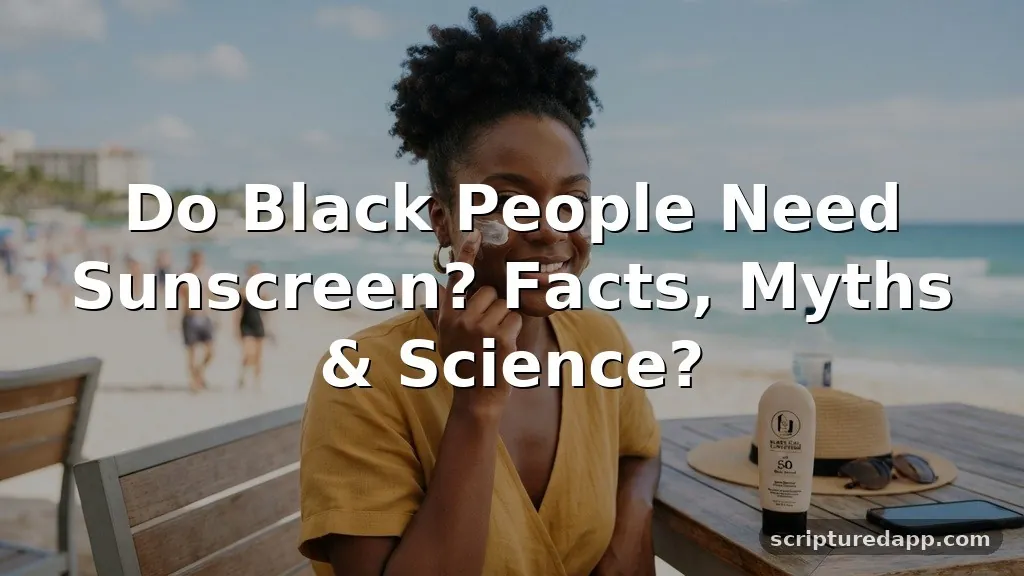

The question of whether do black people need sunscreen has been a subject of persistent debate, cultural misunderstanding, and medical misinformation for decades. Many individuals assume that having higher levels of natural pigment completely shields the body from solar radiation, yet dermatological science confirms that ultraviolet energy affects all complexions. Addressing this misconception is vital for preserving long-term wellness across every community.
Examining the biological realities of pigmentation reveals why protective measures remain necessary outdoors. By understanding how solar radiation interacts with cellular structures, readers will discover actionable strategies to safeguard their health without compromising their natural appearance.
The Science of Melanin and Natural Photoprotection
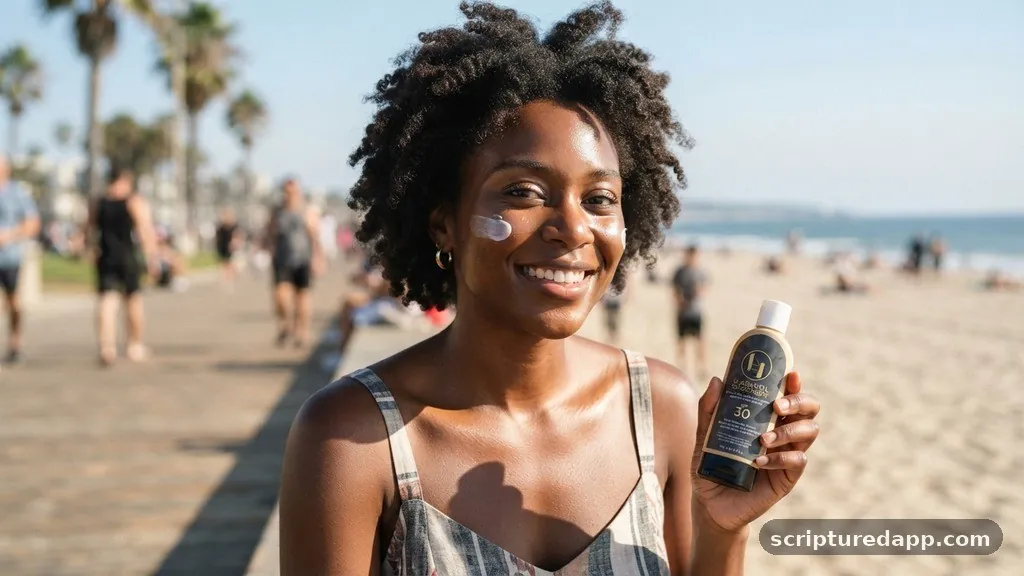
Melanin is the primary biological pigment responsible for determining the color of human skin, hair, and eyes, and it provides a natural baseline of defense against ultraviolet rays. This complex polymer acts as a physical and chemical filter, scattering and absorbing a portion of the incoming radiation before it can penetrate deep cellular layers and cause structural mutations. In individuals with darker skin, specialized cells called melanocytes produce higher quantities and denser forms of melanin, known as eumelanin, compared to those with lighter complexions.
This natural photoprotection offers an SPF equivalent roughly estimated between 13 and 4, meaning it takes significantly longer for un-sunscreened dark skin to exhibit visible signs of a sunburn compared to fair skin types. However, this biological shield is not impenetrable.
Dermatologists emphasize that natural pigmentation does not block one hundred percent of ultraviolet radiation. Invisible thermal and light-based energy still penetrates the epidermis, triggering cumulative oxidative stress and cellular alterations that persist long after the outdoor excursion ends.
| Skin Characteristic | Lighter Skin Tones | Darker Skin Tones |
|---|---|---|
| Melanin Concentration | Low volume, primarily pheomelanin | High volume, dense eumelanin |
| Natural SPF Equivalent | Approximately SPF 1 to 2 | Approximately SPF 4 to 13 |
| Primary Sun Damage Risk | Immediate erythema and acute sunburn | Delayed hyperpigmentation and photoaging |
Can Black People Get Sunburned and Damaged by the Sun?
A widespread myth suggests that individuals belonging to people color populations cannot experience a sunburn. While it is true that overt, painful redness is less common and harder to spot on deep complexions, cellular injury still occurs during prolonged outdoor exposure. When ultraviolet photons overwhelm the natural melanin barrier, blood vessels dilate and inflammatory chemicals flood the tissue, resulting in tenderness, swelling, peeling, or a dull, tight sensation across the affected area.
Beyond acute thermal injury, chronic ultraviolet radiation triggers invisible cellular damage that accumulates over a lifetime. This manifests as uneven pigmentation, dark spots, persistent blemishes, and accelerated photoaging. Protecting diverse skin tones from these invisible insults is essential for maintaining an even complexion and preventing long-term structural deterioration of the dermal matrix.
Understanding Melanoma and Skin Cancer Risks in Dark Skin
While the overall incidence of skin cancer is statistically lower among black individuals compared to Caucasian populations, the outcomes are frequently more severe when a diagnosis finally occurs. This discrepancy often stems from delayed detection, as medical professionals and patients alike mistakenly assume that black people are entirely immune to malignancies like melanoma and squamous cell carcinoma.
When tumors develop in heavily pigmented individuals, they frequently appear in areas unexposed to direct sunlight, such as the palms of the hands, soles of the feet, and underneath the fingernails or toenails. Bob Marley famously succumbed to an acral lentiginous melanoma originating under a toenail—a tragic reminder that aggressive malignancies can affect anyone. Recognizing that risk exists across all demographics helps ensure earlier detection and significantly higher survival rates.
- Acral lentiginous melanoma develops on non-sun-exposed areas like palms and soles.
- Late-stage diagnoses in diverse populations often lead to lower five-year survival rates.
- Routine full-body dermatological screenings are vital for catching abnormal lesions early.
- Sun protection reduces overall cumulative ultraviolet stress on vulnerable tissue.
- Public education campaigns help dismantle dangerous myths about racial immunity to cancer.
Choosing the Right Sun Protection and Avoiding White Casts
One of the primary historical deterrents keeping individuals from adopting a daily routine involving wear sunscreen habits is the frustrating white cast left behind by traditional mineral formulas. Zinc oxide and titanium dioxide, while exceptionally safe and effective, reflect light in a way that creates an unwanted chalky or ashen appearance on deep complexions. Fortunately, the beauty and wellness industry has evolved rapidly to address this formulation hurdle.
Modern cosmetic chemistry offers innovative solutions designed specifically to integrate seamlessly into diverse beauty regimens without altering natural undertones. Consumers can choose from several advanced categories:
- Chemical sunscreens that absorb ultraviolet rays and convert them into heat without leaving a visible residue.
- Micronized mineral formulas that utilize ultra-fine mineral particles to minimize surface reflection.
- Tinted sunscreens infused with iron oxides that match specific deep undertones while offering additional protection against visible light.
- Gel-based and clear formulations that provide breathable, weightless coverage ideal for daily wear under makeup.
Addressing Topical Gaps: Visible Light, Hyperpigmentation, and Daily Habits
A comprehensive approach to dermatological health involves looking beyond standard ultraviolet protection to consider the impact of high-energy visible light, commonly known as blue light, which emanates from both the sun and digital screens. For individuals prone to hyperpigmentation, melasma, and dark spots, visible light stimulates melanocytes just as effectively as ultraviolet rays. Incorporating a broad-spectrum shield that includes iron oxides is therefore just as important as applying a standard SPF product.
Establishing consistent daily habits ensures that protective measures become second nature rather than an afterthought during summer vacations. Whether stepping out for a morning commute or working near a sunlit window, integrating a lightweight protective layer into a morning skincare routine helps preserve cellular integrity. Over time, these small preventive actions help maintain a vibrant, healthy complexion and minimize the need for corrective treatments later in life.
Frequently Asked Questions
Do black people need sunscreen every single day?
Yes, daily application is recommended whenever you are exposed to daylight for extended periods. Ultraviolet rays penetrate clouds and glass, meaning cumulative exposure occurs even during overcast weather or while working near windows indoors, making consistent protection a smart habit.
What SPF level is recommended for dark skin tones?
Dermatologists generally recommend using a broad-spectrum product with an SPF of 30 or higher for adequate daily defense. While higher numbers offer incremental improvements, proper application technique and regular reapplication matter far more than chasing excessively high SPF ratings.
Why does traditional sunscreen leave a gray cast on dark skin?
Traditional mineral filters like zinc oxide and titanium dioxide sit on the skin’s surface and reflect light, which creates an ashen appearance on deeper complexions. Modern formulations now utilize chemical absorbers, micronized minerals, or tinted pigments to eliminate this issue entirely.
Can sun exposure worsen hyperpigmentation in people of color?
Solar radiation and visible light trigger melanocytes to produce excess pigment, which significantly worsens stubborn dark spots, acne scars, and conditions like melasma. Wearing protective products prevents these areas from darkening further during healing processes.
Conclusion
Recognizing that do black people need sunscreen is essential for dismantling persistent health myths and promoting holistic wellness across every community. While natural melanin provides an initial biological filter against intense solar radiation, it cannot completely prevent cellular damage, premature aging, or severe malignancies.
By adopting modern, cosmetically elegant formulas that suit diverse complexions, anyone can protect their long-term health while celebrating their natural beauty. Embracing these preventive steps today ensures vibrant skin wellness for years to come.
check out this buying guide Sunscreens Expert buying guide sunscreensexpert.com Sunscreens Expert Sunscreens Expert Sunscreens Expert guide best sunscreen guide Sunscreens Expert SPF reviews SunscreensExpert.com this sunscreen guide Sunscreens Expert SPF reviews SunscreensExpert.com sunscreen reviews and ratings best sunscreen guide Sunscreens Expert guide this sunscreen guide sunscreensexpert.com best mineral sunscreen 2026 SPF buying tips SunscreensExpert.com sunscreen for sensitive skin guide Sunscreens Expert Sunscreens Expert buying guide SPF buying tips Sunscreens Expert guide sunscreensexpert.com Sunscreens Expert best sunscreen guide sunscreen reviews and ratings