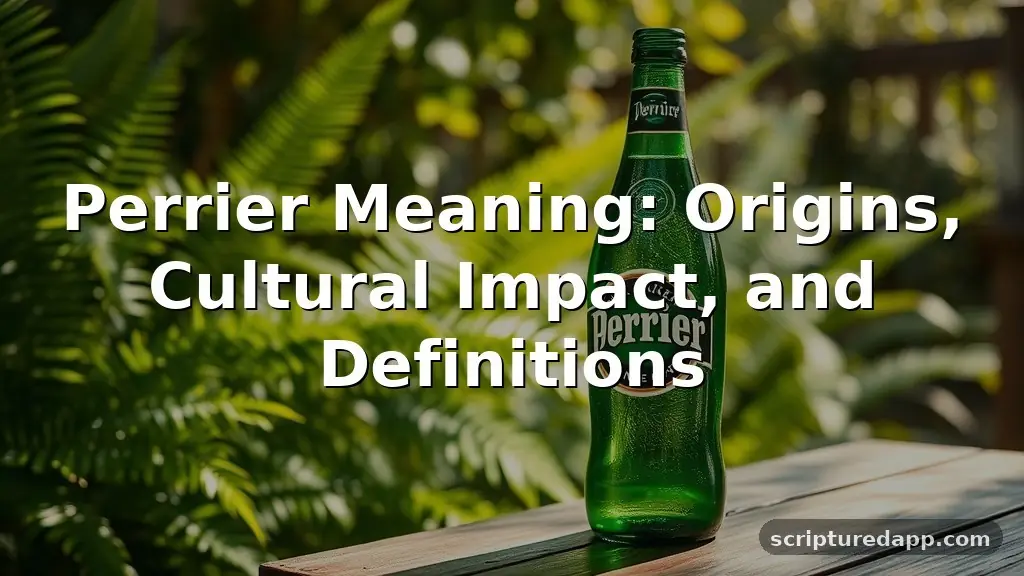

The term perrier holds a multifaceted position in modern language, primarily recognized as a global brand of natural mineral water. However, beyond its commercial application, the word acts as a cultural signifier, often representing the intersection of luxury, refreshment, and linguistic evolution.
Tracing the perrier meaning requires a deep dive into its etymological roots, its status as a proper noun, and how it has transitioned from a specific geographic source in the south of France to a recognized household name across the globe. By examining its history, we can better understand how certain brand names transcend their corporate origins to become embedded in the collective vocabulary of diverse cultures.
Etymology and Geographic Origins
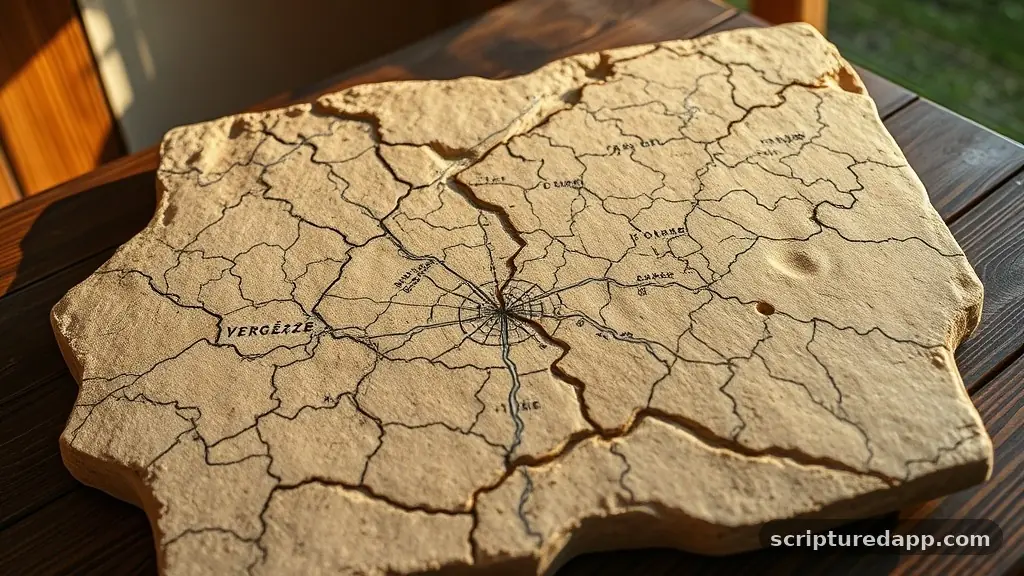
At its core, perrier is a surname of French origin, derived from the Old French word “pierre,” which translates to “stone” or “rock.” This etymological connection to the earth is more than just coincidence; it is deeply tied to the geological processes that create the famous sparkling beverage. The spring, located in Vergèze, France, has been known for its carbonated properties for centuries.
The meaning of the name is inextricably linked to the rocky, volcanic terrain from which the water emerges. When we look at the dictionary definition of the term, we see it primarily categorized as a proper noun denoting the brand, yet its roots speak to the elemental nature of the product itself.
Historically, the spring was known as Les Bouillens, or “the boiling waters,” due to the vigorous bubbling effect caused by the natural carbon dioxide. It wasn’t until Dr. Louis Perrier, a local physician, took ownership of the spring in the late 19th century that the name became synonymous with the product.
Over the years, the word evolved from a designation of a local resource to a global trademark. Understanding this shift is essential for anyone interested in how geographical markers become brand identities. The natural filtration process through limestone layers—the “stone”—validates the surname’s origin, creating a semantic bridge between the family name and the physical composition of the mineral water.
Perrier in Global Lexicons and Dictionaries
When searching for the perrier meaning in an unabridged dictionary, one might find that the entry is often restricted to the specific trademark. Unlike some brand names that have undergone “genericization”—such as Kleenex or Xerox—the term perrier remains firmly anchored to its brand identity. However, in casual usage, it is frequently employed as a shorthand for any sparkling or carbonated water.
This is a common linguistic phenomenon where a dominant brand name becomes the default descriptor for an entire category of goods. This shift represents a fascinating case study in how words evolve within the public consciousness.
Linguistically, the term is categorized as a proper noun. However, in many examples of spoken English, you will hear individuals ask for a “perrier” when they simply want a sparkling water, regardless of the actual brand served. This reflects a shift in definitions where the brand name functions as a synonym for the product type.
Lexicographers often track these shifts over many years to determine if a term has moved from a proper noun to a common noun. While perrier has not yet lost its capitalization in formal writing, its usage in daily conversation suggests that the term has expanded its semantic reach to cover all carbonated, bottled waters.
The Cultural Significance of Sparkling Water
The meaning of perrier is also deeply influenced by its mid-20th-century marketing campaigns, which positioned the drink as a sophisticated, health-conscious alternative to sugary sodas. This branding effort transformed the mineral water from a niche product into a status symbol.
During the 1970s and 1980s, the brand became a fixture in pop culture, representing a lifestyle of refinement and wellness. This cultural layer is what gives the word its weight; it is not merely a drink, but a signifier of a specific social class and a set of values regarding health and environmental consciousness.
In the world of marketing, the brand successfully associated itself with “natural” purity. By emphasizing that the carbonation is derived from the same source as the water, the brand differentiated itself from artificial sodas.
This distinction is crucial to the perrier meaning: it implies a connection to the earth, a rejection of industrial processing, and an embrace of raw, mineral-rich sources. The success of this branding strategy ensured that, even decades later, the term evokes images of the French countryside, green glass bottles, and a sense of effortless elegance that persists in modern consumer behavior.
Linguistic Evolution and Brand Genericization
The process by which a brand name becomes a generic term is a subject of significant interest in sociolinguistics. When a brand becomes so pervasive that it replaces the generic term—such as “sparkling water”—it enters a new phase of existence.
While perrier has not reached the absolute generic status of terms like “aspirin,” it sits on the threshold. In many regions, the list of available beverages in a restaurant includes this brand prominently, leading customers to use the name as a proxy for the entire category of carbonated water.
This phenomenon is often studied by linguists interested in how words adapt to consumer habits. When we discover how people use the term in examples across different languages, we see a consistent trend: the name becomes a vessel for the concept of “refreshment.” Whether in the United States, Japan, or its home country of France, the brand name retains its status as a premium indicator.
This consistency across borders is rare and contributes to the strength of the name as a global entity. The dictionary entries may remain formal, but the living language of the street tells a more fluid story about how we define our everyday consumption.
Comparison of Mineral Water Categories
To understand the perrier meaning in a practical sense, it is helpful to compare it against other forms of hydration. The characteristics that define this specific mineral water—natural carbonation, specific mineral content, and regional sourcing—set it apart from other types of water. The following table provides a breakdown of how this product category compares to others in the world of hydration.
| Water Type | Carbonation Source | Origin | Common Usage |
|---|---|---|---|
| Perrier | Natural Source | France (Vergèze) | Premium Refreshment |
| Club Soda | Artificial | Anywhere | Mixer for Cocktails |
| Still Spring Water | None | Various Springs | Daily Hydration |
| Seltzer | Artificial | Anywhere | Flavored Sparkling |
Topical Gaps: Addressing Misconceptions
One common gap in existing information regarding the perrier meaning is the confusion between “natural carbonation” and “added carbonation.” Many consumers assume all sparkling waters are the same, yet the technical definition of mineral water often hinges on the source of the bubbles.
In the case of this specific brand, the carbon dioxide and the water are extracted from the same underground source, though they are separated and then recombined at the bottling stage to ensure consistent pressure. This nuance is often lost in casual conversation, leading to the misconception that the water is “naturally sparkling” as it flows directly into the bottle, which is not physically possible due to the pressure required.
Another area often overlooked is the legal status of the name. Because it is a protected brand, the term cannot be used legally by other companies to describe their own waters without violating trademark law.
This legal boundary is why the word retains its prestige; it is not a generic term for any water from France, but a specific mark of quality and provenance. Understanding this distinction helps clarify why the word is treated with such reverence in the beverage industry and why it is essential to distinguish between the brand name and the broader category of effervescent liquids.
The Role of Marketing in Shaping Semantic Value
The meaning of a word is often defined by the stories we tell about it. For decades, the brand has invested heavily in advertising that links its name to high-fashion, art, and cinema. This strategy has elevated the perrier meaning from a mere commodity to a cultural icon.
By sponsoring major events and commissioning artistic bottle designs, the company has ensured that its name appears in contexts that have nothing to do with thirst and everything to do with lifestyle. This is a classic example of “brand as identity.”
When you hold a bottle, you are not just holding water; you are holding a piece of a carefully curated brand narrative. This is why, even when cheaper alternatives are available, the brand retains its market share. Consumers are buying into the meaning constructed by years of consistent messaging.
This is a vital point for students of marketing and linguistics: a name is never just a name. It is a container for history, perceived value, and social signaling. Every time a consumer chooses this brand, they are participating in a decades-long conversation about what it means to be sophisticated and health-conscious.
Linguistic Variations and Global Pronunciation
The pronunciation of the word is another interesting facet of its global identity. In its native French, the name follows standard phonetic rules that emphasize the final syllable.
However, in English-speaking markets, the pronunciation has been Anglicized over many years, often resulting in a softer, more rounded sound. These phonetic shifts are typical for international brands, but they also highlight how the meaning of the term can vary slightly depending on the cultural context in which it is spoken.
For those who wish to discover more about the linguistic history of such brands, many resources, including the Merriam-Webster dictionary, provide guidance on both the history and the pronunciation of proper nouns that have entered the common lexicon. The way a word is pronounced can signal a user’s familiarity with the brand’s origins.
A “proper” pronunciation often carries an air of international travel or sophistication, further reinforcing the brand’s premium status. This demonstrates that the perrier meaning is not just about the liquid, but about the social capital associated with the correct usage and pronunciation of the name.
The Future of the Term in a Changing World
As we look toward the future, the meaning of perrier will likely continue to evolve alongside changes in consumer preferences. With the rise of environmental consciousness, the brand is increasingly associated with discussions about plastic waste, recycling, and the ethics of bottling water. This shift in the public conversation adds a new layer to the word.
It is no longer just about luxury; it is about responsibility. The brand’s ability to adapt to these new societal expectations will determine whether the name remains a positive cultural signifier or becomes a flashpoint for environmental debate.
Furthermore, as new, local alternatives to imported mineral water gain popularity, the brand will need to redefine its value proposition. The word will have to work harder to maintain its status as the “gold standard” of sparkling water.
For linguists and marketers alike, watching this evolution will provide valuable insights into how brand names survive in a rapidly changing world. The perrier meaning is, therefore, not a static definition found in a dusty dictionary, but a living, breathing entity that changes with the values of the generation that uses it.
Key Takeaways and Summary
In summary, the perrier meaning is a blend of historical legacy, geographic origin, and successful brand management. It is a word that has transcended its origins as a family surname to become a global shorthand for quality, sparkling refreshment.
While it remains a proper noun in formal definitions, its casual usage illustrates the power of branding to shape language. By understanding the intersection of the natural source of the water and the cultural weight of the name, we gain a clearer picture of how brand identities function in our modern society.
- Origins: Derived from the French surname “Perrier,” linked to the geological “stone” of the source.
- Brand Identity: A symbol of status, luxury, and health-conscious living built over many decades.
- Linguistic Status: Functions as a proper noun but is increasingly used as a generic term for sparkling water.
- Geographic Impact: The brand is synonymous with the village of Vergèze and the specific mineral composition of its water.
- Cultural Evolution: The name continues to adapt to contemporary values regarding sustainability and environmental ethics.
Frequently Asked Questions
What is the origin of the word perrier?
The term is derived from a French surname, which itself comes from the Old French word “pierre,” meaning stone or rock. This refers to the rocky, limestone-rich soil of the spring in Vergèze, France, where the water is naturally filtered and sourced.
Is perrier considered a generic term?
While often used informally to describe any sparkling or mineral water, it is technically a trademarked proper noun. It has not yet become fully genericized in legal or formal dictionary terms, meaning it remains tied to the specific brand identity rather than the category.
How does natural mineral water differ from other types?
Natural mineral water must originate from a protected underground source and contain a consistent, specific level of minerals. Unlike club soda or seltzer, which are often processed and artificially carbonated, traditional mineral water is defined by its geological purity and naturally occurring properties.
Why is the brand associated with luxury?
The association with luxury is the result of decades of strategic marketing that positioned the product as a sophisticated, high-end alternative to sugary sodas. By aligning the brand with art, fashion, and an upscale lifestyle, the company elevated the perception of the product beyond basic hydration.
Meta Description: Discover the true perrier meaning, from its French etymological roots to its global status as a cultural icon and synonym for mineral water.